A Cockapoo’s Coat Through the Ten Month Change
Oh, the infamous "coat change"! If you're a Cockapoo owner, you know exactly what I'm talking about. One day you have this adorable, fluffy puppy with a relatively easy-to-manage coat, and the next, it feels like you've adopted a sentient mat factory. This guide is here to walk you through that confusing, sometimes frustrating, phase of your Cockapoo's life, helping you understand why it happens and how to conquer the tangles.
Understanding the Puppy Coat vs. Adult Coat Transition
Many Cockapoo owners find themselves completely blindsided by the coat change. You bring home this sweet, soft puppy, and grooming seems like a breeze. A quick brush here and there, maybe a bath every few weeks, and you're good to go. Then, almost overnight, that fluffy dream turns into a tangled nightmare. It's a universal experience for doodle owners, and trust me, you are not alone in feeling overwhelmed when it starts.
The Illusion of the "Easy" Puppy Coat
When your Cockapoo is a young pup, their coat is typically quite different from what it will eventually become. Think of it like a baby's hair – soft, fine, and often quite wispy. This "puppy fluff" is generally very easy to comb through and doesn't tend to felt or mat easily. It's a joy to bury your fingers in, and brushing it out feels like a gentle massage for your little one. This initial ease can, unfortunately, lull new owners into a false sense of security regarding the lifelong grooming commitment a Cockapoo requires. You might think, "Oh, this isn't so bad, I can handle this!" only to find yourself struggling a few months down the line.
This early, forgiving coat often leads owners to believe their Cockapoo will be truly "non-shedding" and low maintenance. While Cockapoos are indeed fantastic for many allergy sufferers because they tend to shed less than a purebred Cocker Spaniel, the idea that they require no maintenance is a myth. The reality is that their adult coats, especially those with the signature wavy or curly texture, demand consistent care. It’s during this puppy phase that many owners miss the opportunity to establish solid, positive grooming habits, which then makes the coat change even more challenging when it hits.
What Triggers the Coat Change?
So, why does this transformation happen? It's largely a natural part of canine development, much like a human child losing their baby teeth or experiencing growth spurts. As your Cockapoo matures, their body undergoes hormonal shifts that signal the end of their puppyhood. These changes influence everything from their energy levels to, yes, their coat. Genetically, your Cockapoo is a delightful mix of a Cocker Spaniel and a Poodle, and both breeds contribute different coat characteristics. The puppy coat is a sort of placeholder, a genetic lottery ticket that hasn't fully revealed itself yet.
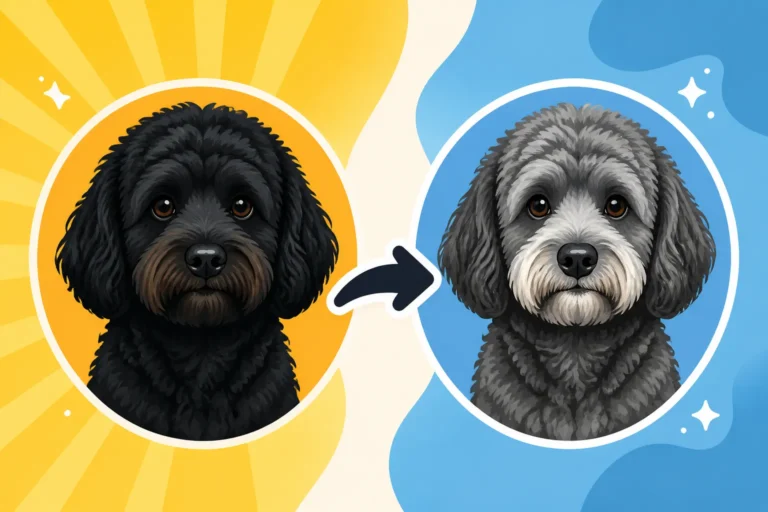
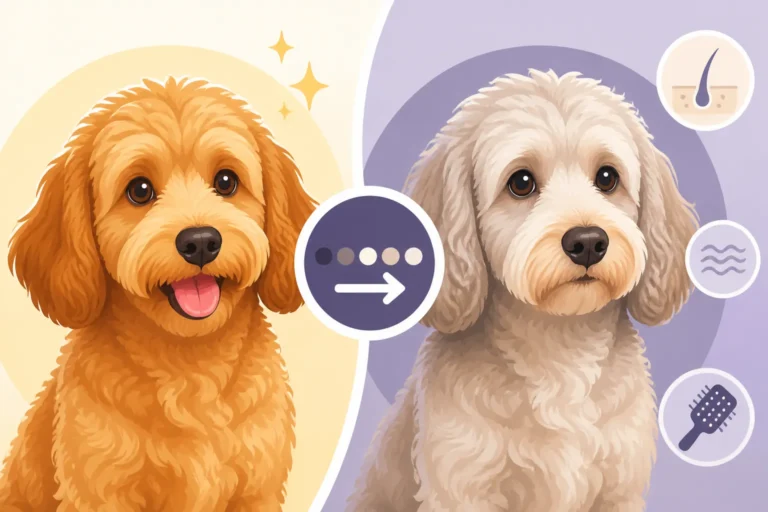
Around the six to eighteen-month mark, with a peak often observed between eight and twelve months, the finer puppy hair begins to be replaced by the coarser, denser adult coat. This adult coat is what's truly determined by the interplay of The Curl Gene and Where a Cockapoo's Coat Lands and The Furnishings Gene That Decides a Cockapoo's Face your dog inherited. If your Cockapoo has a Poodle-dominant curl gene, that adult coat will be much tighter and denser. If they lean more towards the Cocker Spaniel side, it might be wavier or even straighter, though still much thicker than their puppy coat. These new, stronger hairs start to grow in, pushing out the old puppy fluff, and that's where the trouble really begins.
The Typical Timeline of the Transition
The coat change isn't a single, dramatic event, but rather a gradual process that unfolds over several months. You might start noticing subtle changes as early as six months, but for many Cockapoos, the really challenging period kicks in between eight and twelve months. This is often referred to as the "adolescent coat change" because it coincides with their growth into young adulthood. During this time, the old, soft puppy fur and the new, tougher adult fur are growing in simultaneously, trying to occupy the same space on your dog's body.
Imagine trying to comb through two different types of hair at once – one fine and delicate, the other thick and robust. It's a recipe for tangles! This transition can last anywhere from a few months to even a year or more, depending on your individual Cockapoo's genetics and growth rate. For some, it might seem to resolve by A Cockapoo's Coat at Eighteen Months, while for others, the coat can continue to mature and thicken well into their second year. The key is to be patient, consistent, and proactive throughout this entire period, understanding that it's a phase that will eventually pass, leaving you with a glorious, if high-maintenance, adult coat.
The Mechanics of the Matting Mayhem
Once you understand why the coat change happens, the next step is to grasp how it causes so much matting. It's not just that the coat gets thicker; it's the specific interaction between the old and new hair textures that creates this perfect storm for tangles and knots. This is where many owners throw their hands up in exasperation, feeling like they're fighting a losing battle against the brush.
When Puppy Hair Meets Adult Hair
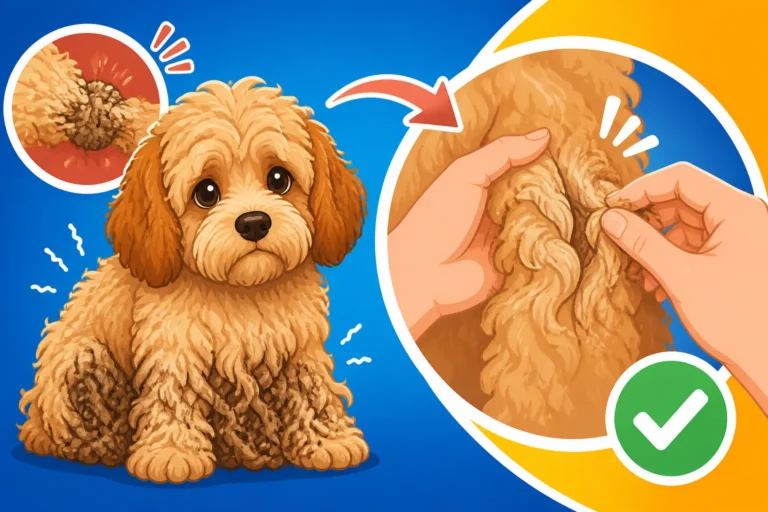
The core of the matting problem lies in the clash of textures. Your Cockapoo's fine, wispy puppy hair, which was once so easy to glide a comb through, is now being joined by the stronger, often curlier or wavier strands of their adult coat. Think of it like trying to blend silk with coarse wool – they just don't want to play nicely together. The softer puppy hairs get caught and wrapped around the more robust adult hairs, forming tiny, intricate knots that quickly escalate into larger mats.
This happens all over the body, but especially in areas where there's friction or moisture. The puppy hair doesn't shed out easily because it's caught in the new adult coat, leading to a dense layer of intertwined hair that compacts quickly. If not meticulously brushed and combed, these small tangles become larger, tighter mats that can pull on the skin and cause discomfort for your Cockapoo. It's a relentless process, and if you skip even a day or two of grooming during this critical phase, you'll be amazed at how quickly the mats can form and solidify.
Common Matting Hotspots During the Change
While your Cockapoo's entire body is susceptible to matting during this transition, certain areas are notorious hotspots where tangles seem to appear with alarming speed. These are the places you absolutely must pay extra attention to during your daily grooming sessions. One of the most common areas is behind the ears and under the chin. The constant movement of their head, combined with friction from collars or harnesses, creates the perfect environment for mats to develop. I've seen countless Cockapoos come in with tight, painful mats right at the base of their ears.
Another prime matting location is the armpits and groin area. These are high-friction zones where the legs rub against the body. When your dog walks or plays, these areas are constantly in motion, churning the fur and inviting mats. The tail base and the feathers on the legs and tail are also incredibly prone to matting, especially if your dog loves to run through tall grass or get a little muddy. Finally, don't forget the areas around their collar or harness. Any pressure point or area of repeated friction will encourage mats to form quickly. Regularly checking these spots, feeling for small bumps or lumps in the fur, is crucial to catching mats before they become serious problems. For a curly-coated Cockapoo, the curl often means mats form Where a Curly Cockapoo Mats First, so extra vigilance there is essential.
The Role of Grooming Habits
Honestly, a huge part of the matting battle during the coat change comes down to human habits. If you've been lax with grooming when your Cockapoo was a puppy – perhaps just giving them a quick once-over or only brushing the top layer – this coat change will expose those gaps in your routine with brutal efficiency. The finer puppy coat might have forgiven a missed day or two, but the adult coat, especially when mixed with the puppy fluff, absolutely will not. Inconsistent brushing, or simply not brushing down to the skin, is the express lane to a matted mess.
Many owners mistakenly use only a slicker brush on the surface, making the top coat look neat while mats silently form underneath, close to the skin. This "surface grooming" is one of the biggest pitfalls. Furthermore, using the wrong tools, such as brushes that aren't designed to penetrate the dense doodle coat, will also contribute to the problem. You need tools that can effectively separate the hairs and reach deep into the undercoat. If your Cockapoo isn't used to regular, thorough grooming sessions, they'll likely resist, making the task even harder for you and more stressful for them. Establishing positive associations with grooming early on is vital, but if you missed that window, now is the time to start, even if it means extra patience and high-value treats.
Essential Grooming Strategies for the Coat Change
Navigating the coat change successfully requires a strategic approach to grooming. It’s not just about brushing more; it’s about brushing smarter, using the right tools, and understanding when to call in the professionals. This period demands consistency and a bit of a learning curve for both you and your Cockapoo.
The Right Tools for the Job
You simply cannot win the war against matting during the coat change without the correct arsenal of grooming tools. First and foremost, you need a high-quality slicker brush. This brush has fine, angled wire bristles that are excellent for detangling and removing loose hair from the top and middle layers of the coat. Look for one with a comfortable handle and sturdy bristles that won't bend easily. You can find excellent options on Chewy or Amazon by looking for highly-rated slicker brushes designed for Poodle or Doodle coats.
However, a slicker brush alone is not enough. The unsung hero of doodle grooming is the metal comb, often called a greyhound comb. This comb has both wide and fine teeth sections and is absolutely essential for getting down to the skin and finding those hidden mats the slicker brush might miss. After using your slicker brush, always follow up with the metal comb to ensure every layer of the coat is tangle-free. This is where The Comb That Finds Mats a Slicker Misses really comes into play. For larger, stubborn mats, a mat splitter or dematting rake can be useful, but use these with extreme caution to avoid hurting your dog's skin. A good detangling spray, available at most pet supply stores or online through Amazon, can also be a lifesaver, making it easier to work through minor tangles without pulling.
Developing a Daily Grooming Routine
During the coat change, a daily grooming routine isn't just recommended; it's practically mandatory to prevent severe matting. Aim for at least 15-30 minutes of dedicated brushing every single day, especially if your Cockapoo has a curlier coat. The key is to practice "line brushing," which means systematically brushing small sections of hair, working from the bottom up. Start by parting the hair near the bottom of a leg or flank, and brush the hair downwards, slowly revealing new lines of fur as you work your way up.
After you've brushed a section with the slicker brush, follow immediately with your metal comb. The comb should be able to glide through the brushed section freely from skin to tip. If it catches, you've found a tangle that needs more attention. Gently work it out with the comb, using your fingers to hold the base of the hair to prevent pulling on the skin. Make these sessions positive! Offer treats, praise, and keep them short if your Cockapoo is resistant at first. Consistency is your best friend here; even short, daily sessions are far more effective than one long, exhausting session once a week. Remember, Line Brushing a Cockapoo and Why the Top Coat Lies is vital to avoid surface mats.
Professional Grooming During the Transition
While daily home grooming is non-negotiable, professional groomers become your absolute allies during the coat change. Even the most diligent home groomers often find it challenging to keep up with the rapid matting during this phase. I highly recommend increasing your Cockapoo's professional grooming appointments to every 4-6 weeks, or even more frequently if their coat type is particularly prone to matting.
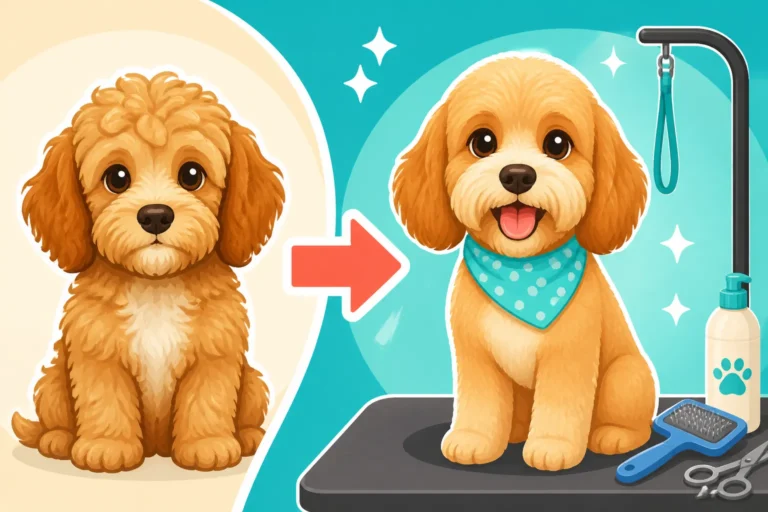
A professional groomer has the experience, tools, and expertise to tackle mats safely and efficiently. They can also recommend a clip length that will make home maintenance much easier for you. For many owners, a shorter "puppy cut" or "teddy bear clip" (like What a Teddy Bear Clip Looks Like on a Cockapoo) is the practical choice during the coat change, as it significantly reduces the surface area for mats to form and makes brushing quicker. Don't feel guilty about asking for a shorter clip. It's often the kindest thing you can do for your dog, ensuring they remain comfortable and mat-free, rather than enduring painful dematting sessions or even having to be completely shaved down. Discuss What Blade Length Suits a Cockapoo with your groomer to find a good balance for their comfort and your maintenance schedule.
Common Challenges and Solutions
The coat change can be a period of significant challenges, both for your Cockapoo and for you as their dedicated owner. It's easy to get discouraged when you feel like you're constantly battling tangles. Understanding these challenges and knowing how to address them effectively can make all the difference.
Dealing with Severe Matting
Sometimes, despite your best efforts, mats can become severe. They can clump together, forming tight, painful felted patches that pull on your dog's skin. If you find yourself facing large, dense mats that you cannot gently comb out at home, please do not try to cut them out with scissors. This is incredibly dangerous and can easily lead to accidental cuts on your dog's delicate skin. At this point, the kindest and safest solution is often a professional shave down.
I know, it can be heartbreaking to see your fluffy Cockapoo shaved short, but trust me, it's often the most humane option. Severe mats cause constant discomfort, restrict movement, and can hide skin infections. A professional groomer has the expertise to carefully shave under the mats, relieving your dog instantly. They'll prioritize your dog's comfort and safety above all else. Remember that Whether a Matted Cockapoo Has to Be Shaved is often a necessary reality, and the coat will grow back! Focus on the relief your dog will feel, and see it as a fresh start for establishing better grooming habits once the new coat begins to grow in, knowing that Whether a Cockapoo's Coat Grows Back the Same is generally true, though the texture might appear different when short.
Skin Irritation and Hot Spots
Mats aren't just an aesthetic problem; they pose significant health risks for your Cockapoo's skin. When mats become tight, they pull on the skin, causing irritation, redness, and inflammation. This constant tension can be painful and can even restrict blood flow to certain areas. Furthermore, dense mats trap moisture and dirt against the skin, creating a warm, damp environment that is perfect for bacteria and yeast to thrive. This often leads to painful skin infections, sometimes called "hot spots," which are localized areas of acute moist dermatitis.
During your grooming sessions, always pay close attention to your Cockapoo's skin. Part the hair regularly to look for any redness, flakiness, bumps, or foul odors. If you suspect a hot spot or skin irritation, it's crucial to consult your veterinarian. They can prescribe appropriate topical treatments or antibiotics if necessary. To help prevent irritation, consider using a gentle, moisturizing shampoo specifically formulated for dogs if you bathe them at home. Over-bathing can sometimes exacerbate issues, leading to Whether a Cockapoo's Skin Dries Out From Washing, so ensure you're using appropriate products and thoroughly drying their coat after any bath.
Maintaining Coat Health Beyond the Change
Successfully navigating the coat change isn't the end of your grooming journey; it's merely the first major milestone. The habits you establish during this period will serve you and your Cockapoo for their entire life. Once the adult coat has fully grown in and settled, you'll still need a consistent grooming routine, though perhaps not with the same daily intensity as during the peak of the coat change. The Three Cockapoo Coat Types and Their Upkeep all require different levels of ongoing commitment.
Beyond regular brushing and professional grooming, diet plays a crucial role in coat health. A high-quality diet provides the essential nutrients for healthy skin and a shiny, manageable coat. Brands like Ollie, known for fresh, human-grade ingredients, or other premium kibble options, can contribute significantly to overall coat vitality. Many owners also find success with supplements like Omega-3 fatty acids, which promote healthy skin and coat. These can be found at local pet stores or online through Chewy. Remember, a healthy coat is a reflection of a healthy dog, inside and out. Continue those positive grooming experiences, and your Cockapoo will thank you with a beautiful, comfortable coat for years to come.
Disclaimer
This article is for general informational purposes only and does not constitute professional advice. Laws, prices and regulations vary by location and change over time. Consult a qualified professional for guidance on your specific situation.