Line Brushing a Cockapoo and Why the Top Coat Lies
It's incredibly frustrating, isn't it? You spend what feels like forever brushing your sweet Cockapoo, only for them to develop painful mats seemingly out of nowhere, especially right down to the skin. This common problem often comes from a misunderstanding of how their unique coat works, particularly the deceptive "top coat lies" phenomenon. This guide will walk you through the essential technique of line brushing, explaining exactly why it's so vital for your Cockapoo's comfort and coat health, and how to master it at home.
Understanding the Cockapoo Coat Challenge
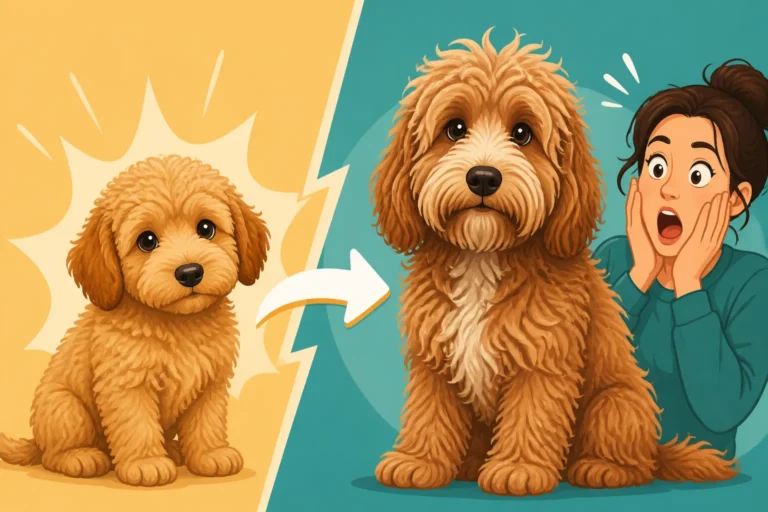
Many Cockapoo owners find themselves in a constant battle against mats, despite regular brushing. It's a tale as old as the breed itself, and it often stems from the very nature of their beautiful, low-shedding coats.
The Double-Edged Sword of "Non-Shedding"
One of the biggest draws of a Cockapoo is often the promise of a low-shedding coat, which is a blessing for allergy sufferers and those tired of pet hair tumbleweeds. However, this "non-shedding" trait, largely inherited from the Poodle side, comes with a unique challenge: the hair that doesn't fall out has to go somewhere. Instead of dropping to your floor, loose hairs stay trapped within the coat, intertwining with live hairs and quickly forming tangles and mats. It's not a matter of if it will mat, but when and how badly, if not properly maintained.
Different Cockapoo coats — from the straight and flat to the wavy and the tight curl — will all mat, but some more aggressively than others. A tight, curly coat, for instance, acts like Velcro, grabbing onto every stray hair, piece of dirt, or bit of debris, turning into a felted mess in what feels like mere moments. Even the wavier coats, which might seem easier, can still develop significant matting close to the skin. This is why understanding The Curl Gene and Where a Cockapoo's Coat Lands is so important for predicting your grooming needs.
Why Surface Brushing Isn't Enough
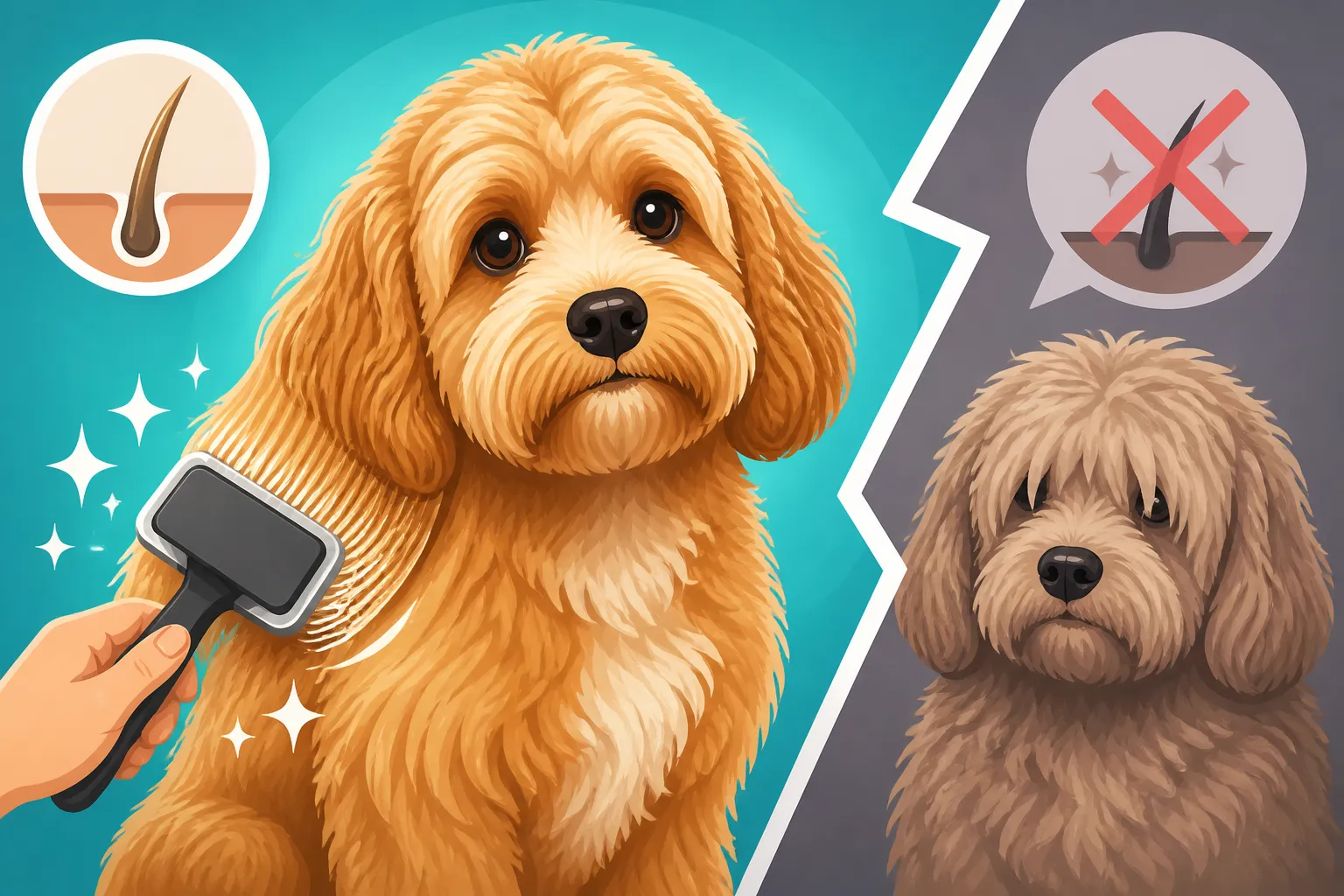
The most common mistake new Cockapoo owners make is what I call "surface brushing." This looks like you're doing a great job: you run a brush over the top layer of their fur, it feels smooth, and your dog looks tidy. You might even pull out a few loose hairs. The problem is, this only addresses the very tips of the coat. Beneath that seemingly well-groomed exterior, closer to the skin, a dense, felted layer of hair is quietly forming. This is the "top coat lies" phenomenon – everything looks good on the surface, but underneath, mats are tightening their grip, creating discomfort and eventually pain for your dog.
These hidden mats are particularly sneaky around areas where friction is common, like under the legs, behind the ears, and in the "armpits." A quick once-over with a brush simply glides over these areas, leaving the deep-seated tangles untouched. Eventually, these small mats merge into larger ones, pulling on the skin and becoming incredibly painful. To truly prevent this, you need a technique that reaches right down to the skin, separating every strand of hair from root to tip.
What Exactly is Line Brushing?
Line brushing is the gold standard for grooming dogs with long, dense, or curly coats, like our beloved Cockapoos. It’s a methodical approach that ensures every single hair, from the tip of the shaft down to the very root, is brushed and free of tangles.
The "Section by Section, Root to Tip" Approach
Imagine drawing an invisible line across your dog's coat. You'll work on everything below that line, pushing the hair above it out of the way. Then, once that section is thoroughly brushed, you'll move your "line" up a little, releasing a new small section of hair to work on. You repeat this process, moving across the dog's body, working in small, manageable sections, effectively brushing the coat in horizontal or vertical "lines." The key is to brush from the skin outwards, not just over the top. This technique ensures that you're not just smoothing the surface, but truly detangling and removing loose undercoat and trapped hair that causes matting. It's a meticulous process, but it’s the only way to genuinely keep a Cockapoo mat-free.
This method takes more time than a quick swipe, but it's incredibly effective and ultimately saves you time and stress in the long run by preventing severe matting that might require professional intervention or even shaving. The Weekly Hours Each Cockapoo Coat Type Takes can give you an idea of the commitment involved.
The Tools of the Trade for Effective Line Brushing
Having the right tools is just as important as knowing the technique. Skimping on grooming tools for a Cockapoo is like trying to bake a cake without an oven – you're just not going to get the desired result.
- Slicker Brush: This is your primary weapon against tangles. A good quality slicker brush has fine, wire pins set closely together, often at an angle, designed to penetrate thick coats and grab loose hair and small mats without damaging the coat. Look for one with comfortable handle and flexible head. Brands like Chris Christensen or Activet make excellent slicker brushes that many professional groomers swear by, though you can find good options on sites like Chewy or Amazon too.
- Metal Comb: This is your quality control. After using the slicker brush on a section, run a metal comb (preferably one with both wide and narrow teeth) through the same section. If the comb glides through easily from skin to tip, you’ve done a good job. If it snags, you know there’s still a mat or tangle hiding, and you need to go back with your slicker brush. This step is absolutely crucial for finding those "top coat lies."
- Detangling Spray: While not strictly necessary, a good detangling spray can make the process much smoother, especially for dogs prone to static or with stubborn tangles. It helps to lubricate the hair, making it easier for the brush to glide through and reducing breakage. Many pet grooming lines offer excellent detangling sprays.
- Grooming Table (Optional but Recommended): For small to medium Cockapoos, a small grooming table can save your back and keep your dog contained. It helps establish that grooming is a serious, structured activity. If you don't have a table, a non-slip mat on a sturdy counter works too, as long as you're vigilant about safety.
A Step-by-Step Guide to Line Brushing Your Cockapoo
Mastering line brushing takes practice, but once you get the hang of it, it becomes second nature and a vital part of your Cockapoo's routine. Remember, consistency is key!
Setting the Scene for Success
Before you even pick up a brush, set your Cockapoo and yourself up for a positive experience. Grooming should be a calm, rewarding time, not a wrestle match. Choose a quiet time when your dog is relaxed, perhaps after a potty break and a short walk, but not when they're bursting with energy. Lay out your tools, have some high-value treats (like a dollop of peanut butter on a lick mat, or some tasty bits from Ollie) ready, and speak in a soothing voice. If your dog is a puppy, start with very short sessions, just a minute or two, gradually increasing the duration as they get used to it. Early positive experiences will pay dividends later; learn more in Handling a Cockapoo Puppy Before Its First Groom.
The Line Brushing Technique in Detail
Here’s how to perform line brushing, step-by-step:
- Prep the Coat: Lightly mist your Cockapoo's coat with a detangling spray. This helps prevent static and makes the brushing process smoother, especially on dry hair. Never brush a dry, matted coat aggressively, as this can cause breakage and discomfort.
- Part the Hair: Start at the very bottom of your dog's body – perhaps a back leg, or a side of their belly. With your free hand, use your fingers to part the hair horizontally, creating a clean "line" of skin. Push the hair above this line upwards, holding it out of the way. You're effectively isolating a thin strip of hair, exposing the skin underneath.
- Brush the Section: Take your slicker brush and begin brushing the small, isolated section of hair from the skin outwards, working your way from the roots to the tips. Use gentle, overlapping strokes. The goal is to separate every hair strand. Don't just brush the surface; ensure the pins of the slicker brush are making contact with the skin (gently, of course).
- Check with the Comb: Once you believe the section is completely tangle-free, take your metal comb. Run the comb through that same section, starting from the skin and pulling all the way through to the tips. If the comb glides smoothly without snagging, you’ve successfully brushed that line. If it catches, go back with your slicker brush and work out any remaining tangles until the comb passes through easily.
- Move to the Next Line: Once a section is thoroughly brushed and combed, move your parting line up slightly, releasing another small strip of hair. Repeat steps 3 and 4. Continue this systematic process across your dog’s entire body – sides, back, chest, tail, and head. It's a slow and steady wins the race approach.
| Feature | Surface Brushing | Line Brushing |
|---|---|---|
| Purpose | To quickly tidy up the top coat; remove light debris | To fully detangle and remove loose hair down to the skin |
| Technique | Brush over the coat; may only reach hair tips | Part coat, brush small sections from root to tip |
| Effectiveness | Ineffective for preventing mats; creates "top coat lies" | Highly effective for preventing mats and skin issues |
| Tools Used | Often a soft brush or inadequate slicker brush | Quality slicker brush, metal comb (essential) |
| Time Investment | Quick, but leads to longer, painful dematting later | Slower initially, but saves time/pain in the long run |
| Outcome | Mats form, skin irritation likely | Mat-free coat, healthy skin, comfortable dog |
Tricky Spots to Pay Extra Attention To
Some areas on a Cockapoo are notorious for matting because of high friction or dense hair. These spots require extra diligence during line brushing:
- Behind the Ears: This is often the first place mats form due to rubbing, scratching, and general movement. The hair here is also often finer and more prone to tangling.
- Armpits and Groin: These areas experience constant rubbing from movement. Lift your dog's legs gently to access these sensitive spots.
- Under the Chin/Beard: Food, water, and general activity can lead to mats around the muzzle and chin. Be extra careful here.
- Paws and Between Toes: Hair can quickly accumulate between the paw pads, forming painful clumps that affect your dog's gait. Don't forget to gently spread the toes and brush here. Whether Hair in a Cockapoo's Eyes Scratches the Cornea also highlights facial areas requiring care.
- Tail: The base of the tail and the underside can become quite matted, especially if your Cockapoo is a happy tail-wagger.
The Benefits of Consistent Line Brushing
While it might seem like a lot of effort, the payoff for consistent line brushing is immense, both for your Cockapoo's well-being and your peace of mind.
Preventing Painful Mats and Skin Issues
The most immediate and critical benefit of line brushing is preventing mats. When mats form, they don't just sit on the surface; they pull at the skin, causing pain and discomfort every time your dog moves. Imagine constantly having your hair pulled – that's what a matted dog experiences. If left untreated, mats can tighten so much that they restrict blood flow, cause skin irritation, sores, and even serious skin infections (hot spots). Severe matting can become a medical emergency, often requiring a full shave-down by a vet, which can be stressful and expensive. By line brushing, you proactively remove the loose hair before it has a chance to bind, keeping your dog comfortable and preventing costly vet visits. It’s also important for knowing Whether a Cockapoo Itches From the Cocker Side as mats can worsen existing skin sensitivities.
Promoting Healthy Skin and Coat
Line brushing does more than just detangle; it's a vital part of maintaining overall coat and skin health. The action of the slicker brush stimulates blood flow to the skin, which in turn promotes healthy hair growth. It also helps to distribute your dog's natural skin oils evenly throughout the coat, giving it a healthy sheen and preventing dryness. Furthermore, by regularly removing dead hair and debris, you allow air to circulate properly to the skin, reducing the risk of fungal or bacterial infections that thrive in damp, matted environments. Think of it as a thorough skin and hair detox for your furry friend, keeping their skin smelling fresh and their coat vibrant. This kind of diligent care can also inform you about potential issues like Whether a Cockapoo Gets Dry Eye.
Strengthening Your Bond
Grooming doesn't have to be a chore; it can be a wonderful bonding experience. When you approach line brushing with patience, gentleness, and positive reinforcement, your Cockapoo learns to trust you. They associate the brushing sessions with your calm presence, gentle touch, and delicious treats. Many dogs even come to enjoy their grooming time, finding it relaxing and a special one-on-one moment with their favorite human. This builds a stronger relationship based on trust and mutual respect, making future handling, vet visits, and even just cuddles, much more enjoyable for both of you.
Common Line Brushing Mistakes and How to Avoid Them
Even with the best intentions, it's easy to fall into common traps when grooming a Cockapoo. Being aware of these pitfalls can help you avoid frustration and ensure your efforts are truly effective.
Not Reaching the Skin
This is the number one culprit behind the "top coat lies" and subsequently, the most common reason for unexpected matting. Many owners believe they're brushing thoroughly because their brush seems to be moving through the coat, but if the brush isn't making gentle contact with the skin, you're only working on the top layer of hair. The hair closest to the body, where it grows out, is where mats begin to form and tighten first.
How to avoid it: Always remember the "root to tip" principle. When you part the hair, ensure you can see the skin. When you use the slicker brush, angle it so the pins gently scrape the skin as you pull through the section. Immediately follow up with your metal comb, pushing it all the way down to the skin and pulling through. If the comb catches, you haven't reached the skin or removed all tangles. Be vigilant, especially in those high-friction areas.
Using the Wrong Tools
Trying to groom a Cockapoo with a basic bristled brush or a cheap, soft slicker brush is like trying to cut steak with a butter knife – it's just not going to work effectively. These tools often glide over mats or are too gentle to penetrate the dense, sometimes cottony, Cockapoo coat, leading to missed tangles and frustration.
How to avoid it: Invest in quality tools. A sturdy slicker brush with firm but flexible pins and a robust metal comb are non-negotiable. Don't be afraid to ask for recommendations from a professional groomer; they know what works best for Cockapoo coats. While you can find inexpensive brushes, sometimes spending a bit more on a good quality tool, especially from a reputable brand on Chewy or Amazon, will save you money in the long run by being more effective and lasting longer. For more on tools, see The Comb That Finds Mats a Slicker Misses.
Rushing the Process or Forgetting "Problem Areas"
Grooming a Cockapoo takes time, especially if they have a very curly or dense coat. Rushing through the session not only leads to incomplete brushing and missed mats but can also make the experience unpleasant or even painful for your dog, making them resistant to future grooming. Similarly, skipping "problem areas" like armpits or behind the ears because they are tricky or your dog fidgets is a surefire way to develop severe matting there.
How to avoid it: Schedule regular, dedicated grooming time. For a curly Cockapoo, this might mean 15-30 minutes daily during adolescence when their coat is changing, or several times a week for adults. Break the sessions into manageable chunks if needed. If your dog is getting restless, take a short break, offer a treat, and then gently resume. Consciously make a mental checklist of all the high-traffic areas (ears, armpits, tail, paws) and ensure you methodically line brush each one, even if it means a little extra patience. Remember that The Month a Cockapoo Starts Matting Daily is often around 10 months during their coat change, requiring even more attention.
Disclaimer
This article is for general informational purposes only and does not constitute professional advice. Laws, prices and regulations vary by location and change over time. Consult a qualified professional for guidance on your specific situation.