The Comb That Finds Mats a Slicker Misses
You know that feeling. You spend a good chunk of time meticulously brushing your Cockapoo, you see all that lovely fluff coming off the slicker brush, and you feel accomplished. Then, a few days later, you run your fingers through their coat, and bam—you hit a dense, painful knot that seems to have appeared out of nowhere. It's frustrating, it's disheartening, and it makes you question if you're even doing it right. The truth is, many well-meaning Cockapoo owners miss hidden mats, not because they're not trying, but because their trusty slicker brush simply isn't the right tool for finding those sneaky tangles that lie deep within that glorious, often complex, coat. This guide is here to introduce you to the unsung hero of your grooming kit, the tool that will finally help you find and conquer those elusive mats.
The Frustration of Hidden Mats: Why Your Slicker Isn't Enough
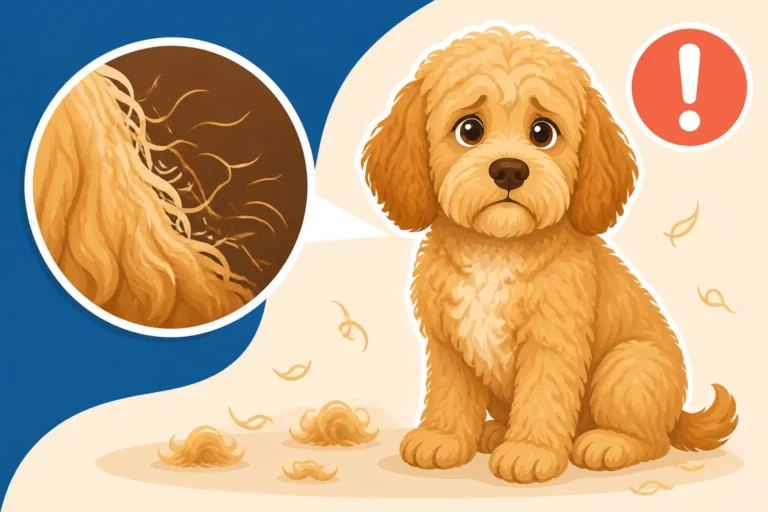
It’s a common scenario for Cockapoo parents: you dedicate time to brushing, your dog seems to enjoy it, and the top layers of their coat look fantastic. You might even feel a sense of pride in your grooming efforts. However, beneath that beautifully fluffed exterior, a network of tight, uncomfortable mats can be quietly forming, completely undetected by the very brush you thought was doing the job. This isn't a reflection of your care, but rather a testament to the unique challenges of a Cockapoo's coat and the limitations of certain grooming tools.
The Slicker Brush's Role and Limitations
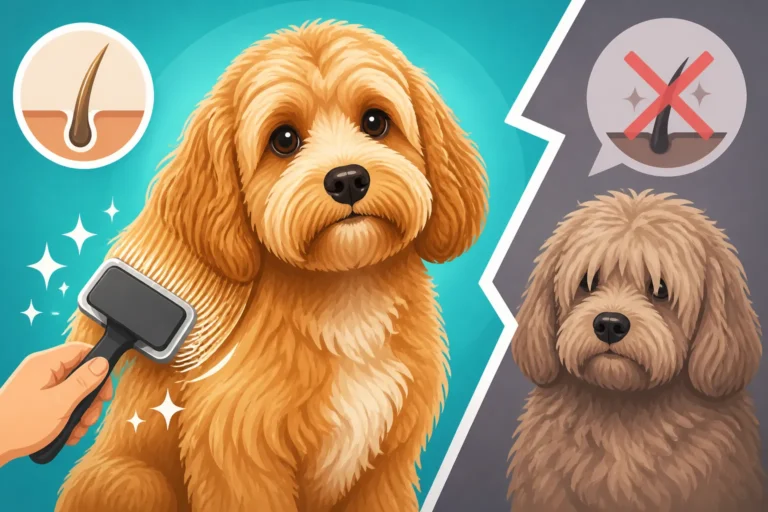
A slicker brush is an absolutely essential tool in your Cockapoo grooming arsenal, but it’s crucial to understand its primary function. These brushes, with their fine, closely spaced wire pins, are fantastic for removing loose hair from the surface layers of the coat and for fluffing up your dog after a bath. They help to distribute natural oils and give that lovely, airy finish we all adore. When you see that cloud of loose hair come off onto the slicker, it feels like you're really making progress, doesn't it?
However, the very design that makes a slicker brush great for surface work is what limits its ability to penetrate deep into the dense, often wavy or curly coat of a Cockapoo. The pins are relatively short and can glide over developing mats, particularly those close to the skin. Imagine trying to rake a lawn where a thick layer of leaves has compacted at the bottom, but your rake tines are too short to reach past the top, lighter layer. That's often what's happening. The slicker can create an illusion of a well-groomed coat, as it smooths the outer layer, leaving the underlying tangles untouched and free to tighten further. This is especially true for those Cockapoos with a denser, more Poodle-like curl, where the coat can compact quickly.
The Anatomy of a Mat: Where They Hide
Mats don't typically just appear on the surface of the coat; they start at the skin and build outwards. This is why they’re so insidious and often missed by a slicker brush. A mat is essentially a tangled mess of dead hair, live hair, dirt, and even dander that has become tightly woven together. Think of it like knitting a very tight, uncomfortable blanket right against your dog's skin.
The most common places for these hidden mats to form are areas of high friction or moisture. This includes behind the ears, under the armpits, around the groin, on the belly, at the base of the tail, and even between the paw pads. These are all spots where movement causes hair to rub together repeatedly, and where the coat tends to be finer and more prone to felting. A Cockapoo's coat, being a blend of two breeds with different hair textures, is particularly adept at matting. The soft, sometimes cottony undercoat can easily intertwine with the coarser outer guard hairs, forming a formidable tangle. If left unchecked, these mats can pull on the skin, causing pain, irritation, and even skin infections because air can’t circulate, trapping moisture and debris. It's a genuinely miserable experience for your dog, even if you don't realize it's happening until the mat is already quite severe.
Enter the Hero: The Untangler Comb
This is where many Cockapoo owners find their true grooming game-changer. While the slicker brush prepares the coat, the unsung hero, the grooming comb, is the essential tool for detecting and preventing those hidden mats that can cause so much discomfort for your furry friend.
What a Grooming Comb Is and Why It's Indispensable
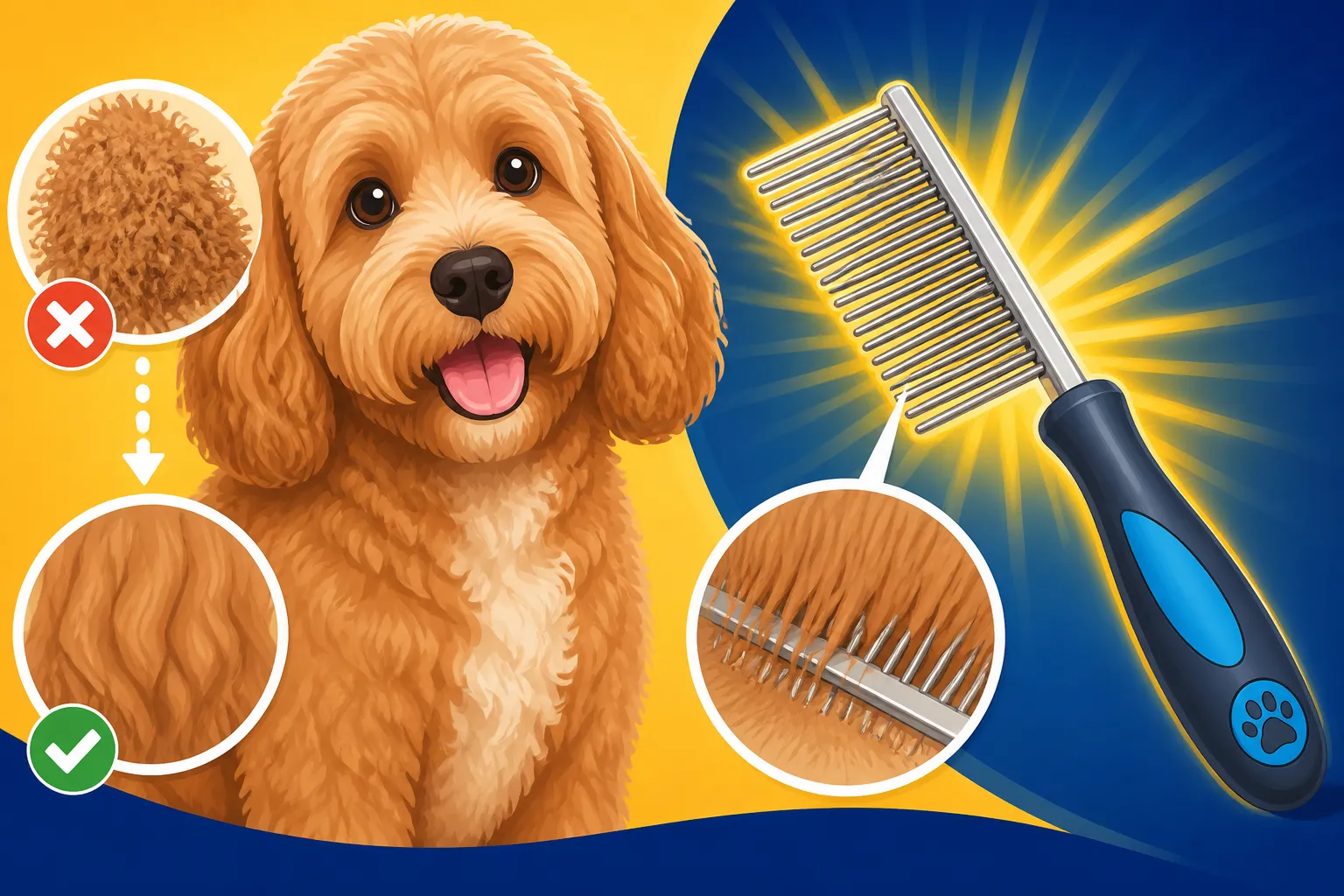
When we talk about a grooming comb, we're specifically referring to a sturdy, often metal, comb with wider teeth on one end and narrower teeth on the other. This isn't your average human hair comb or a small plastic flea comb. This tool is purpose-built for dogs with dense or curly coats, designed to penetrate all the way through the hair down to the skin. You might hear it referred to as a "greyhound comb" in grooming circles, a testament to its long-standing use in professional settings.
The wider-toothed end is fantastic for the initial pass, helping to gently separate larger sections of hair and work through any lighter tangles. It's like the first sweep, feeling for any resistance. The narrower-toothed end then provides a more thorough check, ensuring that even the smallest, most stubborn knots are caught. The difference between this and a slicker brush is profound: while the slicker glides over the surface, the comb systematically separates each strand, making it impossible for a mat to hide. It's the ultimate detection device, confirming that your brushing efforts have truly paid off, or alerting you to trouble spots before they become major issues. You can find durable, effective grooming combs easily through online retailers like Chewy or Amazon.
The Line Brushing Technique: Unveiling Hidden Tangles
Just owning the right comb isn't enough; you need to use it effectively. This is where the "line brushing" technique comes into play, a method that ensures you reach every single layer of your Cockapoo's coat.
Here’s a step-by-step guide to mastering it:
- Prep the Coat (Optional but Recommended): Before you even pick up the comb, give your Cockapoo a good, thorough brush with your slicker brush to remove as much loose, dead hair as possible from the top layers. This makes the comb-through much easier and more comfortable for your dog.
- Section the Coat: This is the critical first step. You cannot effectively comb a Cockapoo's entire coat at once. Start at the bottom of a leg, or the lower side of their body. Use one hand to hold the top layers of hair up and out of the way, exposing a horizontal "line" of coat beneath. This line should be no more than an inch or two wide.
- Comb from the Skin Out: Take your grooming comb (starting with the wider-toothed end for initial passes) and place the teeth gently against your dog's skin. Now, comb outwards, through the exposed section of hair, slowly and carefully. You are essentially combing in small, manageable sections, working your way up your dog's body, bit by bit. The comb should be able to glide smoothly from skin to tip. If it snags, you've found a mat.
- Repeat and Refine: Once you’ve combed through that first line, drop a small amount of the upper hair down, creating a new "line" just above the previous one. Repeat the process. Work your way across the body, then up. For areas like behind the ears, the tail, and the leg "feathers," you might need to switch to the finer-toothed end of the comb to ensure every last strand is clear. For a visual guide on this important technique, check out Line Brushing a Cockapoo and Why the Top Coat Lies.
- Be Gentle and Patient: This is not a race. If the comb gets stuck, don't yank! That will hurt your dog and make them dread future grooming sessions. Gently work the comb through the tangle, or if it's too tight, prepare to deal with it as a mat (more on that below).
Choosing the Right Comb: Materials and Teeth Spacing
Not all combs are created equal, especially when it comes to tackling a Cockapoo's unique coat. The material and design of your comb can make a significant difference in its effectiveness and your dog's comfort.
- Metal is Best: For Cockapoos, a metal comb is almost always superior to a plastic one. Metal combs glide through the coat more smoothly, are less prone to creating static electricity (which can make hair flyaways and tangles worse), and are far more durable. They also offer a better "feel" for detecting resistance from tangles.
- Dual-Sided Teeth Spacing: Look for a comb that has two distinct sections of teeth – one side with wider spacing and the other with narrower spacing. The wide-toothed side is your first pass for general detangling and finding bigger knots, while the narrower side is perfect for finishing touches, fine-tuning, and working through smaller areas where mats love to hide, like around the eyes or ears.
- Comfort Grip: While not strictly necessary for performance, a comb with a comfortable, ergonomic handle can make a long grooming session much more pleasant for you. Brands like Andis and Chris Christensen often offer high-quality, professional-grade combs that groomers trust for their effectiveness and durability, and these are often readily available online.
- Size Matters: Consider the size of your Cockapoo. A larger comb might be suitable for a Maxi Cockapoo, while a smaller, finer comb could be more precise for a Teacup or Toy Cockapoo, especially for delicate areas. The key is finding a comb that allows you to efficiently penetrate the coat and identify tangles from the skin outward.
| Feature | Slicker Brush | Grooming Comb (Metal, Dual-Sided) |
|---|---|---|
| Primary Use | Removes loose surface hair, fluffs coat | Detects and separates mats deep in the coat |
| Reach to Skin | Limited, often glides over deeper layers | Designed to reach skin level |
| Mat Detection | Poor, can miss hidden tangles | Excellent, will snag on any tangle |
| Effectiveness | Good for daily surface maintenance | Essential for thorough, deep coat maintenance |
| Comfort for Dog | Generally comfortable for surface brushing | Requires gentle, systematic approach; can snag on existing mats if not careful |
| Ideal Coat Type | All coat types, especially those with undercoat | All dense/curly/wavy coats (like a Cockapoo) |
Dealing with Detected Mats: Prevention and Gentle Removal
Finding a mat after you've diligently brushed can feel like a setback, but now that you have your trusty comb, you're empowered to address them. The goal is always prevention, but when mats do form, knowing how to handle them gently and effectively is crucial for your Cockapoo's comfort and well-being.
How to Safely Detangle a Mat (and When Not To)
Once your grooming comb snags, you've located a mat. Your approach to removal depends entirely on the size and tightness of the tangle.
For small, loose mats:
- Isolate the Mat: Gently separate the matted section of hair from the surrounding coat.
- Apply Detangling Spray: Spritz a good quality detangling spray onto the mat. This lubricates the hair, making it easier to separate. You can find these sprays at pet supply stores or even on Amazon.
- Work from the Outside In: Using the wide-toothed end of your comb (or even just your fingers), start picking at the very edges of the mat, working small sections loose. Think of it like carefully unravelling a knot, one strand at a time.
- The "Split and Pick" Method: For slightly larger, but still manageable mats, you can use a mat splitter or even a seam ripper (be extremely careful!). These tools allow you to cut into the mat, parallel to the skin, breaking it into smaller sections. Once split, you can then gently pick apart those smaller sections with your comb. Remember, never cut straight across a mat with scissors, as it’s incredibly easy to accidentally cut the skin, which can be thin and loose. For more detailed instructions, consider reading Splitting a Mat Before It Tightens on a Cockapoo.
When not to try to detangle at home:
- Large, Tight Mats: If a mat is dense, hard, and pulling on your dog's skin, it's often too painful and risky to try to remove at home. Attempting to comb through these can cause significant pain, skin bruising, and a negative association with grooming.
- Mats Against the Skin: If a mat is truly pelted, meaning it’s a solid sheet of felted hair right against the skin, it’s best left to a professional groomer. These often require shaving under the mat with specialized clippers, a delicate job to avoid cutting the skin.
- Aggressive Dog: If your Cockapoo becomes aggressive, growls, or tries to bite when you approach a mat, it's a clear sign they are in pain or severely uncomfortable. This is a situation where a professional groomer or veterinarian is needed to ensure both your safety and your dog's well-being.
The Importance of Regular Comb-Throughs
The grooming comb shouldn't be reserved for mat emergencies. Its true power lies in daily or at least every-other-day maintenance. By consistently incorporating a comb-through into your routine, you can catch tiny tangles before they escalate into painful, time-consuming mats.
Think of it as brushing your own hair. You don't wait until it's a tangled mess to brush it, right? The same applies to your Cockapoo. Short, frequent sessions with the comb, especially focusing on those high-friction areas (behind the ears, armpits, legs), can prevent mats from ever getting a foothold. This is particularly crucial during certain life stages, such as when your Cockapoo is going through their "coat change" around 8-18 months, where the puppy coat sheds out and the adult coat comes in, making them especially prone to matting. A daily comb-through might add an extra 5-10 minutes to your routine, but it will save you hours of detangling later (or expensive groomer bills!).
When Professional Help is Essential
Sometimes, despite your best efforts, a mat (or multiple mats) can become too severe for home removal. It's important to recognize when to call in the professionals. A severely matted coat can lead to:
- Skin Infections: Mats prevent air circulation, trapping moisture and debris against the skin, creating a perfect breeding ground for bacteria and yeast.
- Pain and Discomfort: The constant pulling of mats on the skin is painful, restricting movement and making your dog miserable.
- Hidden Issues: Mats can hide fleas, ticks, skin sores, lumps, or other dermatological problems that go unnoticed until the coat is removed.
- Restricted Movement: In severe cases, mats can be so extensive that they limit a dog's ability to walk, play, or even relieve themselves comfortably.
A professional groomer has specialized tools, techniques, and experience to safely and humanely remove even the most severe matting. They understand how to work around delicate skin and can often assess the best course of action. In many cases, if the matting is severe, the kindest and safest option for your dog is a complete "shave down." While it might be hard to see your fluffy Cockapoo lose their coat, remember that "humanity over vanity" is always the guiding principle. The coat will grow back, and your dog will be infinitely more comfortable. For insights into when this extreme measure might be necessary, you can explore Whether a Matted Cockapoo Has to Be Shaved.
Integrating the Comb into Your Cockapoo's Routine
Bringing a new grooming tool or technique into your Cockapoo's life can sometimes be met with resistance, especially if they’ve had negative experiences in the past. But with patience, positive reinforcement, and a consistent approach, the grooming comb will become a cherished part of your routine for both you and your dog.
Making Grooming a Positive Experience
No dog enjoys being forced into something. The key to successful grooming, especially with a tool that might occasionally snag, is to make it a positive, rewarding experience.
- Start Small and Build Up: Don't try to tackle an entire body comb-through on day one. Start with just a few gentle passes in an easy area, like a leg or their back.
- Praise and Treats: Shower your Cockapoo with praise and high-value treats (like those from Ollie) during and immediately after your short grooming sessions. This creates a positive association.
- Calm Environment: Choose a quiet time and place where your dog feels relaxed. Avoid rushing or being stressed yourself, as dogs are incredibly attuned to our emotions.
- Familiarize with the Tool: Let your Cockapoo sniff and investigate the comb. Gently touch it to their body without actually combing at first, rewarding them for calm acceptance.
- Consistency is Key: Regular, short sessions are far more effective than infrequent, long, and arduous ones. By keeping it consistent, grooming becomes just another part of their day. You can find more tips on this in A Cockapoo That Will Not Sit Still to Be Combed.
The Daily and Weekly Grooming Schedule
A consistent grooming schedule is your best defense against mats. The exact frequency will depend on your Cockapoo's specific coat type (wavy, curly, straight) and lifestyle.
- Daily Maintenance (5-10 minutes): For most Cockapoos, a quick daily comb-through in high-friction areas is ideal. This includes:
- Behind the ears
- Under the armpits
- Around the collar area
- The "feathers" on their legs and tail
- Their beard/moustache area (if they have furnishings)
This quick check takes minutes and can prevent hours of detangling.
- Weekly Deep Dive (30-60 minutes, or more): Once or twice a week, set aside time for a full-body line brushing session using your comb. This is where you systematically work through their entire coat, section by section, from head to tail, ensuring every inch is mat-free. This is also a good time to check their paw pads and trim nails.
- Adjust for Coat Type and Activity: A tightly curled Cockapoo will generally require more frequent and thorough combing than one with a straighter, flatter coat. Similarly, a Cockapoo who loves to run through tall grass, swim, or play in muddy parks will need more attention than a couch potato. For a full breakdown of the time commitment for different coat types, explore The Weekly Hours Each Cockapoo Coat Type Takes.
Other Tools That Complement the Comb
While the grooming comb is your mat-finding champion, it works best as part of a team of tools. A comprehensive grooming kit will include:
- Slicker Brush: As mentioned, this is excellent for initial brushing, removing loose hair, and fluffing the top coat. Use it before the comb to make the comb-through easier.
- Pin Brush: Great for longer, wavier coats, a pin brush can help separate strands without pulling and is gentle for general daily brushing.
- Detangling Spray: An absolute lifesaver for easing combs through tangles and softening mats for easier removal. Apply it liberally (but not soaking wet) before tackling a knot.
- Blunt-Tipped Scissors: Useful for carefully trimming hair away from sensitive areas like around the eyes or paw pads, never for cutting out mats.
- Nail Clippers or Grinder: Don't forget their paws! Keeping nails trimmed prevents discomfort and can indirectly help prevent mats between paw pads.
- Ear Cleaning Solution: Cockapoos are prone to ear infections due to their floppy ears, so regular cleaning is essential.
- High-Velocity Dryer: If you bathe your Cockapoo at home, a high-velocity dryer is a game-changer. It blasts water out of the coat, significantly reducing drying time and helping to prevent mats from forming as the coat dries.
By understanding the strengths of each tool and using them synergistically, you'll be well-equipped to keep your Cockapoo's coat healthy, beautiful, and most importantly, mat-free. Caring for a Cockapoo's coat is an ongoing journey, but with the right tools and techniques, it can be a rewarding bonding experience rather than a battle.
Disclaimer
This article is for general informational purposes only and does not constitute professional advice. Laws, prices and regulations vary by location and change over time. Consult a qualified professional for guidance on your specific situation.