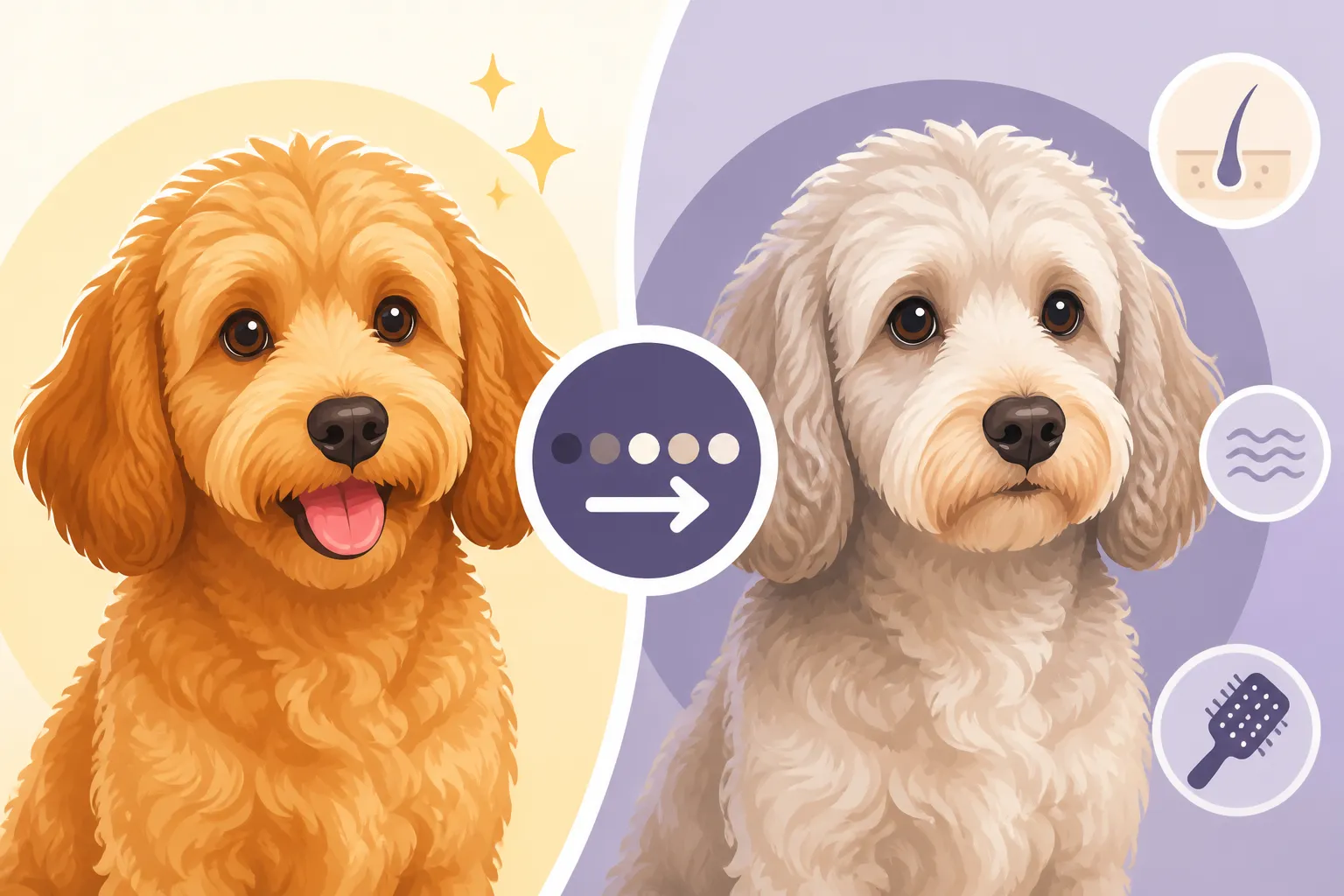
What Changes in a Cockapoo’s Coat After Eleven
As our beloved Cockapoos gracefully age, many of us expect them to slow down a little, perhaps sleep a bit more, and maybe even get a few more gray hairs around the muzzle. What often catches owners by surprise, however, is the profound transformation their beautiful, often much-admired coat undergoes after they pass the significant milestone of eleven years old. It’s not just a matter of a few white strands; the entire texture, density, color, and even the maintenance requirements can shift dramatically, creating new challenges and requiring a revised approach to their care. This comprehensive guide will walk you through these changes, explaining why they happen and how you can best support your senior Cockapoo's comfort and coat health.
The Inevitable Shift in Hair Texture and Density
Just like us, our dogs experience changes in their hair as they age. What was once a vibrant, resilient coat can become surprisingly delicate and different to manage. For a Cockapoo, this often means a noticeable alteration in both how the hair feels and how much of it there is.
Softening and Thinning of the Coat
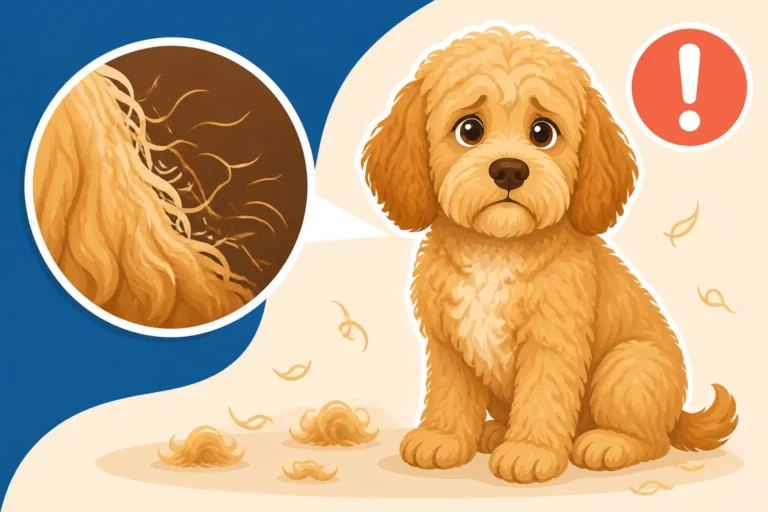
One of the most immediate and common changes you'll notice in your senior Cockapoo's coat is a significant softening of the hair. That bouncy, often wiry or silky curl you've known for years might start to feel much finer and less robust. This isn't just a superficial change; it's due to a decrease in the elasticity of the hair shaft itself, making each strand more prone to breakage and giving the overall coat a more delicate, sometimes wispy, feel. Think of it like your own hair getting finer with age.
Coupled with this softening is often a general thinning of the coat. You might start to notice that the hair on their back, flanks, and even their belly seems less dense, making their skin more visible underneath. This thinning can be attributed to several factors, including a natural slowing of hair follicle activity, hormonal shifts that come with aging, and a decrease in the overall metabolic rate. A once luxuriant, thick coat that seemed to defy gravity in its springy curls might now lie flatter or feel sparse in certain areas, particularly when wet. This can be quite a shock, especially if you've grown accustomed to their fluffy appearance.
Changes in Curl Pattern
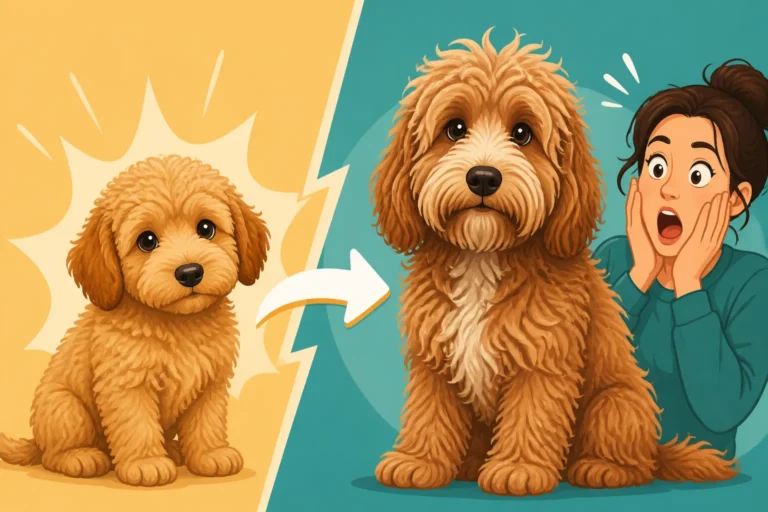
The distinctive curl or wave of a Cockapoo is one of its defining features, but even this can undergo a metamorphosis in their senior years. For dogs with tight, Poodle-like curls, you might observe that these curls start to loosen, becoming more open waves or even straightening out in places. Conversely, a wavy-coated Cockapoo might find their waves becoming less defined or, paradoxically, more prone to knotting and tangling as the hair structure itself changes.
This alteration in curl pattern isn't just aesthetic; it impacts how the coat behaves. Areas that were once tightly coiled and resistant to matting might now lie flatter and become surprisingly prone to tangles and knots, especially in friction areas like the armpits or behind the ears. The individual hair shafts might also become more brittle, making them less able to hold their natural curl or wave. It’s a subtle but persistent change that can make brushing feel like an entirely new challenge, requiring you to adapt your techniques. It’s certainly a far cry from Whether a Cockapoo's Coat Settles After Two, and can be even more dramatic than The Coat Change That Ambushes a Cockapoo Owner at Ten Months.
Color Transformations in the Senior Cockapoo's Coat
While the physical texture of your Cockapoo's coat changes, so too can its color. Graying isn't just for humans; it's a hallmark of aging in dogs, and for Cockapoos, it can be quite pronounced.
Graying Around the Muzzle and Eyes
This is perhaps the most universally recognized sign of an aging dog, and your Cockapoo is no exception. The first tell-tale silver strands usually appear around the muzzle, almost like a dusting of snow on their nose. From there, the gray often spreads to the eyebrows and around the eyes, sometimes giving them a distinguished, wise appearance. This process is due to the loss of melanin, the pigment responsible for hair color, within the hair follicles.
The speed and extent of graying can vary greatly from one Cockapoo to another, influenced by genetics and individual aging processes. Some might start showing significant graying in their face in their middle years, while others might maintain a darker muzzle until quite late in life. Regardless, by the time a Cockapoo reaches eleven, it's highly likely they'll be sporting a beautifully silvered face, a gentle reminder of the years of joy they've given you.
Fading of Body Color
Beyond the familiar graying of the face, many Cockapoos also experience a general fading or dulling of their body coat color. A vibrant red might soften to a pale apricot or even a creamy blonde. A rich chocolate could become a dusty milk chocolate or a muted café au lait. Even solid black coats can start to acquire a silver sheen or appear less intense than they once did. Whether a Cockapoo's Color Fades With Age is a common concern for owners.
This fading is a natural consequence of aging, as pigment production slows down throughout the entire coat. Sun exposure can also play a role, further lightening darker areas, especially on dogs who love to lounge outside. So, if your once fiery red Cockapoo is now looking more like a gentle peach, rest assured it’s likely a normal part of their journey into their golden years. Whether a Red Cockapoo Bleaches Out is a very common observation.
Appearance of 'Silvering' or 'Blueing' in Darker Coats
For Cockapoos with inherently dark coats, particularly black or dark brown, you might notice a phenomenon often described as "silvering" or "blueing." This isn't just about individual white hairs popping up; it's a more pervasive change where the dark pigment itself seems to soften and take on a dusty, almost charcoal or slate-blue hue.
This effect is particularly striking in black Cockapoos, where the once deep, inky black can transform into a beautiful, smoky grey-blue, especially noticeable in certain lighting. It adds a whole new dimension to their appearance and is a distinctive marker of their advancing years. It’s a subtle shift, but once you notice it, you'll see it everywhere, reflecting the quiet elegance of an older dog.
Increased Vulnerability to Matting and Skin Issues
While the cosmetic changes are evident, the practical implications of an aging coat are what often surprise owners the most. Senior Cockapoos become significantly more prone to matting and can develop new skin sensitivities, demanding a more proactive and attentive care routine.
The Challenge of Matting
One of the biggest frustrations for owners of senior Cockapoos is the increased propensity for matting. Even if your dog has always had a relatively easy-care coat, or you've been diligent with brushing, you might find mats forming seemingly overnight in their later years. There are several reasons for this: the hair becomes finer and more prone to tangling, the natural oils that once helped the coat resist knots decrease, and any remaining coarser guard hairs can intertwine with the softer undercoat.
These mats are not just an aesthetic problem; they are genuinely painful for your dog. They pull on the skin, restrict movement, and can hide skin infections or parasites. Common trouble spots include behind the ears, in the armpits, on the insides of the legs, around the collar, and at the base of the tail. If your Cockapoo is also dealing with stiff joints or arthritis, they might resist being groomed, making the problem even worse. It's a cruel cycle, and what was once a weekly brush might need to become a daily ritual to keep discomfort at bay. Thinking about Where a Curly Cockapoo Mats First is a good way to anticipate problems.
Dryness, Flakiness, and Sensitivity
As your Cockapoo ages, their skin, just like their coat, undergoes changes. A common issue is a decrease in the production of natural oils from the sebaceous glands. This leads to drier skin, which can manifest as flakiness, increased itching, and a general heightened sensitivity. You might notice little white flakes (dandruff) in their coat, or your dog might start scratching or biting at areas more often, even without visible fleas. Whether a Cockapoo's Skin Dries Out From Washing is a common question, and yes, it absolutely can, especially with inappropriate products.
This dryness makes the skin more vulnerable to irritation, and even mild friction or environmental changes can cause discomfort. It's crucial to be mindful of the products you use for bathing and to ensure their environment isn't overly dry, especially in winter. This increased sensitivity means you need to be extra gentle during grooming sessions, using soft brushes and taking care not to pull on their delicate skin.
Underlying Health Conditions Affecting Coat Health
It's important to remember that significant changes in your senior Cockapoo's coat can sometimes be more than just signs of aging; they can be indicators of underlying health issues. Conditions like hypothyroidism, where the thyroid gland doesn't produce enough hormones, can lead to a dull, dry, brittle coat, excessive shedding, and even bald patches. Similarly, kidney disease, Cushing's disease, or even certain autoimmune disorders can manifest with noticeable changes in coat quality, thickness, or skin health.
If you observe sudden, drastic, or unusual changes in your Cockapoo’s coat—beyond the expected graying and softening—especially if accompanied by other symptoms like lethargy, appetite changes, or increased thirst, it’s always best to consult your veterinarian. They can perform diagnostic tests to rule out or identify any medical conditions that might be impacting your dog's skin and coat health. For instance, Hypothyroidism in a Middle Aged Cockapoo is a condition that directly impacts coat quality and often presents with other subtle symptoms.
Adjusting Your Grooming Routine for a Senior Cockapoo
Given the significant changes in an older Cockapoo's coat, it's clear that your grooming routine will need some serious adjustments. What worked for a frisky young adult simply won't cut it for a wise senior.
More Frequent Brushing and Combing
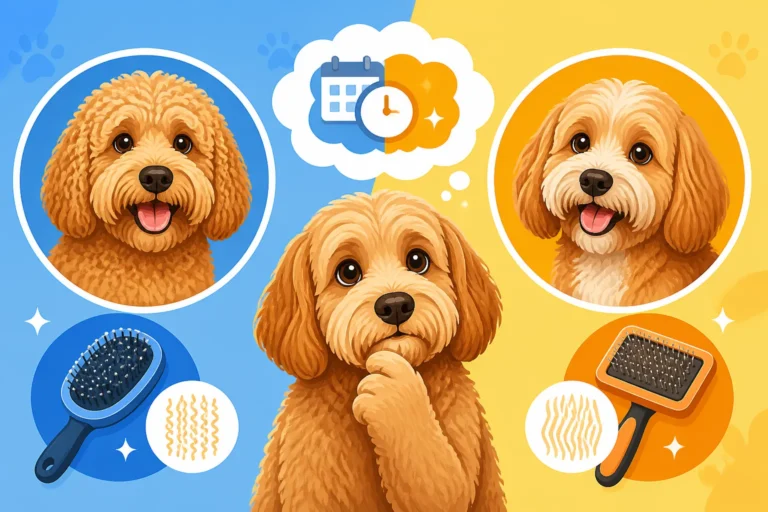
The most vital adjustment you can make is increasing the frequency of brushing and combing. Where a younger Cockapoo might have thrived on a few good brushes a week, a senior dog, especially one with a softening or thinning coat, will likely need daily attention. This is paramount to prevent painful matting, which, as we discussed, becomes a much more common and distressing issue.
When brushing, remember to be extra gentle. Your senior Cockapoo may have sensitive skin or stiff joints, so prolonged sessions on a hard surface or aggressive brushing can be uncomfortable. Use a soft slicker brush and a good steel comb to work through the coat, making sure to reach down to the skin, especially in those prone-to-matting areas like the armpits and behind the ears. Short, frequent sessions are far better than long, arduous ones that might cause them pain or stress. For delicate facial hair, consider a fine-toothed comb to gently clear any potential tangles that can irritate their eyes.
Shorter Haircuts for Ease of Maintenance
Many owners find that opting for a shorter haircut is a lifesaver for their aging Cockapoo. While you might adore their long, flowing locks, a senior dog often benefits immensely from a more practical, shorter style like a 'puppy cut' or a 'teddy bear clip'. These styles keep the hair at a manageable length, typically an inch or two all over, significantly reducing the chances of matting and making daily grooming much easier for both you and your dog. What a Teddy Bear Clip Looks Like on a Cockapoo is a popular choice for this reason.
A shorter coat also allows for better air circulation to the skin, which can be beneficial if your dog is developing any skin sensitivities or conditions. It's easier to bathe, dries faster, and makes it simpler to spot any new lumps, bumps, or skin issues that might develop in older age. Discussing these options with your professional groomer, who understands senior dog needs, can help you find a comfortable and dignified look for your aging companion.
Special Considerations for Bathing and Drying
Bathing a senior Cockapoo also requires a more thoughtful approach. Their skin is likely drier and more sensitive, so choosing a moisturizing, gentle shampoo formulated for sensitive skin or aging dogs is crucial. Avoid harsh detergents or products with strong fragrances that could cause irritation. If your vet has prescribed a medicated shampoo for a specific skin condition, follow their instructions carefully.
When washing, use lukewarm water, not hot, to prevent shocking their system or further drying out their skin. Be sure to rinse thoroughly to remove all shampoo residue, as any left behind can cause itching and irritation. Drying is equally important: gently towel dry as much as possible, then use a low-heat setting on your blow dryer. Avoid powerful, noisy dryers that can be stressful for an older dog, and ensure they are completely dry to prevent dampness from leading to skin issues or matting. Make the experience calm and comforting, perhaps with a non-slip mat in the tub and plenty of praise.
Nutritional and Supplemental Support for an Aging Coat
Just as diet and supplements play a huge role in overall health, they are incredibly important for maintaining the health and quality of your senior Cockapoo's coat. What they eat directly impacts the vitality of their skin and hair.
The Role of Diet in Coat Health
A high-quality diet is the foundation of a healthy coat, especially as a Cockapoo ages. Protein is essential for hair growth and strength, so ensure your senior dog food contains easily digestible, high-quality protein sources. Essential fatty acids, particularly Omega-3 and Omega-6, are absolutely critical for skin elasticity, hydration, and coat luster. Many senior dog food formulas are specifically designed with higher levels of these beneficial fats, along with antioxidants and other nutrients tailored to the needs of older dogs.
Think about the ingredients list: look for real meat as the first ingredient, and healthy fats like salmon oil or flaxseed. A diet rich in these components can help combat the dryness and dullness often seen in an aging coat, contributing to a softer, more resilient mane and healthier skin underneath. You might find brands like Ollie offer fresh food options with excellent nutritional profiles, or explore the wide range of senior-specific kibbles and wet foods available on Chewy, which are often fortified with extra skin and coat support. Whether Omega Oils Help a Cockapoo's Coat is definitely something to consider.
Supplements That Can Help
Even with an excellent diet, some senior Cockapoos can benefit from targeted supplements to boost their coat and skin health. Omega-3 fatty acid supplements, often derived from fish oil or krill oil, are incredibly popular and effective. They have anti-inflammatory properties that can soothe dry, itchy skin and improve the overall texture and shine of the coat. Look for high-quality, pure sources.
Beyond omegas, some owners consider supplements containing ingredients like biotin, zinc, or vitamins A and E, all known for their roles in skin and hair health. If your senior Cockapoo is also experiencing joint stiffness, a glucosamine and chondroitin supplement can indirectly aid grooming by making your dog more comfortable during brushing sessions. However, it’s always, always best to consult your veterinarian before introducing any new supplements to your dog’s routine, as they can advise on appropriate dosages and potential interactions with any existing medications.
Hydration and Its Impact
Often overlooked, but critically important for overall health and coat quality, is proper hydration. Just as our skin and hair become dull and dry when we don't drink enough water, the same holds true for our canine companions. Ensuring your senior Cockapoo has constant access to fresh, clean water is non-negotiable.
Dehydration can lead to a dull, brittle coat, flaky skin, and a general lack of vitality. If your dog isn't drinking enough, consider adding a little water or low-sodium broth to their food, or investing in a dog water fountain, which can encourage some dogs to drink more due to the circulating water. A well-hydrated dog will not only feel better internally but will also display it through more supple skin and a healthier-looking coat.
Environmental Adaptations and Comfort for the Older Cockapoo
As your Cockapoo ages, every aspect of their life, including grooming, should prioritize their comfort and well-being. Thinking about their environment can make a huge difference in managing their changing coat.
Creating a Comfortable Grooming Space
Grooming sessions can become more challenging for senior Cockapoos due to increased joint stiffness, decreased stamina, and potential anxiety. To make the experience as positive as possible, create a comfortable and secure grooming space. If you use a grooming table, ensure it has a non-slip surface, or lay down a soft mat or towel. For dogs who prefer to be groomed on the floor, choose a carpeted area or use blankets to provide cushioning.
Keep the environment calm, quiet, and warm. Avoid sudden noises or drafts that could startle them. Break grooming sessions into shorter, more frequent intervals if needed, allowing for breaks to rest or stretch. Positive reinforcement with gentle praise and small, tasty treats can turn grooming into a pleasant bonding experience rather than a dreaded chore. Remember, their comfort is paramount, especially when navigating delicate skin and stiff muscles.
Protecting Their Changing Skin and Coat
An older Cockapoo's thinning coat and more delicate skin make them more vulnerable to environmental factors. If your dog has a very thinned coat, especially in lighter-colored areas, they might be susceptible to sunburn, just like us. Consider applying dog-safe sunscreen to exposed areas or outfitting them with a lightweight sun-protective vest during prolonged outdoor activities.
Conversely, in colder climates, a thinner coat offers less insulation. A cozy dog sweater or coat can provide much-needed warmth, especially for walks or outdoor potty breaks. You can find a vast array of protective gear on platforms like Amazon to suit all seasons and styles. Keeping them comfortable means protecting their skin and maintaining their body temperature, which in turn helps prevent issues like dry, cracked skin from harsh weather. Whether a Shaved Cockapoo Needs a Coat is a common question, and for seniors with thinned coats, the answer is often yes, especially in winter.
Monitoring for New Lumps, Bumps, or Lesions
Regular grooming, especially when you're diligently brushing a senior Cockapoo's changing coat, provides an invaluable opportunity for health checks. As dogs age, they are more prone to developing various lumps, bumps, and skin lesions, some of which can be benign, while others may require veterinary attention.
During each grooming session, take the time to gently run your hands over your dog's entire body, feeling for anything new or unusual. Pay close attention to areas like their armpits, groin, belly, and along their sides. Feel for any changes in skin texture, areas of increased heat, or any discharge. Early detection is absolutely critical for many conditions, including certain types of skin tumors. If you discover any new lumps, notice a change in an existing one, or find any persistent sores or irritations, make an appointment with your vet promptly. This proactive approach can make a significant difference in your senior Cockapoo's long-term health and well-being. Regularly checking for The Tumors a Cockapoo Develops is a responsible part of senior dog care.
When to Consult the Vet About Coat Changes
While many coat changes in an aging Cockapoo are normal, there are certainly times when you should consult your veterinarian. Differentiating between normal aging and a potential health issue is crucial.
Sudden or Severe Hair Loss
It’s one thing to notice a general thinning of your Cockapoo's coat over time, or some shedding as the seasons change. It’s entirely another to see sudden or severe hair loss, especially if it results in bald patches or areas where the skin is completely exposed. This is not typically a normal part of aging.
Sudden hair loss can be a symptom of various underlying medical conditions, including hormonal imbalances (like thyroid issues or Cushing's disease), severe allergies, skin infections (bacterial, fungal, or parasitic), or even nutritional deficiencies. If you observe your Cockapoo losing hair rapidly, in patches, or developing significant bald spots, it's time for a vet visit. They can perform diagnostic tests, such as skin scrapings, blood tests, or biopsies, to determine the cause and recommend appropriate treatment.
Persistent Skin Irritation or Infections
While some dryness and flakiness can be managed at home with good grooming and diet, persistent skin irritation, redness, sores, or excessive itching that doesn't resolve with your adjusted routine warrants veterinary attention. An older Cockapoo's compromised skin barrier can make them more susceptible to skin infections.
Signs of a skin infection might include an unpleasant odor coming from the coat or skin, visible pustules or scabs, constant licking or scratching at a particular area, or skin that feels hot to the touch. Yeast infections often present with a yeasty smell and can cause redness and dark, thickened skin, particularly in areas like paw pads or ear folds. Bacterial infections might cause red bumps or pus-filled lesions. Ignoring these symptoms can lead to more widespread and difficult-to-treat problems, so a prompt vet visit is always the best course of action.
Changes Accompanied by Other Symptoms
The most significant red flag for coat changes is when they are accompanied by other systemic symptoms. If your Cockapoo's coat is suddenly dull, thinning, or dry, and they are also experiencing lethargy, changes in appetite, increased thirst, unusual weight loss or gain, or any behavioral shifts, it's highly indicative of an underlying health problem that needs immediate veterinary attention. Whether Weight Loss in a Young Cockapoo Means Kidneys isn't just for young dogs, it can also be a symptom of chronic kidney disease in older dogs.
A dull coat combined with lethargy could suggest a thyroid issue. Excessive thirst and changes in coat quality could point to diabetes or kidney problems. These combined symptoms paint a picture of a dog whose overall health is declining, and the coat changes are just one visible manifestation. Your veterinarian can conduct a thorough examination and appropriate tests to diagnose the issue and begin treatment, helping to restore both their health and the vitality of their coat. Remember, their coat is often a window into their overall health, and paying attention to these cues can save them discomfort and potentially prolong their happy years with you. For a comprehensive overview of a Cockapoo's potential lifespan, read The Fourteen to Eighteen Years a Cockapoo Lives. You might also be interested in What Changes in a Cockapoo After Ten for a broader perspective on senior dog care.
Comparing Young vs. Senior Cockapoo Coat Characteristics and Grooming Needs
To help illustrate the differences we've discussed, here's a quick comparison of what you might expect from a young, vibrant Cockapoo's coat versus that of a beloved senior.
| Feature / Aspect | Young Cockapoo (typically under 7 years) | Senior Cockapoo (typically 11+ years) |
|---|---|---|
| Coat Texture | Bouncy, springy, vibrant curl/wave; generally robust and elastic. | Softer, finer, more delicate; can be wispy; less elasticity, more prone to breakage. |
| Coat Density | Thick, full, luxuriant. | Thinner overall, especially on back, flanks, and belly; skin may be more visible. |
| Curl Pattern | Holds natural curl/wave well; uniform. | Curls may loosen or straighten; waves can become less defined or more unruly. |
| Coat Color | Vibrant, rich color (black, red, apricot, chocolate, etc.). Minimal or no graying. | Fading of body color (reds to apricot, blacks to silver/blue); significant graying on muzzle, eyes, and face. |
| Matting Tendency | Moderate to high, depending on coat type and maintenance; generally more forgiving if missed a day. | High tendency; mats form quickly and can be painful; less forgiving of missed grooming sessions. |
| Skin Health | Generally robust; good oil production; less sensitive. | Drier, flakier, more sensitive; reduced natural oil production; increased risk of irritation. |
| Grooming Frequency | 2-3 times per week brushing; professional groom every 6-8 weeks. | Daily brushing recommended; professional groom every 4-6 weeks (often shorter clips). |
| Bathing Products | Regular dog shampoo. | Moisturizing, gentle, or medicated shampoos for sensitive skin. |
| Drying Method | Standard blow dry. | Low-heat setting, gentle drying; ensure completely dry to prevent skin issues. |
| Health Check During Grooming | Routine check for fleas/ticks, general skin health. | Thorough check for lumps, bumps, lesions, skin infections due to increased risk. |
This table truly highlights how much changes, and why adapting your care routine is so vital for your beloved Cockapoo’s comfort and well-being as they enter their golden years.
Disclaimer
This article is for general informational purposes only and does not constitute professional advice. Laws, prices and regulations vary by location and change over time. Consult a qualified professional for guidance on your specific situation.