A Cockapoo’s Coat at Eighteen Months
Oh, the eighteen-month mark! If you’re a Cockapoo owner, you might be looking at your furry friend’s magnificent (or sometimes, bewildering) coat and wondering, "Is this it? Is the coat change finally over, or is this just another phase?" It’s a completely fair question, and one that often catches new owners off guard. Many expect the big coat transition to be done and dusted by a year old, only to find their pup's fur still has a few tricks up its sleeve. This guide is here to shed some light on what a Cockapoo’s coat typically looks like at eighteen months, what lingering challenges you might face, and how to best care for it as your beloved companion steps firmly into adulthood.
Understanding the Cockapoo Coat Journey Up to 18 Months
It's helpful to remember that your Cockapoo's coat hasn't just appeared at eighteen months; it's been on a journey. Understanding the path it's taken can explain a lot about its current state and why it might still be presenting surprises.
From Puppy Fluff to Teenage Troubles
Think back to when your Cockapoo was a tiny pup. That soft, often wispy puppy coat was so easy, wasn't it? You could run a brush through it with minimal fuss, and matting seemed like a problem for "other" dogs. Ah, the good old days! But then, usually somewhere between six and twelve months, the infamous "coat change" hit. This is where the soft puppy fur starts to be replaced by the denser, more mature adult coat, and it can feel like a sudden, relentless battle against mats. It's often referred to as the "matting monster" phase for a very good reason. Many owners find themselves overwhelmed during this period, constantly brushing, trying to untangle knots, and wondering if they'll ever see the end of it. It’s a period of intense grooming, and if you haven’t read it yet, our article A Cockapoo's Coat Through the Ten Month Change really dives into the thick of that challenge. The frustration is real, and you're definitely not alone if you felt like you were constantly wrestling a tangled sheep during those months.
What Eighteen Months Really Means for Coat Maturity
So, if the "coat change" mostly happens by a year, why are we still talking about it at eighteen months? Well, while the bulk of the puppy coat might be gone, eighteen months often represents a coat's full maturation. It’s when the adult coat truly settles into its final density, texture, and growth pattern. For some Cockapoos, this means the coat will finally thicken out, feeling much denser than it did even a few months prior. For others, a slight change in curl pattern might become evident, or the furnishings (the longer hair on the face, beard, and legs) will be gloriously abundant. The genetic factors like The Furnishings Gene That Decides a Cockapoo's Face and the specific curl genes (The Curl Gene and Where a Cockapoo's Coat Lands) that determine your Cockapoo's coat type are fully expressed by this age, showcasing the final look and feel of their unique blend of Cocker Spaniel and Poodle. This isn't just about length; it's about the fundamental structure and volume of the coat.
Characteristics of the Cockapoo Coat at Eighteen Months
By eighteen months, your Cockapoo's coat is generally past its most tumultuous transition, but it's far from static. This is the stage where its adult characteristics truly shine (or present their unique challenges!).
The Range of Textures and How They Settle
One of the most charming, yet sometimes perplexing, aspects of the Cockapoo is the incredible variety in their coats. By eighteen months, these variations are usually well established. You might have a Cockapoo with a rather straight, silky coat, almost reminiscent of a purebred Cocker Spaniel. Then there are the wavy-coated Cockapoos, often described as having a shaggy, fleece-like texture, which tends to be quite popular. And, of course, the curly-coated pups, whose tight ringlets clearly show their Poodle heritage.
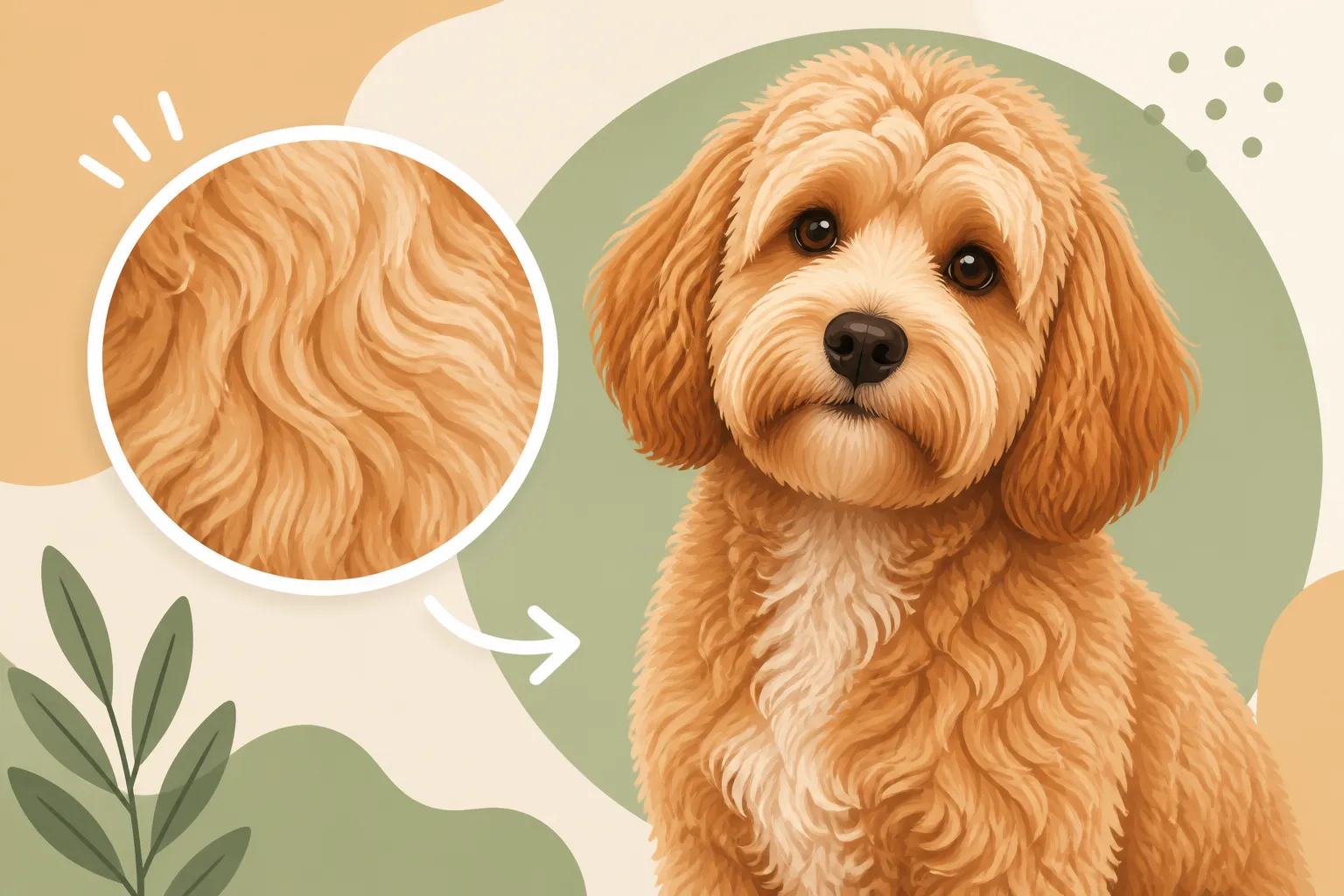
At this age, the texture you've been working with for the past few months will likely be solidified. A wavy coat, for example, might have thickened considerably, giving it a plush, dense feel. A curly coat will often be quite robust, with well-defined spirals that, while beautiful, can be a magnet for tangles. What you might notice is that the initial "wispiness" of puppyhood has been replaced by a more substantial, adult texture that feels quite different under your fingers. It's truly fascinating to see how the genetic blueprint plays out, resulting in such a diverse array of stunning coats.
Density, Length, and Matting Tendencies
Eighteen months often marks the peak of coat density for many Cockapoos. This means there's more hair packed into every square inch, which can make grooming a bit more involved. While the frantic "puppy coat shedding out" matting might have subsided, the sheer volume and potential length of the adult coat at this stage can still create matting issues if not managed diligently. Longer hair naturally gets tangled more easily, especially in areas of high friction or movement.
Think about the classic problem spots: behind the ears, under the armpits, around the collar, in the "feathers" on their legs, and at the base of the tail. These areas are prone to developing tight, stubborn knots that can quickly become painful if ignored. Even if your Cockapoo has a less prone-to-matting straight coat, the increased density means that any skipped brushing session can have bigger consequences. For those with wavy or curly coats, this increased density means that a thorough, daily line brushing routine isn't just a suggestion; it's practically a requirement to keep those mats at bay.
Grooming Strategies for the 18-Month-Old Cockapoo Coat
By 18 months, your Cockapoo’s coat is typically at its full adult density and length potential, meaning your grooming routine needs to be consistent and effective. It's no longer just about getting through the puppy fluff; it's about maintaining a robust, mature coat.
Adapting Your Brushing Routine
At this age, daily brushing isn't just a recommendation, it’s a non-negotiable part of keeping your Cockapoo comfortable and mat-free. The coat is generally at its thickest, making it more prone to tangles and knots, especially in those high-friction areas we talked about. You need to ensure you're not just skimming the top layer. This is where the technique of "line brushing" becomes absolutely critical.
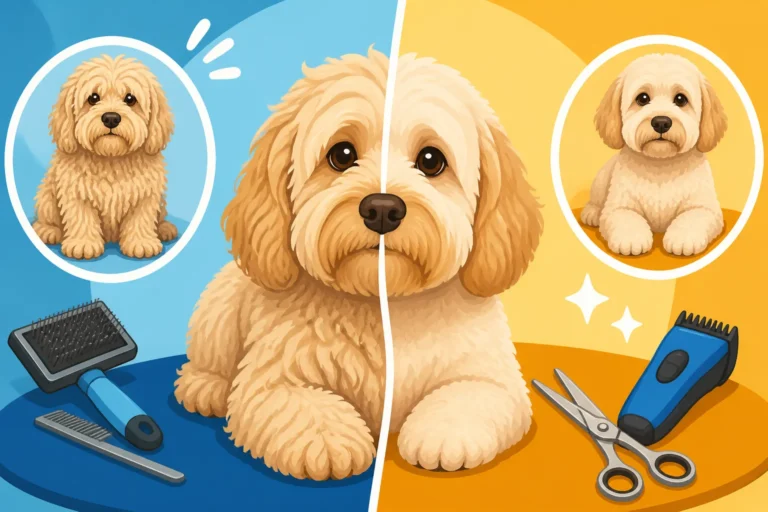
Line brushing involves parting the hair down to the skin, brushing a small section at a time, and then slowly working your way through the entire coat, layer by layer. This ensures that you’re removing any nascent tangles and loose hair right from the root, preventing them from tightening into painful mats. For tools, a good quality slicker brush is your primary weapon for detangling and removing loose hair, but it's the metal comb that truly tells you if you've done a thorough job. Always follow up your slicker brushing with a metal comb, making sure it can glide through the coat from skin to tip without snagging. If it snags, go back with the slicker brush until it's smooth. This is especially true for the more dense, curly coats. Our guide on Line Brushing a Cockapoo and Why the Top Coat Lies offers an excellent deep dive into this essential technique. The frequency will depend on your Cockapoo's specific coat type—a tightly curled coat will demand more rigorous daily attention than a straight one.
Professional Grooming: Frequency and Style Considerations
While daily home grooming is the cornerstone of coat care, professional grooming remains absolutely vital for an 18-month-old Cockapoo. At this stage, you're likely settling into a consistent schedule of professional grooms, typically every 4-8 weeks. This frequency allows the groomer to maintain an appropriate length, shape, and overall health for the coat, especially as it reaches its full adult glory.
When discussing with your groomer, consider styles that complement your Cockapoo’s mature coat and your lifestyle. Many owners opt for a "puppy cut" or a "teddy bear clip," which keeps the coat at a manageable length, typically around one to two inches all over. These styles beautifully highlight the Cockapoo’s endearing features while making home maintenance easier by reducing the length of hair that can tangle. What a Teddy Bear Clip Looks Like on a Cockapoo can give you a great visual idea of this popular style.
It's crucial to communicate clearly with your groomer about any matting you've noticed or specific areas that are problematic. A good groomer can offer advice on maintaining the coat between visits and might even suggest a slightly shorter cut if matting is becoming a constant battle. Remember, dematting a mature, dense coat can be time-consuming and uncomfortable for your dog, so prevention is always better than cure. If the coat has become severely matted, the kindest option might be a full shave-down, which, while perhaps not the look you envisioned, prioritizes your dog's comfort and provides a fresh start for regrowth.
Common Coat Issues and Solutions at This Stage
Even with the "coat change" mostly behind them, an 18-month-old Cockapoo's coat can still present some familiar challenges. Understanding these common issues and knowing how to tackle them is key to keeping your pup happy and handsome.
Persistent Matting and Knots
It’s disheartening, isn’t it? You thought you were past the worst of it, but at eighteen months, those mats can still sneak up on you. Why does it still happen? Well, now that the coat is often at its densest and longest, any areas of friction become prime breeding grounds for mats. Think about where your dog lies down, where their harness or collar sits, or even where their legs rub when they walk. These are common culprits. Add in a romp through some long grass, a dip in a pond, or even a vigorous scratch, and a tiny tangle can quickly become a tight knot. Missed spots during brushing, especially in those hard-to-reach areas like behind the ears, armpits, and groin, are also frequent offenders.
The solution is proactive and consistent care. Daily, thorough brushing using the line brushing method is non-negotiable for most Cockapoo coats at this age. Keep a mat splitter or a dematting comb on hand for small, isolated tangles – but use them with extreme caution and always brush away from the skin to avoid pulling or cutting. If you encounter a mat that feels too tight or too large to safely work out yourself, please don't hesitate to call your professional groomer. Attempting to forcefully remove large mats can be incredibly painful for your dog and can even damage their skin. Sometimes, a professional assessment is all it takes to get things back on track. In severe cases, where the mats are widespread and tight against the skin, Whether a Matted Cockapoo Has to Be Shaved might be the kindest and most humane solution, giving their skin a chance to breathe and you a fresh start.
Skin Health Under the Mature Coat
With such a thick, dense coat, it's easy to overlook what's happening underneath – your Cockapoo's skin. Healthy skin is the foundation of a healthy coat, and at eighteen months, you want to make sure it's getting the attention it needs. Regular checks are vital. Part their fur and look at the skin for any signs of redness, flakiness, excessive oiliness, dry patches, or any bumps or hot spots. Hot spots, in particular, can develop rapidly in dense coats, often triggered by a small irritation that the dog then licks or chews, creating a larger, infected area.
Diet plays a huge role in skin and coat health. A high-quality dog food, rich in essential fatty acids (like Omega-3 and Omega-6), can make a noticeable difference. Some owners find that adding supplements can boost coat condition. Brands like Chewy often carry a wide range of omega oil supplements, or you could explore fresh food options from companies like Ollie, which can also contribute to overall skin and coat vitality. Our article Whether Diet Changes a Cockapoo's Coat Condition explores this in more detail, as does Whether Omega Oils Help a Cockapoo's Coat.
When it comes to bathing, it's a fine balance. Too frequent bathing with harsh shampoos can strip natural oils, leading to dry, itchy skin. Too infrequent bathing, especially for active Cockapoos or those with oily skin, can lead to buildup and skin issues. Aim for a bath every 3-6 weeks, using a good quality, pH-balanced dog shampoo and conditioner. Always ensure your dog is thoroughly brushed before bathing to prevent any existing tangles from tightening into impenetrable mats when wet. And always, always dry them completely, especially if they have a curly or dense coat, to prevent skin infections.
Long-Term Coat Management and Expectations
Even at eighteen months, the journey with your Cockapoo's coat isn't entirely over. It's more about settling into a rhythm and understanding that ongoing care is the key to a happy, healthy pup.
Understanding Your Cockapoo's Unique Coat Trajectory
It’s easy to compare your Cockapoo’s coat to another, or even to their siblings, but remember that each Cockapoo is truly unique. By eighteen months, the major genetic influences on their coat – whether they inherited the Poodle's tight curl and low-shedding qualities, or leaned more towards the Cocker's softer, wavier coat – are fully apparent. Even littermates can have vastly different coats due to the complex inheritance patterns. So, if your friend's Cockapoo has a super easy, wavy coat and yours has a dense, curly one that demands daily attention, that's just genetics playing out!
Your job now is to truly understand your Cockapoo's specific coat type and its needs. Is it prone to dryness or oiliness? Does it mat easily in certain areas? Does it feel coarse or silky? This understanding will inform your long-term grooming strategy. While the major "changes" are likely past, you might still observe subtle shifts in texture or curl as they fully mature into adulthood. A healthy coat at this age is a well-managed coat, not necessarily a 'problem-free' one.
Products and Habits for a Healthy, Manageable Coat
To set yourself up for long-term success, investing in the right tools and establishing consistent habits are paramount. Here’s what you’ll want to have on hand and in your routine:
- High-Quality Brushes and Combs: A slicker brush and a sturdy metal comb are non-negotiable. You might also find a detangling spray helpful, especially for wavy or curly coats. Amazon or Chewy are excellent places to find a wide array of options for The Comb That Finds Mats a Slicker Misses and other grooming essentials.
- Regular Brushing Schedule: This means daily for most Cockapoos, particularly those with wavy or curly coats. Consistency truly is the magic word here. Even 10-15 minutes a day can prevent hours of future dematting. Our article Whether a Curly Coated Cockapoo Needs Daily Work emphasizes this perfectly.
- Professional Grooming Appointments: Stick to a regular schedule, typically every 4-8 weeks, to ensure your Cockapoo's coat is professionally trimmed, bathed, and checked over.
- Appropriate Shampoos and Conditioners: Use products specifically formulated for dogs, preferably those that are moisturizing and gentle. If your Cockapoo has sensitive skin, look for hypoallergenic options.
- Dietary Support: As discussed earlier, a balanced diet rich in omega fatty acids can contribute significantly to coat health. Discuss with your vet if supplements like fish oil are appropriate for your individual Cockapoo.
By embracing these habits and understanding that your Cockapoo's beautiful coat is a joint effort between genetics and diligent care, you'll ensure they remain comfortable, healthy, and looking their best for years to come.
Here's a quick comparison of what you might expect from different Cockapoo coat types at eighteen months:
| Coat Type | Appearance at 18 Months | Maintenance Level | Common Issues |
|---|---|---|---|
| Straight Coat | Soft, silky, may have feathering; minimal curl. | Moderate | Less matting-prone, but can still shed; tangles if left long. |
| Wavy Coat | Fleece-like, shaggy appearance; distinct waves. | High | Prone to matting, especially where hair rubs. Requires daily brushing. |
| Curly Coat | Tight, distinct curls or ringlets; very dense. | Very High | Highly prone to matting, holds debris. Requires rigorous daily line brushing. |
This table provides a general overview, but remember, every Cockapoo is unique! For more detail on these, check out The Three Cockapoo Coat Types and Their Upkeep.
Disclaimer
This article is for general informational purposes only and does not constitute professional advice. Laws, prices and regulations vary by location and change over time. Consult a qualified professional for guidance on your specific situation.