The Furnishings Gene That Decides a Cockapoo’s Face
One of the most defining characteristics of a Cockapoo, especially when you picture that adorable, fluffy "teddy bear" look, comes down to a tiny genetic detail: the furnishings gene. Many new Cockapoo owners find themselves confused or even frustrated when their puppy's coat doesn't quite match the fluffy image they had in mind, often developing a flatter face with less facial hair. This comprehensive guide will unravel the mystery of the furnishings gene, explaining what it is, how it influences your Cockapoo's appearance and shedding, and what you can expect from your beloved furry companion.
Understanding the Basics: What are Furnishings?
When you hear people talk about the quintessential "doodle look," they're often referring to what we call "furnishings." These aren't just decorative elements; they're specific hair growth patterns that give dogs like the Poodle and, by extension, the Cockapoo, their distinctive facial hair and overall shaggy appearance. Without these furnishings, a Cockapoo's face takes on a very different look, resembling more of a smooth-faced Cocker Spaniel.
Defining "Furnishings" in Doodles
In simple terms, furnishings refer to the longer hair on a dog's face, specifically around the muzzle, eyebrows, and sometimes a beard. Think of a Poodle's expressive face, or a scruffy Terrier; those are furnishings at play. This isn't just about aesthetics; these furnishings are directly linked to the low-shedding qualities many people seek in a Cockapoo. It’s a genetic trait that dictates whether a dog will have this longer, wiry or curly facial hair, or a smooth, short coat on its face. It's often the single biggest factor in how different two littermates from the same parents can look, making you wonder if they're even related!
The term can sometimes be a bit confusing because "furnishings" isn't a coat type itself, but rather a trait that influences the overall texture and growth pattern of the coat, particularly on the face. A Cockapoo with furnishings will have hair that grows longer around the muzzle and eyes, giving it that characteristic rounded, fluffy face. This is often the look people fall in love with when they choose a Cockapoo, making it a highly desirable trait.
The Distinctive Look of a Furnished Cockapoo
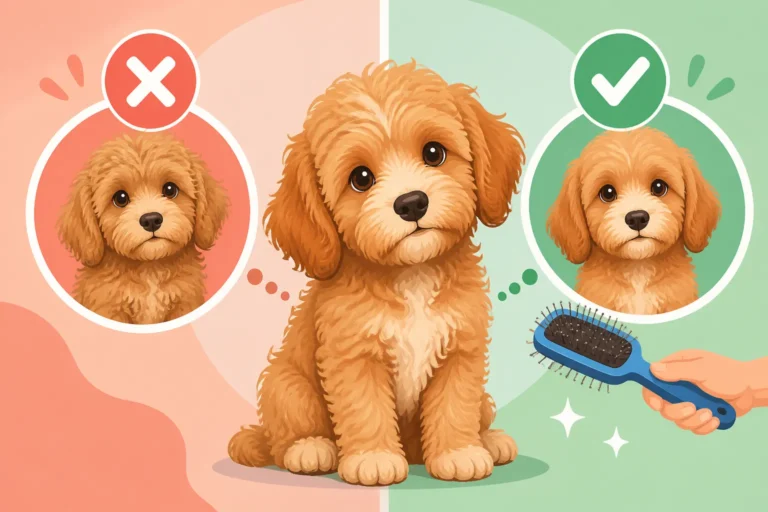
A furnished Cockapoo typically boasts a charming, almost human-like expression. They have distinct eyebrows that give them character, and a lovely beard and mustache that grow out, rather than staying flat and short against their face. Their muzzle will be covered in longer, often wavy or curly hair, contributing to that endearing "teddy bear" appearance. This hair isn't just on the face; it often extends to their legs, giving them a generally shaggier, less sleek look than an unfurnished dog.
Consider two puppies from the same litter: one with furnishings, one without. The furnished puppy will start to develop a noticeable beard and longer eyebrow hair quite early on. As they grow, this facial hair will become more pronounced, requiring regular grooming to keep it tidy and free of mats. Many owners adore this look, as it’s what sets the Cockapoo apart from many other breeds. It’s often the reason families choose a doodle breed in the first place, assuming they’ll get this adorable, fluffy aesthetic. This look directly ties into what we call the "teddy bear clip," a popular grooming style that accentuates these very features. What a Teddy Bear Clip Looks Like on a Cockapoo is all about highlighting these traits.
Where the Furnishings Trait Comes From
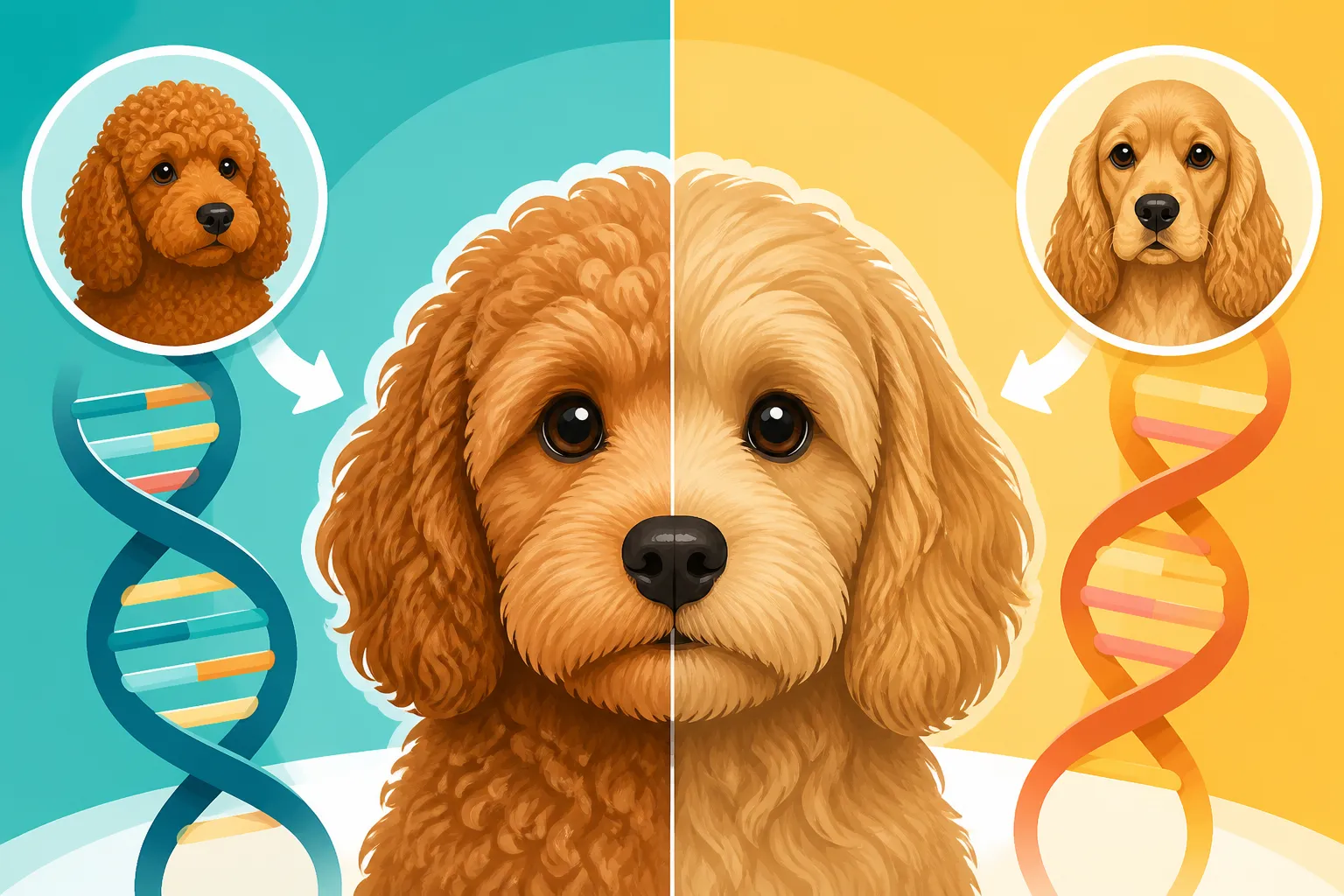
The furnishings trait is inherited from one or both parents. In the case of a Cockapoo, the Poodle parent almost always contributes the gene for furnishings. Poodles are universally furnished, meaning they carry two copies of the dominant furnishings gene. Cocker Spaniels, on the other hand, do not have furnishings; they have smooth faces.
So, when you cross a Poodle (which has two copies of the furnishings gene, say FF) with a Cocker Spaniel (which has two copies of the non-furnishings gene, say ff), all of their F1 offspring will inherit one copy of each gene (Ff). Because the furnishings gene (F) is dominant, all F1 Cockapoos will have furnishings. This is why first-generation Cockapoos almost always have that classic doodle look. However, the picture gets a bit more complex in subsequent generations. If two F1 Cockapoos (both Ff) are bred, there's a chance some of their puppies will inherit two copies of the non-furnishings gene (ff) and therefore be unfurnished. This is a crucial point that sometimes surprises prospective owners.
The Genetic Science Behind Furnishings (RSPO2 Gene)
Delving a little deeper into the genetics can help clear up a lot of the confusion surrounding furnishings. It’s not just some random trait; it's controlled by a specific gene, and understanding how it works can help you make informed decisions, especially if you're looking for a low-shedding dog. This is where modern genetic testing really shines, taking the guesswork out of what your puppy might look like.
The Role of the RSPO2 Gene
The gene responsible for furnishings is called RSPO2. It's a fascinating piece of canine genetics because it dictates whether a dog will have the longer, hairier facial features (furnishings) or a smooth face. This gene actually codes for a protein that influences hair follicle development, leading to the distinct growth patterns we see. When a dog has at least one copy of the dominant 'F' allele (for furnished), that dog will display furnishings. If a dog inherits two copies of the recessive 'f' allele (for unfurnished), it will have a smooth, short-haired face.
This gene is also intrinsically linked to the concept of shedding. Dogs with furnishings have a growth cycle for their hair that is different from dogs without. Their hair tends to grow longer and sheds less frequently, which is why many people with allergies seek out furnished dogs. It’s not that the hair doesn’t shed at all, but the rate and amount are significantly reduced compared to an unfurnished dog. Breeders who truly understand this science will often conduct DNA tests to ensure they are producing puppies with the desired coat traits. What RSPO2 Testing Tells a Cockapoo Breeder dives deep into this specific test.
Dominant and Recessive Alleles in Furnishings
To really grasp how furnishings work, it's helpful to understand dominant and recessive alleles. An allele is simply a variation of a gene. For the RSPO2 gene, there are two main alleles:
- F (Furnished): This is the dominant allele. If a dog has even one copy of 'F', it will have furnishings.
- f (unfurnished): This is the recessive allele. A dog must have two copies of 'f' to be unfurnished.
This means that a dog can have one of three possible genotypes for furnishings:
- FF: The dog has two copies of the dominant furnished allele. It will have furnishings and cannot pass on the unfurnished trait to its offspring (unless bred to an unfurnished dog).
- Ff: The dog has one copy of the dominant furnished allele and one copy of the recessive unfurnished allele. It will have furnishings, but it is a "carrier" of the unfurnished trait and can pass it on.
- ff: The dog has two copies of the recessive unfurnished allele. It will not have furnishings and will have a smooth face. This dog will also pass on an 'f' allele to all of its offspring.
This simple genetic principle explains why sometimes, even from parents who both appear furnished, an unfurnished puppy can pop up. If both parents are Ff (carriers), there's a 25% chance with each puppy that it will inherit 'f' from both parents, resulting in an ff (unfurnished) puppy.
Genotypes and Phenotypes: What it All Means
Let’s talk about genotypes and phenotypes in the context of furnishings.
- Genotype: This refers to the actual genetic makeup of the dog for a particular trait. For furnishings, the genotypes are FF, Ff, and ff.
- Phenotype: This is the observable physical characteristic that results from the genotype. For furnishings, the phenotypes are "furnished" or "unfurnished."
So, a dog with an FF genotype will have a "furnished" phenotype. A dog with an Ff genotype will also have a "furnished" phenotype, because 'F' is dominant. It’s only when a dog has an ff genotype that its phenotype will be "unfurnished." This distinction is crucial for breeders. A breeder might have a gorgeous, fluffy F1 Cockapoo that looks fully furnished (Ff genotype), but without genetic testing, they might not realize it carries the recessive 'f' gene. If they then breed this F1 Cockapoo with another F1 Cockapoo (also Ff), they risk producing unfurnished puppies. Understanding the difference between genotype and phenotype helps breeders predict litter outcomes and ensures they can make promises about shedding or appearance with more confidence. What an FF Result Means on a Cockapoo and What an IC Result Means on a Cockapoo provide more detail on these test results.
Why Furnishings Matter for a Cockapoo's Appearance
Beyond the scientific explanation, the presence or absence of furnishings dramatically shapes a Cockapoo's visual appeal and the image most people have in their minds when they think of the breed. It defines that soft, approachable look that makes them so popular.
The "Teddy Bear" Look
The "teddy bear" look is probably the single most common descriptor for a furnished Cockapoo. It's characterized by a rounded face, often with a full beard, mustache, and expressive eyebrows that frame their eyes. This look comes directly from the furnishings gene, which promotes the growth of longer hair on these areas of the face. This isn't just fluffy hair; it has a specific texture, usually wavy or curly, that contributes to the overall soft, plush appearance.
This aesthetic is highly sought after, and breeders often highlight it in their puppy advertisements. Families who envision a dog with that quintessential doodle charm are usually picturing a furnished Cockapoo. The soft hair around their muzzle makes them look perpetually sweet and gentle. This is why a significant number of prospective owners are very particular about finding a puppy that is guaranteed to have furnishings, often associating it with the ideal Cockapoo appearance and temperament.
The Face Without Furnishings: The Improper Coat
When a Cockapoo does not inherit the dominant furnishings gene (i.e., it has the ff genotype), it's said to have an "improper coat" (IC). This term can sometimes sound negative, but it simply means the coat doesn't conform to the typically expected doodle appearance. An unfurnished Cockapoo will have a smooth face, with short hair that lies flat, much like a Cocker Spaniel. They won't have the long eyebrows, beard, or mustache. Their muzzle will be sleek, often giving them a more traditional sporting dog appearance.
While still absolutely adorable and loving companions, unfurnished Cockapoos often surprise owners who weren't expecting this look. The lack of furnishings means they shed more than their furnished counterparts, a point we'll explore further. It's not a health issue, but purely an aesthetic and shedding difference. Some people even prefer this look, or aren't bothered by it, embracing the unique variation within the breed. However, for those specifically seeking a low-shedding, teddy-bear-faced dog, an improper coat can be a significant deviation from their expectations. What an Improper Coated Cockapoo Looks Like delves into this appearance in detail.
Grooming Considerations for Furnished Coats
Whether your Cockapoo has furnishings or not will significantly impact its grooming routine. Furnished Cockapoos, with their longer facial hair, require consistent and dedicated grooming to prevent matting and keep them looking their best. Their beards can collect food and debris, and their eyebrows can grow long enough to fall into their eyes, potentially causing irritation or obscuring their vision.
Daily brushing, especially around the face and ears, is essential. You'll need specialty combs, often a slicker brush and a metal comb, to work through their wavy or curly hair. Products like detangling sprays, available from retailers like Chewy.com or Amazon, can be lifesavers. Many owners opt for professional grooming every 6-8 weeks to keep the coat trimmed and tidy, which includes shaping the facial hair. Without this regular attention, a furnished Cockapoo can quickly develop painful mats, particularly around the muzzle and behind the ears, necessitating a full shave-down. What a Cockapoo Groom Costs by Coat Type touches upon these expenses.
The Impact of Furnishings on Shedding and Allergies
This is often the million-dollar question for prospective Cockapoo owners: "Will my dog shed, and will it be hypoallergenic?" The furnishings gene plays a pivotal role in both these concerns, often more so than the curl gene itself.
The Connection Between Furnishings and Low Shedding
Here's the crucial link: furnishings are directly associated with the low-shedding trait. Dogs with furnishings (genotypes FF or Ff) have a hair growth cycle that includes a longer anagen (growth) phase and a shorter telogen (resting) phase, meaning their hair grows for a longer period and sheds less frequently. The hair that does shed tends to get caught in the surrounding coat, rather than falling out and spreading through your home. This is why you often hear people say doodles are "non-shedding," though no dog is truly 100% non-shedding.
An unfurnished Cockapoo (genotype ff), on the other hand, will shed more like a Cocker Spaniel. Their coat, being shorter and smoother on the face, will have a different growth cycle, leading to more hair falling out regularly. For families who are specifically seeking a low-shedding dog to keep their home cleaner or to manage mild allergies, ensuring their Cockapoo has furnishings is paramount. Whether Any Cockapoo Is Truly Non Shedding explores this topic in more detail.
Are Unfurnished Cockapoos Hypoallergenic?
The term "hypoallergenic" is often misunderstood. No dog is truly 100% hypoallergenic, as people can be allergic to dander, saliva, or urine, not just hair. However, dogs that shed less generally release less dander into the environment, which can make them more tolerable for people with allergies.
An unfurnished Cockapoo will shed more dander and hair than a furnished one, making them less suitable for homes with severe allergy sufferers. While a furnished Cockapoo might still trigger allergies in some sensitive individuals, an unfurnished one is almost certainly going to cause more issues. If allergies are a primary concern for your family, seeking out a Cockapoo that is guaranteed to be furnished (ideally FF, or Ff from tested parents) is a critical step. Whether a Furnished Cockapoo Suits an Allergic Home addresses this very question. It's a realistic expectation that an unfurnished Cockapoo will bring more shedding challenges than a dog with that desired fluffy coat.
Managing Shedding in Furnished and Unfurnished Coats
Managing shedding is different depending on whether your Cockapoo has furnishings:
- Furnished Cockapoo: While they shed less, the hair they do shed gets trapped in their longer, wavier coat, leading to mats. Regular brushing (daily or every other day) is essential to remove loose hair and prevent tangles. This helps keep dander to a minimum and prevents painful mats. Consistent professional grooming to keep the coat trimmed to a manageable length also reduces the amount of hair that can shed or mat.
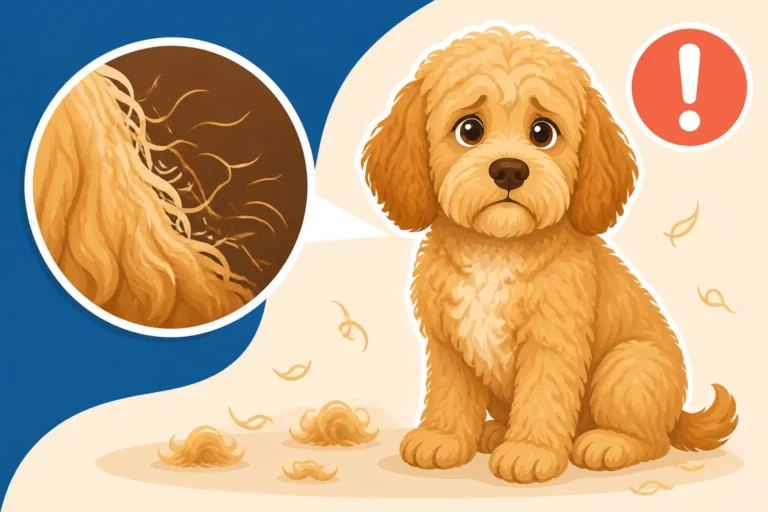
- Unfurnished Cockapoo: These dogs will shed more overtly, similar to a Cocker Spaniel. While they won't typically mat like a furnished Cockapoo, you'll find more hair on your furniture and floors. Regular brushing with a deshedding tool can help remove loose undercoat and reduce the amount of hair shed throughout your home. While daily brushing might not be as critical to prevent matting, it certainly helps control the shedding. Vacuuming and lint rolling will likely become more frequent activities in your home if you have an unfurnished Cockapoo.
Identifying Furnishings in Cockapoo Puppies and Adults
One of the challenges for prospective owners is telling whether a young puppy will have furnishings. While it might seem like guesswork at first glance, there are usually tell-tale signs even in very young puppies, and certainly once they're a bit older.
Spotting Furnishings in a Young Puppy
Predicting furnishings in an 8-week-old Cockapoo puppy can be tricky, but it's not impossible. A key indicator is the texture and length of the hair on the muzzle.
- Furnished puppies will often have a slightly scruffier, longer muzzle hair that feels coarser or wavier to the touch. You might also notice the beginnings of slightly longer hair above their eyes, hinting at future eyebrows. Their whiskers tend to be less prominent, almost blended into the developing beard hair.
- Unfurnished puppies, by contrast, will have short, smooth, flat-lying hair on their muzzle, very similar to a Cocker Spaniel puppy. Their whiskers will be much more noticeable, standing out clearly from their sleek facial hair.
A good breeder, especially one who has done genetic testing on their breeding dogs, should be able to tell you with certainty whether a puppy will be furnished. If you're visiting a litter, pay close attention to the puppy's muzzle and around their eyes. Don't be afraid to gently feel the texture of the hair. Telling a Furnished Cockapoo Puppy by Its Muzzle offers more specific tips for this.
How Furnishings Develop Over Time
The "teddy bear" look doesn't typically appear overnight. Furnishings become more apparent as a Cockapoo puppy grows.
- By 3-4 months old: The facial hair, especially the beard and eyebrows, will start to become more noticeable. This is usually when owners really start to see that distinct doodle charm emerge.
- By 6-8 months old: The furnishings will be fully developed, and the puppy will have that classic fluffy face, assuming they inherited the gene. This is also often around the time their adult coat starts to come in, and the "coat change" can begin, which requires even more diligent grooming. A Cockapoo's Coat Through the Ten Month Change explains this period.
If you have a puppy and are still unsure by four months, and the breeder hasn't provided genetic testing results, it might be worth considering a DNA test if knowing is important to you for grooming or allergy reasons.
Recognizing an Adult Improper Coat
An adult Cockapoo with an improper coat (unfurnished) will have a very clear distinction:
- Smooth facial hair: Their muzzle, around their eyes, and their cheeks will have short, sleek hair that lies flat against the skin, resembling a Cocker Spaniel.
- Lack of beard/eyebrows: There will be no noticeable beard, mustache, or long, expressive eyebrows.
- More prominent whiskers: Because the surrounding hair is short, their whiskers will stand out clearly.
- Overall coat difference: While the body coat might still be wavy or even slightly curly, the contrast with the smooth face is usually quite striking.
Owners of unfurnished Cockapoos often describe them as having a more "sporty" or "classic" dog look, rather than the fluffy, shaggy doodle appearance. Again, this is not a fault in terms of health or temperament, but it's a visual difference that can catch some owners off guard if they weren't expecting it. Whether a Cockapoo Without a Beard Sheds More is a good read if you're exploring this difference.
Testing for the Furnishings Gene: What Breeders and Owners Need to Know
Genetic testing has revolutionized how breeders approach health and coat traits, providing invaluable insight that goes beyond simply looking at a puppy. For furnishings, it's a straightforward test that can offer clarity and peace of mind.
The Value of Genetic Testing for Breeders
For responsible Cockapoo breeders, genetic testing for furnishings (RSPO2) is a non-negotiable step. It allows them to:
- Guarantee furnishings: By knowing the genotype of their breeding dogs, they can confidently predict the likelihood of furnished puppies. If a breeder aims to produce only furnished puppies, they will ensure at least one parent is FF (homozygous furnished).
- Avoid unfurnished puppies: If both parents are Ff (furnished carriers), there's a 25% chance of unfurnished puppies in the litter. A breeder might choose to only breed Ff dogs with FF dogs to ensure all puppies are at least Ff.
- Provide transparency: Reputable breeders will share the DNA test results with prospective buyers, offering proof that their puppies carry the desired furnishings gene, which is often a proxy for low-shedding potential. This transparency helps build trust and ensures buyers know exactly what they're getting.
This kind of testing is particularly important in multi-generational Cockapoos (F2, F3, etc.) where the genetic lineage can be more mixed, and unfurnished puppies are a real possibility.
How DNA Testing for Furnishings Works
DNA testing for the furnishings gene is usually very simple and non-invasive. Most reputable labs, like those often mentioned on pet supply sites or through vet recommendations, offer a panel that includes furnishings. The process typically involves:
- Collecting a sample: This is usually done by gently swabbing the inside of the dog's cheek with a sterile brush or cotton swab provided in the test kit. It's painless and quick.
- Sending to the lab: The collected sample is then sent to a specialized genetics lab.
- Receiving results: Within a few weeks, the lab will provide a detailed report outlining the dog's genotype for furnishings (FF, Ff, or ff), along with other genetic traits if a panel test was ordered.
Some companies even sell these genetic test kits directly to consumers online, which you might find on platforms like Amazon or directly through the lab's website. However, always ensure you're using a reputable lab for accurate results. Once you get the report, understanding what the codes mean is key. Whether a Breeder Should Publish Cockapoo Coat Results highlights the importance of this transparency.
Interpreting Your Cockapoo's Furnishings Test Results
Once you receive your Cockapoo's genetic test results, you'll see one of three designations for the furnishings gene (often referred to as 'IC' for improper coat or 'F' for furnishings):
- F/F (or Furnished/Furnished): This means your Cockapoo has two copies of the dominant furnishings gene. It is guaranteed to be furnished and will pass one copy of the 'F' gene to all its offspring. This is the ideal genotype for breeders aiming for 100% furnished puppies.
- F/IC (or Furnished/Improper Coat): This means your Cockapoo has one copy of the dominant furnishings gene and one copy of the recessive improper coat gene. It will be furnished (because 'F' is dominant), but it is a carrier of the improper coat gene. If bred with another F/IC dog, there's a 25% chance of producing unfurnished puppies.
- IC/IC (or Improper Coat/Improper Coat): This means your Cockapoo has two copies of the recessive improper coat gene. It will not have furnishings and will have a smooth face. It will pass one copy of the 'IC' gene to all its offspring.
Understanding these results helps you know what to expect from your dog's appearance and shedding patterns. If you're considering breeding, these results are invaluable for making responsible choices.
Common Misconceptions About Cockapoo Furnishings
There's a lot of chatter and sometimes misinformation swirling around about Cockapoos and their coats. Let's clear up some of the most common myths and misunderstandings regarding furnishings.
Furnishings and Coat Type Confusion
One of the biggest misconceptions is that furnishings are the coat type, or that they dictate the curl. While furnishings do involve hair growth, they are distinct from the curl gene (KRT71) and the texture gene. A Cockapoo can have furnishings and a straight, wavy, or curly coat.
- A furnished Cockapoo can have a wavy coat (the most common, often described as a "shaggy" or "fleece" coat).
- A furnished Cockapoo can also have a very curly coat, more reminiscent of a Poodle.
- Less commonly, a furnished Cockapoo might have a straighter coat, although the furnishings themselves will still give the face a longer, distinct hair growth.
The key takeaway is that furnishings dictate where the hair grows long (face, legs), and its general texture (often coarser than body hair), but the degree of curl or wave in the overall body coat is determined by other genes. You can have a furnished dog with a slightly wavy coat, or a furnished dog with tight Poodle curls. Both will have that signature fluffy face. The Curl Gene and Where a Cockapoo's Coat Lands explains the nuances of curl.
The Myth of "Purebred" Furnishings
Sometimes, people might incorrectly believe that furnishings are a trait exclusive to certain "purebred" doodles or that unfurnished Cockapoos are somehow less "authentic." This simply isn't true. Furnishings are a genetic trait found in many breeds, including most Terrier types, Poodles, and various others. The Cocker Spaniel, the other half of the Cockapoo, does not naturally have furnishings.
The presence of furnishings in a Cockapoo simply reflects the inheritance from its Poodle lineage. An unfurnished Cockapoo is just as much a Cockapoo as a furnished one; it simply inherited two copies of the recessive non-furnishings gene. Both types are wonderful companions. The value of a Cockapoo lies in its temperament and health, not solely in its appearance. While it's true that the Poodle always passes on a furnishings gene, it's about the combination with the Cocker Spaniel's genes that determines the outcome in subsequent generations. Whether Furnishings Come From the Poodle Only is a helpful read here.
Can Furnishings Change Over Time?
No, genetically, furnishings do not change over time. If a Cockapoo is born with the genetic predisposition for furnishings (FF or Ff), it will develop those furnishings. If it is born without them (ff), it will not develop them later in life. What can change is how pronounced they appear due to grooming choices or the overall maturation of the coat.
For example, a puppy’s facial hair might seem finer initially, and then fill out more as it matures. Regular trimming will keep the furnishings shorter, making them less noticeable, while letting them grow out will make them more prominent. The presence of the trait is set from birth, but its appearance is influenced by growth and grooming. An unfurnished puppy won't suddenly grow a beard at two years old, just as a furnished puppy won't suddenly lose its eyebrows. This genetic trait is stable throughout their life.
Living with a Furnished vs. Unfurnished Cockapoo
Regardless of whether your Cockapoo has furnishings, they will be a loving member of your family. However, understanding the practical implications of their coat type can help you prepare for daily care and grooming routines.
Daily Care for a Furnished Face
Living with a furnished Cockapoo means dedicating consistent effort to their grooming. That adorable fluffy face is a magnet for food, dirt, and tangles!
- Regular Brushing: As mentioned, daily brushing, especially around the beard, mustache, and ears, is vital. Use a fine-toothed metal comb to check for hidden mats that a slicker brush might miss. This prevents small tangles from becoming big, painful problems.
- Face Cleaning: After meals, make it a habit to wipe your Cockapoo's face, particularly their beard, to remove any food residue. You can use a damp cloth or pet-safe wipes. This prevents staining, odors, and potential skin irritation.
- Eye and Ear Care: Keep the hair around their eyes trimmed short to prevent it from irritating their corneas. Their long ear feathering needs regular attention to prevent mats, and ensuring good air circulation in their ears is important due to the Poodle's tendency for ear issues. You can find specialized eye combs and ear cleaning solutions at stores like Chewy.
- Professional Grooming: Most furnished Cockapoos benefit from professional grooming every 6-8 weeks. Your groomer can trim their facial hair, tidy their eyebrows, and keep their overall coat in top condition. This is where you get to choose between a shorter, more manageable "puppy cut" or a longer, shaggier "teddy bear" style.
Grooming a Cockapoo with an Improper Coat
An unfurnished Cockapoo might require a different grooming approach, but it doesn't mean they're maintenance-free.
- Shedding Management: While they won't mat on their face, they will shed more. Regular brushing with a deshedding tool can help remove loose hair from their body coat, reducing the amount of hair found around your home.
- Body Coat Care: Their body coat can still be wavy or even curly, depending on other genetic factors, so regular brushing of the body is still important to prevent tangles and keep the coat healthy and shiny.
- Bathing: Regular baths will help control dander and keep their skin healthy. You might consider specific shampoos designed to help with shedding, available from retailers like Amazon.
- Less Facial Grooming: The good news is, you'll spend far less time on facial trims. Their smooth faces are much easier to keep clean and neat. However, keep an eye on their ears, as they still have those Cocker Spaniel ears that can be prone to infections if not kept clean and dry. Whether a Cockapoo Inherits the Cocker's Oily Skin is relevant here.
Embracing the Unique Beauty of Every Cockapoo
Ultimately, whether your Cockapoo is furnished or unfurnished, they are unique and wonderful companions. The furnishings gene is just one small piece of what makes them who they are. Their personality, their playful spirit, their unwavering loyalty – these are the things that truly define a Cockapoo.
For those who prioritize the low-shedding aspect, or that specific "teddy bear" aesthetic, seeking out a furnished Cockapoo and verifying this through a reputable breeder who performs genetic testing is a smart move. But for others, an unfurnished Cockapoo offers all the charm and love, perhaps with a slightly different grooming routine. What truly matters is providing a loving, caring home for your dog, embracing their individuality, and appreciating the joy they bring into your life, regardless of how much hair grows on their muzzle. After all, a healthy, happy Cockapoo, whether fluffy-faced or sleek, is the best kind of Cockapoo.
| Trait Characteristic | Furnished Cockapoo (FF or Ff) | Unfurnished Cockapoo (ff) |
|---|---|---|
| Facial Hair | Longer hair on muzzle, beard, mustache, expressive eyebrows | Short, smooth hair on muzzle, no beard/mustache, subtle eyebrows |
| "Look" | "Teddy Bear," shaggy, fluffy face | "Sporty," sleek face, resembles a Cocker Spaniel |
| Shedding Level | Low to moderate shedding (hair trapped in coat) | Moderate to high shedding (more visible hair loss) |
| Allergy Impact | Potentially more tolerable for allergy sufferers (less dander dispersal) | Less suitable for allergy sufferers (more dander dispersal) |
| Grooming Needs | High maintenance: daily brushing of face, frequent professional trims | Lower maintenance: less facial grooming, regular body brushing for shedding |
| Genetic Basis | Has at least one dominant 'F' allele (FF or Ff genotype) | Has two recessive 'f' alleles (ff genotype) |
| Whiskers | Less prominent, blend into facial hair | More prominent, stand out from short facial hair |
Disclaimer
This article is for general informational purposes only and does not constitute professional advice. Laws, prices and regulations vary by location and change over time. Consult a qualified professional for guidance on your specific situation.