The Three Cockapoo Coat Types and Their Upkeep
One of the biggest surprises, and sometimes frustrations, for new Cockapoo parents is discovering just how varied their beautiful dog's coat can be, and what a commitment that fur requires! Many come to the Cockapoo expecting a uniformly fluffy, non-shedding companion, only to find themselves grappling with anything from a fine, straight coat to tight curls, each demanding its own unique care routine. This comprehensive guide is here to unravel the mysteries of the Cockapoo coat, helping you understand the genetics, identify your dog's specific coat type, navigate the challenging "coat change," and arm you with the knowledge and tools for optimal upkeep, ensuring your furry friend stays healthy, happy, and mat-free.
Unraveling Cockapoo Coat Genetics
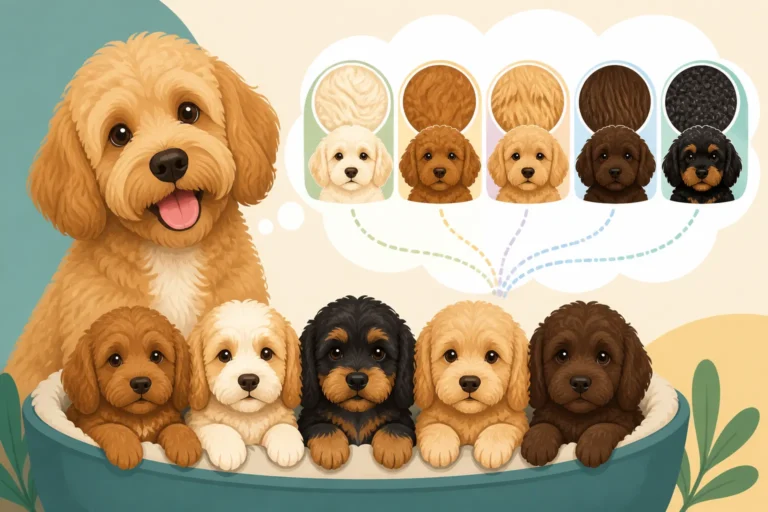
Understanding your Cockapoo's coat really starts with a peek into genetics, specifically the traits inherited from both the Cocker Spaniel and the Poodle. It's not just about what you see, but what's encoded in their DNA that determines texture, curl, and, crucially for many, shedding. This genetic lottery can lead to a fascinating array of coat types, each with its own charm and care requirements.
The Role of Furnishings in Coat Type
The term "furnishings" might sound a bit fancy, but it's probably the most significant genetic factor when we talk about the typical "doodle look." Furnishings are those longer hairs on a dog's face, like eyebrows, mustache, and beard, and they are directly linked to the low-shedding quality that Poodles are famous for. A Cockapoo with furnishings will have that adorable, fluffy face, and generally, a coat that sheds minimally, if at all. This is often what people envision when they think of a Cockapoo.
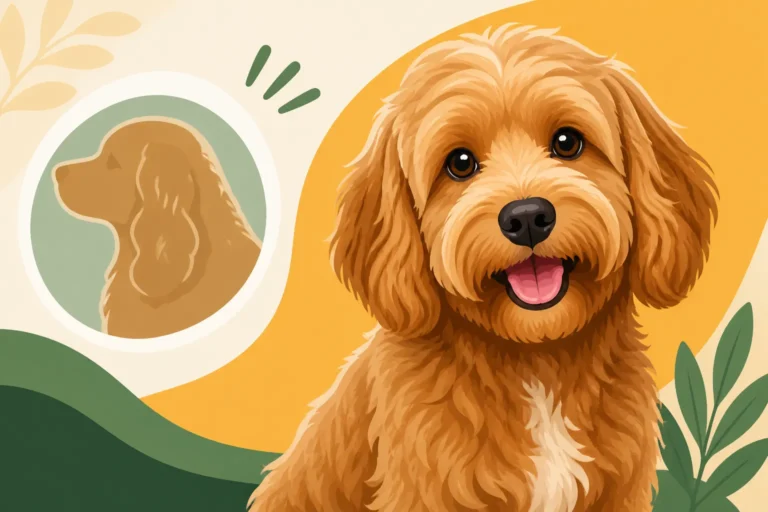
However, not all Cockapoos inherit furnishings, even if both parents have them. It's a dominant gene, but if a Poodle carries only one copy of the furnishing gene and the Cocker Spaniel doesn't, or if the Cocker Spaniel has an "improper coat" gene, you can end up with some surprises. A Cockapoo that doesn't inherit at least one copy of the furnishing gene will typically have what's known as an "improper coat" or a "flat coat." This means they'll lack the distinctive facial hair and will shed much more like a Cocker Spaniel. It's a common misconception that all Cockapoos are non-shedding, and understanding the furnishings gene helps clarify why some owners find themselves constantly vacuuming, while others rarely see a stray hair. What Furnishings Look Like on a Cockapoo can give you a visual idea of what to look for.
Understanding the Curl Gene
Beyond furnishings, the amount of curl in your Cockapoo's coat is another major genetic player. This trait largely comes from the Poodle side, which is known for its tightly curled, dense coat. The curl gene, specifically the KRT71 gene, dictates whether your Cockapoo will have a straight, wavy, or tightly curled coat. It's a fascinating dance between the dominant and recessive alleles that determines the final outcome.
For example, if a Cockapoo inherits two copies of the curl gene (one from each parent), they are likely to have a very curly coat. If they inherit only one copy, they might have a wavy coat, and if they inherit none (which is rare in a true Cockapoo pairing unless a parent is straight-coated), their coat could be much straighter. The degree of curl influences not only the aesthetics but also the grooming demands. Tighter curls tend to hold onto loose hair, preventing shedding but making them prone to matting if not brushed diligently. A wavy coat might be a bit more forgiving, while a straighter coat, especially if unfurnished, will shed more and may not mat as easily. What KRT71 Says About a Cockapoo's Curl delves deeper into the specifics of this gene.
Shedding and Hypoallergenic Claims
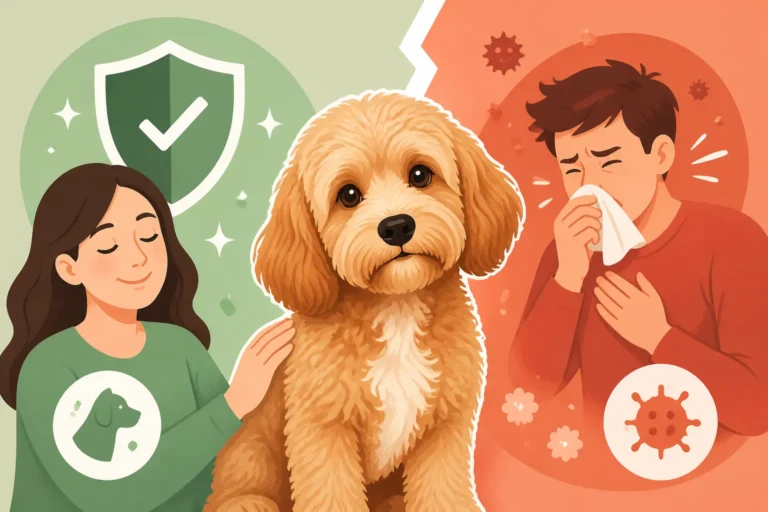
The dream of a "hypoallergenic" dog is often what draws people to doodle breeds like the Cockapoo. The truth, however, is a bit more nuanced. No dog is truly 100% hypoallergenic, as allergies are triggered by dander (skin flakes), saliva, and urine, not just hair. However, dogs with non-shedding or very low-shedding coats, like Poodles, distribute less dander into their environment, making them more tolerable for many allergy sufferers.
A Cockapoo's shedding level is directly tied to those furnishings and curl genes. A tightly curled, furnished Cockapoo is indeed much less likely to shed than, say, a Labrador. The loose hairs get caught within the curly coat instead of falling out onto your furniture. This is why regular brushing is so crucial for these coats – you're essentially removing the shed hair that would otherwise cause mats. On the other hand, an unfurnished, straight-coated Cockapoo will shed, sometimes quite a lot, much like their Cocker Spaniel parent. So, while many Cockapoos are excellent choices for those with allergies, it's not a universal guarantee, and checking the parents' genetic testing for furnishings (RSPO2) can provide a good indication of Whether a Furnished Cockapoo Suits an Allergic Home.
The Straight Coat: Low Maintenance and Unexpected Shedding
While many picture a fluffy, wavy-haired companion when they think of a Cockapoo, some lovely pups sport a much straighter, sleeker coat. This coat type often comes as a surprise to owners who were expecting the classic 'doodle look' and the low-shedding qualities associated with it. Understanding this coat's unique characteristics is key to providing proper care and managing expectations.
Characteristics of a Straight-Coated Cockapoo
A straight coat on a Cockapoo means exactly what it sounds like: the hair lies flatter and has minimal to no wave or curl. It often has a finer texture, sometimes feeling more like a Cocker Spaniel's coat, especially if it's also unfurnished. These dogs typically lack the distinct facial hair (beard, mustache, eyebrows) that gives other Cockapoos their teddy bear appearance. Instead, their faces might look cleaner, more defined, and less 'poodle-like.' This is primarily due to the absence of the furnishings gene or an "improper coat" gene at play.
Owners might initially be a little disappointed if they were expecting a different look, but straight-coated Cockapoos are just as charming and loving. Their coat, while different, has its own unique benefits and challenges. The lack of curl often means less propensity for mats and tangles, which can simplify daily grooming in some ways. However, this ease in brushing doesn't necessarily mean less overall care, just a different kind. What an Improper Coated Cockapoo Looks Like can provide a helpful visual comparison for those curious about the appearance.
Shedding Expectations and Management
Here's where the biggest surprise often lies for straight-coated Cockapoo owners: they tend to shed. Unlike their curly-coated counterparts where shed hair gets trapped in the curls, a straight coat allows loose hairs to fall out much more readily, similar to a purebred Cocker Spaniel. This can be a rude awakening for owners who specifically chose a Cockapoo for its supposed 'hypoallergenic' qualities. You might find more dog hair on your furniture, clothes, and floors.
Managing shedding in a straight-coated Cockapoo involves regular brushing, often more frequently than you might initially assume. While you won't be battling tight mats, consistent brushing helps remove loose undercoat and dead hair before it has a chance to settle around your home. A slicker brush followed by a de-shedding tool can be very effective. Regular bathing, with a good quality shampoo, also helps to loosen dead hair and promote a healthy coat, which in turn can reduce shedding. Vacuuming and lint rollers will likely become your best friends!
Grooming Needs and Tools
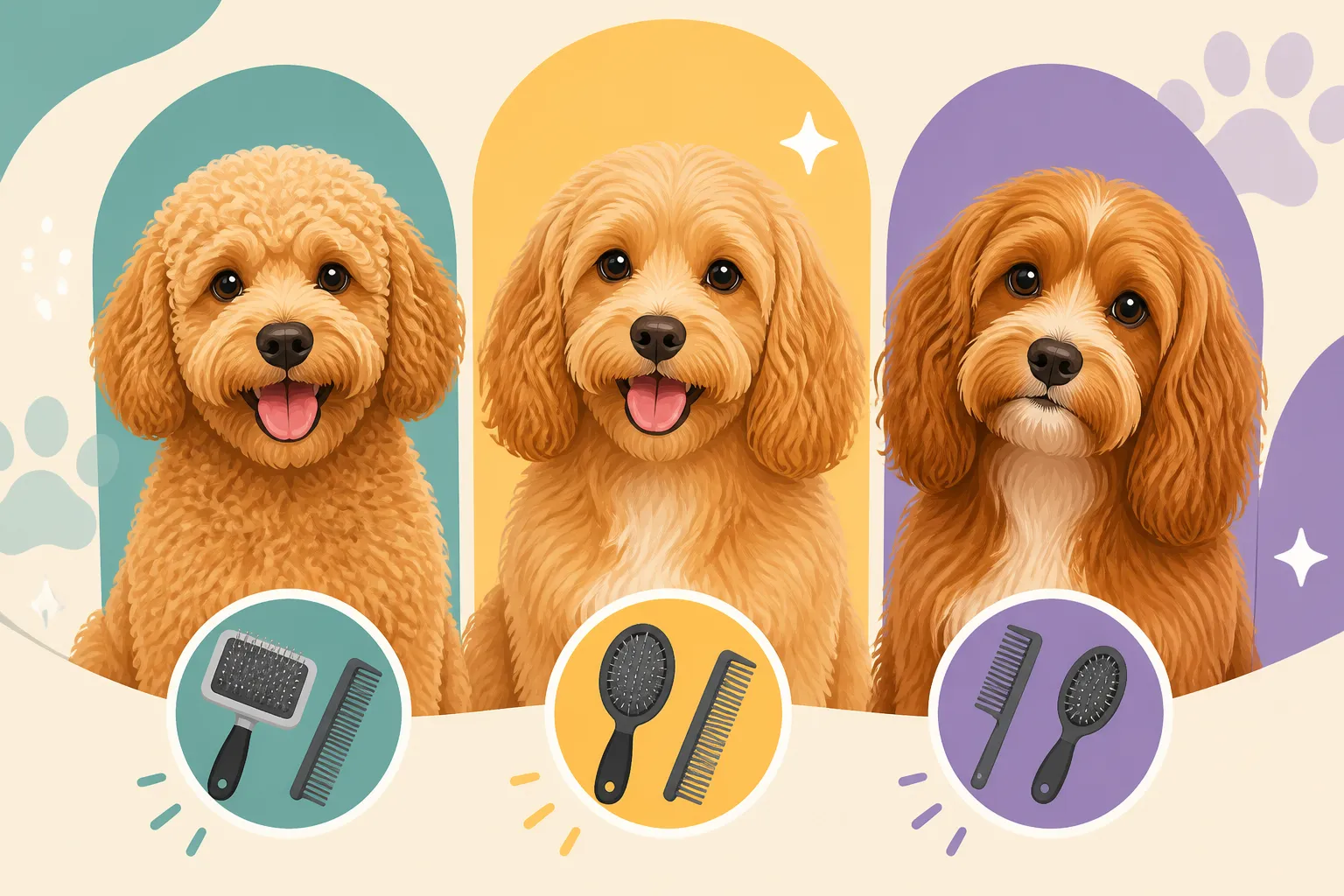
Grooming a straight-coated Cockapoo is generally less labor-intensive than grooming a curly or wavy one, but it's still essential. The main goal is to keep the coat clean, healthy, and free of tangles, while managing shedding. You won't typically need a lot of dematting tools, but a good quality slicker brush, a metal comb, and a de-shedding rake will be invaluable.
Regular brushing, 2-3 times a week, should be sufficient for most straight coats. During seasonal shedding periods, you might need to increase this to daily brushing. Baths every 4-6 weeks, or as needed, with a good dog shampoo and conditioner, will keep their skin and coat healthy. Pay attention to areas behind the ears, armpits, and groin, as these spots can still tangle even on a straighter coat. You might find you can go longer between professional grooming appointments, opting instead for trims around the face, paws, and sanitary areas at home, or less frequent full trims at a groomer. If you're looking for quality brushes or shampoos, you can often find a great selection on Chewy or Amazon.
The Wavy Coat: The 'Classic' Cockapoo Look and its Challenges
The wavy coat is arguably the most common and sought-after Cockapoo coat type. It's what many people envision when they think of this charming hybrid, offering that perfect balance between the Poodle's curl and the Cocker Spaniel's softer texture. While beautiful, this coat type comes with its own set of grooming demands that owners need to be prepared for.
Characteristics of a Wavy-Coated Cockapoo
A wavy coat on a Cockapoo typically has a loose, flowing curl that creates a soft, plush, and often shaggy appearance. It’s what many refer to as the "fleece" coat or "teddy bear" coat, making these dogs look incredibly huggable. This coat type usually comes with furnishings, giving them those characteristic fluffy eyebrows and a charming beard. The texture is often soft and silky, not coarse or wiry, inviting cuddles.
This "classic" look is highly desirable, and for good reason—it’s adorable! However, it's also a coat type that requires consistent attention to prevent problems. The waves create perfect little pockets where loose hair can get trapped and tangle with the live coat, quickly leading to mats if not properly maintained. The softness also means it can felt easily, especially in high-friction areas or if neglected after getting wet. What a Wavy Coated Cockapoo Looks Like can show you how delightful this coat appears when well-cared for.
The Balancing Act of Low Shedding and Matting
One of the main draws of the wavy Cockapoo is its low-shedding quality. Because the loose hairs get caught within the waves, they don't fall out all over your house as much as with a straight-coated dog. This is great for keeping your home cleaner and often makes them more suitable for people with mild allergies. But here's the catch: this "non-shedding" trait directly contributes to the coat's propensity to mat.
Every day, your dog naturally sheds old hair. In a wavy coat, these shed hairs don't drop to the floor; they intertwine with the healthy hair, forming knots and then dense mats if not brushed out regularly. Mats are not just unsightly; they can be incredibly uncomfortable and even painful for your dog, pulling on their skin, causing irritation, and potentially leading to skin infections underneath. It's a constant balancing act: enjoy the minimal shedding, but commit to diligent brushing to avoid matting.
Daily and Professional Grooming Requirements
The wavy coat is not a "wash and wear" type of fur. It demands a dedicated grooming routine. For most wavy-coated Cockapoos, daily brushing is highly recommended, especially during the adolescent "coat change" phase (more on that later!). You'll need a good quality slicker brush and a sturdy metal comb. The key is "line brushing," where you part the hair and brush in sections down to the skin, ensuring you're getting through all the layers and not just skimming the top. Pay extra attention to common matting spots like behind the ears, under the armpits, around the collar area, and where harnesses sit. How Many Minutes a Wavy Cockapoo Takes for grooming can give you an idea of the time commitment.
Beyond daily brushing, professional grooming every 6-8 weeks is usually necessary. Your groomer will bathe, dry, and trim your Cockapoo, keeping the coat at a manageable length that suits both you and your dog's lifestyle. Discuss with your groomer the style you prefer, whether it's a shorter "puppy cut" for easier maintenance or a longer "teddy bear clip" that requires more at-home work. Skipping professional grooms or regular brushing will almost certainly result in severe matting, which often necessitates a full shave-down to relieve the dog, and nobody wants that!
The Curly Coat: High Maintenance but Often Hypoallergenic
At the other end of the Cockapoo coat spectrum, we find the tightly curled coat. This type most closely resembles the Poodle parent, often being dense, springy, and full of tight ringlets. While it's frequently the best option for severe allergy sufferers, it also comes with the highest grooming demands, requiring significant dedication from the owner.
Defining Characteristics of a Curly-Coated Cockapoo
A curly coat on a Cockapoo is characterized by dense, tight curls that spring back when pulled. It's a very distinctive look, often making the dog appear uniformly fluffy and plush, much like a Miniature or Toy Poodle. These coats are almost always furnished, meaning they have those adorable facial hairs that complete the 'doodle' aesthetic. The texture can range from soft to slightly coarse, but the defining feature is the resilience and density of the curl.
This coat type is truly a marvel in its ability to trap shed hair. You'll rarely, if ever, find loose hairs on your floor or furniture, which is why it's the gold standard for allergy sufferers. However, this same quality is what makes it so challenging to maintain. Every single hair that sheds gets tangled within the surrounding curls, and if not meticulously brushed out, it quickly forms solid mats that can be incredibly difficult, and painful, to remove. Why a Tight Curl Doubles a Cockapoo Owner's Week hints at the intensity of the grooming required.
The High Demand for Mat Prevention
For curly-coated Cockapoos, mat prevention isn't just a recommendation; it's a critical daily task. Mats can develop astonishingly fast, sometimes seemingly overnight, especially in areas of friction or after the dog gets wet. A small tangle can become a dense, painful mat in a matter of hours. These mats pull on the skin, restricting movement, causing discomfort, and can even lead to skin infections due to lack of air circulation and trapped moisture.
The only way to effectively prevent mats in a curly coat is through rigorous, daily line brushing. This means systematically parting the hair down to the skin and brushing in small sections, ensuring your slicker brush and metal comb glide smoothly through the entire length of the hair from root to tip. Simply brushing over the top of the coat will not reach the underlying tangles and mats, leading to a seemingly well-brushed dog that is matted underneath. It's a technique that takes practice but is absolutely essential for your dog's comfort and health.
Intensive Daily and Professional Grooming
The grooming routine for a curly-coated Cockapoo is the most demanding of the three types. Daily brushing, often for 15-30 minutes, is non-negotiable. You'll need a high-quality slicker brush (often a firm pin brush or a flexible slicker) and a steel comb with both wide and fine teeth. A detangling spray can also be a lifesaver, making it easier to work through any small snags you encounter.
Professional grooming is also more frequent, typically every 4-6 weeks. Many curly-coated Cockapoo owners opt for shorter clips, like a "kennel cut" or a very short "puppy cut," to make daily maintenance more manageable. While longer, fluffier styles are possible, they exponentially increase the time and effort required for at-home grooming. Your groomer will be your partner in maintaining this coat, and they'll likely recommend a consistent schedule to prevent mats from ever becoming a severe problem. Don't be afraid to communicate openly with them about what you can manage at home and what you expect for your dog's comfort.
Navigating the Infamous "Coat Change"
If you're a new Cockapoo owner, you might hear whispers of the "coat change" and wonder what it's all about. Let me tell you, it's a very real, and often very challenging, period in your puppy's life that can truly ambush unprepared owners. This isn't just a phase; it's a significant transition in your dog's coat that demands heightened vigilance and dedication to grooming.
What is the "Coat Change" Phenomenon?
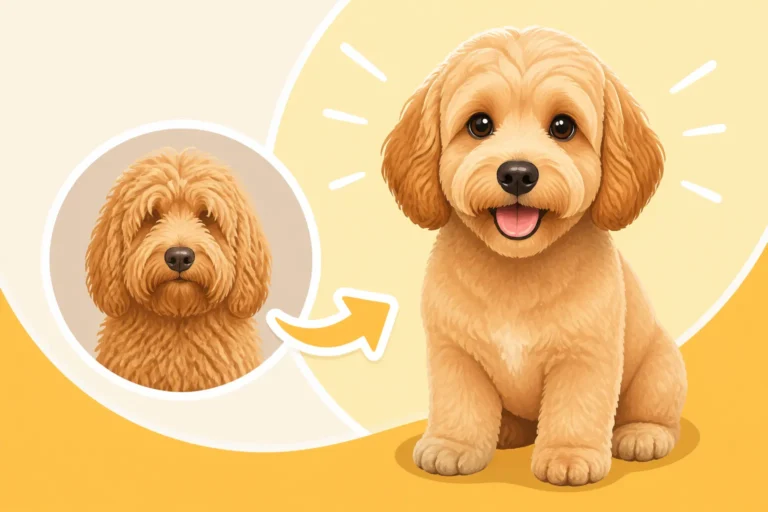
The "coat change," often called "puppy uglies" by seasoned doodle owners, is when your Cockapoo's soft, easy-to-manage puppy coat begins to shed out and is replaced by their denser, adult coat. This transition typically starts anywhere from 6 to 12 months of age, though it can begin a little earlier or later depending on the individual dog. It's not a sudden event, but a gradual process that can last for several months, sometimes even up to a year or more, settling around the 18-month to two-year mark. A Cockapoo's Coat Through the Ten Month Change is a good resource to understand the timeline.
During this period, the fine, wispy puppy fur gets trapped underneath the incoming coarser adult coat. These two different textures of hair intertwine and bond together with alarming efficiency, creating mats like you wouldn't believe. What was once easy to brush now seems to tangle just by looking at it! It's a frustrating time for both dog and owner, as brushing sessions become longer, and small tangles can quickly escalate into painful, pelt-like mats if not addressed immediately.
Increased Matting During the Transition
The reason for the increased matting during the coat change is simple: you have two different types of hair trying to occupy the same space and essentially clinging to each other. The soft puppy coat, which was once easy to brush through, now acts like velcro, catching every new, stronger adult hair that comes in. This creates an incredibly dense and felted texture that resists brushing.
Areas that were previously minor concerns become matting magnets: behind the ears, in the armpits, around the collar or harness area, the groin, and the tail. Even areas that never matted before can suddenly become problematic. This isn't a sign that you're a bad groomer; it's just the nature of this particular developmental stage for many Cockapoos. You might even feel like you just brushed your dog, only to find new tangles forming moments later. It's relentless, and it's where many owners either give up and shave their dog down or truly learn the art of diligent daily grooming.
Strategies for Surviving the Coat Change
Surviving the coat change requires commitment, patience, and the right tools. Here are some key strategies:
- Brush, Brush, Brush (Daily!): This is non-negotiable. During the coat change, your Cockapoo needs to be line-brushed daily, sometimes twice daily, especially if they have a wavy or curly coat. Every single strand needs to be detangled from root to tip.
- Use the Right Tools: A good quality slicker brush (flexible or firm, depending on coat density) and a sturdy metal comb are your best friends. A detangling spray or conditioning spray can also help immensely, making the hair more slippery and easier to separate. Brands like Chris Christensen or Artero make excellent grooming tools that can really make a difference.
- Regular Professional Grooming: Don't skip these appointments during the coat change. In fact, you might need to increase their frequency, perhaps every 4-5 weeks instead of 6-8. A professional groomer can assess the coat, deal with any early matting, and keep the length manageable, which makes your job at home much easier.
- Consider a Shorter Clip: Many owners opt for a shorter haircut during this period. While you might love the long, fluffy look, a shorter coat is far less likely to mat and will make both your and your dog's life much more comfortable. The coat will grow back beautifully once the change is over. Whether a Cockapoo Should Be Clipped Through the Change is a good article to consider.
- Patience and Positive Reinforcement: This can be a stressful time for your dog, too, as brushing might be uncomfortable. Keep sessions positive, use treats, and take breaks. If you find a mat, don't yank it. Gently work it out with detangling spray, or if it's too tight, consider carefully cutting it out with blunt-nosed scissors (always pointing away from the skin), or letting your groomer handle it.
Essential Grooming Tools and Techniques for Each Coat Type
Having the right tools is half the battle when it comes to Cockapoo grooming, but knowing how to use them effectively for your specific coat type is the other crucial half. Investing in quality equipment and mastering a few basic techniques will make a world of difference in keeping your Cockapoo's coat healthy and mat-free.
Must-Have Tools for Every Cockapoo Owner
No matter your Cockapoo's specific coat type, a few staple tools belong in every grooming kit. These are your first line of defense against tangles and dirt, and crucial for daily maintenance.
- Slicker Brush: This is the workhorse of Cockapoo grooming. It features fine, short wires packed closely together on a flat or curved surface. It's excellent for removing loose hair, detangling, and smoothing the coat. For curlier coats, you might opt for a flexible slicker or one with firmer pins.
- Metal Comb (Greyhound-style): Essential for checking your work and tackling smaller tangles. It should have both wide and fine teeth. After using the slicker brush, run the comb through the coat. If the comb catches, you haven't fully brushed that section. This is your mat detector!
- Detangling Spray or Conditioner: A good leave-in conditioner or detangling spray can make brushing much easier, especially for wavy and curly coats. It lubricates the hair, reduces static, and helps prevent breakage. You can find many excellent options from brands like Pet Head or Chris Christensen on Amazon or Chewy.
- Blunt-Nosed Scissors: For safely trimming around eyes, paw pads, and sanitary areas, or carefully snipping out small, intractable mats. Always use blunt-nosed scissors to minimize the risk of injury.
- Nail Clippers or Grinder: Keeping nails trimmed is crucial for your dog's comfort and paw health. Choose what you're most comfortable with.
- Ear Cleaner and Cotton Balls/Pads: Cockapoos, with their floppy ears and Poodle genetics, are prone to ear issues. Regular cleaning helps prevent infections. Whether a Cockapoo's Ears Are Better Than a Cocker's is a great read on ear care.
Mastering the Art of Line Brushing
Line brushing is the foundational technique for grooming any Cockapoo with a wavy or curly coat. Without it, you're just brushing the top layer of hair, leaving mats to develop underneath. It's a meticulous process, but once mastered, it saves a lot of heartache.
- Prepare the Coat: Start with a clean, dry coat. If it's a bit tangled, mist it with your detangling spray.
- Section by Section: Pick a starting point, usually a leg or the belly. Using your free hand, part the hair horizontally, revealing a small strip of skin.
- Brush from the Skin Out: With your slicker brush, gently brush the hair from the root to the tip in small strokes. Make sure the brush is actually reaching the skin.
- Comb to Check: Once you've brushed a section, take your metal comb and run it through that same section. If the comb glides through without catching, you've done it correctly. If it catches, go back with your slicker brush until it passes smoothly.
- Move Up the Body: Continue this process, parting new sections of hair just above the one you just finished, working your way up the body. Don't forget hard-to-reach areas like armpits, behind ears, and the groin.
- Patience is Key: This isn't a race. Take your time, especially when your dog is young or during the coat change. Break it into shorter sessions if needed.
Specific Techniques for Each Coat Type
While line brushing is universal for wavy/curly coats, there are nuances for each type.
-
Straight Coat: For these lower-matting coats, the focus is more on removing shed hair. A good slicker brush followed by a de-shedding tool (like a Furminator or similar deshedder) can be highly effective. Regular full-body brushing 2-3 times a week is often sufficient, with increased frequency during shedding seasons. You might also want to pay attention to trimming any feathering that might develop on the legs or tail to keep it neat.
-
Wavy Coat: This coat type demands consistent line brushing every 1-2 days. The goal is to prevent the waves from tangling and creating mats. Use a detangling spray generously. Pay extra attention to areas where friction occurs (collar, harness, sitting positions). Professional grooms every 6-8 weeks are generally necessary to maintain a manageable length and shape. How Many Minutes a Wavy Cockapoo Takes for grooming daily is important to consider.
-
Curly Coat: This is the most demanding. Daily, rigorous line brushing is essential, often requiring 15-30 minutes per session. The tight curls hide mats incredibly well, so the metal comb check is paramount. You might also find a wide-toothed comb helpful for starting to separate larger sections before going in with the slicker. Professional grooms every 4-6 weeks are a must, and many owners opt for shorter clips to simplify home maintenance. Whether a Curly Cockapoo Needs Daily Work is a question that the answer is a resounding "yes" to!
Beyond the Brush: Bathing, Drying, and Professional Grooming
While daily brushing is undeniably crucial, a complete coat care routine for your Cockapoo involves more than just a slicker brush and a comb. Proper bathing and drying techniques, alongside regular professional grooming, are essential pillars for maintaining a healthy, beautiful, and mat-free coat, especially for those with wavy or curly fur.
The Art of Bathing Your Cockapoo
Bathing a Cockapoo isn't just about getting them clean; it's also a prime opportunity to detangle and hydrate their coat, which in turn helps prevent future mats. However, improper bathing can actually worsen matting, so it's vital to follow a few key steps.
- Pre-Bath Brush Out: This is perhaps the most critical step. Never bathe a matted Cockapoo. Water tightens mats and makes them virtually impossible to remove without shaving. Thoroughly line-brush your dog before they even touch water, ensuring your comb can glide through all parts of their coat. If you find significant mats, either remove them carefully or consider postponing the bath until a professional groomer can address them.
- Choose the Right Products: Invest in a good quality dog-specific shampoo and conditioner. Look for moisturizing or detangling formulas, especially for wavy and curly coats. Avoid human shampoos, which can be too harsh for a dog's skin. Brands like Earthbath, TropiClean, or even specific doodle shampoos can be found on Chewy or Amazon.
- Gentle Application: Wet your dog thoroughly with lukewarm water. Apply shampoo and gently work it into the coat, squeezing and massaging rather than scrubbing vigorously, which can create tangles. Rinse thoroughly until no suds remain.
- Condition, Condition, Condition: Apply a good dog conditioner and let it sit for a few minutes before rinsing. Conditioner helps to smooth the hair cuticles, making the coat less prone to tangles and easier to brush. Again, rinse thoroughly.
- Dealing with Greasy Skin: Some Cockapoos, inheriting traits from their Cocker side, might develop oily skin or a greasy-feeling coat. Whether a Cockapoo's Skin Is Greasy Like a Cocker's is a common concern. For these dogs, a degreasing shampoo might be beneficial, used sparingly, followed by a moisturizing conditioner.
Proper Drying Techniques to Prevent Matting
How you dry your Cockapoo after a bath is almost as important as how you wash them. Rough towel drying or air drying without proper technique can leave their coat a matted mess.
- Squeeze, Don't Rub: After the final rinse, gently squeeze excess water from the coat with your hands. Then, use a super-absorbent microfiber towel to blot and pat the coat dry, rather than rubbing vigorously, which can create tangles.
- High-Velocity Dryer (Recommended): If you have access to a pet-specific high-velocity dryer (often called a force dryer), this is the gold standard. It quickly blows water out of the coat and helps straighten the hair, making it much easier to brush. Keep the nozzle moving and hold it a safe distance from your dog's skin.
- Cool Setting Blow Dryer: If you don't have a high-velocity dryer, a human blow dryer on a cool or low-heat setting can work. As you dry, continuously brush through the coat with your slicker brush, section by section. The goal is to dry the hair completely straight to prevent it from curling and tangling as it dries.
- Avoid Air Drying: For wavy and curly coats, letting them air dry without brushing is an invitation for mats. As the hair dries, it curls up and intertwines, setting those tangles in place.
- Final Brush Out: Once completely dry, give your Cockapoo a thorough line brushing and comb-through to ensure no tangles have formed during the drying process.
The Invaluable Role of Professional Groomers
While at-home grooming is essential, professional groomers play an invaluable role in maintaining your Cockapoo's coat health and appearance. They have the specialized tools, skills, and experience to tackle tasks that are difficult or impossible for the average owner.
- Specialized Equipment: Groomers use professional-grade shampoos, conditioners, and, most importantly, high-velocity dryers that get dogs thoroughly dry and fluffy, making subsequent brushing much easier. They also have a wide array of clippers, blades, and scissors to achieve various styles.
- Mat Removal: A skilled groomer can often safely remove mats that an owner might struggle with, saving your dog from discomfort or a full shave-down. However, understand that severe matting will always necessitate a very short clip, as dematting a heavily matted coat is painful and inhumane. What a Groomer Charges by the Hour to Demat a Cockapoo can give you an idea of the cost associated with severe matting.
- Expert Trims and Styles: Groomers can provide a consistent, breed-appropriate cut that enhances your Cockapoo's appearance and keeps them comfortable. They can trim around sensitive areas like eyes, ears, and paws with precision, and provide sanitary trims that are crucial for hygiene.
- Early Detection: Regular grooming appointments allow groomers to notice potential skin issues, lumps, bumps, or ear problems that you might miss, giving you a chance to address them with your vet early on.
- Frequency: The frequency of professional grooms depends on your dog's coat type, the length you prefer, and your commitment to at-home care. Curly coats often need grooming every 4-6 weeks, wavy coats every 6-8 weeks, and straight coats perhaps every 8-12 weeks, with more frequent touch-ups at home. Don't underestimate the expertise a good groomer brings to your Cockapoo's well-being!
Addressing Common Coat Problems: Mats, Skin Issues, and Odor
Even with the most diligent grooming routine, Cockapoo owners might encounter common coat-related issues like stubborn mats, irritated skin, or an unpleasant odor. Knowing how to address these problems effectively can prevent them from escalating and ensure your Cockapoo remains happy and healthy.
Tackling Mats: Prevention and Removal
Mats are the bane of every Cockapoo owner's existence, especially those with wavy or curly coats. They can quickly go from a minor tangle to a dense, painful felt if neglected.
Prevention is Paramount:
The absolute best way to deal with mats is to prevent them in the first place. This means consistent daily line brushing using a slicker brush and metal comb, especially in high-friction areas like behind the ears, under the armpits, and around the collar. Regular use of a detangling spray and frequent professional grooming appointments are also crucial preventative measures. Where a Curly Cockapoo Mats First and Where a Wavy Cockapoo Mats First highlights these common trouble spots.
Small Mat Removal:
If you find a small, loose mat, don't panic.
- Spray liberally with a detangling spray or a mixture of water and conditioner.
- Use your fingers to gently try to pull the mat apart.
- Start from the outside edges of the mat and work inwards, using the fine teeth of your metal comb. Avoid pulling directly from the root.
- Use a mat splitter or blunt-nosed scissors to carefully cut through the mat lengthwise (parallel to the skin), essentially splitting it into smaller, more manageable sections. Never cut directly across the mat towards the skin.
- Work slowly and patiently, taking frequent breaks if your dog gets stressed. Reward them with treats for their cooperation.
When to Seek Professional Help:
If mats are large, tight, close to the skin, or widespread, it's best to take your Cockapoo to a professional groomer. Attempting to remove severe mats at home can be extremely painful for your dog and risks injuring their skin. A groomer has specialized tools and experience, and while they might recommend a "shave down" to remove the mats safely, it's ultimately the most humane option for a severely matted dog. Whether a Matted Cockapoo Has to Be Shaved explains why this is sometimes the only choice.
Understanding and Managing Skin Issues
Cockapoos can inherit skin sensitivities from both parent breeds, leading to issues like dryness, oiliness, or allergies.
- Dry Skin/Dandruff: If your Cockapoo has dry, flaky skin or dandruff, it might be due to genetics, diet, or environmental factors. Ensure they are on a high-quality diet. Consider adding Omega-3 and Omega-6 fatty acid supplements (like fish oil or flaxseed oil) to their food. Whether Omega Oils Help a Cockapoo's Coat is a good read. Use a moisturizing dog shampoo and conditioner, and avoid over-bathing.
- Oily Skin/Odor: Some Cockapoos, particularly those leaning more towards their Cocker heritage, can have naturally oilier skin, which can lead to a distinct "doggy odor" even after a bath. This oiliness can also contribute to yeast or bacterial overgrowth. Regular bathing with a degreasing or antimicrobial shampoo (sometimes prescribed by a vet) might be necessary. Ensuring good air circulation through their coat by keeping it trimmed can also help. Why a Cockapoo Can Smell Days After a Bath often points to underlying skin conditions.
- Allergies (Atopy): Cockapoos are prone to environmental allergies (atopy), which can manifest as itchy skin, redness, hot spots, paw licking, and recurrent ear infections. If you suspect allergies, consult your veterinarian. They might recommend allergy testing, special diets, medicated shampoos, or medications. Whether Allergy Testing a Cockapoo Is Worth It and Whether Atopy Explains a Cockapoo's Paw Licking are relevant reads.
- Hot Spots: These are acute moist dermatitis lesions that appear suddenly, often due to excessive licking, scratching, or chewing in response to an irritant (like a flea bite, allergy, or mat). Keep the area clean and dry, and prevent your dog from licking it (an E-collar might be needed). Veterinary attention is usually required to treat the underlying cause and get appropriate medication.
Tackling Persistent Odor
A persistent unpleasant odor, even after bathing, is often a sign of an underlying issue rather than just a "dirty dog."
- Ear Infections: Floppy ears and hair in the ear canal make Cockapoos prone to ear infections, which can produce a strong, yeasty smell. Regularly check and clean their ears. If you notice redness, discharge, head shaking, or a foul odor, consult your vet. Whether Ear Infections Mean a Cockapoo Has Allergies is a very common connection.
- Dental Disease: Poor oral hygiene can lead to bad breath that permeates the whole dog. Regular dental care, including brushing their teeth and professional dental cleanings as recommended by your vet, is vital. Dental crowding in a small Cockapoo's mouth is a relevant concern.
- Skin Infections (Bacterial/Yeast): Oily or inflamed skin can harbor bacteria or yeast, leading to a strong, often pungent odor. Medicated shampoos and sometimes oral medications prescribed by your vet can help clear these up.
- Anal Glands: Impacted or infected anal glands can produce a very foul, fishy smell. If your Cockapoo is scooting or you notice a sudden unpleasant odor, your vet or groomer might need to express their anal glands. Whether a Cockapoo Scoots is a sign to watch for.
- Diet: Sometimes, diet can play a role in a dog's overall skin and coat health, and subsequently, their odor. Discuss with your vet if a change in food might be beneficial. Many owners swear by the fresh food diets from companies like Ollie for improving skin and coat health.
Addressing coat problems effectively requires a holistic approach, combining consistent home care, quality products, and when needed, professional veterinary and grooming expertise.
Disclaimer
This article is for general informational purposes only and does not constitute professional advice. Laws, prices and regulations vary by location and change over time. Consult a qualified professional for guidance on your specific situation.