Where a Curly Cockapoo Mats First
One of the most disheartening experiences for a curly Cockapoo owner is running a comb through their beloved dog's soft, bouncy coat only to hit a snag – a mat. These dense, tangled knots seem to appear out of nowhere, especially in those particularly curly coats that are so beautiful but oh-so-prone to tangles. This guide is here to walk you through exactly where these pesky mats love to form first on a curly Cockapoo, why they're such a challenge, and, most importantly, how to keep your furry friend comfortable and mat-free.
Understanding the Curly Cockapoo Coat
The curly coat of a Cockapoo is a true showstopper, often one of the main reasons people fall in love with this delightful crossbreed. It’s typically inherited from the Poodle parent, known for its dense, low-shedding, and exquisitely curled coat. However, this very characteristic, while reducing shedding, also makes the coat a magnet for mats. The combination of the Poodle's tight curl with the Cocker Spaniel's softer, often wavy undercoat can create a perfect storm for tangles that bind together into painful knots.
The Nature of the Poodle-Influenced Curl
Imagine hundreds of tiny springs, each wanting to coil around its neighbor. That’s essentially what a curly Cockapoo’s individual hair strands do. Unlike straight hair that can easily slide past each other, curly hairs interlock. When these interlocked hairs are exposed to friction, moisture, dirt, or even just static electricity, they begin to twist and knot. Without proper and consistent care, these small tangles quickly tighten into larger, more formidable mats, pulling at the skin and causing discomfort or even pain. It's not just about aesthetics; mats can lead to skin infections, hot spots, and restricted movement if left untended. The Curl Gene and Where a Cockapoo's Coat Lands delves deeper into the genetics behind these curls.
When the Coat Change Happens
If you thought puppyhood was challenging enough, wait until your curly Cockapoo hits its "teenage" phase, typically between 6 to 18 months of age. This period, often referred to as the "coat change," is when their soft puppy fur starts to transition into their denser, more adult coat. During this time, the shedding puppy hair gets trapped within the emerging adult coat, creating an incredibly fertile ground for mats. It’s like trying to comb through a mixture of fine silk and thick wool – the two textures don't blend easily and are determined to cling to each other. Many owners find themselves overwhelmed during this phase, discovering mats in places they never expected, sometimes overnight. This is a critical period for establishing a rigorous grooming routine. Understanding A Cockapoo's Coat Through the Ten Month Change can help you prepare for this tricky phase.
Prime Matting Zones on a Curly Cockapoo
Mats don't just happen anywhere; they have their favorite spots. For a curly Cockapoo, certain areas are particularly vulnerable due to friction, moisture, or the natural density of the coat in those regions. Knowing these hotspots is the first step in proactive mat prevention.
Friction Points and High-Movement Areas
These are often the first places you’ll discover mats forming, simply because they experience the most rubbing and movement throughout the day.
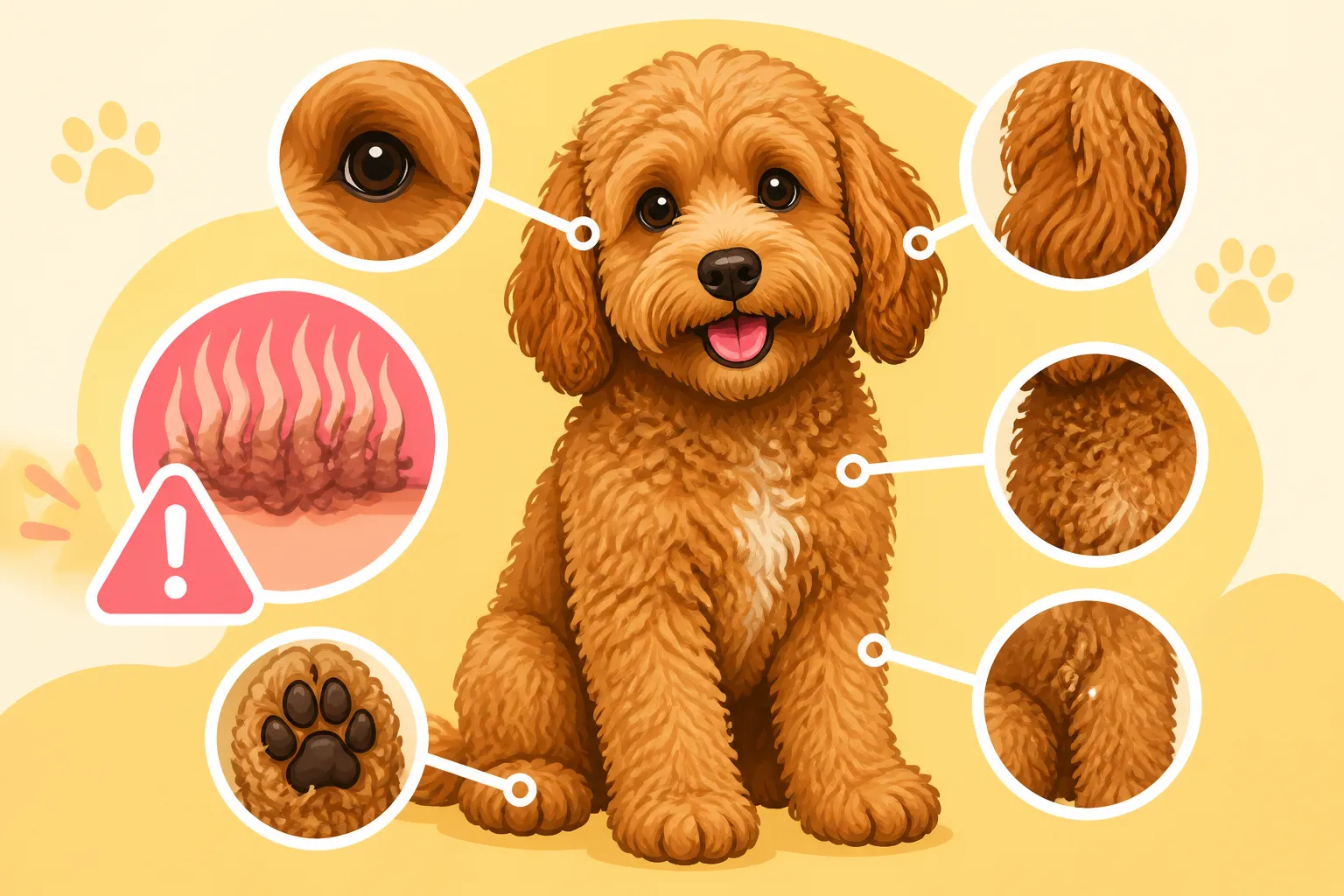
- Behind the Ears: This is arguably the number one culprit. Every time your Cockapoo shakes its head, scratches an itch, or rubs against furniture, the hair behind its ears undergoes friction. Add to that the natural oils and sometimes ear wax, and you have a perfect recipe for a felted mat. These mats can be incredibly painful because they pull on the delicate skin behind the ear, and they can be hard to spot until they’re already quite tight. If ignored, they can even contribute to ear infections by trapping moisture and preventing air circulation.
- Armpits (Axillary Region): Just like humans, dogs have sensitive skin in their armpits. Every step your Cockapoo takes causes the hair in this region to rub against itself and against the body. When they run, play, or even just stretch, this friction intensifies. These mats can restrict movement and make walking uncomfortable. They're also often hidden from casual view, making them easy to miss until they become significant.
- Groin and Inner Thighs: Similar to the armpits, the groin area and inner thighs are high-friction zones. Urine can also contribute to matting here, as moisture and sticky residue cause hair to clump together. These mats are particularly sensitive to remove due to their location near delicate skin.
- Collar Area: If your Cockapoo wears a collar regularly, especially one that isn't smooth or is left on too tightly, it can rub against the neck hair, causing mats to form. This is especially true if the collar gets wet and stays damp, or if the dog frequently pulls on the leash. Always ensure the collar is fitted correctly and consider taking it off when your dog is safely indoors to give the neck hair a break.
Areas Prone to Moisture and Debris
Moisture and external debris are huge contributors to matting, especially in the absorbent, curly coat of a Cockapoo.
- Around the Mouth and Chin (Beard Area): Every drink of water or mouthful of food leaves behind moisture and bits of kibble or crumbs. This dampness, combined with the dense furnishings (the longer hair on the face and muzzle, characteristic of furnished Cockapoos), creates sticky clumps that quickly dry into hard, painful mats. These can make eating and drinking difficult and can even lead to skin irritation underneath. Regular wiping and even trimming can help prevent this. For more about their facial hair, read What Furnishings Look Like on a Cockapoo.
- Under the Tail and Sanitary Area: This area gets messy, period. Feces and urine can stick to the hair, causing it to mat rapidly. Not only is this unhygienic, but it can also be very uncomfortable for your dog and lead to skin infections. Regular "sanitary trims" are essential for curly Cockapoos to keep this area clean and mat-free.
- Paws and Between the Toes: When your Cockapoo walks, runs, or explores, their paw hair picks up dirt, mud, sand, burrs, and anything else they might step in. This debris gets embedded in the curls between their paw pads and can quickly lead to painful mats that make walking difficult. Moisture from wet grass or puddles only exacerbates the problem. Keep the hair trimmed flush with the paw pads to minimize this.
- Leg Feathering: Many Cockapoos inherit some feathering on their legs from the Cocker side, combined with the Poodle's leg hair. This long, curly hair is close to the ground, making it prone to picking up burrs, leaves, and mud. When this debris gets entangled, it swiftly forms mats, especially if not brushed out immediately after a walk.
Hidden Layers and Dense Undercoat
Sometimes mats form in less obvious places, deep within the coat where the curl is densest or where different coat textures meet.
- Chest and Sternum: This area, especially where the front legs meet the body, can be a prime matting spot. The hair here is often very dense, and it experiences friction from lying down, walking, and even just breathing. It's a tricky spot to brush thoroughly because it's often overlooked.
- Base of the Neck and Shoulders: While the collar area gets external friction, the base of the neck and shoulders can mat from the sheer density of the coat and the natural movement of the head. When your dog turns its head, the hair around the neck rubs and can tangle. This is another spot where the coat may be thick and prone to tangling deep down.
- Back of the Legs (Hocks and Thighs): The hair on the back of your Cockapoo's hind legs, similar to the leg feathering, can be quite long and curly. It’s also an area that rubs against itself with every step. Mats here can be particularly tight and stubborn, often starting close to the skin.
Here's a quick overview of these high-risk matting zones:
| Matting Zone | Why it Mats First | Prevention Tip |
|---|---|---|
| Behind the Ears | High friction, delicate skin, natural oils | Daily careful combing, check frequently |
| Armpits | Constant friction from movement, often hidden | Lift legs to brush daily, ensure thoroughness |
| Groin/Inner Thighs | Friction, moisture (urine), sensitive skin | Regular sanitary trims, gentle daily combing |
| Collar Area | Constant rubbing from collar, dampness | Properly fitted collar, remove when indoors |
| Mouth/Chin (Beard) | Food and water residue, dampness, dense furnishings | Wipe after meals/drinks, trim short, brush daily |
| Under Tail/Sanitary | Feces/urine residue, hygiene issues | Regular sanitary trims, keep clean |
| Paws/Between Toes | Picks up debris, moisture from walking | Trim hair flush, check and clean paws after walks |
| Leg Feathering | Close to ground, picks up debris, constant movement | Brush after walks, trim regularly |
| Chest/Sternum | Dense hair, friction from lying down | Brush against the grain, thorough combing |
| Base of Neck/Shoulders | Dense coat, friction from head movement | Part and comb carefully, especially under chin |
| Back of Legs | Long, curly hair, constant movement | Line brush daily, pay attention to the hocks |
Prevention Strategies for Curly Cockapoo Matting
Now that we know where mats love to hide, let's talk about how to stop them in their tracks. Prevention is always easier and less painful than removal. Establishing a consistent grooming routine is paramount for any curly-coated Cockapoo.
Daily Brushing and Grooming Tools
This isn't a suggestion; it's a necessity for curly Cockapoos, especially during the coat change. Daily brushing, even if it's just for 10-15 minutes, can make all the difference.
- The Right Tools are Key: You'll need more than just a quick comb-through.
- Slicker Brush: A good quality slicker brush is your primary weapon. It helps to pull out loose hair and separate curls, preventing them from intertwining. Use it gently, brushing in layers, making sure to get down to the skin. Don't just brush the top coat!
- Metal Comb (Greyhound Comb): This is essential for finding tangles the slicker brush might miss. After slicker brushing a section, run your metal comb through it. If the comb glides smoothly, you're good. If it snags, there's a mat that needs attention. Look for combs with both wide and fine teeth.
- Detangling Spray: A good detangling spray or conditioning spray can help lubricate the hair, making it easier to brush and preventing breakage. You can find excellent options on Chewy that are specifically formulated for curly dog coats.
- Mat Splitter (Optional, with caution): For very small, starting mats, a mat splitter can be used very carefully to slice through the mat, making it easier to comb out. However, these are sharp and should only be used by experienced individuals or under professional guidance, as they can easily cut the skin.
- The "Line Brushing" Technique: This is the golden rule for curly coats. Instead of just brushing the top, you need to systematically brush sections of hair, working from the bottom up. Part the hair horizontally with your hand, exposing the skin. Brush a small section upwards and outwards, then move your hand slightly down and repeat, working your way up the body. This ensures you're reaching the hair closest to the skin, where mats often begin to form. Line Brushing a Cockapoo and Why the Top Coat Lies explains this technique in detail.
Regular Professional Grooming
While home grooming is crucial, it’s not a substitute for professional grooming for a curly Cockapoo. A professional groomer has specialized tools, techniques, and experience to handle even the most challenging coats.
- Frequency Matters: Most curly Cockapoos benefit from professional grooming every 4-8 weeks, depending on their coat type and your ability to maintain it at home. Discuss with your groomer what schedule works best for your dog's specific coat and lifestyle. They can also advise on appropriate clip lengths to minimize matting.
- Ear and Sanitary Trims: Groomers can perform precise sanitary trims and keep the hair around the ears short, clean, and mat-free. This is particularly important for preventing both mats and potential infections. Don't underestimate the importance of keeping Whether the Poodle Ear Canal Helps a Cockapoo clean.
- Early Acclimation: Start professional grooming early in your Cockapoo's life. Positive experiences at the groomer will make future visits much less stressful. Many groomers offer puppy introductory sessions just for this purpose.
Environmental and Lifestyle Considerations
Your Cockapoo’s daily life can significantly impact its coat health.
- Keep Them Clean (But Not Too Often!): While regular brushing is key, too-frequent bathing can strip natural oils, leading to dry, brittle hair that mats more easily. Aim for baths every 3-4 weeks, or when visibly dirty, using a high-quality dog shampoo and conditioner. A leave-in conditioner can also provide an extra layer of protection against matting. For specialized food that supports skin and coat health, consider options like those from Ollie, which focuses on fresh ingredients.
- Limit Friction: Consider your dog's bedding, harnesses, and collars. Smooth, soft bedding can reduce friction. A well-fitting harness can be less damaging than a collar for walks, but even a harness can cause matting where it rubs. Remove collars and harnesses when your dog is relaxing at home.
- Watch for Water Activities: Swimming is fun, but a wet, curly coat left to air dry is a matting disaster waiting to happen. Always thoroughly towel dry and then brush your Cockapoo after swimming or playing in the rain.
- Check After Outdoor Adventures: If your Cockapoo loves to romp in fields or wooded areas, always do a "burr check" and a quick brush-through when you get home. Burrs, seeds, and twigs can become deeply embedded and cause severe matting very quickly. You might even want to consider a protective garment from Amazon for adventurous pups to keep debris out of their coat.
Dealing with Existing Mats in a Curly Coat
Despite your best efforts, sometimes a mat or two will still creep in. Knowing how to handle them safely is crucial to avoid causing pain or injury to your dog.
Gentle Detangling Techniques
For small, loose mats, you might be able to tackle them at home. The key words here are small and gentle.
- Gather Your Tools: You'll need your slicker brush, metal comb, detangling spray, and potentially a pair of blunt-nosed scissors (use with extreme caution!).
- Isolate the Mat: Gently separate the mat from the surrounding healthy hair. Hold the hair at the base of the mat, close to the skin, to prevent pulling on the skin as you work. This is super important to minimize discomfort for your pup.
- Apply Detangling Spray: Liberally spray the mat with a good detangling or conditioning spray. Let it soak in for a minute or two to help loosen the tangles.
- Work from the Outside In: Start gently picking at the very edges of the mat with the wide teeth of your metal comb or the tips of your slicker brush. Don't try to pull through the whole mat at once. Gradually work your way towards the center, teasing apart small sections of hair.
- Use Blunt-Nosed Scissors (Extreme Caution): If a mat is particularly stubborn and can't be teased out, you can try to carefully cut into it. Never cut straight across a mat. Instead, try to insert the blunt tip of the scissors parallel to the skin, directly into the middle of the mat, and make a small snip. This helps to split the mat into smaller sections, making it easier to comb out. Always ensure you can see skin between the scissors and your dog's body to avoid accidentally cutting them. This is often better left to a professional.
- Patience is Key: This process takes time and patience. If your dog gets stressed or uncomfortable, take a break and come back to it later. A positive, calm environment with treats can help.
Knowing When to Call a Professional
There are times when a mat is simply too big, too tight, or too close to the skin for you to safely handle at home. Trying to force a comb through a large mat or cutting it incorrectly can cause severe pain, skin tears, or even necessitate a costly vet visit.
- Large, Pancake-Like Mats: If a mat has flattened and tightened against the skin, forming a solid "pancake" or a felted layer, it's a job for a professional groomer. These often require shaving.
- Mats Causing Skin Irritation: If you notice redness, swelling, sores, or an unpleasant odor beneath a mat, it's likely causing a skin issue. A professional groomer can assess the situation and, if necessary, recommend a vet visit before attempting removal. Skin and Coat Disease in a Cockapoo is an important read if you suspect skin irritation.
- Dog is in Pain: If your Cockapoo cries out, tries to bite, or shows extreme discomfort when you touch a mat, don't push it. Forcing the issue will only create a negative association with grooming and could lead to injury.
- Mats in Sensitive Areas: Mats around the eyes, ears, or genital region are best handled by a professional to prevent accidental injury.
A professional groomer can often safely shave off mats without causing injury. It might mean a very short haircut for your Cockapoo for a while, but it's far better than inflicting pain or causing a severe skin infection. Remember, their comfort comes first. The cost of a professional de-matting session might seem high, but it's an investment in your dog's well-being and often less expensive than a vet bill for a self-inflicted grooming injury.
Keeping your curly Cockapoo mat-free is an ongoing commitment, but with the right tools, techniques, and consistent effort, you can ensure their beautiful coat remains a source of joy, not a cause for concern.
Disclaimer
This article is for general informational purposes only and does not constitute professional advice. Laws, prices and regulations vary by location and change over time. Consult a qualified professional for guidance on your specific situation.