Whether a Cockapoo’s Coat Grows Back the Same
It's a common worry for any Cockapoo owner when their beloved dog comes back from the groomer looking a little… different. Perhaps a bit scruffier, or the texture isn't quite the same, and you start to wonder if that beautiful coat you fell in love with will ever truly return. This guide is here to unravel the mystery of Cockapoo coat regrowth after clipping, addressing those fears and giving you a realistic picture of what to expect.
Understanding Your Cockapoo's Unique Coat
The Cockapoo coat is one of their most endearing features, a soft, often wavy or curly masterpiece that’s usually quite low-shedding. But it’s also a complex blend, inheriting traits from both the Cocker Spaniel and the Poodle, which means there’s a wide variety in how each individual Cockapoo’s coat develops and behaves. It’s not just one uniform coat type, and understanding this variation is key to knowing what might happen after a clip.
The Puppy Coat Versus the Adult Coat
When your Cockapoo was a tiny puppy, they likely had that impossibly soft, fluffy "puppy coat." It was probably pretty easy to maintain, barely matted, and felt like a cloud. Oh, those were the days! However, as puppies grow, typically between six and eighteen months of age, they undergo a significant "coat change." This is when their delicate puppy fluff starts to transition into their denser, more textured adult coat. It's a period notorious for matting because the shedding puppy hair gets tangled with the emerging adult hair. If you haven't experienced this yet, be prepared for The Coat Change That Ambushes a Cockapoo Owner at Ten Months.
The adult coat itself is largely determined by genetics, specifically the "furnishings" gene (which gives them their signature beard and eyebrows) and the "curl" gene. Some Cockapoos end up with straighter, flatter coats, some with flowing waves, and others with tight, Poodle-like curls. Each type has its own characteristics and grooming needs, as we explore in The Three Cockapoo Coat Types and Their Upkeep. It's these adult coat characteristics that will dictate how the hair grows back.
The Impact of the Furnishings and Curl Genes
The furnishings gene is what gives most Cockapoos their desirable low-shedding qualities and that adorable doodle look. If your Cockapoo has two copies of this gene (often seen as "FF" on a DNA test), they’re highly likely to have the distinct facial hair and low-shedding body coat. If they only have one copy ("Ff"), they might still have furnishings, but there's a chance they could have a slightly less dense coat. And then there are those rare but perfectly lovely "improper coated" Cockapoos who don't have furnishings and shed more like a Cocker Spaniel, as detailed in What an Improper Coated Cockapoo Looks Like.
Beyond furnishings, the curl gene plays a huge role. Some Cockapoos are genetically predisposed to straight coats, others to wavy, and many to curly. It’s this combination of genes that determines The Curl Gene and Where a Cockapoo's Coat Lands. A tightly curled coat might feel different than a wavy coat, even at the same length, and this underlying genetic makeup is really what dictates the ultimate texture and look, regardless of how many times it's clipped.
The Reality of Clipping and Coat Regrowth
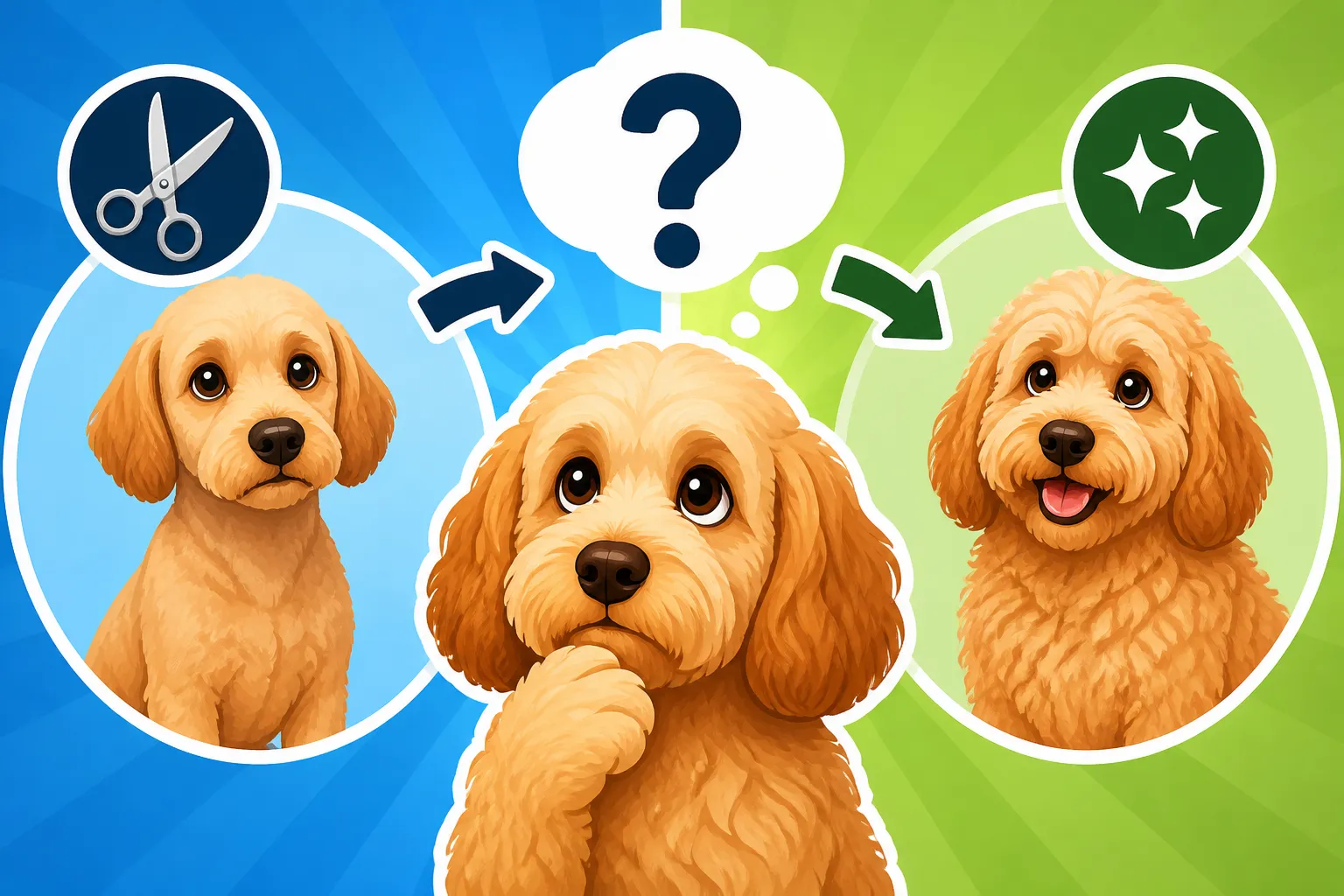
This is where a lot of the anxiety comes in, right? You've heard stories, seen photos, and perhaps even experienced it yourself: a perfectly lovely coat goes to the groomer, gets clipped short, and seems to grow back… differently. The good news is, in most cases, a Cockapoo's coat does grow back the same in terms of its genetic predisposition. The bad news is, it might appear different, especially immediately after the clip or if specific circumstances are at play.
Why Your Cockapoo's Coat Might Seem Different
The primary reason a clipped coat might seem different is simply texture. When you clip or shave a coat, especially a curly or wavy one, you're cutting through the individual hair shafts. Imagine cutting a coiled spring in half – it might not spring back quite the same way if it's cut across the coil. The tips of the hair are often softer and more tapered. When these tips are removed, and the blunt ends grow out, the coat can initially feel coarser or thicker. This isn't a permanent change to the hair follicle itself, but rather how the hair lies and feels when it’s shorter and growing back. The natural texture will return as the hair grows longer and the weight of the hair allows it to curl or wave as it normally would.
Another factor is the undercoat versus the guard hairs. While Cockapoos are generally single-coated or have very minimal undercoat compared to double-coated breeds, some can still have a finer, softer undercoat that gets blended with the coarser guard hairs when clipped. If the coat is shaved very short, this can sometimes make the softer undercoat grow out faster initially, leading to a "cottony" or "fluffy" feel that might not have been as prominent before. This is particularly noticeable in Poodle-dominant coats. It's a common misconception that shaving "ruins" a coat, but in reality, it's just altering the immediate growth cycle and appearance, not the genetic potential. We discuss this more in Whether Shaving Ruins a Cockapoo's Coat.
Color Changes After a Haircut
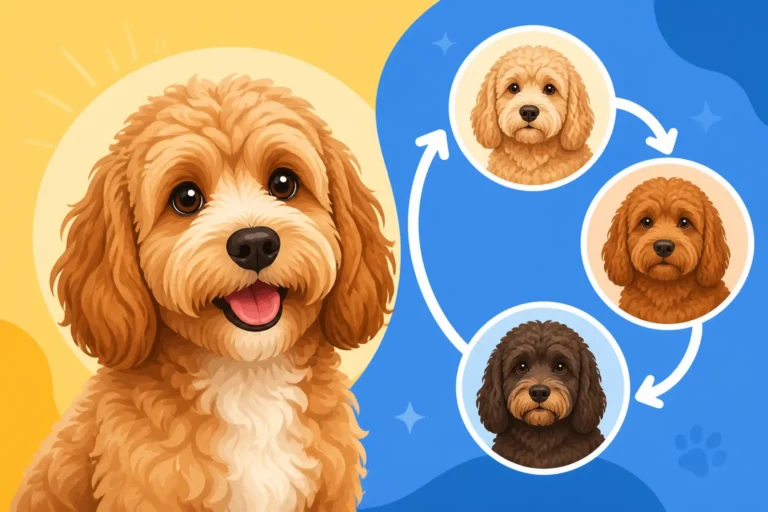
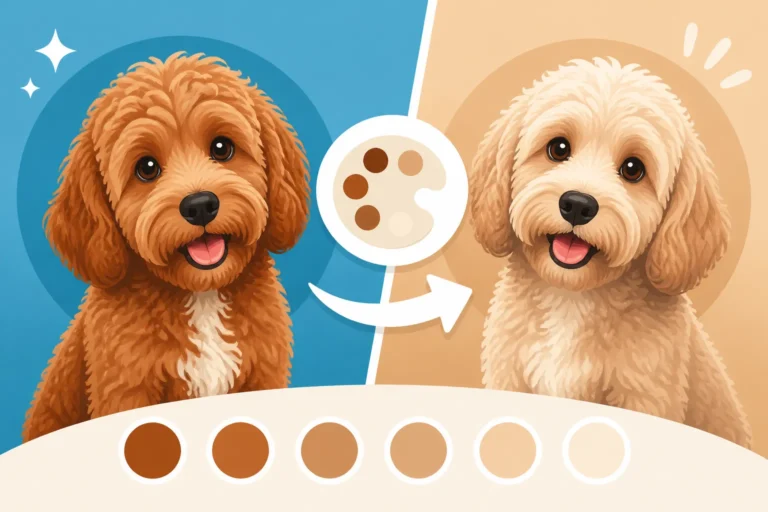
You might also notice a slight change in your Cockapoo's coat color after a substantial trim. This is actually quite common! The sun can lighten a dog's coat, just like it lightens human hair. When you shave off the sun-bleached outer layers, the new growth can appear darker or more vibrant. Conversely, some Cockapoos, particularly those with red, apricot, or brown coats, can experience "fading" as they age or if their coat is exposed to a lot of sunlight. So, a fresh clip might reveal a previously unseen shade or make an existing fade more apparent. You might even find yourself asking Whether a Cockapoo's Adult Coat Comes In a Different Color than their puppy coat, which is another fascinating aspect of their genetics. These color shifts are rarely permanent and are often a result of removing faded hair or simply seeing the true color of the new growth.
What to Expect and How to Promote Healthy Regrowth
So, your Cockapoo just had a haircut and their coat feels a bit… off. Don't panic! With a little time and consistent care, your Cockapoo’s coat should absolutely grow back to its natural state. Patience is key here, as coat growth takes time.
The Timeline for Regrowth
The rate at which a Cockapoo's coat grows back depends on several factors, including their individual genetics, diet, and overall health. Generally, dog hair grows about half an inch per month, though this can vary. A Cockapoo with a curlier, denser coat might appear to fill out faster than one with a straighter, sparser coat simply because the curls take up more visual space. If your dog was shaved down very short, it could take several months to get back to a length you recognize as "normal" for them.
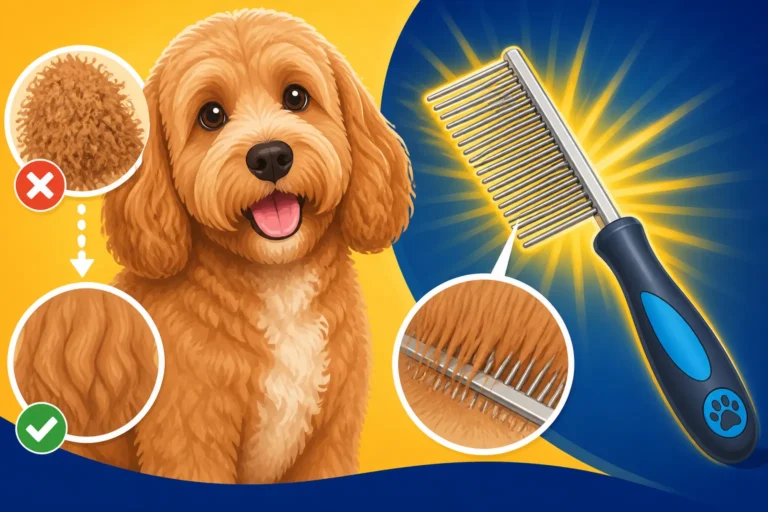
During this regrowth phase, it's crucial to maintain a consistent grooming routine at home. Even short coats can still mat, especially in areas like behind the ears, armpits, and under the collar. Regular brushing, even just a few minutes every day or two, will help stimulate the hair follicles, keep the skin healthy, and prevent any new mats from forming as the coat lengthens. Line Brushing a Cockapoo and Why the Top Coat Lies is a technique that's always valuable, even with shorter hair.
Grooming Strategies for Post-Clip Coats
When the coat is growing back, you might find it needs more frequent attention than you anticipate. Those blunt-cut ends can be more prone to tangling with each other as they lengthen. Investing in good quality grooming tools, such as a slicker brush and a metal comb (the comb is essential for finding tangles the slicker misses!), will be invaluable. Brands like Chris Christensen or Andis offer excellent options that you can often find on Amazon or Chewy.
Consider scheduling "tidy-up" appointments with your professional groomer during the regrowth phase. Instead of another full shave, these sessions can focus on trimming the face, feet, and sanitary areas, and maybe a light trim to even out the body hair as it grows. This can make the awkward "in-between" stage more manageable for both you and your pup. It's often recommended to keep a Cockapoo in a shorter clip if their coat is high-maintenance, so don't be afraid to Whether a Cockapoo Should Be Kept in a Short Clip to prevent discomfort.
Nutritional Support for a Healthy Coat
A healthy coat starts from within. Ensuring your Cockapoo is on a high-quality, balanced diet is paramount for healthy hair growth, skin condition, and overall well-being. Look for dog foods that list a named meat source as the first ingredient and contain healthy fats like Omega-3 and Omega-6 fatty acids. These fatty acids are crucial for skin hydration and coat luster. Many premium brands, available on Chewy, incorporate these ingredients.
Some owners also choose to supplement their dog's diet with fish oil or specific skin and coat supplements, which can be beneficial. Always discuss any dietary changes or supplements with your veterinarian to ensure they are appropriate for your individual dog. A poor diet can lead to dull, brittle hair and slow regrowth, so Whether Diet Changes a Cockapoo's Coat Condition is a valid concern. You might find brands like Ollie offer fresh food options that prioritize high-quality ingredients, which can also contribute to a healthy coat.
Here’s a quick overview of how different Cockapoo coat types tend to react to clipping:
| Coat Type | Initial Regrowth Feel | Long-Term Regrowth Appearance | Grooming Needs During Regrowth | Key Consideration |
|---|---|---|---|---|
| Straight | Slightly coarser | Returns to natural straight | Minimal brushing needed | Can shed more, less matting risk |
| Wavy | Appears fluffier/straighter when short | Waves gradually return as length increases | Regular brushing to prevent tangles | Prone to tangles if not brushed frequently |
| Curly/Tight | Feels denser, sometimes cottony | Curls will re-form and tighten with length | Daily brushing is crucial to avoid mats | Highest matting risk, often benefits from shorter clips |
Remember, your Cockapoo's coat is resilient, and it will grow back. The "different" feeling is often just a temporary stage as the hair transitions. With the right care and a little patience, your Cockapoo will be back to their usual fluffy, curly, or wavy self!
Disclaimer
This article is for general informational purposes only and does not constitute professional advice. Laws, prices and regulations vary by location and change over time. Consult a qualified professional for guidance on your specific situation.