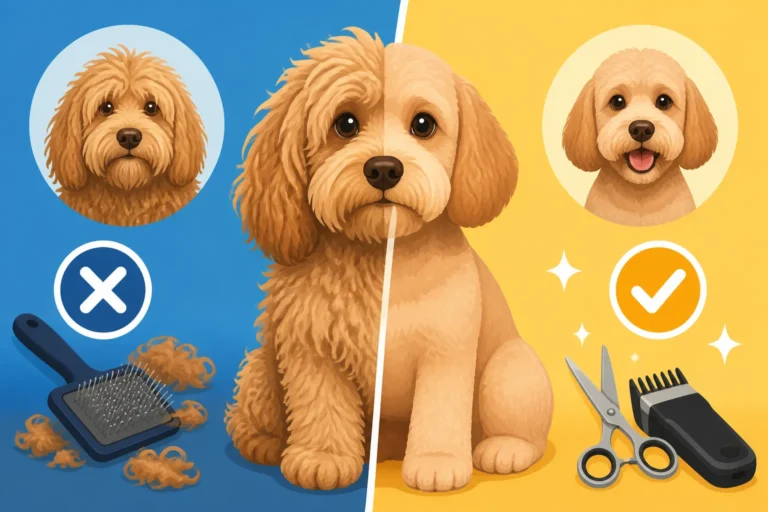
Whether a Curly Cockapoo Needs Daily Work
It’s a dream for many Cockapoo hopefuls: a fluffy, curly-coated companion that doesn’t shed much and just needs an occasional brush. While it’s true that the beautiful curl can significantly reduce shedding, the idea that it doesn’t require daily attention is one of the biggest misconceptions new owners face. This guide is here to unravel the truth about living with a curly-coated Cockapoo and explain exactly why that "daily work" isn't just a suggestion, but a crucial part of their well-being.
The Reality of the Curly Cockapoo Coat: More Than Just "Low Shed"
That adorable, soft, often non-shedding curly coat is one of the biggest draws for many Cockapoo enthusiasts. People often assume that "low shedding" automatically translates to "low maintenance," and sadly, that's where the misunderstanding begins. The very characteristic that makes them so desirable to allergy sufferers – the hair that doesn't fall out – is precisely what traps shed hair within the existing coat, leading to matting if not properly managed. This isn't just a cosmetic issue; it's a serious comfort and health concern for your dog.
The Genetics Behind the Curl
The signature curl of a Cockapoo comes primarily from their Poodle parent. Poodles possess a strong gene (KRT71) for a tightly curled coat, which is often passed down to their Cockapoo offspring. This curl is what gives them that lovely, plush "teddy bear" look that we all adore. While a Cockapoo can inherit a range of coat types, from straight to wavy to tightly curled, it's the curly and tightly curled coats that demand the most diligent grooming. These coats are often described as having "furnishings" – the longer hair on the muzzle, eyebrows, and legs – which further contributes to their distinct appearance but also their matting potential. You can learn more about The Curl Gene and Where a Cockapoo's Coat Lands in our detailed guide.
Think of it like this: human hair that is very curly and fine often tangles more easily than straight hair. Now imagine that hair growing all over your body, constantly rubbing against itself, and not shedding naturally to release trapped strands. That's essentially what a curly Cockapoo experiences. The individual strands, instead of falling away, intertwine with the healthy coat, forming knots and then solid mats that can pull on the skin, restrict movement, and hide skin infections.
What "Daily Work" Really Means for Curly Coats
When we talk about "daily work" for a curly Cockapoo, we're not just suggesting a quick run-through with a brush. It's a comprehensive process that needs to happen every single day to keep their coat healthy, comfortable, and mat-free. This daily ritual involves more than just surface-level brushing; it requires systematically working through the coat with the right tools, from the skin out.
This isn't a chore to be rushed; it's an opportunity to bond with your dog, check their skin for any issues, and prevent what can quickly become painful and expensive problems. Skipping even a day can allow small tangles to tighten into formidable mats, especially in high-friction areas or during periods of coat change. The commitment to this daily routine is significant, and it’s one of the biggest factors that differentiates a happy, well-groomed curly Cockapoo from one that ends up needing to be shaved down due to neglect.
Why the Curl is a Double-Edged Sword
The curl truly is a mixed blessing. On one hand, it’s responsible for the low-shedding quality that many families seek, making Cockapoos a popular choice for those with mild allergies. This means less fur on your furniture and clothes, which is a huge bonus. However, this advantage comes with a direct trade-off: intensive grooming. The very mechanism that keeps the hair from falling out is also what causes it to felt and mat.
If you envision a loose curl, the hairs have more space to move, reducing tangling. But a tight curl means individual hairs are packed closer together, creating a perfect storm for mat formation. The natural oils from your dog's skin, combined with dirt, debris, and friction from collars, harnesses, and even just lying down, contribute to this process. Neglecting this daily maintenance can quickly lead to painful skin irritation, hot spots, and even infections hidden beneath a matted pelt. It's a fundamental aspect of The Three Cockapoo Coat Types and Their Upkeep.
Your Daily Grooming Arsenal: Tools and Techniques for Curly Coats
Approaching your curly Cockapoo's coat with the right mindset and the right tools is half the battle. This isn't just about making them look pretty; it's about their comfort, health, and overall quality of life. Without the proper tools and a consistent technique, even the most dedicated owner can struggle to keep matting at bay.
The Non-Negotiable Daily Brush-Through
For a curly-coated Cockapoo, a daily brush-through isn't optional; it's absolutely essential. This isn't a quick once-over on the top layer of their coat. You need to perform what's known as "line brushing." This technique involves parting the coat horizontally, layer by layer, and brushing upward against the growth, starting from the bottom of your dog's legs and working your way up their body.
Each section must be brushed completely, ensuring that the brush reaches all the way down to the skin. After brushing, follow up with a metal comb, again working from the skin out. If the comb gets stuck, it means you've found a tangle that needs to be gently worked out with your slicker brush before you move on. This meticulous approach is critical because mats form closest to the skin, often hidden beneath the longer, brushed-out top layer. Our article on Line Brushing a Cockapoo and Why the Top Coat Lies offers even more in-depth advice on this crucial technique.
Essential Tools for Curly Coats
Having the right tools is non-negotiable for effectively maintaining a curly Cockapoo's coat. Skimping on quality here will only make your job harder and less effective. Here’s what you’ll need in your grooming kit, many of which you can easily find at online retailers like Chewy or Amazon:
- Slicker Brush: This is your primary weapon against mats. Look for one with fine, firm pins that can penetrate deep into the curl without scratching the skin. Regular use of a slicker brush helps separate individual hairs and removes loose undercoat.
- Metal Comb (Greyhound Comb): Essential for checking your work and finding hidden tangles. A good quality metal comb will have both wide and narrow teeth sections. After brushing, you should be able to run this comb smoothly through the entire coat, from skin to tip, without snagging. This comb is key to ensuring you haven't left any mats behind. Learn more about The Comb That Finds Mats a Slicker Misses.
- Detangling Spray: A good detangling spray can make brushing much easier, especially if you encounter a stubborn knot. It helps lubricate the hair, allowing tangles to loosen without excessive pulling.
- Scissors with Blunt Tips: For carefully cutting out small, tight mats that cannot be brushed out. Always use blunt-tipped scissors and slide them under the mat, cutting away from the skin, never pointing towards it. Exercise extreme caution.
- Nail Clippers and Styptic Powder: While not directly for coat care, maintaining nail health is part of overall grooming. Styptic powder is a safety measure in case of an accidental quick cut.
- Ear Cleaning Solution: Cockapoos, with their dropped ears, are prone to ear infections. Daily checks and regular cleaning are vital.
Here's a quick reference for essential tools:
| Tool | Primary Use | Frequency | Key Feature |
|---|---|---|---|
| Slicker Brush | Daily removal of tangles, brushing from skin | Daily | Fine, firm pins; various sizes |
| Metal Greyhound Comb | Checking for mats, working through small tangles | Daily | Two widths of teeth; sturdy metal |
| Detangling Spray | Lubricating hair, easing brush-through | As needed | pH-balanced, dog-specific formula |
| Blunt-Tipped Scissors | Carefully cutting out severe, small mats | Rarely (if ever) | Rounded safety tips; sharp blades |
| Nail Clippers | Paw health | Weekly/Bi-weekly | Scissor or guillotine style; appropriate size |
Spot Checks and Problem Areas
Even with diligent line brushing, certain areas on a curly Cockapoo are magnets for mats and require extra attention during your daily routine. These are typically areas of high friction or where hair tends to grow thicker and denser.
- Behind the Ears: This is a classic matting hotspot. The constant rubbing of the ears against the neck and the tendency for owners to forget this area makes it particularly vulnerable. Always lift the ear flap and thoroughly comb the hair underneath and around the base of the ear.
- Armpits and Groin: These areas experience significant friction from walking and running. The hair here is often finer and softer, making it prone to knotting. Be gentle but thorough, lifting legs to access these sensitive spots.
- Pants (Rear Legs): The longer hair on the back of the legs can quickly become tangled with debris or just from sitting.
- Collar/Harness Areas: Any place where a collar or harness sits can cause friction and press the coat together, leading to matting. Remove collars and harnesses daily to thoroughly brush these areas.
- Paws and Between Toes: Hair between the paw pads can pick up dirt, moisture, and debris, leading to mats and discomfort. Keep this hair trimmed short, and brush/comb thoroughly.
A quick daily spot check, especially after walks or playtime, can catch nascent tangles before they escalate. Consistent attention to these problem areas can significantly reduce the likelihood of severe matting and ensure your dog remains comfortable. Remember, Where a Curly Cockapoo Mats First is often in these easily overlooked spots.
Beyond the Daily Brush: Professional Grooming and Long-Term Coat Health
While your daily home grooming routine is the absolute bedrock of a curly Cockapoo's coat care, it doesn't stand alone. Professional grooming plays an indispensable role in maintaining coat health, tackling areas that are hard for you to reach, and giving your dog a fresh start with a proper clip. It's a partnership between you and your groomer.
The Role of Regular Professional Grooming
Think of professional grooming as the quarterly or bi-monthly deep clean that supports your daily tidying. Even with the most meticulous home care, a curly Cockapoo benefits immensely from a professional groom every 4 to 8 weeks, depending on their coat type and your desired length. A professional groomer has specialized tools, techniques, and expertise to thoroughly wash, dry, and clip your dog's coat in a way that’s safe and effective.
They can trim hair in sensitive areas like the sanitary region, paw pads, and around the eyes, which are challenging for owners to manage at home. They also have high-velocity dryers that help to straighten the hair before clipping, resulting in a smoother, more even cut and making it easier to identify any underlying skin issues. This regular maintenance helps prevent the build-up of tight mats that can only be removed by shaving, which can be a stressful experience for your dog and costly for you. For more on this, check out What Each Cockapoo Coat Type Costs at the Groomer.
Recognizing When Daily Work Isn't Enough
Sometimes, despite your best efforts, things can go awry. It's crucial to recognize the signs that your daily grooming isn't quite cutting it, or that a problem has developed that needs more than just a brush.
- Tight, Hard Lumps: If you feel hard, dense lumps close to your dog’s skin, especially in those problem areas like behind the ears, in the armpits, or on the rump, these are likely mats. If you cannot easily get a comb through them, they are too severe for simple brushing.
- Skin Redness or Irritation: Matting pulls on the skin, causing irritation, redness, and sometimes even open sores or hot spots. Lift the matted coat carefully (if possible) and inspect the skin underneath.
- Changes in Behavior: A matted dog might become irritable when touched, especially in previously matted areas. They might scratch or chew excessively at certain spots, indicating discomfort. They may also be reluctant to move or play as freely as usual if mats are restricting their movement.
- Difficulty Getting the Comb Through: The ultimate test of a mat-free coat is being able to run a fine-tooth metal comb from the skin to the tip of the hair throughout their entire body. If your comb consistently snags, even after brushing, it indicates underlying tangles that your slicker brush isn't reaching.
If you find severe matting, do not try to forcibly brush it out. This is incredibly painful for your dog and can cause skin damage. At this point, the kindest and safest solution is often a professional groomer who can carefully shave the mats out. Sometimes, this means a full body shave, which can be disheartening, but it's vital for your Cockapoo's comfort. Understanding Whether a Matted Cockapoo Has to Be Shaved can help you prepare for this possibility.
Managing Coat Changes and Challenges
A curly Cockapoo's coat isn't static; it evolves throughout their life, presenting new grooming challenges at different stages. The most significant coat change typically happens between 6 and 18 months of age, as their softer puppy coat transitions into a denser adult coat. During this period, matting can become particularly aggressive, seemingly overnight. This phase will feel like a constant battle, and it's when many new owners get overwhelmed. Diligence during this time is paramount, and it might mean increasing your daily grooming time.
As your Cockapoo ages, their coat might also change texture, becoming finer, drier, or more prone to matting around specific joints if they develop arthritis. Hormonal changes, diet, and even seasonal shifts can also influence coat condition. For instance, a diet rich in essential fatty acids, perhaps with supplements from Ollie, can contribute to a healthier, more manageable coat, though it won't eliminate the need for brushing. Being aware of these natural changes allows you to adjust your grooming routine accordingly, perhaps investing in a richer conditioner or consulting your groomer about a shorter, more manageable clip. Don't be surprised if A Cockapoo's Coat Through the Ten Month Change requires extra effort!
Embracing the Commitment: What Daily Work Really Means for You and Your Cockapoo
Ultimately, owning a curly Cockapoo means accepting a significant grooming commitment. It's not a burden, but rather an integral part of responsible ownership, much like feeding, walking, and training. Embracing this commitment will lead to a healthier, happier dog and a stronger bond between you.
The "Non-Shedding" Myth and Matting
One of the biggest misunderstandings about curly-coated dogs like Cockapoos is the belief that "non-shedding" means "no grooming." This couldn't be further from the truth. As we've discussed, the non-shedding trait simply means that the shed hair doesn't fall out onto your floor; instead, it remains trapped within the growing coat. If this trapped hair isn't regularly brushed and combed out, it quickly forms tangles, which then tighten into dense, painful mats.
These mats act like a second skin, pulling on your dog's actual skin with every movement. They can restrict blood flow, harbor moisture leading to skin infections, and even attract parasites. What starts as a small tangle can rapidly become a solid, impenetrable felted mass that requires professional shaving. So, while you might not be constantly vacuuming up dog hair, you'll be spending that time (and likely more!) ensuring their coat is healthy and comfortable.
Time Commitment vs. Coat Health
Let's be realistic about the time commitment. For a curly Cockapoo, especially one with a denser or longer coat, you should expect to dedicate anywhere from 15 to 30 minutes daily to thorough line brushing and combing. This isn't a weekend activity; it's a daily ritual. During coat change periods, or if your dog enjoys rolling in leaves or splashing in puddles, that time might even increase.
Some owners might try to reduce this by opting for a very short professional clip. While this certainly reduces daily maintenance time, it doesn't eliminate it entirely. Even a short coat can mat, particularly in those high-friction areas, and it still requires regular bathing and brushing to keep the skin healthy and the hair growing properly. The equation is simple: the less time you spend daily, the higher the risk of mats, discomfort for your dog, and potentially more frequent (and expensive) trips to the groomer for dematting or shaving.
Embracing the Grooming Journey
Looking after a curly Cockapoo's coat is a journey, not a destination. It requires patience, consistency, and a willingness to learn. But it's also an incredibly rewarding experience. These daily grooming sessions become a special bonding time between you and your dog. It's a quiet moment for affection, a chance to check in on their physical well-being, and an opportunity to reinforce trust.
Many Cockapoos learn to love their grooming routine, especially if it's introduced gently from puppyhood and associated with positive reinforcement. They come to enjoy the attention and the feeling of a clean, tangle-free coat. By understanding the demands of their beautiful curly coat from the outset and committing to the necessary daily work, you can ensure your Cockapoo remains happy, healthy, and looking their best for all their wonderful years with you. The effort you put in truly shows in their comfort and vibrant appearance.
Disclaimer
This article is for general informational purposes only and does not constitute professional advice. Laws, prices and regulations vary by location and change over time. Consult a qualified professional for guidance on your specific situation.