Whether a Cockapoo’s Skin Dries Out From Washing
It's a common worry for Cockapoo parents, isn't it? You give your beloved furball a bath, expecting a fresh, clean pup with a glorious coat, only to find their skin seems a bit dry, perhaps even flaky or itchy afterward. This guide will walk you through exactly why your Cockapoo's skin might be getting dry after a wash, how you might be unknowingly contributing to the problem, and most importantly, what practical steps you can take to ensure their skin stays healthy and hydrated.
Why Your Cockapoo's Skin Might Feel Dry After a Bath
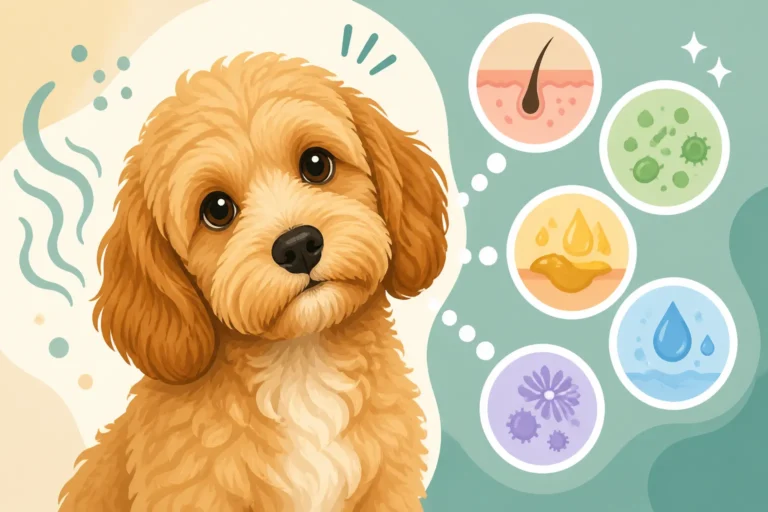
Understanding why your Cockapoo's skin might feel dry after a bath starts with a deep dive into the unique characteristics they inherit from both their Cocker Spaniel and Poodle lineage. These delightful dogs are a wonderful blend, but that blend also means a potential for a delicate balance when it comes to their skin and coat health.
The Delicate Balance of Cockapoo Skin
Cockapoos are a genetic mosaic, pulling traits from two distinct parent breeds. From the Poodle side, they often inherit a tendency towards more sensitive skin, sometimes prone to dryness, especially if not properly cared for. Poodles typically have a single coat, and their skin can be more reactive to environmental changes or harsh products. On the other hand, Cocker Spaniels, while known for their luxurious coats, can sometimes have oilier skin or be predisposed to certain skin conditions that impact their overall skin barrier.
When these two genetic lines meet in a Cockapoo, you get a beautiful, often low-shedding coat, but also a skin type that can be a bit unpredictable. Some Cockapoos lean more towards the Poodle's dry skin tendencies, while others might have a slightly oilier base from the Cocker, yet still react poorly to stripping agents. It's a delicate balance of natural oils and moisture, and anything that disrupts this can lead to post-wash dryness. Finding what works for your individual pup is key, as no two Cockapoos are exactly alike, even within the same litter. Whether a Cockapoo Inherits the Poodle's Dry Skin is a common question, and it highlights this very point: your Cockapoo's skin health is a direct reflection of their diverse ancestry.
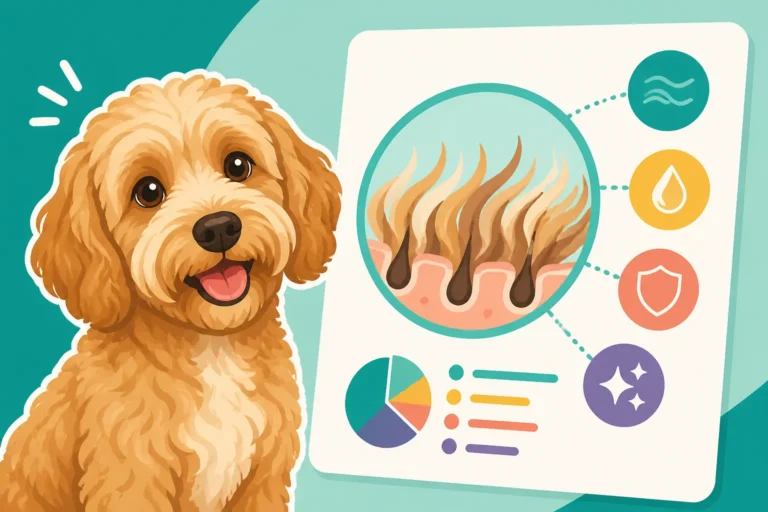
Your Cockapoo's skin is constantly working to maintain its natural barrier, a protective layer that keeps moisture in and irritants out. When this barrier is healthy, their skin feels supple, their coat looks shiny, and they're less prone to itching or irritation. However, this barrier is surprisingly fragile and can be easily compromised by external factors. A healthy skin barrier is your dog's first line of defense against the outside world, from allergens to bacteria, and its integrity is crucial for overall well-being.
The natural oils produced by your Cockapoo's skin play a vital role in maintaining this barrier. These oils, alongside natural ceramides and fatty acids, create a waterproof layer that prevents trans-epidermal water loss – essentially, it stops moisture from evaporating from the skin. When these oils are stripped away, the skin loses its ability to hold onto moisture, leading to the familiar feeling of dryness, tightness, and sometimes even flakiness.
The Role of the Skin's Natural Barrier
Think of your Cockapoo's skin as a protective wall. The outermost layer, called the stratum corneum, is made up of tough skin cells (like bricks) held together by a lipid-rich matrix (like mortar). This "brick and mortar" structure is the skin's natural barrier, designed to keep the good stuff (like moisture) in and the bad stuff (like allergens, bacteria, and irritants) out. When this barrier is strong, your Cockapoo's skin is healthy and resilient.
However, this barrier can be easily disrupted. Many things can weaken it, including environmental factors, diet, and yes, even bathing. When you wash your Cockapoo, especially with certain types of shampoos, you're interacting directly with this barrier. If the products are too harsh, or if the process is too aggressive, that vital lipid-rich "mortar" can be stripped away, leaving the "bricks" vulnerable and allowing moisture to escape.
Once the skin barrier is compromised, your Cockapoo's skin becomes more susceptible to dryness. It loses its ability to retain moisture, leading to that post-bath tightness, flakiness, and discomfort. Beyond just feeling dry, a weakened barrier can also make their skin more sensitive to other irritants, potentially leading to itchiness, redness, and even secondary infections. It's a domino effect, starting with a seemingly innocent bath but having broader implications for their skin health.
Common Washing Habits That Contribute to Dry Skin
It's natural to want your Cockapoo to be clean and smell fresh, but sometimes our well-intentioned bathing practices can inadvertently lead to dry skin. Understanding these common culprits is the first step toward correcting them and ensuring your pup's skin remains healthy and comfortable.
Choosing the Wrong Shampoo and Conditioner
This is perhaps the biggest offender when it comes to post-bath dry skin. Many commercial pet shampoos, especially those that promise super-strength cleaning or intense deodorizing, contain harsh ingredients. Sulfates, like Sodium Lauryl Sulfate (SLS) or Sodium Laureth Sulfate (SLES), are common foaming agents that are incredibly effective at stripping away dirt and grime – but they don't discriminate, stripping away essential natural oils right along with them. Parabens, artificial dyes, and strong synthetic fragrances are also common culprits that can irritate sensitive skin and contribute to dryness.
These harsh chemicals essentially strip the skin's natural lipid barrier, leaving it exposed and unable to retain moisture. If your Cockapoo already has a predisposition to sensitive or dry skin, using such products is a recipe for discomfort. You might notice them scratching more than usual in the days following a bath, or their coat might seem duller, rather than shiny and soft. Sometimes, we even try to counteract a greasy coat inherited from the Cocker side with a strong shampoo, only to find we've traded one problem for another, leading to dry, irritated skin. Bathing a Cockapoo Whose Skin Is Greasy requires a gentle approach, not a harsh one.
It’s easy to be swayed by a pleasant smell or a "super cleaning" claim on a shampoo bottle, but for your Cockapoo’s delicate skin, these can be detrimental. Imagine washing your own hair with dish soap every week; you’d quickly find your scalp and hair feeling brittle and dry. It's the same principle for your dog. Always take the time to read the ingredient list. Look for terms like "hypoallergenic," "soap-free," "pH-balanced for dogs," or products containing natural soothing ingredients like oatmeal or aloe vera, which are far kinder to their skin barrier.
Over-Bathing and Hot Water Habits
While we all love a clean Cockapoo, bathing too frequently can be just as damaging as using the wrong products. For most Cockapoos, a bath every two to four weeks is perfectly adequate, depending on their activity level and coat type. Bathing more often than this, even with a gentle shampoo, can repeatedly strip those vital natural oils faster than their skin can replenish them. This constant stripping prevents the skin's barrier from fully recovering, leading to chronic dryness and irritation over time.
The temperature of the water you use also plays a significant role. Hot water feels nice to us, but it's particularly effective at dissolving and washing away natural oils. For your Cockapoo, hot water can exacerbate dryness, leaving their skin feeling parched and tight. Lukewarm water is always the best choice – comfortable to the touch, but not hot enough to cause discomfort or excessively strip oils.
Sometimes, the desire to bathe more often comes from perceived issues like a "doodle smell" or matting. It's frustrating when your dog doesn't smell fresh, and you might think another bath is the answer. However, if your Cockapoo smells distinctively "doggy" shortly after a bath, it might be a sign of an underlying skin issue rather than just needing another wash. What a Cockapoo's Skin Smell Means is often tied to skin health, and excessive bathing can actually make such issues worse by further irritating the skin. Instead of frequent baths, focus on proper diet, regular brushing, and addressing any potential underlying health concerns.
Rinsing and Drying Mistakes
Even if you're using the perfect shampoo and bathing at the right frequency, incomplete rinsing can sabotage your efforts. Shampoo residue left on the skin and coat can be highly irritating, leading to itchiness, redness, and flakiness, which are often mistaken for dryness. This residue can also attract more dirt, making your Cockapoo feel grubby faster and tempting you to bathe them again too soon. It's crucial to rinse thoroughly, ensuring no suds remain, especially in dense areas like armpits, groin, and under the ears.
Similarly, improper drying techniques can contribute to skin dryness and irritation. While blow dryers can be a lifesaver for quickly drying a Cockapoo's thick coat and preventing mats, using too high a heat setting or holding the dryer too close to the skin can literally bake out moisture and cause burns or severe dryness. Always use a cool or low-heat setting, keep the dryer moving, and maintain a safe distance from their skin. Gentle towel drying, followed by air drying or careful, low-heat blow-drying, is the way to go.
Rushing the drying process can also lead to other issues. Damp skin and coat create a perfect breeding ground for yeast and bacteria, which can cause skin infections that manifest as itchiness, redness, and a strong odor. While it takes time, especially with a Cockapoo's dense furnishings, ensuring they are completely dry, right down to the skin, is an essential part of preventing skin problems. This careful drying is part of the overall grooming commitment, and understanding How Many Minutes a Wavy Cockapoo Takes to groom gives you a realistic expectation of the time investment for healthy skin and coat.
Practical Steps to Keep Your Cockapoo's Skin Hydrated and Healthy
Now that we've pinpointed the common issues, let's talk about the solutions. The good news is that preventing post-wash dry skin in your Cockapoo is absolutely achievable with a few thoughtful adjustments to your grooming routine and overall care.
Selecting Skin-Friendly Grooming Products
The cornerstone of preventing dry skin is using the right shampoo and conditioner. You need products that clean effectively without stripping your Cockapoo’s natural oils. Look for shampoos specifically formulated for sensitive skin, often labeled as "hypoallergenic," "soap-free," or "pH-balanced for dogs." Ingredients like oatmeal, aloe vera, and shea butter are excellent for their soothing and moisturizing properties.
When you're shopping, scrutinize the ingredient list. Avoid anything with sulfates, parabens, harsh detergents, strong artificial fragrances, or dyes. Many quality brands offer gentle options that prioritize skin health. You can find a fantastic selection of these products through online retailers like Chewy or Amazon, making it easy to compare ingredients and read reviews before you buy. Investing in a good quality, gentle shampoo and conditioner is one of the best long-term investments you can make in your Cockapoo’s skin and coat health.
Here’s a quick guide to what to look for and what to avoid:
| Category | Look For (Good Ingredients) | Avoid (Bad Ingredients) |
|---|---|---|
| Cleansers | Cocamidopropyl Betaine, Decyl Glucoside | Sodium Lauryl Sulfate (SLS), Sodium Laureth Sulfate (SLES) |
| Soothers | Oatmeal, Aloe Vera, Chamomile, Vitamin E, Calendula | Artificial Fragrances, Dyes |
| Moisturizers | Glycerin, Shea Butter, Coconut Oil, Ceramides | Alcohol (drying), Mineral Oil (can clog pores) |
| Preservatives | Natural preservatives (e.g., Vitamin C) | Parabens (Methylparaben, Propylparaben) |
Remember, a good conditioner is just as important as a good shampoo. It helps to restore moisture, detangle the coat, and reinforce the skin's barrier after cleansing. Leave the conditioner on for a few minutes as directed to allow it to penetrate the coat and skin effectively before rinsing thoroughly.
Optimizing Your Bathing Frequency and Technique
Less is often more when it comes to bathing. For most Cockapoos, a bath every 3-4 weeks is sufficient. If your dog gets particularly dirty on adventures, consider spot cleaning or using a waterless shampoo between full baths, rather than submerging them every time. Adjust this frequency based on your individual Cockapoo’s coat type and activity level; The Three Cockapoo Coat Types and Their Upkeep will have different needs, with very curly coats sometimes needing more attention, but not necessarily more full baths.
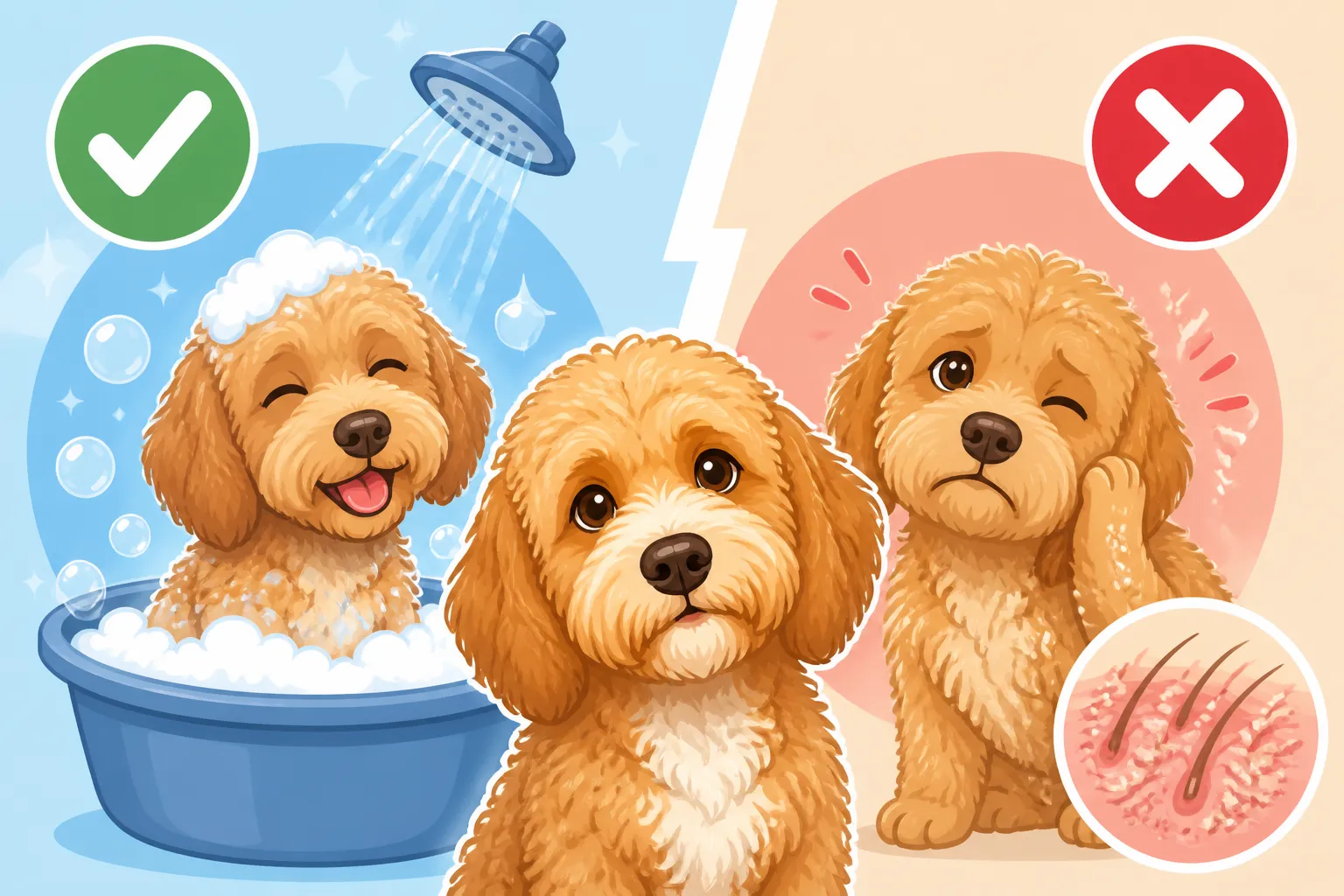
When it's bath time, make it a calm and positive experience. Start by thoroughly brushing your Cockapoo to remove any loose fur and tangles, which helps the shampoo penetrate and rinse out evenly. Use lukewarm water – test it on your inner wrist to ensure it's comfortable, not hot. Gently massage the shampoo into their coat and skin, working up a mild lather. Avoid scrubbing aggressively, as this can further irritate the skin.
The rinsing phase is critical. Spend extra time ensuring every trace of shampoo and conditioner is removed. Work your fingers through their coat, especially in denser areas, until the water runs completely clear and you feel no residual sliminess. After rinsing, gently squeeze excess water from their coat. Blot them dry with a soft, absorbent towel rather than vigorous rubbing, which can tangle their fur and irritate their skin. If using a blow dryer, always use a cool or low-heat setting and keep it moving continuously to avoid hot spots.
Beyond the Bath: Ongoing Skin and Coat Care
Preventing dry skin isn't just about what happens during the bath; it's an ongoing commitment to their overall health. After bathing, consider using a leave-in conditioner or a moisturizing spray formulated for dogs. These can help to lock in moisture and protect the coat and skin between baths. For particularly dry or flaky spots, a pet-safe balm or ointment can provide targeted relief.
Diet plays a huge role in skin and coat health. Ensure your Cockapoo is eating a high-quality, balanced diet rich in essential fatty acids, particularly omega-3s and omega-6s. These healthy fats are crucial for maintaining a strong skin barrier and producing healthy oils. You can find excellent food options and supplements containing these beneficial oils from reputable pet retailers like Chewy or Amazon. Some brands, like Ollie, focus on fresh, whole ingredients that are often rich in the nutrients vital for healthy skin. Whether Omega Oils Help a Cockapoo's Coat is a resounding yes, as they contribute significantly to internal moisture and skin elasticity.
Regular brushing, even for low-shedding Cockapoos, is also vital. Brushing helps to distribute natural skin oils throughout the coat, preventing dryness and promoting a healthy sheen. It also stimulates blood flow to the skin and removes dead skin cells and loose hair, allowing the skin to breathe. Make it a daily ritual, and your Cockapoo will not only look better but feel more comfortable too.
When Dry Skin Signals a Deeper Issue
While many cases of post-wash dry skin can be resolved with proper bathing techniques and products, it's important to recognize when the issue might be more than just simple dryness. Sometimes, dry, flaky, or itchy skin can be a symptom of an underlying health condition that requires veterinary attention.
Recognizing Persistent Symptoms
If, despite all your efforts to optimize your bathing routine, your Cockapoo continues to suffer from dry, irritated skin, it's time to pay closer attention to the specific symptoms. Are you seeing persistent flakiness or dandruff, even days after a bath? Whether a Cockapoo Gets Dandruff can be a sign of simple dryness, but if it's constant and accompanied by other symptoms, it warrants further investigation. Is their skin red, inflamed, or hot to the touch in certain areas? Are they scratching, licking, or chewing excessively, to the point of causing raw spots or hair loss?
Other signs to watch for include scabs, bumps, pustules, or a noticeable change in their skin odor, even if they've just been bathed. While a typical post-bath scent should be clean, a persistent yeasty or pungent smell, especially combined with irritated skin, can indicate a problem. Sometimes, the issue isn't just dryness; it's chronic irritation that manifests as dry skin. These symptoms suggest that the problem extends beyond just bathing habits and could be rooted in a more systemic issue.
It’s easy to dismiss a little itch or flaking, especially if your Cockapoo has a thick, curly coat that can hide initial signs. However, persistent discomfort can severely impact your dog's quality of life and escalate into more serious infections if left unaddressed. Trust your gut feeling – if something feels off about your Cockapoo’s skin, it probably is. Keeping a log of when you notice symptoms and their severity can be helpful when talking to your vet.
Consulting Your Veterinarian for Diagnosis and Treatment
If your Cockapoo's dry skin persists or worsens despite your best efforts with gentle products and proper bathing, it's crucial to consult your veterinarian. They can help determine if there's an underlying medical condition contributing to the skin problems. It's not uncommon for what looks like simple dry skin to actually be a manifestation of something more complex.
Common culprits that can mimic or exacerbate dry skin include environmental allergies (atopy), food allergies, parasitic infestations (like fleas or mites), fungal infections (such as ringworm), or even hormonal imbalances like hypothyroidism. For instance, if your Cockapoo seems to itch incessantly, particularly from their Cocker side, it could indicate allergies or another dermatological issue. Whether a Cockapoo Itches From the Cocker Side is a valid concern, as some lines do carry sensitivities. Your vet can perform diagnostic tests, such as skin scrapings, blood tests, or allergy testing, to accurately pinpoint the cause. Whether Allergy Testing a Cockapoo Is Worth It is a discussion you should have with your vet if allergies are suspected.
Once a proper diagnosis is made, your vet can recommend the most effective treatment plan. This might involve prescription medications, specialized diets, medicated shampoos, or long-term management strategies for chronic conditions. Early diagnosis and intervention can prevent minor skin issues from escalating into more painful and difficult-to-treat problems. Ultimately, your veterinarian is your best partner in ensuring your Cockapoo's skin remains healthy, comfortable, and free from persistent dryness and irritation. Skin and Coat Disease in a Cockapoo is a broad topic, and persistent dry skin can be one of its many presentations, making veterinary consultation indispensable.
Disclaimer
This article is for general informational purposes only and does not constitute professional advice. Laws, prices and regulations vary by location and change over time. Consult a qualified professional for guidance on your specific situation.