Whether a Matted Cockapoo Has to Be Shaved
Let's be honest, few things strike dread into a Cockapoo parent's heart like discovering a mat, or worse, a whole series of them, hidden deep within that beautiful, curly coat. It's a common, frustrating battle many of us face, wondering if you've done something wrong or if a full shave is the only way out. This guide is here to walk you through the reality of matted Cockapoo coats, what options you truly have, and how to prevent those unwelcome tangles in the future.
The Anatomy of a Mat and Why it Happens
That gorgeous, fluffy, often low-shedding coat that makes us fall in love with Cockapoos is, ironically, the very thing that makes them prone to matting. It's a double-edged sword: minimal shedding often means any loose hairs get caught within the surrounding fur instead of falling out, creating perfect little knots.
The Cockapoo Coat: A Recipe for Mats
Your Cockapoo's coat is a unique blend of its Cocker Spaniel and Poodle heritage, and it's this genetic mash-up that leads to its signature texture. On one hand, you have the Poodle's dense, curly, non-shedding hair, and on the other, the Cocker Spaniel's softer, often wavy or feathered coat, which can shed more. When these two distinct hair types combine, you get a coat that's a master at holding onto itself.
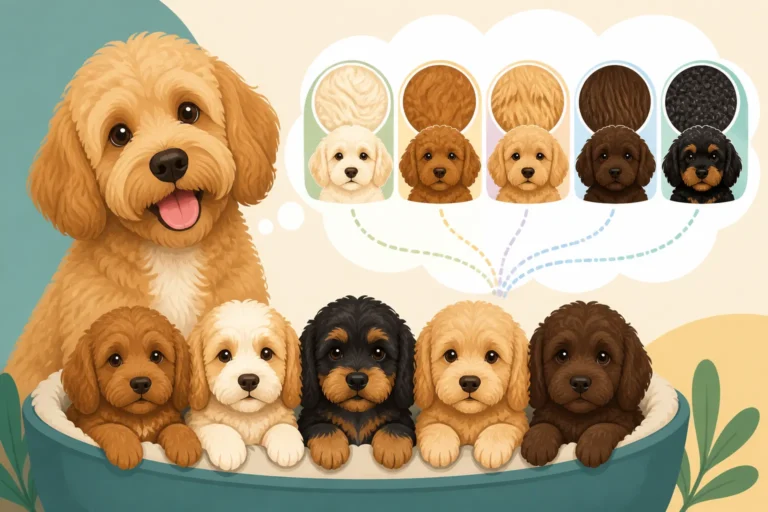
The key player here is often the "furnishings" gene. Furnishings are the longer hair on the face (beard, eyebrows), legs, and body that give many Cockapoos their distinct "doodle" look and contribute to their low-shedding qualities. Without furnishings, a Cockapoo might have a flatter, more Cocker-like coat that sheds more. The Furnishings Gene That Decides a Cockapoo's Face But with those furnishings comes the responsibility of constant grooming, because this type of hair loves to tangle. Different Cockapoos will inherit different curl patterns and densities, from straight and wavy to tight curls, and each type has its own matting tendencies. A straight coat might mat less, but a tight curl, while often praised for being "hypoallergenic," can become a felted disaster in a blink if not meticulously cared for.
Common Causes of Matting
Mats don't just magically appear overnight. They are usually the cumulative result of several factors, often sneaking up on us when we least expect it.
One of the most frequent culprits is simply a lack of consistent, thorough grooming. Life gets busy, we miss a day or two of brushing, and those small tangles start to knit together. Before you know it, what was a tiny knot has become a formidable mat. It's not about being a bad owner; it's about underestimating the sheer commitment that these coats demand.
Environmental factors play a huge role too. If your Cockapoo loves to swim, play in tall grasses, or roll in the dirt, all that water, debris, and friction can quickly turn a tidy coat into a tangled mess. A wet coat that's allowed to air dry without being thoroughly brushed and blown out is a prime candidate for matting, as the hair shrinks and pulls together as it dries. Even wearing a harness or collar in the same spot day after day can create friction points where mats love to form, especially behind the ears, under the armpits, and around the tail.
Then there's the notorious "coat change" period, which typically ambushes Cockapoo owners when their puppy is between 10 to 18 months old. A Cockapoo's Coat Through the Ten Month Change During this time, the soft puppy coat transitions into the denser, more mature adult coat. The shedding puppy fur gets trapped within the developing adult coat, creating a perfect storm for matting that can feel impossible to get ahead of. This phase often requires a significant increase in grooming frequency and diligence.
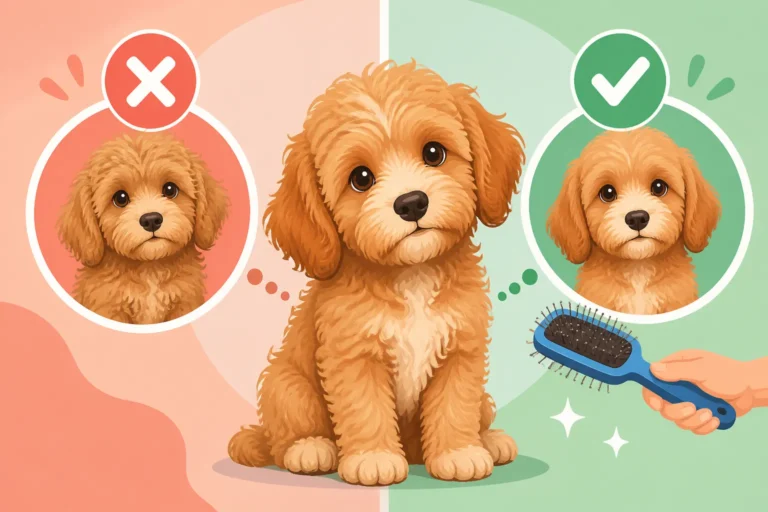
Finally, using the wrong grooming tools or improper techniques can inadvertently cause matting. Brushing only the top layer of the coat, for example, leaves the undercoat untouched and free to tangle and felt close to the skin. This is a common mistake and one that can lead to a seemingly "well-brushed" dog actually being matted underneath.
Assessing the Damage: When Shaving Becomes Necessary
Once you've discovered matting, the question becomes: can I save the coat, or does my sweet Cockapoo need to be shaved? The answer depends entirely on the severity of the mats. Trying to brush out severe mats can be incredibly painful for your dog and can even cause skin damage, which is something we absolutely want to avoid.
The Severity Scale of Matting
Groomers often assess matting on a scale, which helps them decide the best and most humane course of action. Understanding this scale can help you communicate effectively with your groomer and prepare yourself for their recommendation.
- Light Matting: These are small, isolated tangles, perhaps behind the ears or in the armpits, that haven't yet pulled tightly against the skin. They're usually easy to spot and can often be gently worked out with a good detangling spray and a comb, provided you have the right technique and your dog is cooperative. You might notice these after a particularly vigorous play session or if you've missed a day or two of brushing.
- Moderate Matting: Here, the mats are larger, denser, and more widespread, but they might not be completely skin-tight. They feel solid and can be difficult to get a comb through without resistance. At this stage, a professional groomer might still be able to save some length, carefully dematting section by section. However, this process is time-consuming, costly, and can still be uncomfortable for the dog. Many groomers have a limit to how much dematting they will perform due to the stress it puts on the dog.
- Severe Matting (Pelting): This is the most serious level, often referred to as "pelting." The mats are dense, widespread, and pulled tight against the skin, forming a solid "pelt" over large areas of the body. You might not even be able to see your dog's skin under these mats. When a Cockapoo is pelted, brushing or combing them out is simply not an option. It would be excruciatingly painful, cause severe skin trauma, and is considered inhumane. In these cases, shaving the dog down completely, often with a very short blade right against the skin, is the only humane choice.
Here's a quick overview of how groomers typically approach different levels of matting:
| Matting Severity | Description | Recommended Action | Grooming Effort | Dog's Comfort |
|---|---|---|---|---|
| Light | Small, isolated tangles; not tight to skin. | Gentle brushing, detangling spray, comb. | Low | High |
| Moderate | Larger, denser mats; some pulling on skin, but not fully felted. | Careful dematting by a professional; may lose some length. | Medium-High | Medium |
| Severe/Pelted | Widespread, skin-tight mats; forms a solid "pelt"; skin not visible. | Full shave down (often very short) by a professional groomer. | High | Low |
The Dangers of Ignoring Severe Matting
It's tempting to put off dealing with mats, especially if your Cockapoo doesn't seem overtly bothered. However, severe matting isn't just an aesthetic issue; it poses serious health risks and causes significant discomfort for your dog.
One of the most immediate dangers is skin irritation and infection. Mats pull constantly on the skin, which can lead to redness, inflammation, and sores. Because air cannot circulate properly beneath a matted coat, moisture and bacteria get trapped against the skin, creating a perfect breeding ground for bacterial and fungal infections, commonly known as "hot spots." These can develop quickly and be incredibly painful and itchy, making your dog miserable.
Restricted movement and pain are also major concerns. Mats can form in areas like the armpits, groin, and behind the joints, making it difficult and painful for your Cockapoo to walk, run, or even lie down comfortably. Imagine trying to move with your hair constantly being pulled. It's not only painful but can lead to changes in gait and even secondary orthopedic issues over time as your dog tries to compensate for the discomfort.
Furthermore, severe mats create ideal hiding spots for parasites. Fleas, ticks, and other skin irritants can live undetected beneath a dense, matted coat, exacerbating skin problems and potentially leading to more serious health issues. The mats make it almost impossible for you to spot these pests or apply preventative treatments effectively.
Finally, hygiene becomes a nightmare. Urine and feces can get caught in matted fur around the sanitary areas, leading to severe skin scalding and infections. This is not only incredibly uncomfortable for your dog but also creates unpleasant odors and makes house-training nearly impossible. Ignoring severe matting is not only unkind but can also lead to significant veterinary bills to treat the resulting health problems.
The Process: What Happens During a Shave Down
If your Cockapoo's coat has reached the point of severe matting, a shave down is often the most compassionate and necessary step. It can be heartbreaking to see your fluffy companion lose their signature look, but it's vital for their health and comfort.
The Groomer's Approach to a Matted Coat
When you bring a severely matted Cockapoo to a professional groomer, their top priority is the dog's safety and comfort, even if it means sacrificing coat length. They understand the emotional aspect for you, but they are focused on preventing pain and injury to your dog.
First and foremost, a good groomer will approach your dog with empathy and patience. They know this process can be stressful, especially if the dog is already uncomfortable from the mats. They'll use specialized clippers and often very short blades (like a 10 or even a 30, which cuts extremely close to the skin) to get under the mats. What Blade Length Suits a Cockapoo This is crucial, as trying to cut through the mats can be incredibly difficult, pull on the skin, and risk cutting the dog.
In a "pelted" scenario, the groomer essentially has to slide the clippers between the felted mat and the skin. This requires immense skill and caution because the skin under a mat can be thin, inflamed, or even have hidden wounds. It's not uncommon for a groomer to find sores, parasites, or even embedded debris once the mats are removed. Because the skin is often stretched tight by the mats, it's very easy to nick or cut the dog, which is why this is a job for experienced professionals, not a DIY project at home.
The process of shaving a severely matted dog can take a considerable amount of time, and some dogs may need breaks or even sedation from a vet if the mats are extensive and the dog is particularly stressed or in pain. The groomer will work meticulously, section by section, often against the grain of the hair, to carefully remove the matted coat. It’s a painstaking process, but it’s done to alleviate suffering.
After the Shave: Recovery and Prevention
Once the shave down is complete, your Cockapoo might look a bit different than you're used to – perhaps even a little skinny or alien without all that fluff! But what's left is a clean slate, and a dog that is finally free from the pain and discomfort of their matted coat.
Immediate care after a shave down often involves checking the exposed skin. It might be red, irritated, or have small nicks, especially if the mats were very tight. Your groomer might recommend a soothing bath with a gentle, moisturizing shampoo and conditioner, perhaps even one designed for sensitive skin. They'll also advise you on how to monitor for any signs of infection or discomfort. Sometimes, a vet visit is needed if the skin underneath was severely compromised. Your Cockapoo might also feel a bit cold without their insulating coat, so ensure they have a warm, comfortable place to rest, especially in cooler weather.
This fresh start is your golden opportunity to commit to a new, proactive grooming routine. It's a chance to literally and figuratively get on top of the coat care. Think of it as hitting the reset button. While it's upsetting to see them shaved, remember that you've done the kindest thing for their immediate well-being. From this point forward, the goal is to prevent such severe matting from ever happening again. Your groomer can offer advice on tools and techniques, and you'll want to schedule regular maintenance grooms to keep the coat in top condition.
Preventing Future Matting: A Lifelong Commitment
A shaved Cockapoo is a chance for a fresh start, but it's only truly beneficial if it leads to a commitment to preventing future matting. This means understanding the right tools, techniques, and routines.
Essential Grooming Tools and Techniques
Equipping yourself with the right tools is half the battle. You’ll need more than just a brush you grabbed off a shelf at the pet store.
- Slicker Brush: This is your primary tool for daily brushing. Look for one with firm pins and a comfortable handle. Brands like Chris Christensen or similar professional-grade options found on Chewy are often recommended for doodle coats. It's great for removing loose hair and surface tangles.
- Metal Comb: This is arguably the most important tool for preventing mats. After using the slicker, you must follow up with a metal comb, especially a greyhound-style comb with both wide and narrow teeth. The slicker brush glides over surface tangles, but the comb is what truly gets down to the skin to find and remove any incipient mats. The Comb That Finds Mats a Slicker Misses If the comb can't pass easily through the coat all the way to the skin, then there's a mat forming that the slicker missed.
- Detangling Spray: A good quality detangling spray can make brushing much easier and help protect the coat from breakage. You can find many excellent options on Amazon.
- Force Dryer (Optional but Recommended): For those with curlier Cockapoos or who bathe their dogs at home, a high-velocity force dryer is invaluable. It helps dry the coat quickly and straight, separating individual hairs and preventing them from clumping and matting as they dry.
The technique you use is just as important as the tools. Line brushing is essential for Cockapoos. This isn't just a quick once-over. You need to section the coat, start at the bottom (e.g., a leg or the belly), and brush upwards in small sections, systematically working your way through the entire coat, ensuring you reach all the way down to the skin. Only then do you move to the next section. Repeat this until you've done the entire dog, then follow up with your metal comb to check your work.
Regular bathing and conditioning are also part of mat prevention. A clean coat is less likely to mat, and conditioner helps smooth the hair cuticle, making it harder for tangles to form. However, always brush thoroughly before a bath to loosen any existing tangles, and then brush while drying to ensure the coat dries straight and mat-free. Never let a Cockapoo air dry after a bath without brushing, unless you are aiming for immediate mats.
Establishing a Consistent Routine
Consistency is truly the secret weapon against matting. There's no way around it; a Cockapoo's coat demands a routine.
For a curly-coated Cockapoo, daily brushing, even if it's just 10-15 minutes, is often non-negotiable. How Many Minutes a Curly Cockapoo Takes Wavy coats might get away with every other day, but the more curl, the more frequent the maintenance. Regular professional grooming appointments are also crucial. Most Cockapoos need to visit the groomer every 4-8 weeks, depending on their coat type and how much you're doing at home. Whether Coat Type Changes the Groom Interval Don't wait until you see mats to book an appointment; preventative maintenance is key.
Start training your Cockapoo to accept grooming from a young age. Make it a positive experience with treats and praise. Teach them to lie on their side for belly and leg brushing. Teaching a Cockapoo to Lie on Its Side Getting them comfortable with handling their feet, ears, and tail will make the process less stressful for everyone involved. Even short, positive sessions can build tolerance.
Finally, consider your Cockapoo's diet. A healthy coat starts from within. High-quality dog food provides the nutrients needed for strong, healthy hair. Some owners find that adding omega-3 and omega-6 fatty acid supplements (like fish oil) can improve coat health, making it silkier and less prone to breakage and matting. Whether Omega Oils Help a Cockapoo's Coat You can often find excellent supplements for skin and coat health on platforms like Chewy or ask your vet for recommendations. For specific dietary needs, brands like Ollie deliver fresh, human-grade food that can contribute to overall health, including coat quality.
Ultimately, preventing severe matting in your Cockapoo is a lifelong commitment. It's about diligence, the right tools, consistent routines, and a proactive approach. While a shave down can be a necessary and humane step to alleviate suffering, the goal is always to keep your beloved companion comfortable, healthy, and looking their best.
Disclaimer
This article is for general informational purposes only and does not constitute professional advice. Laws, prices and regulations vary by location and change over time. Consult a qualified professional for guidance on your specific situation.