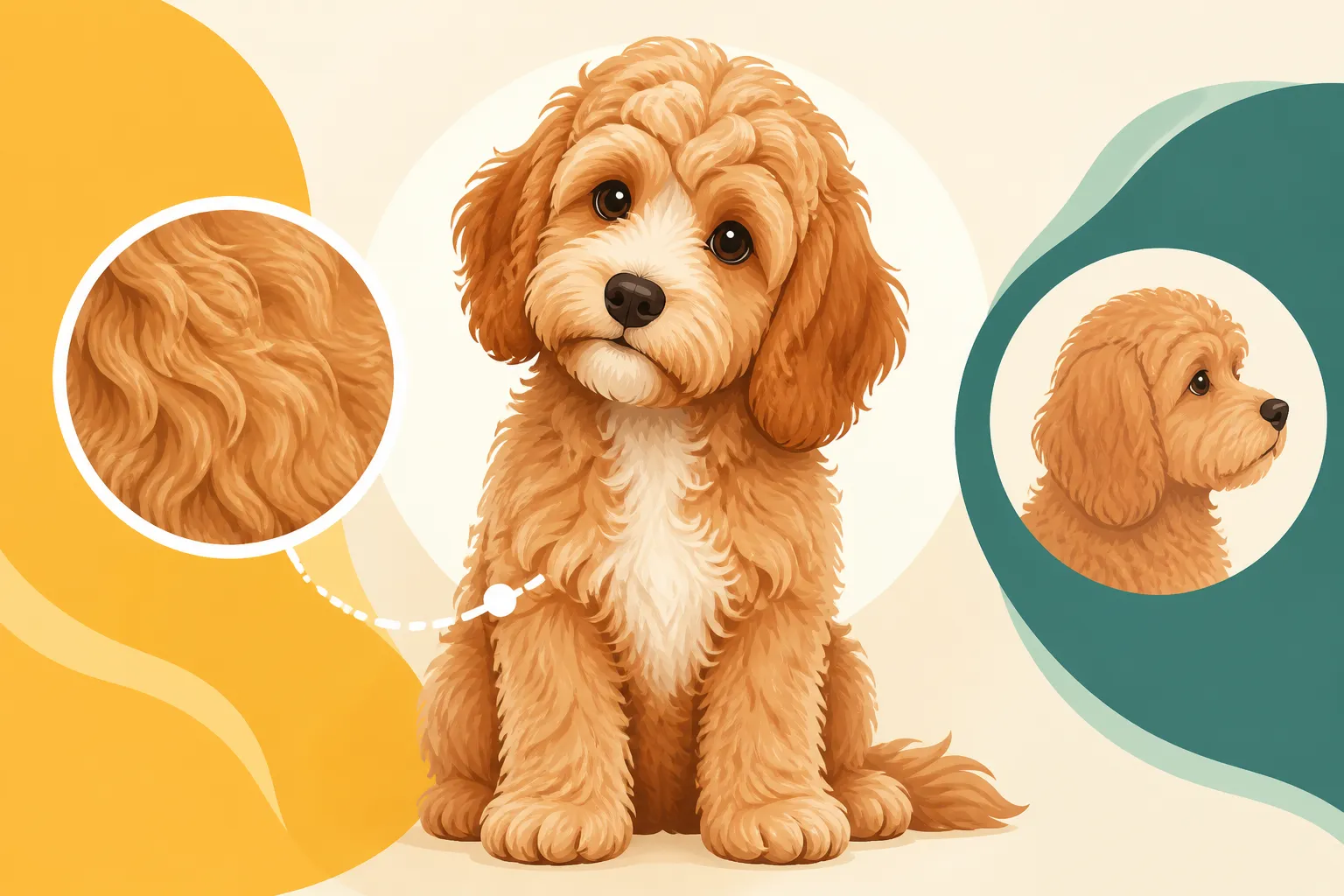
A Cockapoo’s Coat at Six Months
If you've welcomed a Cockapoo puppy into your home, you've likely spent the first few months delighting in their soft, fluffy coat. But around the six-month mark, many owners suddenly find themselves facing a grooming nightmare: an explosion of mats, tangles, and a coat that seems to defy all previous brushing efforts. This guide is here to explain why this "teenage" coat change happens and how you can navigate this challenging phase with your furry friend.
Understanding the Cockapoo's Six-Month Coat Transformation
Just like human teenagers experience growth spurts and awkward phases, your Cockapoo puppy is going through a significant coat transformation around six months of age. This period, often affectionately (or exasperatedly) called the "puppy coat blow" or "coat change," is a perfectly normal, albeit challenging, part of their development. It's when that soft, easy-to-manage puppy fluff starts to give way to their denser, adult coat, and it often catches new owners completely off guard.
The "Puppy Coat Blow" or "Coat Change"
Imagine your Cockapoo's puppy coat as a delicate, fine baby hair. It's usually quite soft, often a bit sparse, and doesn't tend to knot up too easily. It feels lovely to stroke, and for the first few months, grooming is often a relatively simple affair. Then, almost overnight, everything changes. The puppy coat doesn't just fall out entirely, making way for new hair; instead, the coarser, thicker adult hairs begin to grow in through the existing puppy coat. This creates a dense, multi-layered texture where the two different types of hair intertwine.
This process is the root cause of the dreaded matting. The shedding puppy fur gets trapped within the incoming adult coat, creating a perfect storm for knots and tangles that can form incredibly quickly. What might have been a quick brush-through a few weeks ago now feels like an archaeological dig, trying to untangle layers of interwoven hair. Many Cockapoo owners report that their once-silky pup suddenly feels like a dense sheepdog or a cotton ball that’s been put through a tumble dryer. It can be a disheartening surprise, especially if you were expecting a perpetually low-shedding, easy-care coat.
The Onset of Matting
The moment these two coat types start to mingle is when matting becomes a serious concern. Mats aren't just superficial tangles; they are dense, felt-like clumps of fur that pull on your dog's skin, causing discomfort, pain, and even skin infections if left unattended. At six months, these mats tend to form in specific areas: behind the ears, under the armpits, around the collar area, in the groin, and on the legs. These are all high-friction areas where the fur moves and rubs constantly.
You might brush your Cockapoo one evening and find them perfectly knot-free, only to discover a large mat under their armpit the very next morning. This speed of mat formation can be incredibly frustrating. It feels like a losing battle, and it's easy to get discouraged. However, understanding that this is a phase, and that consistent, diligent grooming is your best defense, is crucial. If left unmanaged, these mats can quickly escalate, requiring a full shave-down at the groomer, which, while necessary for the dog's comfort, can be upsetting for owners who love their pup's fluffy look.
Changes in Texture and Volume
Beyond the matting, you'll also notice a distinct change in the overall texture and volume of your Cockapoo's coat. That fine, soft puppy fur will start to feel coarser and thicker to the touch. The wave or curl might become more pronounced, or it might change in pattern. A puppy that had a fairly straight or slightly wavy coat might suddenly develop a tighter curl, while another might maintain a wavy appearance but with significantly more density. This is also the time when the "furnishings" – the longer hair on their face, eyebrows, and beard – really start to come into their own, giving them that classic Cockapoo teddy bear look.
The volume of hair will increase dramatically. Your dog will feel much "fuller" and often look larger, even if their body size isn't changing much anymore. This increased volume, combined with the mixed textures, is what makes the coat so prone to tangling. It's like trying to comb through two different types of yarn that have been knitted together. This shift isn't just cosmetic; it means your grooming routine needs to adapt significantly to prevent discomfort for your dog and maintain their coat's health. You can often see the difference quite clearly when comparing pictures of your pup at eight weeks to their appearance at six months; it’s a striking visual transformation. For more on how early their coat develops, check out A Cockapoo's Coat at Eight Weeks.
Why This Coat Change is Happening
The transformation your Cockapoo's coat undergoes at around six months isn't arbitrary; it's deeply rooted in their genetics, a fascinating interplay between their Cocker Spaniel and Poodle heritage. Understanding these genetic factors can help you appreciate why your once-manageable puppy has suddenly become a knot-factory. It's a testament to the specific genes that govern hair growth, texture, and shedding in these mixed breeds.
The Furnishings Gene at Play
One of the most defining characteristics of a Cockapoo, and indeed many "doodle" breeds, is the presence of "furnishings." These are the longer facial hairs, including eyebrows, mustache, and beard, which contribute to their adorable teddy bear appearance and, crucially, their low-shedding qualities. The furnishings gene (known as RSPO2) is responsible for this trait. Puppies inherit one copy of this gene from each parent. For a Cockapoo to have those coveted furnishings and be considered low-shedding, they need at least one copy of this dominant gene.
At six months, the furnishings are really starting to mature and become prominent. They grow in longer and denser, intertwining with the softer puppy facial hair that might still be present. This is why you'll often find significant matting around your dog's muzzle and under their chin during this period. The structure of these furnished hairs also contributes to their non-shedding nature, but paradoxically, this also means that shed hair doesn't fall out easily; instead, it gets caught within the coat, leading to mats unless regularly brushed out. The combination of puppy hair and growing adult furnished hair creates a very challenging entanglement scenario.
Poodle vs. Cocker Influence on Maturing Coat
The Cockapoo is a blend of two distinct coat types: the Poodle's dense, curly, non-shedding coat, and the Cocker Spaniel's soft, wavy, shedding coat. At six months, the genetic dice are truly beginning to settle on which parent's coat characteristics will dominate in your individual dog's adult fur.
If your Cockapoo leans more towards the Poodle side, their coat will likely be denser and curlier, and the change might involve a significant increase in curl tightness and thickness. This type of coat is often prone to tight, rope-like matting if not meticulously brushed. If they lean more towards the Cocker Spaniel side, their coat might remain wavier or even straighter, but it will still thicken, and the shedding elements from the Cocker side will get trapped in the longer, Poodle-influenced hair, leading to mats. The Curl Gene and Where a Cockapoo's Coat Lands delves deeper into these genetic influences. The "coat change" is essentially the visible manifestation of these inherited genes actively shaping the final adult coat. It's a genetic showdown happening right on your dog's back, and you, the owner, are tasked with managing the fallout.
Understanding Genetic Predictions vs. Reality
Many new Cockapoo owners come into puppyhood with expectations about their dog's coat, often based on breeder assurances or general breed information. While DNA testing can predict aspects like furnishings (F/IC locus) and curl (KRT71 locus), the actual texture, density, and rate of growth can still vary significantly. A breeder might tell you your F1b Cockapoo will be very curly and low-shedding, which is often true, but the intensity of the curl and the difficulty of the coat change period can still be a surprise.
At six months, these genetic predictions transition from theoretical probabilities to lived reality. You're seeing the genes in action, and sometimes reality is a bit more demanding than the genetic report might suggest. It’s also common for a litter to have varying coat types. You might have a pup with a wavy coat, a straight coat, or a tight curl, even from the same parents. Each of these The Three Cockapoo Coat Types and Their Upkeep will experience the six-month coat change, but the specifics of their grooming needs will differ. It's a good reminder that while genetics provide a blueprint, individual dogs can still have unique expressions, and adapting your care to your specific Cockapoo is always key.
Managing the Six-Month Coat Change
Navigating the six-month coat change requires dedication, patience, and the right tools. It's not a time to slack on grooming; in fact, it's when your commitment to your Cockapoo's coat health will be truly tested. Many owners become overwhelmed, but with a consistent routine, you can get through this phase without resorting to drastic measures like a full shave (unless, of course, that's your preference or it becomes medically necessary).
Daily Brushing: The Non-Negotiable
During this critical coat change period, daily brushing becomes absolutely non-negotiable. What might have been a twice-a-week affair before now needs to be a daily ritual, sometimes even twice a day if your dog has a particularly dense or curly coat. The goal isn't just to make the top layer look neat; it's to systematically work through the entire coat, from the skin out, to prevent mats from forming and to remove any loose puppy hair that is getting trapped.
This means line brushing. Don't just skim the surface! Part the hair horizontally with one hand, exposing the skin. Then, use your brush in short, gentle strokes, working from the roots to the tips, covering a small section at a time. Once that section is tangle-free, move your hand down slightly and repeat, overlapping your strokes. This methodical approach ensures you're getting through all the layers. Neglecting this step, even for a day or two, can lead to mats that become much harder, and more painful, to remove. Consistent daily effort now will save you hours of painful de-matting later, not to mention a potentially expensive emergency trip to the groomer. For a detailed guide on this technique, see Line Brushing a Cockapoo and Why the Top Coat Lies.
Essential Grooming Tools
Having the right tools is paramount during this challenging coat phase. Trying to tackle a Cockapoo's maturing coat with just any old brush from the pet store is like trying to build a house with a butter knife – you'll quickly get frustrated and make little progress.
Here’s a breakdown of the must-have tools:
- Slicker Brush: This is your primary weapon against tangles. Look for one with fine, bent wire bristles. It's excellent for removing loose hair and working through minor tangles. Always use it gently, avoiding harsh scraping on the skin. Brands like Chris Christensen or Activet make excellent professional-grade slickers, but you can find good quality ones on Amazon or Chewy.
- Metal Comb: A good quality metal comb with both wide and fine teeth is indispensable. After using the slicker brush, always follow up with the comb, especially in those mat-prone areas (ears, armpits, tail). The comb is what tells you if you've truly brushed down to the skin. If the comb glides smoothly through, you’re good. If it snags, you need to go back with the slicker brush. The Comb That Finds Mats a Slicker Misses provides more insight into its importance.
- Dematter Tool (optional but helpful): For those inevitable small knots that sneak in, a dematter tool can be useful. These have sharp, hooked blades that cut through mats rather than pulling them. Use with extreme caution and only on small, superficial mats, always pulling away from the skin. If you're unsure, leave mat removal to a professional groomer.
- Detangling Spray: A good quality detangling spray can make brushing much easier and less painful for your dog. Spritz it lightly over the coat before brushing, focusing on knotty areas. It helps to lubricate the hair, allowing the brush to glide through more smoothly.
- High-Velocity Dryer (optional): While an investment, a good dog-specific high-velocity dryer can greatly assist in blow-drying your Cockapoo after baths, helping to straighten the hair and prevent mats from forming as it dries. This is crucial for heavily curled coats.
Investing in quality tools now will pay dividends in managing your Cockapoo's coat for years to come.
| Grooming Tool | Primary Function | Key Feature |
|---|---|---|
| Slicker Brush | Removes loose hair, works through tangles | Fine, bent wire bristles |
| Metal Comb | Checks for hidden mats, detangles smaller knots | Wide and fine teeth |
| Dematter Tool | Cuts through small, dense mats | Sharp, hooked blades (use with caution) |
| Detangling Spray | Lubricates coat, eases brushing, prevents static | Conditioning agents, often scented |
| Nail Clippers | Maintains paw health, prevents discomfort | Scissor or guillotine style |
| Ear Cleaner | Prevents ear infections (Cockapoos are prone) | Gentle, veterinarian-approved formula |
Introducing Professional Grooming Early
Even with diligent at-home brushing, professional grooming is a vital part of managing a Cockapoo's coat, especially during the six-month transition. Many experienced Cockapoo owners recommend getting your puppy to a professional groomer early, often after their final vaccinations, to get them accustomed to the sights, sounds, and sensations of the grooming salon. How Early a Cockapoo Should Meet a Groomer is an excellent resource for timing this.
During the six-month coat change, a professional groomer can be a lifesaver. They have the expertise and specialized equipment (like powerful dryers and sharp clippers) to efficiently and safely tackle mats that you might struggle with at home. They can also give your pup a "puppy trim" or a short, manageable clip that makes daily home care much easier while the adult coat is growing in. Don't feel guilty if you need to opt for a shorter style during this phase; it's often the kindest thing for your dog, ensuring they are comfortable and pain-free. Regular professional grooming, perhaps every 4-6 weeks, will help you maintain control over the coat and ensure your Cockapoo always looks and feels their best.
Common Challenges and Pitfalls
The six-month coat change isn't just a physical transformation for your Cockapoo; it can also be a significant test of patience and commitment for you, the owner. It's easy to fall into certain traps or become overwhelmed by the sheer volume of grooming required. Recognizing these common challenges can help you anticipate and address them effectively, making the transition smoother for both you and your furry friend.
Dealing with Stubborn Mats
Perhaps the most common and frustrating challenge during this period is dealing with stubborn mats. These aren't just surface tangles; they can be dense, matted clumps of fur that have tightened right down to the skin. They can form shockingly fast, sometimes seemingly overnight, especially in high-friction areas like behind the ears, armpits, and groin. Trying to pull these out with a regular brush or comb can be incredibly painful for your dog and can quickly turn grooming into a traumatic experience, making your dog resistant to future sessions.
When you encounter a stubborn mat, resist the urge to yank or pull. Instead, try to gently tease it apart with your fingers first. You can also use a small amount of detangling spray or even a touch of cornstarch to help loosen the hairs. Work from the outside edges of the mat inward, using the fine teeth of your metal comb or the very tip of a slicker brush. If a mat is too tight or large, it's often best to leave it to a professional groomer. They have specialized tools like mat splitters or clippers that can remove the mat safely without injuring your dog's skin. Remember, a matted coat can hide skin infections, parasites, or even wounds, so dealing with them promptly is crucial. Sometimes, a mat simply needs to be shaved out, and that's okay. Whether a Matted Cockapoo Has to Be Shaved explores this decision in more detail.
Skin Irritation and Hot Spots
Constant pulling on a matted coat isn't just uncomfortable; it can lead to severe skin irritation. The skin under a tight mat can become inflamed, red, and itchy, making your dog want to scratch or chew at the area. This incessant licking and scratching can then lead to "hot spots" – acute moist dermatitis. Hot spots are painful, oozing skin lesions that can develop very quickly and become infected if not treated.
Preventing skin irritation starts with preventing mats. Regular, thorough brushing ensures the skin can breathe and isn't constantly being pulled. If you notice your Cockapoo scratching or licking a particular spot more than usual, gently investigate the area. If you find redness, dampness, or a sore, it's time for a vet visit. They can clean and treat the hot spot and rule out any underlying issues like allergies. In severe cases, matted fur can restrict air circulation so much that the skin becomes unhealthy, making a professional shave-down the only humane option to give the skin a chance to heal.
Owner Frustration and Fatigue
Let's be honest, the six-month coat change can be incredibly frustrating and even exhausting for owners. You might feel like you're constantly brushing, yet still finding new mats. You might worry you're hurting your dog or that you're somehow failing at your grooming duties. This emotional toll is real. It's okay to feel overwhelmed. Many Cockapoo owners go through this exact struggle.
The key is to remember that this phase is temporary. The adult coat will eventually settle, usually by the time your Cockapoo is around 18 months to two years old. During this period, be kind to yourself and your dog. Keep grooming sessions positive, short, and frequent. Offer high-value treats and praise. If you're both getting stressed, take a break. Don't push through if your dog is clearly uncomfortable or if you're losing your temper. Utilize professional groomers as a resource, not just for fancy trims, but for essential maintenance. Their expertise can help you get a handle on the coat without adding to your stress. Remember, consistency, not perfection, is the goal right now. Don't compare your grooming skills to a professional; simply aim to keep your dog comfortable and mat-free.
Preparing for the Adult Coat
As your Cockapoo transitions through the challenging six-month coat change, your focus needs to shift from simply surviving this phase to establishing long-term habits that will maintain their beautiful adult coat. This period is a foundational one, laying the groundwork for how you and your dog will approach grooming for the rest of their lives. It’s also important to remember that diet and lifestyle play a significant role in coat health, not just the tools you use.
Establishing a Long-Term Grooming Routine
Once the bulk of the puppy coat has shed and the adult coat has largely come in (which typically happens between 10 to 18 months), you’ll want to have a solid grooming routine firmly in place. While daily brushing might become less critical for some coat types, regular, thorough brushing will still be essential. For wavy or curly coats, this might mean 3-4 times a week, ensuring you're always getting down to the skin with your metal comb. For tighter curls, daily maintenance may always be needed. You can read more about the ongoing commitment in How Many Minutes a Curly Cockapoo Takes.
Beyond brushing, consider a consistent bathing schedule, perhaps every 3-4 weeks, using a good quality dog shampoo and conditioner. Regular baths help keep the coat clean, free of debris, and can make brushing easier. Always ensure you thoroughly rinse and completely dry your Cockapoo after a bath, as damp fur is a breeding ground for mats. Continue with professional grooming appointments every 4-8 weeks, depending on your dog's coat type and your preferred style. These appointments are crucial for trimming, de-matting any stubborn knots, checking skin health, and maintaining hygiene. Think of it as a partnership between your at-home care and the groomer's expertise. The consistency you build during the "coat change" will make these future routines much easier to implement.
Nutrition's Role in Coat Health
It's easy to focus solely on external grooming, but a healthy coat starts from within. Your Cockapoo's diet plays a vital role in the condition, shine, and strength of their fur. A high-quality diet provides the essential nutrients, fatty acids, and proteins needed for healthy skin and a luxurious coat.
Look for dog foods with real meat as the first ingredient and a good balance of omega-3 and omega-6 fatty acids. These healthy fats are crucial for skin hydration and coat luster. Brands like Ollie, known for its fresh, human-grade ingredients, can contribute significantly to coat health, as can many high-quality kibble options found on Chewy. If you're feeding a good commercial kibble, you might also consider adding supplements like fish oil, flaxseed oil, or coconut oil to their diet, but always consult your vet before adding any supplements. These can provide an extra boost of those beneficial omegas. Whether Diet Changes a Cockapoo's Coat Condition and Whether Omega Oils Help a Cockapoo's Coat offer more detailed information on this topic. A dull, dry, or brittle coat can often be a sign of nutritional deficiencies, so pay attention to what goes into your dog's bowl.
When to Consider a Shorter Clip
While many Cockapoo owners adore the fluffy, teddy bear look, sometimes a shorter clip is the most practical and humane option, especially during the coat change, or for dogs who are simply not keen on extensive grooming sessions. There's no shame in opting for a "puppy cut" or a "teddy bear clip" that keeps the fur shorter and more manageable.
A shorter clip significantly reduces the likelihood of matting and makes at-home brushing much quicker and easier. It can also be a blessing in warmer climates or for very active dogs who spend a lot of time outdoors. For a six-month-old pup struggling with the coat change, a shorter clip can give their skin a chance to breathe, prevent painful matting, and allow you to re-establish a positive association with grooming without the constant battle against knots. Discuss with your professional groomer the best length and style for your Cockapoo's individual coat type, lifestyle, and your grooming commitment. Ultimately, the goal is a comfortable, happy, and healthy dog, and sometimes that means sacrificing a bit of fluff for practicality. A shorter clip doesn't mean your dog is any less adorable; it just means they're more comfortable and easier to care for. For a visual reference, you might look into What a Teddy Bear Clip Looks Like on a Cockapoo.
What Comes After Six Months
The six-month mark is truly the peak of the coat change challenge, but it's important to understand that the coat continues to mature even after this intense period. The journey to a fully settled adult coat can extend much longer, usually reaching its final state around 18 months to two years of age. During this extended period, the coat will continue to thicken, and its texture might undergo further subtle changes.
Continued Maturation Up to Two Years
Even after the initial "puppy coat blow" around six months, your Cockapoo's coat isn't entirely done changing. The adult hair will continue to grow in, and the density and texture will fully establish themselves over the next year or so. You might find that the curl tightens further, or that the coat becomes even more voluminous. Some Cockapoos might experience a second, milder wave of matting around 10-12 months as any remaining puppy coat gives way completely. Others might find their coat suddenly feels less "cottony" and more "silky" as the adult texture dominates.
This extended maturation period means that your vigilance with grooming shouldn't cease just because the initial six-month hurdle is passed. Consistency remains key. Continue with your regular brushing, bathing, and professional grooming appointments. This ongoing care ensures that the maturing coat doesn't become matted and that your dog's skin remains healthy. It's a journey, not a sprint, and understanding that the coat is still a work in progress can help manage expectations. For insights into what their coat might look like a bit further down the line, refer to A Cockapoo's Coat at Eighteen Months.
Seasonal and Age-Related Changes
A Cockapoo's coat isn't static; it can also be influenced by seasonal changes and, later in life, by age. While Cockapoos are generally considered low-shedding, some may have minor seasonal "blows" where they shed a bit more hair, particularly with changes in temperature and daylight hours. During these times, you might need to increase your brushing frequency slightly.
As your Cockapoo ages, their coat can also undergo further transformations. Senior Cockapoos might find their fur becoming finer, perhaps losing some of its density, or even changing color – often graying around the muzzle and eyes, but sometimes silvering throughout the body. Hormonal changes, health issues, and medication can also impact coat quality in older dogs. For example, some older Cockapoos might develop a drier coat, requiring different moisturizing shampoos or dietary supplements. It’s a good idea to always keep an eye on your dog’s coat for any changes that could indicate underlying health concerns. Maintaining a good grooming routine throughout their life, adapting it as needed, will contribute significantly to their comfort and well-being.
Disclaimer
This article is for general informational purposes only and does not constitute professional advice. Laws, prices and regulations vary by location and change over time. Consult a qualified professional for guidance on your specific situation.