Whether an Undercoat Rake Suits a Cockapoo
Navigating the world of Cockapoo grooming can feel like a labyrinth, especially when you're faced with endless rows of brushes and combs, each promising to be the "miracle solution" for your fluffy friend. Many of us have wondered if that intimidating-looking undercoat rake, so often recommended for other breeds, is the answer to keeping our Cockapoo's beautiful coat free of mats and excessive shedding. This guide will cut through the confusion and help you understand if an undercoat rake genuinely suits your Cockapoo, or if it might cause more harm than good.
Understanding Your Cockapoo's Unique Coat
Before we even consider a specific tool, it's absolutely vital to grasp the unique characteristics of a Cockapoo's coat. Unlike many purebreds with predictable coat types, your Cockapoo is a beautiful blend, and that blend can result in a wide spectrum of hair textures and needs. This isn't a "one size fits all" situation, and what works for one doodle might be completely wrong for another.
The Cocker Spaniel and Poodle Influence
Think about the two parent breeds that create our beloved Cockapoo: the Cocker Spaniel and the Poodle. The Cocker Spaniel typically brings a soft, dense, often wavy or feathered coat that can be prone to shedding and matting, especially behind the ears, in the armpits, and on the belly. While they don't have a distinct "undercoat" in the same way a husky does, their dense hair can certainly behave like one, trapping loose hair and debris close to the skin.
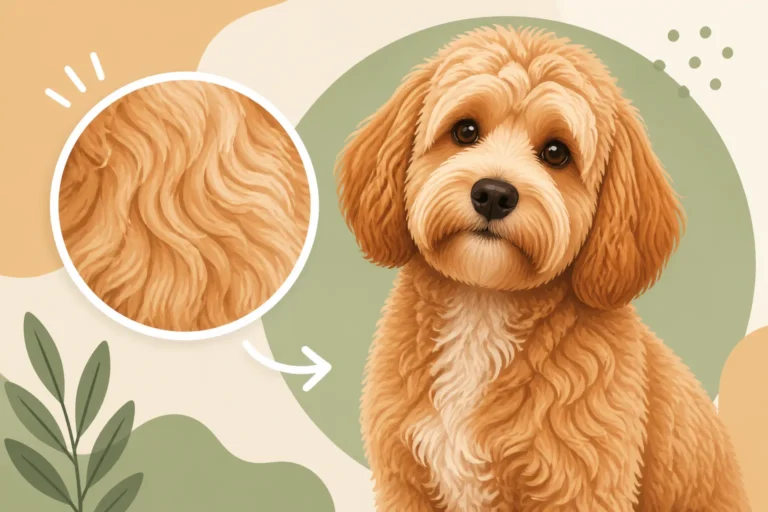
On the other side, the Poodle contributes a single-layered, curly, and continuously growing coat that is known for being low-shedding. This Poodle coat characteristic is often what people are hoping for when they choose a Cockapoo – the idea of less hair around the house. However, this non-shedding trait comes with its own challenge: any hair that does shed gets trapped within the curls, leading to mats if not brushed out regularly. When you combine these two distinct coats, you get a genetic lottery, meaning your Cockapoo's coat could fall anywhere on the spectrum. You might have a pup with hair that leans heavily towards the Cocker side, or one that's a spitting image of a Poodle, or, most commonly, something wonderfully in between. The curl gene, which dictates the texture of your dog's coat, plays a huge role here. Understanding The Curl Gene and Where a Cockapoo's Coat Lands is key to managing it effectively.
Common Cockapoo Coat Types and Shedding
Most Cockapoos will generally display one of three primary coat types, each with its own grooming demands.
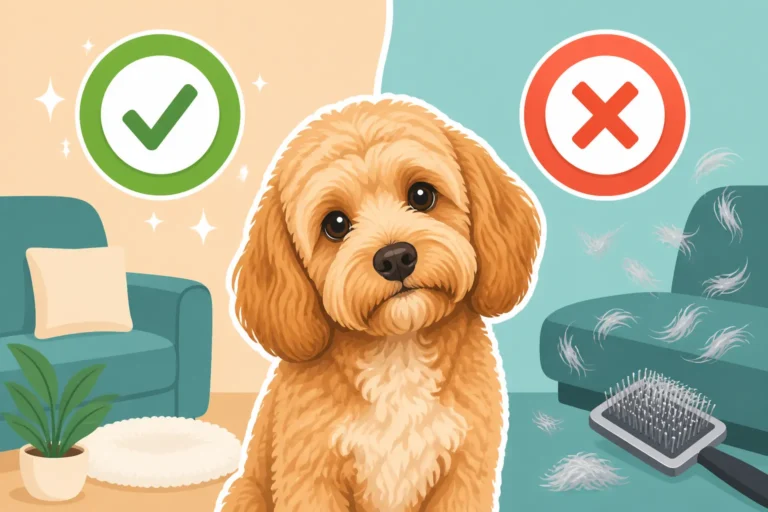
First, you have the straight coat, which often looks and feels more like a Cocker Spaniel's fur. These Cockapoos are typically the highest shedding of the three types, as their straight hair doesn't trap loose fur as effectively. You might be surprised to find that your "hypoallergenic" Cockapoo still leaves little tufts of hair around the house if they have this coat type.
Next is the wavy coat, which is arguably the most common and what many people envision when they think of a Cockapoo. This coat is a beautiful compromise, often soft and flowing but with enough wave to give it that signature doodle look. While less prone to heavy shedding than the straight coat, the waves are excellent at trapping dead hair, making this type highly susceptible to matting if not brushed diligently. Many owners discover that the real challenge isn't shedding, but rather preventing those insidious tangles.
Finally, there's the tightly curled coat, which most closely resembles the Poodle parent. These Cockapoos are generally the lowest shedding, making them a popular choice for allergy sufferers. However, this tightly coiled hair is a matting magnet. Every shed hair, every piece of dust, every burr from the park, finds a happy home deep within those curls, quickly forming dense mats if grooming is neglected. The "non-shedding" aspect is often misinterpreted as "no grooming required," which couldn't be further from the truth. In fact, these coats often require the most meticulous daily attention. You can learn more about The Three Cockapoo Coat Types and Their Upkeep. Even with the lowest shedding types, loose hairs still need to be removed to prevent matting, a crucial distinction that often catches new owners off guard.
The Undercoat Rake Explained
When you walk into a pet store or browse online, the sheer variety of grooming tools can be overwhelming. The undercoat rake is one of those tools that often stands out, looking quite different from your everyday slicker brush. It's important to know what it is, and more importantly, what it isn't.
What an Undercoat Rake Is Designed For
An undercoat rake is a specialized grooming tool primarily designed for breeds with a distinct double coat. Think of dogs like Huskies, German Shepherds, Newfoundlands, Golden Retrievers, or Pomeranians. These breeds have two layers of fur: a coarser, protective outer coat (often called guard hairs) and a soft, dense, insulating undercoat. This undercoat sheds heavily seasonally, often in large clumps, and if it's not removed, it can cause discomfort, skin issues, and even impede temperature regulation.
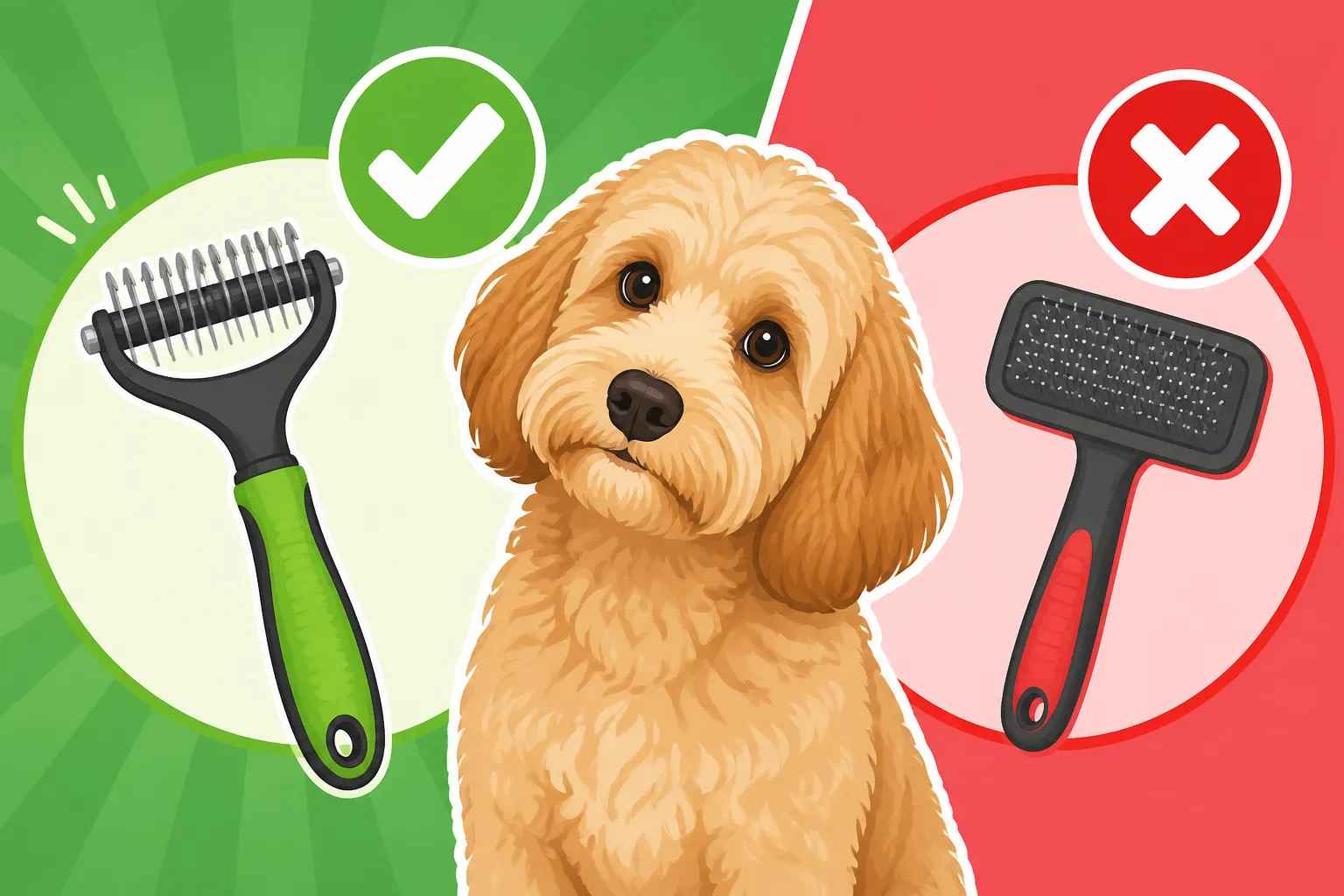
The undercoat rake features long, widely spaced teeth, often curved or shaped like a blade, specifically designed to reach down through the coarser topcoat and gently pull out the dead, loose undercoat. The goal is to remove this fuzzy, detached layer without damaging the healthier guard hairs. When used correctly on a true double-coated breed, it's incredibly effective at reducing shedding and keeping their coat healthy and light. Brands like those found on Chewy or Amazon often carry various types of undercoat rakes for these specific needs.
Why It's Generally Not Ideal for Most Cockapoos
Here's the critical point: most Cockapoos do not possess a true double coat with a distinct, easily separable undercoat like the breeds mentioned above. The Poodle side of their lineage contributes a single-layered, continuously growing hair, not fur with a seasonal undercoat. While a Cocker Spaniel's coat is dense, it's typically still considered a single coat or a "heavy" single coat, not a double coat that an undercoat rake is meant to strip.
When you use an undercoat rake on a Cockapoo whose coat doesn't have a clear undercoat, you're not pulling out dead, fluffy undercoat. Instead, you're likely to be pulling healthy hair, painfully tugging at tangles, or worse, cutting and breaking their delicate curls and waves. This can lead to a host of problems:
- Pain and Discomfort: The rake's teeth can get snagged in the Cockapoo's often fine and wavy or curly hair, causing pain and making grooming a negative experience for your dog.
- Coat Damage: Repeated use can strip or break the hair, leading to a damaged, frizzy, or sparse coat. It can also disrupt the natural growth pattern and texture.
- Skin Irritation: The sharp edges of some rakes, or the aggressive pulling action, can irritate or even scratch your Cockapoo's sensitive skin, potentially leading to hot spots or infections.
- Ineffectiveness: For the most common wavy or curly Cockapoo coats, an undercoat rake simply isn't an effective tool for preventing or removing mats. Those trapped, shed hairs need to be gently brushed out with a slicker and then combed through, not raked. Attempting to use a rake on an improperly coated Cockapoo, or one with a coat that simply doesn't have an undercoat, can be deeply counterproductive. You might feel like you're removing a lot of hair, but you could be doing more harm than good to your beloved pup's unique coiffure.
When an Undercoat Rake Might Be Considered (and with Caution)
While generally not recommended, there are very specific, rare instances where an undercoat rake might be cautiously considered for a Cockapoo. However, this is not a decision to be made lightly or without professional guidance. The vast majority of Cockapoos will thrive with other grooming tools.
Identifying a Cockapoo with a "Cocker-Heavy" Coat
Occasionally, a Cockapoo might inherit a coat that leans so heavily towards the Cocker Spaniel side that it mimics some characteristics of a denser, double-coated breed. This is quite uncommon for the typical wavy or curly Cockapoo. You might notice your Cockapoo has a straighter, thicker coat that feels very dense and perhaps even somewhat coarse, rather than the softer, silkier Poodle-like hair. This kind of coat might also shed more visibly than the average Cockapoo. It’s the kind of coat you might see described as an "improper coat," though that term specifically refers to the lack of furnishings. What an Improper Coated Cockapoo Looks Like can give you a visual idea of what happens when a Cockapoo misses out on the Poodle's furnishing gene.
If you suspect your Cockapoo has such a coat, the absolute first step is to consult a professional, experienced groomer who specializes in doodle coats. They can properly assess your dog's specific hair texture and structure. They'll be able to tell you if your Cockapoo truly has a denser, "undercoat-like" layer that might benefit from a very specific type of rake. This isn't a DIY diagnosis; a trained eye can discern the nuances of your dog's coat that might otherwise lead you down the wrong grooming path. They can also advise on the proper technique and frequency, if any, for using such a tool.
Proper Technique if You Must Use One
If, and only if, a knowledgeable professional groomer has specifically advised you that a very particular type of undercoat rake could be beneficial for your Cockapoo's highly unusual coat type, then extreme caution and proper technique are paramount.
- Start with a Clean, Dry, and Detangled Coat: Never use an undercoat rake on a dirty or matted coat. It will pull, snag, and cause immense pain. Your Cockapoo's coat should be freshly bathed, thoroughly dried, and completely brushed out with a slicker brush and metal comb first. Any existing mats must be gently separated and removed before even thinking about a rake.
- Use Very Light Pressure and Short Strokes: This isn't about aggressively digging into the coat. Use short, gentle strokes, working in the direction of hair growth. The goal is to lightly lift out any loose, dead hair, not to pull or strip.
- Work in Sections: Just like with any thorough grooming, tackle your Cockapoo's coat in small, manageable sections. This helps ensure you don't miss any areas and allows you to monitor for any signs of discomfort or skin irritation.
- Listen to Your Dog: Pay close attention to your Cockapoo's body language. Any flinching, yelping, or attempts to pull away are clear signs that the tool is causing discomfort. Stop immediately if this happens.
- Use Sparingly: Even on breeds for which it's intended, an undercoat rake is not an everyday tool. If advised for your Cockapoo, it would be for very infrequent use, perhaps during a heavy shedding season if your specific dog experiences one.
Remember, using a tool like an undercoat rake incorrectly can quickly turn grooming into a traumatic experience for your Cockapoo and severely damage their coat. For general grooming supplies like high-quality slicker brushes or conditioning sprays, check out trusted retailers like Amazon, which offers a wide selection.
Better Grooming Tools and Practices for Cockapoos
For the vast majority of Cockapoos, particularly those with the common wavy or curly coats, an undercoat rake is simply the wrong tool for the job. Instead, focusing on a few key, high-quality tools and a consistent routine will be your best defense against mats and help maintain that beautiful, healthy coat.
Essential Tools for Cockapoo Grooming
When it comes to grooming your Cockapoo, think prevention and gentle detangling, not aggressive stripping. Here are the tools you'll actually need:
- Slicker Brush: This is your daily workhorse. A good quality slicker brush, often available from brands on Chewy or Amazon, has fine, bent wire bristles that are excellent for reaching down into the coat, separating individual hairs, and teasing out minor tangles. Use it to line brush (more on that below) and remove loose hair before it has a chance to mat. It also helps stimulate the skin, promoting healthy coat growth. Invest in one with soft, flexible pins that won't scratch the skin.
- Metal Comb: This is arguably the most crucial tool for a Cockapoo owner. After you've gone over your dog with a slicker brush, you must follow up with a metal comb. It's the only way to truly ensure that all tangles and mats have been removed. Choose a comb with both wide and narrow teeth. Use the wider teeth first, then the narrower ones, especially in mat-prone areas like behind the ears, armpits, and under the tail. If the comb glides through without snagging, you know you've done a thorough job. Without this step, even diligent slicker brushing can leave hidden mats that will quickly grow. Don't underestimate The Comb That Finds Mats a Slicker Misses.
- Detangling Spray/Conditioner: A good quality detangling spray or leave-in conditioner can make brushing much easier, especially for wavy and curly coats. Spritzing the coat lightly before brushing helps the slicker and comb glide through, reduces static, and prevents breakage. It also adds moisture, keeping the coat soft and pliable.
- Blunt-Nosed Scissors: Useful for carefully snipping out tiny, isolated mats that cannot be brushed out, but only as a last resort and with extreme caution. Never cut close to the skin. It’s always best to try to gently pick mats apart first.
- Nail Clippers/Grinder: Don't forget nail care! Regular trimming prevents painful overgrowth and potential foot problems.
- Ear Cleaning Solution: Cockapoos, inheriting those lovely floppy Spaniel ears and often hairy ear canals from the Poodle, are prone to ear infections. Regular cleaning is a must.
When considering nutrition, while it doesn't directly relate to grooming tools, a high-quality diet, perhaps from a brand like Ollie, can contribute to overall health, which in turn reflects in a shinier, healthier coat that's easier to maintain.
Establishing a Regular Grooming Routine
Consistency is the secret sauce to a happy, mat-free Cockapoo. Skipping a few days of brushing, especially with a wavy or curly coat, can quickly lead to a nightmare of tangles.
- Daily or Every-Other-Day Brushing: This is non-negotiable for most Cockapoos. Set aside 10-15 minutes each day, or at least every other day, for a thorough brush-out. Make it a bonding experience, not a chore. Start when they are puppies to get them used to it. Remember What a Cockapoo Puppy's Coat Feels Like at Eight Weeks and how important early introduction is.
- Learn the "Line Brushing" Technique: This is the most effective way to groom a Cockapoo. Instead of just brushing the top layer, you part the hair down to the skin, hold the brushed section up, and brush the hair underneath, working in small sections. This ensures you're reaching all the way to the skin and catching mats that hide beneath the surface. Line Brushing a Cockapoo and Why the Top Coat Lies is a technique every Cockapoo owner should master.
- Professional Grooming Every 6-8 Weeks: Unless you're highly experienced and have all the right equipment, regular visits to a professional groomer are essential. They can handle clipping, shaping, paw pad trims, sanitary trims, and thorough de-matting if necessary. This routine ensures your Cockapoo's coat remains manageable and healthy. Don't forget to factor in The Yearly Grooming Total on a Cockapoo into your budget.
- Pay Special Attention During the "Coat Change": Around 6-10 months of age, your Cockapoo puppy will go through a significant "coat change" where their soft puppy fur transitions to a denser adult coat. This period is notorious for severe matting. You'll need to increase your brushing frequency and diligence during this time. Owners are often ambushed by The Coat Change That Ambushes a Cockapoo Owner at Ten Months.
- Regular Baths with Quality Shampoo/Conditioner: While frequent bathing isn't always necessary, a good bath with a moisturizing shampoo and conditioner can help keep the coat clean and pliable, making brushing easier. Always ensure the coat is completely dry before brushing, as wet hair can tighten mats.
By committing to a consistent grooming routine with the right tools, you can ensure your Cockapoo's coat stays beautiful, comfortable, and mat-free, without resorting to tools that aren't designed for their unique needs.
| Tool Type | Best For Most Cockapoos? | Why? |
|---|---|---|
| Slicker Brush | Yes, Absolutely | Essential for daily brushing, detangling surface mats, and lifting loose hair. Gentle and effective for wavy/curly coats. |
| Metal Comb | Yes, Absolutely | Crucial for finding hidden mats and ensuring thorough detangling down to the skin after slicker brushing. |
| Undercoat Rake | Generally No | Designed for dense double-coats. Most Cockapoos have single-layered hair; a rake can pull, damage, or cut healthy hair. |
| Demating Rake/Tool | Use with Extreme Caution | Can be helpful for breaking up small, minor mats as a last resort, but risky if not used properly. Always prefer finger-picking. |
| Blunt-Nosed Scissors | Use with Extreme Caution | For tiny, isolated mats that cannot be combed out. Never cut close to the skin. Professional intervention is usually better. |
| Detangling Spray | Yes, Highly Recommended | Makes brushing easier, reduces static, adds moisture, and helps prevent hair breakage. |
Disclaimer
This article is for general informational purposes only and does not constitute professional advice. Laws, prices and regulations vary by location and change over time. Consult a qualified professional for guidance on your specific situation.