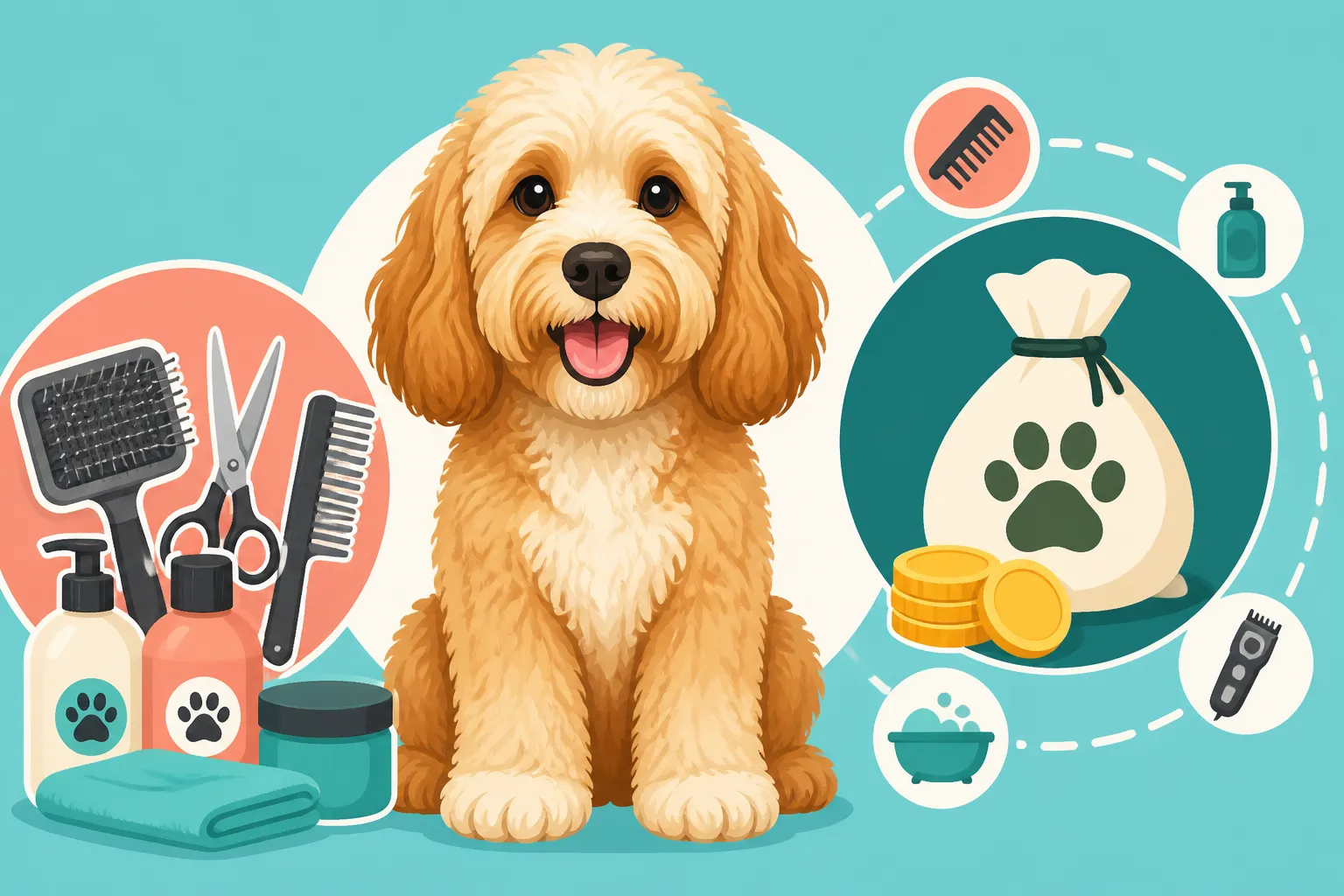
The Yearly Grooming Total on a Cockapoo
Bringing a Cockapoo into your life is an absolute joy, but it’s also a commitment to their well-being, which includes keeping their gorgeous, curly, or wavy coat in tip-top condition. What often catches new owners off guard is the sheer amount of time, effort, and yes, money, that goes into maintaining that adorable look, transforming what seems like a simple task into a significant yearly investment. This guide is here to unravel the mystery of the yearly grooming total for your beloved Cockapoo, breaking down everything from professional salon visits to the costs of home maintenance, so you can budget wisely and keep your furry friend looking and feeling their best.
Understanding Cockapoo Coat Types and Their Grooming Impact
One of the biggest variables in a Cockapoo's grooming needs, and subsequently, its yearly cost, is its coat type. Unlike many purebreds with predictable coats, Cockapoos can inherit a range of textures from their Cocker Spaniel and Poodle parents. Understanding these differences is the first step in estimating your grooming budget. The coat type dictates how often you’ll need professional help and how much effort you’ll need to put in at home.
The Straight-Coated Cockapoo
While less common, some Cockapoos inherit a straighter, more Spaniel-like coat. This type often features a softer, silkier texture with less curl or wave. Owners of straight-coated Cockapoos sometimes breathe a sigh of relief, thinking their grooming woes are minimal. It’s true that this coat generally mats less severely than its curly counterparts, making it seem like a lower-maintenance option.
However, "less maintenance" doesn't mean "no maintenance." Straight coats can still shed, and they can certainly develop tangles, especially behind the ears, in the armpits, and on the feathered legs and tail. Regular brushing, at least a few times a week, is still essential to remove loose hair and prevent minor knots from escalating into bigger problems. While professional grooms might be needed less frequently, perhaps every 8-12 weeks for a tidy-up, you can’t skip the fundamentals.
The Wavy-Coated Cockapoo
This is perhaps the most iconic and sought-after Cockapoo coat, often described as a loose curl or a shaggy wave. It’s a beautiful coat, embodying the best of both worlds in many people's eyes, and it's also where the term "furnishings" (the longer hair on the face, beard, and legs) really shines through. This coat is often considered low-shedding, which is a huge plus for many allergic owners, but it comes with its own set of grooming challenges.
The wavy texture, while delightful to look at, is a magnet for mats. These coats are prone to knotting and tangling because the wavy hairs intertwine with each other, especially as the puppy coat transitions to an adult coat around 6-10 months. This means daily brushing is often non-negotiable, and professional grooming every 6-8 weeks is typically required to keep it manageable and prevent painful matting close to the skin. You can read more about What Each Cockapoo Coat Type Costs at the Groomer in detail.
The Tight-Curled Cockapoo
At the other end of the spectrum is the tight-curled Cockapoo, whose coat more closely resembles its Poodle parent. This coat is usually dense, tightly curled, and definitively low-shedding, making it a fantastic choice for individuals with severe allergies. However, this dense curl means it is also the highest-maintenance coat type when it comes to grooming.
Every single curl is an opportunity for another curl to latch onto it, forming mats that can quickly become severe if not addressed. This coat requires meticulous daily brushing, often involving line brushing techniques to ensure you get down to the skin and prevent mats from forming at the base of the hair shaft. Professional grooming is a necessity for these dogs, typically every 4-6 weeks, and often includes a shorter cut to make home maintenance easier. Without this diligent care, the coat can become a painful, matted mess in a surprisingly short amount of time, necessitating a complete shave-down.
Professional Grooming Costs: A Deep Dive
For most Cockapoo owners, professional grooming isn't a luxury; it's a necessity. Their unique coats, particularly the wavy and curly types, simply aren't designed to be low-maintenance without expert intervention. Understanding what goes into the cost of these services is key to budgeting your yearly total. Prices can fluctuate wildly based on your location, the groomer's experience, and your dog's specific needs.
Initial Puppy Grooms and Early Socialization
When your Cockapoo puppy first arrives home, you'll want to introduce them to the grooming process early. Many groomers offer "puppy packages" or introductory grooms for younger dogs, often starting around 12-16 weeks after they've had their initial vaccinations. These aren't full haircuts, but rather gentle introductions to the sights, sounds, and sensations of a grooming salon – the bath, the blow dryer, nail trims, and perhaps a light trim around the eyes and paws.
These early experiences are invaluable for setting your Cockapoo up for a lifetime of stress-free grooming. Think of it as an investment in their future comfort and your groomer's sanity! While these first visits might be less expensive than a full adult groom, they're crucial. A positive first impression can prevent anxiety, fear, and even aggression towards grooming tools and people later on. You can expect What a Cockapoo's First Trim Costs at Sixteen Weeks to be a slightly lower initial outlay than a full adult groom.
Regular Maintenance Grooms
The bulk of your yearly grooming total will come from these routine appointments. For most Cockapoos, especially those with wavy or curly coats, this means a full groom every 6-8 weeks. A "full groom" typically includes a bath with professional-grade shampoo and conditioner, a full blow-dry, a thorough brush-out, a haircut styled to your preference, nail trimming, and ear cleaning.
The price for these grooms varies significantly. Factors influencing the cost include your Cockapoo's size (a tiny Toy Cockapoo will cost less than a larger Maxi Cockapoo), the complexity of the desired cut, and the condition of their coat. If your dog comes in with excessive matting, expect additional charges because it takes significantly more time and effort to carefully detangle or, in severe cases, shave down the coat. The frequency also directly impacts your yearly cost; a dog groomed every six weeks will have more appointments and therefore higher annual expenditure than one groomed every eight weeks. This is where researching What a Cockapoo Groom Costs by Coat Type in your area becomes essential.
Dealing with Mats and Pelting
This is where grooming costs can really skyrocket, and it's a frustration many Cockapoo owners face, especially if they're new to the breed or underestimate the daily maintenance required. Mats are tangled clumps of fur that become tight and dense, pulling on the dog's skin. Pelting is an extreme form of matting where the entire coat becomes a solid, felt-like shell. This is incredibly painful for your dog, restricts their movement, and can hide skin infections and parasites.
When a Cockapoo arrives at the groomer severely matted or pelted, a humane shave-down is often the only option. This isn't just a quick clip; it requires extreme care and precision to avoid nicking the skin, which can be thin and inflamed underneath the matting. Groomers will charge a significant additional fee for dematting or shaving a pelted coat due to the extra time, specialized tools, and risk involved. In some severe cases, a groomer might even refuse to work on a heavily matted dog and recommend a veterinary visit for sedation before grooming, adding vet bills to the already increased grooming cost. For more on the specifics, understanding What a Groomer Charges by the Hour to Demat a Cockapoo can prepare you for these potential expenses.
Geographic and Salon Price Differences
Just like real estate, grooming prices are heavily influenced by location. A professional groom in a bustling city center will almost certainly be more expensive than one in a rural area. The cost of living, overhead for the salon (rent, utilities, insurance), and local wage rates for skilled groomers all play a part.
Beyond geography, the type of salon also impacts pricing. A high-end, boutique groomer offering specialized services, organic products, and personalized styling might charge more than a larger, chain pet store salon. Mobile groomers, while offering convenience by coming to your home, often have slightly higher prices to cover their travel time and vehicle upkeep. It's always a good idea to call around to a few different local groomers to get quotes and understand their pricing structure before committing. Don't be shy about asking what's included in a standard groom for your Cockapoo's size and coat type.
DIY Grooming: Savings and Hidden Costs
Many Cockapoo owners consider doing some, or even all, of their grooming at home to save money. On the surface, it seems like a brilliant way to cut down on those recurring professional salon bills. And while you can definitely save a significant amount, it's crucial to understand that home grooming isn't free, nor is it always easy. There are upfront investments, a significant time commitment, and a learning curve involved.
Essential Home Grooming Tools and Their Initial Investment
If you're serious about grooming your Cockapoo at home, you'll need to invest in the right tools. Skimping on quality here will only lead to frustration, poor results, and potentially hurting your dog. The initial outlay for a good home grooming kit can be substantial, but these tools, if well-cared for, will last you for years.
Here’s a look at what you’ll likely need:
- Slicker Brush: Essential for removing loose hair and small tangles.
- Metal Comb: Crucial for line brushing and finding mats that the slicker brush misses. A greyhound comb with fine and coarse teeth is ideal. Learning to use The Comb That Finds Mats a Slicker Misses is key.
- Pin Brush: Good for longer, softer coats, but less effective on tight curls than a slicker.
- Dog Clippers: This is a big one. You'll need a quiet, powerful clipper specifically designed for dogs, with various blade sizes (e.g., #10, #7F, #5F) or clipper combs. Quality clippers are not cheap, but they are a non-negotiable item for cutting a Cockapoo's coat.
- Shears/Scissors: Straight shears for body work, thinning shears for blending, and blunt-nosed safety scissors for delicate areas like around the eyes and paws.
- Nail Clippers or Grinder: Whichever you prefer for keeping nails short.
- Ear Cleaning Solution & Cotton Balls: For routine ear hygiene.
- High-Velocity Dryer: While not strictly essential for every Cockapoo, a good dog-specific dryer significantly reduces drying time, helps "stretch" the coat for easier brushing, and prevents matting that can occur during air-drying. This is a substantial investment but incredibly useful.
- Grooming Table with Arm: This elevates your dog to a comfortable working height and keeps them secure, making the process much safer and more efficient for both of you.
This initial shopping trip to a pet supply store like Chewy can easily run into the hundreds of dollars, but it’s a one-time cost that pays off over time.
The Time Commitment and Learning Curve
This is the "hidden cost" of DIY grooming that many owners overlook. Grooming a Cockapoo properly takes a lot of time. Even a basic brush-out, done thoroughly, can take 30-60 minutes several times a week, especially for wavy or curly coats. A full home groom, including bathing, drying, brushing, and clipping, can easily consume 3-5 hours or more, particularly when you're first learning.
There's also a significant learning curve. You'll need to learn proper techniques like line brushing (where Line Brushing a Cockapoo and Why the Top Coat Lies is vital), how to safely use clippers and shears, how to spot and remove minor mats, and how to trim nails without hitting the quick. It takes practice, patience, and a calm demeanor – from both you and your dog. Many owners find it beneficial to watch online tutorials or even take a basic grooming class. The first few attempts might not look like a professional job, but with persistence, you can get quite good. The time commitment is considerable, but the bond you build with your dog through this regular, gentle handling is priceless.
When DIY Isn't Enough
While home grooming can save money and be a rewarding experience, there are times when DIY simply isn't enough. Many owners manage daily brushing and occasional trims but still rely on a professional groomer for the full "spa treatment" every few months. This could be for a more intricate haircut, thorough ear plucking (if needed), or deep cleaning that requires specialized equipment like a high-velocity dryer and professional bathing tubs.
If your Cockapoo develops significant matting that you can't safely brush out, or if you encounter skin issues, ear infections, or other health concerns during grooming, it's time to call in the professionals – either a groomer or your veterinarian. Attempting to force through painful mats at home can cause trauma to your dog and damage your relationship. There's no shame in knowing your limits and seeking expert help when needed. Remember, Whether Grooming a Cockapoo at Home Saves Money depends on how much you can realistically and safely do yourself.
Beyond the Haircut: Other Grooming-Related Expenses
Grooming a Cockapoo isn't just about the haircut. There are other essential aspects of their care that fall under the grooming umbrella, and each comes with its own set of costs, whether you do them at home or pay a professional. Neglecting these areas can lead to discomfort, health problems, and ultimately, more expensive vet bills.
Nail Trims and Paw Care
Overgrown nails are not just unsightly; they can be painful, lead to paw deformities, and even affect your dog's gait and overall joint health. Regular nail trims, typically every 2-4 weeks, are crucial. Many groomers include this in their full service, but if you're home grooming, you'll be responsible for it. Nail grinders, while a bit more expensive upfront, can provide a smoother finish and reduce the risk of cutting the quick compared to traditional clippers.
Beyond nails, pay attention to the hair between your Cockapoo's paw pads. This hair can grow long, collect debris, ice, or burrs, and contribute to matting or slipping on smooth floors. Trimming this hair regularly is an important part of paw care. Some owners also choose to use paw balms to protect against harsh weather or rough surfaces, adding a small, ongoing cost.
Ear Cleaning and Hair Plucking
Cockapoos, with their floppy ears and Poodle genetics, are often prone to ear infections. The long, feathered ears can trap moisture and reduce airflow, creating a warm, damp environment perfect for yeast and bacteria to thrive. Regular ear cleaning is essential, usually weekly or bi-weekly, using a dog-specific ear cleaning solution.
Some Cockapoos also grow excessive hair inside their ear canals, which can further impede airflow and trap wax and debris. Many groomers will pluck this hair as part of their service, but this is a debated topic. Some vets and groomers recommend it, while others advise against it unless strictly necessary, as it can irritate the sensitive ear canal. If you opt for plucking, ensure it's done gently and correctly to prevent inflammation. Neglecting ear care can quickly lead to painful infections that require costly veterinary treatment. Consider Whether a Cockapoo Needs Its Ears Cultured if infections are persistent.
Dental Care
While not traditionally seen as "grooming," dental hygiene is a vital part of your Cockapoo's overall care and heavily impacts their quality of life. Small breeds like Cockapoos are particularly susceptible to dental disease, which can lead to bad breath, painful infections, tooth loss, and even systemic health issues if bacteria enter the bloodstream.
Daily tooth brushing with dog-specific toothpaste is the gold standard for prevention. However, even with diligent home care, most Cockapoos will require professional dental cleanings under anesthesia at the vet throughout their lives. These cleanings can be a significant expense, often costing as much as several full professional grooms. Products like dental chews, water additives, or specialized dental diets (available from brands like Ollie or others through your vet) can supplement brushing but are rarely a complete substitute. This is an important cost to factor into your long-term budget, and you might want to look into What Scaling a Cockapoo's Crowded Teeth Costs.
Shampoos, Conditioners, and Coat Sprays
Even if your Cockapoo gets professional grooms, you'll likely still need to bathe them occasionally between appointments, especially if they love rolling in mud or exploring smelly things. Investing in high-quality, dog-specific shampoos and conditioners is important. Human products can be too harsh and disrupt your dog's skin pH.
Consider the needs of your Cockapoo's coat and skin. If they have sensitive skin, you might need a hypoallergenic shampoo. If they're prone to oily skin (a trait that can come from the Cocker Spaniel side), a degreasing shampoo might be appropriate. Coat conditioning sprays can help with brushing and preventing static. While individual bottles might not seem expensive, these are recurring purchases throughout the year.
Calculating Your Yearly Grooming Total: Putting It All Together
So, what does it all add up to? The yearly grooming total for a Cockapoo is a moving target, influenced by coat type, your commitment to home care, your location, and even your dog's personality. To give you a clearer picture, let's look at some hypothetical budgets.
Sample Yearly Budgets for Different Coat Types
Here’s a simplified breakdown to illustrate the differences:
| Item/Frequency | Straight Coat (Lower Maintenance) | Wavy Coat (Moderate Maintenance) | Curly Coat (High Maintenance) |
|---|---|---|---|
| Professional Grooms | |||
| Frequency | Every 10-12 weeks (approx. 5-6 times/year) | Every 6-8 weeks (approx. 7-9 times/year) | Every 4-6 weeks (approx. 9-12 times/year) |
| Estimated Cost/Groom | Check local groomers | Check local groomers | Check local groomers |
| Home Grooming Supplies (Yearly) | |||
| Brushes, Combs, Clippers (amortized) | Modest | Moderate | Higher |
| Shampoos, Conditioners, Ear Cleaner | Regular | Regular | Regular |
| Dental Products | Regular | Regular | Regular |
| Additional Services (as needed) | |||
| Dematting Fees | Rare | Occasional | More likely |
| Emergency Vet for ear infection | Possible | Possible | More likely |
| Professional Dental Cleaning | Every 1-2 years (average) | Every 1-2 years (average) | Every 1-2 years (average) |
As you can see, the number of professional grooming appointments is the biggest driver of cost. A Cockapoo with a tight, curly coat requiring monthly professional grooms will have a significantly higher yearly bill than a straight-coated one visiting the groomer only a few times a year.
Strategies to Manage Cockapoo Grooming Costs
Don't despair if these figures seem daunting! There are several ways to manage and potentially reduce your Cockapoo's grooming expenses:
- Commit to Daily Home Brushing: This is the #1 way to save money. Consistent daily brushing prevents mats, which means your professional groomer won't have to charge you extra for dematting. It also allows you to stretch the time between professional appointments, potentially going from 6-week intervals to 8-week ones.
- Learn Basic Home Grooming: If you're willing to invest the time and learn the skills, you can do baths, blow-dries, and even basic trims between professional visits. This can significantly reduce the frequency of full professional grooms. Remember to read up on Whether Grooming a Cockapoo at Home Saves Money for practical tips.
- Choose a Shorter Style: A shorter haircut is much easier to maintain at home and less prone to matting. Discuss a practical, shorter "puppy cut" or "teddy bear clip" with your groomer. This can extend the time between professional trims and make your daily brushing routine much quicker. While you might love the long, flowing locks, practicality often wins for the dog's comfort and your budget. Find out What a Teddy Bear Clip Looks Like on a Cockapoo to see if it suits your lifestyle.
- Shop Around for Groomers: Get quotes from several reputable groomers in your area. Don't just go for the cheapest option, though; look for someone experienced with Cockapoos and who prioritizes humane handling and safety. A good relationship with your groomer is invaluable.
- Look for Package Deals: Some salons offer discounts for pre-booking multiple appointments or for regular clients. Ask if they have any loyalty programs.
- Pet Insurance Consideration: While pet insurance like Healthy Paws typically doesn't cover routine grooming (it's preventative care, not illness or accident), it can be a lifesaver if an untreated grooming-related issue escalates into a medical problem, such as a severe skin infection under mats or a nasty ear infection requiring specialist treatment. This doesn't reduce your grooming bill directly, but it provides a safety net for unexpected health costs.
Maintaining your Cockapoo's coat is a significant part of responsible pet ownership. While the yearly total for grooming can seem high, it's an investment in your dog's comfort, health, and overall happiness. By understanding the factors involved and proactively managing their coat, you can keep your Cockapoo looking fabulous without breaking the bank.
Disclaimer
This article is for general informational purposes only and does not constitute professional advice. Laws, prices and regulations vary by location and change over time. Consult a qualified professional for guidance on your specific situation.