Whether Any Cockapoo Is Truly Non Shedding
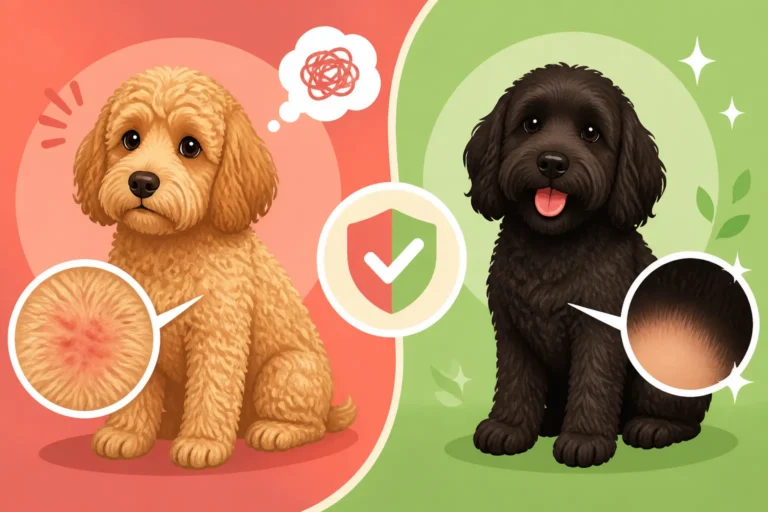
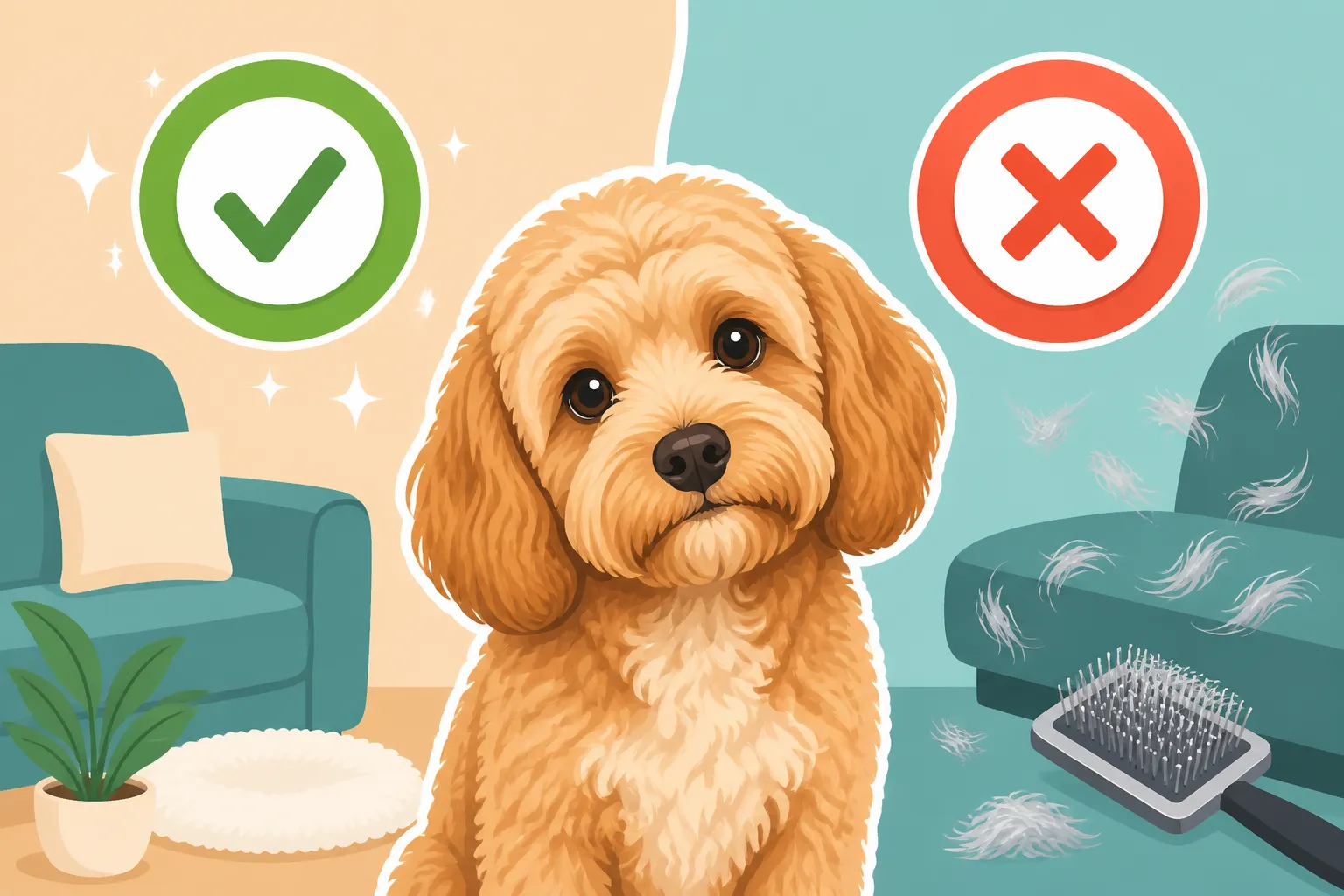
One of the most common hopes (and sometimes frustrations!) new Cockapoo owners express is about shedding. Many people are drawn to Cockapoos because they're often touted as "non-shedding" or "hypoallergenic," only to find their expectations don't quite align with reality. If you're wondering if any Cockapoo truly fits that bill, this comprehensive guide will delve into the genetics, coat types, and care routines that influence shedding, helping you understand what to realistically expect from these wonderful companions.
The Genetic Reality Behind Shedding in Cockapoos
When we talk about a dog being "non-shedding," it's often a generalization based on certain genetic traits. For Cockapoos, a mix of Cocker Spaniel and Poodle, understanding their inherited coat genetics is absolutely key to knowing what level of shedding to anticipate. It's not as simple as a yes or no answer; it's a spectrum, and genetics play a starring role in where on that spectrum your Cockapoo lands.
Understanding the "Furnishings" Gene
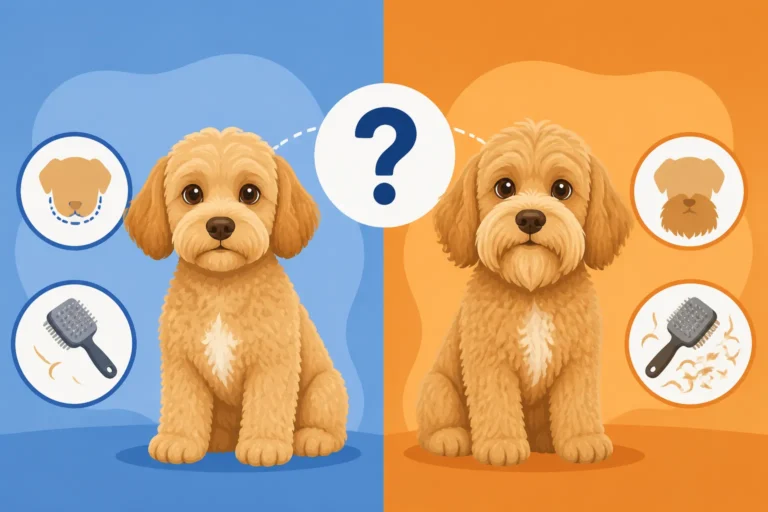
The biggest player in whether a Cockapoo sheds noticeably is a gene known as "furnishings," or sometimes called the F-locus. This gene is responsible for the longer hair on a dog's face, specifically the eyebrows, mustache, and beard that give many Doodles their characteristic "teddy bear" look. Poodles always carry two copies of the furnishing gene (FF), while Cocker Spaniels typically carry two copies of the non-furnishings gene (IC, or improper coat).
For a Cockapoo, which is a crossbreed, the inheritance of this gene is crucial. If a Cockapoo inherits at least one copy of the furnishings gene (F) from its Poodle parent, it will express furnishings. Dogs with furnishings tend to have a coat that grows longer and, more importantly, traps shed hair within its texture, rather than releasing it freely into your environment. This is why furnished dogs appear to be non-shedding, even though they still produce hair like any other mammal. You can learn more about The Furnishings Gene That Decides a Cockapoo's Face.
If a Cockapoo inherits two copies of the non-furnishings gene (IC/IC), it will have what's called an "improper coat" – essentially, a flatter face and a coat that sheds much like a Cocker Spaniel's. This is why some Cockapoos shed quite a bit, much to the surprise of their owners who were expecting a "non-shedding" dog. This genetic lottery means that even within the same litter, you might find puppies with vastly different shedding tendencies, depending on which genes they picked up.
The Impact of the Curl Gene on Shedding Perception
Beyond furnishings, the curl gene, specifically KRT71, also influences how much hair you actually see around your home. Poodles are known for their tight, curly coats, which are a direct result of inheriting specific alleles of the KRT71 gene. Cocker Spaniels, on the other hand, typically have straighter or wavy coats.
When a Cockapoo inherits strong curl genes, its coat becomes a wonderfully efficient trap for shed hair. Instead of falling out onto your furniture or floor, loose hairs get tangled up in the dense, curly coat. This means you won't see tumbleweeds of dog hair rolling across your living room, which often leads owners to believe their dog isn't shedding at all. However, the hair is still there; it's just stuck. This is a key reason why dogs with curlier coats, like many Poodles and Poodle mixes, are often perceived as non-shedding. Understanding The Curl Gene and Where a Cockapoo's Coat Lands is important for managing grooming expectations.
This trapping mechanism is fantastic for minimizing environmental allergens and keeping your home cleaner, but it comes with a trade-off: intensive grooming. If that trapped hair isn't regularly brushed out, it will quickly form mats and tangles, which can be painful for your dog and lead to expensive trips to the groomer. So, while a curly coat might reduce visible shedding, it increases the demand for consistent and thorough brushing.
The Improper Coat IC and Why It Sheds
The "improper coat" (IC) is often the root of disappointment for Cockapoo owners expecting a truly non-shedding dog. An improper coat simply means the dog did not inherit the furnishings gene (F) from both parents. While Poodles are always FF (furnished), Cocker Spaniels are typically IC/IC (improper coat or unfurnished). Therefore, an F1 Cockapoo (first cross between a Poodle and a Cocker) will almost always be Ff (furnished), meaning it will have the typical shaggy face and low-shedding qualities.
However, if you breed two F1 Cockapoos together, or an F1 with an unfurnished Cocker, or other combinations in later generations, it's possible for a puppy to inherit two copies of the non-furnishings gene (IC/IC). When this happens, the Cockapoo will have a coat that resembles a Cocker Spaniel more closely – a smoother face with less beard and eyebrow, and a coat that sheds quite freely. These coats don't trap the loose hairs, so they fall out onto your floor, clothes, and furniture. This is What an Improper Coated Cockapoo Looks Like.
It's crucial for prospective owners to understand this genetic possibility. A breeder who truly understands genetics can test their breeding dogs to predict the likelihood of improper coats in a litter. Asking about What RSPO2 Testing Tells a Cockapoo Breeder can give you insights into their breeding practices. If a breeder guarantees a 100% non-shedding dog without discussing genetic testing or the possibility of an improper coat, it might be a red flag. For dogs with an improper coat, the shedding will be noticeable, much like a typical shedding breed, which can be a shock if you were expecting otherwise.
Navigating the Different Cockapoo Coat Types
The beauty of the Cockapoo, and sometimes the challenge, lies in the variety of their coats. Since they're a hybrid, their appearance isn't as fixed as a purebred, and this extends directly to their coat type and, by extension, their shedding potential. It's not just about color; the texture and growth pattern make a huge difference in daily care and how much hair you'll find.
The Straight Coated Cockapoo
A straight coated Cockapoo, often referred to as an "improper coat" or "flat coat," usually has a softer, sleeker coat that lies flatter against the body, much more akin to their Cocker Spaniel parent. These dogs often lack the distinctive beard and eyebrows that define the "Doodle" look. While beautiful in their own right, it's this coat type that will shed the most among Cockapoos.
Because the hair is straight and doesn't have the tight curls to trap loose strands, the shed hair falls directly out. You'll likely find hair on your furniture, clothing, and floors, similar to living with a purebred Cocker Spaniel. This doesn't mean they shed excessively, but they will certainly shed more visibly than their curly-coated siblings. For owners specifically seeking a low-shedding dog for allergy reasons or simply to minimize cleanup, a straight-coated Cockapoo might not be the best fit. However, if shedding isn't a primary concern and you adore the Cockapoo temperament, a straight-coated variety can be a wonderful, lower-maintenance grooming option in terms of matting. They are still charming and affectionate dogs, embodying many of the positive traits of the breed, but be prepared for visible shedding. You can read more about The Straight Coated Cockapoo.
The Wavy Coated Cockapoo
The wavy-coated Cockapoo is often considered the "ideal" or most characteristic coat type for the breed. It offers a lovely balance: a soft, shaggy look with enough texture to effectively trap loose hair, minimizing visible shedding, without being as prone to matting as a very tight curl. This coat tends to have a loose, flowing wave, giving that adorable "teddy bear" appearance many owners desire.
For owners seeking a low-shedding dog, the wavy coat is usually a fantastic compromise. The waves and furnishings work together to hold onto shed hair, which means less hair on your sofa and clothes. However, this doesn't mean they are "non-shedding." Those trapped hairs still need to be brushed out regularly, typically several times a week, to prevent mats from forming. If left unbrushed, the wavy coat will tangle, especially in high-friction areas like behind the ears, under the legs, and around the collar. So, while you won't see as much loose hair, your grooming commitment will be consistent. Many people find the look and manageable shedding of The Wavy Coated Cockapoo to be just right.
The Tight Curled Cockapoo
A tight-curled Cockapoo leans heavily towards the Poodle side of its heritage, inheriting a dense, springy coat of tight curls. These coats are often the ones touted as "non-shedding" because they are incredibly efficient at trapping every single loose hair within their tightly packed texture. You're highly unlikely to find hair on your floors or furniture with a tight-curled Cockapoo, making them an excellent choice for individuals with mild dog allergies or those who simply prefer a spotless home.
However, this incredible ability to trap hair comes with the highest grooming demands of all the Cockapoo coat types. Those trapped hairs, if not diligently brushed out daily, will quickly intertwine and form dense, painful mats right down to the skin. It's not uncommon for owners who underestimate this need to find their tightly curled Cockapoo has to be completely shaved down by a professional groomer to remove severe matting. This can be a distressing experience for both dog and owner. Daily line brushing, using a slicker brush and a metal comb (perhaps from Chewy or Amazon), is absolutely essential. So, while they are indeed the lowest visible shedding type, they require the most significant time commitment for home grooming to keep their coat healthy and comfortable. This type of coat highlights why "non-shedding" doesn't mean "no maintenance." You can find more details on The Tight Curled Cockapoo.
Setting Realistic Expectations for Shedding
It's natural to want a dog that doesn't leave a furry trail everywhere it goes. The marketing around "designer breeds" like the Cockapoo often promises a dream of no shedding, which can lead to disappointment if you're not fully prepared for the reality. Understanding that reality is key to a happy life with your Cockapoo.
Why "Low Shedding" is a Better Term
When discussing Cockapoos, it's far more accurate and helpful to use the term "low shedding" rather than "non-shedding." All dogs, being mammals, produce hair and shed it as part of their natural growth cycle. Even Poodles, often considered the quintessential non-shedding breed, do shed. The difference lies in how that hair is released into the environment.
With a Poodle or a properly furnished Cockapoo, the shed hair gets caught within the curly, dense coat instead of falling out. This greatly reduces the amount of hair you find on your furniture, clothes, and floors, which is fantastic for allergy sufferers and those who prefer a cleaner home. However, it means the hair is still there, intertwined in the coat, necessitating regular and thorough brushing to remove it. If you don't brush it out, it quickly leads to matting. Think of it like a sheep's wool—it keeps growing and traps loose fibers, but it doesn't just fall off in clumps around the house. So, while you might not see the shedding, it's happening, and you're responsible for removing those dead hairs through grooming. This distinction between "non-shedding" and "low-shedding" is vital for managing your expectations and commitment to grooming.
Grooming as a Management Tool for Shedding
For Cockapoos, especially those with wavy or curly coats, grooming isn't just about looking tidy; it's your primary weapon against visible shedding and matting. Regular and consistent grooming is paramount. Those shed hairs, instead of falling freely, become trapped in the textured coat. If you don't remove them, they bond with healthy hairs, creating tangles that quickly escalate into painful mats.
A good grooming routine should include daily or every-other-day brushing using a slicker brush and a metal comb. The slicker brush helps to tease out the loose hair and detangle surface knots, while the comb is essential for checking that you've reached down to the skin, where mats often begin unseen. Focusing on areas prone to matting, like behind the ears, under the legs, and around the tail, is crucial. Regular professional grooming, typically every 6-8 weeks, is also a must for most Cockapoos, regardless of coat type. Your groomer can give your dog a bath, a full trim, and ensure any tricky mats are safely removed. Investing in quality brushes, combs, and perhaps a high-velocity dryer from a retailer like Amazon or Chewy can make home grooming much more effective. Proper grooming is the unsung hero that turns a potentially high-maintenance coat into a manageable, low-shedding reality. You can find out more about Line Brushing a Cockapoo and Why the Top Coat Lies.
Living with a Cockapoo and Minimizing Hair in the Home
Even with diligent grooming, an occasional stray hair or two might appear, especially during seasonal changes or if you've missed a brushing session. The key to living harmoniously with a low-shedding dog is to implement some practical habits around the house. Firstly, maintain your grooming routine strictly. The more frequently you brush and comb your Cockapoo, the less hair will accumulate in your home.
Beyond brushing, consider your home environment. Regularly vacuuming with a pet-specific vacuum cleaner designed to handle pet hair can make a significant difference. Keeping a lint roller handy (many good ones available on Amazon) for your clothes and furniture is also a wise move. Designate specific washable blankets or beds for your Cockapoo on furniture where they love to relax. These can be easily laundered, trapping any shed hair before it spreads. Regular washing of your dog's bedding is also important, as this is where a lot of the trapped hair will settle. Some owners even find it helpful to wipe their dog down with a damp cloth or grooming mitt daily, especially after outdoor adventures, to pick up any loose hairs before they have a chance to fall. By combining thorough grooming with proactive household management, you can enjoy a beautifully low-shedding environment with your beloved Cockapoo.
What to Ask a Breeder About Coat and Shedding
Choosing a Cockapoo with the right coat type for your lifestyle and expectations begins long before you bring your puppy home. A responsible breeder will be transparent about their dogs' genetics and what you can realistically expect. It’s your job to ask the right questions and understand the answers.
DNA Testing for Coat Genes
One of the most powerful tools a reputable Cockapoo breeder has at their disposal is genetic testing for coat traits. This isn't just about health; it's crucial for predicting coat type and shedding levels. Specifically, breeders should be testing their parent dogs for the furnishings gene (RSPO2) and the curl gene (KRT71).
The results of these tests can tell you definitively whether a puppy is likely to be furnished (low-shedding) or unfurnished (shedding like a Cocker Spaniel). A breeder should be able to show you certificates for both parents, indicating their genetic status. For example, if both parents are FF (furnished), all puppies in the litter will also be FF and thus furnished and low-shedding. If one parent is FF and the other is Ff, then you'll have a mix. If one parent carries the IC (improper coat) gene, there's a chance some puppies could inherit two copies of IC and be shedding. What a Cockapoo Coat Panel Actually Reports can be quite detailed. Don't be shy about asking to see these certificates and asking the breeder to explain what the results mean for the puppies in a specific litter. This proactive approach helps ensure you're getting a dog with the coat characteristics you're hoping for, rather than just crossing your fingers.
Observing the Puppy's Coat
While DNA testing provides invaluable insight, observing the puppies themselves can also offer clues, especially as they get a little older. It's difficult to predict a Cockapoo puppy's adult coat at just a few weeks old, as their coats go through several changes. However, by about 6-8 weeks, you might start to see some indicators.
Look at the puppy's muzzle: a puppy that is destined to be furnished will typically have a more "fuzzy" or "scruffy" appearance around its nose and mouth. Those with an improper coat will have a smoother, cleaner face more reminiscent of a young Cocker Spaniel. Additionally, pay attention to the overall texture and direction of the hair. A puppy with a straighter, flatter coat at eight weeks is more likely to be a shedding type, while one showing more wave or curl will likely be a lower-shedding dog. Remember, a Cockapoo's coat can undergo significant changes, particularly around A Cockapoo's Coat Through the Ten Month Change mark, where they transition from puppy fluff to their adult coat, which often involves increased matting as the new coat pushes through. A good breeder will encourage you to visit and observe the litter, and should be honest about the potential coat types within it.
Breeder Guarantees and Responsible Practices
When speaking with a Cockapoo breeder, be wary of anyone who unequivocally guarantees a "100% non-shedding" puppy without being able to back it up with genetic testing. A responsible breeder understands the nuances of hybrid genetics and will discuss the likelihood of low shedding based on their breeding pairs' DNA results. They should be able to tell you the genetic makeup of the parents regarding furnishings and curl and explain how that translates to the puppies.
Furthermore, a reputable breeder will prioritize the health and temperament of their dogs above all else, not just desirable coat traits. They should be able to provide clear health testing records for both parents for various conditions common to Cocker Spaniels and Poodles, such as those related to eyes, hips, and other inheritable diseases. They will be transparent about their breeding practices, invite you to see where the puppies are raised, and demonstrate a genuine commitment to the well-being of their dogs. A breeder's willingness to educate you on realistic shedding expectations, rather than just promising the moon, is a strong indicator of their integrity and a sign that you're dealing with someone who cares about placing their puppies in well-informed, prepared homes. Brands like Paw Print Genetics are commonly used by breeders for comprehensive DNA testing panels.
| Coat Type | Appearance | Shedding Level | Grooming Frequency (Home) | Professional Grooming Need | Allergy Friendliness |
|---|---|---|---|---|---|
| Straight/Flat | Smooth, lies close to body, minimal facial hair | Moderate | 2-3 times/week | Every 8-12 weeks | Low |
| Wavy | Loose waves, shaggy facial hair | Low | Every 1-2 days | Every 6-8 weeks | Moderate |
| Curly | Tight, dense curls, pronounced facial hair | Very Low/None | Daily | Every 4-6 weeks | High |
Disclaimer
This article is for general informational purposes only and does not constitute professional advice. Laws, prices and regulations vary by location and change over time. Consult a qualified professional for guidance on your specific situation.