What a Cockapoo Puppy’s Coat Feels Like at Eight Weeks
Many new Cockapoo owners find themselves staring at their adorable eight-week-old puppy, wondering if this soft, fluffy coat is what they can expect for life, or if it's just a fleeting puppy phase. The truth is, that delightful first coat holds both clues and mysteries about your Cockapoo's adult fur, and understanding its nuances is key to preparing for their future grooming needs and managing your expectations.
The First Touch: What an Eight-Week Cockapoo Puppy's Coat Actually Feels Like
When you first bring home an eight-week-old Cockapoo puppy, one of the most immediate and enchanting things you’ll notice is their incredibly soft, often fluffy coat. It’s like a cloud, a silken whisper against your fingers, and it probably feels nothing like the dense, curly Poodle coat or the silky, often shedding Cocker Spaniel coat you might have been imagining for an adult dog. This initial puppy coat is a unique stage, a temporary marvel, and it tells a story, albeit an incomplete one, about what's to come.
Typically, an eight-week-old Cockapoo's coat is fine, with a very soft texture, almost like cotton wool. It might have a slight wave, a gentle ripple, or it could be fairly straight and smooth. Sometimes, you’ll feel the first hint of curl starting to emerge around the ears or on the back, but it's rarely tight or coarse at this age. The furnishings – the longer hair on the muzzle, eyebrows, and legs – might just be starting to lengthen, giving them that adorable teddy bear look that is so characteristic of the breed. This softness is part of their puppy charm, making them irresistible to snuggle, but it’s also quite different from the adult coat they will eventually develop.
Think of it as nature's way of wrapping them in a delicate blanket. This early coat is not yet designed for the robust activities of an adult dog, nor has it fully expressed its genetic destiny. It’s light, airy, and relatively easy to care for at this stage, requiring only gentle brushing to get them accustomed to the routine. The lack of matting in these early weeks can be deceptively reassuring, leading many new owners to believe grooming will be a breeze. This is a common misconception that we'll address, as the puppy coat is far less demanding than the challenging "teenager" coat that follows.
The "Halo" Effect: Softness and Lightness
That ethereal softness and lightness you feel is often referred to as the "halo" coat. It’s characterized by individual strands that are typically much finer than adult hairs, lacking the denser undercoat and guard hairs that will develop later. This makes the coat feel incredibly plush and inviting. You might notice that even if a puppy is destined for a curly adult coat, at eight weeks, those curls are usually loose, almost like gentle waves, or just a general springiness rather than tight ringlets.
The "halo" effect also means that the coat is usually quite forgiving in terms of tangles and mats at this tender age. Because the hair is still relatively short and fine, it doesn't have the length or density to form the stubborn knots that will become a daily challenge in a few months. This is a crucial window for positive reinforcement with grooming, teaching your puppy that brushing is a pleasant experience, rather than something to dread. Using a soft puppy brush and making it a game with treats can set the stage for a lifetime of easier grooming. You want to make those first experiences positive, perhaps with a grooming mitt or a very soft pin brush, turning it into a bonding experience.
Variations by Parentage and Genetics
While all Cockapoo puppies tend to have a soft coat at eight weeks, there can be subtle variations depending on their genetic makeup, specifically the genes they inherited for furnishings and curl. For instance, a puppy that has inherited two copies of the furnishing gene (FF) and two copies of the curl gene (CuC/CuC) might already show a slightly denser, springier feel than a puppy with only one copy of each. However, these are often nuanced differences that an experienced breeder might observe.
Conversely, a puppy with what breeders call an "improper coat" (IC) or a "flat coat" might have an eight-week-old coat that feels notably smoother and less dense, with very little to no visible wave or curl. These puppies, having inherited the recessive furnishing gene from both parents, will shed more significantly as adults. At eight weeks, their coat might be indistinguishable in softness from a furnished puppy, but the absence of nascent furnishings (the longer hair on the face) would be a key visual indicator. Understanding What an Improper Coated Cockapoo Looks Like can help you recognize these early signs, even if the texture itself is universally soft in puppyhood.
Decoding the Early Clues: What Genetics Tell Us (and Don't Tell Us)
The feel of your eight-week-old Cockapoo's coat is undeniably adorable, but it's also a bit of a tease. While it offers some very early hints, it's far from a definitive predictor of their adult coat. This is where understanding basic genetics, and ideally, where a responsible breeder comes in, becomes incredibly important. The genes responsible for curl and furnishings are at play, but they haven't fully expressed themselves in a tiny puppy.
The key genetic components that influence a Cockapoo's coat are the Furnishings gene (known as RSPO2) and the Curl gene (KRT71). Furnishings are what give Cockapoos their beard, mustache, and shaggy eyebrows, and crucially, they are associated with low shedding. A furnished Cockapoo will have at least one copy of the dominant Furnishings (F) allele. A puppy that is FF (furnished by both parents) or Ff (furnished by one parent) will have those distinctive facial features and likely be low-shedding. A puppy that is ff (no dominant furnishing gene) will have a smooth face and will shed more, much like a Cocker Spaniel. At eight weeks, these furnishings might just be wisps, but they’re usually discernible. Understanding The Furnishings Gene That Decides a Cockapoo's Face is crucial for predicting a low-shedding adult.
The Curl gene, on the other hand, determines the degree of curl in the coat. It can range from straight, to wavy, to tight curls. A puppy with a straight-feeling coat at eight weeks might still develop a wavy adult coat, but it's less likely to become tightly curled. Conversely, a puppy with a noticeable wave might mature into a very curly dog. These genes are complex, and their full expression takes time. The Curl Gene and Where a Cockapoo's Coat Lands delves deeper into these genetic factors.
The Role of Furnishings (or Lack Thereof)
The presence or absence of furnishings is arguably the most significant genetic indicator you can look for in an eight-week-old Cockapoo puppy when trying to predict their adult coat. Furnishings are the longer hairs around the muzzle, eyes, and on the legs. At eight weeks, if a puppy is destined to be fully furnished, you'll usually see distinct, longer wisps of hair already starting to grow on their face, giving them a slight "mustache" and "eyebrow" look. These puppies typically have a very soft, often wavy or loosely curly coat at this age.
If a puppy lacks these furnishings at eight weeks – meaning their face is smooth and relatively short-haired, much like a typical Cocker Spaniel – it's a strong indicator that they will have what's often called an "improper coat" or "flat coat." These puppies shed significantly more as adults, often to the surprise of owners who expected a low-shedding Doodle. While their puppy coat is still soft and delightful, the visual cues of their face are critical. An experienced breeder would have tested the parents for the furnishings gene, which would provide a clear answer long before the puppy goes home. Without that DNA test, you're relying on visual cues, which become clearer by around 8-10 weeks. Whether a Cockapoo Without a Beard Sheds More is a great resource if you're concerned about shedding.
Early Hints of Curl and Wave
The curl and wave pattern at eight weeks can give you a very general idea, but it’s still early days. A puppy that feels completely straight and smooth with no discernible wave at this age is likely to develop a straighter or mildly wavy adult coat. These coats often require less intense daily brushing than very curly coats, though they will still shed to some degree, even if furnished.
Puppies with a gentle, flowing wave at eight weeks are the most common and often mature into the classic wavy Cockapoo coat, which is low-shedding (if furnished) and still requires regular grooming. Those rare puppies who show a tighter, more pronounced curl even at eight weeks are highly likely to develop a dense, tightly curled adult coat. This coat type, while often the most hypoallergenic, is also the most prone to matting and will demand the most rigorous grooming schedule throughout its life. It's a delicate balance, and the earliest hints are just that – hints. Remember, the ultimate expression of curl and density is still many months away, with A Cockapoo's Coat Through the Ten Month Change being a significant turning point.
The Big Transformation: From Puppy Fluff to Adult Coat
Here's the kicker, and it's where many new Cockapoo owners find themselves surprised, sometimes frustrated, and definitely reaching for grooming tools they hadn't anticipated: that heavenly, soft eight-week-old puppy coat is not forever. It's merely a preview, and the main feature – the adult coat – is dramatically different. This transition, often called the "coat change" or "puppy uglies," is a universal experience for furnished breeds and will demand a significant increase in your grooming efforts.
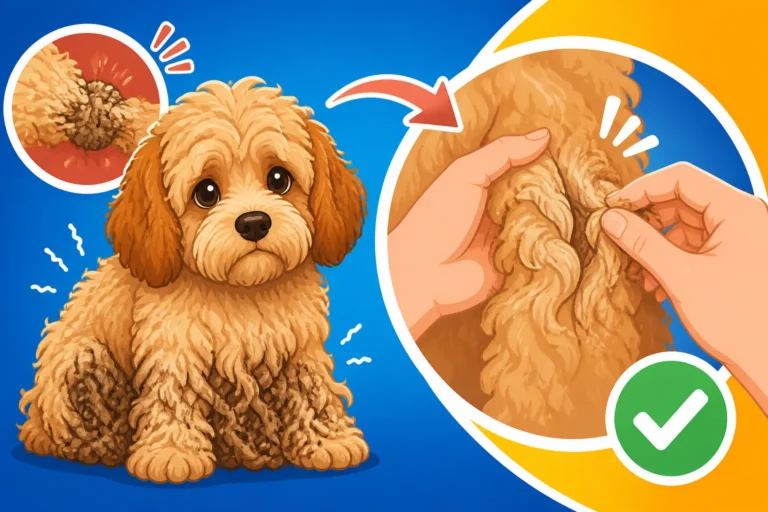
Starting around four to six months of age, and often intensifying between eight and twelve months, your Cockapoo’s fine puppy coat will begin to shed out, making way for the coarser, denser, and more mature adult coat. This isn't a sudden event, but a gradual process where the new adult hairs grow in amongst the puppy fluff. The problem? The fine puppy hair doesn't want to let go, and it intertwines with the emerging adult coat, creating an almost impenetrable felt-like mat if not brushed daily. This is the period when many owners discover the true grooming commitment of a Cockapoo. It’s a messy, tangled rite of passage that every furnished Cockapoo goes through.
If you don't prepare for this coat change, your beautiful puppy can go from fluffy darling to matted mess seemingly overnight. Many owners, still recalling the easy-care puppy coat, are caught off guard and find their dog needing a full shave-down at their first professional groomer visit. This isn’t a failure on your part, but simply a misunderstanding of this unique canine developmental stage. The eight-week-old coat feel is a distant memory once the adult coat starts to come in. The journey from A Cockapoo's Coat at Eight Weeks to A Cockapoo's Coat at Eighteen Months is a wild ride!
The Infamous "Coat Change" Period
The "coat change" is really where the rubber meets the road for Cockapoo grooming. This is the period, usually from around six months to twelve to eighteen months, where your puppy’s soft, wispy coat is replaced by the denser, often curlier or wavier adult coat. During this time, the fine puppy hair gets trapped by the coarser, newly emerging adult hair. It’s a recipe for mats, tangles, and frustration if you're not on top of it.
Imagine trying to brush through cotton candy that’s been mixed with Velcro – that’s pretty close to what it feels like. What once took five minutes to brush will now take twenty, and you'll find mats forming in places you didn't even know existed: behind the ears, under the armpits, on the belly, and around the tail. This period is the reason why many Cockapoo owners eventually opt for shorter clips. It's exhausting, but it's also temporary. Once the adult coat fully replaces the puppy coat (usually by around 18-24 months), daily matting often subsides, though regular grooming remains essential. It's worth learning about The Month a Cockapoo Starts Matting Daily to be fully prepared.
The True Nature of the Adult Coat
Once the coat change is complete, you'll finally see your Cockapoo's adult coat in its full glory. This coat will be significantly different from that eight-week-old fluff. It will be denser, often much wavier or curlier, and have a more robust feel. The texture can vary wildly, even among littermates, due to the mixed heritage of the Cocker Spaniel and Poodle.
Here’s a general idea of what to expect for adult coats, compared to their eight-week feel:
| Puppy Coat Feel (8 weeks) | Potential Adult Coat Appearance | Grooming Implications | Shedding Level (if furnished) |
|---|---|---|---|
| Very soft, straight/smooth | Wavy to loosely curled | Moderate brushing (2-3x/week) | Low |
| Soft, gentle wave | Wavy to medium curl | Frequent brushing (3-5x/week) | Low |
| Soft, slight springiness/curl | Medium to tight curl | Daily brushing, high mat risk | Very low to non-shedding |
| Smooth, short facial hair (unfurnished) | Straighter, silky (Cocker-like) | Regular brushing (3-4x/week) | Moderate to high |
The table highlights that while the puppy coat is universally soft, the eventual adult coat's texture and density dictate the real grooming commitment. A straight or wavy adult coat, while still low-shedding if furnished, will feel much different than the ultra-soft puppy fur. A tightly curled adult coat will feel denser and springier, providing excellent non-shedding qualities but demanding intense, consistent grooming. Always remember that regardless of the initial feel, consistent early grooming is key to a happy, tangle-free dog. You can find excellent gentle puppy brushes and shampoos on platforms like Chewy or Amazon to start this positive habit early.
Nurturing the Young Coat: Early Care and Grooming Prep
Understanding what your Cockapoo puppy's coat feels like at eight weeks is just the beginning. The most crucial part of this early stage isn't just observing, but actively preparing your puppy for a lifetime of grooming. Because their adult coat is guaranteed to be high-maintenance in some form, establishing a positive relationship with brushing, bathing, and handling from day one is paramount. This foundational work will save you countless headaches and potential professional grooming bills down the line.
The first few months are a golden opportunity to desensitize your puppy to all things grooming. Use soft brushes and combs, make sessions short and sweet, and always pair them with high-value treats and praise. This isn't about getting every single hair perfectly brushed, but about creating a positive association. Let them mouth the brush (gently!), praise them, and offer a treat. Gradually extend the duration and introduce different tools, like a slicker brush and a metal comb, which will become your best friends during the coat change.
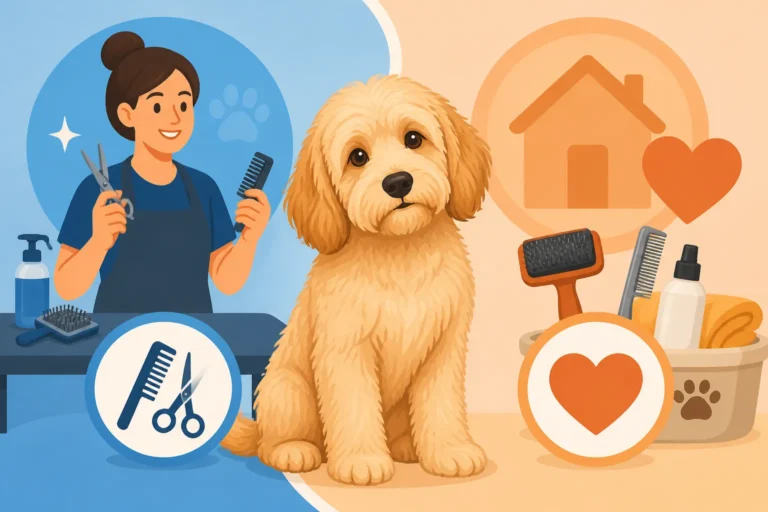
Consider starting professional grooming visits early, even just for a "puppy trim" or a bath and brush-out. A good groomer can introduce your puppy to the sounds of clippers, dryers, and the grooming table in a safe, positive way. This helps them become accustomed to the process before they develop strong opinions or anxieties. Many groomers offer special puppy packages specifically for this purpose. This proactive approach ensures that when the coat change hits, your Cockapoo isn't suddenly introduced to an overwhelming, scary experience. This early exposure can prevent your Cockapoo from becoming A Cockapoo That Will Not Sit Still to Be Combed.
Gentle Brushing and Positive Reinforcement
From the moment you bring your eight-week-old Cockapoo home, gentle brushing should become a daily ritual, even if their coat doesn't technically need it for mat prevention. The goal here is entirely about positive conditioning. Start with a very soft brush, like a rubber curry brush or a gentle pin brush. Stroke your puppy's coat in short bursts, focusing on making it a pleasant experience. Follow each stroke or two with a cheerful "Good job!" and a tiny, delicious treat.
Gradually, as your puppy becomes comfortable, you can introduce a wider range of brushes, including a slicker brush, which will be essential for tackling mats later on. Practice handling their paws, ears, and tail, gently touching them with the brush or comb. These are often sensitive areas that will require careful attention during grooming. If your puppy tries to chew the brush, calmly redirect them to a chew toy, then resume brushing. Keep sessions short – 2 to 5 minutes at first – and always end on a positive note. This early work will pay dividends when their adult coat starts to come in, as your puppy will already associate grooming with positive experiences and tasty rewards. For quality grooming tools that are puppy-friendly, check out Amazon for a wide selection.
Introducing the Grooming Tools and Environment
Beyond just brushing, it's vital to introduce your Cockapoo puppy to the sounds, sensations, and tools associated with a full groom. Let them hear the hairdryer on a low setting from a distance, gradually moving closer. Gently touch clippers (turned off) to their body, then eventually introduce the vibration of clippers (again, turned off at first, then on a low setting) to their paws and body for very brief moments, always followed by praise and treats.
Getting them used to standing on a raised surface, like a sturdy table with a non-slip mat, is also incredibly helpful. This simulates the grooming table experience and teaches them to stay still while being handled. Don't push them too far too fast. If they show signs of stress or fear, take a step back and make the next session even shorter and more positive. A relaxed, confident puppy around grooming tools makes for a much easier dog to maintain throughout their life. This is also where good nutrition, perhaps high-quality fresh food options like Ollie, can contribute to a healthy, resilient coat from the inside out, making it easier to manage overall.
What the Eight-Week Coat Doesn't Tell You
The biggest takeaway here is that while the eight-week-old coat is a wonderful thing to behold and feel, it's not a crystal ball for the future. It doesn't tell you the exact texture, curl pattern, or density of the adult coat. It won't tell you how prone to matting your specific dog will be, nor will it predict the intensity of their coat change. It's merely the first chapter in a long and fascinating story of your Cockapoo's coat journey.
What it does tell you is that your Cockapoo has inherited the potential for a low-shedding, furnished coat, assuming you see those early whisps of facial hair. And it tells you that you have a crucial window of opportunity to make grooming a positive, bonding experience before the real work begins. Embrace the puppy fluff, enjoy its fleeting softness, and use this time wisely to prepare for the magnificent, albeit demanding, adult coat that awaits.
Disclaimer
This article is for general informational purposes only and does not constitute professional advice. Laws, prices and regulations vary by location and change over time. Consult a qualified professional for guidance on your specific situation.