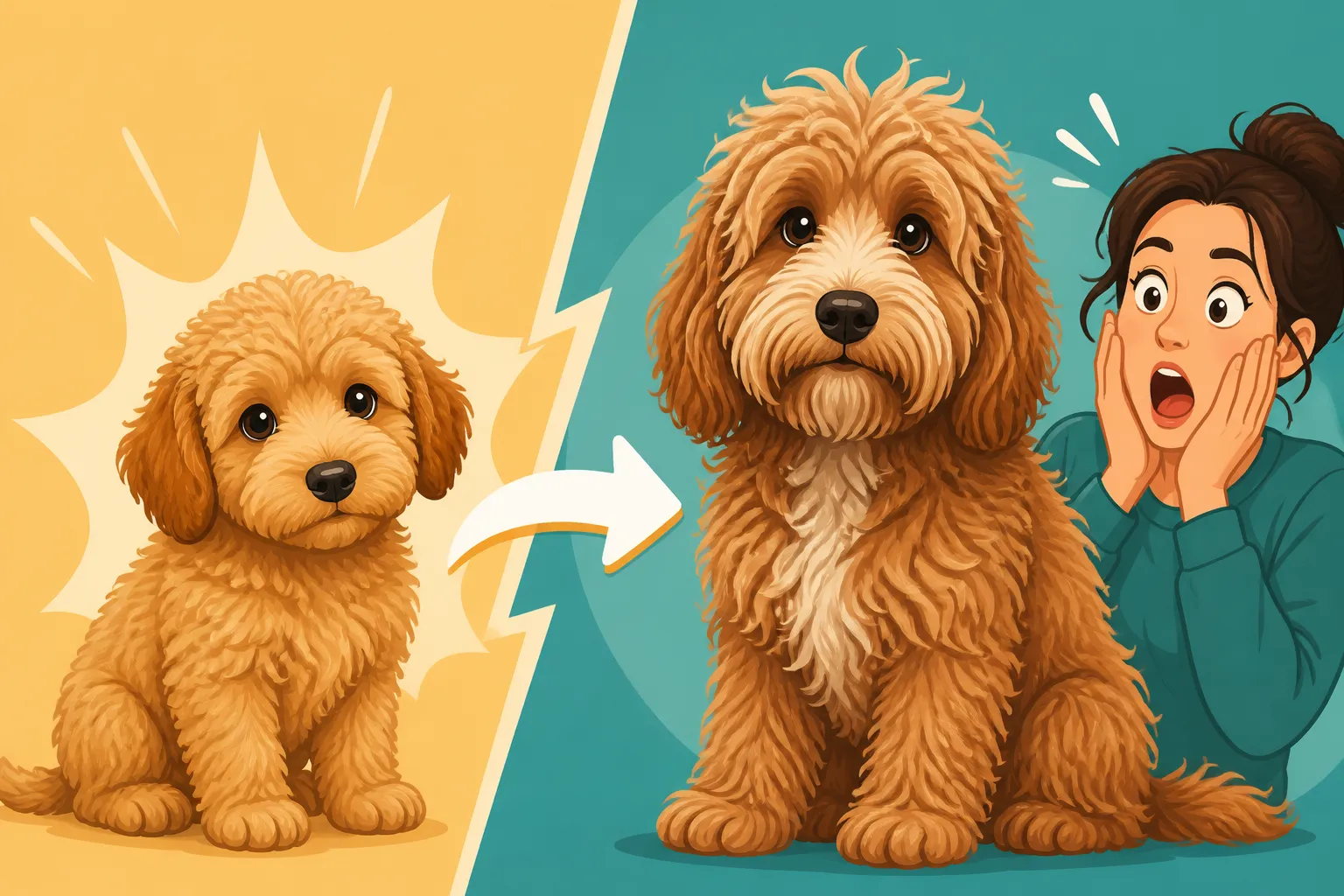
The Coat Change That Ambushes a Cockapoo Owner at Ten Months
One day you’re merrily brushing your adorable Cockapoo puppy, marveling at their soft, manageable fluff. The next, seemingly overnight, that glorious coat transforms into a magnet for tangles and mats, making every grooming session an epic struggle. This bewildering shift, often striking around ten months of age, catches so many Cockapoo owners completely off guard, turning joyful puppyhood into a knotty challenge. This guide will walk you through exactly what's happening during this frustrating coat change, why it's such a common phenomenon, and most importantly, how to navigate it with grace, the right tools, and a whole lot of patience.
Unraveling the Mystery of the Cockapoo Coat Journey
Understanding why your Cockapoo's coat is suddenly misbehaving is the first step to conquering the tangle monster. It's not just a random act of doggy defiance; it's a natural, albeit challenging, developmental stage. Think of it like a human teenager's voice breaking – a bit awkward, but utterly inevitable.
Puppy Fluff Versus Adult Furnishings
When your Cockapoo was a tiny pup, their coat was likely soft, wispy, and relatively easy to brush. This is their puppy coat, much like a baby's fine hair. It’s light, hasn't developed its full density, and often lacks the true texture that will define their adult appearance. As they approach adolescence, typically between six and eighteen months, this puppy fluff begins to shed out, making way for the much more substantial adult coat.
This adult coat is a direct inheritance from their Poodle and Cocker Spaniel parents. Poodles are known for their dense, curly, continuously growing hair, while Cocker Spaniels have a beautiful, often wavy or feathered coat with a shedding undercoat. The Cockapoo combines these traits, resulting in what's often called "furnishings" – the longer hair on their face (beard, eyebrows), legs, and body that gives them their distinct "doodle" look. These furnishings are crucial for their low-shedding quality but are also the primary culprits behind matting during the coat change. It's during this transition that the softer puppy hair gets trapped by the coarser, denser adult hair trying to grow through, forming felt-like mats close to the skin. This phase is intense and demands consistent attention.
The Genetic Dance of Hair Growth
The unique texture and growth pattern of your Cockapoo's coat are largely determined by genetics. The Poodle side of the family contributes genes that lead to continuous hair growth, which means their hair doesn't have a finite growth cycle like many shedding breeds. Instead, it just keeps growing, much like human hair. The Cocker Spaniel, on the other hand, contributes genes for a softer, often wavy or straight coat, and typically has a double coat that sheds.
The Cockapoo, being a hybrid, inherits a blend of these characteristics. Most Cockapoos inherit the "furnishings" gene (often designated as F/F or F/f in genetic testing), which is responsible for the longer facial hair and the low-shedding quality many owners seek. However, they also inherit varying degrees of the "curl" gene (KRT71) and factors influencing coat density and texture. During the coat change, the outgoing puppy coat, which is fine and prone to tangling, intertwines with the incoming, often curlier or wavier adult hair that is more robust. This creates a dense, complex matrix that loves to form mats. A Cockapoo with a more dominant Poodle curl gene will often experience a more dramatic coat change as their adult curls emerge. It's a testament to the intricate dance of inherited traits that your dog is going through. Understanding The Furnishings Gene That Decides a Cockapoo's Face and The Curl Gene and Where a Cockapoo's Coat Lands can help demystify some of these characteristics.
Anticipating the Change: Early Signs
While the "ten-month ambush" feels sudden, there are often subtle precursors that, in hindsight, might have warned you. It's not like your puppy will send you a memo, but if you know what to look for, you can start preparing. You might notice a slight change in the texture of their fur, perhaps feeling a bit thicker or less silky than before. Some owners describe it as feeling "cottony" or "woolly" to the touch.
Another early sign might be an increased incidence of small tangles, even with regular brushing. Areas like behind the ears, under the armpits, and around the collar or harness points become little knot factories. You might brush out a decent amount of fine, fluffy hair, which is actually the puppy coat making its exit. Your Cockapoo might also start to look a little "disheheveled" or "fluffy" in a new way, as the new coat pushes through. Recognizing these subtle shifts early can give you a head start in adjusting your grooming routine and preventing major matting disasters. It's a brief window, but an important one for intervention.
The Infamous Ten-Month Tangle: What Happens and Why It's So Frustrating
For many Cockapoo owners, the ten-month mark (though it can vary from six to eighteen months) is when the coat change truly kicks into high gear. This isn't just a few extra knots; it's an intense period of accelerated matting that can feel overwhelming and relentless.
The Perfect Storm for Matting
Imagine a pile of very fine, soft silk threads mixed with much stronger, curlier wool fibers. Now imagine these two types of fibers trying to detangle themselves while simultaneously growing. That's essentially what's happening on your Cockapoo. The soft, wispy puppy coat, which has served them well, is now being pushed out by the denser, often curlier or wavier adult coat. These two different textures simply don't play nicely together.
The puppy hair tends to cling to the emerging adult hair, forming incredibly tight, felt-like mats that can develop alarmingly quickly, sometimes in a matter of hours. Areas of friction – under the collar, where harnesses sit, behind the ears, in the armpits, and where they lie down frequently – are particularly prone to this. It's a perfect storm because the puppy coat wants to shed, but the developing adult coat, with its continuous growth, traps it against the skin. This is why even a Cockapoo that has been a joy to groom suddenly becomes a source of frustration, requiring double the effort for half the result.
Common Trouble Spots and Their Challenges
During this coat change, certain areas on your Cockapoo become notorious matting hotspots. Understanding these zones is critical for targeted grooming.
- Behind the Ears and Under the Chin: These spots are often overlooked, and the fine hair here combines with neck movement and collar friction to create dense mats very quickly. They're also sensitive areas, so dogs can be resistant to brushing there.
- Armpits and Groin: Again, areas of high friction and movement. When your dog walks or runs, the fur in these areas rubs together constantly, encouraging mat formation. These mats can be particularly painful as they pull on the skin.
- Legs and Paws: The longer "feathering" on the legs can easily collect debris and become matted, especially if your dog is active outdoors. The fur between the paw pads can also grow long and tight, causing discomfort.
- Base of the Tail and Hips: For Cockapoos with curlier coats, the base of the tail and the back of the hips can develop broad, flat mats where the puppy and adult coats are transitioning most intensely.
- The Back and Flanks: While less common for immediate severe matting, if the entire body coat is undergoing a dramatic change, broad sections of the back and flanks can become generally dense and prone to tangles that, if left, will quickly become significant mats.
These areas require extra diligence and a gentle touch. Ignoring them, even for a day or two, can lead to painful, skin-tight mats that may require professional intervention.
The Frustration of Feeling Like You're Failing
It’s completely normal to feel disheartened, frustrated, or even guilty during this period. You might have been diligently brushing your Cockapoo since they were a tiny pup, only to find yourself facing what feels like an insurmountable mountain of knots. Many owners report feeling like they've failed or that their dog suddenly "hates" being groomed. This is absolutely not the case!
This stage is genuinely difficult, and it's a phase that many Cockapoo owners experience. The speed at which mats form, the way they seem to appear out of nowhere, and the sheer effort required to comb them out can be exhausting. It’s important to remember that this isn't a reflection of your grooming skills (or lack thereof) but rather a unique biological process your dog is undergoing. Validation is key here – you are not alone in this struggle, and it's a recognized "ambush" for a reason. Don't let the temporary battle overshadow the joy of your Cockapoo.
Grooming Strategies for the Coat Change: Your Daily Battle Plan
Conquering the coat change means adjusting your grooming strategy from a casual once-a-week brush to a daily, meticulous routine. This isn't just about aesthetics; it's about your dog's comfort and preventing painful skin issues.
Line Brushing: The Non-Negotiable Technique
If you learn one new grooming technique during this period, make it line brushing. This isn't just running a brush over the top of the coat; it's a systematic approach to ensure you're reaching down to the skin, where mats form.
Here’s how to do it:
- Section the Coat: Start by parting your dog’s fur in a straight line, usually from the bottom up (e.g., a small section on the leg or belly). Hold the top section of hair up with one hand or a clip, exposing the skin at the root of the lower section.
- Brush from Root to Tip: With your other hand, use a good quality slicker brush (more on tools in a moment) to brush the exposed section of hair, working from the skin outwards, in small strokes. Make sure the bristles are penetrating all the way through the coat.
- Comb to Confirm: After brushing a section, follow up with a metal greyhound comb. Start by using the wide-toothed side, then switch to the fine-toothed side. If the comb glides through the section from skin to tip without snagging, you’ve successfully detangled that area. If it snags, go back with the slicker brush until it passes through smoothly.
- Work in Layers: Drop a little more hair down from the clipped section and repeat the brush-and-comb process, working your way up and around your dog’s body. This ensures no mats are left hiding underneath the top layers.
This method is time-consuming but incredibly effective. It's the only way to ensure you're removing all the trapped puppy coat and preventing mats from forming deep within the fur. Line Brushing a Cockapoo and Why the Top Coat Lies explains this in more detail.
Tackling Early Tangled Areas With Care
Even with line brushing, you’ll encounter tangles. The key is to address them immediately and gently, before they escalate into full-blown mats.
- Don't Pull: Never yank at a tangle. This will hurt your dog and make them dread grooming.
- Isolate the Tangle: Gently separate the tangled hair from the surrounding untangled hair.
- Apply Detangler: Spray a quality detangling spray specifically formulated for dogs onto the knot. Let it sit for a minute or two to help loosen the fibers. Many brands offer great detangling sprays you can find on Chewy or Amazon.
- Work from the Outside In: Using a slicker brush or a wide-toothed comb, start gently picking at the very ends of the tangle. Work your way inwards towards the skin, gradually loosening the knot. Use short, soft strokes.
- Use Your Fingers: Sometimes, your fingers are the best tools for carefully separating the matted strands, especially for very small, tight knots.
- Consider a Mat Splitter (Cautiously): For stubborn, tight mats that are too close to the skin to pick apart, a mat splitter can be used, but with extreme caution. These tools have razor blades and must be used perpendicular to the skin to avoid cutting. If you’re unsure, it’s always safer to visit a professional groomer. Remember, the goal is to save the coat, not hurt your dog.
It takes patience, but consistent, gentle detangling will keep your Cockapoo comfortable and prevent more drastic measures.
Establishing a Consistent Daily Routine
During the peak of the coat change, "daily" truly means daily. Even skipping a day can result in a new crop of mats.
- Set Aside Time: Dedicate 15-30 minutes each day, ideally at a time when your dog is relaxed (after a walk, or in the evening).
- Make it Positive: Turn grooming into a positive experience with treats and praise. Start with short sessions if your dog is resistant, gradually increasing the time.
- Focus on Trouble Spots: While you need to do a full body line brush, pay extra attention to those common trouble spots identified earlier.
- Consistency is Key: The more consistent you are, the easier it becomes. You'll prevent mats from forming, which is far less stressful than removing them.
- Puppy Grooming Table: Investing in a small, non-slip grooming table can be a game-changer. It elevates your dog to a comfortable height, saving your back, and often helps dogs to stand still better than on the floor. You can find many options for grooming tables on Amazon.
By establishing this routine, you’re not just managing a coat; you’re building trust and communication with your Cockapoo.
Essential Grooming Tools for Survival
You can’t fight a battle without the right arsenal, and the coat change requires specific tools that can handle the unique challenges of a Cockapoo’s fur. Skimping on tools will only add to your frustration.
The Power Duo: Slicker Brush and Metal Comb
These two tools are the absolute foundation of your grooming kit, especially during the coat change.
- Slicker Brush: A high-quality slicker brush is your primary weapon against tangles. Look for one with fine, angled wire pins and a comfortable handle. The pins should be firm enough to penetrate the dense coat but not so stiff that they scratch the skin. Brands like Chris Christensen or Activet are often recommended by professional groomers, and you can find various options on Chewy. The slicker brush is excellent for separating individual hairs and lifting shed puppy coat from the skin. Always use it with a light touch to avoid "brush burn."
- Metal Greyhound Comb: This is your detangling confirmation tool. A good metal comb will have teeth of varying widths – wider teeth for starting on tangles and thicker areas, and finer teeth for thorough checking. It should be sturdy, ideally stainless steel, and glide smoothly through the coat. If your comb snags, there’s still a tangle there that your slicker brush missed. This comb also helps find mats that the slicker brush might glide over the top of. The Comb That Finds Mats a Slicker Misses really highlights its importance.
You’ll use these two tools in tandem for every grooming session, with the slicker doing the heavy lifting and the comb verifying your work.
Detangling Sprays and Matting Conditioners
These products aren't just luxuries; they are vital aids in making the grooming process less painful for your dog and less frustrating for you.
- Detangling Sprays: A good detangling spray creates slip in the coat, making it easier for brushes and combs to glide through knots without pulling. It also helps to hydrate the hair, reducing static and breakage. Apply generously to matted areas and let it soak in for a few minutes before attempting to brush. Look for sprays with conditioning ingredients like aloe vera or argan oil.
- Leave-In Conditioners/Matting Sprays: Some products are specifically designed as leave-in conditioners that help prevent mats by keeping the coat moisturized and slippery. These can be sprayed on during or after brushing. For particularly stubborn mats, some groomers use heavier conditioning treatments that help break down the matting, though these are often best applied by a professional. Always choose products specifically formulated for dogs to avoid skin irritation.
Using these sprays can dramatically reduce the amount of pain and stress associated with working through tangles, turning a potential battle into a manageable task.
Scissors and Dematting Tools (Use with Extreme Caution)
While prevention is always best, sometimes you encounter a mat that simply cannot be brushed out. This is where dematting tools and scissors come into play, but they demand extreme caution.
- Safety Scissors: If you absolutely must cut a mat out, always use blunt-nosed safety scissors. Never use sharp-pointed household scissors, as one sudden movement from your dog could result in a serious injury. Always slide a metal comb between the mat and your dog's skin first to create a barrier, ensuring you are cutting only the mat and not the skin. Cut into the mat from the edge, not across it. This is a last resort.
- Dematting Rakes/Combs: These tools have serrated blades designed to cut through mats. While they can be effective, they can also strip out healthy coat and, if used incorrectly, can cause severe skin irritation or cuts. If the mat is tight against the skin, these tools are often too risky for an inexperienced hand. Whether a Matted Cockapoo Has to Be Shaved often comes down to the severity of these mats.
The general rule of thumb: if you are unsure or uncomfortable using these cutting tools, stop and call a professional groomer. They have the expertise and specialized equipment to safely remove even the most stubborn mats without harming your Cockapoo. It’s always better to pay for a professional dematting session or a shave-down than to accidentally injure your beloved pet.
Bathing and Drying During the Change: A Double-Edged Sword
Bathing your Cockapoo during their coat change can feel like a Catch-22. You want them clean, but water can tighten mats like nothing else. The wrong technique can turn a minor tangle into an impenetrable felt blanket.
The Risks of Wet Matting
Let’s be crystal clear: never bathe a matted Cockapoo. Water causes hair to shrink and tighten, and when applied to tangled fur, it acts like a shrink-wrap, pulling the hairs closer together and cementing the mats even more firmly against the skin. What might have been a brushable tangle before a bath can become a solid, painful pelt afterward. This is often how a groomer ends up telling an owner that their dog needs to be completely shaved.
If your Cockapoo has mats, you must brush and comb them out completely before they get wet. If you can't get them out, then a professional groomer is needed. They may recommend a "dematting" session or, if the mats are too severe or painful, a "comfort clip" (a full shave-down). It's a hard truth, but a wet mat is a permanent, painful problem that only gets worse.
Gentle Washing Techniques
Once your Cockapoo is completely tangle-free, you can proceed with a bath. But even then, careful technique is essential to prevent new mats from forming.
- Pre-Brush Thoroughly: As mentioned, ensure every single mat and tangle is removed before water touches the coat.
- Use a Diluted Shampoo: Dilute your dog shampoo (specifically formulated for dogs, preferably a conditioning one) with water in a separate bottle. This helps the shampoo distribute evenly and rinse out thoroughly.
- Apply Gently: Don't scrub the coat vigorously. Instead, gently squeeze the diluted shampoo into the coat, working downwards, not in circles, which can cause tangles. Focus on cleaning the skin underneath.
- Rinse, Rinse, Rinse: Rinse the coat meticulously. Any shampoo residue left behind can irritate the skin and also make the coat feel sticky, attracting dirt and new tangles. Again, rinse downwards, ensuring all suds are gone.
- Apply Conditioner: Follow with a good quality dog conditioner. This is critical for adding moisture and slip back into the coat, making it easier to comb through after drying. Leave it on for a few minutes as directed, then rinse thoroughly.
Remember, the goal is to cleanse without creating new problems. Gentle application and thorough rinsing are your best friends.
The Importance of Thorough Drying and Brushing
Drying is just as important as washing, and arguably more critical for preventing mats post-bath. Air-drying a Cockapoo during coat change is an invitation to matting disaster.
- Towel Dry Gently: After the bath, gently squeeze excess water from the coat with a towel. Don't rub vigorously, as this can create tangles.
- Use a Forced Air Dryer (Preferably): If you have access to a forced-air pet dryer (like a MetroVac Air Force Commander, available on Amazon or Chewy), this is ideal. These dryers use high-velocity, cool air to blast water out of the coat without heat, which can damage hair and skin. They also help straighten the coat, making it easier to brush.
- Blow Dry and Brush Simultaneously: If using a regular human hairdryer (on a cool or low-heat setting only, held far from the skin!), you must brush simultaneously. Work in small sections, just like line brushing. As you dry each section, use your slicker brush to comb through it, ensuring no tangles are allowed to form as the hair dries. This is crucial: the hair needs to be dried and brushed straight to prevent it from tangling as it shrinks.
- Comb to Confirm Dryness: Once you think your dog is dry, use your metal comb. If the comb still picks up any dampness or resistance, keep drying and brushing. Any residual dampness, especially at the roots, can lead to mold, mildew, and skin irritation, and is a prime breeding ground for mats.
This meticulous drying process prevents the coat from tangling as it dries, which is a common cause of post-bath matting. It’s an extra step, but one that saves countless hours of painful detangling later.
Nutritional Support for a Healthy Coat
While external grooming is paramount, what goes into your Cockapoo's body also plays a significant role in the health and manageability of their coat. A well-nourished dog often has a healthier skin barrier and coat, making it more resilient and less prone to issues.
The Link Between Diet and Coat Condition
Think of your dog's coat as a reflection of their internal health. A diet rich in high-quality protein, essential fatty acids, and vitamins can contribute to a strong, lustrous coat and healthy skin. Conversely, a diet lacking in these crucial nutrients can result in a dull, brittle coat, dry skin, and excessive shedding, which can exacerbate matting problems.
During the coat change, your Cockapoo's body is working hard to produce new hair. Providing optimal nutrition supports this demanding process. A healthy coat is stronger, less prone to breakage, and has better natural oils, which can give it a little more "slip" and make it somewhat easier to brush. It won't eliminate mats during the coat change, but it can make the hair more robust and less prone to clinging. This is often why a consistent, balanced diet from a reputable brand or a fresh food delivery service like Ollie is so beneficial for overall health, including skin and coat.
Essential Nutrients for Skin and Coat Health
Focusing on specific nutrients can help support your Cockapoo's coat during this challenging phase.
- High-Quality Protein: Hair is primarily made of protein, so a diet with sufficient, digestible protein sources (like chicken, beef, fish, or lamb) is fundamental for strong, healthy hair growth.
- Omega-3 and Omega-6 Fatty Acids: These are crucial for skin health and a shiny coat. Omega-3s (found in fish oil, flaxseed, krill oil) are anti-inflammatory and support a healthy skin barrier. Omega-6s (found in poultry fat, vegetable oils) also contribute to skin and coat health. A good balance of these is vital. Many quality dog foods include these, or you can add a supplement. Whether Omega Oils Help a Cockapoo's Coat is a common question, and the answer is usually a resounding yes.
- Vitamins and Minerals: Biotin, zinc, and vitamins A and E are particularly important for skin and hair. Biotin supports keratin production (the main protein in hair), zinc is essential for cell growth and immune function, and vitamins A and E are antioxidants that protect skin cells.
Ensuring your dog’s food provides these nutrients in adequate amounts is a proactive step towards a healthier, more manageable coat. If you're concerned about your current food, consult your veterinarian for advice on dietary supplements or a change in diet.
Considering Supplements and Hydration
Sometimes, even with a good diet, a little extra boost can help.
- Fish Oil Supplements: Adding a daily fish oil supplement (specifically formulated for dogs) can significantly boost Omega-3 intake, improving skin hydration and coat luster. Always consult your vet for the correct dosage based on your dog's weight.
- Probiotics: A healthy gut often translates to healthy skin and coat. Probiotic supplements can help maintain a balanced digestive system, which in turn supports overall health, including the skin barrier.
- Adequate Hydration: Just like humans, dogs need plenty of fresh water to maintain cellular health, including skin and hair cells. Ensure your Cockapoo always has access to clean, fresh water. Dehydrated skin can lead to a dry, flaky scalp and a brittle coat, which can worsen matting.
While diet and supplements won't magically eliminate the coat change, they can provide the best possible foundation for a healthy, resilient coat, making your grooming efforts more effective and your Cockapoo more comfortable. Whether Diet Changes a Cockapoo's Coat Condition is definitely a topic worth exploring.
When to Seek Professional Help: Knowing Your Limits
Despite your best efforts, the coat change can sometimes overwhelm even the most diligent owner. There's absolutely no shame in reaching out to a professional groomer for assistance. In fact, it's often the smartest and kindest thing you can do for your Cockapoo.
Recognizing When Mats are Beyond Home Care
It's easy to underestimate how quickly a small tangle can become a painful, skin-tight mat. Here are clear signs that a mat is beyond what you should attempt to remove at home:
- Skin-Tight Mats: If you can't get your comb or fingers between the mat and your dog's skin, it's too tight. Trying to brush these out will cause significant pain and could tear your dog's skin.
- Large, Felted Areas: Mats that cover a large area, especially on the body, or feel like a solid piece of felt, are extremely difficult and often impossible to remove without causing pain.
- Pain Response: If your Cockapoo yelps, growls, snaps, or recoils aggressively when you touch a mat, it's already causing them discomfort. Pushing through this will damage your bond and could lead to them becoming groomer-aggressive.
- Hidden Mats: Mats can hide deep within the thick coat, especially if you're not consistently line brushing. A professional groomer has the experience to find these hidden culprits.
Attempting to "tough it out" with severe mats can lead to skin infections, hot spots, and extreme discomfort for your dog. What a Groomer Charges by the Hour to Demat a Cockapoo might seem like a lot, but it's worth it for your dog's comfort and your peace of mind.
The Role of a Professional Groomer
Professional groomers are equipped with specialized tools, techniques, and experience to handle even the most severe matting safely and efficiently.
- Safe Dematting: For less severe mats, a groomer can often carefully work them out using professional detangling products and techniques that are gentler and more effective than what's available for home use. They know how to minimize pain and stress.
- The "Comfort Clip": If the matting is too extensive or tight, the groomer will likely recommend a full shave-down, often called a "comfort clip." While seeing your fluffy Cockapoo shaved short can be startling, it's the most humane option for a severely matted dog. It removes all the painful mats, allows the skin to breathe, and provides a fresh start for coat regrowth. They can also discuss What a Teddy Bear Clip Looks Like on a Cockapoo for future maintenance.
- Early Intervention: Establishing a relationship with a professional groomer early on, even during puppyhood, is invaluable. They can offer advice, demonstrate proper techniques, and catch potential matting problems before they become severe. Regular professional grooming appointments every 4-8 weeks, even after the coat change, are often recommended for Cockapoos.
Don't view a professional groomer as a failure on your part, but rather as an essential partner in your Cockapoo's well-being. They're there to help, not to judge.
Recognizing Health Issues Related to Matting
Severe matting isn't just uncomfortable; it can lead to serious health problems that might require veterinary attention.
- Skin Infections: Mats prevent air circulation to the skin, trapping moisture and creating a warm, damp environment perfect for bacterial or fungal infections. This can lead to itchy, inflamed, and painful skin.
- Hot Spots: These are acute moist dermatitis lesions that can develop rapidly under mats, often caused by your dog licking or scratching due to irritation. They are painful, oozing sores that require immediate veterinary treatment.
- Parasite Infestations: Fleas, ticks, and other parasites can hide unseen within dense mats, making them difficult to detect and treat, and leading to severe infestations.
- Restricted Movement: In extreme cases, mats can be so tight and extensive that they restrict your dog's movement, affecting their gait and potentially causing muscle strain or joint pain.
If you notice any redness, swelling, oozing, foul odor, or excessive licking/scratching beneath a matted area, consult your veterinarian immediately. A professional groomer will often spot these issues too and advise you to see a vet. The health implications of severe matting are another critical reason to address the coat change head-on and seek help when needed.
Long-Term Coat Care Beyond the Change
The good news is that the intense, daily battle of the coat change usually subsides once your Cockapoo's adult coat is fully established, typically by eighteen months to two years of age. However, "subsides" doesn't mean "disappears." Cockapoos, with their Poodle lineage, still require consistent, diligent grooming throughout their lives.
Establishing a Sustainable Adult Grooming Routine
Once the coat change is complete, you can usually scale back from daily marathon sessions to a more manageable schedule, but consistency remains paramount.
- Regular Brushing: Most Cockapoos will require brushing at least 3-4 times a week to prevent mats. If your dog has a very curly or dense coat, or if they are particularly active outdoors, daily brushing might still be necessary. The goal is to keep up with any shed hair and prevent tangles from forming.
- Focus on Problem Areas: Even after the coat change, areas like behind the ears, armpits, and under the collar will remain prime real estate for tangles. Always give these spots extra attention during your regular brushing sessions.
- Full Line Brush Occasionally: While daily line brushing might no longer be needed, performing a thorough head-to-tail line brush with your slicker and comb once a week or every other week is a good practice to ensure no hidden mats are forming.
- Adjust to Coat Type: Remember that The Three Cockapoo Coat Types and Their Upkeep – straight, wavy, and curly – will all have slightly different maintenance needs. A very curly Cockapoo will always require more diligent brushing than one with a flatter, wavier coat.
A consistent routine helps maintain a healthy, tangle-free coat and reinforces the positive association your dog has with grooming time.
The Benefits of Regular Professional Grooming
Even if you’re a master home groomer, regular visits to a professional groomer offer benefits that are hard to replicate at home.
- Deep Cleaning and Conditioning: Professional groomers have access to industrial-strength bathing equipment and high-quality products that ensure a deeper clean and better conditioning than most home setups.
- Expert Trimming and Styling: They can provide breed-appropriate trims, maintain the length you desire, and expertly trim sensitive areas like paws, face, and sanitary regions. Whether you prefer a short "puppy cut" or a longer "teddy bear clip," they can achieve it consistently. What a Puppy Cut Looks Like on a Cockapoo is a popular choice for easy maintenance.
- Early Detection of Issues: Groomers are often the first to spot skin issues, ear infections (Whether the Poodle Ear Canal Helps a Cockapoo), lumps, or other health concerns because they are handling and examining your dog's entire body closely.
- Nail Trims and Ear Cleaning: They take care of essential maintenance like nail clipping and ear cleaning, which can be tricky for owners to do effectively or safely at home.
Most Cockapoo owners find that professional grooming every 6-8 weeks, combined with diligent home brushing, is the ideal schedule for maintaining their dog's coat and overall well-being.
Embracing the Beauty of a Well-Maintained Cockapoo Coat
The Cockapoo coat, for all its challenges, is part of what makes these dogs so endearing. Their soft, often curly or wavy texture is unique and beautiful. By understanding the coat change and committing to a consistent grooming routine, you're not just preventing mats; you're nurturing their health and showcasing their inherent charm.
Think of it as an ongoing commitment, not a temporary struggle. The patience and effort you invest in grooming will pay off in a happy, healthy, and incredibly cuddly companion. And trust me, when you have a freshly bathed, perfectly brushed Cockapoo snuggled on your lap, all those past struggles with mats will feel a little less daunting. The relationship you build through consistent care is truly priceless.
Disclaimer
This article is for general informational purposes only and does not constitute professional advice. Laws, prices and regulations vary by location and change over time. Consult a qualified professional for guidance on your specific situation.