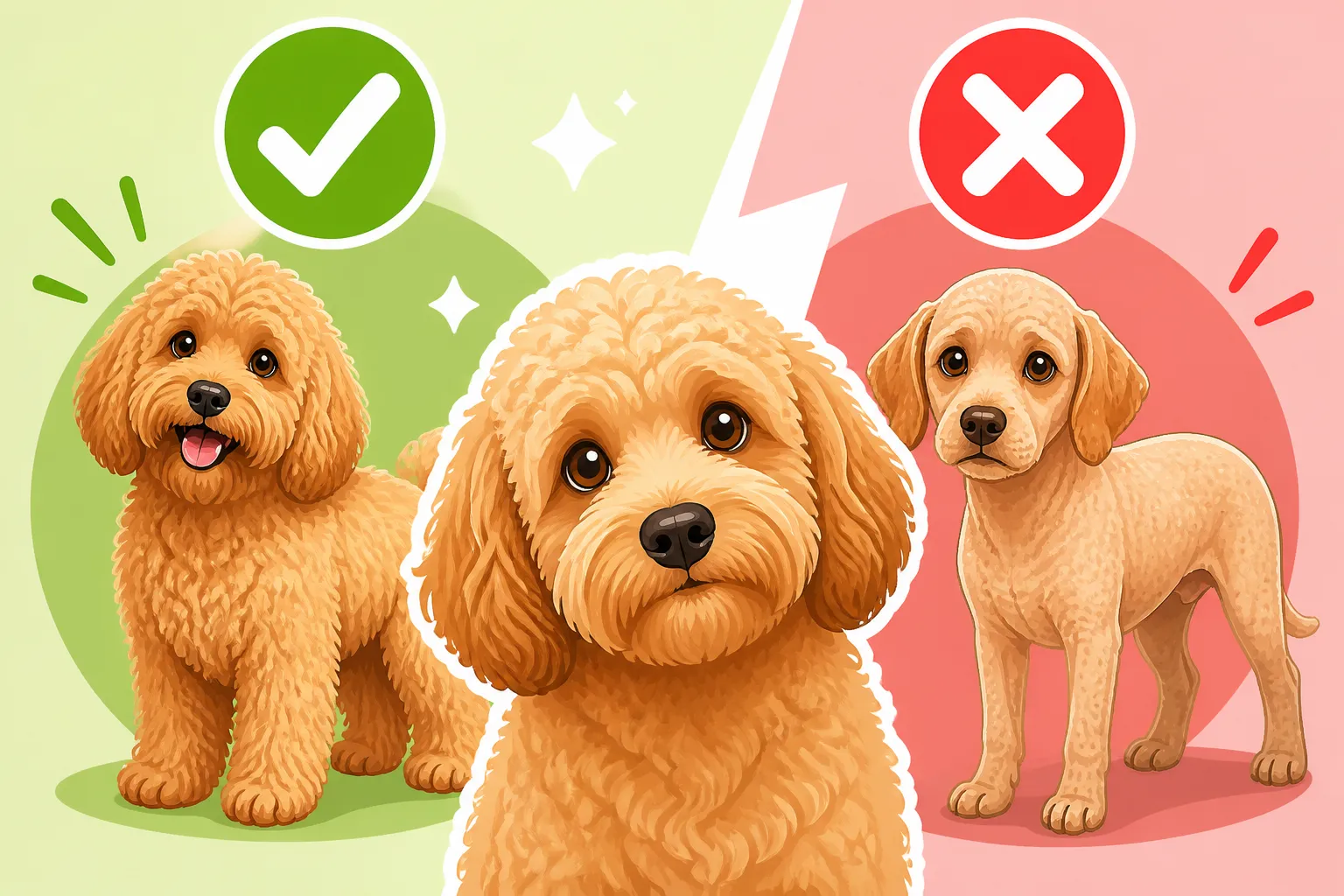
Whether Shaving Ruins a Cockapoo’s Coat
It's a common fear among Cockapoo parents: you take your beloved furball to the groomer, maybe for a necessary shave down due to matting or just to cope with summer heat, and you leave wondering if you've permanently "ruined" that beautiful, flowing coat. That soft, wavy, or curly fluff is a big part of what we love about our Cockapoos, and the thought of it coming back wrong can be genuinely distressing. This guide is here to walk you through what actually happens when a Cockapoo's coat is shaved, why it might look different afterward, and how to manage and care for it, easing those worries about irreversible damage.
Understanding Your Cockapoo's Unique Coat
Before we dive into the effects of shaving, it’s really helpful to understand what makes a Cockapoo's coat so special—and sometimes, so challenging! This mixed heritage gives them a unique blend of traits that directly impact how their fur behaves, whether it's kept long or cut short.
The Furnishings and Curl Genes
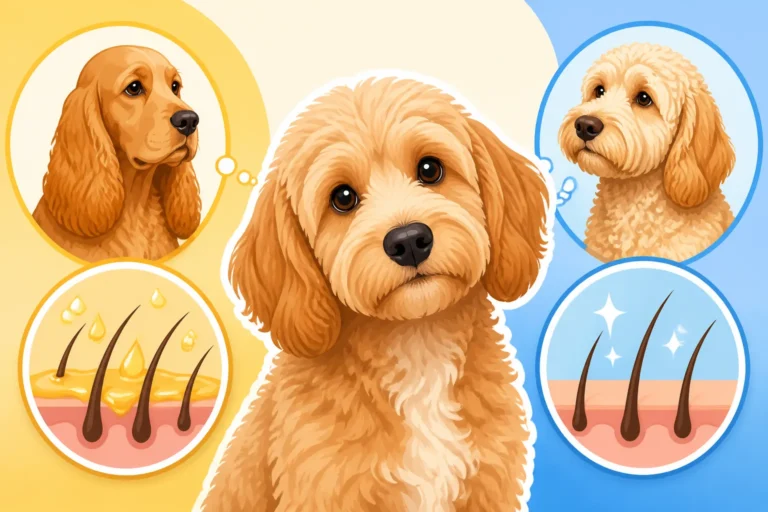
Your Cockapoo's coat is a fascinating blend, largely determined by genetic factors inherited from both their Cocker Spaniel and Poodle parents. The "furnishings" gene, often represented as F/f in genetic testing, is responsible for that adorable bearded, mustachioed look and longer facial hair that many Doodles possess. Without it, a Cockapoo might have a "flat" or "improper" coat, looking more like a smooth-faced Cocker Spaniel. This gene is crucial because it often correlates with the low-shedding quality many people seek. You can learn more about this by reading The Furnishings Gene That Decides a Cockapoo's Face.
Beyond furnishings, the "curl" gene (KRT71) dictates just how wavy or curly your Cockapoo's coat will be. Some Cockapoos inherit a straight coat, some a wavy one, and others that tight, spiraling curl of a Poodle. Each of these textures handles matting and grooming differently. A dog with a very curly coat might mat more easily, while a straight-coated Cockapoo might shed more. This complexity is why you'll see a wide variety of coats, all under the "Cockapoo" umbrella, and why The Curl Gene and Where a Cockapoo's Coat Lands is so important to understand.
The Matting Nightmare
One of the most common frustrations for Cockapoo owners is matting. The combination of fine, soft Poodle hair with the denser, often coarser Cocker Spaniel coat creates a perfect storm for tangles. This is especially true during specific developmental stages, like The Coat Change That Ambushes a Cockapoo Owner at Ten Months. At this age, a puppy coat transitions to an adult coat, and the old hair gets trapped in the new, creating dense knots right down to the skin.
Mats aren't just an aesthetic problem; they can be incredibly painful for your dog. They pull on the skin, restrict movement, and can even hide skin infections, parasites, or injuries. When mats become severe, they form a solid pelt, making it impossible to brush or comb through without causing immense discomfort. In these situations, attempting to "demat" can be torturous for the dog and often leads to skin irritation or bruising. This is often when a groomer will recommend a full shave down, even if it's not what an owner initially hoped for.
The "Ruined Coat" Phenomenon Explained
So, the big question: can shaving truly ruin a Cockapoo's coat? This concern comes from a very real observation that sometimes, after a close shave, the coat grows back looking and feeling different. It's often described as cottony, duller, or even patchy. Let's break down why this happens and what's really going on with your dog's fur.
What Actually Happens to the Hair
When we talk about a dog's coat, especially one with a Poodle-like texture, we're often dealing with a "single coat" or a coat that, while sometimes dense, doesn't have a distinct, shedding undercoat in the same way a Labrador or German Shepherd does. However, many Cockapoos, particularly those with a wavy or mixed texture, can have a softer, finer undercoat combined with a slightly coarser top coat.
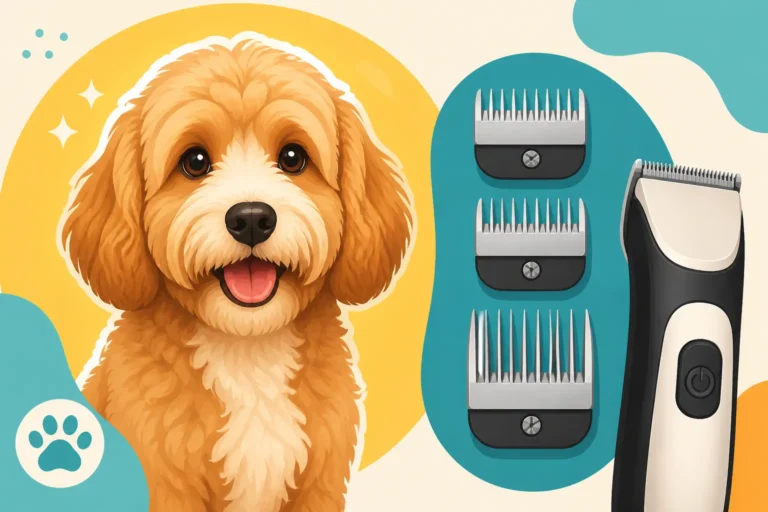
The "ruined coat" effect isn't usually about permanent damage to the hair follicles themselves, which are the structures under the skin that produce hair. Instead, it’s about what happens when the entire hair shaft is cut short, especially with clippers.
- Uneven Growth Cycles: Hair grows in cycles. When a coat is shaved, all the hair is cut to the same length at once, regardless of its individual growth stage. As it grows back, some follicles might be in a different growth phase than others, leading to a temporarily uneven or patchy appearance.
- Texture Alteration: This is the most common complaint. When the longer, typically stronger, outer guard hairs are cut, the softer, often fuzzier undercoat is exposed and starts to grow. This can result in a coat that feels softer, more cotton-like, and less silky than before. It might also appear less vibrant because the softer hairs don't reflect light in the same way as the original top coat. For some Cockapoos, particularly those with a very tight curl, the shaved hair can actually grow back thicker or even more tightly curled, sometimes creating a 'velcro' texture that is prone to even faster matting. This isn't damage, but a change in the dominant texture due to the removal of the longer hair.
- "Clipper Alopecia": In some rare cases, particularly with certain breeds or individuals, shaving can trigger a condition called post-clipping alopecia, where hair regrowth is severely delayed or fails to return to its original state. While less common in Cockapoos, it's a possibility, especially if the dog has an underlying hormonal imbalance or skin issue that is exacerbated by the trauma of shaving. However, for most healthy Cockapoos, the hair will grow back.
The Psychological vs. Physical Impact
Often, the feeling that a Cockapoo's coat is "ruined" is more about our expectations and preferences than actual physical damage. We love the fluffy, soft, non-shedding qualities that drew us to the breed. When that look changes, it can be disappointing.
Physically, the coat itself is not inherently "damaged" in most cases. The follicles are still producing hair. It's just that the new growth might take on a different aesthetic. Think of it like cutting a really curly head of human hair very short – it might spring up differently or have a different texture than when it was long. It's still hair, and it's still healthy, but it's not the same look. This shift can be jarring, especially if you loved the way your Cockapoo looked before the shave. It just requires a bit of patience and consistent grooming to guide the coat back to a desirable appearance, if that's what you wish for.
Here’s a quick comparison of what to expect when cutting your Cockapoo's coat:
| Aspect | Regular Trimming (longer clips) | Close Shave (down to the skin) |
|---|---|---|
| Initial Appearance | Maintains general coat type and length. | Drastic change, very short hair, skin may be visible. |
| Texture Change | Minimal to none, preserves existing texture. | Potential for softer, more cottony, or even coarser regrowth. |
| Regrowth Rate | Consistent, maintains overall look as it lengthens. | Can appear patchy or uneven initially due to differing hair cycles. |
| Shedding Impact | No significant change to shedding characteristics. | No change to shedding genes, but loose hair is less noticeable. |
| Matting Risk | Reduced with regular brushing, but still possible with neglect. | Eliminated temporarily, but returns as coat grows if not managed. |
| Skin Exposure | Minimal, coat provides natural protection. | Increased exposure to sun and elements; requires more vigilance. |
When Shaving Might Be Necessary
While the idea of shaving can be daunting, there are certainly times when it’s not just a good idea, but essential for your Cockapoo's health and well-being. Knowing these situations can help you make an informed decision without feeling guilty.
Severe Matting
This is, by far, the most common reason a Cockapoo needs to be shaved down. If your dog has developed tight, painful mats that have formed a solid "pelt" against their skin, trying to brush them out is not only ineffective but incredibly cruel. A groomer will almost always recommend a full shave in such cases. The priority is always your dog's comfort and health over aesthetics. Whether a Matted Cockapoo Has to Be Shaved delves deeper into why this is often the only humane option. Imagine having your hair constantly pulled tight from your scalp—that's what a matted coat feels like. Shaving allows their skin to breathe, relieves discomfort, and lets a fresh, healthy coat grow in.
Skin Issues and Medical Reasons
Sometimes, a clean slate is required for medical treatment. If your Cockapoo develops severe skin allergies, hot spots, or fungal infections, shaving the affected area, or even the whole body, can be necessary. It allows topical medications to reach the skin directly, promotes airflow to help dry out moist lesions, and makes it easier for you and your vet to monitor healing. Similarly, if your Cockapoo needs surgery, parts of their body will be shaved to ensure a sterile field. In these instances, the temporary change in coat is a small price to pay for proper healing and recovery.
Lifestyle and Comfort
Let's be realistic: not every Cockapoo owner has the time or desire for hours of daily grooming that a long, flowing coat demands. For some, a short, practical clip is simply a better fit for their lifestyle. If you're an active family who spends a lot of time outdoors, hiking, swimming, or playing in the dirt, a shorter coat can be much easier to maintain, preventing burrs, mud, and debris from getting tangled.
Moreover, in hot climates, a shorter clip can genuinely make your dog more comfortable. While a dog's coat does offer some insulation, a thick, long coat can still feel heavy and hot. A trim that allows for better air circulation without exposing the skin to sunburn can be beneficial. It's about finding the balance between their natural coat's protective qualities and their comfort in their environment.
Caring for a Shaved or Short-Coated Cockapoo
So, you've made the decision to shave your Cockapoo, or perhaps it was a necessary step. What now? The good news is that the coat will grow back, and with a little care, you can help it return beautifully.
Post-Shave Care and Regrowth
After a shave, your Cockapoo's skin might be a little sensitive, or they might feel a bit vulnerable without their full coat. It's important to protect them, especially from the elements.
- Sun Protection: Their skin, particularly if it's lighter in color, will be more exposed to the sun. Consider a lightweight dog shirt or sunscreen formulated for pets if they'll be spending extended time outdoors. You can find options on platforms like Chewy or Amazon.
- Temperature Regulation: In cooler weather, they might get chilled more easily. A cozy sweater or jacket can help keep them warm. In hot weather, ensure they have plenty of shade and water, as their ability to regulate temperature might be slightly altered initially.
- Moisture and Skin Health: A good quality, moisturizing shampoo and conditioner during baths can help keep their skin healthy as the new hair emerges. Look for products designed for sensitive skin or to promote healthy coat growth.
- Patience: The most important thing is patience. The coat won't grow back overnight, and it might take several months for it to reach a length and texture you recognize. Don't stress if it looks a little "fuzzy" or uneven at first; that's just part of the regrowth process. The actual time it takes can depend on individual genetics, but it's often a journey that runs for How Long a Cockapoo's Coat Change Runs well past the initial shave.
Preventing Future Matting with Short Cuts
Even a short-clipped Cockapoo isn't entirely immune to matting, though the risk is significantly reduced. Regular maintenance is still key to keeping their coat healthy and tangle-free as it grows out.
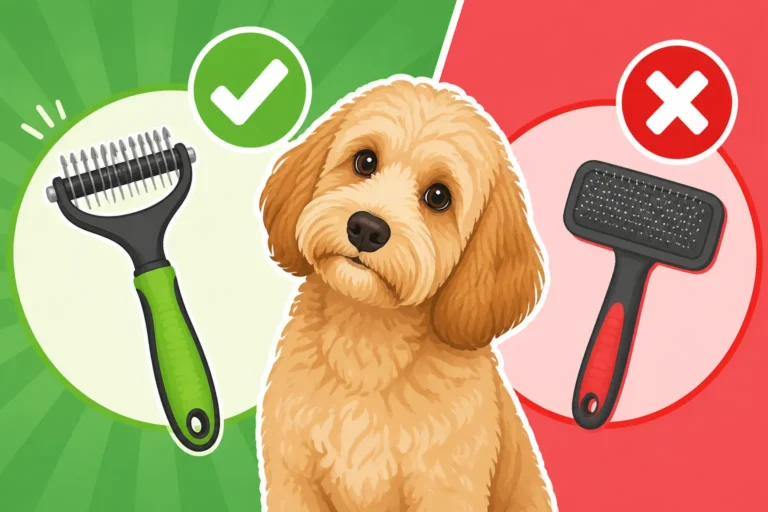
- Consistent Brushing: Even when short, a weekly (or bi-weekly) brush-through with a slicker brush and a good metal comb, like those you can easily order from Amazon, is essential. This helps remove loose hairs and prevents small tangles from escalating into full-blown mats. Pay special attention to areas prone to matting: behind the ears, armpits, groin, and where harnesses rub. Using The Comb That Finds Mats a Slicker Misses can be a game-changer for catching hidden knots.
- Regular Grooming Appointments: While you might have shaved down, sticking to a regular grooming schedule (every 6-8 weeks for a short coat) will ensure the groomer can maintain a healthy length and prevent new matting. They can also keep up with trims around the eyes, paw pads, and sanitary areas. Ask your groomer about a "puppy cut" or "teddy bear clip" which keeps the coat relatively short but still maintains that adorable Cockapoo fluff. You can also explore options like What a Puppy Cut Looks Like on a Cockapoo for inspiration.
- Proper Bathing and Drying: When bathing at home, make sure to thoroughly brush out any tangles before the bath. Shampooing a matted dog will only tighten the mats. Always rinse thoroughly and completely dry your Cockapoo, brushing as you go. Damp coats are more prone to matting.
Embracing the New Look
Ultimately, your Cockapoo's comfort and health are paramount. While a change in coat appearance can be a surprise, it's truly just hair. It will grow back, and with consistent care, you can guide it back to a beautiful, manageable state. Many owners discover that a shorter, easier-to-maintain coat actually suits their lifestyle better, and their dog is happier and more comfortable for it.
Instead of thinking of it as "ruined," consider it a fresh start. You have a clean canvas to manage the coat moving forward, perhaps opting for What a Teddy Bear Clip Looks Like on a Cockapoo or another short style. It's an opportunity to establish new grooming routines that work for both you and your furry companion, ensuring they stay happy, healthy, and tangle-free.
Disclaimer
This article is for general informational purposes only and does not constitute professional advice. Laws, prices and regulations vary by location and change over time. Consult a qualified professional for guidance on your specific situation.