Whether a Cockapoo Should Be Kept in a Short Clip
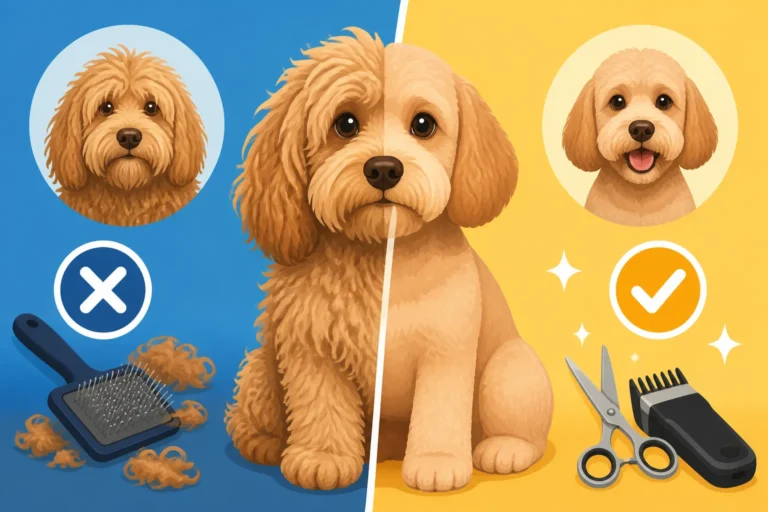
For many Cockapoo parents, the sheer beauty of their dog's fluffy, teddy-bear coat is a huge part of the appeal. However, that luscious coat can also be a source of immense frustration, often leading to a constant battle against mats and tangles. If you’ve found yourself contemplating whether a shorter clip is the secret to a happier, healthier Cockapoo and a less stressed owner, you’re definitely not alone. This comprehensive guide will explore the ins and outs of keeping your Cockapoo in a short clip, helping you weigh the pros and cons to make the best decision for your furry family member.
Understanding Your Cockapoo's Unique Coat
Before we even consider taking clippers to that beautiful coat, it’s really important to understand what makes a Cockapoo's fur so unique – and often, so challenging. This isn't just one type of coat; it's a fascinating blend of two very different parent breeds.
The Genetic Tapestry: Cocker Meets Poodle
Your Cockapoo is a wonderful genetic mash-up of a Cocker Spaniel and a Poodle. Both breeds bring distinct coat characteristics to the table, and how those genes combine in your individual dog determines what kind of fur you're dealing with. Cocker Spaniels, whether American or English, typically have a flowing, silky coat that sheds. Poodles, on the other hand, are known for their dense, curly, low-shedding coats. The magic—and sometimes the madness—of the Cockapoo lies in this blend.
The presence of the "furnishings" gene is a huge player here. This gene is responsible for the longer hair on the face (the beard and eyebrows) that gives many doodles their characteristic look and contributes to the low-shedding quality. Without these furnishings, a Cockapoo can have what's called an "improper coat," meaning they might look more like a Cocker Spaniel, shedding more and having a less dense, less curly texture. Understanding these genetic possibilities helps explain why no two Cockapoos are exactly alike, and why your neighbor's Cockapoo might have a completely different grooming routine than yours. This genetic lottery means you really have to look at your individual dog. The Curl Gene and Where a Cockapoo's Coat Lands delves deeper into how this impacts their fur.
The Three Main Cockapoo Coat Types
Because of this genetic diversity, Cockapoos generally fall into one of three main coat categories, each with its own set of grooming demands:
-
The Straight or Flat Coat: This type tends to resemble the Cocker Spaniel more closely. It's often softer, silkier, and lays flatter against the body. While beautiful, these coats typically shed more than the curlier varieties, which can come as a surprise to owners expecting a "non-shedding" doodle. They may not mat as easily as wavy or curly coats, but they still require regular brushing to keep them free of tangles and to distribute natural oils. Owners with this coat type might still opt for a short clip, not for matting prevention, but for overall tidiness and easier bathing.
-
The Wavy Coat: This is arguably the most common and often desired Cockapoo coat, offering that lovely shaggy, "teddy bear" look. It's a delightful blend of both parent breeds, with a soft, flowing wave. While it’s considered low-shedding, don't be fooled – it absolutely requires significant grooming. This coat type is a magnet for mats, especially behind the ears, in the armpits, and on the legs, where friction and movement are constant. Regular, thorough brushing is non-negotiable to prevent painful tangles from forming. A short clip can dramatically reduce the daily brushing demands for a wavy-coated Cockapoo, making life much easier for both dog and owner. The Three Cockapoo Coat Types and Their Upkeep offers more insight into managing this popular coat.
-
The Tight Curly Coat: Resembling the Poodle more, this coat is dense, wiry, and tightly curled. It is generally the least shedding of the three, making it a good choice for people with allergies. However, what it lacks in shedding, it makes up for in matting potential. The tight curls can easily lock together, forming dense mats that pull on the skin and can be incredibly painful. This coat type demands the most rigorous grooming routine, often requiring daily line brushing to reach down to the skin. For these Cockapoos, a short clip is often a practical necessity, transforming a time-consuming daily chore into a much more manageable routine of weekly brushing and less frequent professional trims.
The Short Clip: Benefits and Considerations
Deciding to keep your Cockapoo in a short clip is a big step, often influenced by lifestyle, convenience, and your dog's comfort. Let's explore what you stand to gain and what you might need to consider.
The Liberating Advantages of a Shorter Cut
There are some truly compelling reasons why a short clip becomes the preferred style for many Cockapoo owners:
-
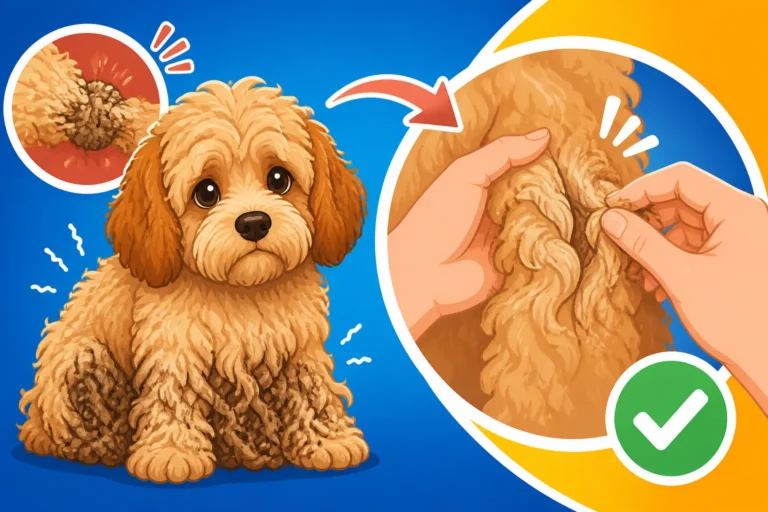
Reduced Matting: This is, hands down, the number one benefit for most. Long Cockapoo coats, especially the wavy and curly ones, are notorious mat magnets. Mats aren't just unsightly; they can be incredibly painful, pulling on your dog's skin, restricting movement, and even leading to skin infections if moisture and bacteria get trapped underneath. A shorter coat drastically reduces the surface area for mats to form, turning daily wrestling matches with a brush into a quick, pleasant pat-down. For busy families or those who prefer not to spend hours brushing, a short clip is a game-changer. It means less stress for both you and your pup, and fewer emergency trips to the groomer for painful dematting sessions, or worse, full shave-downs. Whether a Matted Cockapoo Has to Be Shaved explains the seriousness of severe matting.
-
Enhanced Comfort, Especially in Warmer Climates: Imagine wearing a heavy winter coat all summer long. That's essentially what a long, thick coat can feel like for a dog in hot weather. A short clip allows for much better air circulation, helping your Cockapoo regulate their body temperature more effectively. This is particularly beneficial for active dogs who love to play outdoors, or for those living in regions with long, hot summers. They'll be more comfortable, less prone to overheating, and generally have more stamina for their favorite activities. Many owners find their dogs are simply happier and more energetic when freed from the weight and warmth of a long coat during the hotter months. Whether a Curly Cockapoo Struggles in Summer delves into this concern specifically.
-
Improved Hygiene and Cleanliness: Long coats tend to pick up everything! Mud, burrs, leaves, dust, and even less pleasant things like bathroom messes can get tangled in long fur. A short clip makes keeping your Cockapoo clean much easier. Dirt and debris are less likely to stick, and when they do, they're much simpler to brush or wipe away. This means fewer full baths, which is a win for everyone involved. For dogs prone to "dingleberries" or collecting grime around their private areas, a sanitary trim as part of a short clip can significantly improve hygiene and prevent irritation.
-
Easier Detection of Skin Issues and Parasites: With a shorter coat, it’s much simpler to visually inspect your dog's skin. Rashes, hot spots, lumps, bumps, flea dirt, or ticks become much more apparent, allowing for earlier detection and treatment. This proactive approach to skin health can save you from bigger problems down the line, as hidden issues under a long coat can quickly escalate. For dogs with chronic skin conditions, a short clip can be part of their management, making it easier to apply topical treatments and keep the affected areas clean and dry.
Potential Drawbacks and What to Watch For
While the benefits are clear, it's also important to be aware of the potential downsides of a short clip. It's not always a perfect solution for every dog or every owner.
-
The "Loss" of the Signature Doodle Look: For many, the fluffy, teddy-bear aesthetic is a huge part of the Cockapoo's charm. Opting for a short clip means sacrificing some of that characteristic floof. While a skilled groomer can still create a cute, well-shaped short cut, it won't have the same voluminous appearance. Some owners genuinely miss that look, and it's a valid emotional consideration. Remember, hair grows back, but it's important to set realistic expectations for the visual change. It might even feel like you have a "different" dog for a little while! Whether a Cockapoo's Coat Grows Back the Same discusses how coat texture might change after shaving.
-
Reduced Protection from Elements: A longer coat provides natural insulation against both cold and heat, as well as a physical barrier against sun, wind, and minor abrasions. A very short clip can diminish this natural protection. In colder weather, a short-haired Cockapoo might need a sweater or coat to stay warm during outdoor excursions. In intense sun, they could be more susceptible to sunburn, especially on areas with lighter pigmentation or sparse hair. While a short clip helps with heat regulation, it doesn't mean your dog is impervious to extreme temperatures, and appropriate precautions are still necessary.
-
Risk of Clipper Burn or Skin Irritation: While professional groomers are trained to minimize this, any time clippers are used close to the skin, there's a slight risk of clipper burn or irritation, especially on sensitive skin. This is more common if the blades are dull, if the skin is wrinkled, or if the dog is particularly fidgety. Dogs with pre-existing skin conditions, such as allergies or dry skin, might be more prone to irritation after a very close clip. It's crucial to ensure your groomer uses sharp blades and takes precautions to protect your dog's skin. You can find specialized soothing shampoos and balms on sites like Chewy that can help mitigate any post-groom sensitivity. Whether a Cockapoo's Skin Is Greasy Like a Cocker's can be a factor here.
-
Not a "Set It and Forget It" Solution: While a short clip significantly reduces the intensity of grooming, it doesn't eliminate it entirely. Your Cockapoo's hair will still grow, meaning regular trips to the groomer will still be necessary to maintain the desired length. You'll also still need to do some at-home brushing to prevent any minor tangles, especially as the coat starts to grow out, and to keep the skin healthy. Think of it as reducing maintenance from "daily intense" to "weekly manageable," rather than "no maintenance at all." The commitment to regular upkeep, even for a short coat, remains essential.
Deciding on the Right Length for Your Cockapoo
Choosing the ideal coat length for your Cockapoo is a decision that involves more than just aesthetics. It's about balancing practical considerations with your dog's comfort and well-being.
Lifestyle, Climate, and Your Dog's Activity Level
Your daily life and your dog's routine are huge factors in determining if a short clip is right.
-
Your Lifestyle and Time Commitment: Let's be honest with ourselves here. How much time are you truly willing to dedicate to grooming each week? If your life is hectic, you travel frequently, or you simply prefer not to spend hours brushing, a short clip is a practical, realistic choice. It allows you to enjoy your dog without the constant stress of impending mats. For an owner who works full-time, a short clip can be a lifesaver, ensuring the dog stays comfortable and clean without needing excessive daily attention. This decision often comes down to prioritizing quality time with your dog over maintaining a specific long-haired look.
-
Local Climate and Seasonal Changes: Consider where you live. Do you experience long, hot, humid summers? A short clip will undoubtedly make your Cockapoo more comfortable during these months, helping to prevent heatstroke and making outdoor exercise safer. Conversely, if you live in a region with harsh, cold winters, a very short clip might necessitate investing in dog sweaters or coats to keep your pup warm during walks. You might even consider a slightly longer clip in winter and a shorter one for summer. The goal is to ensure your Cockapoo is comfortable year-round, adapting their coat length to the seasons.
-
Your Dog's Activity Level and Outdoor Habits: Does your Cockapoo love romping through fields, swimming in lakes, or exploring dense brush? Long coats are magnets for burrs, stickers, and mud. A short clip means less time painstakingly picking out debris after every adventure and a quicker clean-up. If your dog is a water lover, a shorter coat dries much faster, reducing the risk of skin irritation or "hot spots" caused by prolonged dampness. A dog that is constantly active outdoors will simply be more comfortable and hygienic with a shorter, more practical cut.
Consulting Your Professional Groomer
Your groomer is your most valuable resource in this decision-making process. They are hands-on with hundreds of different coats and understand what works and what doesn't.
-
Leveraging Their Expertise: Don't hesitate to have an open conversation with your professional groomer. They can assess your Cockapoo's specific coat type, density, and growth patterns, offering tailored advice. They'll be able to tell you if your dog's coat is particularly prone to matting, or if their skin seems sensitive. They can also recommend an appropriate blade length that achieves a short, manageable look without going too close to the skin, which might cause discomfort. A good groomer understands the nuances of doodle coats far better than most owners.
-
Discussing Skin Health and Sensitivities: If your Cockapoo has known skin allergies, hot spots, or other dermatological issues, your groomer can help you choose a short clip that accommodates these conditions. Sometimes, a slightly longer guard comb attachment can be used to leave just enough hair to protect sensitive skin while still achieving a very manageable length. They can also recommend medicated shampoos or conditioning treatments that work well with a shorter cut to keep the skin healthy. For dogs with chronic itching, a shorter coat can make applying soothing creams or sprays much easier. Whether a Cockapoo Itches From the Cocker Side is a common concern that can be managed better with a shorter coat.
-
Finding a Groomer Who Understands Doodles: Not all groomers are equally experienced with doodle coats. It's vital to find one who understands the unique challenges and styling options for Cockapoos. Look for a groomer who uses high-quality equipment, is patient with your dog, and can execute the short clip you envision while prioritizing your dog's comfort. They should be able to explain different blade lengths and their effects. Ask to see examples of their work or discuss their approach to different doodle coat types. A good groomer will also be upfront about the time commitment involved for various styles. For example, a curly Cockapoo could take How Many Minutes a Curly Cockapoo Takes for a full groom, even if kept short.
Maintaining a Short Clip for Optimal Health
While a short clip is definitely lower maintenance than a long one, it's not a "set it and forget it" situation. Regular attention is still key to keeping your Cockapoo comfortable and looking their best.
Essential At-Home Care for a Shorter Coat
Even with a short clip, consistent at-home care makes a huge difference in your Cockapoo's overall coat and skin health.
-
Regular Brushing (Even When Short): It might seem counterintuitive to brush a short coat, but it's still beneficial. Weekly brushing, perhaps with a soft slicker brush or a rubber curry brush, helps to remove loose hair, stimulate blood flow to the skin, and distribute natural oils. This prevents minor tangles from forming as the hair grows out, keeps the coat looking tidy, and can even reduce static. It's also a great bonding experience for you and your dog. You can find a good selection of brushes and combs specifically designed for dog coats on Chewy or Amazon.
-
Routine Bathing with Appropriate Products: The frequency of bathing will depend on your Cockapoo's activity level and coat type, but generally, a short coat might need a bath every 3-6 weeks. Use a high-quality dog shampoo and conditioner that are appropriate for your dog's skin type. If your Cockapoo has sensitive skin, look for hypoallergenic or soothing formulas. Always rinse thoroughly to prevent residue build-up, which can lead to itching. For example, if your Cockapoo tends towards an oily coat (a trait that can come from the Cocker side), your groomer might recommend a specific degreasing shampoo. Ollie, with its focus on fresh, healthy ingredients, might also play a role here; a well-nourished dog often has healthier skin and coat, making all grooming tasks easier.
-
Ear Cleaning and Nail Trims: These essential grooming tasks are crucial regardless of coat length. Cockapoos, with their floppy ears, are prone to ear infections, so regular cleaning is vital. Check their ears weekly for redness, odor, or discharge, and clean them gently with a vet-approved ear cleaner. Nail trims are equally important to prevent discomfort, pain, and issues with gait. Aim to trim nails every 3-4 weeks, or as needed, ensuring they don't click on the floor when your dog walks. These small but consistent efforts go a long way in preventing bigger problems.
Professional Grooming Schedules for Short Clips
While you're doing more at home, professional grooming still plays a key role in maintaining a consistent, healthy short clip.
-
Consistent Maintenance Trims: Even a short clip needs to be maintained by a professional groomer every 6 to 10 weeks, depending on how quickly your Cockapoo's hair grows and how short you prefer to keep it. This regular schedule prevents the coat from growing out unevenly, becoming shaggy, or starting to mat again. Consistency is key here; waiting too long between appointments can make the groomer's job harder and more expensive, as they may have to deal with more tangles or unruly growth.
-
The Benefits of a Professional Finish: A professional groomer has the tools and expertise to give your Cockapoo a clean, even, and aesthetically pleasing short clip. They can handle tricky areas like the face, paws, and sanitary regions with precision. They also have high-velocity dryers that ensure the coat is thoroughly dry, which is important for preventing skin issues, even with short hair. Their experience allows them to spot potential skin problems or changes in coat condition that you might miss.
-
Communicating Your Preferences Clearly: Always be clear with your groomer about the desired length and style for your short clip. Use specific measurements (e.g., "1/2 inch all over with a longer face," or "use a #7 blade") if you know them, or bring photos of what you like. Discuss any concerns you have, such as sensitive spots or areas prone to matting. A good groomer will listen to your preferences and offer their professional advice to achieve a look that's both practical and cute for your Cockapoo.
Dealing with Matting and Emergency Shaving
Sometimes, despite best intentions, life happens, and a Cockapoo's coat can become severely matted.
-
When a Short Clip Becomes a Necessity: If you've inherited a rescue Cockapoo with a heavily matted coat, or if your own dog's coat has gotten away from you due to illness, injury, or simply an overwhelming coat change period, a complete shave-down to the skin might be the only humane option. It's a tough decision for owners who love that fluffy look, but trying to demat a severely felted coat is excruciatingly painful for the dog and often impossible without causing severe skin irritation. In these cases, a short clip isn't just a style choice; it's a welfare decision. Whether a Matted Cockapoo Has to Be Shaved explains this difficult scenario in detail.
-
The Process of Shaving a Matted Dog: When a dog is severely matted, a groomer will typically use a very short blade to get underneath the mats, shaving the entire coat down to the skin. This can reveal skin irritations, redness, or even sores that were hidden beneath the mats. The coat might grow back slightly differently in texture or color after such a drastic shave, as discussed in Whether a Cockapoo's Coat Grows Back the Same. It's a fresh start, albeit a dramatic one. The groomer will also carefully check for skin damage and advise you on post-shave care.
-
Prevention and Moving Forward: After an emergency shave, many owners realize the profound relief a shorter coat brings to their dog. It's an opportunity to commit to a more manageable grooming routine. The key is to start fresh and maintain that shorter length consistently. This might mean more frequent professional grooming appointments initially, or a renewed commitment to at-home brushing and bathing. Think of it as a chance to redefine your Cockapoo's grooming strategy for a happier, healthier future, ensuring that severe matting never becomes a problem again.
| Factor | Long, Fluffy Coat | Short Clip (e.g., 1/2 inch to 1 inch) |
|---|---|---|
| Aesthetic Appeal | Classic "doodle" teddy-bear look, soft and voluminous | Tidy, sporty, clean-cut; less shaggy but still adorable |
| Grooming Effort (Owner) | Daily, thorough line-brushing often required (30-60 min/day depending on coat) | Weekly brushing for maintenance (10-20 min/week), minimal matting risk |
| Professional Grooming Frequency | Every 4-6 weeks for trims, de-shedding, and shaping | Every 6-10 weeks for maintenance and tidying up |
| Matting Risk | Very High, especially in friction areas (ears, armpits, tail, legs) and during coat change | Low, but not entirely eliminated, especially if neglected or if growth is allowed to get long |
| Comfort in Heat | Can be warm, higher risk of overheating with vigorous exercise | Cooler, better air circulation, generally more comfortable in warm weather |
| Cleanliness & Hygiene | Prone to collecting dirt, burrs, leaves; can trap moisture and messes around sanitary areas | Easier to keep clean, less debris accumulation; better hygiene around sanitary areas |
| Skin Health Monitoring | Difficult to spot skin issues, rashes, or parasites | Easier to visually inspect skin for abnormalities, lumps, or signs of irritation |
| Drying Time after Bath | Long, can take hours, requires thorough blow-drying to prevent matting | Significantly shorter, dries quickly, reducing risk of skin issues related to dampness |
Disclaimer
This article is for general informational purposes only and does not constitute professional advice. Laws, prices and regulations vary by location and change over time. Consult a qualified professional for guidance on your specific situation.