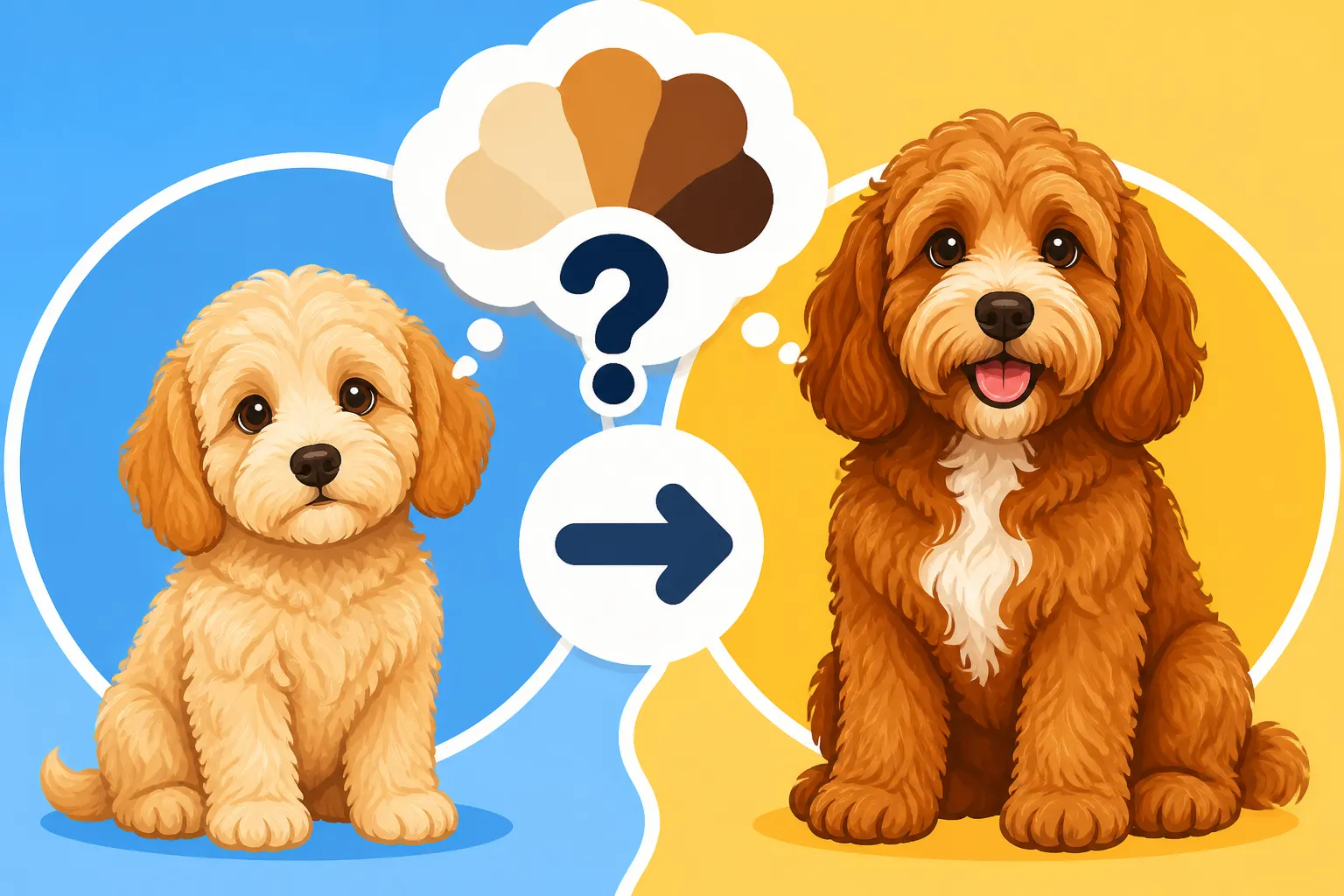
Whether a Cockapoo’s Adult Coat Comes In a Different Color
It's a common and completely understandable experience for Cockapoo owners to look at their adorable puppy, fall in love with its vibrant coat color, and then, a few months or a year down the line, wonder if they've somehow switched dogs! The truth is, many Cockapoos go through a noticeable coat color transformation as they mature, often leaving owners scratching their heads. This guide will delve into why these color shifts happen, what you might expect, and how to embrace your Cockapoo's evolving, beautiful appearance.
The Puppy Coat Illusion: Why Colors Seem to Change
That soft, fluffy puppy coat you fell in love with is rarely the final iteration of your Cockapoo's glorious fur. Just like human babies often change eye or hair color as they grow, puppies undergo significant developmental changes, and their coats are no exception. It's not magic, but a fascinating blend of genetics, environmental factors, and simple maturation.
Fading Genes and Sun Exposure
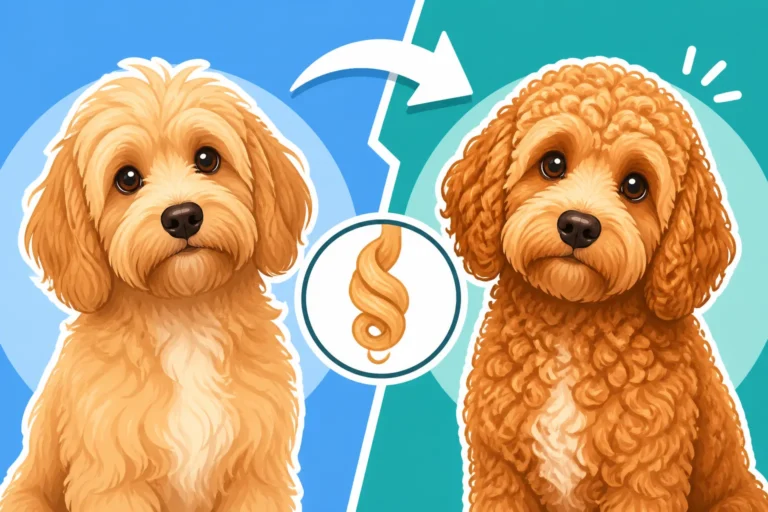
One of the biggest drivers of coat color change, especially in Cockapoos, comes from their Poodle heritage: the fading gene. Poodles are notorious for "fading" or "clearing" their coat colors as they age. A jet-black Poodle puppy might mature into a sparkling silver or even a light blue, while a dark chocolate can become café au lait. This isn't a defect; it's a genetic trait. Since a Cockapoo is half Poodle, they very often inherit this tendency. So, that rich black Cockapoo puppy you have might surprise you by becoming a gorgeous blue or silver as an adult. The same goes for chocolates, which can lighten considerably.
Beyond genetics, a very practical factor comes into play: the sun. Just like our hair can get natural highlights from spending time outdoors, your Cockapoo's coat can lighten with sun exposure. A dog that spends a lot of time playing in the yard or going for long walks might find its dark tips subtly bleached by the sun. This is particularly noticeable on the outer layers of the coat and can give the impression of a lighter overall color, especially if the dog has a wavy or curly coat where the outer strands catch more light.
The "Puppy Fluff" vs. Adult Coat Texture
Think of a puppy's coat like a downy, baby-soft blanket. It's often finer, less dense, and has a different texture than the adult coat that eventually grows in. As your Cockapoo matures, typically starting around 6-10 months, their adult coat begins to replace that puppy fluff. This is often when owners notice The Coat Change That Ambushes a Cockapoo Owner at Ten Months. The adult coat is generally thicker, coarser, and can be more dense, especially if your Cockapoo leans towards the Poodle side with its curl.
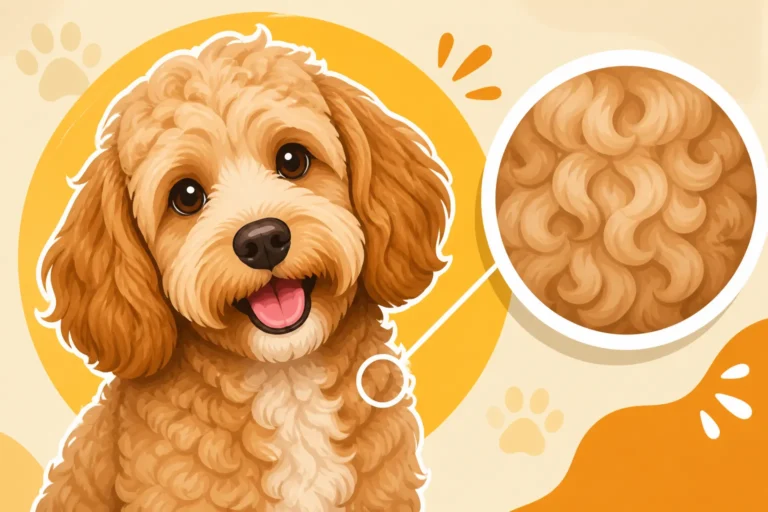
This change in texture can dramatically affect how light interacts with the fur, making the color appear different even if the underlying pigment hasn't completely shifted. A fine, sparse puppy coat might seem lighter because the skin shows through more, while a dense adult coat can look richer and deeper simply due to its thickness. It’s a bit like comparing a sheer curtain to a velvet one—the color might be the same, but the visual impact is completely different. The way the adult coat lies, whether it's wavy or tightly curled, also plays a role. A tightly curled coat can appear darker as less light penetrates the dense spirals. What the Curl Gene Does in a Cockapoo determines a lot about this texture.
Pigment Development Over Time
It's easy to assume a puppy's color is set in stone at birth, but pigment development is an ongoing process. Some colors, like sable or phantom patterns, are present but very subtle in a young puppy and become much more pronounced as they grow. The darker guard hairs might not be fully pigmented, or the underlying lighter base coat might not be fully revealed until the puppy coat sheds.
Consider a parti-colored Cockapoo, for example—one with distinct patches of color on a white background. As a young puppy, those patches might seem a bit muted or less defined. As the dog matures, the contrast can become sharper, and the colored patches might even expand slightly as the coat thickens and fully develops its pigment. It's a gradual unfolding, rather than an instant switch, and it's a testament to the dynamic nature of canine genetics.
Common Coat Color Transitions in Cockapoos
So, what are some of the most common ways a Cockapoo's coat might change? There's a wide spectrum, influenced by which genes from their Cocker Spaniel and Poodle parents dominate, but certain patterns emerge frequently. Understanding these can help manage expectations and appreciate the unique journey of your own Cockapoo's appearance.
The Great Fade: From Dark to Light
This is perhaps the most talked-about coat change in Poodle-crosses. Many Cockapoo puppies born with striking dark coats—deep blacks, rich chocolates, and vibrant reds—will experience some degree of fading.
- Black to Silver/Blue/Grey: A truly black Cockapoo puppy (not one that is secretly blue or silver at birth) can, thanks to the Poodle fading gene, transform into a stunning silver, blue, or charcoal grey. This fading often starts around the face and paws, gradually spreading across the body. It’s a beautiful transition, resulting in a sophisticated look. Whether a Black Cockapoo Silvers delves deeper into this particular change.
- Chocolate to Café au Lait/Lavender: Similarly, a deep, rich chocolate puppy can lighten to a soft, milky café au lait or even a unique lavender shade. This is less common than the black fade, but it does happen. The original richness often softens into a warm, lighter brown.
- Red to Apricot/Cream: Red Cockapoos are incredibly popular for their fiery hue, but many owners are surprised when their vibrant red puppy mellows into a beautiful apricot or even a lighter cream. The intensity of the red pigment can diminish significantly over time. Whether a Red Cockapoo Bleaches Out is a common concern among owners hoping for that deep, lasting color. This fading is often less about sun exposure and more about the underlying Poodle genetics for dilution.
It's important to remember that this "fade" is a natural process for many Cockapoos and doesn't indicate poor health or a lesser quality coat. It’s simply how their genetic tapestry unfolds.
The Deepening Hue: From Light to Richer Tones
While fading is common, some Cockapoos actually go the other way, developing richer, deeper colors as they mature. This is particularly true for certain patterns or lighter shades.
- Apricot/Cream to Red/Darker Apricot: Some very light apricot or cream puppies can actually deepen in color, gaining more red pigment as they age. What might start as a pale, almost white apricot can mature into a warm, golden apricot or even a soft red. This is often a slower, more subtle change than the dramatic fades seen in darker coats.
- Roan and Ticking Emergence: From the Cocker Spaniel side, some Cockapoos carry genes for roaning or ticking. These patterns are characterized by colored hairs mixed in with white areas (roan) or small, distinct colored spots (ticking) on a white base. These can be almost invisible on a newborn puppy, emerging only as the dog matures. A seemingly white puppy with a few black spots might develop an intricate roan pattern, or white areas on a parti-colored dog might begin to show ticking. It’s a beautiful reveal that adds complexity to the coat.
Patches and Patterns: The Emergence of Markings
Certain coat patterns are like hidden messages, slowly revealing themselves as the puppy coat gives way to the adult fur.
- Sable Definition: Sable coats feature hairs that are lighter at the base and tipped with black. On a puppy, this might look like an overall brownish or reddish coat with some dark shading. As the adult coat grows in, the sable pattern can become much more defined, with clearer distinctions between the lighter base and the darker tips. The contrast often becomes sharper, giving the dog a striking, multi-dimensional appearance.
- Phantom Pattern Clarity: The phantom pattern, which includes specific markings on the muzzle, chest, legs, and under the tail (similar to a Doberman's markings), can be very subtle on a young puppy. The defining tan or cream points might be faint against a dark body. As the puppy matures, these markings often become much clearer and more vibrant, truly distinguishing the What a Phantom Cockapoo Looks Like. This is a particularly exciting transformation for owners of phantom-patterned Cockapoos.
- Parti-Color Development: Parti-colored Cockapoos, with their delightful patches of color on a white background, can also see their patterns evolve. While the main patches are usually evident early on, their edges might become crisper, and the intensity of the color within the patches can deepen. Occasionally, smaller, previously unnoticed spots might emerge, adding to their unique charm. How Common a Parti Cockapoo Is in Cockapoos, and their development is always a joy to watch.
Managing Expectations and Enjoying the Transformation
It's completely normal to have expectations about your Cockapoo's appearance, especially when you first bring them home. However, understanding that coat color is a dynamic, evolving trait can help you appreciate the journey and avoid disappointment. Your Cockapoo's personality, health, and companionship are what truly matter, but their coat's evolution is certainly a fun part of their unique story.
Understanding Genetic Inheritance (and its unpredictability)
The world of canine coat genetics is incredibly complex, even for purebred dogs, and it becomes even more intricate with a hybrid like the Cockapoo. While breeders can use DNA testing to identify certain coat color genes in parent dogs, like those for fading or curl type, predicting the exact shade and how it will evolve in a puppy is still often more art than science. For instance, knowing a parent carries the fading gene is one thing, but knowing how much a puppy will fade or when is another entirely.
Even with meticulous breeding, there can be delightful surprises. Two parents that carry certain genes might produce a litter with a wider array of colors and patterns than anticipated, especially in early generations like F1 Cockapoos where the genetic mix is still quite diverse. Whether an F1 Cockapoo's Coat Is a Coin Flip for coat type and color is a very real consideration. It’s a good idea to talk extensively with your breeder about the coat colors of previous litters from the same parents, and even the grandparents, to get a better idea of potential outcomes. But even then, nature loves its little mysteries!
Documenting the Journey: Photos and Grooming
One of the best ways to truly appreciate your Cockapoo's coat evolution is to document it! Take regular photos—once a month, or even more frequently during the intense "coat change" phase. You'll be amazed when you look back at photos of your puppy from six months ago and see how much their color and texture have shifted. It’s a wonderful way to track their growth and transformation.
Grooming also plays a significant role in how your Cockapoo's color is perceived. A well-groomed coat, free of mats and dead undercoat, will often appear more vibrant and true to color. Regular brushing and professional grooming can remove dull, faded hairs and allow the richer, healthier new growth to shine through. The length of the clip can also impact perceived color. A very short "puppy cut" might make the coat appear lighter or more uniform, while allowing the hair to grow longer might bring out more depth or subtle variations in shade. For example, line brushing is crucial for maintaining coat health and color depth, preventing mats that can dull the coat's appearance. Line Brushing a Cockapoo and Why the Top Coat Lies is a technique every owner should master.
Embracing Your Cockapoo's Unique Look
Ultimately, a Cockapoo's coat color is just one aspect of their charm. Whether your jet-black puppy turns silver, your fiery red mellows to apricot, or your parti-color gains new definition, what truly matters is the loving, playful companion beneath that fur. Every Cockapoo is unique, and their changing coat color is just another facet of their individuality.
Embrace the transformation! It’s a conversation starter, a testament to their genetic heritage, and a beautiful way to mark the passage of time. Your dog is still the same beloved family member, regardless of whether their adult coat comes in a slightly different color than you expected. Celebrate their evolving beauty, because they'll love you unconditionally, no matter what color your hair is! After all, the health and vibrancy of their coat matter more than the exact shade.
Factors Influencing Coat Color and Condition
Beyond genetics, several external and internal factors can subtly—or not so subtly—influence your Cockapoo's coat color and its overall health. Paying attention to these elements can help ensure your dog's coat remains as beautiful and healthy as possible, even through its changes.
Nutrition and Supplements
What goes into your Cockapoo's bowl has a direct impact on the quality and vibrancy of their coat. A diet rich in high-quality protein, essential fatty acids, vitamins, and minerals is crucial for healthy skin and hair. Think of it like a foundation: without proper nutrition, the coat can become dull, brittle, and even prone to premature fading or color changes that aren't purely genetic.
Many premium dog food brands, whether you're shopping on Chewy or exploring fresh food options like Ollie, formulate their diets to support skin and coat health. Look for ingredients such as:
- Omega-3 and Omega-6 Fatty Acids: These are vital for a shiny, healthy coat and supple skin. Fish oil is a common source.
- Biotin and Zinc: These minerals play a key role in hair growth and pigment production.
- Antioxidants: Vitamins A, C, and E help protect cells from damage, which can contribute to overall coat health and even prevent some environmental fading.
If your Cockapoo's coat seems dull or its color is fading in an unhealthy way, consulting with your veterinarian about diet adjustments or targeted supplements could be beneficial. Remember, proper nutrition supports Skin and Coat Disease in a Cockapoo prevention as well.
Environmental Factors
As briefly mentioned before, the environment your Cockapoo lives in can certainly affect their coat color.
- Sun Exposure: Prolonged exposure to sunlight can bleach the outer layers of a Cockapoo's coat, making darker colors appear lighter or red tones look more "bleached out." If you have a dark-colored Cockapoo and want to preserve its deep hue, consider using dog-safe sun protective gear during long outdoor adventures or limiting their time in direct, intense sunlight.
- Chemicals and Products: Be mindful of the grooming products you use. Harsh shampoos, dyes, or even certain topical flea and tick treatments can potentially alter coat color or cause irritation. Always opt for high-quality, dog-specific products, many of which are readily available on platforms like Amazon. Regular bathing with a good shampoo and conditioner can help maintain the coat's natural luster.
- Swimming: If your Cockapoo loves to swim, especially in chlorinated pools or salty ocean water, this can also impact coat health and appearance. Chlorine can dry out and even subtly discolor fur over time. Always rinse your dog thoroughly with fresh water after a swim to remove any chemicals or salt, and follow up with a moisturizing conditioner.
Health and Age
Your Cockapoo's overall health and age also play a significant role in their coat's appearance.
- Underlying Health Conditions: Certain medical conditions, such as thyroid imbalances, nutritional deficiencies, or autoimmune diseases, can manifest in a dull, brittle, or discolored coat. If you notice a sudden, drastic change in your Cockapoo's coat color or texture, accompanied by other symptoms, it's always best to consult your vet. Hypothyroidism in a Middle Aged Cockapoo is one such condition that can affect coat quality.
- Aging: As Cockapoos age, just like humans, they often start to "grey." This is particularly noticeable around the muzzle, eyes, and sometimes across the body. A black Cockapoo might develop more silver hairs, while a chocolate might get more white flecks. This natural process is a charming sign of their wisdom and experience. Whether a Cockapoo's Color Fades With Age definitely applies in the context of natural aging. It's a testament to the long, happy life they've lived by your side. What Changes in a Cockapoo After Ten often includes these graceful silvering patterns.
Here's a quick overview of common Cockapoo puppy-to-adult coat color transitions:
| Puppy Coat Color | Common Adult Transition (Potential) | Driving Factors |
|---|---|---|
| Jet Black | Silver, Blue, Charcoal Grey | Poodle fading gene, Sun exposure |
| Dark Chocolate | Café au Lait, Lavender | Poodle fading gene |
| Rich Red | Apricot, Cream, Faded Red | Poodle fading gene, Sun exposure |
| Light Apricot/Cream | Deeper Apricot, Golden Red | Pigment intensification, Less Poodle fading influence |
| Sable (muted) | Clearer Sable Pattern | Pigment development, Shedding puppy coat |
| Phantom (faint) | Distinct Phantom Markings (tan/cream points) | Pigment development, Shedding puppy coat |
| Parti (defined) | Sharper Patches, Emerging Ticking/Roan | Pigment development, Cocker Spaniel roan/ticking genes |
Remember, every Cockapoo is an individual, and their coat's journey is a unique part of their story. The best thing you can do is provide excellent care, a balanced diet, and lots of love, and then enjoy watching your beloved companion mature, inside and out.
Disclaimer
This article is for general informational purposes only and does not constitute professional advice. Laws, prices and regulations vary by location and change over time. Consult a qualified professional for guidance on your specific situation.