Whether Diet Changes a Cockapoo’s Coat Condition
One of the most common frustrations Cockapoo owners face is dealing with a coat that just doesn't look or feel quite right. You spend countless hours brushing, you invest in expensive shampoos, and yet your beloved pup might still have dull fur, flaky skin, or shed far more than you anticipated. It can be truly baffling when you're doing everything by the book, but the results just aren't there. This comprehensive guide will dive deep into how your Cockapoo's diet profoundly impacts their coat and skin health, helping you understand the connection and make informed choices to achieve that coveted healthy, shiny, and vibrant Cockapoo coat.
The Foundation of a Healthy Cockapoo Coat: Beyond Just Brushing
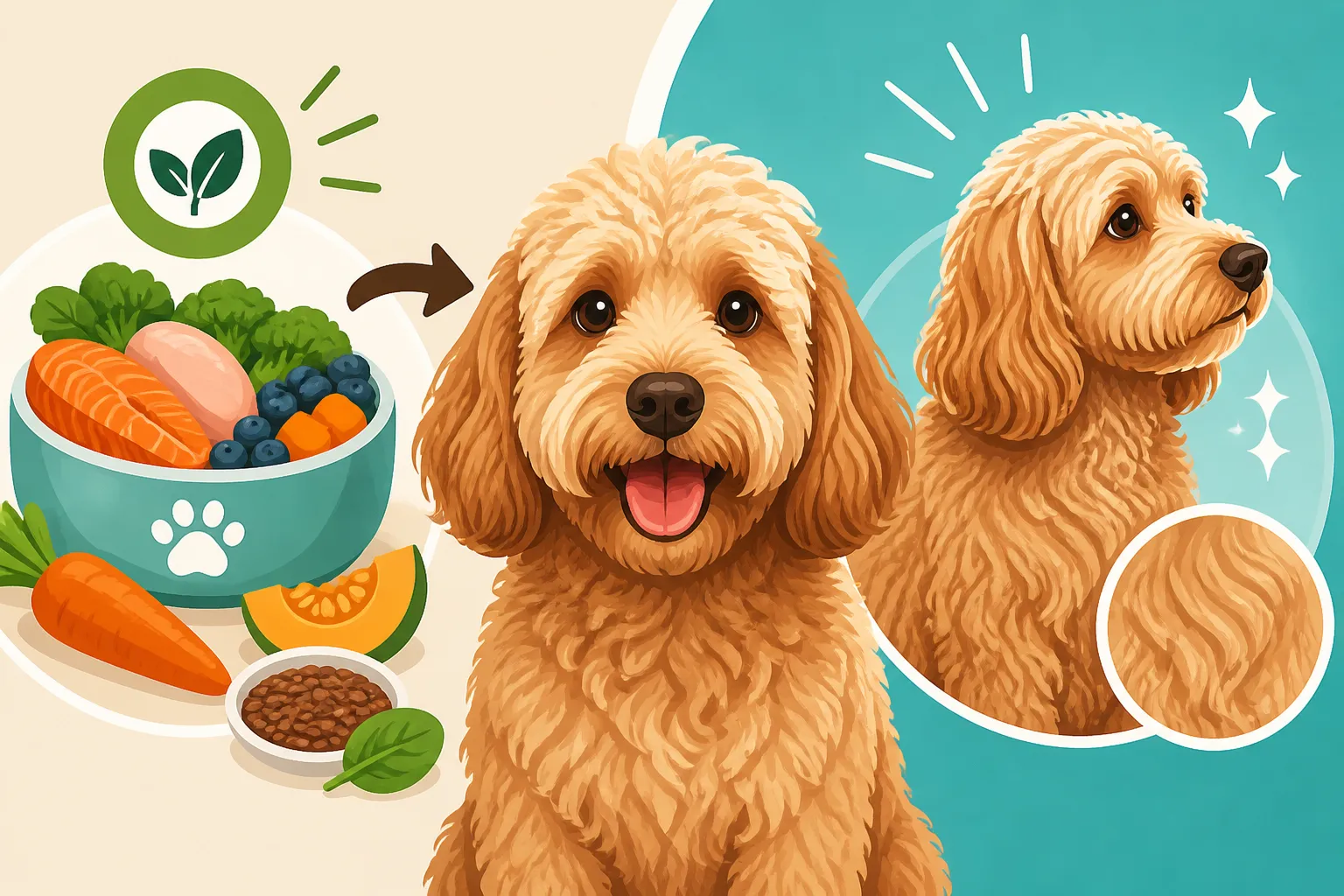
When we talk about a healthy coat, most of us immediately think of brushing, bathing, and grooming appointments. And while these external care routines are absolutely vital for managing your Cockapoo's unique fur – especially if you have a curlier type that mats easily – they're only one piece of the puzzle. The truth is, what goes into your dog's body is just as, if not more, important than what goes on it. A beautiful, resilient coat is a direct reflection of internal health, and that health starts with a balanced, nutrient-rich diet.
Understanding Your Cockapoo's Unique Coat
Cockapoos are a delightful blend of Cocker Spaniel and Poodle, and their coats can vary dramatically. Some might inherit the Poodle's tight, non-shedding curl, others the Cocker's softer, wavier fur, and some a combination in between. This genetic lottery means you could have a straight-coated Cockapoo, a wavy-coated one, or a tightly curled pup. Each type has its own grooming demands, but all of them rely on the same internal building blocks for strength, luster, and skin integrity. The Curl Gene and Where a Cockapoo's Coat Lands explains more about the genetic factors at play.
It's not just about aesthetics, either. Your Cockapoo's coat and skin act as a crucial barrier against the environment. A healthy coat helps regulate body temperature, protects against minor cuts and scrapes, and keeps irritants at bay. When this barrier is compromised due to poor nutrition, your pup becomes more susceptible to skin infections, excessive itching, and a generally miserable existence. So, getting the diet right isn't just about vanity; it's about fundamental well-being.
Common Coat Frustrations and Their Roots
Have you ever found yourself wondering why your Cockapoo's fur feels rough, or why they're constantly scratching even without visible fleas? These frustrations are incredibly common, and often, the root cause isn't just external. Maybe your Cockapoo’s once-soft fur has become brittle, breaking easily during brushing. Perhaps you’re noticing patches of dry, flaky skin, or an oily residue that seems impossible to wash away, making you wonder Whether a Cockapoo's Coat Sits Greasy or Dry. These aren't just superficial issues; they're often signals from your dog's body that something isn't quite right on the inside.
Many owners jump to medicated shampoos or more frequent grooming, which can offer temporary relief, but if the underlying dietary issue isn't addressed, the problems will persist. For instance, if your Cockapoo has persistent dullness, it might not be a lack of conditioning, but rather a deficiency in essential fatty acids. If they’re shedding excessively, beyond what’s normal for their coat type, it could point to a lack of quality protein. Understanding these connections empowers you to look beyond the surface and truly tackle the problem at its source.
How Nutrition Directly Impacts Skin and Coat Health
Think of your Cockapoo's skin and coat as a constantly regenerating factory. Every day, old cells are shed, and new ones are produced. This intensive process requires a continuous supply of high-quality raw materials – nutrients – delivered through their diet. Without these essential building blocks, the factory can't run efficiently, leading to sub-par output: a dull, weak, or irritated coat and skin. It's truly incredible how directly linked their diet is to that luxurious fluff we all adore.
Essential Nutrients for a Lustrous Coat
The world of dog nutrition can feel like a maze, with so many brands and ingredients vying for your attention. But when it comes to coat health, there are a few key players that truly make a difference. We're talking about proteins, fats, and a host of vitamins and minerals. These aren't just "nice-to-haves"; they are absolutely critical. Just like we need certain nutrients for healthy hair and skin, our Cockapoos rely on a carefully balanced diet to maintain their magnificent fur. Overlooking even one component can throw the whole system out of whack.
Choosing a diet that provides these nutrients in an easily digestible form is crucial. A food might list all the right ingredients, but if your dog's body can't properly absorb and utilize them, it's not doing much good. This is why some dogs thrive on certain foods while others don't, even if the nutritional labels look similar at first glance. It's about bioavailability and suitability for your individual Cockapoo.
The Role of Protein and Fats
Protein is the absolute cornerstone of a healthy coat. Hair itself is primarily made of protein, specifically keratin. If your Cockapoo isn't getting enough high-quality protein, their hair follicles simply won't have the materials needed to produce strong, healthy strands. You might notice thinner fur, slower growth, or increased shedding. Look for foods where a named meat source (like chicken meal, lamb, or salmon) is one of the first ingredients. Avoid generic "meat by-products" if you're aiming for optimal coat health.
Fats, especially essential fatty acids like Omega-3 and Omega-6, are equally critical. They contribute to the natural oils that keep skin hydrated and elastic, and give the coat its shine. Without sufficient healthy fats, your Cockapoo's skin can become dry and flaky, and their coat will appear dull and brittle. Whether Omega Oils Help a Cockapoo's Coat delves deeper into these beneficial fats. Many dog foods, especially budget-friendly options, might be low in these vital fats or use lower-quality fat sources. Supplementing with fish oil or choosing a food rich in salmon, flaxseed, or sunflower oil can make a visible difference. These fats also play an anti-inflammatory role, which can be a huge relief for dogs prone to itchy skin conditions.
Vitamins and Minerals: Tiny but Mighty
While proteins and fats form the bulk of the coat, vitamins and minerals are the microscopic workers that ensure everything functions correctly. Biotin, for example, is a B vitamin often associated with hair and nail strength. Zinc is another vital mineral, crucial for cell growth and immune function, both of which impact skin health. A deficiency in zinc can manifest as scaly skin, hair loss, and even lesions. Vitamins A and E also play significant roles as antioxidants, protecting skin cells from damage and promoting healing.
It’s not just about having these nutrients present, but about having them in the right balance. Too much of one can sometimes interfere with the absorption of another. This is why a complete and balanced commercial dog food, formulated by veterinary nutritionists, is often recommended over homemade diets unless you're working closely with a specialist. Reputable brands understand these complex interactions and formulate their foods to provide optimal ratios.
| Nutrient Type | Key Examples | Primary Benefit for Coat & Skin | Signs of Deficiency (Coat/Skin) |
|---|---|---|---|
| Protein | Chicken, Lamb, Salmon, Beef | Builds strong hair shafts, aids cell repair, supports growth | Thinning coat, excessive shedding, slow regrowth |
| Essential Fatty Acids | Omega-3 (fish oil, flaxseed), Omega-6 (chicken fat, sunflower oil) | Hydrates skin, adds shine, reduces inflammation, improves elasticity | Dry, flaky skin, dull coat, brittle fur, itching |
| Vitamins | Biotin, Vitamin E, Vitamin A | Strengthens hair, antioxidant protection, cell regeneration | Hair loss, poor skin healing, dullness |
| Minerals | Zinc, Copper | Supports cell function, collagen formation, pigment production | Hair loss, discolored patches, scaly skin |
Spotting Dietary Deficiencies Through Coat Changes
Your Cockapoo's coat is a wonderful barometer of their overall health. Changes in its texture, luster, or shedding patterns can often be the first visible signs that something is amiss internally, especially with their diet. It’s like a little warning light on their dashboard, signaling that they might not be getting everything they need. Learning to "read" these signs can help you intervene early and make necessary adjustments.
Dullness, Dryness, and Brittleness
Does your Cockapoo's once-shiny coat now look flat and lifeless? Does it feel coarse to the touch instead of soft and silky? These are classic indicators of a potential dietary issue. A dull coat often suggests a lack of essential fatty acids, which are crucial for producing the natural oils that give fur its healthy sheen. If the skin beneath is also dry, flaky, or even dusty-looking, it further points to insufficient hydration and nourishment from within.
Brittleness, where the hair strands snap easily during brushing or break off, can be a sign of inadequate protein or certain vitamin deficiencies. Imagine trying to build a sturdy house with weak bricks; the structure simply won't hold up. The same applies to your Cockapoo's hair. This isn't just an aesthetic problem; brittle hair provides less protection to the skin, making it more vulnerable to external irritants. Switching to a higher quality food or considering a targeted supplement, like a good fish oil, can often bring about remarkable improvements.
Excessive Shedding and Skin Irritation
While Cockapoos are often touted as low-shedding, they aren't entirely non-shedding, and some shed more than others, especially those with more Cocker Spaniel influence. However, if you notice a sudden increase in shedding, or if your pup is shedding far more than seems normal for their coat type, it’s worth investigating their diet. Extreme shedding can sometimes indicate a protein deficiency, as the body prioritizes essential functions over hair growth when resources are scarce.
Skin irritation, such as redness, constant scratching, hot spots, or persistent itchiness, can also stem from dietary issues. While allergies are a common cause, even dogs without outright allergies can suffer from inflammatory skin conditions if their diet lacks anti-inflammatory nutrients, particularly Omega-3s. A diet poor in quality ingredients can also lead to a compromised immune system, making your Cockapoo more susceptible to skin infections. You might find yourself constantly battling issues like Whether a Cockapoo Itches From the Cocker Side or other dermatological woes, all while the diet remains an unaddressed culprit.
Addressing Allergies and Sensitivities Through Diet
Food allergies and sensitivities are a significant cause of skin and coat problems in many dogs, including Cockapoos. Common culprits include beef, chicken, dairy, wheat, and soy. If your Cockapoo is consistently scratching, has recurrent ear infections (which often link back to allergies), or suffers from gastrointestinal upset alongside coat issues, a food allergy might be at play. It can be incredibly frustrating to see your dog so uncomfortable.
The good news is that diet can also be the solution. An elimination diet, conducted under veterinary guidance, can help identify specific triggers. This typically involves feeding a novel protein source (one your dog hasn't eaten before, like duck or venison) and a single carbohydrate source for several weeks, then slowly reintroducing ingredients. Alternatively, many excellent limited-ingredient diets are designed for sensitive dogs. Brands like Zignature or Canidae (available on Chewy or Amazon) offer options with fewer common allergens. For some, a fresh food delivery service like Ollie might provide highly digestible, minimally processed ingredients that circumvent sensitivities often found in traditional kibble. It's a journey of trial and error, but finding the right food can be life-changing for an allergic Cockapoo.
Choosing the Right Food for Optimal Coat Health
Navigating the pet food aisle can feel overwhelming, with countless brands, formulations, and marketing claims. But with a focus on ingredients that support skin and coat health, you can make a confident choice that truly benefits your Cockapoo. Remember, the best food for one dog might not be the best for another, so observation and perhaps a little experimentation are key.
Deciphering Dog Food Labels
Reading a dog food label might seem like deciphering a secret code, but once you know what to look for, it becomes much easier. Here are a few pointers to help you ensure you're picking a coat-friendly food:
- First Few Ingredients: The first five ingredients tell you the most. Look for one or two named meat proteins (e.g., "chicken," "lamb meal," "salmon") at the top. This indicates a protein-rich formula.
- Named Fats: Quality fats are essential. Look for named fat sources like "chicken fat," "salmon oil," or "flaxseed." Generic "animal fat" is less desirable as its source is unknown.
- Whole Grains vs. Fillers: Unless your Cockapoo has a confirmed grain allergy, whole grains like brown rice, oats, or barley can be excellent sources of fiber and nutrients. Avoid foods with excessive fillers like corn, soy, or wheat as primary ingredients, as these often have lower nutritional value and can be common allergens.
- AAFCO Statement: Ensure the food has an AAFCO (Association of American Feed Control Officials) statement confirming it's "complete and balanced" for your dog's life stage (puppy, adult, all life stages). This guarantees it meets minimum nutritional requirements.
Always remember that marketing buzzwords like "grain-free" or "natural" don't automatically mean superior quality. Focus on the actual ingredient list and guaranteed analysis.
Exploring Different Diet Types
There's a wide world of dog food out there, and each type has its pros and cons when it comes to supporting that glorious Cockapoo coat.
- Kibble: The most common and convenient option, kibble varies hugely in quality. High-quality kibbles from brands like Orijen, Acana, or Blue Buffalo (often found on Chewy) can be excellent, providing balanced nutrition with good protein and fat sources. They are typically cost-effective and easy to store. However, some lower-quality kibbles may contain less digestible ingredients or rely heavily on fillers.
- Wet Food: Generally more palatable and hydrating than kibble, wet food can be a great addition or primary diet, especially for picky eaters or dogs needing more moisture. High-quality wet foods often have a higher meat content and fewer artificial ingredients, which can be beneficial for skin and coat. However, it's typically more expensive per serving and less dense in calories.
- Fresh/Lightly Cooked Food: Services like Ollie, The Farmer's Dog, or Nom Nom Now offer fresh, human-grade food delivered to your door. These diets are often highly digestible and made with whole ingredients, which can lead to dramatic improvements in coat sheen, skin health, and overall vitality for many dogs. The downside is the cost, which is significantly higher than kibble.
- Raw Food: Some owners choose a raw diet (BARF – Biologically Appropriate Raw Food). Proponents claim it leads to superior coat health, dental hygiene, and energy levels due to the unprocessed nature of the food. However, raw feeding requires extensive research to ensure nutritional balance and comes with bacterial contamination risks if not handled properly. This approach demands careful planning and often veterinary consultation.
Feeding Four Sizes of Cockapoo From Teacup to Maxi can help you determine portion sizes for whatever diet type you choose, ensuring your Cockapoo is getting the right amount of food for their size and activity level.
Supplements: When Are They Necessary?
A truly balanced, high-quality dog food should ideally provide all the nutrients your Cockapoo needs for a healthy coat. However, sometimes individual dogs have higher requirements, or their current diet might be falling a bit short. This is where supplements can come into play.
- Omega Fatty Acid Supplements: These are by far the most popular and often most effective supplements for coat health. Fish oil (salmon, sardine, anchovy) is rich in Omega-3s (EPA and DHA), which are powerful anti-inflammatories and vital for skin and coat cell membrane health. You can find excellent quality fish oil supplements on Amazon or Chewy. Whether Omega Oils Help a Cockapoo's Coat provides more in-depth information.
- Biotin and Zinc Supplements: If your Cockapoo has persistent issues like brittle fur, hair loss, or poor nail quality, a supplement specifically targeting biotin or zinc might be beneficial. However, these should generally be used under veterinary guidance, as over-supplementation of some minerals can be harmful.
- Probiotics: While not directly for the coat, a healthy gut contributes to overall nutrient absorption, which indirectly benefits skin and coat health. If your Cockapoo has digestive sensitivities, a probiotic supplement might improve their ability to utilize nutrients from their food.
Before adding any supplements, it’s always a good idea to consult your veterinarian. They can help identify if a deficiency truly exists and recommend the most appropriate and safe supplement for your Cockapoo's specific needs.
Disclaimer
This article is for general informational purposes only and does not constitute professional advice. Laws, prices and regulations vary by location and change over time. Consult a qualified professional for guidance on your specific situation.