Whether a Clipped Cockapoo Mats Less
Oh, the never-ending battle with mats! If you’ve ever owned a Cockapoo, you know exactly what I’m talking about. That beautiful, fluffy, low-shedding coat that drew you in can quickly become a tangled nightmare, often leaving us wondering if there's any way to make life easier for both ourselves and our furry companions. Today, we're diving deep into the age-old question that plagues many Cockapoo parents: does clipping your Cockapoo really help reduce matting? Let's unravel this mystery together and find out what you can realistically expect.
Understanding Cockapoo Coats and the Matting Maze
Before we even talk about clipping, it's vital to understand what makes a Cockapoo's coat so prone to matting in the first place. It’s not just bad luck; it’s a beautiful, complicated genetic lottery!
The Furnishings and Curl Genes
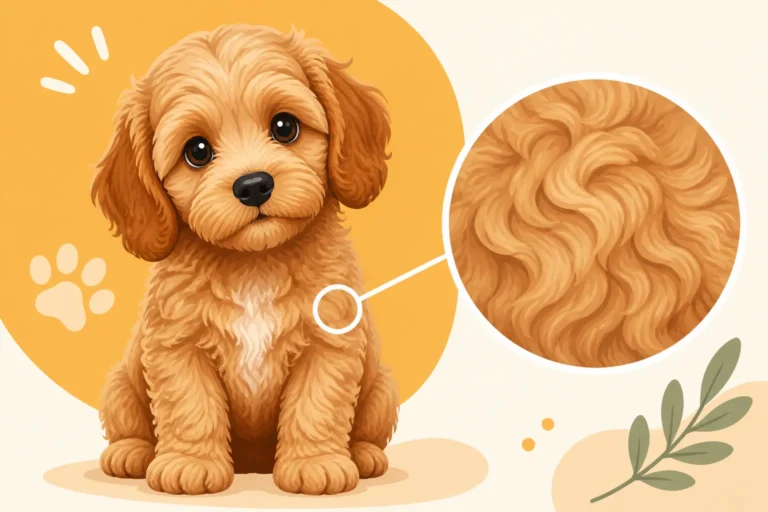
Your Cockapoo's unique coat is a wonderful blend of their Cocker Spaniel and Poodle heritage, and it all boils down to a couple of key genes: the furnishings gene and the curl gene. The furnishings gene is responsible for that adorable bearded, mustachioed look and is also what makes many Cockapoos "low-shedding." Without it, you'd likely have a flat-coated Cockapoo that sheds more like a Spaniel. Then there's the curl gene, which dictates The Curl Gene and Where a Cockapoo's Coat Lands. You can have straight, wavy, or tightly curled coats, and each comes with its own set of grooming challenges. A dog with a very wavy or curly coat and full furnishings is, unfortunately, a prime candidate for matting. Their hair isn't like human hair that just falls out; instead, it tends to stay trapped within the existing coat, ready to intertwine and knot at the slightest provocation. It's truly a marvel of genetics, and sometimes, a bit of a grooming headache!
Why Cockapoo Coats Mat So Easily
Imagine a dense, woolly jumper that you wear every day, get wet, roll around in, and then let dry. That’s pretty much what your Cockapoo’s coat goes through! The texture of a Cockapoo's coat is often very soft and fine, but also dense, especially with that Poodle influence. This combination is a perfect storm for matting. Every time your Cockapoo rubs against furniture, plays with another dog, rolls in the grass, or even just gets damp, those fine hairs are given an opportunity to hook onto each other. Add in dead hair that naturally sheds but gets trapped because it can't fall out, and you've got the recipe for a solid mat. These aren't just minor tangles; left unchecked, they can become painful, pulling at the skin and causing discomfort, irritation, and even skin infections underneath. It's a huge frustration for many owners who start with the best intentions for daily brushing but quickly find themselves overwhelmed.
The Dreaded Coat Change
If you're a new Cockapoo owner, prepare yourself for what's often referred to as "the coat change." This usually happens around 6 to 12 months of age, but it can extend up to 18 months. During this period, your puppy's soft, wispy puppy coat is gradually replaced by their denser, coarser adult coat. It's like going from baby hair to thick, adult hair, but all at once, and it gets tangled in the process! This transition is arguably the most challenging time for matting. The old puppy hair holds onto the new adult hair like Velcro, creating dense, felt-like mats that can appear seemingly overnight. Many owners find themselves in a constant battle with the brush, sometimes needing professional help just to get through this phase. It's a common point of despair, making many wonder The Coat Change That Ambushes a Cockapoo Owner at Ten Months. Trust me, it's a rite of passage for Cockapoo parents!
How Clipping Affects Matting
So, with all this talk of matting, does a good clipping offer some much-needed relief? The short answer is, yes, it absolutely can make a significant difference.
The Logic Behind Shorter Coats
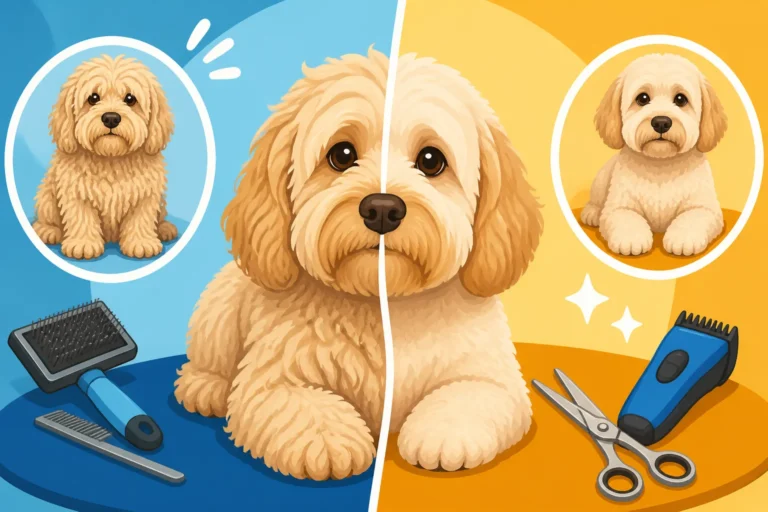
Think of it logically: the shorter the hair, the less length there is to tangle. It's as simple as that. When you clip your Cockapoo’s coat down to a shorter length – say, half an inch to an inch – you drastically reduce the surface area available for hairs to intertwine and form mats. Long, flowing hair is beautiful, but it's also a high-maintenance affair. A shorter coat means fewer opportunities for knots to form, fewer places for debris to get caught, and less hair to rub and friction into tangles. It’s a bit like opting for a low-maintenance bob instead of hip-length hair; both are lovely, but one requires far less daily effort. This is often why groomers recommend a shorter, practical style for active dogs or those whose owners struggle to keep up with daily brushing.
Reduced Grooming Time, But Not Elimination
While a shorter clip will undoubtedly reduce the frequency and intensity of your grooming sessions, it’s crucial to understand that it doesn't eliminate them entirely. This is where some owners fall into a trap, thinking a short cut means no more brushing. That's simply not true. Even with a clipped coat, you’ll still need to brush regularly, perhaps not daily for all coat types, but certainly every few days, especially in high-friction areas like behind the ears, armpits, and groin. These spots are notorious for matting because of constant movement and rubbing. The key difference is that when mats do start to form on a shorter coat, they are usually much smaller, easier to spot, and far simpler to brush out than the deep, painful mats that develop in a long, neglected coat. You're trading intense, time-consuming battles for quick, manageable touch-ups.
Preventing Deep, Painful Mats
One of the biggest benefits of keeping your Cockapoo clipped short is the prevention of severe, skin-pulling mats. These are the mats that turn into solid felt, pull painfully at the skin, restrict movement, and can even lead to skin infections and hot spots because air can't circulate. If a coat reaches this stage, the only humane solution is often a full shave-down by a professional groomer, which can be stressful for your dog and costly for you. By maintaining a shorter, regularly clipped coat, you largely circumvent this agonizing scenario. It allows you to stay ahead of the game, spotting and addressing minor tangles before they escalate into something far more serious and uncomfortable for your beloved Cockapoo. It’s a proactive approach to their comfort and well-being.
The Nuances of Clipping and Continued Care
Clipping isn't just a single solution; it's a spectrum, and the benefits you get depend on how you approach it. It’s not a magic wand, but a powerful tool in your grooming arsenal.
Different Clip Lengths and Their Impact
When you talk to a groomer about clipping, you'll hear terms like "puppy cut" or "teddy bear clip." These aren't standardized lengths but rather styles that generally mean keeping the coat shorter and even all over. The actual length can vary greatly depending on what you and your groomer decide. For example, What a Puppy Cut Looks Like on a Cockapoo might be a uniform half-inch to an inch, while What a Teddy Bear Clip Looks Like on a Cockapoo might leave slightly more length on the legs and face for a softer, fuller look.
The shorter you go, the less likely your Cockapoo is to mat, and the less frequent your at-home brushing needs to be. A coat clipped down to a quarter-inch will obviously mat far less than one left at two inches. However, even with a short clip, those sensitive areas—behind the ears, under the armpits, and around the sanitary regions—still need attention. These areas experience the most friction and can mat quickly, even in a shorter coat. It's about finding that sweet spot between the aesthetic you prefer and the realistic grooming commitment you can make.
Clipping Does Not Change Coat Type
Here’s a crucial point that sometimes gets overlooked: clipping your Cockapoo's coat does not fundamentally change its genetic makeup or its propensity to mat. It simply manages the length of the hair. If your Cockapoo has a super dense, woolly coat that’s destined to mat, even if you shave it all off, that new growth will still be the same type of hair. Whether Shaving Ruins a Cockapoo's Coat is a common concern, but in reality, a proper clip doesn't damage the coat; it just gives you a fresh start. The underlying texture, the way the hair grows, and how easily it tangles will remain consistent with their natural genetic traits. So, while clipping provides immediate relief and easier maintenance, it's a continuous commitment, not a one-time fix that alters the coat forever.
Essential Grooming Practices for Clipped Coats
Even with a beautifully clipped coat, your grooming routine isn't completely off the hook. You’ll still need to maintain certain practices to keep your Cockapoo comfortable and mat-free. Regular brushing, even if it’s just a quick five-minute session every other day, is vital for those high-friction areas and for distributing natural oils. Investing in a good quality slicker brush and a metal comb, perhaps from a reputable pet supplier like Chewy or Amazon, will make these quick sessions much more effective.
Beyond brushing, don't forget paw and ear care. Hair grows within the ear canal of many Cockapoos, which can trap moisture and debris, leading to infections. Similarly, hair between their paw pads can pick up dirt and burrs, or become matted and uncomfortable. Regular trims of these areas are crucial. Regular bathing with a good quality shampoo and conditioner is also beneficial, as clean hair tangles less easily than dirty, oily hair. Just be sure to thoroughly dry your Cockapoo afterwards, using a towel and a low-heat dryer to prevent damp mats from forming.
The Role of Professional Groomers
While you can certainly do some at-home grooming, a professional groomer is an invaluable partner in managing a Cockapoo's coat. They have the right tools, expertise, and experience to not only give your dog a great cut but also to spot potential skin issues or underlying mats you might miss. Regular professional grooming appointments, perhaps every 6-8 weeks depending on your dog's coat type and lifestyle, are a worthwhile investment. They ensure that the coat is properly stripped of dead hair, clipped to an appropriate length, and that all those tricky areas are thoroughly addressed. It contributes significantly to The Yearly Grooming Total on a Cockapoo, but it's often money well spent for the health and comfort of your dog. Plus, a good groomer can offer advice tailored to your specific Cockapoo’s coat, making your life much easier in the long run.
Common Misconceptions and Realistic Expectations
It's easy to get carried away with the idea of a "low-maintenance" clipped coat, but it's important to approach this with realistic expectations.
"Set It and Forget It" Fallacy
One of the biggest misconceptions about clipping a Cockapoo is that once it's short, you can "set it and forget it." Many first-time Cockapoo owners, and even some experienced ones, make the mistake of thinking a short haircut means no more daily attention. This simply isn't the case. While you might not need to brush for an hour every day, a complete lack of maintenance will still lead to matting, albeit perhaps less severe or slower to develop. Especially in those high-movement areas, like behind the ears or where a harness rubs, mats can still form relatively quickly.
Think of it less as eliminating grooming and more as simplifying it. You're making the job easier, not making it disappear. Consistent, even if brief, brushing is still paramount for preventing discomfort and larger problems down the line. It's about maintaining a healthy coat, not ignoring it.
Seasonal Considerations
When considering a shorter clip, it's also worth thinking about how it might affect your Cockapoo in different seasons. In warmer months, a shorter coat can be a huge blessing, helping your dog stay cooler and preventing overheating. Whether a Curly Cockapoo Struggles in Summer is a real concern, and a shorter clip can certainly help with heat dissipation.
However, in colder climates, a very short clip might mean your Cockapoo needs a sweater or coat for walks to stay warm. Their natural coat provides a layer of insulation, and while it's not the thickest, it does offer some protection. So, while a clipped coat generally means less matting, you might need to compensate with appropriate attire depending on the weather conditions. Discussing this with your groomer can help you choose an optimal length for the season.
The Importance of Diet and Skin Health
While clipping directly addresses the mechanical aspect of matting, it’s worth remembering that overall coat health is also heavily influenced by your dog’s diet and general well-being. A healthy diet, rich in essential fatty acids, can contribute to a healthier, stronger coat that might be less prone to dryness and breakage, which can exacerbate tangling. Brands like Ollie, known for their fresh, wholesome ingredients, or quality kibbles found on Chewy, often include omega-3 and omega-6 fatty acids that support skin and coat health.
Whether Diet Changes a Cockapoo's Coat Condition is a valid question, and the answer is a resounding yes. If your Cockapoo has dry, brittle, or excessively oily skin, it can impact the quality of their hair, making it more susceptible to matting or causing discomfort that leads to excessive scratching, which in turn creates tangles. So, while clipping manages the length, a holistic approach to your Cockapoo's health, including nutrition and regular vet check-ups, forms the foundation for a truly healthy, manageable coat.
Clipping vs. Keeping Long: A Practical Comparison
Let's lay it all out so you can make an informed decision about your Cockapoo's coat.
| Feature | Long, Unclipped Coat | Short, Clipped Coat |
|---|---|---|
| Matting Risk | High to Very High | Low to Moderate |
| Grooming Time | Daily, often 30+ minutes | Every few days, 5-15 minutes |
| Brushing Effort | Intense, requires line brushing & detangling sprays | Easier, less resistance, faster to clear small tangles |
| Professional Grooms | Essential every 4-6 weeks to prevent severe matting | Recommended every 6-8 weeks for maintenance |
| Comfort for Dog | Can become painful if matted; prone to overheating | Generally more comfortable, less skin pulling, cooler |
| Appearance | Full, fluffy, classic "doodle" look | Tidy, sporty, teddy bear, or puppy cut aesthetic |
| Seasonal Care | Good insulation in winter; can be hot in summer | May need clothes in winter; excellent for summer |
| Cost | Higher risk of expensive de-matting or shave-down grooms | Regular maintenance grooms, but fewer emergency visits |
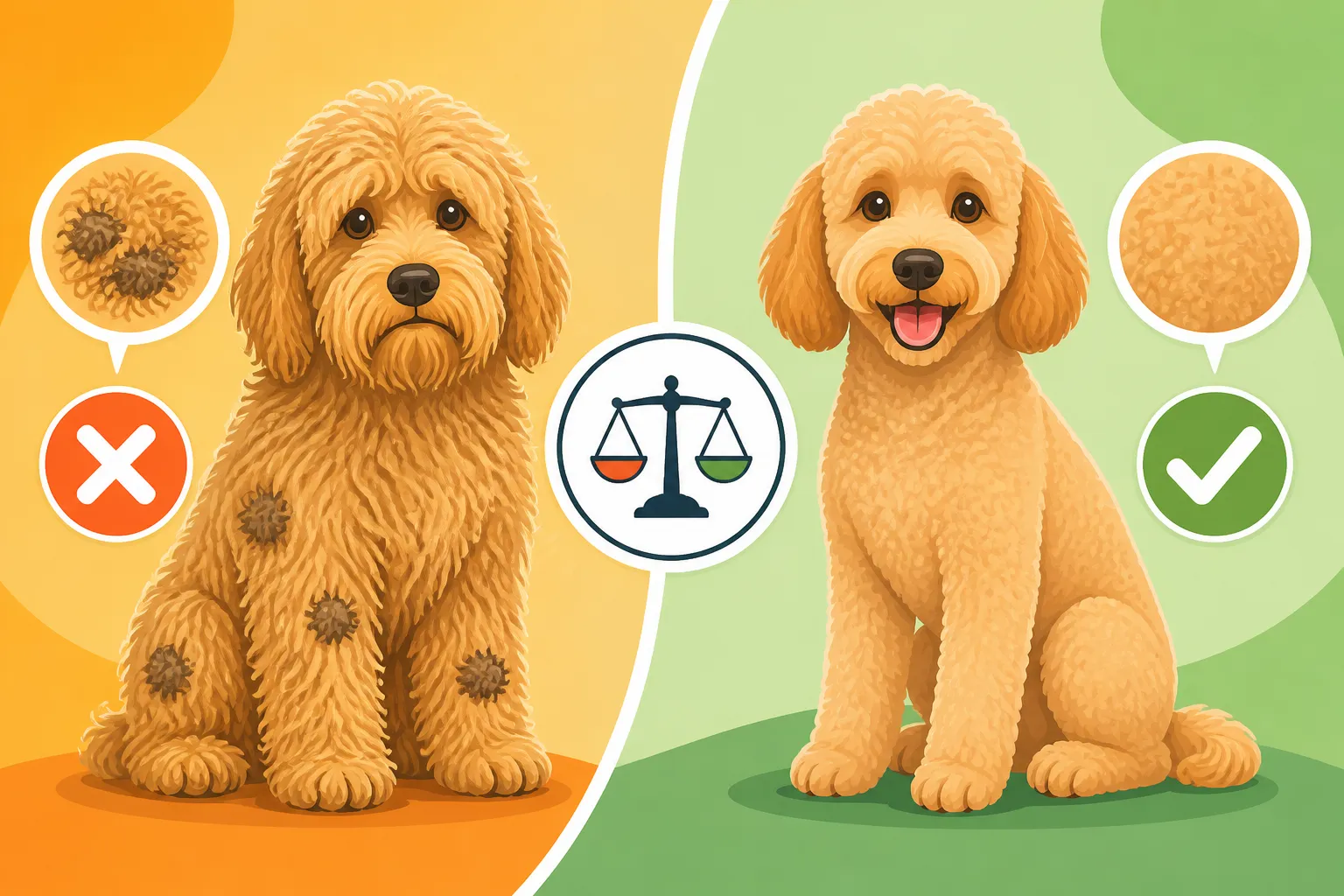
The bottom line is that a clipped Cockapoo will almost certainly mat less than one kept in a long, natural coat. It reduces the sheer volume of hair available to tangle, making at-home grooming much more efficient and manageable. However, it's not a magical cure-all that eliminates grooming altogether. You'll still need to commit to a consistent, albeit simpler, routine of brushing and regular professional trims to keep your furry friend happy, healthy, and comfortably mat-free. It's about choosing the right balance for your lifestyle and your Cockapoo's unique coat.
Disclaimer
This article is for general informational purposes only and does not constitute professional advice. Laws, prices and regulations vary by location and change over time. Consult a qualified professional for guidance on your specific situation.