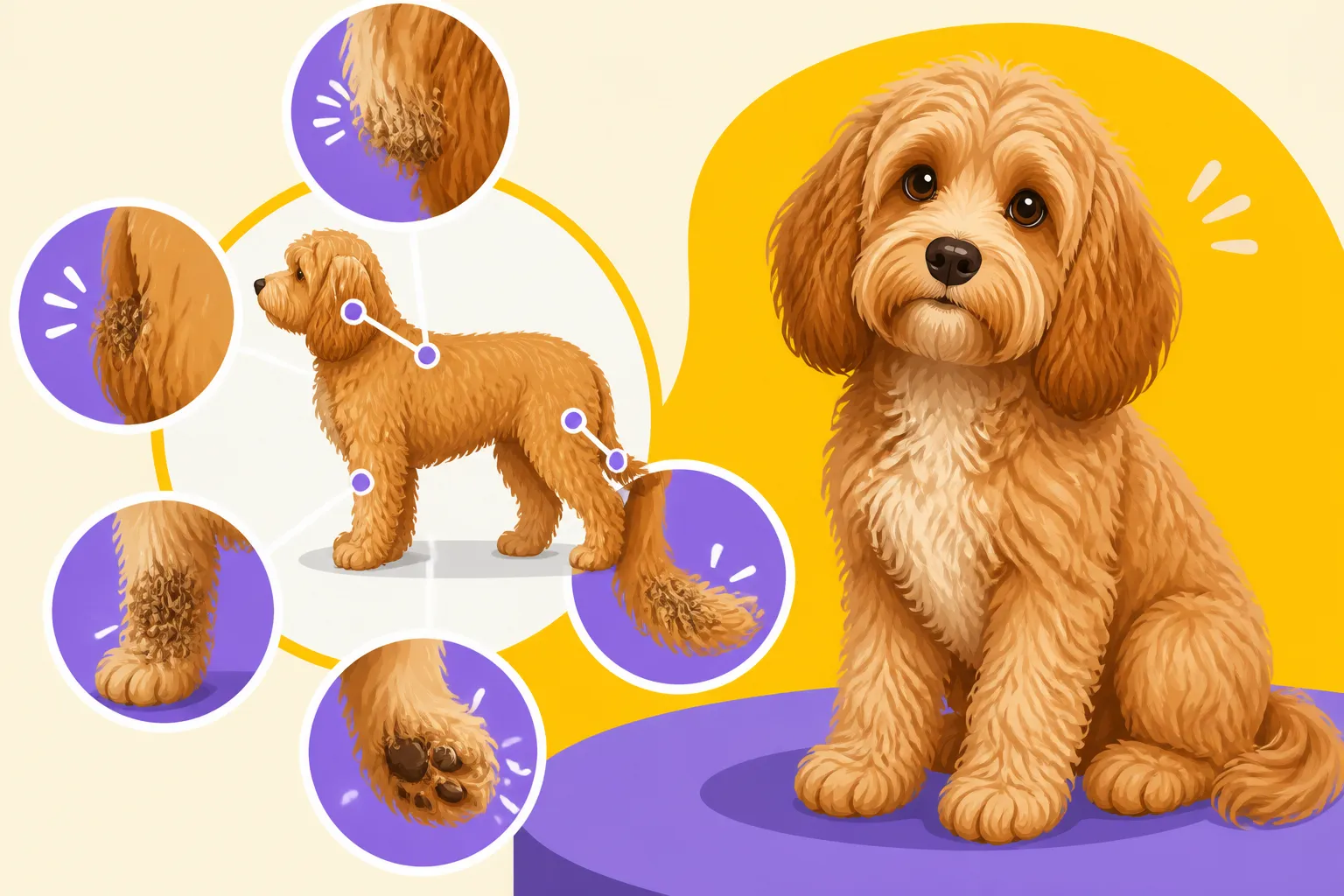
Where a Wavy Cockapoo Mats First
One of the most common frustrations Cockapoo owners face is the relentless battle against mats, especially if your beloved companion has that gorgeous, flowing wavy coat. What often appears to be a soft, manageable cascade of curls can, seemingly overnight, transform into tight, painful knots, particularly in certain sneaky spots. This guide will walk you through exactly where these mats tend to form first on a wavy-coated Cockapoo, why these areas are problematic, and crucially, how you can proactively prevent them to keep your dog comfortable and looking fabulous.
Understanding the Wavy Cockapoo Coat
The wavy coat, often considered the "classic" Cockapoo look, is a beautiful blend of its Cocker Spaniel and Poodle heritage. It's usually soft to the touch, with loose, flowing curls that aren't as tight as a Poodle's but are certainly more defined than a flat, straight coat. Many owners adore this coat type because it strikes a lovely balance, offering that characteristic "doodle" look without the extreme curl intensity.
The Nature of the Wavy Coat
A wavy Cockapoo coat typically has what we call "furnishings," which are the longer hair on the face (beard, eyebrows), legs, and tail, as opposed to the shorter, flat coat you'd see on a purebred Cocker Spaniel. These furnishings are crucial to the Cockapoo's low-shedding qualities, but they also contribute significantly to the matting potential. The wave itself, rather than a tight curl, means the hairs intertwine more easily, acting almost like velcro with each other. When these hairs shed, instead of falling out, they get caught within the existing wavy coat, forming tangles that quickly escalate into mats if not regularly brushed out.
It's a common misconception that because it's not a super tight curl, it won't matt as much. While a very tightly curled Poodle-like coat can be dense and mat easily at the skin, a wavy coat presents its own challenges. The individual hairs can be finer and more prone to static and friction, making those soft waves cling together and felt. The blend of textures from both parent breeds – the silkiness of a Cocker and the density of a Poodle – creates a unique hair structure that is simply destined to tangle without consistent intervention. You can learn more about this genetic predisposition in The Furnishings Gene That Decides a Cockapoo's Face and The Curl Gene and Where a Cockapoo's Coat Lands.
The Dreaded Coat Change
If you're wondering why your once-manageable puppy coat suddenly seems to be matting within hours, you're likely experiencing the "coat change" or "blowing coat." This phenomenon typically occurs between six and eighteen months of age, though it can vary for each individual dog. During this period, your Cockapoo's soft puppy fur is being replaced by its coarser, denser adult coat. The problem is, the puppy coat doesn't just fall out neatly; it gets trapped within the emerging adult coat.
Imagine trying to comb out two different textures of hair that are constantly intertwining and shedding at the same time. It's a recipe for disaster, and mats can form incredibly quickly during this phase. What was once a quick brush can turn into a thirty-minute ordeal, or worse, a visit to the groomer for a complete shave-down. Many new Cockapoo owners are ambushed by this period, finding themselves suddenly overwhelmed by mats where there were none before. This is a crucial time when your grooming routine needs to become even more diligent and frequent. Understanding this transition, often called The Coat Change That Ambushes a Cockapoo Owner at Ten Months, is key to navigating it successfully.
Common Matting Hotspots on a Wavy Cockapoo
While mats can technically form anywhere on a wavy-coated Cockapoo, there are certain areas that are notoriously problematic. These are the "hotspots" that demand extra attention during your daily grooming routine because they are constantly subjected to friction, moisture, or simply overlooked.
High-Friction Areas
These are the places where movement, collars, or scratching cause constant rubbing, making hairs tangle quickly.
Behind the Ears
This is, hands down, one of the most common and earliest spots for mats to develop on a wavy-coated Cockapoo. Why? Several reasons:
- Head Shaking: Cockapoos love to shake their heads, especially after a nap or a good scratch. This constant movement causes the fine hair behind the ears to knot up.
- Scratching: Dogs naturally scratch their ears with their hind paws, and this action can quickly create felted mats.
- Collar Friction: If your dog wears a collar that rubs just behind the ears, this friction exacerbates the problem.
- Fine Hair: The hair in this area is often finer and softer than the body coat, making it more delicate and prone to tangles.
These mats can grow surprisingly large and tight, pulling on the skin and becoming very painful. It’s crucial to lift the ear and thoroughly comb this area every single day.
Armpits and Groin
Think about how much your dog moves throughout the day – walking, running, stretching, lying down. The armpits and groin areas are zones of constant friction where skin rubs against skin, and limbs rub against the body. This continuous motion, combined with body heat and occasional dampness from sweat or urine, creates a perfect environment for mats to form.
These mats can be particularly insidious because they are often hidden from plain view until they become quite large and uncomfortable. Mats in the armpits can restrict movement and even cause chafing or sores if left unattended. During your daily brushing, make sure to gently lift your dog's legs and get right into these sensitive areas, using a fine-toothed comb to ensure no tangles are hiding close to the skin.
Under the Collar or Harness
Just like humans can get hair knots under a backpack strap, your Cockapoo's collar or harness can be a major culprit for matting. The constant rubbing of the material against the coat, especially if the collar is too tight or too loose, will compress and tangle the hair. If your dog wears a harness for walks, pay special attention to the areas where the straps sit across the chest, under the belly, and behind the front legs.
It's a good practice to remove your dog's collar or harness when they are relaxing at home, if it's safe to do so. This allows the hair to breathe and reduces constant friction. When you do remove it, always take a moment to brush and comb the hair in those contact areas. Ensuring a proper fit for collars and harnesses is also important; they should be snug enough not to chafe, but loose enough to allow you to slip two fingers underneath easily.
Moisture-Prone and Hidden Spots
Some areas are predisposed to matting due to moisture retention or simply because they're out of sight, out of mind for many owners.
Paws and Between Toes
Your Cockapoo's paws take a beating throughout the day, whether it's on pavement, grass, or muddy trails. Hair between the paw pads can easily pick up debris like twigs, burrs, and dirt, all of which contribute to matting. When this hair gets wet from rain, dew, or even just drinking water, it can felt together quickly. Mats between the toes are not only uncomfortable but can also lead to painful skin irritation, infection, and make walking difficult.
Regularly trimming the hair flush with the paw pads is essential. Many groomers offer "paw pad trims" as a standalone service if you're not comfortable doing it yourself. After walks, especially in wet weather, always dry your Cockapoo's paws thoroughly and check for any debris or beginning tangles. You can find quality paw-trimming shears and combs on Amazon or Chewy to help with at-home maintenance.
Under the Tail
This area is often neglected because, let's be honest, it's not the most glamorous spot to groom. However, the hair around and under the tail can become severely matted, especially if your Cockapoo has a fuller, curlier tail set or spends a lot of time sitting. Urine and fecal matter can get trapped, leading to hygiene issues and fast-forming mats.
Make sure to include a quick check and comb of this area during your daily routine. Keeping the hair around the anus trimmed short, often referred to as a "sanitary trim," is a simple yet effective way to prevent these uncomfortable and unhygienic mats.
Beard and Muzzle
The adorable facial furnishings are a hallmark of the Cockapoo, but they are also a mat magnet. Your dog's beard and muzzle hair are constantly getting wet from drinking water and messy from eating food. Drool, food particles, and moisture create a sticky, tangled environment that quickly turns into tight mats. These mats can be particularly hard to remove because they are so close to sensitive areas like the mouth and eyes.
After every meal and drink, take a moment to gently wipe your Cockapoo's beard and muzzle with a clean cloth. For dogs with especially wet drinkers, consider using a narrow, deep water bowl or a "waterless" bowl designed to keep beards dry. Regular combing of the beard and around the mouth is crucial. For tips on managing this area, check out Whether a Cockapoo's Beard Stays Wet.
The "Tangle Tunnel" – Body Matting
While the smaller, high-friction areas are often the first to show visible signs of matting, don't be fooled into thinking the rest of the body is immune. The body coat of a wavy Cockapoo can develop what I like to call "tangle tunnels" – mats that form close to the skin, hidden beneath a seemingly pristine top layer of fur.
These mats are particularly deceptive. You might run a slicker brush over the surface and feel no resistance, believing you've done a thorough job. However, if you haven't brushed all the way down to the skin, you've only groomed the top layer. The dense, wavy undercoat, especially during the coat change phase mentioned earlier, will continue to tangle and tighten at the base of the hair shaft. Over time, these small tangles become larger, flat sheets of matting, pulling tightly on the skin.
This is why the technique of "line brushing" is absolutely vital for a wavy Cockapoo. It involves systematically parting the coat and brushing from the skin outwards, section by section. Without this meticulous approach, mats will form unseen, only to be discovered when they've become too severe to brush out, often requiring a full body shave at the groomer. Learning Line Brushing a Cockapoo and Why the Top Coat Lies is a game-changer for many owners.
Preventing and Managing Mats in Wavy Coats
Now that we know where mats love to hide, let's talk about how to keep them at bay. Consistent, proactive care is your best defense against those pesky knots.
Daily Brushing is Non-Negotiable
For a wavy-coated Cockapoo, brushing isn't just about looking good; it's about comfort and health. Daily brushing, even for just 10-15 minutes, can save you hours of de-matting or costly trips to the groomer.
Essential Tools and Techniques
You'll need a few key tools in your grooming kit:
- Slicker Brush: This brush has fine, wire bristles and is excellent for getting through the wavy coat, loosening tangles, and removing loose hair. Choose one with coated tips to be gentler on the skin.
- Metal Comb: A good quality, sturdy metal comb with both wide and fine teeth is indispensable. This is your "mat detector." After using the slicker, run the comb through the coat. If it snags, you've found a tangle that the slicker missed. Make sure you can comb all the way from the tip of the hair to the skin without resistance. The Comb That Finds Mats a Slicker Misses is critical.
The technique of line brushing is paramount. Here’s how you do it:
- Start at the bottom: Begin with a small section of hair, perhaps on a leg or the belly, near the skin.
- Part the hair: Use your free hand to hold back the upper layers of hair, exposing the skin and roots of the section you're working on.
- Brush upwards and outwards: With your slicker brush, gently brush the hair from the skin outwards, in small strokes. Work your way up the section, ensuring you reach the roots.
- Comb to check: Once you've brushed a section, run your metal comb through it from skin to tip. If the comb glides smoothly, you're good. If it snags, go back with the slicker brush until it passes through easily.
- Move systematically: Work your way across your dog's body, section by section, starting from the extremities and moving inwards. Don't forget those high-friction and hidden spots!
This systematic approach ensures that you're not just brushing the top layer of the coat, but truly getting down to the skin where mats originate. For a wavy coat, committing to this routine will drastically reduce matting. You'll be surprised how quickly even 10 minutes can add up, making a huge difference in your dog's comfort. Considering How Many Minutes a Wavy Cockapoo Takes for grooming can help you plan your routine.
Strategic Grooming and Professional Help
Even with daily brushing, professional grooming is a vital part of keeping a wavy Cockapoo mat-free. These coats require specialized care that most owners aren't equipped to provide at home.
Regular Professional Grooming Appointments
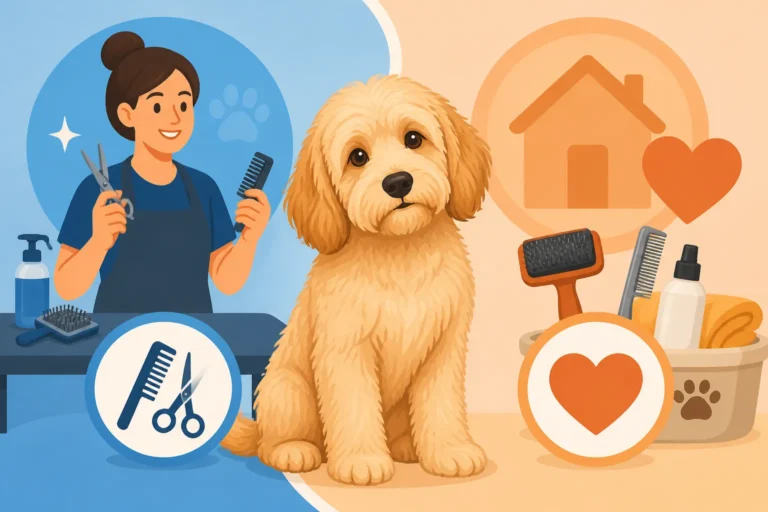
Think of your groomer as a partner in maintaining your dog's coat. Most wavy-coated Cockapoos benefit from professional grooming every 6-8 weeks, sometimes even more frequently if their coat is particularly dense or if they're going through their coat change. Your groomer can give a thorough bath, blow-dry (which helps prevent mats), and clip the coat to a manageable length. Discussing The Three Cockapoo Coat Types and Their Upkeep with your groomer can help set realistic expectations.
It’s crucial to communicate with your groomer about your dog's coat condition. If you're struggling with mats, they can advise on suitable clips, such as a "teddy bear clip" What a Teddy Bear Clip Looks Like on a Cockapoo, which keeps the coat at a uniform, shorter length that's easier to maintain.
De-matting vs. Shaving
This is a tough conversation many Cockapoo owners have to face. If a mat is small and loose, a professional groomer might be able to carefully de-mat it using specialized tools and conditioning sprays. However, if mats are tight, extensive, or close to the skin, de-matting can be incredibly painful for your dog and is often not humane. In these cases, a "shave down" is the kindest option.
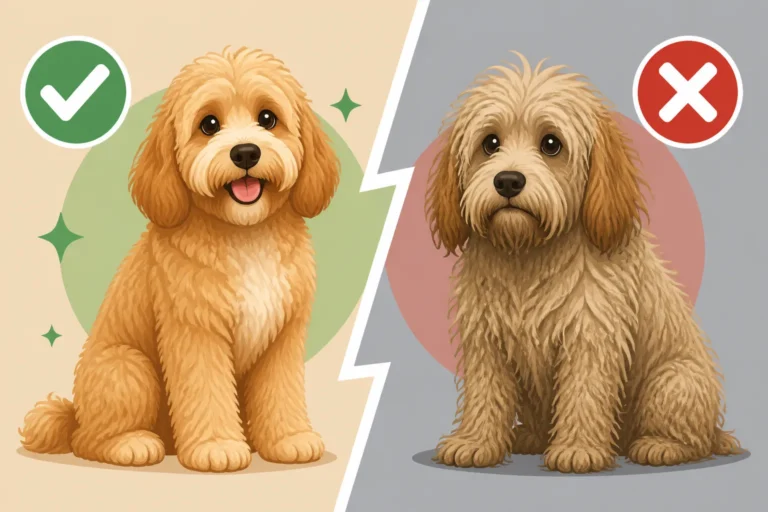
Many groomers have a strict "humanity before vanity" policy. If a dog is severely matted, the only safe and comfortable option is to shave the coat short beneath the mats. This allows the skin to breathe and heal, and you get a fresh start. It's heartbreaking to see your fluffy companion lose their coat, but their comfort must come first. Remember, Whether a Matted Cockapoo Has to Be Shaved is a decision made for your dog's well-being.
Proper Bathing Techniques
Bathing a matted or dirty wavy coat without proper preparation can make mats worse. Water tightens mats, making them nearly impossible to brush out.
- Always brush before the bath: Ensure your dog is completely free of tangles and mats before getting them wet.
- Use a good quality dog shampoo and conditioner: A moisturizing conditioner can help detangle and smooth the coat.
- Rinse thoroughly: Any shampoo residue left in the coat can irritate the skin and make hair sticky, leading to more tangles.
- Dry completely: Use a pet-specific force dryer if you have one, or towel dry vigorously, following up with a cool hairdryer on a low setting. Brush while drying to ensure the coat dries straight and tangle-free. Never let a wavy coat air dry completely, as this encourages matting.
Environmental and Lifestyle Considerations
Beyond brushing and professional grooming, there are other daily habits that can contribute to a mat-free life for your wavy Cockapoo.
Strategic Trimming
Beyond the full groom, consider at-home trims for high-wear areas. Keeping the hair slightly shorter around the armpits, groin, paws, and sanitary areas can significantly reduce matting in those spots. You can use blunt-nosed scissors or a small clipper for these touch-ups, but always exercise extreme caution.
Protective Gear and Accessories
- Snoods: If your Cockapoo has particularly long ear feathering or a very full beard, a snood can be a lifesaver. This soft fabric tube covers the ears and muzzle, keeping them out of food and water, and protecting them from rubbing when playing or resting.
- Properly Fitted Collars and Harnesses: As mentioned, ill-fitting gear causes friction. Ensure your dog's everyday collar and harness are comfortable and correctly sized to minimize rubbing against their wavy coat.
Diet and Skin Health
A healthy coat starts from within. A balanced diet rich in essential fatty acids (like Omega-3s and 6s) can promote healthy skin and a strong, resilient coat that is less prone to breakage and matting. Many high-quality dog foods, such as those from Ollie, are formulated with excellent nutrition for coat health. You can also supplement your dog's diet with fish oil, available at retailers like Chewy, to boost those beneficial omegas. Whether Omega Oils Help a Cockapoo's Coat can offer more insights.
Regular Ear Cleaning
Cockapoos are prone to ear infections due to their floppy ears. Dogs with itchy or infected ears will shake their heads and scratch more, leading directly to mats behind the ears. Regular ear cleaning and checking for signs of infection can prevent this secondary matting issue. Ask your vet about safe ear cleaning practices and consider if Whether Ear Hair Should Come Out of a Cockapoo is right for your dog to help air circulation.
Here's a quick summary of common matting hotspots and essential prevention tips:
| Matting Hotspot | Why It Mats | Prevention Strategy |
|---|---|---|
| Behind the Ears | Head shaking, scratching, collar friction, fine hair | Daily comb, lift ear to get to skin, loosen collar at home |
| Armpits & Groin | Constant friction from movement, skin-to-skin rubbing | Daily comb, gently lift legs, keep hair trimmed short in these areas |
| Under Collar/Harness | Constant rubbing from gear, compression of coat | Remove when not needed, ensure proper fit, brush area immediately after removal |
| Paws & Between Toes | Debris, moisture, constant contact with ground | Regular paw pad trims, dry paws thoroughly after walks, check for trapped debris |
| Under the Tail | Often overlooked, hygiene issues, sitting friction | Daily comb, consistent sanitary trims, ensure cleanliness |
| Beard & Muzzle | Food and water residue, constant dampness, fine hair | Wipe after eating/drinking, use appropriate water bowls, comb daily |
| Body (close to skin) | Untrapped shedding hair, incomplete brushing, coat change | Strict line brushing technique daily, use slicker and comb, don't just skim top |
Keeping a wavy-coated Cockapoo mat-free is truly a labor of love, but it's a labor that pays off immensely in your dog's comfort and health. By understanding where mats are most likely to form and implementing a consistent, proactive grooming routine, you can ensure your Cockapoo remains happy, healthy, and beautifully fluffy.
Disclaimer
This article is for general informational purposes only and does not constitute professional advice. Laws, prices and regulations vary by location and change over time. Consult a qualified professional for guidance on your specific situation.