Whether a Cockapoo’s Beard Stays Wet
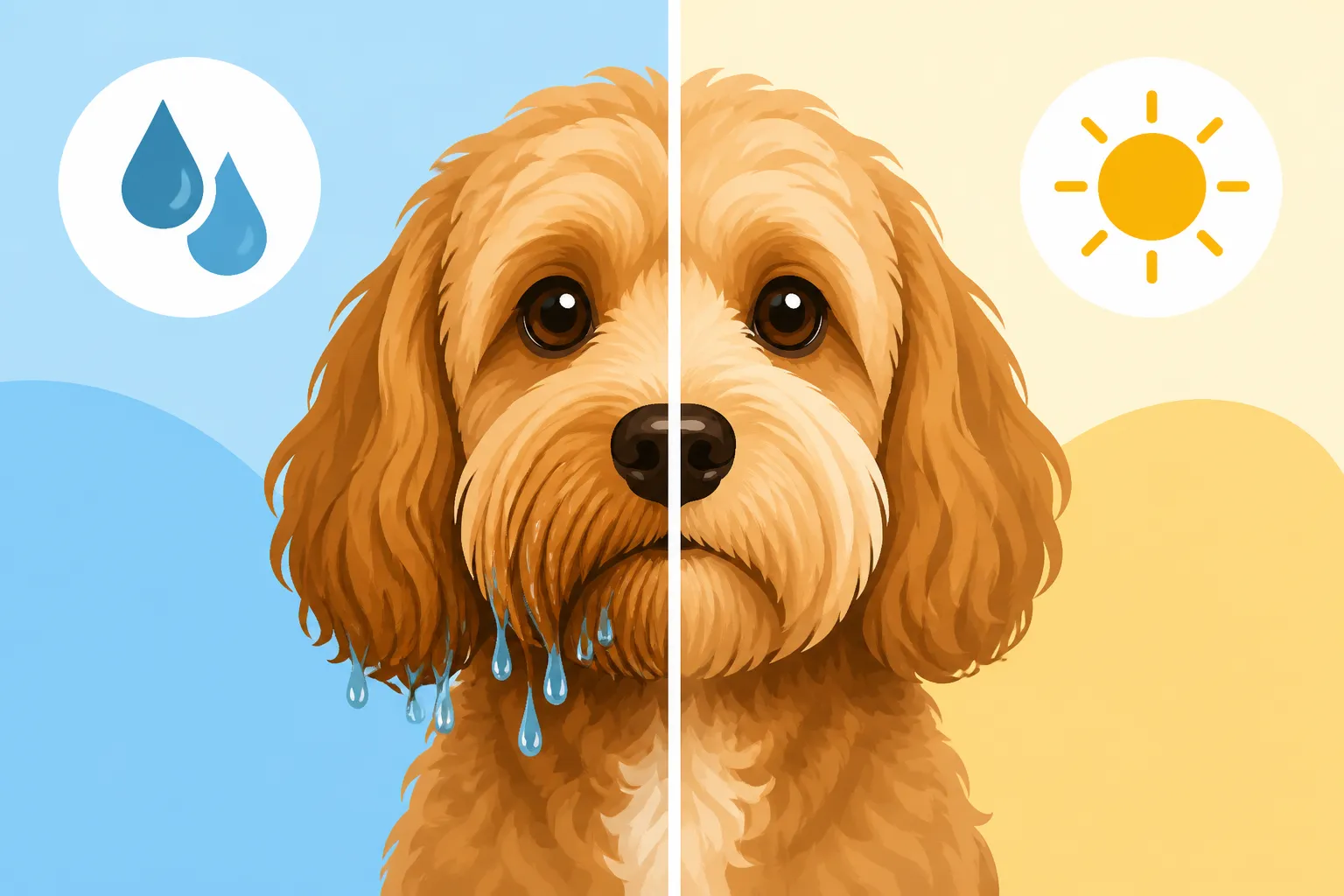
If you're a Cockapoo owner, you've probably noticed that perpetually damp patch under your furry friend's chin. It's a common observation, and honestly, it can be a little gross and often frustrating to deal with, leaving you wondering if your sweet pup just walked through a puddle face-first or if it's something more. This guide is here to shed some light on why your Cockapoo's beard seems to stay wet, the challenges that come with it, and practical steps you can take to manage it effectively.
The Unique Anatomy Behind a Cockapoo's Wet Beard
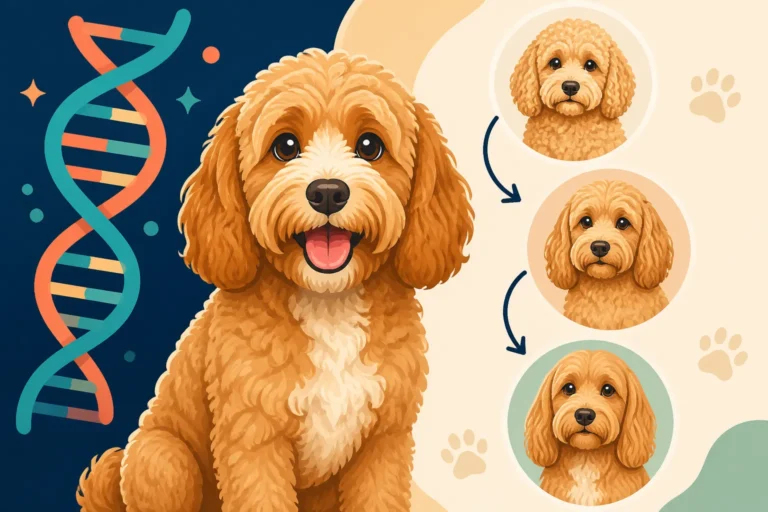
Your Cockapoo's signature charming looks come with a few quirks, and that lovely facial hair is definitely one of them. Unlike many dogs, Cockapoos often inherit specific genetic traits that make their beards more prone to holding moisture. It's not just a coincidence; it's by design, thanks to their Cocker Spaniel and Poodle heritage.
The Furnishings Gene and Its Impact
The term "furnishings" refers to the longer hair on a dog's face – think eyebrows, mustache, and, of course, that prominent beard. These are characteristics inherited from their Poodle side, which is known for its abundant facial hair. Unlike breeds with smooth, short coats on their muzzle, a Cockapoo's furnishings are designed to grow long and often quite dense.
Imagine dipping a smooth, short-haired brush into water compared to a thick, fluffy paintbrush. The fluffy brush will absorb and hold onto far more liquid. That's essentially what happens with your Cockapoo's beard. Every time they take a drink or sniff around in damp conditions, those long, absorbent strands act like a sponge, soaking up and clinging to moisture. This is why a Cockapoo without a beard, often referred to as an "improper coat," might not have this issue to the same extent, as explored in What an Improper Coated Cockapoo Looks Like. Without those furnishings, there's simply less hair to catch and hold the water.
Poodle Influence on Coat Texture
Beyond just the length of the hair, the texture plays a huge role. Poodles are famous for their curly, dense coats, and your Cockapoo often inherits some degree of this curl and thickness. Even a wavy-coated Cockapoo, which is a common blend, will have more texture than a straight-haired dog.
This curly or wavy texture isn't smooth; it has nooks and crannies, and it often grows quite thickly around the muzzle. This means that once water gets into those curls, it's not easily shed. It gets trapped within the individual strands and between them, taking much longer to evaporate than it would from a sleek, straight coat. It’s a bit like trying to dry a tightly coiled rope versus a smooth, straight string – the rope has far more surface area and places for moisture to hide. This inherent curl and density, while lovely, is a primary reason why that beard feels perpetually damp. You might also notice that the coat can feel quite different in various areas, as discussed in The Curl Gene and Where a Cockapoo's Coat Lands.
Common Scenarios That Lead to a Soggy Cockapoo Beard
It’s not always about how they drink, but rather the cumulative effect of daily activities. From a simple sip of water to rooting around in the yard, there are numerous ways your Cockapoo’s beard can go from dry to drenched, leaving you wondering if they're trying to win an Olympic swimming medal with their face.
Drinking Habits and Water Bowls
Let's be honest, most dogs aren't exactly dainty drinkers. Your Cockapoo, with their enthusiastic approach to hydration, tends to plunge their entire muzzle into the water bowl. This isn't a gentle lapping; it's often a full-on submersion of the lower jaw and all that beautiful beard hair. The physics are against you here: as they lift their head, water cascades down their face, soaking the beard thoroughly.
Standard open water bowls are the biggest culprits. They offer a wide surface area for enthusiastic dunking and splashing. Even a slightly less rambunctious drinker will still get their beard wet because the sheer volume of hair acts like a wick. This issue isn't just about initial wetness; the hair then holds onto that moisture for an extended period, creating that damp patch. Changing your dog's drinking habits or the type of bowl can make a surprising difference, as we'll discuss later.
Eating and Food Residue
It’s not just water that makes the beard wet; mealtime can be an even bigger challenge. Imagine feeding your Cockapoo a meal of wet food, or even kibble mixed with a little broth or gravy. As they eagerly eat, that soft, absorbent beard hair acts like a magnet for every drop and crumb. The food sticks, smears, and becomes embedded deep within the curls.
Even dry kibble isn't exempt. While it might not make the beard "wet" in the same way water does, kibble crumbs mixed with saliva can create a sticky, damp residue that dries stiff and uncomfortable. This residue can also attract more moisture later, or worse, become a breeding ground for bacteria if not cleaned promptly. This is especially true for the sensitive skin underneath, which we explore further in Whether a Cockapoo's Skin Is Greasy Like a Cocker's. The combination of moisture and food particles makes for a particularly unpleasant and unhygienic beard situation.
Outdoor Adventures and Play
A Cockapoo's natural curiosity and love for exploration mean their beard is often the first thing to get into trouble outdoors. Whether it's a misty morning walk through dewy grass, a romp after a rain shower, or even just sniffing intently in a damp hedge, that beard will soak it all up. Puddles are an irresistible temptation for many dogs, and a Cockapoo's low-slung muzzle makes it easy to dip right in for a splash or a sniff.
And if your Cockapoo is one of those who Whether a Cockapoo Enjoys Swimming, then their entire face, including the beard, is going to be thoroughly saturated! Even playing with a slobbery toy can transfer a significant amount of moisture and dog-saliva-slime to the beard, adding to the constant dampness. The world outside is full of opportunities for a Cockapoo's beard to get wet, dirty, and generally less than pristine.
Why a Constantly Wet Beard Is More Than Just a Nuisance
While a wet beard might seem like a minor inconvenience, it can quickly escalate into more significant problems for your Cockapoo if not managed properly. It’s not just about a damp chin; it’s about skin health, coat condition, and even your home environment.
Skin Irritation and Dermatitis
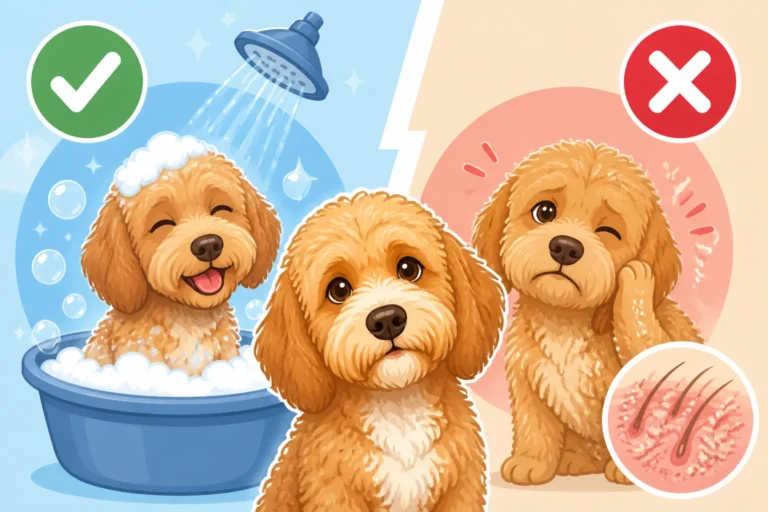
Think about what happens to your skin if it stays damp for too long – it gets irritated, right? The same is true for your Cockapoo. The constant moisture trapped in their beard creates a warm, humid environment that is absolutely perfect for the growth of bacteria and yeast. This can lead to a condition called "beard dermatitis" or simply skin irritation.
You might start to notice redness, a persistent itch, or even a yeasty or foul odor emanating from the damp area. Your dog might rub their face more, paw at their chin, or even try to scratch it on furniture. In severe cases, the skin can become inflamed, raw, and even infected, requiring veterinary attention. It's a common issue that can cause a lot of discomfort for your Cockapoo, and addressing the root cause – the constant dampness – is key to prevention.
Matting and Tangles
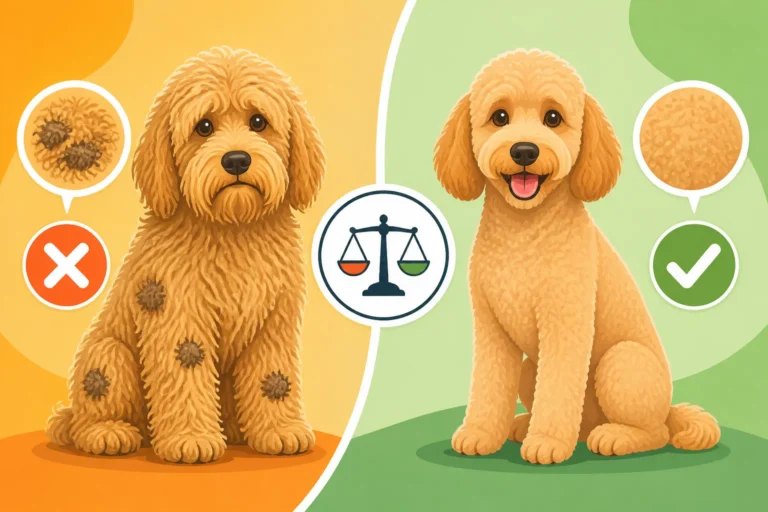
The Cockapoo's curly or wavy coat is already prone to matting, and a perpetually wet beard only exacerbates this challenge. When wet hair dries, especially if it's not brushed or combed, it tends to tighten and knot. Add in food particles, dirt, and debris from outdoor adventures, and you have a recipe for some serious matting.
These mats can form quickly and become incredibly tight, pulling on your dog's sensitive skin and causing pain. Trying to brush out wet or matted beard hair is often a frustrating and uncomfortable experience for both you and your Cockapoo. Mats around the mouth can also interfere with eating and drinking, and they can trap even more moisture and debris. Preventing matting requires consistent grooming, especially in those easily tangled areas like the beard, as we often discuss when talking about Where a Curly Cockapoo Mats First or How Many Minutes a Wavy Cockapoo Takes.
Unpleasant Odor
Let's be frank: a damp, dirty Cockapoo beard can smell. It's not just the typical "wet dog" smell, which is usually fleeting. When moisture, food particles, saliva, bacteria, and yeast combine and fester in a warm, dark environment, they create a distinct and often quite offensive odor. This isn't just unpleasant for you; it means there's an active microbial party happening on your dog's face.
This odor can linger even after bathing if the beard isn't thoroughly cleaned and dried, making you wonder Why a Cockapoo Can Smell Days After a Bath. It can transfer to furniture, blankets, and even you when your dog leans their head on you. Getting rid of the smell often requires addressing the underlying issue of dampness and potential skin irritation, alongside regular cleaning.
Practical Strategies to Keep Your Cockapoo's Beard Drier
The good news is that you don't have to surrender to a perpetually soggy and smelly Cockapoo beard. With a few consistent habits and the right tools, you can significantly reduce the dampness and the problems it causes. It's all about proactive care and making some smart choices.
Grooming and Trimming Techniques
One of the most effective ways to manage a wet beard is through regular grooming. Brushing and combing your Cockapoo's beard daily, especially after meals or outdoor excursions, helps to remove trapped moisture, food particles, and debris before they can cause matting or skin irritation. A good metal comb is essential for working through those fine, often curly, strands.
Consider a professional groomer who can give your Cockapoo a slightly shorter "beard trim" around the mouth and chin. This doesn't mean shaving off all their lovely furnishings, but simply keeping the hair a more manageable length. A shorter trim means less hair to absorb water and fewer places for food to get stuck. Discussing options like a "puppy cut" for the face can provide a neat look while reducing the bulk of hair. Learning Trimming a Cockapoo's Face Without Cutting an Eye yourself for quick touch-ups can also be incredibly helpful. Regular professional grooming appointments, perhaps every 4-6 weeks, will ensure that this area is kept clean and tidy.
Smart Feeding and Drinking Solutions
The type of bowls you use can make a huge difference in how wet your Cockapoo's beard gets.
- Elevated Bowls: For many Cockapoos, especially larger ones, elevating their food and water bowls can help. When the bowl is at a more comfortable height, they may not need to dip their head as far down, reducing the likelihood of their beard dragging in the contents.
- Slow-Feed or Splash-Proof Water Bowls: There are fantastic designs available specifically to minimize mess. These often have a floating disk or a narrow opening that limits how much water your dog can access at once, preventing them from plunging their entire muzzle in. Brands like Chewy and Amazon offer a wide range of these specialized bowls that can be a game-changer.
- Wiping After Meals and Drinks: This is perhaps the simplest, yet most overlooked, solution. Keep a small, absorbent towel or some pet-friendly wipes near their eating and drinking area. Immediately after your Cockapoo finishes a meal or takes a drink, gently wipe their beard dry. This prevents the moisture and food residue from setting in.
Even the type of food can play a small role. While not a primary solution, some owners find that certain wet foods are stickier than others, and a high-quality diet from brands like Ollie that is less prone to crumbling or excessive liquid might leave less residue. However, the wiping action is still the most impactful.
Routine Cleaning and Maintenance
Beyond just drying, routine cleaning is vital for beard health.
- Daily Wiping: As mentioned, a quick wipe after every meal and drink is crucial. For quick clean-ups, pet-safe grooming wipes can be incredibly convenient, especially when you're on the go or after a particularly messy snack.
- Gentle Facial Washes: If the beard frequently gets greasy or develops an odor, a targeted facial wash designed for dogs can be beneficial. These are typically tear-free and formulated to be gentle on sensitive skin. You don't need to bathe your whole dog every day, but a quick facial wash and rinse can keep the beard fresh. Just ensure you rinse thoroughly and dry completely afterward to avoid trapping new moisture.
- Thorough Drying: Whenever your Cockapoo's beard gets wet, whether from drinking, rain, or a facial wash, make sure you dry it thoroughly. Don't just let it air dry. Use a soft, absorbent towel to pat and gently rub the hair until it's as dry as possible. A low-heat setting on a dog-specific dryer (never a human hairdryer, which can be too hot) can also be used if your dog tolerates it, ensuring the undercoat and skin are completely dry. This helps prevent both matting and the growth of skin issues.
Here's a quick comparison of popular water bowl types and their effectiveness for Cockapoo beards:
| Water Bowl Type | Description | Pros for Cockapoo Beards | Cons for Cockapoo Beards |
|---|---|---|---|
| Standard Open Bowl | Wide, shallow, or deep dish. | Widely available, easy to clean. | Allows full muzzle submersion, high splash risk. |
| Elevated Bowl | Raised stand with a standard bowl. | Reduces neck strain, might lessen beard dipping. | Still allows full muzzle submersion, can splash. |
| Slow-Feed Bowl | Features ridges or obstacles to slow eating; some water versions exist. | Limits water intake speed, can reduce splashing. | Primarily for food; water versions are less common. |
| Splash-Proof Bowl | Inner rim or floating disk limits water access, minimizes drips. | Significantly reduces beard wetness, less mess. | Can be more expensive, might require more frequent refills. |
| Travel Bottle/Cup | Squeeze bottle with attached cup/trough for portable hydration. | Excellent for on-the-go, controlled water flow. | Not for everyday home use, capacity limited. |
Managing your Cockapoo's perpetually wet beard is definitely a commitment, but it's one that pays off in a happier, healthier pup and a cleaner home. By understanding why it happens and implementing these practical strategies, you can enjoy all the wonderful qualities of your Cockapoo without the constant damp chin worries.
Disclaimer
This article is for general informational purposes only and does not constitute professional advice. Laws, prices and regulations vary by location and change over time. Consult a qualified professional for guidance on your specific situation.