Whether Ear Hair Should Come Out of a Cockapoo
One of the most common worries Cockapoo parents come to me with, whether online or in person, is about their dog's ears. That beautiful, soft curl around their face often extends right into the ear canal, making owners wonder, "Should I be pulling that hair out? Is it causing problems? Am I doing this right?" It's a valid concern, because poor ear care can lead to painful infections and discomfort for our beloved companions. This guide will walk you through the nuances of Cockapoo ear hair, discussing the different approaches to managing it, and helping you make informed decisions for your furry friend's health and happiness.
The Cockapoo's Unique Ear Canal and Coat Type
Let's dive into why Cockapoo ears are such a hot topic. It all comes down to their genetics – that wonderful mix of Cocker Spaniel and Poodle that gives them their charming looks and personalities, but also some specific care considerations.
Understanding the Parent Breeds' Influence
Our Cockapoos are a blend, and that blend means they inherit traits from both sides of the family tree. On the Cocker Spaniel side, we often see those wonderfully long, floppy ears. While beautiful, these ears can naturally reduce airflow to the ear canal, creating a warm, moist environment where bacteria and yeast can thrive. Now, add in the Poodle side of the equation. Poodles are known for their luxurious, constantly growing coat, which isn't just on the outside. That hair growth extends inside the ear canal, often quite densely.
So, when you combine these two traits in a Cockapoo, you often end up with a dog with floppy ears that cover an ear canal full of thick, curly hair. This combination significantly impacts air circulation and can trap moisture, wax, and debris, making them more prone to ear infections. It’s a common frustration for Cockapoo owners to battle recurrent ear issues, feeling like they're constantly cleaning or heading to the vet. This isn't your fault; it's just the luck of the genetic draw for many of our fluffy friends. You might even find yourself pondering Whether a Cockapoo's Ears Are Better Than a Cocker's, given the challenges.
How Furnishings Affect Ear Hair Growth
The "furnishings" gene is a big deal for Cockapoos, as it's responsible for their signature bearded, mustachioed, and shaggy look. The Furnishings Gene That Decides a Cockapoo's Face is also a key player in why they have hair growing inside their ear canals. Dogs without furnishings, like many Labs or German Shepherds, typically have smooth, hairless inner ear canals. But for a furnished Cockapoo, that hair just keeps growing, much like the hair on their body.
This dense hair growth within the ear canal can act like a plug, further impeding air circulation. Imagine wearing a thick wool hat over your ears all the time – that's a bit like what's happening. The lack of air means any moisture (from a bath, swimming, or even just humidity) gets trapped, creating a perfect breeding ground for microorganisms. Additionally, the hair itself can trap ear wax and debris, making it harder for the ear to naturally clean itself. It's a double whammy for air circulation and natural ear hygiene, often leading to that persistent, yeasty smell that signals an unhappy ear.
The Debate: Plucking Versus Trimming
For decades, the standard practice for breeds with ear hair like Poodles and Cockapoos was to pluck it. However, veterinary science and grooming practices have evolved, leading to a significant debate about the best approach. It's a choice many Cockapoo owners grapple with, often receiving conflicting advice from different sources.
Arguments for Plucking Ear Hair
Traditionally, plucking ear hair involved using hemostats or tweezers to pull out the hair from the ear canal, sometimes aided by ear powder for grip. The historical reasoning was simple: remove the hair, improve airflow, and reduce the buildup of wax and debris, thereby preventing infections. Many groomers and older school vets still advocate for this method, especially if a dog has extremely dense hair that completely blocks the canal. The idea is that a clear canal means a healthy ear, and for some dogs, it does seem to help reduce chronic issues.
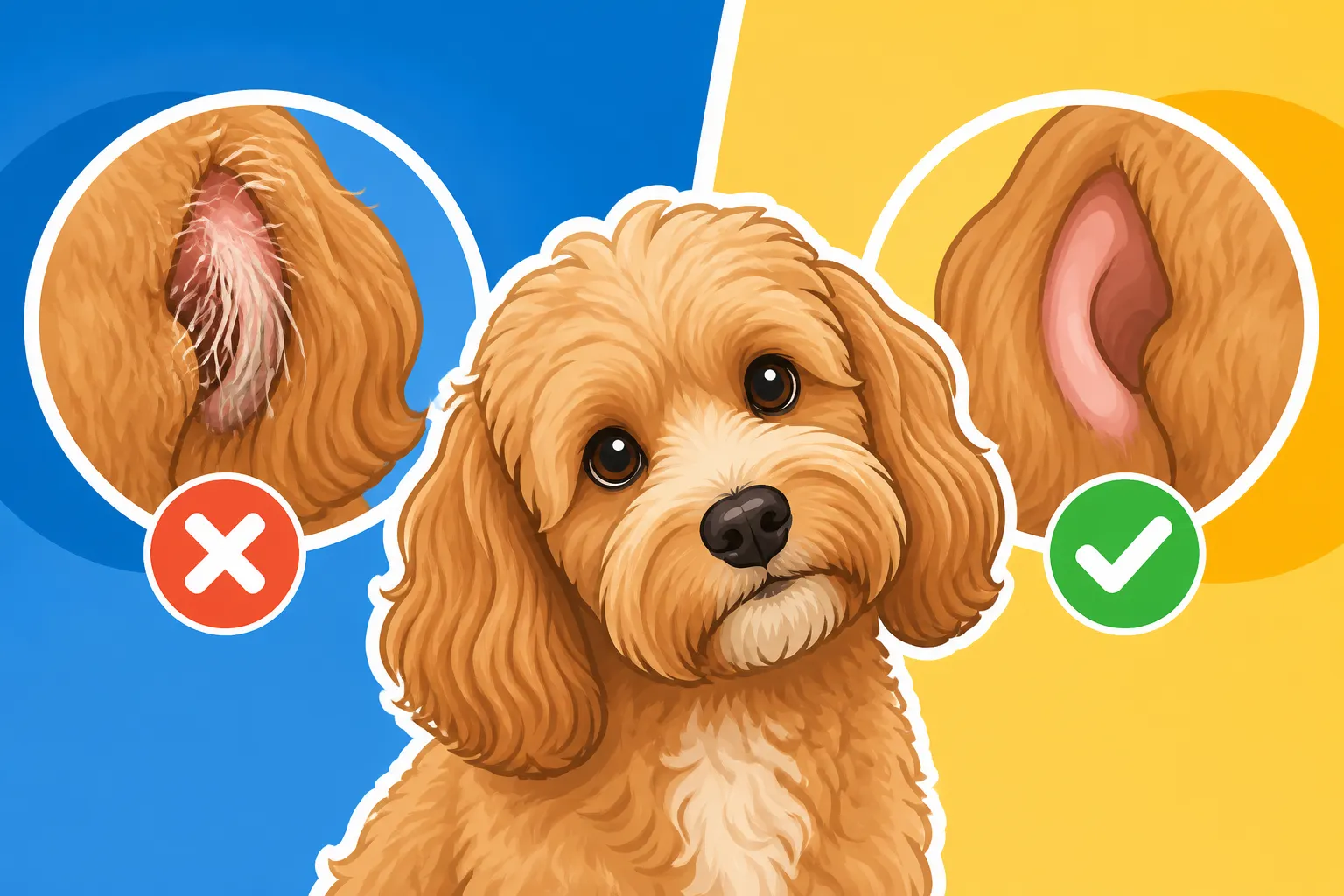
However, the reality of plucking is that it can be quite painful for the dog, even when done carefully. Each hair follicle is attached to nerves, and pulling them out creates tiny open wounds in the delicate skin of the ear canal. This micro-trauma can lead to inflammation, irritation, and ironically, provide an entry point for bacteria, potentially causing an infection rather than preventing one. For dogs with sensitive ears or those prone to allergies, plucking can exacerbate issues, turning a routine grooming task into a dreaded, painful experience for them and a stressful one for you. Many owners describe their Cockapoos flinching, yelping, or trying to bite during the process.
Arguments for Trimming Ear Hair
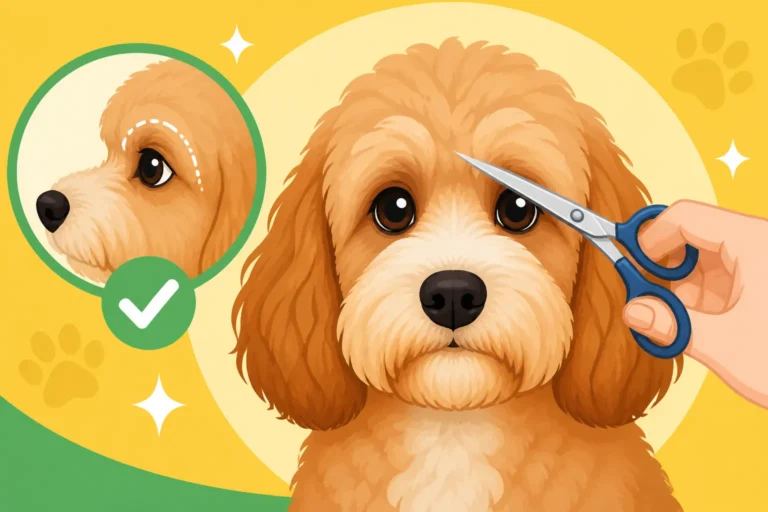
The shift towards trimming ear hair, or even leaving it alone unless absolutely necessary, has gained considerable traction in recent years. This approach focuses on simply clearing the hair at the entrance of the ear canal and perhaps a little further in, without yanking out the roots. Using small, blunt-nosed scissors or a small clipper blade (like a 40 blade) on the lowest setting, a groomer or a careful owner can trim the hair that is visibly blocking the opening. This method is far less invasive and much more comfortable for the dog, significantly reducing pain and the risk of irritation or infection from micro-traumas.
The argument for trimming is that it still allows for better airflow and helps prevent visible matting of hair at the ear entrance, which can trap dirt and moisture. It doesn't eliminate all hair within the canal, but for many Cockapoos, a less aggressive approach is sufficient. The main drawback is that hair will grow back more quickly than if it were plucked, potentially requiring more frequent maintenance. However, many find that the trade-off in comfort for their dog is well worth the extra bit of effort. If your Cockapoo has chronic ear issues, you might also want to look into Whether Medicated Baths Help a Cockapoo to address overall skin and ear health.
The Veterinary Perspective on Ear Hair Removal
The veterinary community's stance on ear hair removal has evolved quite a bit. What was once standard practice – routine plucking for all breeds with ear hair – is now often viewed with more caution. Many vets today will tell you that unnecessary plucking can cause more harm than good, especially in healthy ears. They often emphasize that a healthy ear has a natural self-cleaning mechanism, and aggressive intervention can disrupt this delicate balance.
Current recommendations lean towards a less-is-more approach. If a Cockapoo's ears are healthy, clean, and free of odor or discharge, many vets advise against routine plucking. Instead, they suggest keeping the ear canal clean with appropriate ear wash and monitoring for any signs of trouble. Plucking might only be recommended if a dog suffers from recurrent, severe ear infections directly linked to a dense mat of hair deep within the canal that cannot be managed otherwise. Even then, they might suggest a gentle, minimal approach. It’s always best to have an open conversation with your vet about your individual dog's ear health and what strategy they recommend, perhaps even asking them about Whether a Cockapoo Needs Its Ears Cultured if you're battling persistent issues.
Practical Strategies for Cockapoo Ear Care
Given the complexities of Cockapoo ears, establishing a consistent, gentle, and effective ear care routine is crucial. It’s not just about one-time removal, but ongoing maintenance and vigilant observation.
Daily Checks and Gentle Cleaning
Regular inspection is your first line of defense against ear problems. Make it a habit to lift your Cockapoo's floppy ears daily or every other day. Take a good look inside – do you see redness? Swelling? Is there any discharge? Does it smell yeasty, sweet, or foul? A healthy ear should look clean, be pale pink, and have minimal odor. If you're noticing a distinct smell, it could be a sign of infection, and sometimes it can even be related to Whether a Cockapoo's Skin Is Greasy Like a Cocker's or Whether a Cockapoo's Coat Feels Oily at the Roots which can contribute to yeast overgrowth.
For cleaning, always use a vet-approved ear cleaner. These cleaners are formulated to be gentle on the delicate ear canal lining and often contain drying agents to combat moisture. Never use rubbing alcohol, hydrogen peroxide, or harsh soaps, as these can irritate or damage the ear. To clean, gently lift the ear flap, apply the cleaner as directed by your vet (usually a few drops or a squirt into the canal), and then gently massage the base of the ear for about 30 seconds. You'll hear a squishy sound. Allow your dog to shake their head – that's them doing the heavy lifting! Then, gently wipe away any excess cleaner and loosened debris from the outer ear and visible folds with a soft cotton ball or gauze. Avoid pushing anything down into the canal with cotton swabs, as this can compact debris or damage the eardrum.
When to Seek Professional Help
Knowing when to call in the professionals is paramount. While routine cleaning is part of home care, certain signs indicate it's time for a vet visit. These include:
- Excessive Head Shaking: This is often the first and most obvious sign of ear discomfort.
- Constant Scratching: Your Cockapoo might be pawing at their ears or rubbing them against furniture.
- Redness or Swelling: The ear flap or inside the canal looks inflamed.
- Discharge: Yellow, brown, or black discharge, especially if it's thick or resembles coffee grounds.
- Strong Odor: A distinct, unpleasant smell coming from the ear.
- Pain: Your dog cries out or pulls away when you touch their ears.
- Limping or Off-Balance: In severe cases, an inner ear infection can affect balance.
If you observe any of these symptoms, please don't delay in contacting your veterinarian. They can properly diagnose the issue, whether it's an infection, allergies, or a foreign body, and prescribe the correct treatment. Discussing your Cockapoo's ear hair management with them is also a good idea. They can visually assess the density of the hair in the canal and advise on whether trimming or, in rare cases, careful plucking by a professional is necessary. Remember, some ear issues, like those leading to Hot Spots on a Cockapoo That Has Been Swimming, can quickly escalate if not addressed.
Maintaining Overall Ear Health
Beyond direct cleaning, several other factors contribute to overall ear health in your Cockapoo. It’s a holistic approach that takes into account their entire well-being.
One often overlooked aspect is diet. Just like in humans, what goes into your dog's body can affect their skin and coat health, including the skin inside their ears. For some Cockapoos, chronic ear infections can be linked to underlying food sensitivities or allergies. While it's not a universal fix, exploring Whether Diet Changes a Cockapoo's Coat Condition with your vet or a canine nutritionist might offer some relief if you're dealing with persistent issues. Brands like Ollie focus on fresh, whole ingredients, and while I can't promise a cure, a healthy diet supports a healthy immune system, which in turn can help combat recurrent infections.
Another critical point is managing moisture. Cockapoos love water – whether it's a bath, a swim in the lake, or even just playing in the rain. Those floppy ears and dense ear hair mean moisture can get trapped easily. Always make sure to thoroughly dry your Cockapoo's ears after any exposure to water. You can use cotton balls to gently wick away moisture from the visible parts of the canal and consider a quick application of a drying ear cleaner afterward. This simple step can prevent a lot of grief.
Finally, consistent grooming appointments, where your groomer checks and gently manages ear hair (whether trimming or careful plucking as advised by your vet), are vital. Communicate clearly with your groomer about your vet's recommendations and your preferences. A good groomer understands the delicate nature of Cockapoo ears and can incorporate appropriate care into their routine, alongside other services like managing What Each Cockapoo Coat Type Costs at the Groomer.
The Long-Term Impact of Ear Care Choices
The decisions you make regarding your Cockapoo's ear care today can have lasting effects on their comfort and health. It's a journey of learning and adaptation, often requiring patience and consistency.
Avoiding Common Pitfalls
When it comes to ear care, it's easy to fall into a few common traps that can unfortunately worsen the situation rather than improve it. One major pitfall is over-cleaning. While regular cleaning is good, excessive or aggressive cleaning can strip the ear of its natural protective oils, irritate the delicate skin, and disrupt the ear's healthy microbiome. Think of it like over-washing your hands – it can lead to dry, cracked skin. Stick to a schedule recommended by your vet, usually once a week or every two weeks for maintenance, and only more frequently if treating an active infection under veterinary guidance.
Another mistake is delaying a vet visit when you suspect an infection. "Oh, it's just a little head shake, it'll pass" can quickly turn into a raging, painful infection that's much harder and more expensive to treat. Early intervention is key. Additionally, attempting deep ear hair plucking at home without proper instruction or tools, especially if your dog is not cooperative, can lead to injury or increased fear. It’s better to err on the side of caution and seek professional help for anything beyond gentle surface cleaning.
Tailoring Care to Your Cockapoo
Every Cockapoo is an individual, and their ear care needs can vary wildly. Some might have sparse ear hair and never need anything done beyond routine checks and occasional cleaning. Others might have extremely dense hair, a genetic predisposition to yeast, or allergies that make ear care a constant battle. This is why tailoring the approach to your specific dog is so important.
Observe your Cockapoo closely. How do they react to having their ears touched? Do they show signs of discomfort after a bath? Are their ears consistently problematic, or are issues rare? If you're using a particular cleaner or grooming method and your dog's ears aren't improving, or are getting worse, it's time to re-evaluate with your vet. Perhaps your Cockapoo's delicate Whether a Cockapoo Gets Dry Eye is mirrored by sensitive ear skin. Don't be afraid to try different, vet-approved products or adjust your routine. Building a trusting relationship with both your veterinarian and your groomer is invaluable, allowing you to discuss your observations and work together to find the most effective and humane strategy for your Cockapoo. They can help you understand Whether the Poodle Ear Canal Helps a Cockapoo or hinders it, based on the individual traits your pup inherited.
| Feature | Ear Hair Plucking (Traditional) | Ear Hair Trimming (Modern Approach) |
|---|---|---|
| Method | Pulling hair out by the root with forceps/tweezers | Cutting hair at the opening of the canal with scissors/clippers |
| Pain Level | Can be painful, causes micro-trauma | Generally painless, less invasive |
| Airflow | Maximizes airflow by removing all hair | Improves airflow by clearing the entrance |
| Risk of Infection | Can introduce bacteria via open follicles, cause inflammation | Minimal risk, avoids trauma; hair still present in canal |
| Frequency | Less frequent as hair is removed from root | More frequent as hair regrows faster |
| Best Use Case | Reserved for severe, chronic infections where hair is a clear barrier, under vet guidance | Routine maintenance for most Cockapoos, comfortable option, primary vet recommendation |
| Tools | Hemostats/forceps, ear powder | Blunt-nosed scissors, small clippers (e.g., #40 blade) |
| Professional Advice | Often discouraged unless medically necessary | Generally preferred by modern vets and groomers |
Ultimately, the goal is to keep your Cockapoo's ears healthy and comfortable. This might mean simply wiping them clean regularly, or it could involve a gentle trimming routine at home or with a professional. What matters most is consistency, observation, and a willingness to adapt based on your dog's unique needs and the expert advice of your veterinarian. Products available from retailers like Chewy can help with ear cleaning and maintenance, but always ensure they are vet-approved before use. Even general grooming training, like Teaching a Cockapoo to Give a Foot for Nails, can help your pup be more cooperative with ear handling over time.
Disclaimer
This article is for general informational purposes only and does not constitute professional advice. Laws, prices and regulations vary by location and change over time. Consult a qualified professional for guidance on your specific situation.