Whether Shedding Can Be Seen in a Cockapoo Puppy
One of the biggest questions on every prospective Cockapoo parent's mind is, "Will my puppy shed?" It's a valid concern, especially if you're hoping for a low-shedding companion due to allergies or simply a desire for less dog hair around the house. The truth is, figuring out a Cockapoo puppy's future shedding potential can feel like trying to predict the weather, but this guide will help you understand what to look for and what to expect as your little floof grows.
Decoding the Cockapoo Coat: A Genetic Marvel (and Mystery)
The Cockapoo's coat is a delightful blend of its Cocker Spaniel and Poodle heritage, but this genetic mix also means a wide variety of coat types, and with that, varying degrees of shedding. It's not as simple as "Poodles don't shed, so my Cockapoo won't." Oh, if only it were that easy! Many new owners are surprised to learn that their adorable, fluffy puppy might not stay quite so low-maintenance as it matures.
The Furnishings Gene: The Whiskers Tell a Tale
At the heart of a Cockapoo's shedding potential lies a gene often referred to as "furnishings." This gene dictates whether a dog will have the longer hair on its face, eyebrows, and legs that gives many doodles their characteristic teddy bear look. Poodles carry two copies of this gene (F/F), making them furnished and very low-shedding. Cocker Spaniels, on the other hand, can carry two copies that lack furnishings (I/I), or sometimes one of each (F/I). When you cross these two breeds, you get a mix, and the puppy's inherited genes are crucial.
A puppy that inherits at least one copy of the furnishings gene (F) will typically be furnished, meaning it will have that longer facial hair and be much lower shedding. Without any copies of the furnishings gene (I/I), a puppy will have what's called an "improper coat" or "flat coat," looking much more like a Cocker Spaniel, and it will shed. You can learn more about What an Improper Coated Cockapoo Looks Like if you're curious about the visual differences.
The Curl Gene: More Than Just Aesthetics
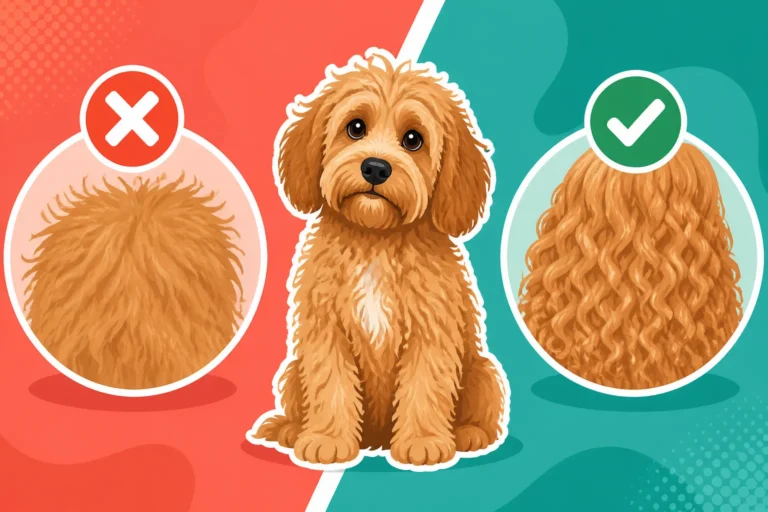
Beyond furnishings, the curl gene (KRT71) also plays a significant role in how much hair your Cockapoo might drop. Poodles are known for their tight, dense curls, while Cocker Spaniels have a softer, wavier coat. The more curl a Cockapoo inherits, generally speaking, the less visible shedding you'll encounter. The curls effectively "catch" shed hairs, holding them within the coat rather than releasing them onto your furniture and clothes. This is fantastic for those seeking a cleaner home, but it comes with a trade-off: increased grooming needs to prevent matting. A puppy with a straighter or wavier coat, even if furnished, might still release more hair around the house because those shed hairs have less to cling to. We delve deeper into The Curl Gene and Where a Cockapoo's Coat Lands in another article.
Can You Really See Shedding in a Cockapoo Puppy?
This is where things get a bit tricky, and honestly, a lot of puppy owners get caught off guard. For many Cockapoo puppies, visible shedding isn't usually a major concern in their early months, and sometimes not even through their first year. This can lead to a false sense of security, making owners believe they've hit the jackpot with a truly non-shedding dog.
The Early Days: The Puppy Fluff Phenomenon
When you first bring home a Cockapoo puppy, typically between 8 and 12 weeks old, their coat is often soft, fluffy, and relatively easy to manage. They aren't usually actively "shedding" in the way an adult dog might. This is their charming puppy coat, and it often feels like a cloud. At this stage, it's genuinely hard to tell if they will be a low-shedding adult or a moderate shedder, simply by observing a few stray hairs. You might see very minimal hair come out during brushing, but it’s unlikely to be significant enough to indicate their future coat type. Many factors influence A Cockapoo's Coat at Eight Weeks, and it's quite different from what they'll have as adults.
However, if a puppy is born with an obviously "flat" or "improper" coat – lacking the longer hair on the muzzle and eyebrows – you can be fairly certain it will shed like a Cocker Spaniel. These puppies often have a very smooth face, sometimes described as a "smoothie" Cockapoo, and their coat texture will be distinctly less fluffy even as a young pup. In these cases, yes, you might notice more shedding sooner, but even then, a young puppy's coat is often less dense than an adult's.
The Great Coat Change: A Matting Minefield
The real test, and often the biggest surprise for Cockapoo owners, comes around 8 to 14 months of age, during what is affectionately (or not so affectionately, depending on your experience!) known as the "coat change." This is when your puppy's soft, easy-to-manage puppy fluff starts to give way to their denser, more adult coat. During this period, the texture can become incredibly thick and prone to matting, even if the dog is destined to be low-shedding.
While not "shedding" in the traditional sense of hair falling out all over the house, this is the time when loose puppy hairs get trapped in the incoming adult coat, creating tangles and mats that can be surprisingly stubborn. If you're not diligent with daily brushing during this phase, your low-shedding Cockapoo can quickly become a matted mess, requiring a full shave-down at the groomer. It feels like shedding because you're brushing out so much hair, but it's more about disentangling dead puppy coat from new adult growth. Understanding The Coat Change That Ambushes a Cockapoo Owner at Ten Months is critical for proactive grooming.
Predicting Your Cockapoo's Shedding Potential
While directly seeing shedding in a young puppy is difficult, there are several indicators you can look for to get a better idea of what to expect down the line. A responsible breeder will also provide valuable information and testing results.
Observing the Coat at Different Stages
You can observe your puppy's coat development as they grow. Pay attention to changes in texture and density.
- Puppy Coat (0-6 months): As mentioned, this is often soft and fluffy. Minimal shedding. If you see a lot of shedding at this stage, it's a strong indicator of an improper coat. Look closely at the muzzle and around the eyes. Does your puppy have noticeable longer hair here, or is it smooth like a traditional Spaniel?
- Transition Phase (6-18 months): This is the coat change period. You might notice the coat becoming coarser, thicker, and much more prone to tangles. You'll be brushing out a lot of "dead" hair that's gotten stuck. This isn't necessarily shedding, but it's a critical time for grooming. For more detailed insights into this phase, consider reading A Cockapoo's Coat Through the Ten Month Change.
- Adult Coat (18+ months): By this point, your Cockapoo's adult coat should be fully established. If they inherited the furnishings gene, they will likely be low-shedding, meaning the hair they do shed gets caught in their curls. If they have an improper coat, they will shed visibly and consistently.
The Power of Genetic Testing
The most reliable way to know if your Cockapoo puppy will shed is through genetic testing, specifically for the furnishings (RSPO2) and curl (KRT71) genes. A reputable breeder should be able to provide these results for both parent dogs or even for the puppies themselves.
| Gene Test | Result | Implication for Shedding | Visual Cue in Puppy |
|---|---|---|---|
| Furnishings (RSPO2) | F/F | Fully furnished, very low shed | Distinct longer hair on muzzle/eyebrows |
| Furnishings (RSPO2) | F/I | Furnished, low shed | Distinct longer hair on muzzle/eyebrows |
| Furnishings (RSPO2) | I/I | Improper coat, sheds visibly | Smooth face, shorter muzzle hair |
| Curl (KRT71) | Cu/Cu | Straight coat, may shed more visibly | Wavier/straighter coat texture |
| Curl (KRT71) | Cu/C | Wavy coat, moderate shedding visible | Noticeable waves, less dense |
| Curl (KRT71) | C/C | Curly coat, very low visible shed | Tight, dense curls |
This table provides a general overview. Remember, the furnishings gene is the primary indicator of whether a Cockapoo will be truly low-shedding. The curl gene influences how much of that shed hair stays trapped in the coat versus falling out. Asking a breeder for these test results for both parents or the puppy itself is paramount when choosing a Cockapoo puppy, especially if shedding is a major concern for your household. This can save you a lot of guesswork and potential disappointment. For instance, What RSPO2 Testing Tells a Cockapoo Breeder is a great resource to understand these tests better.
Managing Shedding (or the Illusion of it) in Your Cockapoo
Regardless of whether your Cockapoo is truly low-shedding or has an improper coat, proactive management is key to keeping their coat healthy and your home cleaner.
Regular Grooming: Your Best Defense
For low-shedding Cockapoos (those with furnishings), the battle isn't against loose hair on your floor, but against mats. Those wonderful curls that trap shed hair also trap dirt, debris, and create tangles if not brushed regularly.
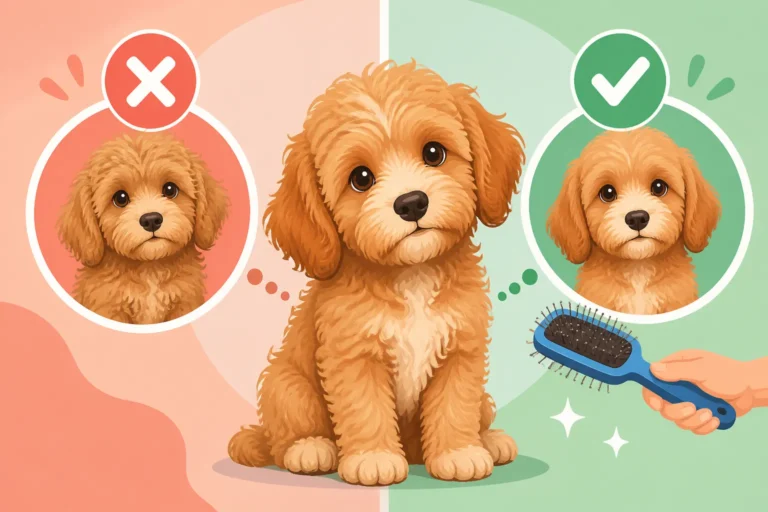
- Daily Brushing: This is non-negotiable, especially during the coat change. A good slicker brush and a metal comb (the comb finds mats the slicker misses!) are your best friends. Brushing not only removes trapped dead hair but also distributes natural oils, keeping the coat healthy. You can find excellent grooming tools on sites like Amazon or Chewy.
- Professional Grooming: Even if you brush daily, your Cockapoo will need professional grooming every 6-8 weeks. Groomers can clip the coat to a manageable length, trim around the eyes and paws, and ensure any tricky mats are handled correctly. Discuss What a Teddy Bear Clip Looks Like on a Cockapoo or other styles with your groomer.
- Bathing: Regular bathing (every 3-4 weeks, or as needed) with a good quality dog shampoo and conditioner can help keep the coat clean and prevent buildup that can lead to matting. Always ensure the coat is thoroughly brushed before bathing and dried completely afterwards to prevent mats from setting in.
For Cockapoos with improper coats that shed visibly, regular brushing will still be your primary tool. It will help remove loose hair before it has a chance to settle on your furniture. Vacuuming and lint rollers will become staple items in your home, but consistent brushing can significantly reduce the amount of hair you find.
Nutritional Support for a Healthy Coat
A healthy coat starts from within. Providing your Cockapoo with a high-quality diet rich in essential fatty acids can contribute to overall skin and coat health, which can, in turn, reduce excessive shedding (if it's not genetically determined).
Look for dog foods that list real meat as the first ingredient and contain omega-3 and omega-6 fatty acids. Some owners opt for fresh food options, which can be fantastic for coat health. Services like Ollie offer fresh, human-grade dog food that can contribute to a lustrous coat. While diet won't change a genetically shedding dog into a non-shedder, it can certainly improve the condition of their coat and minimize unhealthy shedding. If you're wondering about dietary changes for skin issues, we discuss Whether Diet Changes a Cockapoo's Coat Condition in depth elsewhere.
Understanding the Trade-offs
It’s important to enter Cockapoo ownership with realistic expectations. The idea of a "non-shedding" dog is often misunderstood. Even Poodles, which are considered non-shedding, do shed hair; it simply gets tangled in their dense, curly coat instead of falling out. This is why Poodles, and by extension, furnished Cockapoos, require intensive grooming.
If your Cockapoo has an improper coat, the trade-off is more visible shedding but often less intensive daily brushing for mat prevention. You might have hair on your couch, but you might spend less time detangling. If you have a true low-shedding Cockapoo with a curly or wavy furnished coat, you'll find less hair around the house, but you'll spend significantly more time (or money on a groomer) maintaining that coat to prevent painful mats. Considering The Three Cockapoo Coat Types and Their Upkeep can help you prepare for the commitment involved.
Long-Term Expectations for Your Cockapoo's Coat
As your Cockapoo matures past the "teenager" phase, usually around 18-24 months, their coat will typically settle into its adult form. At this point, you'll have a much clearer picture of their individual shedding and grooming needs.
Coat Settling and Maintenance
After the coat change, the intense matting phase usually subsides, but consistent grooming remains vital. A weekly thorough brushing with attention to problem areas like behind the ears, armpits, and groin is generally recommended for furnished Cockapoos. Professional grooming appointments should continue regularly, likely every 6-8 weeks, to keep the coat at a manageable length and prevent long-term issues.
For improper coated Cockapoos, regular brushing will continue to help manage shedding. Their coats might be easier to maintain at home with occasional trims, but professional grooming can still be beneficial for hygiene and maintaining an even appearance. Understanding Whether a Cockapoo's Coat Settles After Two can help you set realistic long-term expectations for grooming.
The Myth of the "Hypoallergenic" Dog
Many people choose Cockapoos because they are often marketed as "hypoallergenic." While a truly low-shedding Cockapoo can be a better fit for people with mild allergies, no dog is 100% hypoallergenic. Allergens are found in dander (dead skin cells), saliva, and urine, not just hair. Dogs that shed less might distribute fewer allergens around the home, but they still produce them.
Therefore, even if your Cockapoo puppy shows no visible shedding, it's crucial to understand that it may still trigger allergies in sensitive individuals. It's always best for anyone with allergies to spend time with the specific puppy (or its parents) before committing to ensure compatibility. You might find our article Whether a Furnished Cockapoo Suits an Allergic Home helpful if this is a primary concern for you.
What if my Cockapoo puppy does shed?
If your Cockapoo puppy grows up to be a shedder, don't despair! Many wonderful Cockapoos have improper coats and shed, and they make equally fantastic companions. You simply adjust your expectations and routine.
- Embrace the brush: Regular brushing (daily or every other day) will be your best friend to capture loose hair.
- Invest in good cleaning tools: A strong vacuum cleaner and lint rollers will be essential.
- Consider shorter clips: Keeping the coat shorter can help manage the volume of hair, even if it doesn't stop the shedding itself.
- Manage expectations: Accept that dog hair will be a part of your life and focus on the joy your companion brings.
The key takeaway here is that while you might not see significant shedding in a young Cockapoo puppy, it doesn't mean it won't happen later, or that heavy grooming won't be required to prevent mats. Understanding the genetics and the coat change period is the best way to prepare yourself for a happy, well-groomed Cockapoo life.
Disclaimer
This article is for general informational purposes only and does not constitute professional advice. Laws, prices and regulations vary by location and change over time. Consult a qualified professional for guidance on your specific situation.