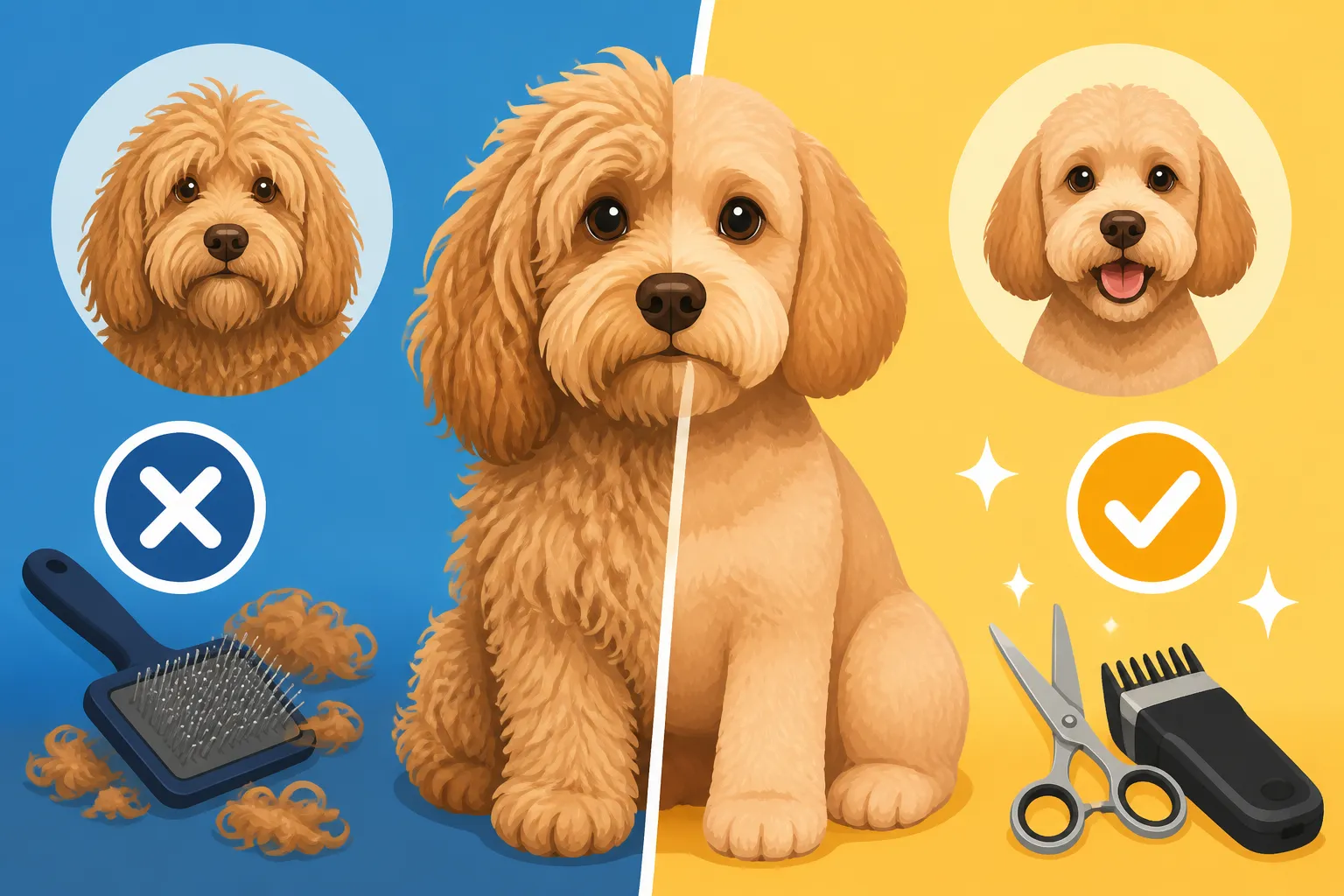
Whether a Cockapoo Should Be Clipped Through the Change
The coat change in a Cockapoo is something many new owners don't anticipate, and it can quickly become a battleground of mats and frustration. You've likely found yourself staring at your sweet puppy's increasingly unruly fur, wondering if a full clip is the only way through without causing discomfort or spending every waking moment brushing. It’s a completely valid concern, and navigating this tricky period effectively can make all the difference for both you and your furry companion. This guide will walk you through understanding this notorious coat transition and help you decide the best approach for managing your Cockapoo's fur during this challenging phase.
Understanding the Infamous Cockapoo Coat Change
So, your adorable, fluffy Cockapoo puppy is growing, and suddenly that soft, manageable coat is starting to feel… different. It's not just a little unruly; it's like a magnet for tangles and mats, seemingly overnight. This isn't just a phase of dishevelment; it's a significant biological process known as the "coat change," and it’s a crucial period in your Cockapoo’s grooming journey. Many owners are caught off guard by this transformation, thinking their low-shedding pup will simply maintain its puppy fluff. The reality is often far more demanding, regardless of how much you initially spent on grooming tools.
What Exactly is the Coat Change?
At its heart, the coat change is exactly what it sounds like: your Cockapoo’s delicate, single-layer puppy coat is gradually being replaced by a denser, more complex adult coat. Think of it like a human teenager’s voice breaking, but for fur. Puppy coats are typically softer, finer, and often less dense, making them relatively easy to manage. However, as your Cockapoo matures, typically between 6 to 18 months of age, their genetic inheritance kicks in. The adult coat, a blend of the Cocker Spaniel's lush double coat and the Poodle's dense, curly single coat, starts to push through.
This transition period is particularly problematic because the finer puppy hair gets trapped within the emerging, coarser adult hair. It’s like trying to comb two different textures of yarn together – they cling, they intertwine, and they knot with remarkable speed. This trapped puppy hair is the primary culprit behind the sudden, seemingly impossible matting. It’s not just about brushing more; it’s about understanding the unique challenge this dual-textured coat presents as it grows in. The entire process of this transition often catches owners off guard, leading to a scramble for solutions when the matting becomes severe. For a deeper dive into the typical timeline, you might find How Long a Cockapoo's Coat Change Runs helpful.
Signs Your Cockapoo is Entering the Change
Recognizing the early signs of the coat change can help you prepare and proactively adjust your grooming routine, potentially saving you a lot of heartache (and your dog a lot of discomfort). One of the most common first indicators is a sudden increase in shedding, which can be confusing for owners who specifically chose a Cockapoo for its low-shedding reputation. This shedding is usually the puppy coat making its exit. You might also notice the texture of your dog's fur changing; it may feel less soft, perhaps a bit coarser or more cottony in some areas.
The most undeniable sign, however, is the rapid onset of matting. Areas that were previously easy to brush, like behind the ears, armpits, flanks, and around the collar, become knot factories almost overnight. You might brush your Cockapoo thoroughly in the morning, only to find new tangles by evening. The mats aren't just surface-level; they often form close to the skin, pulling and causing pain. Your dog might also become more sensitive to brushing, pulling away or yelping, not because they dislike grooming, but because the trapped hairs are genuinely uncomfortable. If you're noticing this kind of sudden, aggressive matting, chances are your Cockapoo is right in the thick of their coat change. This period usually begins around the time you start noticing A Cockapoo's Coat at Eight Weeks evolving into something far more substantial.
The Grooming Dilemma: Clipping Versus Growing Out
Once you recognize that your Cockapoo is in the midst of their coat change, you're faced with a big decision: do you commit to an intensive brushing regimen to try and grow out their coat, or do you opt for a shorter clip to simplify things? There's no single "right" answer, as it truly depends on your lifestyle, your dog's tolerance, and your willingness to dedicate significant time to daily grooming. Both approaches have their merits and their challenges, and it's essential to weigh them carefully.
The Argument for Clipping Short
For many Cockapoo owners, especially those new to dense, curly coats, choosing to clip their dog's fur short during the coat change becomes a practical necessity. The primary benefit of a short clip is mat prevention. When the fur is kept short, the puppy hair has less opportunity to intertwine with the incoming adult coat, drastically reducing the formation of painful mats. This can be a huge relief for both the dog and the owner, transforming grooming from a dreaded chore into a much quicker, more manageable task.
Beyond mat prevention, a short clip offers several advantages. It makes daily care much easier; a quick brush a few times a week is often sufficient, rather than an hour-long session every day. It also keeps your dog more comfortable, especially in warmer weather, and allows for better air circulation to the skin, which can help prevent skin irritations that can arise when mats pull and trap moisture. Many owners opt for a "puppy cut" or "teddy bear clip" during this time, which keeps the coat at a uniform, manageable length. While some worry about the aesthetics, the comfort and health of your dog often outweigh the desire for a longer, flowing coat during this intense period. Choosing What Blade Length Suits a Cockapoo is an important consideration for this approach.
The Case for Growing Out and Frequent Brushing
On the other hand, some owners are determined to maintain a longer coat on their Cockapoo, either for aesthetic reasons or because they prefer the feel of a fuller coat. While entirely possible, this approach demands an extremely high level of commitment to daily, thorough grooming. You are essentially fighting the natural process of two different coat types trying to bind together, and it requires vigilance and the right techniques.
To successfully grow out a Cockapoo’s coat through the change, you must commit to daily line brushing. This isn't just a quick once-over; it involves systematically brushing small sections of hair, all the way down to the skin, to ensure no mats are forming at the root. You’ll need a high-quality slicker brush and a metal comb (like those readily available on Amazon or Chewy) to work through every inch of your dog's coat. You might also find detangling sprays helpful, as they can lubricate the hair and make it easier to separate. The challenge here is not just the time commitment, but also ensuring your dog tolerates these extended grooming sessions. If your dog has a particularly dense or curly coat, this task can become incredibly demanding, sometimes requiring more than an hour a day. For comprehensive guidance on this technique, check out Line Brushing a Cockapoo and Why the Top Coat Lies.
Risks of Not Grooming Adequately During This Period
Regardless of whether you aim for a short clip or a longer coat, neglecting grooming during the coat change can lead to serious problems. The most immediate and painful risk is severe matting. Mats don't just look bad; they pull on the skin, causing discomfort, pain, and even bruising. Imagine constantly having your hair pulled at the roots – that's what a matted coat feels like. These tight knots can restrict movement, making it painful for your dog to walk, run, or even lie down comfortably.
Beyond physical pain, mats can lead to severe skin issues. They trap moisture, dirt, and parasites against the skin, creating a breeding ground for bacterial and fungal infections. You might see "hot spots" develop or notice a strong, unpleasant odor coming from your dog's skin. In extreme cases, mats can even cut off circulation, leading to more severe health complications. If the matting becomes too severe, the only humane option is often a complete shave-down by a professional groomer, which can be a stressful experience for your dog and an unexpected expense for you. This underscores the importance of a proactive approach during this critical time, as neglecting it can quickly turn into an emergency. Don't underestimate The Month a Cockapoo Starts Matting Daily.
Practical Strategies for Managing the Coat Change
Navigating the coat change successfully hinges on being prepared and consistent. It's less about magic solutions and more about diligent, regular care. Having the right tools, understanding proper techniques, and knowing when to call in professional help are all vital components of keeping your Cockapoo comfortable and mat-free. This period truly tests your commitment as a dog owner, but with the right strategies, it's entirely manageable.
Essential Tools and Techniques
First and foremost, you need the right arsenal of grooming tools. A good quality slicker brush is indispensable for gently removing loose hair and surface tangles. However, a slicker brush alone isn’t enough. You absolutely need a metal comb with both wide and fine teeth. This comb is your mat detector; it’s the only way to confirm that you’ve brushed all the way to the skin and that no hidden tangles remain. The Comb That Finds Mats a Slicker Misses provides more detail on why this is so critical.
When it comes to technique, line brushing is paramount. This involves parting the coat and brushing upwards or forwards, then brushing down small sections at a time, making sure to work from the skin out. This ensures you’re not just brushing the top layer of hair, which can leave mats close to the skin to grow larger and tighter underneath. Invest in a good quality detangling spray or conditioning spray (many reputable options are available from retailers like Chewy or Amazon). These sprays can help lubricate the hair, making it easier to comb through and preventing breakage. Regular nail trims and ear cleaning should also be part of your routine, as overall hygiene contributes to a healthier coat.
The Role of the Professional Groomer
Even with the best intentions and tools, the coat change can be overwhelming. This is where a professional groomer becomes an invaluable partner. Don't wait until your dog is severely matted to call them; regular appointments during the coat change can prevent many headaches. A groomer can assess your Cockapoo's coat type and density, offer advice on at-home care, and perform a thorough brush-out or a maintenance clip.
If you decide to keep your Cockapoo's coat longer, schedule grooming appointments every 4-6 weeks to ensure any emerging mats are handled before they become severe. If you opt for a shorter clip, a groomer can maintain a consistent, comfortable length. Be open with your groomer about the challenges you're facing. They are experts in managing these coat types and can often work wonders with a challenging coat. A professional can also introduce your puppy to the grooming process positively, making future visits less stressful. They might suggest a short, practical style like What a Teddy Bear Clip Looks Like on a Cockapoo to keep your pup comfortable.
Nutrition and Coat Health
While grooming techniques are paramount, don't underestimate the role of nutrition in supporting a healthy coat and skin. A well-balanced diet provides the essential nutrients – particularly omega-3 and omega-6 fatty acids, vitamins, and minerals – that contribute to coat strength, shine, and overall skin health. A healthy coat is often less prone to breakage and, in some cases, can be easier to manage.
Look for high-quality dog foods that list real meat as the first ingredient and contain beneficial fatty acids like fish oil or flaxseed. Some owners explore fresh food diets, which can be a convenient way to ensure quality nutrition, with brands like Ollie offering tailored plans. While diet alone won't prevent mats during the coat change, it can certainly give your Cockapoo's coat the best possible foundation to handle the transition. If your dog’s skin seems particularly dry or oily, discussing diet with your vet can provide tailored recommendations to further support coat health.
Long-Term Coat Care Beyond the Change
The good news is that the intense period of the coat change doesn’t last forever. Eventually, your Cockapoo’s adult coat will fully emerge, and while it will still require regular grooming, the frantic battle against mats usually subsides. Establishing a consistent, sustainable grooming routine after the coat change is just as important as managing the transition itself, as it sets the stage for a lifetime of comfortable, healthy fur.
Establishing a Regular Grooming Routine
Once your Cockapoo’s adult coat has settled, usually by 18-24 months of age, you'll have a much clearer picture of its true texture and growth pattern. This is the time to solidify a regular grooming routine that fits both your lifestyle and your dog’s specific coat needs. Consistency is key here. Whether you opt for professional grooming every 6-8 weeks or commit to at-home brushing every few days, sticking to a schedule will prevent minor tangles from becoming major mats.
Even a "low-shedding" Cockapoo still requires regular brushing to prevent matting, especially in areas of friction like behind the ears, under the collar, and in the armpits. Brushing removes loose hairs, stimulates the skin, and distributes natural oils. Regular baths with appropriate dog shampoo and conditioner also play a role, keeping the coat clean and hydrated. Remember, the goal is to maintain a healthy, comfortable coat year-round, not just during the challenging coat change period. Understanding Whether a Cockapoo's Coat Settles After Two can help set realistic expectations.
Adapting Grooming to Adult Coat Type
Cockapoos can have a wide variety of adult coat types, ranging from straight and wavy to tightly curled, depending on their genetic inheritance from the Cocker Spaniel and Poodle parents. The type of adult coat your Cockapoo develops will significantly influence their long-term grooming needs. A straight or slightly wavy coat might require less frequent, but still consistent, brushing to prevent tangles. These coats often shed a bit more than curlier types.
A wavy or curly coat, however, will always be more prone to matting and will demand more diligent care. These coats often benefit from professional grooming every 4-8 weeks, combined with regular at-home brushing with a slicker and comb. Some owners choose to keep curlier coats clipped shorter year-round for ease of maintenance, while others prefer the fuller, fluffier look that comes with more intensive brushing. Regardless of the type, understanding your Cockapoo's specific coat and adapting your grooming strategy accordingly is crucial for their comfort and well-being. Knowing What a Cockapoo's Coat at Eighteen Months typically looks like will guide your long-term plan.
Here's a comparison of clipping versus growing out during the Cockapoo coat change:
| Feature | Clipping Short | Growing Out & Frequent Brushing |
|---|---|---|
| Mat Prevention | Highly effective; significantly reduces mats. | Requires extreme diligence; mats can still form easily. |
| Grooming Time (Daily) | Minimal; quick brush every few days. | High; 1+ hour daily, thorough line brushing. |
| Dog Comfort | High; less pulling on skin, cooler. | Can be uncomfortable if mats form, hot if dense. |
| Cost (Professional) | Regular maintenance clips (every 6-8 weeks). | More frequent, potentially longer, de-matting sessions (if needed). |
| Aesthetics | "Puppy cut" or short, uniform look. | Longer, flowing, fuller coat if maintained properly. |
| Risk of Skin Issues | Lower due to better air circulation. | Higher if mats trap moisture and dirt. |
| Learning Curve | Easier for new owners or those with less time. | Steep; requires specific techniques and dedication. |
Ultimately, the decision of whether to clip your Cockapoo through the coat change is a personal one, weighing your time, resources, and your dog's comfort. What truly matters is making an informed choice that prioritizes your dog's health and well-being, ensuring they can navigate this messy transition as comfortably as possible.
Disclaimer
This article is for general informational purposes only and does not constitute professional advice. Laws, prices and regulations vary by location and change over time. Consult a qualified professional for guidance on your specific situation.