The Wavy Coated Cockapoo
Many Cockapoo owners envision a perpetually fluffy, low-shedding companion, only to find themselves grappling with a coat that seems to tangle and mat faster than they can say "brush." The wavy coat, while beautiful, often presents its own unique set of challenges, from daily upkeep to specific grooming needs. This guide aims to take the mystery out of managing your wavy-coated Cockapoo, offering practical advice on everything from genetics to daily care, ensuring your beloved companion stays comfortable and looking their best.
Unpacking the Wavy Coat Genetics
Understanding where your Cockapoo's wavy coat comes from is the first step in appreciating its needs. It's not just a random happenstance; there's a fascinating interplay of genes at work that gives us this delightful, often unpredictable, texture.
The Furnishings and Curl Genes at Play
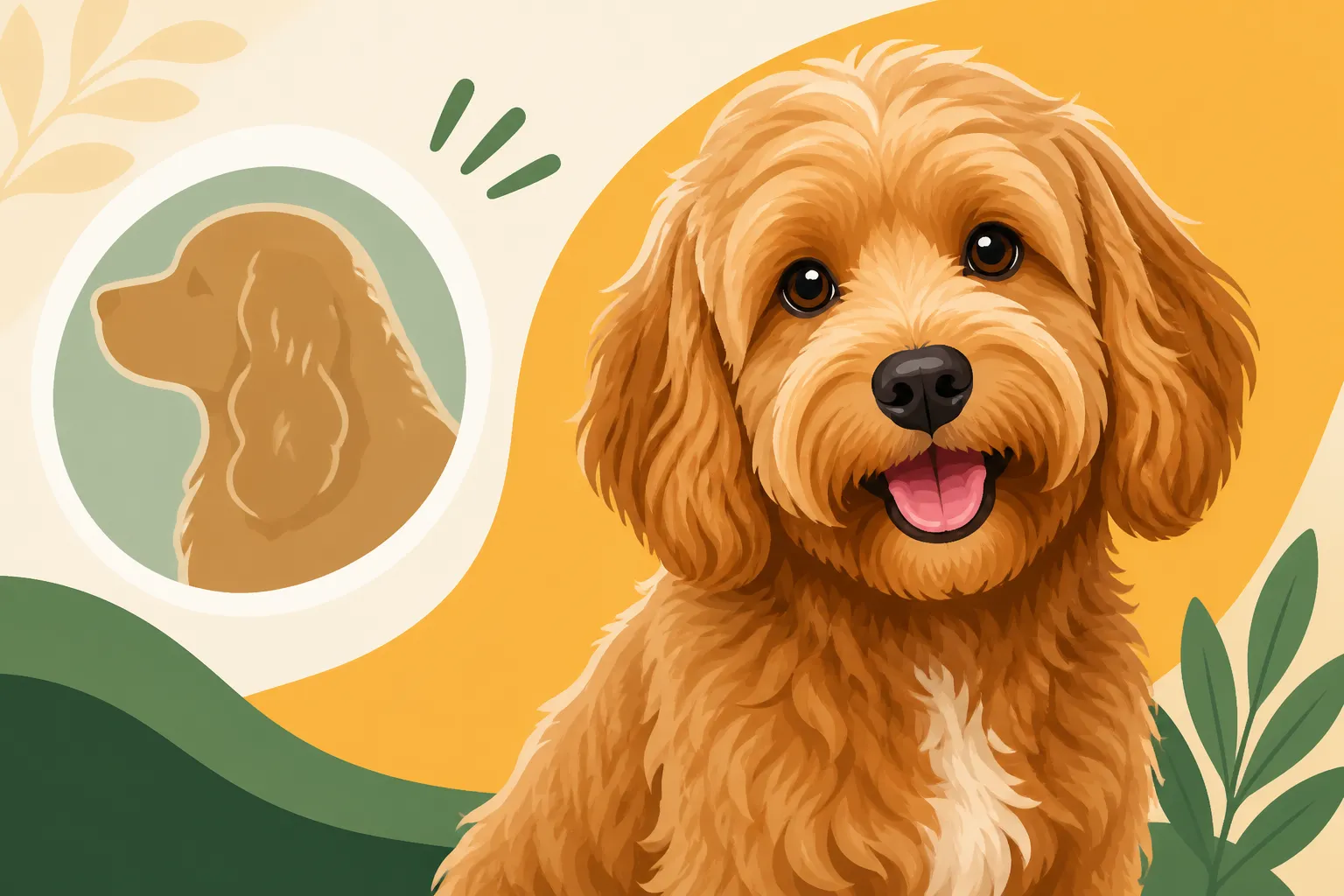
The wavy coat is essentially a beautiful genetic compromise, a blend of the Poodle's characteristic tight curl and the Cocker Spaniel's typically straighter, sometimes silkier or even oily, coat. This particular texture usually results from inheriting a mix of genes, primarily concerning furnishings and curl. The furnishings gene, often referred to as the "improper coat" (IC) gene in its recessive form, dictates whether your Cockapoo has the classic facial hair – the beard, mustache, and eyebrows – that helps define the "doodle" look and contributes to reduced shedding. If your Cockapoo has a wavy coat and furnishings, it means they inherited at least one copy of the dominant furnishing gene. For a deeper dive into this, you might find our article The Furnishings Gene That Decides a Cockapoo's Face incredibly insightful.
Alongside furnishings, the curl gene (KRT71) plays a significant role. Poodles carry two copies of the dominant curl gene, while Cocker Spaniels typically carry two copies of the recessive straight coat gene. A wavy-coated Cockapoo often inherits one dominant curl gene and one recessive straight coat gene, leading to that lovely, loose, flowing wave. It's this genetic blend that gives them their distinct look, often with a soft texture that feels like a cross between wool and silk. Breeders aiming for this specific coat type are often knowledgeable about these genetic markers, using DNA tests to guide their breeding decisions, though nature always has a way of surprising us!
Predicting the Wavy Coat in a Puppy
When you first bring home an eight-week-old Cockapoo puppy, predicting their adult coat can feel a bit like reading tea leaves. Many puppies look incredibly fluffy and soft at this age, regardless of what their adult coat will ultimately become. A Cockapoo's Coat at Eight Weeks is usually a soft, downy fluff that gives little indication of the density or curl to come. It's a common expectation for new owners to hope for a consistently wavy coat, but the truth is, the true texture and density often don't fully manifest until much later.
The real "reveal" typically happens during what many owners affectionately call the "puppy uglies" phase, usually between six to ten months of age. This is when the softer puppy coat starts to be replaced by the denser, more mature adult coat. It's a time of significant change, and you might notice the waves becoming more defined, or perhaps even tightening up a bit. For some, the coat might remain quite loose and flowing, while others might develop a tighter, curlier wave. A Cockapoo's Coat at Six Months can still be very much in transition, demanding extra vigilance in grooming. Even within the same litter, you can often see a spectrum of coat types, from quite straight to quite curly, making it a delightful, if sometimes unpredictable, aspect of Cockapoo ownership.
The Daily Rhythm of Wavy Coat Care
The wavy coat, while gorgeous, demands consistent daily attention to prevent it from becoming a matted nightmare. It’s not a wash-and-wear coat; it requires dedication, but the effort is well worth it for a comfortable and happy Cockapoo.
Brushing Techniques for Preventing Mats
For a wavy-coated Cockapoo, daily or, at the very least, every-other-day brushing is non-negotiable. Mats don't just happen overnight; they start small, often at the skin level, and then rapidly grow into painful tangles that pull on the skin. The most effective technique for a wavy coat is called "line brushing." This involves parting the coat horizontally, working in small sections, and brushing from the skin out. You literally brush a "line" across your dog's body, ensuring you get right down to the roots. Many owners make the mistake of only brushing the top layer, which leaves the undercoat and the base of the waves free to mat underneath, hidden from view. Our guide on Line Brushing a Cockapoo and Why the Top Coat Lies offers a comprehensive walkthrough of this essential technique.
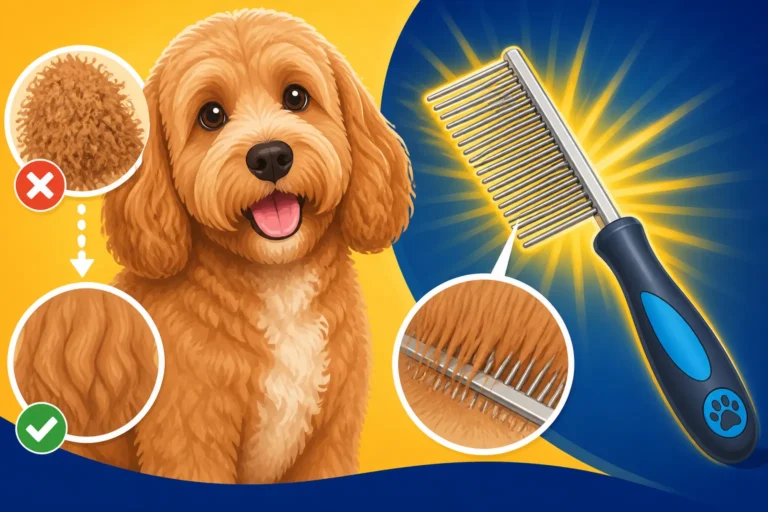
Starting this routine early in puppyhood, even before the adult coat fully comes in, is incredibly beneficial. Make it a positive experience with treats and praise, so your Cockapoo associates grooming with good things. Use a good quality slicker brush for the main body and follow up with a long-toothed metal comb to check your work. If the comb glides through from root to tip, you've done a great job. If it snags, go back with the slicker brush until the comb passes through smoothly. Pay extra attention to high-friction areas like behind the ears, under the armpits, in the groin area, and under the collar or harness, as these are prime spots for mats to form.
The Infamous Coat Change
If you thought puppy coat care was a challenge, prepare yourself for the "coat change" phase. This is arguably the most demanding period for a Cockapoo owner and typically occurs between 6 and 18 months of age, though it can vary. During this time, the soft, fine puppy coat begins to shed out, making way for the denser, coarser, and often curlier adult coat. The problem is, the shedding puppy coat gets trapped within the incoming adult coat, creating a perfect storm for matting. It's like trying to comb out two different textures of hair simultaneously, and it's a battle many new Cockapoo owners are unprepared for. This phenomenon is deeply explored in The Coat Change That Ambushes a Cockapoo Owner at Ten Months.
During this critical phase, your brushing frequency will likely need to increase significantly. What was once every other day might now need to be daily, or even twice daily for some Cockapoos, especially if their waves are starting to tighten. Skipping even a day can lead to serious mats that require professional help or even shaving down. Many owners opt for a shorter haircut during this period to make it more manageable, allowing them to keep their dog comfortable while the adult coat fully establishes itself. It's a temporary but intense period, and patience and consistency are your greatest allies. Keep an eye on Whether a Cockapoo's Coat Settles After Two for what to expect beyond this initial challenging period.
Essential Grooming for the Wavy Cockapoo
Beyond daily brushing, a wavy-coated Cockapoo requires specific tools and regular professional attention to maintain its unique texture and prevent discomfort. Thinking of grooming as a regular maintenance schedule rather than an occasional chore will make all the difference.
Tools of the Trade for Home Groomers
Equipping yourself with the right tools is paramount for effectively caring for your wavy-coated Cockapoo at home. A high-quality slicker brush is your primary weapon against mats, effectively detangling the waves without damaging the coat or irritating the skin. But the true unsung hero for wavy coats is a long-toothed metal comb. This isn't just for styling; it's your mat-detector. After using the slicker, run the comb through the coat, making sure it goes all the way to the skin. If it snags, you've found a lurking mat the slicker missed. For stubborn knots that haven't fully tightened, a de-matting rake can be useful, but use it with extreme caution and never just pull at a mat, as this is painful for your dog. For severe mats, it’s always best to seek professional help.
Beyond brushing and combing, you'll need nail clippers or a grinder, ear cleaning solution specifically formulated for dogs, and high-quality dog shampoo and conditioner. Given the wavy coat's propensity to trap moisture, good drying is crucial, so a powerful dog-specific blow dryer (not a human hairdryer, which can be too hot and noisy) is a wise investment. For those adventurous souls considering home clipping, a reliable set of dog clippers with various blade lengths is essential. Our article What Blade Length Suits a Cockapoo can provide guidance on choosing the right size for your desired look and coat type. Remember, investing in good tools makes the grooming process more effective and more comfortable for your Cockapoo. You can find a wide range of grooming tools and supplements on Amazon, making it easy to stock up on essentials.
Professional Grooming Frequency and Benefits
Even the most dedicated home groomer will find that professional grooming is an indispensable part of owning a wavy-coated Cockapoo. These coats simply demand a level of expertise and specialized equipment that most home setups can't replicate. A professional groomer can meticulously clean and dry the coat, ensuring no moisture is trapped against the skin, and they have the experience to spot and address mats before they become severe. For a wavy-coated Cockapoo, a typical professional grooming schedule is every 6 to 8 weeks. This regularity is key; waiting too long between appointments almost guarantees matting, which can lead to uncomfortable and often more expensive de-matting or a complete shave-down.
Professional groomers are skilled at maintaining various styles, with the "teddy bear clip" being a popular choice for wavy-coated Cockapoos. This style keeps them looking fluffy and adorable but at a manageable length that reduces the risk of matting. They can also perform essential services like ear cleaning and plucking (if necessary), nail trims, and expression of anal glands, all of which are critical for your dog's overall health and hygiene. Think of your groomer as a partner in your Cockapoo's well-being; their expertise complements your diligent home care, ensuring your wavy-coated friend remains happy, healthy, and mat-free.
Nailing Down Nutrition for a Lustrous Wavy Coat
What you feed your Cockapoo doesn't just affect their energy levels and overall health; it profoundly impacts the quality and condition of their wavy coat. A healthy coat truly starts from the inside out.
The Link Between Diet and Coat Health
Have you ever noticed your Cockapoo's coat looking dull, feeling dry, or perhaps shedding more than usual? Often, these are not just surface issues but indicators of underlying dietary factors. A healthy, lustrous wavy coat is a reflection of a well-nourished body. Good quality protein is essential for hair growth and strength, while a balanced intake of essential fatty acids – particularly Omega-3 and Omega-6 – is crucial for maintaining skin health, reducing inflammation, and promoting a shiny, soft coat. Vitamins like Biotin, Vitamin E, and various B vitamins also play a vital role in cellular regeneration and skin barrier function. Our article Whether Diet Changes a Cockapoo's Coat Condition delves deeper into how nutrition directly influences your dog's skin and coat.
A diet lacking in these key nutrients can lead to a host of coat problems beyond just dullness. It can manifest as excessive dryness leading to flaky skin, increased shedding, a greasy or brittle texture, or even more susceptibility to skin infections. The skin is the largest organ, and its health is intrinsically linked to what your dog consumes. For a wavy coat, which already requires diligent physical maintenance, a healthy skin foundation makes all the difference in preventing issues like dryness that can lead to irritation and further matting. Ensuring your Cockapoo receives a complete and balanced diet tailored to their life stage and activity level is foundational to maintaining that beautiful, manageable wave.
Choosing the Right Food and Supplements
When it comes to selecting food for your wavy-coated Cockapoo, look for high-quality commercial dog foods that list a named meat source (like chicken, beef, or salmon) as the first ingredient. Beyond protein, pay attention to the fat sources. Ingredients like fish oil, flaxseed, or chicken fat are excellent sources of Omega fatty acids. Many owners find excellent options on Chewy, with detailed ingredient lists that help you make informed choices. Some brands also offer "skin and coat" formulas specifically designed with higher levels of these beneficial fats.
For those interested in fresh food, brands like Ollie focus on quality ingredients that can nourish a coat from the inside out, often resulting in noticeable improvements in coat shine and softness. If your Cockapoo's coat is still looking a bit lacklustre despite a good diet, or if they have persistent dry skin, you might consider supplementing their diet. Fish oil supplements, rich in EPA and DHA Omega-3s, are a popular choice and can be found in capsule or liquid form. Always consult with your veterinarian before adding any supplements to your dog's diet to ensure it's appropriate for their individual needs. Our guide on Whether Omega Oils Help a Cockapoo's Coat provides more information on how these beneficial fats work.
Common Wavy Coat Challenges and Solutions
Even with the best intentions and diligent care, wavy coats can present specific challenges. Knowing how to identify and address them effectively can save you a lot of frustration and keep your Cockapoo comfortable.
Tackling Mats and Tangles Head-On
Mats are the bane of every wavy-coated Cockapoo owner's existence. They typically form in areas of friction or where the coat is particularly dense, such as behind the ears, in the armpits, around the collar area, on the belly, and in the groin. These aren't just cosmetic issues; severe mats can pull tightly on the skin, causing pain, restricting movement, and even leading to skin infections by trapping moisture and debris. Prevention is always the best strategy through consistent daily line brushing.
However, if you do encounter a mat, approach it with patience. Never try to forcefully pull or cut a mat with scissors close to the skin, as this can easily injure your dog. Instead, try to carefully separate the mat with your fingers, working from the outside in. Once loosened, use a metal comb to gently tease apart the strands, again starting from the outer edge of the mat and working towards the skin. A little cornstarch or detangling spray can sometimes help reduce friction. If a mat is too tight or large, the safest and kindest option is often to carefully clip it out with electric clippers or, better yet, take your dog to a professional groomer. They have specialized tools and techniques for dealing with even the most stubborn tangles. For finding those sneaky mats, The Comb That Finds Mats a Slicker Misses is an indispensable tool.
Managing Skin Issues Related to Coat Type
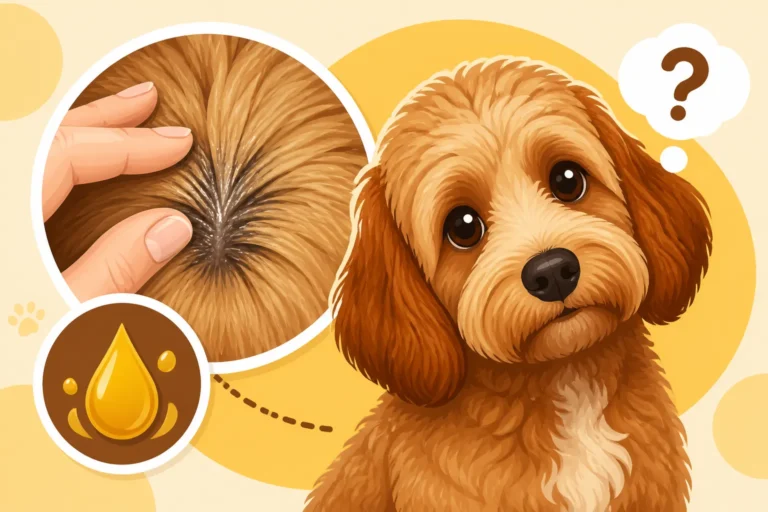
The wavy coat, by its very nature, can sometimes contribute to skin issues if not properly managed. The dense waves can trap moisture against the skin after baths, swims, or even walks in damp weather. This moist environment, especially in areas like the ears or armpits, becomes a breeding ground for bacteria and yeast, leading to hot spots, redness, itching, and unpleasant odors. It's important to be vigilant for signs of skin irritation, such as excessive licking, scratching, rubbing, or any noticeable changes in skin color or texture. Our article Whether a Cockapoo's Skin Sits Greasy or Dry offers insights into the potential skin tendencies inherited from both parent breeds.
To prevent these issues, ensure your wavy-coated Cockapoo is thoroughly dried after every bath or exposure to water. A high-velocity dog dryer is excellent for this. Regular inspection of the skin, especially in warm, moist areas, allows you to catch any problems early. If you notice persistent licking, a foul odor, or visible irritation, it's time for a vet visit. They can diagnose the underlying cause and recommend appropriate treatment, which might include medicated shampoos, topical treatments, or dietary adjustments. Consistent grooming helps with air circulation to the skin, making it harder for these issues to take hold.
Adapting Care Through the Seasons and Life Stages
A wavy coat isn't a static entity; it changes with the seasons and as your Cockapoo grows older. Adapting your grooming routine to these shifts is key to consistent comfort and health.
Seasonal Adjustments to Grooming
The changing seasons often bring different grooming needs for a wavy-coated Cockapoo. In warmer months, especially if your dog loves swimming or is very active outdoors, a shorter clip might be a practical and comfortable choice. A "summer cut" can help prevent overheating, make post-swim drying much easier, and reduce the risk of mats forming from dampness or burrs picked up during adventures. However, even a short clip requires regular brushing to prevent matting, as the coat still grows.
During the colder months, a slightly longer coat can offer a bit more insulation against the chill. However, this also means it can more easily collect snow, ice, and road salt, which can lead to mats and skin irritation. Diligent brushing is still crucial, and ensuring the coat is thoroughly dry after walks in wet or snowy conditions is even more important to prevent cold and skin issues. Pay close attention to paw pads, keeping the hair trimmed short to prevent ice balls from forming between the toes. A quick rinse and towel dry of the legs and belly after outdoor excursions can save a lot of trouble.
Wavy Coat Care for the Aging Cockapoo
As your Cockapoo gracefully enters their senior years, usually around 8-10 years old, their wavy coat might undergo subtle changes, and their tolerance for long grooming sessions may decrease. You might notice the coat becoming finer, perhaps even sparser in some areas, or conversely, it could become coarser and more prone to tangles. What Changes in a Cockapoo's Coat After Eleven can be quite significant, impacting both texture and color. Older dogs might also develop skin tags or lumps that need careful navigation during brushing and clipping.
For an aging Cockapoo, comfort is paramount. Long grooming sessions can be tiring or even painful if they have arthritis or other age-related discomforts. Consider breaking up grooming into shorter, more frequent sessions, or opting for a consistently shorter clip year-round. This reduces the burden of brushing and helps keep them comfortable and mat-free with less stress. Be extra gentle with brushing, using a soft-bristled brush if their skin becomes more sensitive. Regular veterinary check-ups are also crucial to rule out any underlying health issues that might be contributing to coat changes or skin problems.
Comparing Cockapoo Coat Types
To help contextualize the care requirements for a wavy-coated Cockapoo, here's a brief comparison of the three main coat types you might encounter. This table highlights how the genetic inheritance from the Cocker Spaniel and Poodle influences the visual characteristics and, critically, the grooming commitment.
| Coat Type | Description | Shedding Level | Grooming Commitment | Common Challenges |
|---|---|---|---|---|
| Wavy (Fleece) | Soft, loose waves; often considered the "ideal" Cockapoo coat. | Low to Moderate | Moderate to High | Prone to matting, especially during coat change. |
| Curly (Wool) | Tighter, denser curls, resembling a Poodle's coat. | Very Low | High | Extremely prone to matting, requires daily brushing. |
| Straight (Flat) | Straighter, smoother coat, more like a Cocker Spaniel. Can be silkier. | Moderate | Low to Moderate | Can shed more, may still mat behind ears/armpits. |
As you can see, the wavy coat generally falls in the middle in terms of care, demanding significant attention, but perhaps not quite as intensely as the tight, woolly curl discussed in Why a Tight Curl Doubles a Cockapoo Owner's Week. Regardless of coat type, consistency and the right tools are key to a happy, well-groomed Cockapoo.
Disclaimer
This article is for general informational purposes only and does not constitute professional advice. Laws, prices and regulations vary by location and change over time. Consult a qualified professional for guidance on your specific situation.