Picking the Puppy in a Cockapoo Litter That Will Shed Least
One of the most common worries for prospective Cockapoo owners is shedding. It’s a completely understandable concern, especially if you or a family member deals with allergies, or if you simply dream of a dog that leaves less hair around the house. The truth is, picking a Cockapoo puppy that truly sheds least isn't always straightforward, and it involves understanding a bit about their genetics and what those adorable puppy coats might (or might not) tell you. This guide will walk you through the nuances of Cockapoo coats, what to look for, and how to set realistic expectations.
Understanding Cockapoo Shedding: The Genetic Basics
When you're hoping for a low-shedding Cockapoo, it all boils down to genetics. This isn't just about whether they look more like a Poodle or a Cocker Spaniel, but about specific genes that dictate hair growth patterns. Knowing about these key genes can empower you to make a more informed choice and understand why some Cockapoos shed more than others, even within the same litter.
The Furnishings Gene (RSPO2) and its Role
The single most important genetic factor determining a Cockapoo's shedding level, and often their signature "doodle" look, is the furnishings gene, scientifically known as RSPO2. This gene is responsible for the longer hair on the face, specifically the eyebrows, mustache, and beard, which sets a furnished dog apart from a smooth-faced one. When a dog has two copies of the furnishings gene (often denoted as F/F on a genetic test), their hair grows continuously, much like human hair, rather than having a defined growth and shedding cycle like many other breeds.
This continuous growth means that hair doesn't shed out in large quantities, but rather gets caught in the surrounding coat. Think of it like a Poodle's coat – you don't find clumps of Poodle hair all over your furniture because the shed hair stays tangled in the existing coat until it's brushed or trimmed out. A Cockapoo with two copies of this gene will typically be very low shedding. A Cockapoo with only one copy (F/IC, with IC meaning "improper coat," or unfurnished) might still have some facial hair but will likely shed more, and a Cockapoo with no copies (IC/IC) will have a smooth face and a coat that sheds much more like a Cocker Spaniel. Understanding What RSPO2 Testing Tells a Cockapoo Breeder is crucial for predicting a litter's shedding potential.
The Curl Gene (KRT71) and its Influence
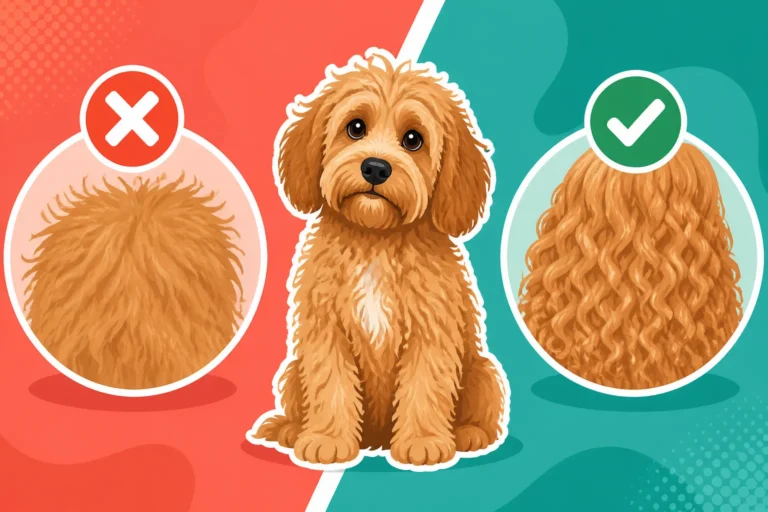
While the furnishings gene dictates how much a Cockapoo sheds, the curl gene (KRT71) influences how noticeable that shedding is. This gene determines whether a Cockapoo will have a straight, wavy (fleece), or curly (wool) coat. A tightly curled coat, even if some hair does technically shed, acts like a net, trapping the loose hair within its spirals. This is why you might hear that curly-coated dogs are "non-shedding" – it's not that they don't lose hair, but rather that the shed hair doesn't fall out onto your floors or clothes.
A Cockapoo with a very straight coat (often carrying the T/T allele for the curl gene) might still be low-shedding if they have two copies of the furnishings gene, but the loose hairs might be more prone to falling out rather than getting trapped. Wavy coats (often C/T) are a lovely compromise, offering some curl to trap hair while being a bit easier to maintain than a dense, woolly curl. Knowing What KRT71 Says About a Cockapoo's Curl can give you an idea of the grooming commitment, even for a low-shedding dog. Both furnishings and curl work together to create the diverse range of Cockapoo coats we adore.
What 'Low Shedding' Really Means for a Cockapoo
It’s important to be realistic about the term "low shedding." There’s truly no such thing as a completely "non-shedding" dog, despite how often the term gets thrown around. Every mammal with hair sheds some amount, even if it's just a few strands here and there. What we mean by "low shedding" in a Cockapoo is that the hair that sheds out doesn't fall freely onto your furniture, clothes, or floors in noticeable quantities. Instead, it gets caught in the dog's coat.
This is fantastic for keeping your home cleaner and is a huge benefit for people with mild allergies. However, this also means that all that trapped hair needs to be removed through regular brushing and professional grooming. If it isn't, it will quickly tangle and mat, leading to discomfort for your dog and potentially expensive, difficult grooming sessions. So, while you might not be vacuuming up tumbleweeds of dog hair daily, you'll be spending that time (or paying someone else) to brush and maintain their beautiful, low-shedding coat.
Decoding a Cockapoo Puppy's Coat: Early Indicators
When you're standing in front of a litter of adorable Cockapoo puppies, it can feel impossible to tell what their adult coat will be like. They're all so soft and fluffy! However, there are some subtle visual cues that experienced breeders and keen-eyed puppy buyers use to try and predict future shedding. Just remember, these are indicators, not guarantees, as puppy coats can change dramatically.
Observing Muzzle Hair and Eyebrows
One of the most reliable early indicators of whether a Cockapoo puppy will be low-shedding (i.e., furnished) is the hair on their muzzle and around their eyes. Puppies that are destined to be furnished will typically have noticeably longer, sometimes scruffier, hair around their muzzle, eyebrows, and chin. Even at a few weeks old, you might see small tufts that suggest a beard and mustache are trying to emerge. These puppies tend to have a "fluffy" face.
In contrast, a puppy that is unfurnished, or carries only one copy of the furnishings gene, will have a smoother, shorter coat on their muzzle, appearing more like a traditional Cocker Spaniel face. Their eyebrows might be less defined, and their chin might lack that tell-tale fuzz. While all puppies are cute, if low shedding is your primary goal, pay close attention to the facial hair. It's often the most consistent early sign of the RSPO2 gene at work, which is the primary driver of low shedding in Cockapoos.
Assessing the Body Coat Texture and Curl
Beyond the face, take a moment to gently feel and examine the body coat of each puppy. At eight weeks, a puppy's coat is still relatively soft and thin, but you can start to discern differences in texture and the first hints of curl or wave. Look for coats that have some degree of wave or curl already present, rather than being completely flat or straight. A puppy with a straight, silky coat at this age, particularly if combined with a smooth face, is more likely to be an improper coat and shed more.
Touch the coat: does it feel soft and cottony, or is there a slight coarseness or resilience that suggests it will develop more body and curl? Puppies with a curlier adult coat will often have a denser, slightly more textured puppy coat. Remember, even a wavy coat is generally excellent at trapping shed hair. While What a Cockapoo Puppy's Coat Feels Like at Eight Weeks can give you some clues, it's not a crystal ball. A good breeder will have a sense of what their puppies' coats typically develop into based on the parents' genetics and previous litters.
The Unreliable Nature of Puppy Coats
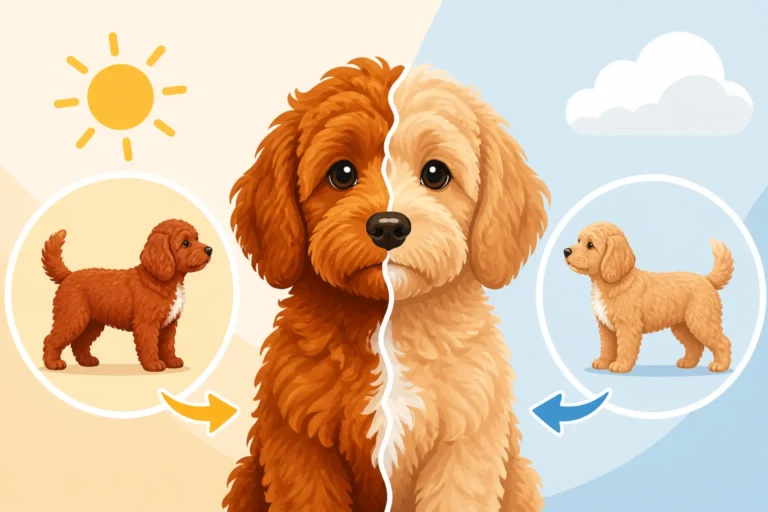
Here's the kicker: puppy coats are notoriously unreliable indicators of what the adult coat will ultimately be like. Many a new Cockapoo owner has been surprised by the drastic "coat change" that happens around 6 to 10 months of age, sometimes continuing up to 18 months or even two years. That soft, easy-to-manage puppy fluff suddenly transforms into a denser, often much wavier or curlier adult coat that seems determined to mat at every opportunity.
During this transitional period, your Cockapoo can go from minimal shedding and easy brushing to intense matting and what feels like significant "shedding" as their adult hair grows in and the puppy fluff is pushed out. This is a crucial time for grooming vigilance, as ignoring the mats will lead to discomfort and likely a full shave-down at the groomer. So, while those early indicators can be helpful, always remember that the true nature of your Cockapoo's coat won't fully reveal itself until they're well past their first birthday. Being prepared for A Cockapoo's Coat Through the Ten Month Change is key to smooth sailing.
The Impact of Parentage on a Cockapoo's Shedding Potential
The most definitive way to predict a Cockapoo puppy's shedding potential isn't by gazing into their tiny puppy eyes, but by looking at their parents. A responsible breeder will understand the genetics of their breeding dogs and use that knowledge to produce puppies with predictable traits, including coat type and shedding level. This is where understanding generations and genetic testing becomes incredibly valuable.
Understanding F1, F1b, and Multigen Cockapoos
The "F" designation refers to the generation of the Cockapoo, and it makes a significant difference in shedding predictability.
-
F1 Cockapoo: This is a first-generation cross between a purebred Cocker Spaniel and a purebred Poodle. In an F1 litter, each puppy inherits one copy of the furnishings gene from the Poodle (assuming the Poodle is furnished, which almost all purebred Poodles are) and one copy from the Cocker Spaniel parent. Since not all Cocker Spaniels are furnished, approximately 50% of F1 Cockapoo puppies might inherit only one copy of the furnishings gene (F/IC) or even be unfurnished (IC/IC), meaning they could shed more. The shedding potential in an F1 litter can be quite variable, making it a bit of a genetic lottery.
-
F1b Cockapoo: This generation is the result of breeding an F1 Cockapoo back to a purebred Poodle. This "backcross" dramatically increases the likelihood of a low-shedding coat. Because the Poodle parent contributes two copies of the furnishings gene, and the F1 Cockapoo parent has at least one (and usually two), almost all F1b puppies will inherit two copies of the furnishings gene (F/F). This makes F1b Cockapoos highly likely to be low-shedding and often more consistently curly.
-
Multigen Cockapoo: These are Cockapoos bred from two Cockapoo parents (F2, F3, etc.). With careful breeding, where both parents are known to carry two copies of the furnishings gene, multigen Cockapoos can also be reliably low-shedding. Breeders aiming for consistent coat types often focus on multigen breeding after establishing their lines. Understanding What the Cockapoo Clubs Mean by F1 and F1b can help you navigate these terms when speaking with breeders.
The Importance of Parent Coat Testing (RSPO2 and KRT71)
The single most accurate way for a breeder to predict the coat type and shedding level of a litter is through genetic testing of the parent dogs. Labs can test for the RSPO2 (furnishings) gene and the KRT71 (curl) gene.
-
RSPO2 Test Results: A parent testing as F/F means they have two copies of the furnishings gene and are virtually guaranteed to pass on at least one copy to every puppy. If both parents are F/F, then all puppies in the litter will be F/F and thus furnished and low-shedding. If a parent is F/IC, they carry one copy of the furnishings gene and one copy of the "improper coat" gene, meaning some puppies might be unfurnished. An IC/IC parent would produce unfurnished puppies.
-
KRT71 Test Results: This test indicates the likelihood of straight, wavy, or curly coats. A C/C result indicates two copies for curl, T/T for straight, and C/T for wavy. Breeders can use this to aim for specific coat textures, which, as discussed, impacts how effectively shed hair is trapped. A breeder who truly understands genetics and aims for low-shedding offspring will be able to share these results and explain what they mean for the puppies. This kind of transparency regarding What a Cockapoo Coat Panel Actually Reports is a mark of a responsible breeder.
Asking the Right Questions of a Breeder
When you're looking for a low-shedding Cockapoo, the breeder is your most valuable resource. Don't be shy about asking direct and detailed questions about their breeding practices and the parent dogs.
Firstly, inquire about the generation of the litter (F1, F1b, Multigen) and why they chose that specific cross. Then, crucially, ask if the parent dogs have been genetically tested for coat traits, specifically the furnishings gene (RSPO2) and the curl gene (KRT71). A good breeder will happily share these results and explain what the F/F, F/IC, C/C, or T/T designations mean for the expected puppies' coats. They should also be able to describe the typical coat types produced in their lines. It's not just about shedding; you should also be asking about health clearances for both parents, demonstrating a holistic approach to breeding healthy puppies. Just as you would inquire about Asking a Cockapoo Breeder for the FN Certificate for kidney health, you should ask for coat genetic certificates. If a breeder is vague, dismissive, or claims their dogs are "100% hypoallergenic" without genetic proof, consider it a red flag.
Common Misconceptions About Cockapoo Shedding
The world of "doodle" breeds, including the Cockapoo, is full of wonderful qualities, but also some common misunderstandings, especially when it comes to their coats. It’s easy to get caught up in marketing terms or old wives' tales, but setting the record straight on shedding can help future owners manage their expectations and ensure a happier life for both dog and human.
"Hypoallergenic" vs. "Low Shedding"
This is perhaps the biggest misconception surrounding many doodle breeds, and Cockapoos are no exception. The term "hypoallergenic" is often used interchangeably with "non-shedding," but it's a misnomer. No dog is truly 100% hypoallergenic. Allergies in humans are typically triggered by dander (microscopic flakes of skin), saliva, and urine, not just the hair itself. While low-shedding breeds like the Cockapoo do release fewer allergens into the environment because their shed hair (and thus dander) is mostly trapped in their coat, they still produce dander and saliva.
For individuals with severe dog allergies, even a low-shedding Cockapoo might trigger a reaction. It's much more accurate to describe these dogs as "allergy-friendly" or "low-shedding." If you or a family member has allergies, it's highly recommended to spend time with the specific puppy you're considering, or at least its parents, to see if a reaction occurs. This is often a more reliable test than any genetic certificate or breeder claim.
The Myth of Coat Color and Shedding
You might hear whispers that certain coat colors shed more or less than others – perhaps black Cockapoos shed less, or red ones shed more visibly. Let me tell you, that's simply not true! The color of a Cockapoo's coat, whether they are chocolate, red, black, apricot, merle, parti, or phantom, has absolutely no genetic correlation to their shedding tendencies. The genes that control coat color are entirely separate from the RSPO2 (furnishings) and KRT71 (curl) genes that determine shedding and coat texture.
A low-shedding Cockapoo can come in any color under the sun, and a high-shedding Cockapoo can likewise be any hue. So, if you've fallen in love with a particular color, rest assured that it won't impact whether your dog leaves hair all over your sofa. While the costs might vary for certain colors – you might find Whether a Chocolate Cockapoo Costs More or What a Merle Cockapoo Sells For – this price difference is purely based on market demand and rarity, not on shedding characteristics. Focus on the coat type (furnished, curly/wavy) rather than the color when assessing shedding potential.
Why a "Flat-Coated" Cockapoo Sheds More
Sometimes, within a Cockapoo litter, you'll see a puppy with a noticeably shorter, smoother, and straighter coat, often lacking the typical "fluffy" doodle facial hair. These are often referred to as "flat-coated" or "improper coated" Cockapoos. This usually means they have inherited either zero copies (IC/IC) or only one copy (F/IC) of the furnishings gene.
Without the furnishings gene, their coat behaves much more like a traditional Cocker Spaniel's, complete with a normal shedding cycle. This means they will shed visibly, and you'll find their hair on your floors and furniture. While these dogs can be absolutely charming and make wonderful companions, they are not the low-shedding dog many people expect when they choose a Cockapoo. If low shedding is a priority, you'll want to avoid puppies that resemble What an Improper Coated Cockapoo Looks Like. It's crucial for breeders to understand and explain these coat variations, so prospective owners can choose a puppy that truly fits their lifestyle and expectations.
Managing a Cockapoo's Coat: Beyond Shedding
Even if you've done all your homework and picked a truly low-shedding Cockapoo puppy, the journey of coat care is far from over. In fact, a low-shedding coat often means a higher grooming commitment. The hair doesn't fall out, it stays in, which sounds great until it mats. Understanding how to manage your Cockapoo's unique coat is essential for their comfort and health, regardless of how little they shed.
Grooming Essentials for a Low-Shedding Cockapoo
A low-shedding Cockapoo isn't a no-maintenance dog; quite the opposite! Their coats demand consistent care to prevent painful mats and tangles. You'll need a few essential tools in your grooming kit. A good quality slicker brush is vital for daily brushing to remove loose hair and minor tangles. Pair this with a sturdy metal comb, which is your secret weapon for finding mats the slicker brush might miss, especially behind the ears, in the armpits, and on the legs. A detangling spray can also be a lifesaver, making brushing a more pleasant experience for your pup.
Beyond daily home care, regular professional grooming is non-negotiable. Most low-shedding Cockapoos need to visit the groomer every 6 to 8 weeks for a full bath, blow-dry, and haircut. This schedule keeps their coat at a manageable length and helps prevent serious matting. Don't be afraid to discuss desired styles, like a teddy bear cut or a shorter puppy clip, with your groomer. Being proactive with grooming is far easier and less stressful for your dog than trying to untangle a matted mess. For a deeper dive, check out The Three Cockapoo Coat Types and Their Upkeep.
The Infamous "Coat Change" Period
Prepare yourself for the "coat change"—a period that often catches first-time Cockapoo owners by surprise and can be a real challenge. This typically happens between 6 to 10 months of age, though it can start earlier or extend well past their first birthday, even up to 18 months or two years. During this time, your Cockapoo's soft, fluffy puppy coat is gradually replaced by its denser, coarser adult coat. The problem is, the puppy coat often sticks around, intertwining with the new adult hair, creating a perfect storm for matting.
This means that brushing, which might have been a quick five-minute task, suddenly needs to be much more thorough and frequent, often daily. You'll need to master the art of Line Brushing a Cockapoo and Why the Top Coat Lies to ensure you're getting down to the skin and preventing mats from forming deep within the coat. If you let it go, even for a few days, severe matting can occur, leading to discomfort, skin issues, and the need for a full shave-down by a professional groomer. Many groomers refer to this period as The Month a Cockapoo Starts Matting Daily, emphasizing the vigilance required.
Diet and Skin Health's Role in Coat Quality
Beyond brushing and professional trims, what goes into your Cockapoo can have a significant impact on the health and quality of their coat. A well-balanced, high-quality diet provides the necessary nutrients for healthy skin and lustrous hair. Look for dog foods that list real meat as the first ingredient and contain beneficial fatty acids. Many owners find that incorporating omega-3 and omega-6 fatty acids, often found in fish oil supplements or certain dog foods, can greatly improve coat shine and skin hydration.
For example, brands like Ollie offer fresh, human-grade food options tailored to your dog's needs, which can contribute to overall health and a thriving coat. Alternatively, you can find many high-quality kibble options on platforms like Chewy or Amazon that are formulated with skin and coat health in mind. Hydration is also key; ensure your Cockapoo always has access to fresh, clean water. A dog with dry, flaky skin or a dull coat might be signaling an underlying nutritional deficiency or even an allergy, so always consult your vet if you notice persistent issues. Ultimately, a healthy dog inside often means a healthy, beautiful coat on the outside, and Whether Omega Oils Help a Cockapoo's Coat is a common question with a positive answer for many.
Living with a Cockapoo: Embracing the Reality of Their Coats
Bringing a Cockapoo into your home is a joyous experience, full of playful antics, affectionate cuddles, and an incredible bond. While the low-shedding aspect is often a major draw, it's crucial to approach ownership with realistic expectations about their coats. It’s not just about what they don't shed, but about the commitment required for what they do grow.
Preparing for Grooming Commitment
The reality of a low-shedding Cockapoo is a significant grooming commitment. That beautiful, soft, wavy, or curly coat doesn't just stay that way on its own; it requires consistent effort. You'll be spending time brushing your dog several times a week, if not daily, especially during the coat change period. This isn't just about aesthetics; it's about your dog's comfort and health. Mats can pull on the skin, causing pain, irritation, and even skin infections if left untended.
Beyond home grooming, budgeting for professional grooming appointments every 4 to 8 weeks is essential. These costs can add up over the years. Many owners initially underestimate this aspect of Cockapoo care, only to find themselves overwhelmed. Being prepared for The Yearly Grooming Total on a Cockapoo is an important part of responsible Cockapoo ownership. Think of grooming as a regular, necessary part of their routine, just like feeding or walking, and integrate it into your schedule and budget from the start.
Dealing with Allergies in a "Low-Shedding" Home
If the main reason you're seeking a low-shedding Cockapoo is due to allergies in the family, it's important to proceed with caution and thorough testing. As we've discussed, "hypoallergenic" is a misnomer, and individual reactions can vary wildly. The best approach is to spend time, if possible, with the specific puppy you're considering, or at least with its parents, to observe any allergic responses. This direct exposure is often far more telling than any genetic test or breeder's assurance.
Even with a low-shedding Cockapoo, maintaining a clean home environment is crucial for allergy sufferers. Regular vacuuming with a HEPA filter, using air purifiers, frequent washing of pet bedding, and keeping the dog out of allergy-sufferers' bedrooms can all help reduce allergen levels. Be realistic about the possibility that even a low-shedding dog might still trigger allergies, and have a contingency plan in place. For more guidance on this sensitive topic, consider reading Whether a Furnished Cockapoo Suits an Allergic Home.
The Joy of the Cockapoo, Regardless of Shedding
Ultimately, while the shedding factor is a legitimate concern for many, it's just one aspect of what makes a Cockapoo such a beloved companion. These dogs are known for their intelligent, affectionate, and playful personalities. They often fit wonderfully into family life, bringing joy and laughter to their homes. Don't let the pursuit of the "perfect" non-shedding coat overshadow the importance of temperament, health, and finding a puppy from a responsible, ethical breeder.
A well-bred Cockapoo, regardless of whether their coat is perfectly non-shedding or requires a bit more maintenance, will bring immense happiness. Focus on finding a puppy that is healthy, well-socialized, and whose personality truly resonates with you and your family. With proper grooming and realistic expectations, the unique coat of your Cockapoo will become just another charming characteristic of your furry best friend.
Disclaimer
This article is for general informational purposes only and does not constitute professional advice. Laws, prices and regulations vary by location and change over time. Consult a qualified professional for guidance on your specific situation.