Why a Tight Curl Doubles a Cockapoo Owner’s Week
Oh, the Cockapoo! Such a delightful, charming companion, full of life and love. But let's be honest, those beautiful, bouncy curls that everyone adores can quickly become a tangled, matted nightmare if you're not prepared. Many new Cockapoo owners find themselves completely overwhelmed by the sheer volume of grooming required, especially when their beloved pup has inherited that stunning, tight curl. This guide is here to shed some light on why that tight curl demands so much more of your time and how you can manage it without pulling out your own hair (or your dog's!).
Understanding the Cockapoo Coat Genetics
The Cockapoo's coat is a fascinating blend, a genetic lottery ticket drawn from both the Poodle and the Cocker Spaniel. It's this unique combination that gives us the spectrum of coats, from straight and flat to gloriously curly. But it’s also the root of much confusion and, frankly, a lot of extra work for those with the curlier end of the spectrum. You might think a little curl is cute, but a tight curl, especially on a double-coated dog, is a whole different ballgame.
The Poodle's Influence on Curl
The Poodle is, of course, the master of the curl. Their coat is renowned for being hypoallergenic and low-shedding, which is a huge part of the Cockapoo's appeal. This characteristic, scientifically linked to a gene variant, gives the Poodle its distinctive tight, dense curls that simply don't fall out easily. Instead, shed hairs get trapped within the surrounding curls. When a Cockapoo inherits a strong curl gene from its Poodle parent, you get that wonderfully plush, springy coat. However, this same genetic trait is precisely why a tightly curled Cockapoo demands so much more of an owner's time. The non-shedding nature means that dead hair, instead of dropping off, gets tangled up with live hair, quickly forming mats if not diligently brushed out. Understanding The Curl Gene and Where a Cockapoo's Coat Lands is key to appreciating the workload.
The Cocker Spaniel's Contribution to Coat Texture
On the flip side, we have the Cocker Spaniel. American and English Cocker Spaniels both typically have a softer, silkier, often wavy or flat coat with distinct feathering. This coat type sheds, though not excessively, and it's generally easier to manage than a Poodle's dense curl. The Cocker's coat, while lovely, is prone to its own set of issues like oily skin and ear infections due to its long, drop ears. When these two very different coat types combine, you can get a wide variety of textures. A Cockapoo with a tighter curl often still has the underlying softness of the Cocker coat, which makes the matting even more insidious. The finer, softer hair tends to felt together more readily than the coarser Poodle hair, creating a perfect storm for knots and tangles.
Predicting Curl Type in a Puppy
Many prospective owners wonder if they can tell what kind of coat their puppy will have. While breeders often try to predict this, especially with genetic testing, it's not always a guaranteed science, especially in F1 (first generation) Cockapoos. You can get an idea by looking at the puppy's parents and their genetic panel results. What KRT71 Says About a Cockapoo's Curl can offer some insights into the genetic markers for curl intensity. Often, puppies with very wavy or slightly curly coats at eight weeks will develop into the tight curl that needs intense grooming. Sometimes, a puppy that appears straight-coated early on can develop a significant wave or curl as their adult coat comes in, which usually happens around 6 to 10 months of age. This "coat change" period is often when owners are truly blindsided by the grooming demands.
The Unique Challenges of a Tightly Curled Cockapoo
So, you've got that adorable, tightly curled Cockapoo. You love their look, but you're probably already keenly aware of the extra effort required. This isn't just about aesthetics; a tightly curled coat presents practical challenges that impact your dog's comfort and health. It's a commitment that, if underestimated, can lead to serious problems for your furry friend.
Matting, Felting, and "Pelting"
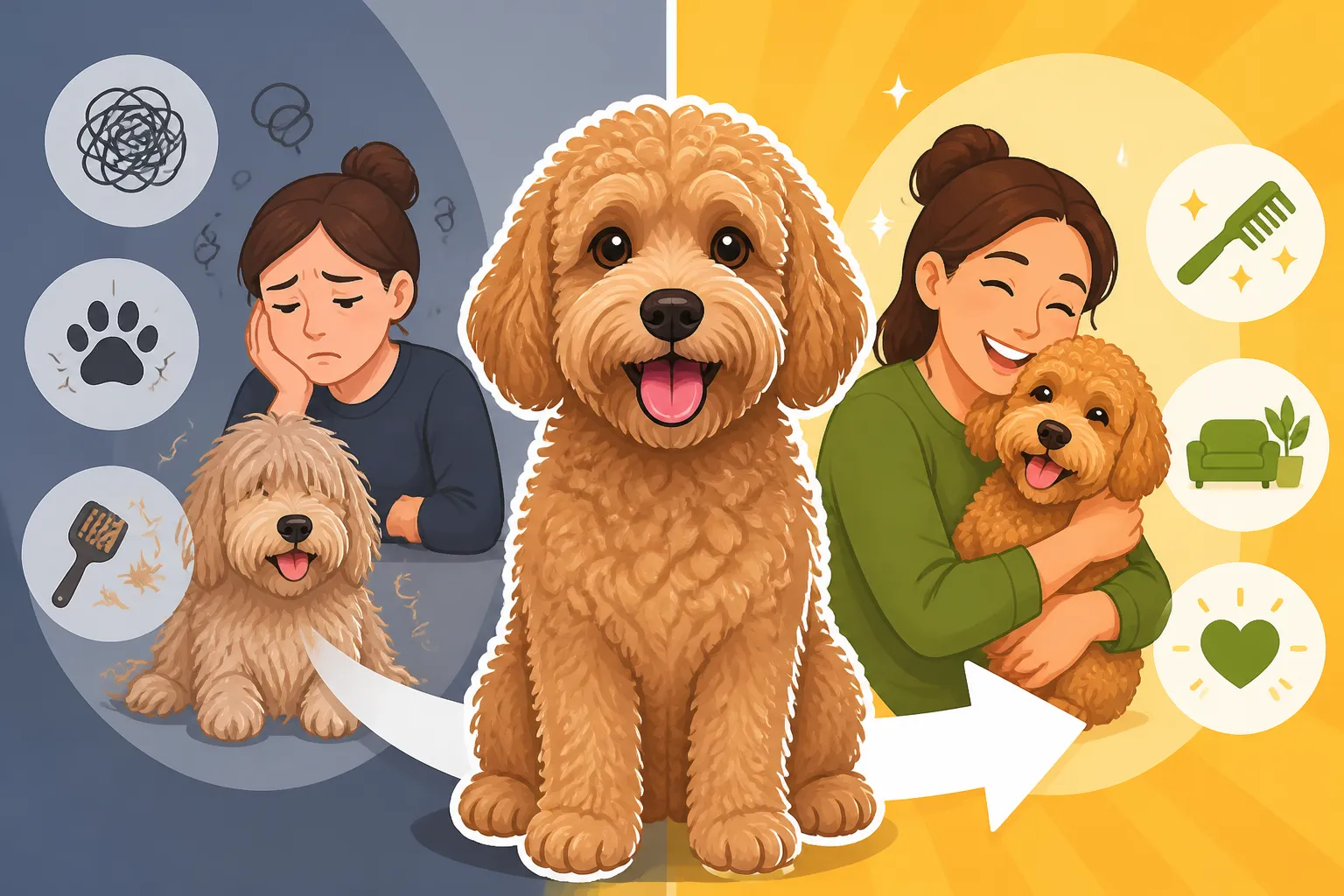
The single biggest challenge with a tightly curled Cockapoo is matting. Because the shed hair gets trapped in the dense curls, it doesn't fall out. Instead, it weaves together, forming knots that quickly escalate into larger, tighter mats. These mats start in high-friction areas like behind the ears, under the armpits, and around the collar, but they can spread rapidly. When mats are left unchecked, they can "felt" into solid sheets, pulling tightly on the dog's skin. This is incredibly painful, restricts movement, and can even cut off circulation. In severe cases, the entire coat can become a solid "pelt," requiring veterinary sedation to safely remove. Where a Curly Cockapoo Mats First is usually in those sensitive areas, so pay extra attention there.
Dirt, Debris, and Allergens Trapped in the Curl
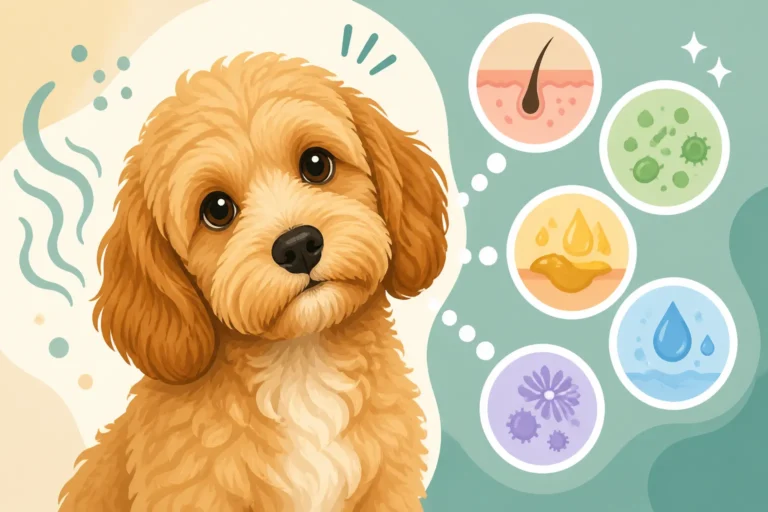
Another often-overlooked issue with a tightly curled coat is its efficiency at collecting everything your dog encounters. Think of it as a walking lint roller. Leaves, twigs, burrs, mud, dust, and even pollen from outdoor adventures become embedded deep within the curls. This not only makes your dog dirty but can also introduce allergens directly against their skin, potentially leading to itchiness, hot spots, or skin infections, particularly if they are prone to Whether a Cockapoo Itches From the Cocker Side. After a walk in the woods or even just a romp in the backyard, you'll find yourself picking out all sorts of natural detritus from their coat. This constant accumulation means more frequent brushing, bathing, and meticulous inspection to keep them clean and comfortable.
Skin Health Under a Dense, Curly Coat
The density of a tightly curled coat can create a microclimate close to the skin. This warm, often moist environment, especially if the dog gets wet and isn't thoroughly dried, is an ideal breeding ground for bacteria and yeast. This can lead to skin irritation, foul odors, and infections that can be difficult to detect under the thick hair until they become quite advanced. Regular, thorough drying after baths or swims is non-negotiable. Furthermore, brushing isn't just about preventing mats; it also stimulates blood flow to the skin and helps distribute natural oils, keeping the skin healthy and the coat shiny. Neglecting brushing means these essential skin functions are hampered, increasing the risk of dermatological issues.
Daily and Weekly Grooming Demands
So, how do you manage this magnificent but demanding coat? It's all about consistency, the right tools, and a routine that becomes second nature. There are no shortcuts with a tightly curled Cockapoo; neglect for even a few days can lead to a significant battle with mats. This is why many owners say it doubles their weekly grooming time.
The Importance of Consistent Line Brushing
Line brushing is the golden rule for tightly curled Cockapoos. You can't just brush the top layer of hair and call it a day; mats form closest to the skin, underneath the surface. Line brushing involves parting the hair down to the skin, holding the top section up, and brushing small sections from the roots outwards. You work systematically across the dog's body, section by section. This labor-intensive method ensures you reach every single hair and prevent those deep-seated mats. You'll need a good quality slicker brush and a metal comb. The slicker does the heavy lifting, and then the comb follows to check your work, ensuring there are no tangles. If the comb can't glide through, you've missed something. Line Brushing a Cockapoo and Why the Top Coat Lies might sound tedious, but it's truly the only way to stay on top of that dense, curly coat. For a tightly curled Cockapoo, this isn't a weekly task; it's often a daily necessity, taking anywhere from 30 minutes to an hour, depending on the dog's size and activity level.
Bathing Routines and Drying Techniques
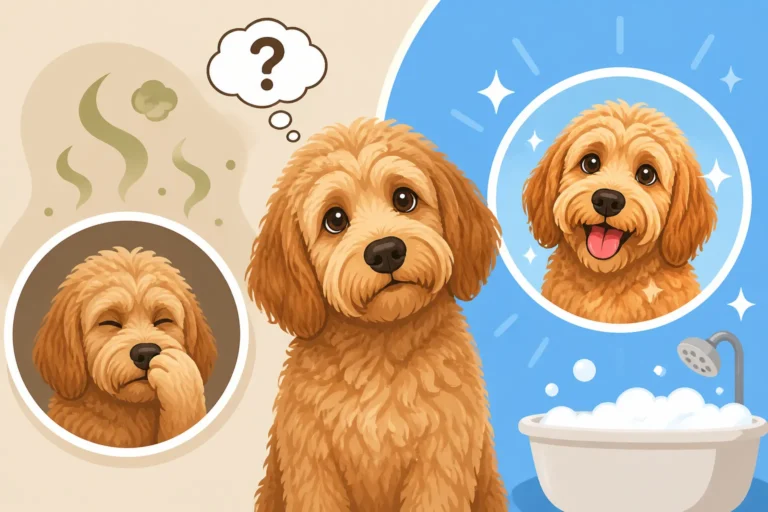
Bathing a tightly curled Cockapoo is a science in itself. You can't just dunk them in the tub and hope for the best. Water will tighten any existing mats, making them nearly impossible to remove. Always thoroughly brush and detangle your dog before bathing. Use a good quality dog shampoo and conditioner, working them gently into the coat. Rinse meticulously, ensuring no residue is left behind, as this can irritate the skin or make the coat feel sticky. The drying process is just as, if not more, critical. Towel dry as much as possible, then use a dog-specific forced-air dryer. This isn't just about speed; the force of the air helps straighten the curls and separate the hairs, preventing them from curling back up and matting as they dry. You must brush constantly with the slicker brush while drying, ensuring the coat is bone-dry right down to the skin. Air-drying a curly Cockapoo is almost always a recipe for disaster and extreme matting.
Essential Grooming Tools for Curly Coats
Having the right tools is paramount. Skimping on grooming equipment will only make the job harder and less effective. Here’s a basic toolkit you’ll absolutely need:
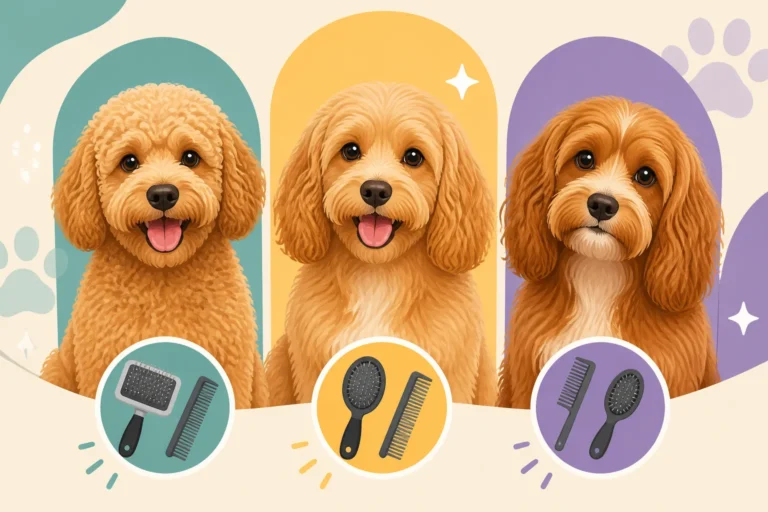
- Slicker Brush: A sturdy, high-quality slicker brush with firm pins is your primary weapon against mats. Look for one with an ergonomic handle for comfort during long brushing sessions.
- Metal Comb: A good metal comb with both wide and narrow teeth is essential for checking your work after brushing and for tackling smaller tangles. This is The Comb That Finds Mats a Slicker Misses.
- Detangling Spray: A leave-in detangling spray can make brushing easier and help prevent static, especially when the coat is dry.
- Shampoo and Conditioner: Choose formulas designed for dogs, preferably those that moisturize and help prevent tangles.
- High-Velocity Dryer: While an investment, a forced-air dryer will cut drying time significantly and is crucial for preventing mats during the drying process. A human hairdryer isn't usually powerful enough and can be too hot.
- Scissors/Clippers: For occasional touch-ups around the eyes, paw pads, and sanitary areas, though significant clipping is often best left to a professional. You can find many of these essentials on platforms like Amazon or Chewy.
| Grooming Task | Straight/Wavy Coat (Weekly Estimate) | Tight Curly Coat (Weekly Estimate) |
|---|---|---|
| Full Body Brushing | 1-2 hours | 3-5 hours |
| Spot Detangling | 15-30 minutes | 1-2 hours |
| Bathing & Drying | 1 hour | 1.5-2.5 hours |
| Ear/Eye/Paw Cleaning | 15 minutes | 20-30 minutes |
| Total Weekly Time | 2.5 – 3.5 hours | 5.75 – 9.5 hours |
Professional Grooming and Maintenance
Even with diligent home grooming, professional help is usually indispensable for a tightly curled Cockapoo. They possess the tools, expertise, and often the sheer physical stamina to give your dog a thorough, mat-free haircut that lasts. Think of your home grooming as maintenance between professional visits.
How Often a Tightly Curled Cockapoo Needs Professional Grooming
For a tightly curled Cockapoo, professional grooming is typically needed every 4-6 weeks. Trying to stretch it longer, especially if you prefer a longer coat length, will almost certainly lead to mats that are too severe for a groomer to brush out without causing pain, resulting in a mandatory shave down. This regular schedule might seem frequent, but it's what's required to maintain a healthy, comfortable coat and avoid more costly and traumatic "pelt shaves." A professional groomer has industrial-strength dryers and sharp, well-maintained clippers and shears that make quick work of a coat that would take you hours, or days, to manage.
Communicating Your Needs to the Groomer
Clear communication with your groomer is paramount. Don't assume they know what you want. Bring photos of the desired style – perhaps a What a Teddy Bear Clip Looks Like on a Cockapoo if that's your preference – and discuss your dog's specific coat challenges. If your dog is prone to matting in certain areas, point them out. Be honest about your home grooming routine; a good groomer can offer advice and work with you to find a manageable solution. Discuss the length you desire, keeping in mind that longer coats require more frequent grooming both at home and professionally. Many groomers now have online profiles or booking systems, making it easier to communicate special instructions.
The Cost and Time Investment of Professional Care
Regular professional grooming for a tightly curled Cockapoo is a significant financial and time investment. The cost per session varies greatly depending on your location, the groomer's experience, the size of your dog, and the condition of their coat. Remember, dematting takes extra time and therefore costs more, so keeping your dog mat-free at home will help reduce these charges. Additionally, consider the time involved in drop-off and pick-up appointments. This all contributes to The Yearly Grooming Total on a Cockapoo which can be quite substantial. However, viewed as a necessary health and welfare expense, it's often a worthwhile one to keep your dog happy and comfortable.
Long-Term Coat Management Strategies
Managing a tightly curled Cockapoo's coat is a marathon, not a sprint. It requires commitment, patience, and a willingness to adapt your strategy over time. What works for a puppy might not work for an adult dog, and vice versa. Developing a sustainable long-term plan is essential for both your sanity and your dog's well-being.
Keeping a Shorter Clip
One of the most effective strategies for a tightly curled Cockapoo is to simply keep their coat shorter. A shorter clip drastically reduces the surface area available for matting and makes home brushing much quicker and easier. While a long, flowing coat is beautiful, it's often impractical for highly active dogs or owners with limited grooming time. A "puppy cut" or a shorter "teddy bear" style, typically using a 1/2 inch to 1-inch blade length, can make a world of difference. Your groomer can recommend What Blade Length Suits a Cockapoo for your dog's specific coat type and your lifestyle. Don't worry, Whether Shaving Ruins a Cockapoo's Coat is a common myth; the coat will grow back just fine, and often healthier without the constant matting. It simply allows you to spend more quality time with your dog rather than battling tangles.
Nutrition and Coat Health
Believe it or not, your dog's diet plays a crucial role in coat health. A well-balanced, high-quality diet provides the essential nutrients for healthy skin and a strong, resilient coat. Look for dog foods that list real meat as the first ingredient and contain healthy fats like omega-3 and omega-6 fatty acids, which are vital for skin and coat condition. Some owners also choose to supplement with fish oil or specialized skin and coat supplements. Brands like Ollie, which offers fresh, human-grade dog food, can contribute significantly to overall health, including the luster and manageability of the coat. A healthy coat is stronger, less prone to breakage, and can be easier to detangle. Conversely, a poor diet can lead to a dry, brittle coat that mats more easily and is difficult to maintain.
Training for Grooming Compliance
Let's be real: grooming isn't always a dog's favorite activity, especially when it involves prolonged brushing sessions. Starting early with positive reinforcement training can make a huge difference in your dog's willingness to cooperate. Acclimate your Cockapoo puppy to being handled, brushed, and having their paws, ears, and muzzle touched from a young age. Use treats, praise, and short, positive sessions to build a good association with grooming tools. Even adult dogs can learn to tolerate or even enjoy grooming with patience and positive reinforcement. Teaching them commands like "stand," "stay," or "lie down" for grooming can make the process much smoother for both of you. A calm, cooperative dog makes the inevitable hours of grooming far less stressful. You can even practice with a simple brush from your local pet store before investing in more expensive tools.
Disclaimer
This article is for general informational purposes only and does not constitute professional advice. Laws, prices and regulations vary by location and change over time. Consult a qualified professional for guidance on your specific situation.