The Month a Cockapoo Starts Matting Daily
One day, your adorable Cockapoo puppy is all soft, fluffy, and seemingly low-maintenance, and the next, you're finding nasty tangles and knots seemingly overnight. This sudden explosion of matting can be incredibly frustrating and disheartening for even the most dedicated Cockapoo owner, making you wonder what on earth happened to that easy-care coat you thought you were getting. This guide will walk you through the phenomenon of the Cockapoo "coat change," explain why daily matting becomes a real challenge around a specific age, and provide actionable strategies to help you manage and prevent those stubborn tangles.
Understanding the Cockapoo Coat: From Puppy Fluff to Adult Fur
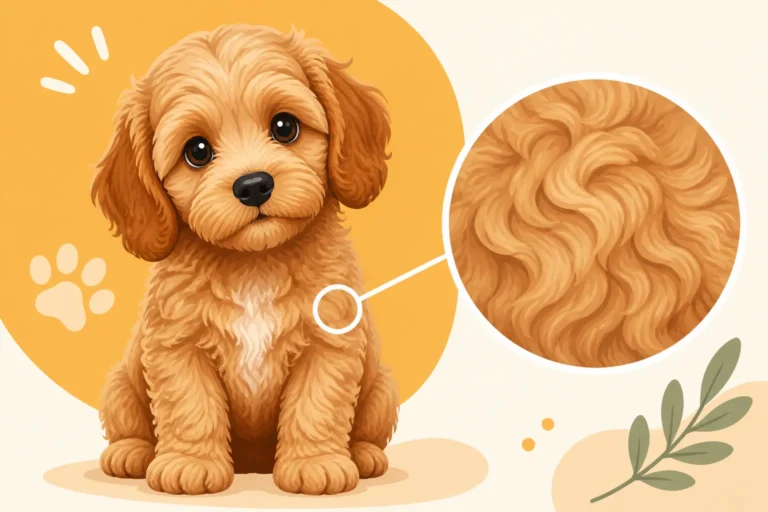
It’s easy to be charmed by that soft, cottony puppy coat that your Cockapoo brings home. It feels like a cloud, it rarely tangles, and for the first few months, you might even think you've hit the jackpot with a truly low-maintenance canine companion. This initial coat is largely uncomplicated, making early grooming a breeze and lulling many new owners into a false sense of security about what's to come. You can run a brush through it with ease, and any little knots that do form tend to brush right out without much fuss.
What many new Cockapoo owners don't realize is that this puppy coat is just a temporary phase. It’s a bit like a child’s baby teeth – perfectly functional for a time, but destined to be replaced by something stronger and more complex. The puppy coat is typically finer, softer, and has a different texture than the adult coat that will eventually grow in. This difference is crucial to understanding why matting becomes such an issue later on. It’s not just more hair; it’s different hair.
The genetics of the Cockapoo coat are fascinating, a blend of the Cocker Spaniel's flowing, often shedding fur and the Poodle's dense, curly, non-shedding coat. This mix is what gives the Cockapoo its characteristic variety of textures, from straighter waves to tight curls. While the goal is often a low-shedding dog with the coveted "furnishings" (the beard, mustache, and eyebrows), the reality is that the specific combination of genes each puppy inherits dictates its adult coat. This can lead to a range of coat types, some of which are much more prone to matting than others. The Furnishings Gene That Decides a Cockapoo's Face and The Curl Gene and Where a Cockapoo's Coat Lands delves deeper into these genetic factors.
The Puppy Coat: A deceptive ease
For the first few months of your Cockapoo's life, grooming might feel like a walk in the park. The puppy coat is generally light, airy, and forgiving. You might only need to brush your pup every few days, and even then, it's more about getting them accustomed to the process than tackling serious tangles. This is a golden opportunity to establish positive associations with grooming – short, gentle sessions with plenty of treats. Unfortunately, this easy phase rarely lasts, and if you don't use this time to build good habits, you'll find yourself in a tricky situation when the coat change hits.
During these early months, the individual hairs of the puppy coat are typically quite uniform in length and texture. They don’t have the same dense undercoat or varied layers that will contribute to future tangles. Think of it like a freshly laid carpet – smooth, even, and easy to clean. You might occasionally find a small knot behind the ears or under the armpits, areas prone to friction, but these are usually minor and resolve quickly. This is why many new owners are caught off guard when the matting really begins.
However, even with the puppy coat, it’s vital to introduce all the grooming tools and sensations your dog will experience later. Get them used to the slicker brush, a metal comb, nail clippers, and even the sound of clippers or a dryer, if possible. A good-quality grooming spray can also help make brushing more pleasant. Laying this foundation is absolutely key to surviving the coming "coat change" without too much stress for either of you. You want your Cockapoo to see grooming as a comfortable, even enjoyable, part of their routine.
The Adolescent "Coat Change" Phenomenon
The big revelation for most Cockapoo owners is the "coat change," often referred to as "blowing coat." This isn't just about growing longer hair; it's a fundamental shift in the structure and density of your dog's fur. Essentially, the fine, single-layer puppy coat begins to shed out, making way for the much thicker, more complex adult coat. This adult coat will likely have a different texture, density, and perhaps even a slightly different color than the puppy coat it replaces. It's during this transition that the infamous matting begins in earnest.
This coat change typically begins around 6 to 10 months of age, though it can sometimes start a little earlier or later, depending on the individual dog and its genetic makeup. Some Cockapoos might experience a more gradual change, while others seem to go from no mats to full felting overnight. This period can last for several months, often extending well past the first birthday. The Coat Change That Ambushes a Cockapoo Owner at Ten Months provides a more detailed timeline, but the key takeaway is that around the middle of their first year, things are going to get hairy, literally.
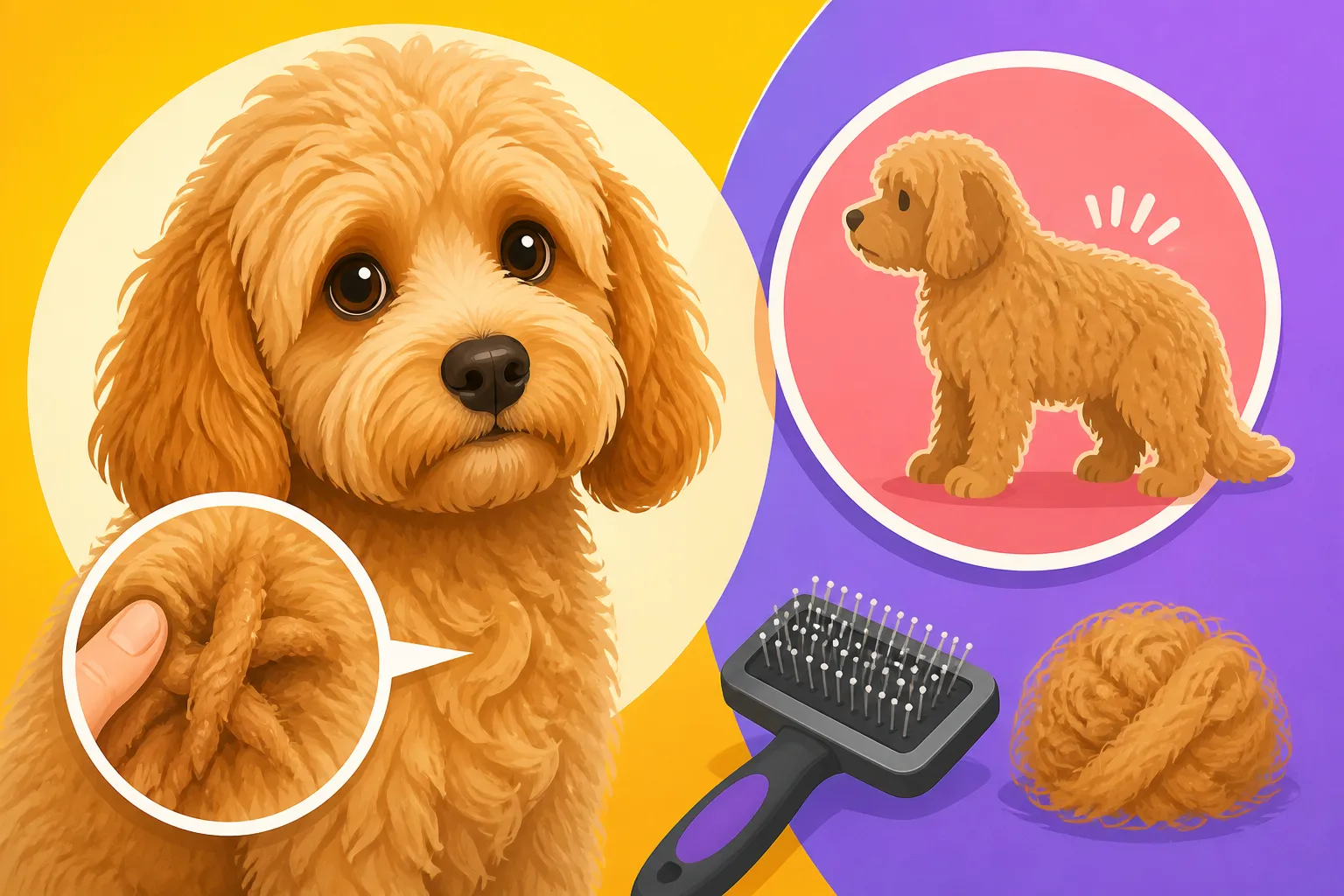
During this transition, the shed puppy hairs don't fall out easily from the denser adult coat growing underneath. Instead, they get trapped within the new growth, forming a sticky, tangled mess that quickly escalates into mats. It's like trying to comb dry leaves out of a thick, wet bush – the more you try, the more they seem to cling. This is why a Cockapoo that was perfectly fine with a brush-through every few days suddenly requires daily, intensive grooming to stay mat-free. It's a frustrating period, but it's a normal part of their development.
Why Your Cockapoo Suddenly Starts Matting Daily
The sudden onset of daily matting isn't a sign that you're doing something wrong, but rather a natural, albeit challenging, part of your Cockapoo's development. It’s when those soft puppy hairs start to release, but instead of falling to the floor, they get woven into the emerging, denser adult coat. This creates a kind of velcro effect, where every loose strand has a perfect anchor point to begin forming a knot. Once one knot forms, it acts as a magnet for more loose hair and friction, quickly spiraling into larger, more stubborn mats.
The main culprits are the varying textures and densities of the two coats coexisting. Imagine trying to comb through two different types of yarn that have been randomly mixed together; the different textures grab onto each other, creating tangles that are much harder to separate. This is precisely what happens with your Cockapoo's coat. The finer puppy hair wraps around the coarser adult hair, and any pressure or movement only tightens these knots. Areas of high friction, like behind the ears, armpits, groin, and around the collar, are often the first to show signs of serious matting because of constant rubbing and movement. Where a Curly Cockapoo Mats First and Where a Wavy Cockapoo Mats First highlights these common trouble spots.
This phase is a test of patience for any Cockapoo owner. The frequency of matting can be truly astounding. You can brush your dog thoroughly in the morning, only to find new knots by evening. It can feel like an endless battle, and it's easy to get disheartened. However, understanding that this is a temporary, though prolonged, phase of development can help you mentally prepare and commit to the increased grooming regimen required to navigate it successfully. It's not forever, but it requires significant dedication during this critical period.
The coat mixing: a recipe for tangles
The most significant factor driving daily matting during the coat change is the literal mixing of the old puppy coat with the new adult coat. The puppy hair is still rooted, but it’s becoming weaker and ready to shed. As the stronger, thicker adult hair grows in, it effectively traps these shedding puppy hairs. This creates a dense, multi-layered environment where individual hairs can no longer easily fall out or slide past each other. Instead, they catch, intertwine, and felt together.
This intermingling of different hair types creates a texture that is particularly prone to matting. The softer, finer puppy fur acts like a net, catching the emerging, often curlier, adult hair. Every time your dog moves, rolls, scratches, or even sleeps, these trapped hairs rub against each other, tightening any nascent tangles. Moisture, whether from a bath, rain, or even just humidity, can exacerbate the problem by causing the hairs to shrink and felt even more tightly together as they dry.
Without diligent and consistent daily grooming, these small tangles quickly become larger, more painful mats that pull at the skin. It’s not simply a cosmetic issue; severe matting can restrict movement, cause skin irritation, hide skin infections, and even lead to serious health problems. The goal during this period is to meticulously separate these two coat types, pulling out the shedding puppy hair before it has a chance to bind with the adult growth. This is where your grooming strategy needs to shift dramatically from occasional brushing to a dedicated daily routine.
Friction and moisture: accelerating the problem
Beyond the inherent mixing of coat types, everyday environmental factors significantly accelerate the matting process. Friction is a primary culprit. Think about the areas where your Cockapoo’s coat experiences the most rubbing: under the harness or collar, behind the ears when they scratch, in the armpits from walking, and on their rump from sitting. All these points of constant friction cause individual hairs to rub against each other, creating static and tangles that quickly become mats. Even playful romps with other dogs can lead to friction-induced matting as they tumble and wrestle.
Moisture is another major accelerator. A wet coat, whether from a bath, a swim, or playing in the rain, is a matting magnet if not handled correctly. When hair gets wet, it expands. As it dries, it shrinks back down, and if there are any tangles or loose hairs present, this shrinking action tightens them significantly. This is why bathing a matted dog without first meticulously brushing out all tangles is a cardinal sin in grooming – it will only cement the existing mats, making them nearly impossible to remove without shaving. Even high humidity can make a Cockapoo's coat more prone to tangling.
Consider the simple act of taking your Cockapoo outside on a damp morning. If their legs and belly get wet, and then they lie down to dry, any trapped puppy hairs will felt into the new adult coat, often forming tight, painful mats that are difficult to impossible to comb out. This means that during the coat change, you can't just brush when the coat is dry; you need to be acutely aware of moisture exposure and always follow up with a thorough dry-brushing session. This heightened awareness of daily activities and their impact on the coat is essential for managing the challenges of the coat change.
Tackling Daily Matting: A Practical Grooming Routine for Your Cockapoo
When your Cockapoo enters the coat change phase, your grooming routine needs a significant upgrade. What once was an occasional chore will become a daily necessity, often requiring more time and dedication than you ever anticipated. This isn't just about making your dog look good; it's about their comfort, health, and preventing painful skin issues. Think of it as preventative maintenance, like flossing every day to avoid cavities – a small daily effort saves a lot of pain and expense down the line.
The foundation of this new routine is consistency and the right tools. You absolutely need a high-quality slicker brush and a sturdy metal comb. The slicker brush is great for working through the bulk of the coat, gently separating hairs, while the metal comb is your mat-finding and mat-removing secret weapon. Investing in a good detangling spray is also highly recommended; it adds slip to the coat, making it easier to brush and reducing breakage. Brands available through retailers like Chewy or Amazon often have a wide selection of these essential grooming products.
Remember, the goal isn't just to brush the top layer of the coat. During the coat change, mats form deep within the layers, close to the skin. This is why "line brushing" becomes so critical. You need to part the hair down to the skin, brush a small section thoroughly from root to tip, and then gradually work your way across the dog. It's meticulous work, but it's the only way to ensure you're getting all the way down to the skin and preventing hidden mats from forming. Line Brushing a Cockapoo and Why the Top Coat Lies explains this technique in detail.
Essential tools for daily battle
You can’t fight mats effectively with the wrong equipment. The two non-negotiable tools for a Cockapoo owner, especially during the coat change, are a slicker brush and a metal comb. A slicker brush, with its fine, wire bristles, is excellent for tackling tangles and removing loose hair from the main body of the coat. Look for one with coated tips or flexible pins to make it more comfortable for your dog, especially if they have sensitive skin. You'll use this for the majority of your brushing.
The metal comb, however, is your ultimate mat detector and remover. You need a comb with both wide and fine teeth. The wide teeth are for initial passes through thicker areas, and the fine teeth are crucial for meticulously checking if the coat is truly tangle-free all the way down to the skin. After you’ve brushed a section with the slicker, always follow up with the metal comb. If the comb snags, you've found a tangle that the slicker missed, and you need to go back and work on it gently. The Comb That Finds Mats a Slicker Misses really emphasizes the importance of this step.
Beyond these two, a good detangling spray or conditioning spray is invaluable. Spritzing the coat lightly before brushing helps to lubricate the hair, reduce static, and make the brush glide more smoothly, minimizing pulling and discomfort for your dog. A high-quality pair of blunt-nosed scissors can also be useful for carefully cutting into a mat (never across it, as you risk cutting the skin) to break it up, but this should be done with extreme caution and only as a last resort before professional intervention. For a full breakdown of what you need, check out The Kit Needed to Groom a Cockapoo at Home.
The daily line brushing ritual
The "line brushing" technique is paramount for keeping a Cockapoo mat-free, particularly during the coat change. It’s a methodical approach that ensures you reach every layer of the coat, right down to the skin. Start by having your Cockapoo lie down comfortably on their side or back, depending on what they tolerate best. Use treats and praise liberally to make this a positive experience. Pick a section of their body, say, a leg or a side, and part the hair with your hand, exposing a clear "line" of skin.
Using your slicker brush, gently brush the hair below that line, working in small strokes from the root towards the tip. Once that section feels smooth and tangle-free, drop a little more hair from the line and repeat, gradually working your way up and across the entire body. The key is to ensure that after brushing with the slicker, you can easily run your metal comb all the way through the brushed section, from the skin to the ends, without any snagging. If the comb catches, you’ve still got a tangle, and you need to go back with the slicker, being extra gentle.
This process needs to be done daily during the coat change. It might take anywhere from 15 minutes to an hour, depending on the size of your dog and the density of their coat. It sounds like a lot, but this consistent daily effort prevents small tangles from becoming enormous, painful mats that require shaving. Skipping even one day can set you back significantly, as mats can form incredibly quickly. Establishing this routine early on, ideally even before the coat change begins, will make the transition much smoother for both of you.
When professional help is needed
Even with the most diligent daily grooming, sometimes mats can get the better of you, especially during the coat change. Don't feel ashamed or defeated if you encounter a mat that you just can't get out safely. Groomers are professionals who deal with this all the time, and they have specialized tools and techniques to handle even the most stubborn tangles. Attempting to force a comb through a tight mat can be incredibly painful for your dog and can cause skin irritation or even injury.
If you find a mat that is tight, pulling at the skin, or too close to the skin to get your comb underneath, it's time to call a professional groomer. They might be able to carefully de-mat it if it's not too severe, but more often than not, if a mat is truly problematic, the kindest and safest solution is to shave it out. In severe cases of extensive matting, a full body shave-down might be necessary to relieve your dog from discomfort and allow their coat to regrow healthy and mat-free. Whether a Matted Cockapoo Has to Be Shaved explains more about these situations.
Regular professional grooming, every 4-8 weeks, is highly recommended for Cockapoos, particularly those with curlier or denser coats. Even if you're committed to daily brushing at home, a professional groomer can perform thorough cleaning, ear care, nail trims, and often catch potential matting issues before they become severe. Establish a good relationship with a reputable groomer who understands Cockapoo coats; they can be an invaluable partner in maintaining your dog's comfort and coat health.
Preventative Measures and Long-Term Coat Care
The coat change might feel like an endless battle, but it does eventually subside. Your Cockapoo's adult coat will settle, and while it will still require regular grooming, the intensity of daily matting will typically decrease significantly. The key is to maintain consistent habits you've built during the challenging transition period. Thinking long-term about coat care means not only managing tangles but also promoting overall coat health through diet and lifestyle.
Consider how your dog interacts with their environment. If your Cockapoo loves to roll in the mud, swim in the lake, or crash through bushes, these activities will inevitably challenge their coat and increase the risk of matting. While you don't want to prevent them from enjoying life, being proactive with a quick brush-down after outdoor adventures, especially if they get wet, can make a huge difference. Regular maintenance prevents small issues from becoming big problems.
Ultimately, understanding your Cockapoo's specific coat type is crucial for tailored care. Some Cockapoos inherit a straighter, more Spaniel-like coat, while others get the tighter Poodle curl. Each type has its own challenges and needs. The Three Cockapoo Coat Types and Their Upkeep provides excellent insights into managing these variations effectively. The more you know about your dog's unique coat, the better equipped you'll be to keep it healthy and mat-free.
Diet and supplements for coat health
While hands-on grooming is the most direct way to prevent mats, a healthy coat truly starts from within. A balanced, high-quality diet plays a fundamental role in the overall condition of your Cockapoo's skin and coat. Look for dog foods that list real meat as the first ingredient and contain essential fatty acids like Omega-3 and Omega-6. These nutrients are vital for skin elasticity, a strong hair shaft, and a lustrous, healthy coat that is less prone to breakage and, in turn, less prone to matting.
Some owners choose to supplement their dog's diet with additional Omega oils, often in the form of fish oil or flaxseed oil. These supplements can contribute to a shinier, healthier coat and may even help reduce shedding, though their primary benefit is often improved skin health, which then reflects in the coat. Always discuss any dietary changes or supplements with your veterinarian to ensure they are appropriate for your specific Cockapoo. While brands like Ollie focus on fresh, balanced nutrition, ensuring any diet provides comprehensive nutrients is key.
Hydration is also critical. Ensure your Cockapoo always has access to fresh, clean water. Dehydration can affect skin health, which can in turn impact the quality of the coat. A well-hydrated dog with a healthy diet will generally have a more resilient and manageable coat, making your grooming efforts more effective. It's an often-overlooked aspect, but good internal health is foundational for a beautiful, mat-resistant outer appearance.
Maintaining proper coat length
One of the easiest and most effective ways to manage matting, particularly after the intense coat change period, is to keep your Cockapoo in a shorter clip. While the fluffy "teddy bear" look is undeniably adorable, longer coats simply offer more surface area and more opportunity for tangles to form. A shorter puppy cut or a regular close shave can drastically reduce the time and effort required for daily brushing. Discussing options with your groomer can help you find a comfortable and practical length for your dog's lifestyle and coat type.
A short coat doesn't just mean less matting; it can also be more comfortable for your dog, especially during warmer months, and makes it easier to spot any skin issues or parasites. It also reduces the amount of dirt and debris they track into the house. While some owners worry about Whether Shaving Ruins a Cockapoo's Coat, rest assured that a proper professional clip will not damage the coat's integrity or ability to grow back. It simply resets the canvas.
Even with a shorter coat, daily brushing is still recommended, but it becomes a much quicker and easier task. The goal is to prevent tangles from forming in the first place, rather than battling existing ones. Regular trims, coupled with consistent home grooming, will keep your Cockapoo comfortable, healthy, and looking their best without the constant struggle against pervasive matting.
Environmental considerations
Your Cockapoo's environment and daily activities play a huge role in how quickly their coat can tangle. If your dog loves to roll around in the yard, especially in tall grass or brush, they are picking up burrs, twigs, and other debris that can instantly knot into their coat. Similarly, if they are avid swimmers, the combination of water and movement can quickly felt a coat if it's not thoroughly dried and brushed afterward.
Consider protective gear for specific activities. If your Cockapoo is regularly playing in areas with a lot of underbrush, a lightweight dog shirt or even a snood for their ears can help prevent debris from getting caught in their fur. After any outdoor adventure, particularly if it's been wet or dirty, make it a habit to do a quick "once-over" with a brush and comb to remove any hitchhikers before they can cause serious mats. This preventative sweep is much faster than de-matting later.
Even inside the home, think about friction points. A dog bed that sheds lint, or rough carpet, can contribute to matting. Regularly washing your dog's bedding helps. Also, be mindful of collars and harnesses. If they are left on all the time, they can rub against the coat and create mats, especially behind the ears and under the armpits. Periodically removing them and brushing those areas can prevent these localized tangles from forming. It's all about being observant and proactive in preventing the perfect storm for matting.
Disclaimer
This article is for general informational purposes only and does not constitute professional advice. Laws, prices and regulations vary by location and change over time. Consult a qualified professional for guidance on your specific situation.