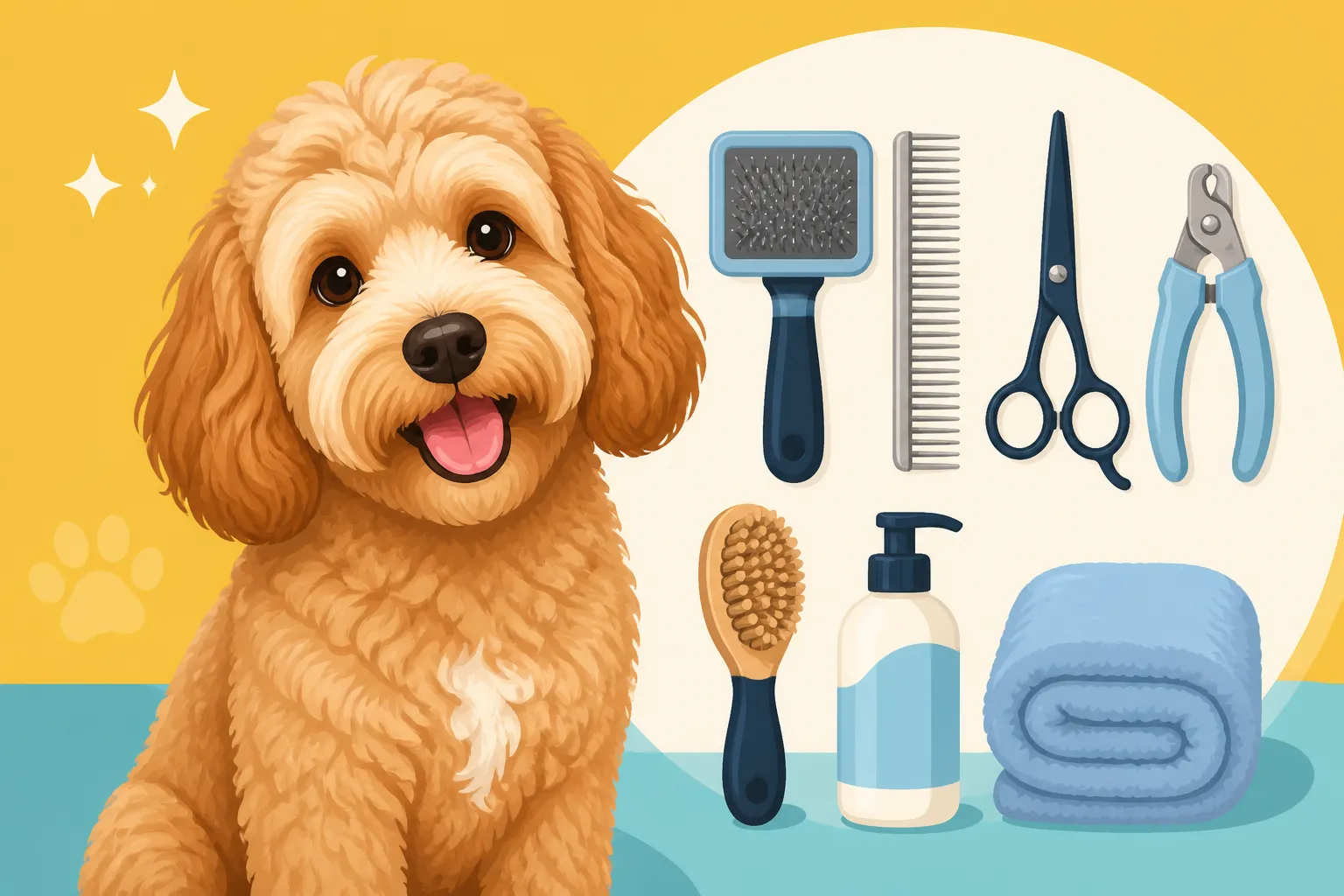
The Kit Needed to Groom a Cockapoo at Home
Bringing a Cockapoo into your home is an absolute joy, but many new owners quickly discover that their adorable, fluffy companion comes with a significant grooming commitment. That beautiful, low-shedding coat isn't maintenance-free; in fact, it requires consistent attention to prevent mats and keep your dog comfortable and healthy. This comprehensive guide will walk you through all the essential tools and products you need to assemble your very own home grooming kit, empowering you to tackle your Cockapoo's grooming needs with confidence and care, saving you stress and potential trips to the professional groomer.
Understanding Your Cockapoo's Coat and Why Home Grooming is Essential
Before we dive into the gadgets and gizmos, it's really important to understand what makes a Cockapoo's coat so unique – and, let's be honest, sometimes challenging. Knowing this foundation will help you appreciate why each tool in your kit is so crucial.
The Unique Challenges of the Cockapoo Coat
The Cockapoo's coat is a blend of its Cocker Spaniel and Poodle heritage, and it can manifest in several ways. You might have a straight, wavy, or tightly curled coat, and each type comes with its own set of grooming demands. The most common characteristic that trips up new owners is the "furnishings" gene, which gives them that adorable beard, mustache, and eyebrows. While these furnishings contribute to the low-shedding quality many seek in a Cockapoo, they are also prone to matting.
Think about it: the Poodle brings dense, curly hair that grows continuously, and the Cocker Spaniel often contributes softer, finer hair that can easily tangle. When these two textures meet, especially during the coat change phase around 6-10 months, it's a perfect storm for mats. Mats aren't just cosmetic; they can pull on the skin, cause pain, hide skin infections, and even restrict movement. If left unchecked, a matted coat can lead to serious health issues, necessitating a full shave-down by a vet, which can be upsetting for both you and your dog. You can learn more about The Three Cockapoo Coat Types and Their Upkeep and discover Why a Tight Curl Doubles a Cockapoo Owner's Week when it comes to daily care.
The Benefits of Regular Home Grooming
Establishing a consistent home grooming routine offers a multitude of benefits that extend far beyond just keeping your Cockapoo looking tidy. Firstly, it's a significant cost saver. Professional grooming can be expensive, especially for a breed like the Cockapoo that needs frequent attention. By doing some of the work yourself, you can stretch the time between professional appointments, potentially saving hundreds of dollars a year. Many owners wonder Whether Grooming a Cockapoo at Home Saves Money, and the answer is a resounding yes, provided you invest in the right tools and knowledge.
Secondly, and perhaps more importantly, grooming time builds an incredible bond between you and your dog. It’s a quiet, hands-on activity that fosters trust and allows you to check your Cockapoo thoroughly. You’ll become intimately familiar with their skin, ears, paws, and any lumps or bumps that might appear, enabling early detection of potential health concerns. This regular contact also helps your Cockapoo become accustomed to being handled, making vet visits and professional grooming sessions less stressful for them. Imagine how much more relaxed your pup will be at the groomer if they're already comfortable with brushes and clippers at home!
Essential Brushes and Combs for Every Cockapoo Owner
When it comes to home grooming, brushes and combs are your absolute frontline defense against mats and tangles. Don't underestimate their power; a good brushing routine is the cornerstone of keeping your Cockapoo's coat healthy.
The Mighty Slicker Brush
The slicker brush is arguably the most important tool in your Cockapoo grooming arsenal. It features fine, short wire bristles that are slightly angled and packed closely together on a flat or curved surface. This design makes it incredibly effective at reaching down into the coat, removing loose hair, and detangling minor knots without pulling excessively on the skin (when used correctly).
For a Cockapoo, you'll want a slicker brush that is firm enough to penetrate their dense coat but not so harsh that it scratches their skin. Always use a gentle, upward flicking motion, working in small sections, particularly if your dog has a wavy or curly coat. Never drag the slicker brush through a mat; this will hurt your dog and potentially damage their coat. For best results, use the "line brushing" technique: part the hair horizontally and brush upwards from the skin, ensuring you get right to the root. This is critical because mats often form close to the skin, hidden by the top layer of fluff. Learning Line Brushing a Cockapoo and Why the Top Coat Lies can save you a lot of heartache and prevent shaving.
The Indispensable Metal Comb
While the slicker brush does an excellent job of general detangling and removing loose hair, the metal comb is your secret weapon for finding and eliminating those insidious, hidden mats. After you've gone over your Cockapoo with the slicker brush, always follow up with a metal comb. This isn't an optional step; it's absolutely essential.
A good metal comb will have teeth of varying widths – typically wider spaced teeth on one end and finer teeth on the other. Start with the wider-toothed end to work through the main body of the coat, then switch to the finer teeth to ensure every last tangle has been addressed. If the comb snags anywhere, that's your cue: there's a knot or mat that the slicker brush missed. Gently work it out with the comb or, if it's too tight, consider a detangling spray or a mat splitter (which we'll cover next). Pay extra attention to "hot spots" for matting: behind the ears, armpits, groin, and around the collar or harness. These areas are notorious for developing tight knots quickly. Trust me, The Comb That Finds Mats a Slicker Misses is a must-have tool.
Dematting Tools and Sprays
Sometimes, despite your best efforts, a mat will form that's too stubborn for a slicker brush or metal comb alone. This is where specialized dematting tools and sprays come into play.
- Dematting Sprays: These sprays lubricate the hair, making it easier to work through tangles. They can be invaluable for larger knots that aren't yet tight against the skin. Apply the spray, let it sit for a minute or two, and then gently try to pick apart the mat with your fingers or the wide-toothed end of your metal comb. Brands like BioSilk for Dogs or Cowboy Magic are popular choices for their conditioning and detangling properties.
- Mat Splitters/Rakes: These tools have sharp, inwardly curved blades designed to cut through a mat without damaging too much surrounding hair. They are a last resort before resorting to clippers for a full shave. Use these with extreme caution. Always hold the mat at its base against the skin to prevent pulling and only make short, careful strokes. Never pull the tool through the mat; instead, use a sawing motion to gently separate the matted hair. This is particularly useful in areas like the legs and belly, where a full shave might not be ideal. Understanding Where a Curly Cockapoo Mats First can help you target your efforts before things get out of hand.
Clippers, Scissors, and the Art of Trimming at Home
While brushes and combs handle daily maintenance, clippers and scissors allow you to shape your Cockapoo's coat and perform sanitary trims, helping to maintain their comfort and cleanliness.
Investing in a Quality Dog Clipper
If you plan to do any significant trimming at home, a good quality dog clipper is a game-changer. Don't be tempted by cheap human hair clippers; they are often too loud, vibrate too much, and aren't powerful enough for a dog's denser coat, leading to frustration for both of you. Investing in a quiet, powerful clipper designed for pets will make the experience much more pleasant.
Consider these factors when choosing:
- Corded vs. Cordless: Corded clippers offer consistent power and no battery worries, but limit mobility. Cordless clippers offer freedom of movement but require charging and may lose power as the battery drains.
- Motor Speed: A two-speed or variable-speed clipper is often preferred, allowing for a slower, quieter setting for sensitive areas and a higher speed for denser coat.
- Blades: Clippers typically come with a standard blade, but you'll likely want to invest in additional ceramic or stainless steel blades in various sizes (e.g., #10 for sanitary areas, #7F or #5F for body length). Ceramic blades stay cooler longer, which is a huge plus for your dog's comfort. Always ensure your blades are sharp and cool; dull or hot blades can cause "clipper burn" and irritation.
- Noise Level: Cockapoos, like many dogs, can be sensitive to noise. A quieter clipper will significantly reduce their anxiety during grooming.
Learning to use clippers takes practice, so start with small, non-sensitive areas and always use a guard comb if you're nervous about cutting too short. Remember, Whether Shaving Ruins a Cockapoo's Coat is a common concern, but with proper technique, you can keep their coat healthy and tidy. Clippers are essential for maintaining popular styles like a What a Teddy Bear Clip Looks Like on a Cockapoo.
Safety Scissors for Delicate Areas
While clippers handle the bulk of the coat, sharp, blunt-nosed grooming scissors are indispensable for delicate areas where clippers might be too risky.
- Face: These scissors are perfect for carefully trimming around the eyes to prevent hair from poking them, and for tidying up the beard and mustache. Always comb the hair out first, then trim small amounts at a time.
- Paws: Hair can grow long between the paw pads, causing slipping on smooth floors and trapping debris. Use small, sharp scissors to carefully trim this hair flush with the pads. Always hold the paw firmly and trim away from the pads to avoid accidental nicks.
- Sanitary Area: Keeping the hair around the anus and genitals short is crucial for hygiene. This prevents feces or urine from clinging to the coat, which can lead to skin irritation and odor.
- Blunt Tips: Look for scissors with blunt or rounded tips. This design minimizes the risk of accidentally poking your dog, especially if they make a sudden movement.
Always ensure your scissors are sharp, clean, and specifically designed for pet grooming. Dull scissors will pull at the hair, causing discomfort.
Nail Care Essentials
Don't forget the nails! Long nails can be painful for your Cockapoo, affecting their gait and potentially leading to foot problems. Regular nail trims are a must.
- Nail Clippers: There are two main types: scissor-style (often preferred for smaller to medium dogs) and guillotine-style. Choose a sturdy pair that feels comfortable in your hand and is appropriate for your Cockapoo's size.
- Nail Grinder: If your dog is nervous about clippers or has dark nails where the quick is hard to see, a Dremel-style nail grinder can be a fantastic alternative. It slowly grinds down the nail, allowing for more control and a smoother finish. Introduce it slowly, rewarding your dog for tolerating the sound and vibration.
- Styptic Powder: This is your safety net. No matter how careful you are, sometimes you might cut a nail too short and hit the quick, causing it to bleed. Styptic powder quickly stops the bleeding. Always have it on hand!
Aim to trim or grind your Cockapoo's nails every 2-4 weeks, or whenever you hear them clicking on hard floors.
Bathing Supplies for a Clean and Healthy Coat
Bathing is an important part of a Cockapoo's grooming routine, not just for cleanliness but also for skin health. However, frequent or improper bathing can strip natural oils, leading to dry skin. Knowing the right products and techniques is key.
Shampoos and Conditioners Tailored for Cockapoos
Choosing the right shampoo and conditioner is vital. Since Cockapoos often have sensitive skin inherited from both parent breeds, opt for high-quality, pH-balanced formulas designed specifically for dogs.
- Hypoallergenic/Sensitive Skin Formulas: If your Cockapoo is prone to itching or skin irritation, look for shampoos that are hypoallergenic, soap-free, and fragrance-free. These minimize the risk of allergic reactions.
- Moisturizing Shampoos: For Cockapoos with drier skin or coats, a moisturizing shampoo with ingredients like oatmeal, aloe vera, or vitamin E can be beneficial.
- Detangling Conditioners: A good conditioner is a must after shampooing. It helps to hydrate the coat, makes it softer, and significantly aids in detangling, reducing mat formation. Apply generously, paying attention to areas prone to mats, let it sit for a few minutes, then rinse thoroughly.
- Degreasing Shampoos: If your Cockapoo inherits some of the Cocker's tendency towards oily skin, you might find their coat feels greasy or develops a distinct "doggy odor" even after a bath. In these cases, a clarifying or degreasing shampoo can be incredibly helpful. Use it sparingly, perhaps every few baths, to avoid over-drying the skin. Otherwise, Whether a Cockapoo Needs a Degreasing Shampoo might not be a concern for you.
You can often find good quality shampoos and conditioners at pet supply stores or online retailers like Chewy.
Drying Equipment
How you dry your Cockapoo after a bath is almost as important as the bath itself. Leaving their dense coat to air dry can encourage matting and promote skin issues.
- Absorbent Towels: Start by gently blotting your Cockapoo dry with super absorbent towels. Avoid vigorous rubbing, which can create tangles.
- High-Velocity Dryer (Force Dryer): This is the gold standard for drying a Cockapoo. A high-velocity dryer, designed for pets, blows air at a high speed (not heat) to efficiently remove water from the coat. This not only dries them quickly but also helps to "stretch" the hair, preventing curl-induced matting and removing loose undercoat. It’s a bit of an investment, but if you bathe your Cockapoo at home regularly, it’s invaluable for saving time and preventing mats. Gradually introduce your dog to the sound and sensation of the dryer, starting on a low setting and offering treats.
- Hair Dryer (Human): If a force dryer isn't an option, a human hair dryer can be used, but with extreme caution. Always use the coolest setting possible to prevent skin burns. Keep the dryer moving constantly and hold it at a safe distance from the coat. This method is much slower and less effective for a dense Cockapoo coat, and you risk overheating your dog.
Always brush and comb your Cockapoo while drying to prevent new mats from forming as the hair settles.
Ear and Eye Cleaning Solutions
These often-overlooked areas are critical for your Cockapoo's overall health and comfort.
- Ear Cleaning Solution: Cockapoos often inherit floppy ears from the Cocker Spaniel side, which can trap moisture and create a breeding ground for yeast and bacteria. Regular ear cleaning is crucial to prevent infections. Use a veterinarian-approved ear cleaning solution designed to break down wax and debris. Never use cotton swabs inside the ear canal; instead, gently massage the solution into the ear base and allow your dog to shake their head, then wipe the visible outer ear with a cotton ball or soft cloth. Some Cockapoos may also have hair growing inside their ear canals that needs to be plucked. Discuss with your vet or groomer Whether Ear Hair Should Come Out of a Cockapoo and how to do it safely.
- Eye Wipes/Solutions: Some Cockapoos are prone to tear staining, especially lighter-colored individuals. Regular cleaning around the eyes helps prevent this and removes any crusty discharge. Use pet-safe eye wipes or a dilute saline solution on a cotton ball. Always wipe away from the eye, and never put anything directly into their eyes unless specifically instructed by a vet. If your Cockapoo constantly has watery or red eyes, or excessive discharge, consult your vet immediately, as it could be a sign of infection or another issue. Consistent wiping can help manage Whether a Cockapoo Gets Tear Stains.
Grooming Kit Checklist and Maintenance Tips
Having the right tools is only half the battle; knowing how to organize and maintain them ensures they're always ready when you need them.
Your At-Home Cockapoo Grooming Kit Checklist
Here’s a handy list to help you build your grooming kit:
| Category | Essential Tools | Notes |
|---|---|---|
| Brushes/Combs | Slicker brush (multiple sizes) | Essential for detangling and removing loose hair |
| Metal comb (wide & fine teeth) | Crucial for finding hidden mats and line brushing | |
| Dematting spray | Helps loosen stubborn knots | |
| Mat splitter/rake (use with caution) | For severe mats, as a last resort before shaving | |
| Clipping/Trimming | Dog clipper (quiet, powerful) | Invest in quality; consider corded/cordless, variable speed |
| Clipper blades (#10, #7F, #5F) | Different lengths for body, sanitary, and paws | |
| Clipper coolant/lubricant | Keeps blades cool and prevents rust | |
| Blunt-nosed safety scissors | For delicate areas like face, paws, sanitary | |
| Nail clippers (scissor or guillotine) | Appropriate size for your Cockapoo | |
| Nail grinder | Alternative to clippers, good for nervous dogs or dark nails | |
| Styptic powder | Absolute must-have for accidental quick cuts | |
| Bathing/Drying | Dog-specific shampoo | Hypoallergenic, moisturizing, or degreasing as needed |
| Dog-specific conditioner | Important for detangling and coat health | |
| High-absorbency towels | For initial towel drying | |
| High-velocity pet dryer (recommended) | Efficient and prevents matting; human hair dryer on cool only as alternative | |
| Hygiene | Ear cleaning solution (vet-approved) | Prevents ear infections |
| Cotton balls/pads | For applying ear solution and wiping eyes | |
| Pet-safe eye wipes/saline solution | For cleaning tear stains and eye discharge | |
| Extras | Grooming table with arm (optional) | Helps keep your dog still and at a comfortable height |
| Treats | Essential for positive reinforcement and making grooming enjoyable |
Maintaining Your Grooming Tools
Just like any tools, your grooming equipment needs proper care to function effectively and last longer.
- Cleanliness: Always clean your brushes, combs, and clipper blades after each use. Remove all hair, and for clippers, brush away any debris.
- Lubrication and Coolant: Clipper blades need to be lubricated with clipper oil before, during (if grooming for a long time), and after each use. This keeps them running smoothly and prevents rust. A coolant spray can also be used during longer grooming sessions to keep blades from overheating, which is crucial for your dog's comfort.
- Sharpness: Keep your scissors sharp, and replace clipper blades when they become dull. Dull blades pull at the hair, making grooming painful and ineffective. Many professional groomers offer blade sharpening services.
- Storage: Store all your tools in a clean, dry place, ideally in a dedicated grooming kit box or bag, to protect them from damage and dirt.
Disclaimer
This article is for general informational purposes only and does not constitute professional advice. Laws, prices and regulations vary by location and change over time. Consult a qualified professional for guidance on your specific situation.