Whether a Breeder Should Publish Cockapoo Coat Results
One of the biggest concerns for potential Cockapoo owners is often tied to their coat: will it shed? Will it be high maintenance? Will it cause allergies? It’s a huge investment of time, money, and emotion to bring a puppy into your home, and finding out their coat is completely different than what you expected can be a real disappointment. This guide is here to unravel the mystery of Cockapoo coat genetics and explain why having access to a breeder's coat test results is not just a nice-to-have, but a crucial piece of information for making an informed decision about your future furry family member.
Understanding the Cockapoo Coat Conundrum
The Cockapoo, a delightful cross between a Cocker Spaniel and a Poodle, has surged in popularity precisely because of its charming personality and, let's be honest, the promise of a low-shedding, allergy-friendly coat. But as many Cockapoo owners discover, not all coats are created equal, and the reality can sometimes be quite different from the expectation. This variation often stems from the complex interplay of genes inherited from both parent breeds.
The Allure of the "Non-Shedding" Promise
For families dealing with allergies, or simply those who dread the constant battle against dog hair, the idea of a "hypoallergenic" or "non-shedding" dog like the Poodle, and subsequently the Cockapoo, is incredibly appealing. Poodles are known for their continuously growing hair that sheds minimally, often trapping loose hairs within their curls. This trait is highly desirable, and many prospective Cockapoo owners specifically seek out puppies that will inherit this low-shedding quality. Breeders often market Cockapoos with this promise, drawing in buyers who are looking for a pet that fits their lifestyle and health needs. However, without proper genetic understanding, this promise can sometimes fall short, leading to frustration and unexpected grooming challenges.
The Reality of Coat Variation in Cockapoos
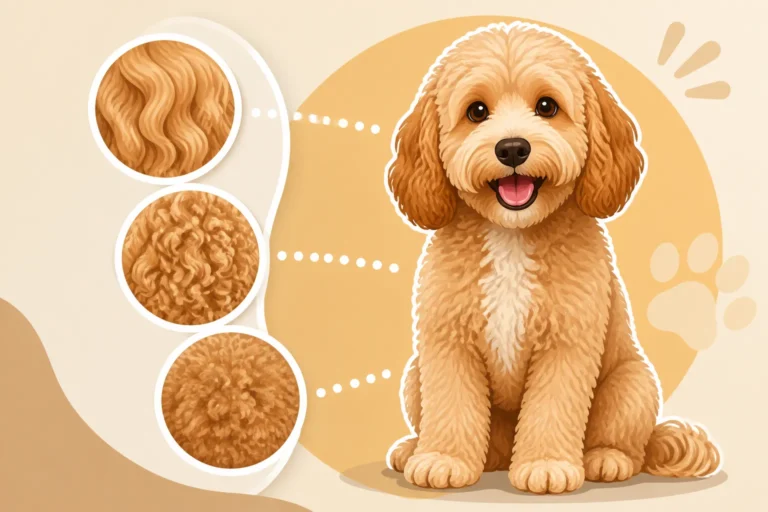
The truth is, Cockapoo coats can vary dramatically, even within the same litter. You might see a puppy with a tight, Poodle-like curl that barely sheds, while its sibling might have a straighter, more Cocker Spaniel-like coat that sheds quite a bit. Then there are those with beautiful wavy "fleece" coats, which are often the ideal that many envision. This variability is a direct result of the mix of genes from the two parent breeds. A Cocker Spaniel typically has a flatter, shedding coat, while a Poodle has a curly, low-shedding coat. When these two breeds are crossed, the offspring can inherit any combination of these traits. This is why The Furnishings Gene That Decides a Cockapoo's Face and The Curl Gene and Where a Cockapoo's Coat Lands are such hot topics among breeders and owners alike. Understanding these genetic possibilities is the first step in appreciating why coat testing is so important.
What Coat Results Actually Tell You
Genetic testing for coat traits in dogs has become a powerful tool for responsible breeders. It allows them to predict with a high degree of accuracy what kind of coat a puppy might have, going far beyond just looking at the parents' coats or guessing based on puppy fluff. These tests focus on specific genes that control key characteristics like shedding, curl, and the presence of "furnishings" (the facial hair that gives many Doodles their distinctive look).
Decoding the Furnishings Gene (RSPO2)
The furnishings gene, scientifically known as RSPO2, is arguably the most crucial gene for predicting a Cockapoo's shedding potential. Dogs with at least one copy of the dominant 'F' allele will have furnishings, which are the longer hair on the muzzle, eyebrows, and legs. This furnishing trait is directly linked to the low-shedding characteristic that Poodles possess. Without furnishings, a dog will have a "flat-faced" or "improper coat" appearance, and will shed much more like a Cocker Spaniel.
- F/F (Homozygous Furnished): This means the dog has two copies of the furnishing gene. Such a dog will have furnishings and will pass on a furnishing gene to all of its offspring. These dogs are generally very low-shedding.
- F/IC (Heterozygous Furnished, Carries Improper Coat): The dog has one copy of the furnishing gene and one copy of the improper coat gene. It will display furnishings and be low-shedding, but it can pass on either gene to its puppies. If bred to another F/IC dog, there's a chance of producing improper coated puppies.
- IC/IC (Improper Coat): This dog has two copies of the improper coat gene, meaning it will not have furnishings. These dogs will shed more like a traditional Cocker Spaniel, and their coat will require different grooming care.
Breeders who test for RSPO2, as detailed in What RSPO2 Testing Tells a Cockapoo Breeder, can confidently tell prospective owners whether their puppy is likely to have the desired low-shedding coat. This is particularly vital for allergy sufferers.
Interpreting the Curl Gene (KRT71)
Beyond shedding, the degree of curl in a Cockapoo's coat is another highly sought-after trait. The KRT71 gene is primarily responsible for determining whether a dog has a straight, wavy, or curly coat. This gene influences the hair follicle structure, dictating how tightly the hair curls.
- C/C (Homozygous Curly): A dog with two copies of the curl gene will typically have a very tight, Poodle-like curl. These coats are often dense and require significant grooming to prevent matting.
- C/T (Heterozygous Wavy/Curly): These dogs have one curl gene and one straight-hair gene. They usually exhibit the beautiful, flowing "fleece" or wavy coat that many Cockapoo owners adore. This is often seen as the ideal balance for grooming and aesthetics.
- T/T (Homozygous Straight): With two copies of the straight-hair gene, the dog will have a much straighter, often flatter coat, resembling more of the Cocker Spaniel parent. While still lovely, this coat type can shed more and doesn't have the classic "Doodle" look.
Knowing the KRT71 results, as discussed in What KRT71 Says About a Cockapoo's Curl, helps manage expectations regarding grooming needs. A C/C puppy will need far more brushing than a C/T one to avoid tangles.
The Importance of the Improper Coat (IC) Gene
While related to furnishings, it’s worth highlighting the impact of the improper coat gene specifically. When a Cockapoo puppy inherits two copies of the IC gene (one from each parent), they will develop what is known as an "improper coat." This means they will lack the distinctive facial furnishings – the beard, mustache, and prominent eyebrows – that are characteristic of most Cockapoos. Instead, their face will be smooth, similar to a Cocker Spaniel. More importantly, dogs with an improper coat typically shed far more than their furnished littermates. This can be a significant disappointment for families seeking a low-shedding dog, especially those with allergy concerns. Understanding What an Improper Coated Cockapoo Looks Like and the genetics behind it, as explained in Whether a Cockapoo Carrying One Improper Copy Sheds, is crucial for breeders to avoid unintentionally producing puppies that don't meet buyer expectations. Publishing these results demonstrates a breeder's commitment to transparency and informed placement.
| Gene Locus | Trait Influenced | Alleles & Description | Phenotype (Expected Coat Appearance) | Shedding Level | Grooming Needs (General) |
|---|---|---|---|---|---|
| RSPO2 | Furnishings | F/F: Two furnishing copies | Furnished (beard, eyebrows) | Low | Moderate to High |
| F/IC: One furnishing, one improper copy | Furnished (beard, eyebrows) | Low | Moderate to High | ||
| IC/IC: Two improper coat copies | Improper Coat (smooth face, no beard) | Moderate to High | Low to Moderate | ||
| KRT71 | Curl | C/C: Two curl copies | Tight Curl (Poodle-like) | Low | Very High (daily) |
| C/T: One curl, one straight copy | Wavy/Fleece (ideal Cockapoo coat) | Low | Moderate to High | ||
| T/T: Two straight hair copies | Straight (Cocker Spaniel-like) | Low to Moderate | Moderate |
Why Transparency Matters: The Case for Publishing Results
So, should a breeder publish Cockapoo coat results? Absolutely, unequivocally yes. In an unregulated landscape like that of designer breeds, transparency is the bedrock of responsible breeding. It moves the conversation beyond mere aesthetics and into the realm of genetic predictability, health, and meeting specific owner needs.
Building Trust and Managing Expectations
When a breeder openly publishes the coat genetic results for their breeding dogs, they immediately establish a level of trust with prospective buyers. It shows they are investing in the health and predictability of their litters, rather than simply guessing or making assumptions. For a family specifically looking for a low-shedding dog due to allergies, seeing the F/F or F/IC results for both parents, alongside curl genes, provides immense peace of mind. Without this, buyers are essentially taking a gamble on Whether an F1 Cockapoo's Coat Is a Coin Flip or Whether a Breeder Can Guarantee a Cockapoo's Coat based purely on visual inspection of the parents, which can be misleading, especially with F1 generations. This transparency also helps manage expectations. If a litter has a chance of producing IC/IC puppies, a responsible breeder can discuss this upfront, ensuring those puppies go to homes prepared for a different grooming reality.
Empowering Buyers to Make Informed Choices
Imagine spending weeks researching, saving up, and finally choosing a Cockapoo, only to find out months later that your beloved puppy sheds constantly or mats up daily, despite being told it would be low-maintenance. This is a common story, and it often leads to frustration or, sadly, rehoming. By publishing coat results, breeders empower buyers to make choices based on concrete genetic data, not just pretty pictures or hopeful promises.
For example, if you know you want the classic wavy "fleece" coat that is generally easier to manage than a tight curl but still low-shedding, you would look for parents that are F/F or F/IC for furnishings and ideally C/T for curl. If a breeder only has dogs that carry the IC gene or are C/C for curl, you can adjust your expectations or seek out a different breeder whose dogs are a better genetic match for your preferences. This allows you to really dive into Reading a Cockapoo Coat Report Before You Choose and understand what you're getting into. Many pet supply stores, like Chewy or those found on Amazon, carry a vast array of grooming tools. Knowing your dog's likely coat type before they arrive can help you stock up on the right brushes, combs, and shampoos from the start.
Differentiating Responsible Breeders
In the busy world of Cockapoo breeding, where demand often outstrips supply, it can be hard to tell truly responsible breeders apart from those simply looking to make a quick profit. Breeders who actively pursue and publish coat genetic testing stand out. It signifies a commitment to the breed's future and the welfare of their puppies, rather than just breeding indiscriminately. Such breeders are usually also testing for a range of genetic health conditions, ensuring their puppies are not only beautiful but healthy. They understand the importance of passing on desirable traits and avoiding undesirable ones. This dedication aligns with the principles often championed by breed clubs and registries, advocating for ethical breeding practices. Whether a Coat DNA Test Is Worth the Money is a question answered clearly by the long-term benefits of genetic predictability and customer satisfaction.
How to Obtain and Interpret Coat Results
As a prospective Cockapoo owner, you have every right to ask for and understand the genetic health and coat test results of the breeding parents. This isn't being demanding; it's being a responsible pet parent doing their due diligence.
Asking a Breeder for Coat Test Certificates
When you're speaking with a potential breeder, make it a point to ask about their genetic testing protocols. Specifically, inquire about coat panel testing for both the dam (mother) and sire (father) of the litter you're interested in. A reputable breeder will not only readily provide these certificates but will also be happy to explain what the results mean. These documents are usually issued by a reputable veterinary genetics lab. You should look for results related to:
- Furnishings (RSPO2): Look for 'F/F' or 'F/IC'. 'IC/IC' means an improper coat, which sheds more.
- Curl (KRT71): Look for 'C/C' (tight curl), 'C/T' (wavy/fleece), or 'T/T' (straight).
- Shedding (MC5R): While RSPO2 is the primary indicator, some panels also test MC5R, which can further influence shedding.
Don't be shy about asking for digital copies of these certificates to review yourself. A breeder who hesitates or makes excuses might not be as transparent as you'd hope. Responsible breeders will usually have these documents organized and ready to share, as it’s a point of pride in their breeding program. This level of verification is just as important as asking for The Five Certificates a Cockapoo Breeder Should Show for health clearances.
Understanding the Limitations of Coat Testing
While genetic coat testing is incredibly powerful, it's important to remember that it's a tool, not a crystal ball for every single hair on your dog's body. These tests predict genetic predispositions for certain coat characteristics. Other factors can influence the final look and feel of a coat, such as nutrition, climate, and even age. For instance, The Coat Change That Ambushes a Cockapoo Owner at Ten Months is a well-known phenomenon regardless of genetic results, where a puppy's soft coat transitions to a denser adult coat, often requiring increased grooming. Also, while genetic tests can tell you if a dog has furnishings, they don't predict the density or length of those furnishings. Two F/F dogs might still have slightly different looking muzzles.
Furthermore, coat color can sometimes be visually complex and isn't typically part of the standard coat texture panel, although separate color panels exist. For example, a black Cockapoo might silver out over time, or a red Cockapoo might bleach in the sun, regardless of its genetic coat type. So, while coat results are paramount for understanding shedding and curl, don't expect them to predict every minute detail. They offer a strong foundation for managing your expectations regarding maintenance, potential allergens, and overall coat type, ensuring you're as prepared as possible. High-quality dog food brands like Ollie can also contribute to a healthy, vibrant coat, regardless of its genetic makeup.
Disclaimer
This article is for general informational purposes only and does not constitute professional advice. Laws, prices and regulations vary by location and change over time. Consult a qualified professional for guidance on your specific situation.