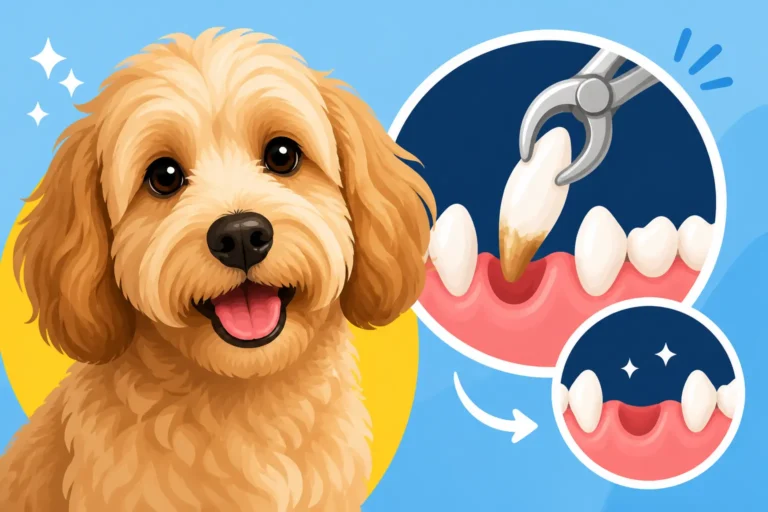
The Kidney and Eye Tests a Cockapoo Price Should Cover
Bringing a new Cockapoo puppy into your home is an incredibly exciting time, full of dreams of cuddles, playful romps, and years of unconditional love. But that initial joy can quickly turn to heartbreak and financial strain if you've unwittingly brought home a pup predisposed to serious genetic health conditions. This comprehensive guide will walk you through the crucial kidney and eye tests a responsible Cockapoo breeder must cover, explaining why these screenings are non-negotiable for ensuring your furry family member has the best chance at a long, healthy life.
Understanding the Importance of Health Testing in Cockapoos
When you're looking for a Cockapoo, it's easy to get swept away by adorable puppy pictures and promises of "designer breed" health. However, the truth is, while Cockapoos are celebrated for their charming personalities and low-shedding coats, they are still a crossbreed, meaning they inherit genetic predispositions from both the Cocker Spaniel and the Poodle parent breeds. This isn't a simple coin flip; it's a complex genetic lottery where proper health testing becomes your best defense.
Why Genetic Screening isn't a "Nice-to-Have"
Many prospective owners hear the term "hybrid vigor" and mistakenly believe that a mixed breed dog is inherently healthier than a purebred. While there's a kernel of truth to the idea that a wider gene pool can reduce the incidence of certain recessive conditions, it absolutely does not grant immunity from inherited diseases. Cockapoos, specifically, are susceptible to genetic conditions prevalent in both Cocker Spaniels and Poodles. Without careful, specific genetic screening of the parent dogs, you're essentially gambling with your future puppy's health.
A reputable breeder doesn't just breed two healthy-looking dogs; they meticulously screen them for conditions that might not show symptoms until later in life, long after the puppies have gone to their forever homes. Imagine falling deeply in love with your Cockapoo, only to discover at a year old that they have a debilitating kidney disease or are slowly going blind. The emotional toll is immense, and the financial burden can be staggering. This isn't about general vet checks – any good breeder will provide those for their puppies – this is about specialized genetic tests that delve into the inherited risks from their lineage. These tests are the bedrock of responsible breeding and provide a crucial layer of protection for you and your future companion.
The Cost of Neglecting Early Screening
The initial purchase price of a Cockapoo can vary wildly, and sometimes, a lower price tag can be incredibly tempting. However, what might seem like a bargain upfront can quickly become a monumental financial drain and a source of profound emotional distress if that puppy hasn't come from health-tested parents. Think of it this way: a few hundred dollars saved on a puppy could easily translate into thousands, or even tens of thousands, in veterinary bills over its lifetime if it develops a severe genetic condition.
For instance, conditions like Familial Nephropathy (which we'll discuss in detail shortly) can lead to early-onset kidney failure, requiring specialized diets, medications, frequent vet visits, and potentially advanced treatments. Progressive Retinal Atrophy, another common inherited issue, results in irreversible blindness, which, while manageable, still entails significant adjustments and potential specialist care. When you consider pet insurance options from providers like Healthy Paws, it's vital to understand that most policies have exclusions for pre-existing or hereditary conditions that were evident before coverage began, or if there was no documented genetic screening of the parents. This means if you buy a puppy from untested lines and it later develops an inherited illness, your insurance might not cover any of the costs, leaving you entirely responsible for what can be astronomical expenses. A breeder who cuts corners on health testing is essentially transferring the risk and potential future financial burden directly onto you, the unsuspecting puppy buyer.
Essential Kidney Health Tests for Cockapoos
Kidney disease is a silent, often devastating condition, and certain forms are unfortunately prevalent in the parent breeds of the Cockapoo. Ensuring your prospective puppy's parents have been properly screened for these inherited conditions is paramount to protecting your dog's long-term health. It's not just about general wellness; it's about specific genetic vulnerabilities that need to be addressed head-on.
Familial Nephropathy FN Testing in Cocker Spaniel Lines
One of the most critical genetic health tests for any Cockapoo whose lineage includes American or English Cocker Spaniels is for Familial Nephropathy, often abbreviated as FN. This is a severe, inherited kidney disease that predominantly affects Cocker Spaniels, and by extension, can be passed down to Cockapoos. It's not just a minor issue; it's a progressive, fatal condition that typically manifests in young dogs, often before they reach two years of age. Understanding What Familial Nephropathy Does to a Cockapoo is crucial for appreciating the gravity of this test.
FN operates on an autosomal recessive inheritance pattern. This means a puppy must inherit a copy of the defective gene from both parents to be affected by the disease. If a dog inherits one copy, it's considered a carrier and will not show symptoms itself, but can pass the gene to its offspring. If two carriers are bred together, statistically, 25% of the litter will be affected, 50% will be carriers, and 25% will be clear. This is why testing both parents is so incredibly important. Thankfully, there is a specific DNA test available for FN, which allows breeders to definitively identify whether a dog is clear, a carrier, or affected. Reputable genetic testing companies like Paw Print Genetics or the Orthopedic Foundation for Animals (OFA) provide these panels. A breeder should always be able to present you with The FN DNA Test a Cockapoo Breeder Runs certificate for both parent dogs, clearly showing their status. If a breeder cannot or will not provide this documentation, it should be a major red flag, as it indicates a serious gap in their health screening protocols.
Broader Kidney Health and Screening
While the FN DNA test is specifically targeted at a devastating genetic kidney disease, it's also important to consider broader aspects of kidney health in the parent dogs. Even without FN, kidneys can be affected by other issues, and a responsible breeder will integrate more general kidney health assessments into their routine veterinary care. This often includes regular urinalysis and blood work as part of comprehensive health checks, especially for breeding animals.
Key indicators in blood work that veterinarians look at include Blood Urea Nitrogen (BUN), creatinine, and phosphorus levels. These markers can give an early indication of kidney function and help identify potential issues that might not be directly genetic but could still impact the health of a breeding dog. While these aren't genetic tests in the same way the FN DNA test is, they are crucial for ensuring the overall wellness of the parent dogs before breeding. For instance, knowing The Kidney and Eye Checks a Cockapoo Needs Yearly for the parent dogs helps ensure their continued health. Catching any subtle changes in these values can be vital, as kidney issues can progress silently until significant damage has occurred. It's a sad reality that The Age Kidney Failure Appears in an Affected Cockapoo can sometimes be quite young, even without FN, highlighting the importance of a comprehensive health approach. If you notice your Cockapoo puppy or adult dog Whether a Cockapoo Drinking Constantly Should Be Tested, it's always a good idea to consult your vet immediately, as this can be one of the first signs of kidney problems.
Crucial Eye Health Tests for Cockapoos
Eye health is another critical area for Cockapoo breeders, as both Cocker Spaniels and Poodles are prone to several inherited ocular conditions that can lead to impaired vision or even blindness. Just like with kidney issues, specific genetic and veterinary ophthalmology screenings are essential to minimize the risk to your future puppy.
Progressive Retinal Atrophy prcd-PRA Screening
Progressive Retinal Atrophy (PRA) is a blanket term for a group of inherited eye diseases that cause the gradual degeneration of the retina, leading to eventual blindness. The most common form seen in Poodles and Cocker Spaniels, and therefore Cockapoos, is progressive rod-cone degeneration (prcd-PRA). This condition is particularly heartbreaking because it typically starts with night blindness, progressing to full blindness over several years. Knowing The Age prcd-PRA Takes a Cockapoo's Sight can vary, but it often becomes noticeable in young to middle-aged dogs, which means your beloved companion could lose their sight during their prime years.
Like FN, prcd-PRA is inherited in an autosomal recessive manner. This means a dog must inherit the defective gene from both parents to be affected. Dogs with one copy are carriers and will not develop the disease but can pass it on. If two carriers are bred, 25% of the puppies will likely be affected. This again underscores why Whether Both Cockapoo Parents Must Be prcd-PRA Clear is a fundamental requirement for responsible breeding. Fortunately, a highly reliable DNA test is available for prcd-PRA, allowing breeders to determine if their dogs are clear, carriers, or affected. A breeder should always provide documentation of clear results for both parents from a reputable genetic testing laboratory. This test is a cornerstone of preventing this devastating, yet preventable, form of blindness in Cockapoos.
Glaucoma and Other Ocular Conditions
Beyond prcd-PRA, Cockapoos can inherit other significant eye conditions, with glaucoma being a particularly painful and urgent concern, especially from the Cocker Spaniel side of their lineage. Glaucoma From the Cocker Side of a Cockapoo is often an inherited condition where pressure builds up inside the eye, leading to severe pain and rapid, irreversible vision loss if not treated immediately. This is not a condition you want your dog to suffer from.
To screen for glaucoma and a host of other ocular problems, reputable breeders will have their breeding dogs undergo regular eye examinations by a board-certified veterinary ophthalmologist. These examinations are typically part of the OFA Eye Certification Registry (CAER) program, formerly known as CERF (Canine Eye Registration Foundation). During a CAER exam, the specialist thoroughly inspects the dog's eyes for any signs of hereditary eye disease, including cataracts (which can develop independently of PRA), retinal dysplasia, distichiasis (extra eyelashes), entropion (eyelids rolling inward), and, critically, early signs of glaucoma. It is essential for breeders to have Whether a Cockapoo Needs a Yearly CAER Exam for all their breeding dogs, as some conditions can develop or progress over time. These exams are performed annually to ensure the breeding dogs remain free of observable genetic eye diseases. If a dog is diagnosed with a hereditary eye condition, it should ideally be removed from a breeding program. Recognizing Whether Glaucoma in a Cockapoo Is an Emergency is critical for owners, as immediate veterinary attention can sometimes save the eye or preserve some vision.
What to Expect from a Responsible Cockapoo Breeder Regarding Tests
Finding a reputable Cockapoo breeder is arguably the most critical step in ensuring you bring home a healthy, well-adjusted puppy. A significant marker of a responsible breeder is their transparency and diligence in health testing. This isn't just a suggestion; it's a fundamental obligation to the breed and to prospective owners.
Documentation is Key: Reading Health Certificates
A truly responsible Cockapoo breeder won't just tell you their dogs are health tested; they will show you the verifiable documentation. This is not a request you should feel shy about making – it's your right as a potential puppy buyer and a non-negotiable part of ethical breeding practices. These documents are official health certificates from reputable testing laboratories or veterinary ophthalmologists.
When reviewing these certificates, you'll be looking for specific information. For DNA tests like Familial Nephropathy (FN) and Progressive Retinal Atrophy (prcd-PRA), you should see results from labs like Paw Print Genetics, Embark, or OFA (Orthopedic Foundation for Animals). The certificates should clearly state the registered name and identification (microchip or tattoo) of the parent dog, the date of the test, and the result, which ideally should be "clear," "normal," or "free" for the specific condition. It's not enough for one parent to be clear if the other is a carrier for a recessive disease; both parents should be clear or, at the very least, a carrier should only be bred to a clear partner to ensure no affected puppies. For eye examinations, look for current OFA CAER (Eye Certification Registry) certificates, performed by a board-certified veterinary ophthalmologist, indicating "normal" findings. These certificates should be renewed annually for breeding dogs. Don't hesitate to ask the breeder how to verify these results directly with the testing organization – most labs provide online verification tools using the dog's microchip number or registration number. This transparency ensures that the health claims are legitimate and not just empty promises.
Red Flags and Unanswered Questions
Unfortunately, the popularity of Cockapoos has also attracted unscrupulous breeders who prioritize profit over health and welfare. Learning to identify red flags is paramount to avoiding future heartbreak and massive vet bills. A primary red flag is a breeder who cannot or will not provide clear, verifiable health documentation for both parent dogs. They might offer excuses like, "Our vet said they're healthy," or "Hybrid vigor prevents these diseases," or "Testing is too expensive." These are unacceptable responses. Whether an Untested Cockapoo Litter Is a Gamble is not a question; it's a certainty that it is.
Be wary of breeders who:
- Claim "hybrid vigor" negates testing: As discussed, this is a dangerous misconception. Mixed breeds still inherit genes from their parent breeds, including those for genetic diseases.
- Are evasive or defensive: If a breeder gets annoyed or changes the subject when you ask for specific test results, walk away. They have something to hide.
- Offer exceptionally low prices: While a high price doesn't guarantee quality, an unusually low price for a Cockapoo puppy is almost always a sign that corners have been cut, most often in health testing and proper veterinary care. A "bargain" price can often lead to significantly higher costs down the line when dealing with health issues that could have been prevented through responsible breeding.
- Don't allow you to meet the puppy's parents (especially the mother) or see where the puppies are raised: This prevents you from assessing the health and temperament of the breeding dogs and the cleanliness of the environment.
- Don't seem knowledgeable about genetic health issues specific to Cocker Spaniels and Poodles: A good breeder is an expert in their chosen breeds and crosses.
Remember, a simple general vet check for a puppy is not the same as comprehensive genetic health screening for the parents. The latter proactively identifies risks, while the former merely confirms the puppy is healthy at that moment. Investing in a puppy from a breeder who embraces rigorous health testing is the best way to safeguard your future companion's well-being.
How These Tests Impact a Cockapoo's Price
It's natural to be curious about why some Cockapoos command a higher price than others. While many factors contribute to a puppy's cost, the investment a breeder makes in health testing is one of the most significant and justifiable differentiators. Think of it not as an added expense, but as a critical foundation for a healthy life.
The Investment in a Healthy Future
Thorough health testing for breeding dogs isn't cheap. Genetic DNA panels, such as those for Familial Nephropathy (FN) and Progressive Retinal Atrophy (prcd-PRA), can cost several hundred dollars per dog, and that's before factoring in the costs of annual eye certifications by a board-certified veterinary ophthalmologist (CAER exams), which also run into hundreds of dollars per visit. And this is just for two specific conditions; many responsible breeders test for a wider array of genetic predispositions common to Poodles and Cocker Spaniels, such as patellar luxation, hip dysplasia, and von Willebrand's disease.
When a breeder diligently tests all their breeding stock, these costs naturally get factored into the puppy's price. What you're paying for isn't just the puppy itself; you're paying for the breeder's dedication to minimizing the risk of devastating genetic diseases in their lines. You're investing in the peace of mind that comes from knowing that both parents have been screened and cleared for the most serious inheritable conditions. This upfront investment in a puppy from health-tested parents is a powerful hedge against potentially crippling veterinary bills and emotional distress down the road. It ensures that the ethical obligations of breeding are met, focusing on producing robust, healthy puppies rather than cutting corners to offer a lower price.
Long-Term Financial and Emotional Savings
While the initial price of a health-tested Cockapoo might be higher, it very often translates into significant long-term financial and emotional savings for you, the owner. Imagine the cost of managing a dog with chronic kidney disease (specialized diets, medications, frequent vet visits, advanced diagnostics), or the expenses associated with dealing with glaucoma, which can include emergency vet visits and potentially costly surgeries. These situations can easily run into thousands of dollars annually, far exceeding any initial savings on a cheaper, untested puppy.
Furthermore, having documented clear parentage can be beneficial when it comes to pet insurance. While most insurance companies like Healthy Paws have waiting periods and pre-existing condition clauses, having a puppy from extensively health-tested parents often means you're less likely to encounter a claim rejection for a common hereditary disease. This kind of proactive breeding truly pays off. Beyond the financial aspect, there's the invaluable peace of mind. Knowing you've done everything possible to bring a healthy puppy into your home allows you to focus on the joy of companionship, rather than living with the constant worry of an impending genetic illness. Supporting your Cockapoo's overall well-being with high-quality nutrition from trusted brands available at retailers like Chewy or fresh food options like Ollie can further complement their genetic health, setting them up for a vibrant, long life.
Beyond Genetics: Ongoing Care and Screening
While genetic testing of parent dogs is foundational, it's just the beginning of a lifetime commitment to your Cockapoo's health. Many conditions can develop regardless of genetic predisposition, and diligent ongoing care is essential to ensure your companion thrives for years to come.
Regular Veterinary Check-ups and Preventative Care
Even the most genetically sound Cockapoo needs consistent, high-quality veterinary care throughout its life. Regular annual check-ups are not merely routine; they are critical for preventative care and early detection of potential health issues. During these visits, your veterinarian will perform a thorough physical examination, looking for any subtle changes in weight, coat condition, dental health, joint mobility, and listening to their heart and lungs.
As your Cockapoo ages, especially after seven or eight years old, your vet might recommend more comprehensive annual screenings, including routine blood work and urinalysis. These tests can help establish a baseline for your individual dog and detect early signs of age-related conditions, such as kidney disease, liver issues, or thyroid imbalances, before they become clinically apparent. For example, The Kidney and Eye Checks a Cockapoo Needs Yearly for an aging dog can catch subtle shifts in blood values that indicate a problem long before your dog shows overt symptoms. This proactive approach allows for earlier intervention, which often leads to more effective treatment and a better quality of life for your furry friend. Remember, some conditions simply develop with age and are not always genetic, making regular veterinary oversight an indispensable part of responsible pet ownership.
Recognizing Early Warning Signs
As an owner, you are your Cockapoo's first line of defense against illness. Being observant and knowing what to look for can make a significant difference in catching problems early. While your vet provides professional expertise, your daily interactions give you unique insight into your dog's normal behavior and health.
For kidney disease, watch for changes in thirst and urination patterns. Is your Cockapoo drinking significantly more water than usual, or asking to go outside more frequently? Other signs can include lethargy, a decrease in appetite, unexplained weight loss, or vomiting. If you notice The First Signs of Kidney Failure in a Cockapoo, don't delay a vet visit. For eye issues, any redness, discharge, squinting, excessive tearing, or cloudiness in the eyes should warrant immediate attention. If your dog starts bumping into furniture, seems hesitant to navigate familiar spaces, or you notice a sudden "red eye," especially in the evening, know that The Red Eye That Means a Cockapoo Needs a Vet Tonight is an emergency that requires urgent veterinary care to potentially save their vision. Early detection and prompt veterinary intervention are often key to managing or treating many health conditions effectively, ensuring your Cockapoo remains as healthy and happy as possible.
Comparing Key Genetic Tests for Cockapoos
To help solidify your understanding of the essential health tests, here's a table comparing Familial Nephropathy (FN) and Progressive Retinal Atrophy (prcd-PRA). These are the two primary genetic conditions that responsible Cockapoo breeders should always screen for in their parent dogs.
| Feature | Familial Nephropathy (FN) | Progressive Retinal Atrophy (prcd-PRA) |
|---|---|---|
| Type of Disease | Genetic Kidney Disease | Genetic Eye Disease (Retinal Degeneration) |
| Primary Affected Organ | Kidneys | Retina (part of the eye responsible for vision) |
| Parent Breed Preponderance | Primarily Cocker Spaniels (English & American) | Both Cocker Spaniels and Poodles |
| Typical Onset | Early onset, usually between 6 months and 2 years of age | Young to middle-aged dogs, typically 3-5 years, but can vary |
| Symptoms | Increased thirst and urination, lethargy, weight loss, vomiting, poor appetite, muscle wasting. Progressive, ultimately fatal. | Night blindness progresses to full blindness. Dogs may become hesitant in dim light, pupils may dilate. Progressive, irreversible. |
| Inheritance Pattern | Autosomal Recessive | Autosomal Recessive |
| Testing Method | DNA test (e.g., Paw Print Genetics, OFA) | DNA test (e.g., Paw Print Genetics, OFA, Embark) |
| Breeder Requirement | Both parents should be "Clear" or one "Carrier" bred to a "Clear" partner. | Both parents should be "Clear" or one "Carrier" bred to a "Clear" partner. |
| Prognosis for Affected | Poor, progressive, ultimately fatal | Progressive, irreversible blindness, not fatal. |
This table highlights why these two tests are absolutely non-negotiable for a responsible Cockapoo breeder. They target severe, inherited conditions that can profoundly impact a dog's quality of life and lifespan.
Disclaimer
The information provided in this article is intended for general informational purposes only and does not constitute veterinary advice. Always consult with a qualified veterinarian or veterinary specialist for any health concerns or before making any decisions about your pet's care, diet, or treatment. Genetic testing and health screening practices can evolve, and specific recommendations may vary based on individual circumstances and veterinary discretion.