The Age prcd-PRA Takes a Cockapoo’s Sight
It’s a heartbreaking moment for any Cockapoo parent: realizing that your bouncy, joyful companion might be struggling with their vision. The thought of your beloved dog losing their eyesight can feel overwhelming, a fear that many of us grapple with as our furry family members age or face genetic predispositions. This guide aims to demystify Progressive Rod-Cone Degeneration (prcd-PRA) in Cockapoos, focusing specifically on when you might expect vision loss to begin and how it typically progresses, helping you understand and prepare.
Understanding prcd-PRA: The Genetic Threat to Your Cockapoo's Vision
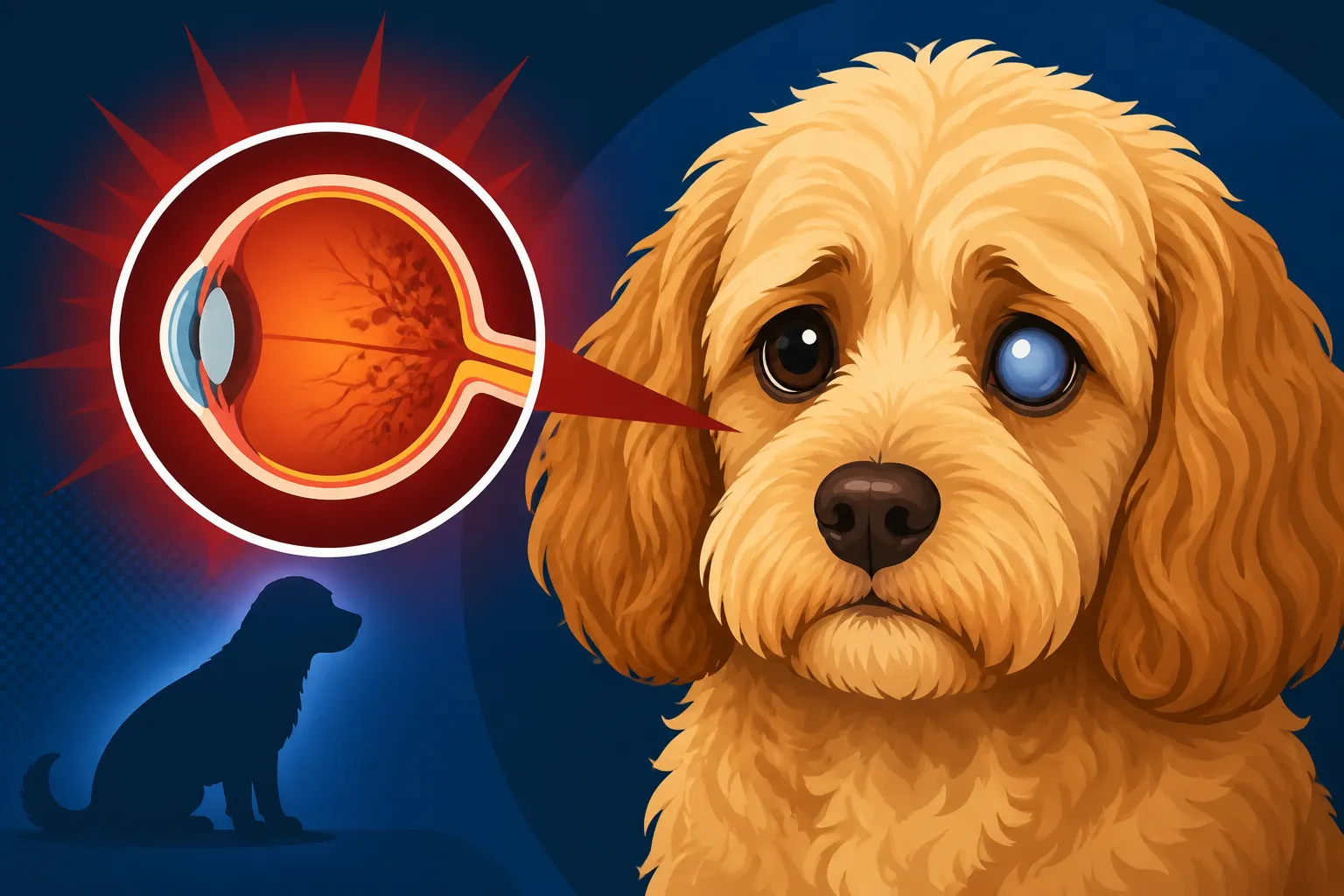
Progressive Retinal Atrophy (PRA) is a blanket term for a group of genetic eye diseases that cause the degeneration of the retina, leading eventually to blindness. Among these, the most common form affecting Cockapoos, inherited from their Poodle lineage, is known as progressive rod-cone degeneration (prcd-PRA). It’s a condition that slowly, but surely, robs your dog of their sight, and understanding its nature is the first step toward proactive care.
What is prcd-PRA and How Does it Affect Vision?
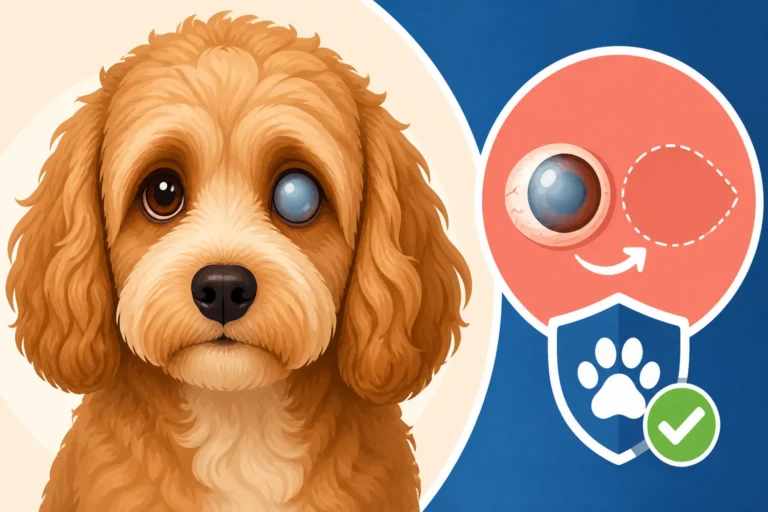
Imagine the tiny, delicate light-sensing cells at the back of your dog's eye – the rods and cones – slowly starting to malfunction and die off. That's essentially what prcd-PRA does. Rod cells are responsible for vision in dim light and detecting movement, while cone cells handle bright light and color perception. In prcd-PRA, the rod cells are usually affected first, leading to what we commonly refer to as "night blindness." Your Cockapoo might start hesitating on evening walks, bumping into furniture in dimly lit rooms, or become more reluctant to go outside after sundown.
As the disease progresses, the cone cells also begin to degenerate, eventually impacting their daytime vision. It's a cruel process because it doesn't cause pain, but it gradually isolates your dog from a world they once navigated with ease. This progressive nature is why it's so important for owners to be vigilant and understand that the changes aren't always sudden or dramatic.
The Genetics Behind Progressive Retinal Atrophy in Cockapoos
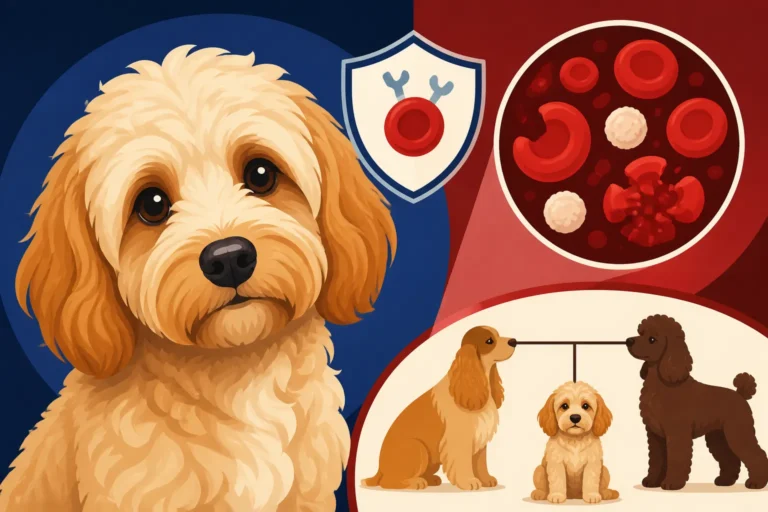
The tricky thing about prcd-PRA is its inheritance pattern. It's an autosomal recessive genetic disorder. What does that mean for your Cockapoo? Well, it means that a puppy must inherit two copies of the faulty gene – one from each parent – to actually develop the disease. If a dog inherits only one copy of the gene, they are considered a "carrier." They won't develop prcd-PRA themselves, but they can pass the gene on to their offspring. This is why you'll often hear breeders talk about ensuring Whether Both Cockapoo Parents Must Be prcd-PRA Clear.
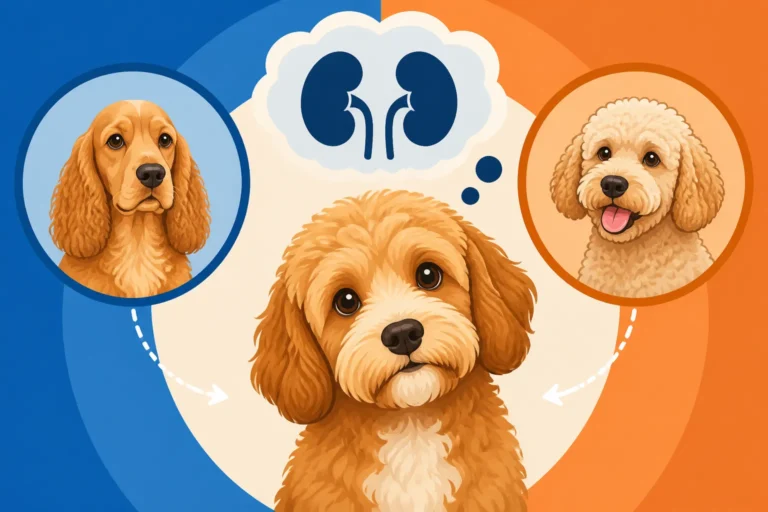
Since Cockapoos are a crossbreed, they inherit genes from both Cocker Spaniels and Poodles. The prcd-PRA gene is predominantly associated with the Poodle side of their ancestry. Responsible breeders go to great lengths to test their breeding dogs to identify carriers and affected individuals, aiming to prevent the passing on of this devastating condition. This genetic testing is a cornerstone of ethical breeding practices, giving potential owners peace of mind about their puppy's future vision. If you’re curious about the general condition, we have more information in our guide on Progressive Retinal Atrophy in a Cockapoo.
Typical Onset and Progression of prcd-PRA
When it comes to prcd-PRA, one of the most common questions is, "When will my dog actually start losing their sight?" The answer isn't a single age, as it can vary, but there's a general window that most affected Cockapoos fall into. It’s rarely a sudden event, but rather a slow, insidious decline that can be easy to miss in its initial stages.
When Symptoms Usually Begin to Appear
For most Cockapoos affected by prcd-PRA, the onset of noticeable symptoms typically occurs between 3 to 5 years of age. However, it’s not unheard of for signs to appear earlier, sometimes as young as 18 months, or later, up to 7 or 8 years old. This variability is one of the reasons it can be so distressing for owners – you might bring home a seemingly healthy puppy, and years later, this genetic time bomb begins its slow march.
The very first symptom that usually manifests is "night blindness." Your Cockapoo might start showing subtle changes, like being less confident navigating familiar spaces in low light conditions. Perhaps they'll bump into furniture they usually glide past, or they might become hesitant to retrieve toys in the evening. As they lose more of their rod vision, you might notice their pupils appearing more dilated, especially in normal light, as their eyes try to gather every bit of available light. Sometimes, you might even see a brighter "eye shine" when light catches their eyes in the dark, due to the tapetum lucidum (a reflective layer behind the retina) being more exposed as the retina thins. Our article on Whether Night Blindness Comes First in a Cockapoo dives deeper into this initial phase.
How the Disease Progresses Over Time
The progression of prcd-PRA is, as the name suggests, progressive. It’s a gradual decline, not a sudden loss of vision. Over several months to a few years, the initial night blindness will worsen, and then their daytime vision will begin to fail. This is not a painful process for your dog, but it is certainly disorienting and can lead to increased anxiety or changes in behavior.
Eventually, most affected Cockapoos will become completely blind. This complete blindness often occurs by the time they are around 6 to 8 years old, though again, individual timelines can vary. The good news, if there is any, is that because the vision loss is slow, dogs are remarkably adept at adapting. They rely more heavily on their other senses – their incredible sense of smell and hearing – to navigate their world. You might be surprised at how well a blind dog can still get around, especially in a familiar environment. It’s a testament to their resilience. For a more detailed look at this aspect, you can read Whether a Cockapoo Goes Blind Slowly.
Recognizing the Early Signs and Seeking Diagnosis
Catching prcd-PRA early, while it won't prevent the progression of the disease, can certainly help you prepare and support your Cockapoo as they adjust to their changing vision. It's about being observant and understanding what seemingly minor shifts in behavior could indicate.
Subtle Clues Your Cockapoo Might Be Losing Sight
It’s easy to dismiss early signs as just "getting old" or "being clumsy," but for a Cockapoo potentially facing prcd-PRA, these clues are critical. Beyond the initial night blindness, watch for these subtle indicators:
- Hesitation: Your dog might pause more frequently before stepping off a curb, going down stairs, or entering a new room, especially if lighting conditions are different.
- Bumping into Objects: This is more noticeable at night or in unfamiliar places, but as daytime vision diminishes, they might start bumping into familiar furniture.
- Changes in Eye Appearance: Look for dilated pupils that remain large even in bright light. Their eyes might also appear more reflective, or "glowing," in certain lights.
- Increased Startle Response: A dog losing its vision might be more easily startled by sudden noises or unexpected touches, as they can't see what's coming.
- Reluctance to Play: Especially if play involves chasing or retrieving objects, your dog might lose interest or struggle to find the toy.
- Clinginess or Anxiety: Some dogs become more attached to their owners, seeking physical contact and reassurance, as their world becomes less visually certain.
- Disorientation: In new environments, they might seem completely lost, bumping into walls or getting stuck in corners.
These aren't always definitive signs of prcd-PRA, but they absolutely warrant a visit to your veterinarian for a thorough check-up.
The Importance of Early Veterinary Intervention
If you suspect any changes in your Cockapoo's vision, don't delay. A prompt visit to your vet is crucial. They will likely perform a general eye exam, but for a definitive diagnosis of prcd-PRA, a veterinary ophthalmologist will be needed. They can perform specialized tests such as:
- Ophthalmoscopy: Examining the back of the eye (retina) to look for changes characteristic of PRA.
- Electroretinography (ERG): This is the gold standard for diagnosing PRA. It measures the electrical responses of the retina's light-sensitive cells. It can detect the disease even before clinical signs are apparent.
- Genetic Testing: A simple DNA test, usually done via a cheek swab or blood sample, can confirm if your Cockapoo has the prcd-PRA mutation or is a carrier. This is invaluable information, not just for diagnosis but for understanding the genetic legacy of your pet. Many reputable labs like Paw Print Genetics offer these panels. This is also why it's so important to be Asking for a Cockapoo's Eye Certificates when choosing a puppy from a breeder.
Early diagnosis allows you to plan. While there’s currently no cure for prcd-PRA, knowing what to expect means you can start adapting your home and routines to make life easier for your Cockapoo. It also allows you to discuss management strategies with your vet, ensuring your dog receives the best possible care throughout their journey to blindness. Investing in pet insurance like a plan from Healthy Paws early on can also be a huge help, as specialized diagnostic tests and ongoing veterinary support can accumulate costs over time.
To help illustrate the typical stages of prcd-PRA progression, here’s a simplified table:
| Stage of prcd-PRA | Age Range (Typical) | Key Symptoms Observed | Impact on Daily Life |
|---|---|---|---|
| Early Onset | 18 months – 3 years | Subtle night blindness, hesitation in dim light, pupils may dilate slightly. | Minimal, mostly nocturnal challenges, owner might not notice. |
| Mid Progression | 3 – 5 years | Pronounced night blindness, occasional bumping into objects in low light, brighter eye shine, pupils more dilated. | Increased caution at night, reluctance to go outside in the dark, may need more guidance. |
| Advanced Progression | 5 – 7 years | Significant vision loss, daytime vision begins to decline, frequent bumping, increased reliance on other senses. | Requires more supervision, familiar environment is key, anxiety may increase. |
| Complete Blindness | 6 – 8+ years | Total loss of vision, navigates solely by smell, hearing, and memory. | Fully adapted to blindness with proper support, maintains good quality of life in familiar settings. |
Note: These age ranges are typical, but individual Cockapoos can vary.
Living with a Cockapoo Affected by prcd-PRA
Receiving a diagnosis of prcd-PRA can be devastating, but it's important to remember that a Cockapoo can still live a full, happy, and enriching life, even without sight. Their other senses are incredibly powerful, and with a little help and understanding from you, they can adapt beautifully.
Adapting Your Home for a Visually Impaired Dog
The key to helping your Cockapoo thrive with vision loss is consistency and safety. Think about their world from their perspective.
- Maintain Consistency: This is perhaps the most important rule. Once your dog is used to the layout of your home, try not to rearrange furniture. If you must move something, guide them around the new obstacle several times.
- Clear Pathways: Keep floors clear of clutter. Toys, shoes, and bags can become tripping hazards for a dog who can't see them.
- Safety Gates: Use baby gates to block off stairs or dangerous areas, preventing falls.
- Scent Markers: You can use different scents (e.g., a drop of essential oil diluted in water, like vanilla or lavender) on furniture legs or doorways to help your dog orient themselves. Be sure to use scents that are safe for dogs and apply them subtly.
- Voice and Sound Cues: Talk to your Cockapoo often, letting them know where you are. Use verbal cues for steps, turns, or obstacles. Jingles on your shoes can also help them track your movement.
- Outdoor Safety: Keep your yard fenced and secure. Never let a blind dog off-leash in an unfenced area. Consider setting up a designated "potty zone" that's easily accessible and recognizable by scent.
- Halo Harnesses: Some owners find a "halo" harness helpful, which creates a protective ring around your dog's head, bumping into obstacles before their face does.
Remember, your Cockapoo will rely on you more than ever for guidance and reassurance. Patience and empathy are your greatest tools. You might be surprised to learn how well Whether a Blind Cockapoo Manages at Home with the right support.
Maintaining Quality of Life and Emotional Well-being
Beyond physical adaptations, your Cockapoo's emotional well-being is paramount. They might experience increased anxiety or confusion initially, and your calm, confident leadership will be vital.
- Routine, Routine, Routine: Dogs thrive on routine, but for a visually impaired dog, it's a lifeline. Consistent meal times, potty breaks, and walks help them feel secure and predict what's coming next.
- Enrichment Through Other Senses: Engage their powerful sense of smell! Scent games, puzzle toys with treats, and sniff walks (where they lead and explore scents) are fantastic ways to keep them mentally stimulated and happy. Many Cockapoos have a strong scenting drive, so this can be a very rewarding activity.
- Safe Exploration: Continue to take them for walks in familiar, safe environments. The sounds and smells of the neighborhood are still a rich source of information for them.
- Physical Contact and Affection: More cuddles, gentle grooming, and reassuring touches can help your Cockapoo feel safe and loved.
- Consider a Companion: Some owners find that a second, well-adjusted dog can act as a "seeing-eye dog" for their blind companion, but this is a significant decision and not always suitable for every household.
While prcd-PRA doesn't cause pain, the associated veterinary care, especially early diagnostic tests like an ERG or ongoing specialist visits to monitor overall eye health, can be costly. This is where pet insurance, like a comprehensive plan from Healthy Paws, can really come into its own, helping to cover these unexpected but necessary expenses and allowing you to focus on your Cockapoo's comfort and well-being. Regular check-ups are always a good idea; our guide on The Kidney and Eye Checks a Cockapoo Needs Yearly offers more advice on this.
Ultimately, living with a Cockapoo affected by prcd-PRA is a journey that requires compassion, patience, and a willingness to adapt. But the bond you share with your dog will only deepen as you navigate this challenge together, proving that love truly is blind.
Disclaimer
The information provided in this article is for general informational purposes only and is not intended as a substitute for professional veterinary advice. Always consult with a qualified veterinarian or veterinary ophthalmologist for any health concerns or before making any decisions about your pet's medical care.