What Cataract Surgery Costs on a Cockapoo
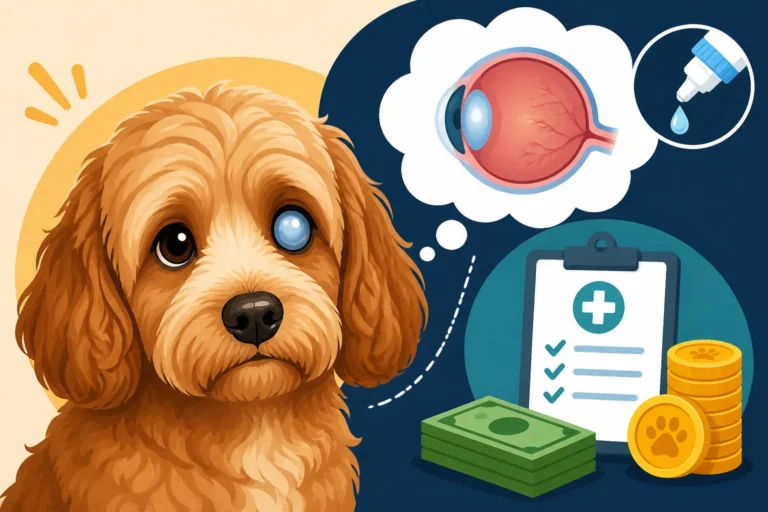
Finding out your beloved Cockapoo is developing cataracts can be heartbreaking and immediately brings up a wave of worries, not least among them, "How much is this going to cost?" It’s a frightening prospect to think about your furry family member losing their sight, and the financial burden of specialized surgery can feel overwhelming before you even begin. This guide aims to break down the various costs associated with cataract surgery for your Cockapoo, helping you understand what to expect and how to prepare.
Understanding Cataracts in Your Cockapoo
Before we even dive into the numbers, it’s important to understand what cataracts are and why they might develop in your sweet Cockapoo. Simply put, a cataract is a clouding of the lens of the eye, which can lead to blurry vision and, eventually, blindness. It's not just a superficial film; it's a structural change within the eye itself.
Cataracts can affect any dog breed, and Cockapoos, with their mixed heritage of Cocker Spaniel and Poodle, can inherit predispositions from either side. For example, some Poodle lines are known for certain eye conditions, and Cocker Spaniels can carry genes for inherited eye problems as well. It’s not uncommon for cataracts to appear as dogs age, often around What Changes in a Cockapoo After Ten. However, some forms, like juvenile cataracts, can show up much earlier, even when your Cockapoo is still a young adult.
When your vet first suspects cataracts, they'll often perform a comprehensive eye exam. This might involve dilating your dog's pupils to get a clear view of the lens and retina. They'll be looking to determine the size, location, and maturity of the cataract. It's not always a clear-cut diagnosis, as other conditions can mimic the appearance of cataracts, so a thorough examination by a veterinary ophthalmologist is usually the next step. They'll also want to rule out other issues, like Telling Nuclear Sclerosis From Cataracts in a Cockapoo, which is a normal aging change and doesn't usually impact vision significantly.
The Journey to Diagnosis: Initial Costs
The first step in addressing cataracts is always a proper diagnosis, and that comes with its own set of costs before surgery is even on the table. This initial phase is crucial, as it sets the stage for whether surgery is even an option and what specific considerations might arise.
General Vet Consultation and Referral
Your primary veterinarian is usually the first person you'll see. They'll conduct a general health check and a preliminary eye examination. They might use an ophthalmoscope to look into your Cockapoo's eyes. If they suspect cataracts, they'll likely recommend a referral to a veterinary ophthalmologist – a specialist in animal eye health.
This initial consultation fee at your regular vet can vary, but it's an essential first expenditure. It's like your family doctor sending you to a specialist; they need to do their initial assessment before recommending advanced care. This visit might also include basic blood work to ensure your Cockapoo is otherwise healthy enough for potential anesthesia down the line, adding to these early costs.
Veterinary Ophthalmologist Examination
Once you get to the specialist, be prepared for a more in-depth assessment. A board-certified veterinary ophthalmologist has specialized equipment and expertise. They'll perform a thorough examination that typically includes:
- Schirmer Tear Test: Measures tear production to check for dry eye, which can impact surgical success and post-operative comfort. Whether a Cockapoo Gets Dry Eye is a concern for many breeds.
- Tonometry: Measures the pressure inside the eye, vital for ruling out glaucoma, another serious eye condition that can sometimes occur alongside cataracts or be mistaken for them. The Glaucoma a Cockapoo Inherits From the Cocker is a known risk.
- Slit-lamp Biomicroscopy: A high-magnification examination of the front of the eye, allowing the ophthalmologist to precisely evaluate the cataract.
- Indirect Ophthalmoscopy: Examines the retina and optic nerve at the back of the eye.
- Electroretinography (ERG): This is a specialized test that measures the electrical activity of the retina. It's crucial because if the retina isn't functioning properly, cataract surgery might not restore vision, making the surgery potentially unnecessary. This test is often performed under light sedation.
- Ocular Ultrasound: Sometimes an ultrasound is performed if the cataract is so dense that the ophthalmologist cannot see the back of the eye, to ensure there are no other retinal issues.
These diagnostic tests are complex and contribute significantly to the initial costs. It’s not just the doctor’s time, but the use of specialized equipment and the expertise required to interpret the results accurately. Think of it as a crucial investment to ensure that if you proceed with surgery, it has the best chance of success. Your vet might even recommend some preventative measures to support overall eye health, and resources like Chewy offer a wide range of eye care products and even prescription medications if needed.
The Core of the Matter: Cataract Surgery Costs
Now, let's talk about the big one: the surgery itself. The cost of cataract surgery for a Cockapoo can vary quite a bit, influenced by several factors, including your geographic location, the specific veterinary ophthalmology practice, the severity of the cataracts, and whether one or both eyes need surgery.
Surgical Procedure Components
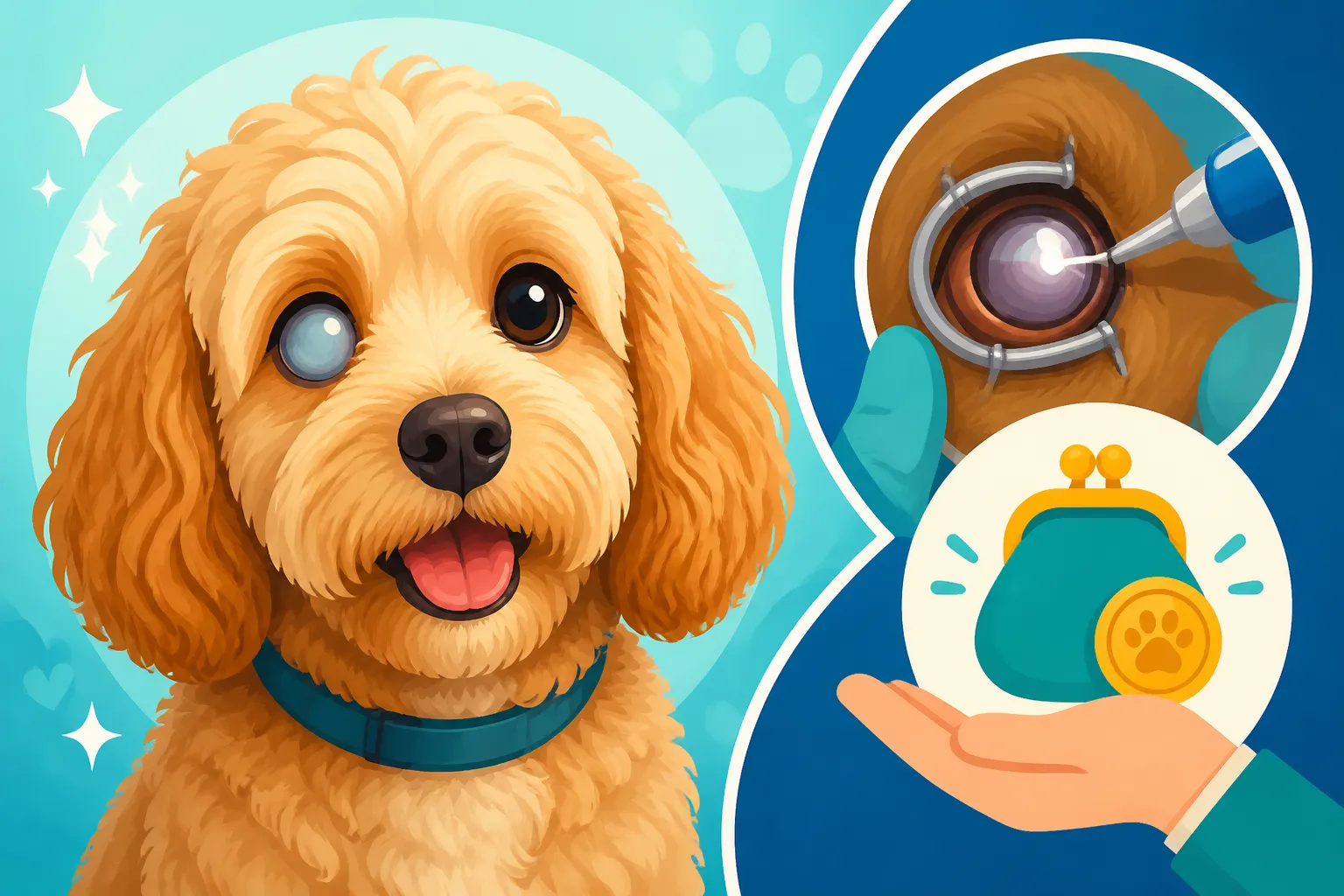
Cataract surgery for dogs is remarkably similar to human cataract surgery, utilizing phacoemulsification – a technique that uses ultrasound to break up the cloudy lens, which is then removed. An artificial intraocular lens (IOL) is then typically implanted. This is a highly skilled procedure requiring specialized equipment and a dedicated surgical team.
The cost typically encompasses several key components:
- Pre-Surgical Bloodwork and Physical Exam: Even if done by your primary vet, a full panel will be repeated or reviewed by the surgical team to confirm your dog is a good candidate for anesthesia.
- Anesthesia: This includes the medications, the monitoring equipment, and the trained veterinary technician dedicated solely to monitoring your Cockapoo's vital signs throughout the procedure. Given the precision required, this is a critical part of the safety protocol.
- The Surgery Itself: This is the bulk of the cost, covering the ophthalmologist’s fee, the surgical facility, specialized equipment (like the phacoemulsification machine), and sterile supplies. If both eyes are done at the same time, it can sometimes be a bit less than doing two separate surgeries, but it’s still a substantial cost.
- Intraocular Lens (IOL) Implants: These artificial lenses are usually included in the surgical fee, but sometimes they are itemized separately. They help restore clearer vision post-surgery.
- Post-Operative Medications: Your Cockapoo will need a regimen of eye drops (anti-inflammatory, antibiotic) and oral medications (pain relief, anti-inflammatories) for several weeks, if not months, after surgery. These prescriptions will need to be factored into your budget. Sites like Chewy can often fulfill these prescriptions, sometimes at competitive prices.
It's important to remember that this isn't a quick, in-and-out procedure. It's complex, requires significant expertise, and the cost reflects the highly specialized nature of the care. You're paying for a skilled surgeon, advanced technology, and comprehensive support to give your Cockapoo the best chance at regaining sight.
Factors Influencing the Price Tag
Several variables can swing the final bill:
- Geographic Location: Veterinary costs, like human medical costs, can be higher in urban areas or regions with a higher cost of living. A specialist in New York City might charge more than one in a rural Kansas town.
- Unilateral vs. Bilateral Surgery: Operating on one eye is naturally less expensive than operating on both. However, if one eye has cataracts, the other often develops them over time.
- Cataract Maturity and Complexity: Extremely dense or complicated cataracts might require more surgical time and specialized techniques, potentially increasing the cost.
- Associated Complications: If there are pre-existing conditions or if complications arise during or after surgery (though rare, they can happen), these will add to the overall expense.
- Facility Type: A university veterinary teaching hospital, while offering cutting-edge care, might have different pricing structures compared to a private specialty practice.
It's always recommended to get a detailed estimate from the veterinary ophthalmologist after the initial consultation and diagnostic tests. They should provide a breakdown of what's included.
Post-Operative Care and Ongoing Expenses
The journey doesn't end when your Cockapoo comes home from surgery. Post-operative care is just as critical to the success of the procedure and will involve its own set of expenses. This phase requires dedication from you and close monitoring by your vet.
Medications and Follow-Up Appointments
For several weeks to months after surgery, your Cockapoo will be on a strict schedule of eye drops and oral medications. This usually includes:
- Anti-inflammatory Eye Drops: To reduce inflammation and prevent complications. These are often given multiple times a day.
- Antibiotic Eye Drops: To prevent infection.
- Oral Anti-inflammatories or Pain Medications: To manage discomfort.
These medications can be costly, especially for an extended period. You'll also have a series of follow-up appointments with the veterinary ophthalmologist. These are vital for monitoring healing, checking for complications, adjusting medication dosages, and ensuring the new lens is settling correctly. Typically, these might be scheduled for one week, two weeks, one month, three months, six months, and then yearly after surgery. Each visit incurs a consultation fee, plus any additional tests they might perform.
Potential Complications and Their Costs
While cataract surgery has a high success rate, complications can occur. These might include:
- Glaucoma: Post-surgical glaucoma can develop in a small percentage of cases. This requires additional medications and ongoing management, which can be expensive. Whether a Glaucomatous Cockapoo Loses the Eye is a real concern.
- Retinal Detachment: Though rare, this is a serious complication that could require further surgical intervention.
- Infection or Inflammation: Despite medication, sometimes more severe infection or inflammation can occur, necessitating stronger drugs or even additional procedures.
- Corneal Ulcers: These can develop post-surgery and require specific treatment.
These potential complications can significantly increase the overall cost of treatment. It's why careful post-operative care and adherence to medication schedules are so critical – you're trying to prevent these additional expenses and ensure your Cockapoo's comfort and vision.
Financial Planning: Ways to Manage the Cost
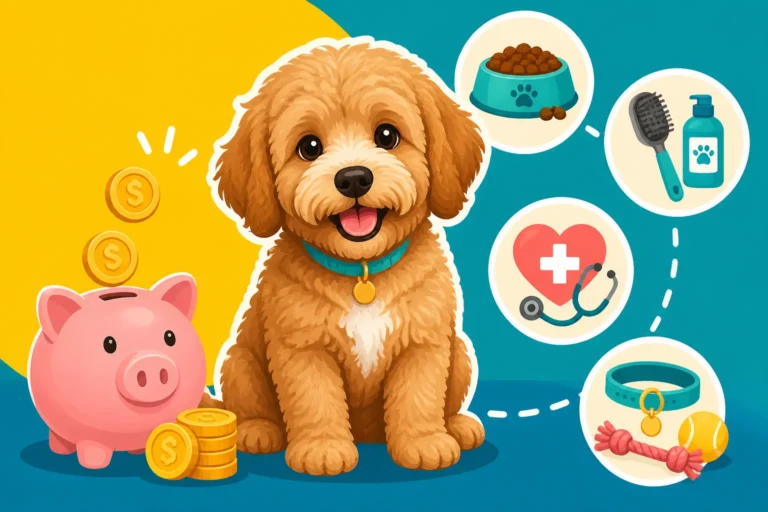
Staring down a potentially large vet bill can be incredibly stressful. Thankfully, there are several ways you can approach managing the financial aspect of your Cockapoo's cataract surgery.
Pet Insurance: A Lifesaver for Unexpected Costs
This is often the first line of defense for significant veterinary expenses. If you have pet insurance, and your Cockapoo’s cataracts aren't considered a pre-existing condition (meaning they weren't diagnosed before or during the waiting period of your policy), a good policy can cover a large portion of the costs. Providers like Healthy Paws offer comprehensive plans that often include specialized surgeries.
It's crucial to check your policy details thoroughly: what percentage they reimburse, what your deductible is, and if there are any caps on ophthalmology procedures. Unfortunately, if your Cockapoo already has cataracts, getting new insurance to cover the surgery won't be an option, as it would be deemed pre-existing. This is a strong argument for getting pet insurance early in your dog's life, as it can help with a wide range of issues, from What Patella Surgery Costs on a Cockapoo to unforeseen illnesses.
| Financial Planning Option | Description | Pros | Cons |
|---|---|---|---|
| Pet Insurance | Monthly premium service that reimburses a percentage of veterinary bills after a deductible. | Covers unexpected large costs, provides peace of mind, allows access to specialist care without huge upfront hit. | Requires foresight (no pre-existing conditions), monthly premiums, deductibles, reimbursement times can vary. |
| Veterinary Payment Plans | Some veterinary clinics or specialty hospitals offer their own payment plans or work with third-party medical credit. | Spreads out the cost over time, often interest-free for a promotional period, direct arrangement with vet. | Not all clinics offer them, requires good credit, interest can be high if not paid off in time. |
| Savings Account / Emergency Fund | Dedicated funds set aside specifically for pet emergencies or large veterinary expenses. | No debt incurred, readily available cash, complete control over funds. | Requires disciplined saving, may not be enough for extremely high costs, takes time to build up. |
| Crowdfunding / Financial Aid | Online platforms for fundraising or applying for assistance from veterinary aid organizations. | Can provide significant financial relief, engages community support. | Not guaranteed, can be emotionally taxing, takes time, often requires diagnosis already in hand. |
Veterinary Payment Plans and Medical Credit
Many veterinary hospitals understand the financial strain of advanced care. They might offer their own in-house payment plans or work with third-party medical credit companies. These options allow you to break down the total cost into manageable monthly payments.
It's important to understand the terms of these plans, including any interest rates or payment deadlines. Sometimes, they offer interest-free periods if the balance is paid within a certain timeframe, which can be incredibly helpful. Always ask your veterinary ophthalmologist's office about these options.
Personal Savings or Emergency Fund
If you've been diligently saving for pet emergencies, now might be the time to tap into that fund. Having a dedicated savings account for your Cockapoo's health can alleviate a lot of stress in situations like this. It’s always smart to try and budget for potential medical needs, knowing that The Sixteen Years With a Cockapoo Comes To can involve various health challenges as they age.
Financial Aid and Crowdfunding
For those facing truly insurmountable costs, there are some non-profit organizations that offer financial assistance for veterinary care. Eligibility requirements vary, and funds are often limited, but it's worth exploring if you meet the criteria. Additionally, online crowdfunding platforms have become a popular way for pet owners to raise money for their animal's medical treatments, relying on the generosity of friends, family, and strangers.
Life After Surgery: What to Expect for Your Cockapoo
Successful cataract surgery can be life-changing for a Cockapoo that has been struggling with vision loss. Imagine your furry friend seeing clearly again! However, it's important to have realistic expectations about the recovery process and ongoing care.
Recovery and Vision Improvement
The recovery period typically involves strict adherence to medication and activity restrictions. Your Cockapoo will likely need to wear an Elizabethan collar (the "cone of shame") to prevent them from rubbing or scratching their eyes, which could dislodge the implanted lens or cause infection. Activity will be limited for several weeks to prevent strain on the healing eyes.
Vision improvement isn't always instantaneous, but many owners report a noticeable difference within days or weeks. Your Cockapoo might need some time to re-learn how to navigate their world with clearer sight, especially if they've been blind or severely vision-impaired for a while. Patience and a safe, familiar environment are key during this adjustment period.
Long-Term Monitoring
Even after full recovery, your Cockapoo will likely require annual or semi-annual check-ups with the veterinary ophthalmologist to monitor the health of their eyes and ensure no new issues are developing. This includes checking intraocular pressure, examining the retina, and looking for any signs of post-surgical complications like glaucoma. These ongoing appointments will continue to be a part of your Cockapoo's regular health maintenance.
Supporting Your Cockapoo's Overall Health
Beyond the direct eye care, maintaining your Cockapoo's general health is vital for their overall well-being and successful recovery. Good nutrition, for example, plays a huge role. Brands like Ollie offer fresh, human-grade food options that can support a healthy immune system and provide essential nutrients, which can be beneficial during recovery and for long-term health. Regular exercise (once cleared by the vet) and mental stimulation are also important. The Kidney and Eye Checks a Cockapoo Needs Yearly are just a couple of the regular health considerations for keeping your companion healthy.
Cataract surgery is a significant undertaking, both emotionally and financially, but for many Cockapoos, it offers the wonderful gift of sight restored. Understanding the costs involved and preparing for them can make the journey a little less daunting.
Disclaimer
This article is for general informational purposes only and does not constitute professional advice. Laws, prices and regulations vary by location and change over time. Consult a qualified professional for guidance on your specific situation.