Whether a Cockapoo Needs a Yearly CAER Exam
It's completely normal to feel a bit overwhelmed when it comes to your Cockapoo's health, especially when you hear about specialized exams like the CAER. As devoted dog parents, we all want to do everything we can to ensure our furry companions live long, happy lives, and eye health is a big part of that. This guide is designed to break down whether a Cockapoo truly needs a yearly CAER exam, what it involves, and why it's such a crucial step in proactive care.
Understanding the CAER Exam and Its Importance for Cockapoos
When you bring a Cockapoo into your home, you're not just getting an adorable, fluffy companion; you're also embracing a lineage that carries specific predispositions from both the Cocker Spaniel and Poodle sides. These predispositions, particularly concerning eye health, make certain preventative measures incredibly valuable.
What Exactly is a CAER Exam?
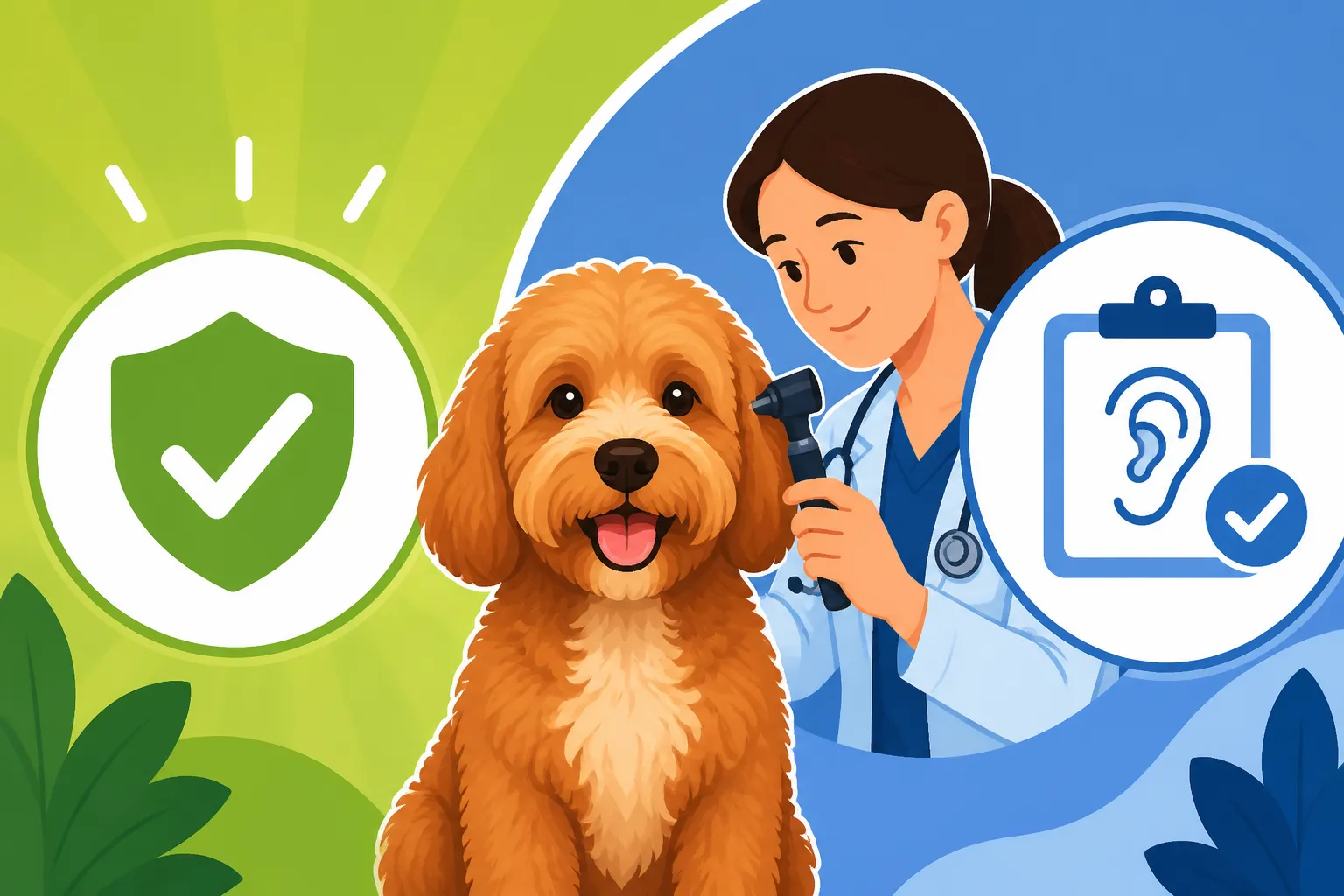
CAER stands for "Companion Animal Eye Registry." In essence, it's a standardized eye examination performed by a board-certified veterinary ophthalmologist. Think of it as a comprehensive health check-up specifically for your dog's eyes. It’s not just a quick peek with a flashlight; it's a thorough evaluation that looks for congenital (present at birth) and hereditary (genetically passed down) eye diseases. The ophthalmologist uses specialized equipment, often including an indirect ophthalmoscope and a slit lamp biomicroscope, to examine all parts of the eye – from the eyelids and tear ducts to the cornea, lens, retina, and optic nerve. The goal is to identify any abnormalities that could compromise your dog's vision or overall eye comfort, often long before you, as an owner, would notice symptoms.
This certification process is vital for breeding animals, but it's equally important for pet owners. If a breeder shows you certificates for their dogs' clear CAER exams, it’s a good sign they are striving to produce healthy puppies. For your pet Cockapoo, it serves as an early warning system, allowing for potential intervention and management of any issues that might arise. Knowing the history of a dog's parents, especially concerning eye health, can give you a heads-up on what to watch for in your own Cockapoo, making something like asking a Cockapoo breeder for the FN certificate or for a Cockapoo's eye certificates a very smart move when looking for a puppy.
Why Cockapoos Are Prone to Certain Eye Conditions
The very charm of the Cockapoo – being a hybrid of a Cocker Spaniel and a Poodle – also means they can inherit genetic traits from both parent breeds, including susceptibilities to various eye conditions. Cocker Spaniels, for instance, are known for issues like glaucoma, progressive retinal atrophy (PRA), and entropion (inward-rolling eyelids). Poodles, particularly Miniature and Toy Poodles, can also pass on PRA, cataracts, and even conditions like optic nerve hypoplasia.
This genetic cocktail means that a Cockapoo isn't necessarily "healthier" than its purebred parents in every aspect. Instead, they can inherit a wider range of potential issues. For example, the specific type of glaucoma a Cockapoo inherits from the Cocker is a very real concern. Without proper screening, you might not know if your adorable furball carries these genetic risks until symptoms become advanced and potentially irreversible. This is why a proactive approach is so highly recommended; it allows us to stay ahead of potential problems rather than reacting when things have already become serious.
The Lifelong Benefit of Early Detection
The old adage "an ounce of prevention is worth a pound of cure" couldn't be more true when it comes to your Cockapoo's eye health. Catching an eye condition early can make a world of difference in managing its progression, preserving your dog's vision, and improving their quality of life. For some conditions, like certain types of glaucoma, early diagnosis can literally be the difference between saving an eye and losing it.
Consider the anxiety of noticing your beloved Cockapoo struggling to see, bumping into furniture, or showing signs of discomfort. With conditions like Progressive Retinal Atrophy in a Cockapoo, which can lead to blindness, early diagnosis allows you to prepare and adapt your home environment to support your dog. For other issues, like cataracts, early intervention might mean more effective surgical outcomes or management strategies to slow progression. It’s about being informed and empowered, rather than being caught off guard by a serious diagnosis later in your dog’s life. A yearly CAER exam provides that critical window into their eye health, helping you make informed decisions every step of the way.
What Eye Conditions Does a CAER Exam Screen For?
The beauty of a CAER exam is its comprehensive nature. It’s not just looking for one specific problem; it’s a systematic sweep for a multitude of potential eye conditions that could impact your Cockapoo. Understanding what the ophthalmologist is screening for can help you appreciate the depth and value of this yearly check-up.
Progressive Retinal Atrophy PRA
Progressive Retinal Atrophy (PRA) is a group of degenerative diseases affecting the retina, eventually leading to blindness. In Cockapoos, PRA is often inherited from the Poodle side, specifically a form known as progressive rod-cone degeneration (prcd-PRA). It's a cruel disease because it often starts subtly, with your dog experiencing night blindness first, which can be easy to miss, especially if they navigate familiar environments. Over time, their daytime vision also deteriorates, leading to complete blindness.
The CAER exam helps identify early retinal changes that might indicate PRA, even before your dog shows obvious signs of vision loss. While there isn't a cure for PRA, early detection through methods like asking for a Cockapoo's eye certificates can give you precious time to prepare for your dog's eventual blindness. You can start training them with verbal cues, make your home safer, and generally ensure their comfort and confidence as their sight diminishes. Knowing that a prcd carrier Cockapoo ever goes blind is a significant concern for owners, making the CAER exam an invaluable tool for monitoring.
Glaucoma and its Urgency
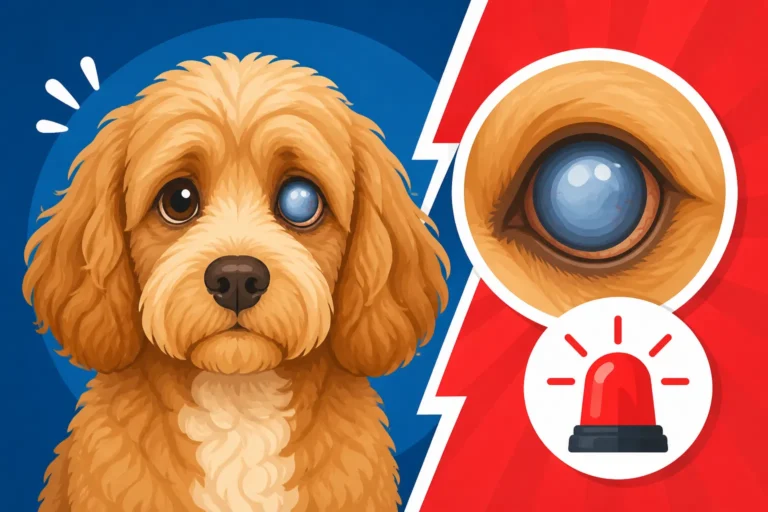
Glaucoma is another serious eye condition that Cockapoos can inherit, often stemming from their Cocker Spaniel ancestry. It's characterized by increased pressure within the eye, which damages the optic nerve and, if left untreated, leads to irreversible blindness and can be incredibly painful. The insidious thing about glaucoma is how quickly it can progress. What might seem like a slightly red or cloudy eye one day can escalate into a full-blown emergency the next.
A CAER exam includes tonometry, which is the measurement of intraocular pressure, a key indicator of glaucoma. Early detection of elevated pressure, even before your dog shows overt signs of pain or vision loss, can allow for immediate medical intervention to try and save their sight. The red eye that means a Cockapoo needs a vet tonight is no exaggeration; glaucoma can lead to blindness within hours to days if not treated. This is why regular monitoring is so critical for breeds with a predisposition.
Cataracts, Distichiasis, and Other Common Issues
Beyond PRA and glaucoma, the CAER exam also screens for a host of other common eye ailments that can affect Cockapoos:
- Cataracts: These are opacities that develop in the lens of the eye, obstructing light and leading to blurred vision. While some cataracts are age-related, Cockapoos can inherit juvenile cataracts, which appear earlier in life. The exam can help differentiate between cataracts and other cloudy eye conditions like nuclear sclerosis, helping you determine whether a Cockapoo's cataracts are worth operating on.
- Distichiasis: This is a condition where extra eyelashes grow from abnormal locations on the eyelid margin, often rubbing against the cornea. It can cause chronic irritation, pain, and corneal ulcers if not managed.
- Entropion and Ectropion: Entropion involves the eyelid rolling inward, causing the eyelashes and skin to rub on the eye, while ectropion is the opposite, with the eyelid rolling outward, exposing the conjunctiva. Both can lead to chronic irritation and infection, and the CAER exam identifies these structural abnormalities. For owners concerned about whether a Cockapoo's eyelids roll inward, this exam provides clear answers.
- Keratoconjunctivitis Sicca (KCS) or Dry Eye: This is a condition where the eyes don't produce enough tears, leading to dryness, irritation, and potentially corneal damage. Cockapoos, particularly from the Cocker side, can be prone to this. The exam often includes a Schirmer tear test to assess tear production.
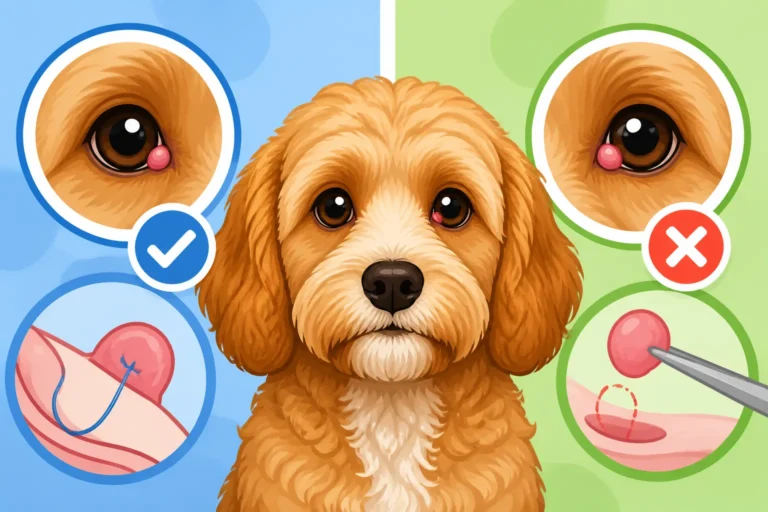
- Cherry Eye: While more common in puppies and often diagnosed earlier, a CAER exam might still note if a dog has had or is developing this condition where the gland of the third eyelid prolapses. Owners often wonder whether cherry eye in a Cockapoo is tacked or removed, and the ophthalmologist can offer guidance.
Each of these conditions, if left unchecked, can lead to discomfort, pain, and vision impairment for your Cockapoo. The yearly CAER exam is your best defense against these silent threats, providing peace of mind and the best chance for early intervention.
The CAER Exam Process and What to Expect
If you've never had your Cockapoo undergo a specialized eye exam, the idea might seem a little daunting. Rest assured, it's a routine and generally stress-free procedure for your dog, designed to be comprehensive yet gentle.
Preparing Your Cockapoo for the Exam
Preparing your Cockapoo for their CAER exam is quite straightforward. There's no special diet or medication needed beforehand, but there are a few things that can make the visit smoother for both of you. Firstly, try to keep your dog calm and relaxed on the day of the appointment. A brisk walk or some playtime before heading to the clinic can help burn off excess energy, making them more amenable to sitting still during the exam. It's also a good idea to bring their favorite treats and a comforting toy to help distract them if they get a little antsy.
The most important preparation involves bringing all relevant health records, especially any previous eye exam results or information about genetic testing done on the parents. This historical context provides valuable insights for the ophthalmologist. You should also be prepared to discuss any observations you've made about your Cockapoo's eyes – redness, discharge, squinting, bumping into things, or changes in how they navigate their environment. These details, even if they seem minor to you, can be crucial clues for the specialist. Remember, open communication with your vet is key to comprehensive care.
What Happens During the Examination
When you arrive for the CAER exam, the veterinary ophthalmologist will typically start by taking a detailed history, asking about your Cockapoo's general health, any medications they're on, and specific concerns about their eyes. Then, the actual examination begins. It usually involves several steps:
- Initial Ocular Examination: The ophthalmologist will first observe your dog's eyes and face, checking for symmetry, discharge, or obvious abnormalities.
- Schirmer Tear Test: This simple test measures tear production. A small strip of filter paper is placed inside the lower eyelid for one minute. It's a quick way to screen for dry eye, often indicating whether a Cockapoo gets dry eye.
- Fluorescein Stain: A non-toxic orange dye is applied to the eye to check for corneal ulcers or abrasions. If there's a break in the cornea, the dye will stick to it and glow under a blue light.
- Tonometry: This is where the eye pressure is measured using a specialized instrument, typically a Tono-Pen. It's quick, painless, and vital for screening for glaucoma.
- Pupil Dilation: Eye drops are administered to dilate your Cockapoo's pupils. This can take about 15-30 minutes and is essential for the ophthalmologist to get a clear view of the back of the eye (the retina and optic nerve).
- Indirect Ophthalmoscopy and Slit Lamp Biomicroscopy: Once the pupils are dilated, the ophthalmologist will use an indirect ophthalmoscope to examine the retina, optic nerve, and vitreous, looking for signs of PRA or other retinal diseases. A slit lamp biomicroscope provides a magnified, three-dimensional view of the front of the eye, allowing for detailed inspection of the eyelids, conjunctiva, cornea, iris, and lens. This comprehensive look is how they tell nuclear sclerosis from cataracts in a Cockapoo.
Throughout this process, the ophthalmologist and their team are skilled at handling dogs gently and keeping them comfortable. Your Cockapoo might need to sit still for a bit, but it’s generally not painful.
Interpreting the Results and Next Steps
Once the examination is complete, the ophthalmologist will discuss their findings with you. If your Cockapoo's eyes are deemed healthy and free of detectable hereditary conditions, you'll receive a "clear" CAER certificate. This is fantastic news and means you can breathe a sigh of relief, knowing their eyes are in good shape for another year. This certification is valid for 12 months, which is why a yearly CAER exam is recommended to keep this status current, especially if your Cockapoo is still quite young.
However, if any abnormalities are found, the ophthalmologist will explain the diagnosis, its potential implications, and recommend a course of action. This could range from monitoring a minor issue to prescribing medication, suggesting dietary changes, or in more severe cases, recommending surgery. For instance, if early signs of glaucoma are detected, prompt treatment could involve eye drops to lower pressure, potentially saving their vision. If cataracts are developing, they might discuss whether surgery is a viable option for your specific dog. The important thing is that you'll have a clear understanding of your dog's eye health and a plan moving forward. Sometimes, the conversation might even lead to considering genetic testing for specific conditions like PRA to understand the full picture.
Making Yearly CAER Exams Part of Your Cockapoo's Routine Care
Integrating yearly CAER exams into your Cockapoo's health routine is a powerful commitment to their long-term well-being. It’s about more than just checking a box; it's about providing continuous, specialized care for one of their most vital senses.
The Value of Regular Check-ups Beyond Puppyhood
While puppyhood eye screenings are crucial for establishing a baseline, the importance of regular CAER exams doesn't diminish as your Cockapoo matures. Many hereditary eye conditions, like cataracts or certain forms of glaucoma, can develop or progress over time, sometimes appearing in middle age or later in life. Just like humans need regular eye check-ups, so do our canine companions. A yearly CAER exam ensures that any new developments are caught promptly, maintaining continuity of care. This consistency helps track any subtle changes year over year, making it easier to spot emerging problems.
Think about it: even if your Cockapoo had a clear exam last year, that doesn't guarantee they won't develop an issue this year. Dogs can develop new conditions or show progression of subtle ones. For example, some Poodle-derived cataracts might not be evident until a Cockapoo's lenses cloud before ten. Regular check-ups are especially vital for older Cockapoos, as conditions like nuclear sclerosis (a normal age-related clouding of the lens) can be mistaken for more serious issues like cataracts, and only an ophthalmologist can accurately differentiate them. It's truly a long-term investment in their comfort and happiness.
Finding a Board-Certified Veterinary Ophthalmologist
Locating a qualified specialist is the first step in scheduling a CAER exam. You can ask your primary veterinarian for a referral, as they often have a network of trusted specialists. Alternatively, you can use online directories provided by organizations like the American College of Veterinary Ophthalmologists (ACVO). Their website allows you to search for board-certified veterinary ophthalmologists in your area.
When choosing an ophthalmologist, don't hesitate to ask questions about their experience with Cockapoos or breeds with similar genetic predispositions. You want someone who is not only highly skilled but also has a compassionate approach to animal care. A good specialist will take the time to explain everything clearly, address your concerns, and make you and your Cockapoo feel comfortable during the visit. This specialized care is different from the routine eye check a general practitioner might perform, providing a much deeper level of scrutiny for complex and hereditary conditions.
Budgeting for Eye Health
Understandably, specialized veterinary care comes with a cost, and a yearly CAER exam is an added expense to consider. The cost can vary depending on your geographic location and the specific clinic, but it typically ranges from $100 to $250. This fee covers the ophthalmologist's expertise, the use of specialized equipment, and the certification process.
To manage these costs, it's wise to budget for your Cockapoo's annual health expenses. This might include setting aside a specific amount each month or looking into pet insurance options. Providers like Healthy Paws offer comprehensive pet insurance plans that often cover unexpected illnesses and accidents, and some plans may help with specialist visits if a condition is diagnosed. While preventative exams like CAER might not always be covered directly, if an issue is found during the exam and requires further treatment, the subsequent diagnostic tests and treatments could be eligible for reimbursement depending on your policy. It’s always best to check with your insurance provider to understand what is covered. Investing in these preventative measures, whether through savings or insurance, can ultimately save you a significant amount in the long run by catching and managing issues before they become severe and more expensive to treat, such as what glaucoma costs a Cockapoo owner if left unchecked.
| Eye Condition | Parent Breed Predisposition (Cockapoo) | Typical Onset Age | Key Symptoms | Prognosis with Early Detection & Treatment |
|---|---|---|---|---|
| Progressive Retinal Atrophy | Poodle | Varies (often 3-8 yrs) | Night blindness, dilated pupils, bumping into objects, fear of dark | No cure, but early detection allows for adaptation and quality of life management for eventual blindness. |
| Glaucoma | Cocker Spaniel | Any age, often middle | Red eye, cloudy cornea, squinting, pain, enlarged eyeball, vision loss | Good to fair with aggressive medical and/or surgical intervention; urgent vet care crucial to save sight. |
| Cataracts | Poodle & Cocker Spaniel | Varies (juvenile to senior) | Cloudy/opaque lens, impaired vision, bumping into objects, reluctance to jump | Good with surgical removal (phacoemulsification); vision can be restored. |
| Distichiasis | Cocker Spaniel | Often puppyhood/young adult | Chronic eye irritation, redness, excessive tearing, corneal ulcers | Good with surgical removal or cryoepilation of offending lashes. |
| Entropion | Cocker Spaniel | Puppyhood/young adult | Squinting, excessive tearing, irritation, corneal ulcers | Good with surgical correction of the eyelid. |
| Dry Eye (KCS) | Cocker Spaniel | Any age | Thick, sticky discharge, redness, squinting, corneal changes | Good with lifelong medical management (tear stimulants, artificial tears). |
Disclaimer
Please remember that this article is intended for informational purposes only and is not a substitute for professional veterinary advice. Always consult with a qualified veterinarian or a board-certified veterinary ophthalmologist for any health concerns or before making any decisions about your Cockapoo's medical care.