Whether an Untested Cockapoo Litter Is a Gamble
The journey to bringing a new Cockapoo puppy into your home is often filled with immense excitement, dreaming of cuddles and playful antics. But beneath that joyful anticipation, many prospective owners grapple with a nagging worry: how do you know if you’re choosing a healthy puppy? It’s a very real concern, especially when faced with litters where health testing simply hasn't been a priority for the breeder. This guide is here to shed light on why opting for an untested Cockapoo litter isn't just a cost-saving measure, but a significant gamble with potentially devastating consequences for both your wallet and your heart.
Understanding the Allure and the Underlying Risks of Untested Litters
It’s completely natural to fall head over heels for an adorable Cockapoo puppy, regardless of its background. Their fluffy faces, wagging tails, and boundless energy are truly captivating. But that "puppy fever" can sometimes cloud judgment, making it easy to overlook crucial details about their health and parentage.
The Immediate Appeal of a Puppy from Any Litter
Who can resist a litter of playful Cockapoo puppies tumbling over each other? That instantaneous connection, the desire to scoop one up and take them home, is powerful. Many people, understandably, just want a puppy now and might be tempted by a lower price tag, or a breeder who has puppies available sooner. It’s a common scenario: you see a cute picture online, meet the puppy, and instantly feel that emotional pull. You might convince yourself that health testing isn't that important, or that your puppy will surely be one of the lucky ones. The hope is always there that everything will turn out just fine, and it’s a hope that many of us cling to when faced with such irresistible cuteness.
Why Health Testing Matters More for Designer Breeds
While Cockapoos are celebrated for their charming personalities and often lower-shedding coats, they are a hybrid breed, meaning they inherit genetic material from two distinct parent breeds: the Cocker Spaniel and the Poodle. This genetic blend, while offering wonderful qualities, also means they are susceptible to health conditions common in both parent breeds. When a litter comes from "untested" parents, it's not just a minor oversight; it means the breeder hasn't screened for the significant genetic diseases prevalent in Cocker Spaniels and Poodles. You're effectively buying a puppy without any insight into the ticking time bombs it might carry in its genes. This lack of foresight on the breeder's part directly translates into a higher risk for you, the future owner, for costly and heartbreaking health issues down the line.
The Specific Health Conditions a Cockapoo Can Inherit Without Testing
The sheer number of genetic diseases that can be passed down from a Cockapoo's parent breeds is sobering. Responsible breeders meticulously test their breeding dogs to minimize the risk of these conditions appearing in their puppies. Without this testing, you're truly rolling the dice.
Familial Nephropathy and Its Devastating Impact
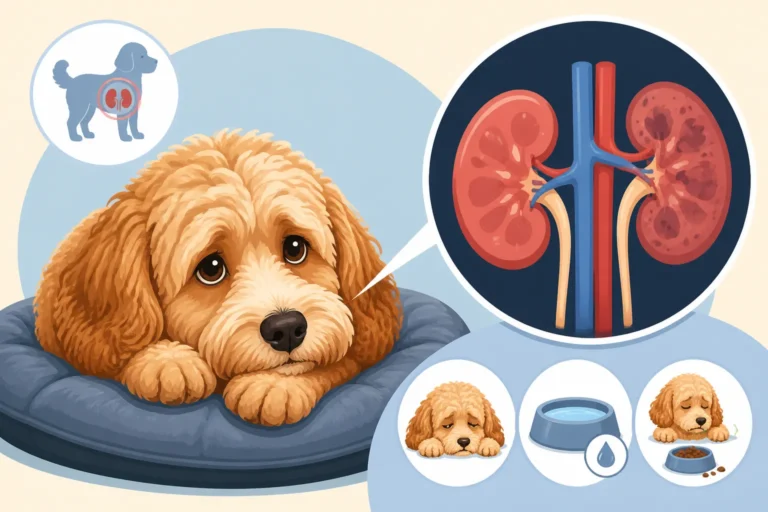
One of the most tragic conditions that can affect Cockapoos, particularly those with American Cocker Spaniel lineage, is Familial Nephropathy (FN). This is a severe, inherited kidney disease that typically strikes young dogs, often before they even reach two years old. It's a progressive condition, meaning it worsens over time, leading to irreversible kidney failure.
Imagine the heartbreak: you bring home a vibrant, playful puppy, only for them to start showing signs of lethargy, excessive thirst, and loss of appetite within their first year or two. Learning that your beloved companion is suffering from a fatal genetic kidney disease is utterly devastating. The mode of inheritance is autosomal recessive, meaning a puppy must inherit a copy of the faulty gene from both parents to be affected. If both parents are carriers, there's a 25% chance their offspring will be affected. An affected puppy's kidneys simply don't develop correctly, leading to their premature failure. The signs of this disease, like increased drinking and urinating, often start subtly but quickly progress. It’s a truly awful situation, and sadly, there is no cure, only supportive care to manage symptoms, which can be incredibly expensive. Understanding Familial Nephropathy and the Kidneys a Cockapoo Can Inherit is crucial for any potential owner, and it's equally important to know The Age Kidney Failure Appears in an Affected Cockapoo. Without specific DNA testing for FN, a breeder cannot guarantee their puppies are free from this cruel disease.
Progressive Retinal Atrophy and the Loss of Sight
Another significant concern, inherited from both parent breeds, is Progressive Retinal Atrophy (PRA). This group of degenerative eye diseases leads to gradual blindness. The most common form seen in Poodles, and therefore Cockapoos, is progressive rod-cone degeneration (prcd-PRA). Puppies born with prcd-PRA appear normal, but their vision slowly deteriorates, often beginning with night blindness, and progressing to complete blindness over several years.
Picture your active Cockapoo, full of life, slowly losing their ability to see the world around them. While dogs are incredibly adaptable, and a blind dog can certainly live a full life, it's a profound change that requires significant adjustments from both the dog and the owner. The emotional toll of watching your dog struggle with their vision, bumping into furniture, and losing their confidence, is immense. Responsible breeders will test their Poodle and Cocker Spaniel lines for prcd-PRA to ensure they are not passing on the genes that cause this condition. Knowing whether Progressive Retinal Atrophy in a Cockapoo affects a line, and understanding Whether a prcd Carrier Cockapoo Ever Goes Blind, are vital pieces of information that only health testing can provide.
Orthopedic Issues: Hips, Knees, and Elbows
Mobility issues can severely impact a dog’s quality of life and lead to chronic pain. Cockapoos are unfortunately prone to several orthopedic conditions, drawing risks from both their Poodle and Cocker Spaniel heritage.
-
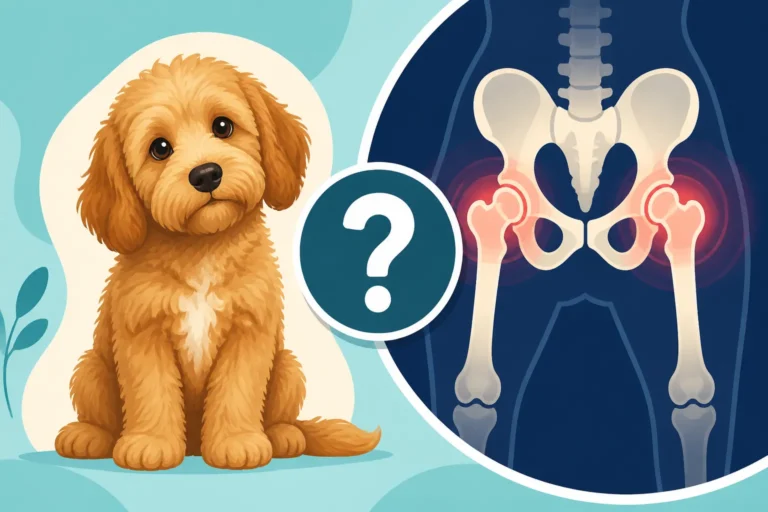
Hip and Elbow Dysplasia: More commonly associated with larger breeds, hip and elbow dysplasia can still affect Poodles and, consequently, Cockapoos, especially larger Miniature or Maxi Cockapoos. These conditions involve malformation of the hip or elbow joints, leading to arthritis, pain, and lameness. Screening parents through organizations like the Orthopedic Foundation for Animals (OFA) or PennHIP involves x-raying the joints and having them evaluated by veterinary specialists to assess the degree of laxity or malformation. Ignoring these tests means you have no idea if your puppy's parents struggled with these painful conditions, which could mean a lifetime of limping, medication, and possibly surgery for your future dog. For those considering a larger Cockapoo, knowing The Age a Cockapoo Can Be Hip Scored helps understand the timeline of testing.
-
Patellar Luxation (Slipping Kneecaps): This condition is common in smaller breeds, including both Cocker Spaniels and Poodles, making it a significant concern for all sizes of Cockapoos, particularly Toy and Miniature varieties. Patellar luxation occurs when the kneecap (patella) slips out of its groove, causing pain and a characteristic "skip" in the dog's gait. In severe cases, it requires corrective surgery. Imagine your little Cockapoo, full of bounce, suddenly yelping and holding up a leg because their kneecap has popped out. It's distressing to witness. Breeders should have their breeding dogs' patellas manually examined by a veterinarian, and certified by OFA, to ensure they are free from this condition. Learning about Slipping Kneecaps in a Toy Cockapoo can highlight the importance of this specific test.
Other Genetic Concerns from Both Sides
Beyond these major concerns, a host of other genetic conditions can plague Cockapoos from untested lines.
-
Phosphofructokinase Deficiency (PFK): Inherited from the Cocker Spaniel side, PFK deficiency is a metabolic disorder that affects red blood cells and muscle function. Dogs with PFK deficiency can experience exercise intolerance, muscle cramping, and dark urine after physical exertion or stress. While not always life-threatening, it significantly limits a dog's activity and requires careful management. It's a condition that can easily go unnoticed until a puppy is active enough to trigger an episode, which means unsuspecting owners are suddenly dealing with a dog that can’t keep up with normal play. Understanding What PFK Deficiency Does to a Cockapoo is important for potential owners.
-
Glaucoma: This painful eye condition, characterized by increased pressure within the eye, can lead to irreversible blindness if not treated promptly. Cocker Spaniels are particularly predisposed to primary glaucoma. Early detection is key, but without knowing the parental history or specific screenings, a puppy from an untested litter could develop this agonizing condition. Emergency veterinary visits for glaucoma are common and expensive, often leading to difficult decisions about eye removal in severe cases. Delving into Glaucoma From the Cocker Side of a Cockapoo gives more context on this potential issue.
-
Von Willebrand's Disease (vWD): This is a genetic bleeding disorder, similar to hemophilia in humans, that can be inherited from the Poodle side. Affected dogs lack a specific protein needed for proper blood clotting, making them prone to excessive bleeding from minor injuries or during surgery. A simple spay or neuter procedure could become life-threatening without prior knowledge of this condition.
These are just a few examples, but they illustrate the profound impact that lack of genetic testing can have. Each condition represents not just a diagnosis, but a potential lifetime of pain for your dog and financial strain for your family.
The Financial and Emotional Toll of an Untested Litter
While the initial price of a puppy from an untested litter might seem appealingly low, it often represents a "buy now, pay later" scenario with a potentially exorbitant interest rate—paid in vet bills and heartache.
Unexpected Vet Bills and Ongoing Care
Let's be brutally honest: pet ownership is expensive, and it becomes exponentially more so when you're dealing with a chronically ill dog. Diagnostics for complex genetic conditions, such as advanced imaging for orthopedic issues, specialized blood tests for kidney disease, or consultations with veterinary ophthalmologists, can quickly run into thousands of dollars. Medications for chronic pain, kidney support, or autoimmune diseases are often lifelong expenses.
Consider a scenario where your Cockapoo develops severe hip dysplasia. Surgical correction can easily cost anywhere from $4,000 to $7,000 per hip. If your puppy inherits Familial Nephropathy, the cost of special prescription diets, fluid therapy, and regular bloodwork to monitor kidney function can add up to hundreds of dollars a month, for a condition that ultimately has a grim prognosis. Even with pet insurance from providers like Healthy Paws, there are often waiting periods, and pre-existing conditions—which many genetic disorders are considered—are typically not covered. This means if you buy an untested puppy and it develops a genetic disease later, you could be entirely on the hook for those massive bills.
Here’s a glimpse at potential costs for some common issues that can arise from untested parentage:
| Condition | Initial Cost (Untested Litter) | Potential Lifetime Vet Costs (Estimated) | Impact on Quality of Life |
|---|---|---|---|
| Familial Nephropathy | Lower (initially) | $5,000 – $20,000+ (incl. euthanasia) | Severe, life-limiting |
| Progressive Retinal Atrophy | Lower (initially) | $1,000 – $5,000 (diagnostics, meds) | Significant (blindness) |
| Severe Hip Dysplasia (bilateral) | Lower (initially) | $8,000 – $15,000+ (surgeries, rehab) | Moderate to Severe (pain) |
| Patellar Luxation (surgical) | Lower (initially) | $2,000 – $5,000 (per knee) | Moderate to Severe (pain) |
| PFK Deficiency | Lower (initially) | $500 – $2,000 (management, diagnostics) | Moderate (exercise intolerance) |
As you can see, the short-term saving on the purchase price of an untested puppy pales in comparison to the potential long-term financial burden. These are the kinds of costs that can truly blindside a family, leading to difficult financial decisions or, heartbreakingly, the inability to provide necessary care. For a deeper look at the financial aspects, consider reading What a Cockapoo Costs You in Year Two or What Treating an FN Affected Cockapoo Costs.
The Heartbreak of a Sick Puppy
Beyond the financial strain, there is the profound emotional toll. Pets are family members, and watching a beloved companion suffer is one of the most difficult experiences an owner can face. The excitement of bringing home a new puppy quickly fades when you’re spending countless hours at the vet, administering medication, or trying to comfort a dog in pain.
The bond we form with our dogs is incredibly strong. When that bond is formed under the shadow of chronic illness, it can be emotionally exhausting. Imagine the guilt of knowing that perhaps a different choice in breeder could have spared your dog from this suffering. Or the agonizing decisions you might face about quality of life, especially with conditions like FN that have no cure. This emotional landscape is often overlooked in the initial excitement of puppy selection, but it’s a very real and heavy burden for families who take on a puppy from an untested, and therefore high-risk, litter. Every owner hopes for The Fourteen to Eighteen Years a Cockapoo Lives, but inherited diseases can tragically shorten that time.
The Ethical Responsibility of Breeders and Buyers
Responsible breeding isn't just about producing cute puppies; it's about making a concerted effort to improve the health and longevity of the breed. Breeders who invest in health testing are demonstrating an ethical commitment to their dogs and to the future families who will welcome their puppies. They are actively working to reduce the incidence of preventable genetic diseases.
When you purchase a puppy from an untested litter, you are, perhaps unknowingly, contributing to the cycle of irresponsible breeding. You’re sending a message that cutting corners on health is acceptable. This perpetuates a system where profit takes precedence over welfare. As a buyer, you have the power to demand better. Your choices influence the market. By choosing a reputable breeder who prioritizes health, you not only protect yourself and your future pet but also support ethical breeding practices that ultimately benefit the entire Cockapoo community. This also means understanding that Whether an Untested Cockapoo Litter Is a Gamble directly impacts the reputation and health trajectory of the breed.
How to Protect Yourself and Your Future Cockapoo
Navigating the world of Cockapoo breeders can feel overwhelming, but arming yourself with knowledge and knowing what to look for can make all the difference. Your due diligence as a buyer is paramount in securing a healthy, happy future for your puppy.
What to Ask a Reputable Breeder
A reputable breeder will be transparent and eager to share information about their dogs' health. Don't be afraid to ask specific questions—it's your right, and a good breeder will appreciate your thoroughness.
- Genetic Health Clearances: Insist on seeing official documentation for all relevant genetic tests for both parent dogs. For Cockapoos, this should include:
- FN (Familial Nephropathy) DNA testing: Look for "Clear" results for both parents. If one parent is a carrier, the other must be clear to ensure no affected puppies are produced. You should explicitly ask for Asking a Cockapoo Breeder for the FN Certificate.
- prcd-PRA (Progressive Retinal Atrophy) DNA testing: Again, both parents should be clear or one clear and one carrier to prevent affected offspring. You’ll want to be Asking for a Cockapoo's Eye Certificates.
- OFA or PennHIP certifications for hips and elbows: Especially for Miniature and Maxi Cockapoos, these X-rays should show good or excellent ratings.
- OFA Patella examinations: For all sizes, a veterinarian should have certified the patellas as normal.
- CAER (Canine Eye Registry Foundation) exams: This is an annual eye exam performed by a veterinary ophthalmologist to screen for observable eye diseases not covered by DNA tests.
- PFK DNA testing: If the Cocker Spaniel lineage is known to carry this.
Don't just take a breeder's word for it. They should be able to provide copies of these certificates, often from labs like Embark or Paw Print Genetics. If a breeder makes excuses or says they "don't believe in testing," walk away.
Understanding Health Guarantees and Contracts
A robust health guarantee is a hallmark of a responsible breeder. This document outlines the breeder's commitment to the health of their puppies and what steps they will take if a genetic issue arises.
-
Specifics of the Guarantee: A good health guarantee will typically cover life-threatening genetic conditions for a period of one to two years, and sometimes even longer for specific conditions like FN. It should clearly state the conditions covered and the breeder's responsibilities, which might include offering a replacement puppy, a partial refund, or contributing to veterinary costs. Be wary of vague guarantees or those that offer little to no recourse. For instance, knowing Whether a Cockapoo Guarantee Covers Familial Nephropathy is explicitly stated can provide significant peace of mind.
-
Written Contract: Always ensure you receive a written contract of sale. This document should detail the health guarantee, the responsibilities of both the breeder and the buyer, and any other terms of sale. Read it carefully and ask questions about anything you don't understand before signing. A breeder who operates without a formal contract is a huge red flag.
The Value of Investing in a Well-Bred Puppy
It's tempting to opt for a Cockapoo puppy with a lower price tag, often advertised for $1,000 or less, compared to the $2,000 to $4,000 (or more) that a reputable breeder might charge. However, that higher initial investment in a well-bred, health-tested puppy is truly an investment in peace of mind and potentially in a significantly healthier, longer life for your dog.
Think of it this way: the upfront cost of a responsibly bred puppy reflects the breeder's considerable expenses in health testing their breeding stock, providing excellent prenatal and postnatal care, proper nutrition, and early socialization. These are not "extra" costs; they are essential components of ethical breeding that yield healthier, better-adjusted puppies. While a pet insurance policy like those from Healthy Paws can offer a safety net, it cannot replace the proactive measures taken by a responsible breeder to prevent genetic diseases in the first place.
Ultimately, the choice to purchase a puppy from an untested litter is indeed a gamble, and it's one where the odds are often stacked against you. You might save a few hundred dollars initially, but you risk spending thousands more later on veterinary care, not to mention the emotional toll of watching your beloved Cockapoo suffer. Investing in a puppy from health-tested parents means you're not just buying a dog; you're buying a significantly reduced risk of heartbreak and financial burden, and ultimately, a much better chance at a long, happy life with your furry family member. Consider that The Kidney and Eye Tests a Cockapoo Price Should Cover are a small price to pay for future health.
Disclaimer
This article is intended for informational purposes only and does not constitute veterinary advice. Always consult with a qualified veterinarian for any health concerns regarding your pet.