Insuring a Cockapoo Against Two Parent Breeds
Bringing a Cockapoo into your life is incredibly exciting, but the joy of a new furry family member often comes with a quiet worry about their long-term health and the potentially huge vet bills. Since Cockapoos are a hybrid of two distinct breeds, the American or English Cocker Spaniel and the Poodle, they can unfortunately inherit a mix of genetic predispositions from both sides. This guide will help you understand the unique health landscape of a Cockapoo and how pet insurance can be a critical safety net against unexpected medical costs.
Understanding the Cockapoo's Genetic Mix
When you welcome a Cockapoo into your home, you're not just getting a fluffy, playful companion; you're also bringing in a fascinating genetic mosaic. These wonderful dogs are a deliberate cross between a Cocker Spaniel (either American or English) and a Poodle (typically Miniature or Toy, but sometimes Standard for a Maxi Cockapoo). This blend is often celebrated for producing a dog with a delightful temperament and a potentially low-shedding coat, but it also means your Cockapoo can inherit health traits and predispositions from both parent breeds. It's a bit like a genetic lottery, and while many Cockapoos live long, healthy lives, being prepared for potential issues is just smart pet parenting.
The Hope for Hybrid Vigor vs. Reality
There's a popular concept called "hybrid vigor" or heterosis, which suggests that mixed-breed dogs are inherently healthier and more robust than purebreds due to their broader genetic pool. The idea is that crossing two different breeds reduces the likelihood of inheriting two copies of a recessive gene for a specific disease. While there's some truth to this in a general sense, it's not a magic shield, especially when dealing with breeds that share some common genetic vulnerabilities or when breeders aren't diligent about health testing.
The reality is that a Cockapoo can still inherit any of the health conditions prevalent in either the Cocker Spaniel or the Poodle. They might get lucky and dodge all the bullets, or they might end up with a combination of issues that can be heartbreaking and incredibly expensive to manage. This is precisely why understanding the potential pitfalls from both sides of their family tree is so crucial, and why many owners find themselves looking into pet insurance from the moment they bring their puppy home. It's about hedging your bets and ensuring you can provide the best care if that genetic lottery doesn't land exactly where you'd hoped.
Why Knowing Both Parent Breeds Matters for Insurance
For pet insurance purposes, understanding the specific health concerns associated with both Cocker Spaniels and Poodles is paramount. Insurers assess risk based on breed predispositions, even for mixed breeds. While they won't automatically deny coverage, they might have specific clauses or even higher premiums if certain breed-specific conditions are common and expensive to treat. For example, if a condition is known to affect Cocker Spaniels, an insurer will likely view your Cockapoo through that lens, especially if the policy is written to exclude or limit coverage for genetic or hereditary conditions that are considered "pre-existing" or manifest early.
Knowing what to look out for from both lineages allows you to have informed conversations with potential breeders about health testing, recognize early symptoms in your own dog, and critically, choose an insurance policy that offers comprehensive coverage for these common issues. It's not about being pessimistic; it's about being a responsible owner who wants to provide the best possible care throughout their Cockapoo's life, no matter what genetic hand they're dealt.
Common Health Concerns Inherited from Cocker Spaniels
Cocker Spaniels, whether American or English, are adorable, affectionate dogs, but they do come with a list of inherited health issues. When these traits are passed on to a Cockapoo, they can lead to significant concerns for owners. Being aware of these helps you monitor your Cockapoo's health and understand what type of insurance coverage might be most beneficial.
Ear Infections and Skin Issues
One of the most common and often recurring frustrations for Cocker Spaniel owners, which Cockapoo owners frequently inherit, are ear infections. Those beautiful, long, floppy ears that give Cockapoos such a charming look also create a warm, moist, poorly ventilated environment that's perfect for bacteria and yeast to thrive. Combine this with the often dense hair growth inside the ear canal (a trait from both parent breeds), and you have a recipe for trouble.
Owners often find themselves battling persistent redness, itching, foul odor, and excessive head shaking. A simple vet visit for an ear infection might cost $150-$300 for an exam, cleaning, and medication, but chronic issues can quickly escalate. Repeated infections might require more extensive diagnostics like ear cultures, sedated ear flushes, or even specialized procedures. Furthermore, Cocker Spaniels are also prone to various skin conditions, including allergies (atopy) that can manifest as itchy skin, hot spots, or recurring infections. These issues can be seasonal or year-round and often require ongoing management, special diets, or medicated shampoos, all of which add up. Knowing this, it's worth checking if your chosen pet insurance, like plans offered by Healthy Paws, has a strong history of covering chronic conditions, provided they aren't pre-existing when you enroll. This is also where understanding whether a Cockapoo Itches From the Cocker Side becomes important for long-term care strategies.
Eye Conditions Glaucoma and PRA
The Cocker Spaniel lineage brings with it a predisposition to several serious eye conditions that can affect a Cockapoo's vision, some leading to blindness if not managed. Glaucoma is a painful condition caused by increased pressure within the eye, leading to damage to the optic nerve. It can develop rapidly and is considered a veterinary emergency, often requiring immediate and expensive treatment to try and save the eye. The cost of an emergency vet visit for glaucoma, including diagnostics and initial medications, can easily run into thousands of dollars.
Another significant concern is Progressive Retinal Atrophy (PRA), particularly the prcd-PRA form. This is a genetic disease that causes the rods and cones in the retina to degenerate, leading to progressive vision loss, eventually resulting in blindness. While not painful, it's a heartbreaking condition to witness. The age prcd-PRA takes a Cockapoo's sight varies, but it typically manifests in adulthood. Responsible breeders should perform DNA testing for prcd-PRA on their breeding stock to avoid passing on the gene. If your Cockapoo is diagnosed with either of these conditions, the ongoing veterinary care, medications, and potential surgeries can become a significant financial burden. Understanding the implications of Glaucoma From the Cocker Side of a Cockapoo is essential for any owner.
Orthopedic Issues Patellar Luxation and Hip Dysplasia
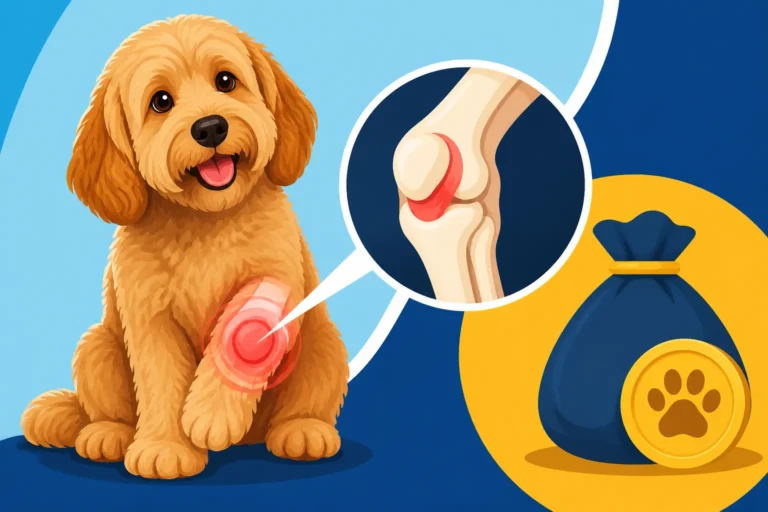
While not as common as in some larger breeds, Cocker Spaniels can contribute to orthopedic problems in Cockapoos. Patellar luxation, or "slipping kneecaps," is a condition where the kneecap dislocates from its groove in the thigh bone. This is particularly common in smaller breeds and can range from mild (occasionally skipping a step) to severe (constant lameness requiring surgery). Surgical correction for patellar luxation can cost anywhere from $1,500 to $4,000 per knee, and often affects both knees.
Hip dysplasia, while more frequently associated with the Poodle side (especially Standard Poodles), can also be seen in Cocker Spaniels, meaning a Cockapoo has a double potential for this debilitating condition. This genetic malformation of the hip joint can lead to arthritis, pain, and lameness. Treatment can range from pain management and physical therapy to expensive surgeries like total hip replacement, which can easily exceed $5,000 per hip. When considering a Cockapoo, especially a smaller variety, it's wise to be aware of Slipping Kneecaps in a Toy Cockapoo as a potential concern, and ensure your insurance plan would cover such a costly procedure if it were to arise.
Common Health Concerns Inherited from Poodles
Poodles, renowned for their intelligence and elegant appearance, are also a breed with their own set of hereditary health concerns. When these predispositions combine with those from the Cocker Spaniel, they can present a complex health profile for a Cockapoo. Being proactive about understanding these potential issues from the Poodle lineage is just as important as knowing the Cocker's contributions.
Autoimmune Diseases
Poodles, particularly Miniature and Standard Poodles, are disproportionately affected by a range of autoimmune diseases. These conditions occur when the body's immune system mistakenly attacks its own healthy tissues. This can be incredibly frustrating for owners and challenging for veterinarians to diagnose and treat, as symptoms can be vague and mimic other illnesses. Common autoimmune diseases seen in Poodles include Addison's disease (hypoadrenocorticism), autoimmune hemolytic anemia (AIHA), and immune-mediated thrombocytopenia (ITP).
Addison's disease, where the adrenal glands don't produce enough hormones, can cause symptoms like lethargy, vomiting, diarrhea, loss of appetite, and even a life-threatening Addisonian crisis. Managing Addison's typically involves lifelong medication, which, while effective, can be costly. Similarly, AIHA and ITP are serious conditions where the immune system destroys red blood cells or platelets, respectively, often requiring aggressive treatment with immunosuppressants, blood transfusions, and intensive care. The sudden collapse that means a Cockapoo is anemic is a terrifying scenario that can quickly lead to an emergency vet visit with costs soaring into the thousands. Because these conditions often require extensive diagnostics and ongoing medications, a robust pet insurance policy is invaluable. It's worth exploring plans like those from Healthy Paws or Chewy's pet insurance options, which typically cover such chronic illnesses. Understanding The Autoimmune Diseases a Cockapoo Can Inherit is crucial for preparedness.
Eye Conditions Including Cataracts and prcd-PRA
While we touched on PRA from the Cocker side, Poodles are also carriers of progressive retinal atrophy (prcd-PRA), which means a Cockapoo can inherit it from either parent. This emphasizes the importance of both parents being tested. This condition causes the slow, progressive degeneration of the retina, leading to eventual blindness. Initial signs might include night blindness or reluctance to enter dark rooms. Owners often worry, "Whether a prcd Carrier Cockapoo Ever Goes Blind?" The good news is that carriers usually do not go blind, but if a Cockapoo inherits two copies of the affected gene (one from each parent), they will eventually lose their sight. The age prcd-PRA takes a Cockapoo's sight typically occurs in middle to late adulthood, but early onset forms exist.
Beyond PRA, Poodles are also prone to developing cataracts, which are opacities on the lens of the eye that can impair vision. While not all cataracts lead to blindness, some can significantly impact a dog's quality of life and may require surgical removal. Cataract surgery is a specialized procedure and can be very expensive, often costing several thousand dollars per eye. These eye conditions, along with others like glaucoma that can also come from the Cocker side, underscore why regular eye checks are vital for Cockapoos and why comprehensive insurance is a wise investment.
Orthopedic Issues Luxating Patella and Hip Dysplasia
Just like their Cocker Spaniel cousins, Poodles can contribute to orthopedic problems in Cockapoos. Luxating patella, or "slipping kneecap," is particularly common in Toy and Miniature Poodles. This condition causes the kneecap to intermittently pop out of place, leading to a skipping gait or lameness. For a Toy Cockapoo, this can be a significant concern, sometimes requiring surgical intervention if severe. Surgical correction is effective but costly, and often both knees can be affected, requiring two separate surgeries.
Hip dysplasia, while more commonly associated with Standard Poodles, can still occur in smaller Poodle varieties and thus in Cockapoos. This condition involves an abnormal development of the hip joint, leading to instability, pain, and eventually arthritis. While routine X-rays can screen for hip dysplasia, symptoms might not become apparent until later in life, making it a tricky condition to catch early. Treatment can range from conservative management with anti-inflammatory drugs and physical therapy to highly invasive and expensive surgeries such as femoral head ostectomy (FHO) or total hip replacement. For a Cockapoo, these orthopedic issues represent potential lifelong management or significant one-time surgical expenses, reinforcing the need for adequate pet insurance coverage. It's truly a nightmare when you see a dog with the gait that gives away a Cockapoo's bad hips.
How Pet Insurance Works for Mixed Breeds Like the Cockapoo
Navigating the world of pet insurance can feel like trying to solve a puzzle, especially when you have a mixed breed like a Cockapoo. Many owners wonder if mixed breeds are treated differently, or if their Cockapoo's unique blend of genetics will make coverage more complicated. The good news is that pet insurance generally works similarly for mixed breeds as it does for purebreds, but there are some nuances to be aware of.
Understanding Policy Types: Accident, Illness, and Wellness
When you're looking at pet insurance for your Cockapoo, you'll typically encounter a few main types of policies, each designed to cover different scenarios. Understanding these distinctions is key to choosing the right fit for your budget and peace of mind.
- Accident-Only Plans: These are usually the most affordable option. As the name suggests, they cover veterinary costs arising from unexpected injuries like broken bones, swallowed objects, car accidents, or lacerations. They do not cover illnesses, genetic conditions, or routine care. For a highly active Cockapoo prone to adventurous mishaps, this might offer some basic protection, but it won't help with the breed-specific health issues we've discussed.
- Accident & Illness Plans: This is by far the most popular and comprehensive type of coverage. These plans cover not only accidents but also a wide range of illnesses, including infections, digestive issues, cancer, chronic conditions (like allergies or diabetes), and importantly, often hereditary and congenital conditions. This is the type of plan most Cockapoo owners seek, as it addresses the potential for inherited diseases from both parent breeds. Within this category, you'll typically choose your deductible, reimbursement percentage, and annual limit. Brands like Healthy Paws offer robust accident and illness plans with unlimited annual payouts, which can be a huge relief for serious conditions.
- Wellness Plans (Add-ons): These are typically not standalone policies but rather add-ons to an accident & illness plan. They cover routine preventative care, such as annual exams, vaccinations, heartworm medication, and sometimes even routine dental cleanings. While they don't cover unexpected illnesses, they help spread the cost of predictable annual health expenses. This can be a smart choice for managing your Cockapoo's general health, preventing some issues before they become serious.
Here's a quick comparison of typical coverage:
| Policy Feature | Accident-Only Plan | Accident & Illness Plan | Wellness Plan (Add-on) |
|---|---|---|---|
| Broken Bones, Lacerations | Yes | Yes | No |
| Swallowed Objects | Yes | Yes | No |
| Illnesses (e.g., ear infections, allergies) | No | Yes | No |
| Cancer, Diabetes | No | Yes | No |
| Hereditary/Genetic Conditions | No | Yes (typically) | No |
| Surgery (accident/illness related) | Yes | Yes | No |
| Prescription Medications (accident/illness related) | Yes | Yes | No |
| Annual Vet Exams | No | No | Yes |
| Vaccinations | No | No | Yes |
| Flea/Tick/Heartworm Prevention | No | No | Yes |
| Routine Dental Cleaning | No | No | Yes (sometimes) |
Deductibles, Reimbursement, and Annual Limits
Understanding the financial mechanics of a pet insurance policy is crucial before you commit. These three terms—deductible, reimbursement percentage, and annual limit—directly impact how much you pay out of pocket for your Cockapoo's vet care.
- Deductible: This is the amount of money you need to pay towards your Cockapoo's veterinary bills before your insurance company starts to reimburse you. Most policies offer a range of deductible options (e.g., $100, $250, $500, $1,000). A higher deductible usually means a lower monthly premium, but you'll pay more upfront if your dog needs care. Conversely, a lower deductible means a higher monthly premium but less out of pocket when a claim is made. Consider your financial comfort level and how often you anticipate vet visits.
- Reimbursement Percentage: After your deductible is met, this is the percentage of the covered veterinary bill that the insurance company will pay back to you. Common reimbursement percentages are 70%, 80%, or 90%. If you choose an 80% reimbursement, for example, and your vet bill is $1,000 (after your deductible is met), the insurance company will pay you back $800, and you'll be responsible for the remaining $200. A higher reimbursement percentage means more money back but typically a higher monthly premium.
- Annual Limit: This is the maximum amount of money your pet insurance company will pay out in covered expenses during a policy year. Limits can range from a few thousand dollars (e.g., $5,000 or $10,000) to unlimited. For severe illnesses or multiple complex conditions, vet bills can quickly exceed lower annual limits. Given that Cockapoos can inherit serious and expensive conditions from both parent breeds, an unlimited annual payout or a very high limit is often recommended for maximum peace of mind. Imagine facing a $10,000 cancer treatment for your beloved Cockapoo and hitting a $5,000 annual limit – that additional $5,000 would still be your responsibility. This is where providers like Healthy Paws, with their unlimited annual benefits, truly shine for serious conditions.
Choosing the right combination of these factors is a balancing act between your monthly budget and your comfort level with potential out-ofpocket costs. It's often helpful to get quotes from multiple providers, like those available through Chewy's insurance marketplace, to compare options side-by-side for your specific Cockapoo. The question of What Insuring a Cockapoo Runs Monthly often depends heavily on these factors.
Waiting Periods and Pre-Existing Conditions
These are two of the most critical aspects of any pet insurance policy and can be a source of significant frustration for pet owners if not fully understood upfront. They often dictate what is and isn't covered, especially if you wait to enroll your Cockapoo.
- Waiting Periods: All pet insurance policies have waiting periods – a specific amount of time that must pass after you purchase the policy before certain conditions become eligible for coverage. There are typically separate waiting periods for accidents and illnesses. Accident waiting periods are usually short, often just a few days. Illness waiting periods are longer, typically 14 days, but can be up to 30 days for some companies or for specific conditions like orthopedic issues (e.g., cruciate ligament injuries, which might have a 6-month waiting period). This means if your Cockapoo gets sick or injured during the waiting period, those expenses won't be covered. The absolute best time to get pet insurance for your Cockapoo is when they are a young puppy, before any health issues have a chance to develop.
- Pre-Existing Conditions: This is arguably the biggest reason for denied claims. A pre-existing condition is any illness or injury that your Cockapoo showed symptoms of, or was diagnosed with, before your coverage started or during the waiting period. Most pet insurance policies will not cover pre-existing conditions. This means if your Cockapoo had recurring ear infections before you bought insurance, those ear infections likely won't be covered in the future. The same goes for limping, skin allergies, or any other health concern. Some companies distinguish between "curable" and "incurable" pre-existing conditions. A "curable" condition might become eligible for coverage if your Cockapoo goes a certain period (e.g., 6-12 months) without symptoms or treatment. However, chronic or incurable conditions (like diabetes, allergies, or Addison's disease) typically remain excluded for the life of the policy. This is why getting a policy early, while your Cockapoo is healthy, is so incredibly important, especially with their mixed genetic predispositions. You don't want to find out that Hereditary Kidney Disease Is Excluded on a Cockapoo policy because symptoms were noted before coverage began.
Navigating Policy Exclusions and Limitations for Cockapoos
Even with comprehensive pet insurance, it's vital to understand that no policy covers absolutely everything. Every plan comes with exclusions and limitations that can significantly impact what you pay out of pocket. For Cockapoo owners, being aware of these nuances, especially concerning breed-specific issues, is paramount.
Hereditary and Congenital Conditions
This is often where the rubber meets the road for mixed breeds like Cockapoos. Hereditary conditions are those passed down genetically from parents (e.g., prcd-PRA, hip dysplasia, familial nephropathy). Congenital conditions are present from birth, though they may not show symptoms until later in life (e.g., certain heart defects). Many pet insurance policies do cover hereditary and congenital conditions, especially if they are not considered pre-existing. This is a huge benefit for Cockapoo owners, given their genetic mix.
However, the key is the "not pre-existing" clause. If your Cockapoo shows any symptoms, or receives a diagnosis, for a condition like luxating patella or a heart murmur before your policy's waiting period ends, it will likely be deemed pre-existing and excluded from coverage. This is why purchasing insurance early in your Cockapoo's life, ideally as a puppy before any health issues manifest, is strongly advised. Some older or less reputable policies might have blanket exclusions for hereditary conditions, so it’s absolutely critical to read the fine print and confirm that these are covered before enrolling your Cockapoo.
Behavioral Issues and Training
Cockapoos are known for their lively personalities, which can sometimes come with behavioral quirks. Issues like separation anxiety, excessive barking, or reactivity can be challenging to manage. While some severe behavioral issues might stem from underlying medical conditions (which would typically be covered), direct coverage for behavioral modification, training, or consultations with a certified professional dog trainer or veterinary behaviorist is often limited or excluded.
A few advanced pet insurance plans might offer some limited coverage for veterinary behavioral consultations if prescribed by a veterinarian, but generally, ongoing training or non-medical behavioral therapies are not covered. This means if your Cockapoo struggles with being left alone for hours a day or develops strong chasing instincts that lead to problems, you'll likely be footing the bill for a trainer yourself. Knowing The Flushing Drive Still Alive in a Cockapoo and their potential for certain anxieties, it’s worth budgeting for potential training needs outside of your insurance plan.
Elective Procedures and Grooming
Pet insurance is designed for unexpected medical needs, not routine maintenance or cosmetic procedures. Therefore, elective procedures are almost universally excluded. This includes things like cosmetic surgeries (e.g., ear cropping or tail docking, though these are rare for Cockapoos and often done at birth), debarking, or routine anal gland expressions unless there's an underlying medical necessity.
Grooming, which is a significant and ongoing expense for many Cockapoo owners due to their high-maintenance coats, is also not covered by pet insurance policies. Even if your Cockapoo's coat mats easily or develops skin issues requiring specialized grooming, the cost of the groomer themselves will be out-of-pocket. However, if a skin condition causes the need for medicated baths or a specific clip prescribed by a vet, the medication or vet consultation related to the skin issue could be covered under an accident & illness plan. It's a subtle but important distinction. The Yearly Grooming Total on a Cockapoo is something every owner needs to factor into their budget separate from insurance.
Choosing the Right Pet Insurance Plan for Your Cockapoo
Selecting the perfect pet insurance plan for your Cockapoo can feel overwhelming with all the options out there. It's not just about the monthly premium; it's about finding a policy that truly fits your dog's specific needs, your financial situation, and provides peace of mind for the long haul.
Comparing Providers and Policy Details
The first step is to diligently compare different pet insurance providers. Don't just pick the first one you see or the cheapest option. Look for companies with a strong reputation, good customer service, and transparent policies. Websites that allow you to compare quotes side-by-side, or even marketplaces like Chewy's pet insurance offerings, can be incredibly helpful. Pay close attention to the details that matter most for a Cockapoo, given their blended health predispositions:
- Coverage for Hereditary & Congenital Conditions: This is non-negotiable for a Cockapoo. Confirm that the policy explicitly covers these, provided they aren't pre-existing. Ask specific questions about conditions like prcd-PRA, luxating patella, hip dysplasia, and autoimmune diseases.
- Deductible Structure: Some policies have an annual deductible, meaning you pay it once per year regardless of how many conditions your dog has. Others have a per-condition deductible, meaning you pay a deductible for each new illness or injury. An annual deductible is often preferred as it can save you money if your Cockapoo has multiple health issues in one year.
- Reimbursement Method: Most companies use an "actual vet bill" method, reimbursing a percentage of what your vet charges. Some might use a "benefit schedule," which pays a fixed amount per condition, regardless of your actual bill. The actual vet bill method is generally more favorable.
- Waiting Periods: Understand all waiting periods, especially for orthopedic conditions, as these can be longer.
- Customer Reviews and Claims Process: Look for reviews on how easy it is to file a claim and how quickly reimbursements are processed. A smooth, efficient claims process can make a huge difference during a stressful time.
Don't be afraid to call the insurance companies directly and ask clarifying questions. It’s better to be thoroughly informed upfront than to face unexpected denials later.
Considering Age and Health Status at Enrollment
The age and current health of your Cockapoo at the time of enrollment are perhaps the most significant factors influencing your options and future coverage. This is especially true when it comes to avoiding the dreaded "pre-existing condition" exclusion.
- Puppies (Ideal): Enrolling your Cockapoo as a puppy, ideally before they are six months old, is the gold standard. At this age, puppies are generally healthy and haven't yet developed most of the hereditary or chronic conditions that might plague them later in life. This means you get the broadest coverage without pre-existing exclusions. You'll only need to contend with the initial waiting periods. The monthly premiums will also be lower when they're young and typically increase incrementally as they age. This early enrollment ensures maximum protection against unforeseen accidents and the genetic conditions that may surface later.
- Adult Dogs (Still Good): If your Cockapoo is an adult but has no known health issues, enrolling them is still a very good idea. You'll likely face slightly higher premiums than for a puppy, and the waiting periods will still apply. The biggest challenge here is that any subtle symptoms that have occurred, even if you didn't think much of them at the time (e.g., a mild limp that resolved, occasional ear scratching), could potentially be flagged as pre-existing if they recur after enrollment. Your vet records will be key here.
- Senior Dogs or Dogs with Existing Conditions (Challenging): This is where it gets tough. Many insurance companies have age limits for new enrollments for accident & illness plans (e.g., not accepting dogs over 10 or 14 years old). Even if you find a company that will enroll a senior Cockapoo, premiums will be very high, and any existing conditions will almost certainly be excluded. If your Cockapoo already has a chronic condition, such as allergies, diabetes, or arthritis, getting coverage for those specific issues will be nearly impossible. In these cases, accident-only plans might be your only insurance option, or you might need to rely on a dedicated savings fund. Understanding what changes in a Cockapoo after ten can help you plan ahead for their senior years.
Making a Claim and Understanding Reimbursement
Even with the most thorough understanding of your policy, the real test of pet insurance often comes down to the claims process. It's a critical moment when you need your insurance to work as promised, especially during stressful times when your Cockapoo is unwell.
The Claims Process: Step by Step
Filing a claim might seem daunting, but most modern pet insurance companies have streamlined the process to be as simple as possible. Here’s a general overview of what to expect:
- Vet Visit: Your Cockapoo has a medical issue, and you take them to the veterinarian. You pay the vet bill in full at the time of service, just as you normally would. This is a common point of confusion for new policyholders – pet insurance typically works on a reimbursement model, not direct payment to the vet.
- Gather Documentation: Before you leave the vet, make sure you have an itemized invoice that clearly lists all services performed, medications prescribed, and their respective costs. You'll also need your Cockapoo's medical records for that visit, and sometimes past records if it's a new condition or for a pre-existing condition review.
- Submit Claim: Most insurance providers offer multiple ways to submit a claim:
- Online Portal/App: This is usually the quickest and easiest method. You log into your account, fill out a digital claim form, and upload your invoice and medical records. Many companies, including Healthy Paws and those accessible via Chewy, have user-friendly apps for this.
- Email/Fax: Some companies still allow claims to be submitted via email or fax.
- Mail: As a last resort, you can mail in your claim forms and documents.
- Insurance Review: Once submitted, the insurance company will review your claim. They'll check it against your policy's terms, including deductibles, reimbursement percentages, annual limits, waiting periods, and pre-existing condition clauses. They might contact your veterinarian for additional information if needed.
- Reimbursement: If approved, the insurance company will reimburse you for the covered amount, typically via direct deposit or a check in the mail. The time frame for reimbursement can vary from a few days to a few weeks, depending on the provider and the complexity of the claim.
It's helpful to keep a detailed record of all your claims, including submission dates, correspondence, and reimbursement amounts. This helps you track your annual deductible and limits.
Understanding Claim Denials and Appeals
Experiencing a claim denial can be incredibly frustrating, especially when you're already worried about your Cockapoo's health. However, it's important to understand why a claim might be denied and what your options are.
Common reasons for claim denials include:
- Pre-Existing Conditions: As discussed, this is the most frequent reason. If the condition was documented or showed symptoms before coverage started or during a waiting period, it will likely be denied.
- Waiting Periods Not Met: If your Cockapoo received treatment for an illness or injury before the policy's waiting period for that specific condition had expired, the claim will be denied.
- Policy Exclusions: The service or condition might simply not be covered by your policy (e.g., cosmetic procedures, specific behavioral treatments, certain breed-specific exclusions in older policies).
- Annual Limit Reached: You may have exhausted your maximum payout for the policy year.
- Incorrect Documentation: Missing itemized invoices, incomplete medical records, or errors in the claim form can lead to delays or denials.
If your claim is denied, don't panic or give up immediately.
- Review the Denial Reason: The insurance company is required to provide a clear reason for the denial. Read it carefully.
- Contact Customer Service: Call your insurance provider to discuss the denial. Sometimes, it's a simple misunderstanding or a need for additional information from your vet.
- Gather More Information: If the denial is based on pre-existing conditions, you might be able to provide further vet records that show your Cockapoo didn't have symptoms of that condition before enrollment. Your veterinarian's office can often help compile these.
- File an Appeal: If you believe the denial is incorrect, you have the right to appeal the decision. This usually involves submitting a written letter explaining your case, along with any supporting documentation. The appeal process can take time, but it's often worth pursuing, especially for significant expenses.
Remember, consistent communication with both your veterinarian and your insurance provider can help prevent many issues and resolve others efficiently.
Alternatives and Supplementary Options for Cockapoo Health Costs
While pet insurance is a fantastic tool for managing unexpected veterinary costs, it's not the only option, nor is it a complete solution for every financial aspect of pet ownership. For Cockapoo owners, a multi-faceted approach to budgeting for their furry friend's health is often the most realistic and responsible path.
Emergency Savings Fund
One of the most robust and flexible alternatives or supplements to pet insurance is simply building up an emergency savings fund specifically for your Cockapoo's health. Think of it as self-insurance. The benefit here is complete control over your money – you decide when and how to spend it, without deductibles, reimbursement percentages, or claims processes.
However, there are downsides. It requires significant discipline to save consistently, and it can take time to accumulate a substantial amount. If a major health crisis, like an emergency surgery for a swallowed foreign object or intensive treatment for an autoimmune flare-up, strikes early in your Cockapoo's life before you've saved much, you could find yourself in a difficult financial spot. Experts often recommend having at least $2,000-$5,000 readily available for pet emergencies, with some suggesting even more for severe, chronic conditions. Setting Money Aside for a Cockapoo's Vet Bills is a proactive step that every owner should consider, even if they have insurance. This fund can also cover things insurance doesn't, like elective procedures or higher-end alternative therapies.
Veterinary Discount Plans and Wellness Packages
For managing routine and preventative care costs, which often aren't fully covered by traditional accident & illness insurance (unless you have a wellness add-on), veterinary discount plans and wellness packages can be very helpful.
- Veterinary Discount Plans: These are subscription services where you pay a monthly or annual fee to get discounts on vet services, procedures, and sometimes even medications at participating veterinary clinics. They are not insurance, but simply a way to reduce your bill. The percentage of discount varies, typically 10-25%. They can be a good option for senior Cockapoos who are no longer eligible for full insurance or for owners who want some cost reduction for routine care and minor illnesses without the commitment of an insurance policy. However, major emergencies or chronic illnesses might still leave you with substantial out-of-pocket costs.
- Wellness Packages: Many veterinary clinics offer their own in-house wellness packages. You pay a monthly fee, and in return, you get a set number of annual exams, vaccinations, preventative screenings (like bloodwork or fecal tests), and sometimes discounts on dental cleanings or spay/neuter surgery. These packages are excellent for budgeting your predictable preventative care costs and ensuring your Cockapoo gets regular check-ups, which are vital for early detection of issues. Companies like Ollie, known for their healthy pet food, also emphasize the importance of preventative care through regular vet visits, aligning well with the goals of a wellness package. The Kidney and Eye Checks a Cockapoo Needs Yearly are often included in these types of packages.
Payment Plans and Financial Aid
Sometimes, despite all the planning, an unexpected veterinary bill can still be overwhelming. In these situations, knowing about available payment options and financial aid can be a lifesaver.
- Veterinary Payment Plans: Don't be afraid to talk to your veterinarian's office about payment options. Many clinics understand that pet care is expensive and are willing to work with clients on payment plans, allowing you to pay off a large bill in installments. They might also offer third-party financing options like CareCredit, which works like a credit card specifically for healthcare expenses, often with interest-free periods if paid in full within a certain timeframe.
- Charitable Organizations and Breed-Specific Rescues: Several national and local charitable organizations exist to help pet owners with veterinary expenses, especially for emergency care or life-saving treatments. Organizations like The Pet Fund, RedRover, or Frankie's Friends provide financial assistance based on need. Additionally, many breed-specific rescues, even those focused on Cocker Spaniels or Poodles, might offer assistance or advice for Cockapoo owners dealing with specific health issues, especially if the dog originated from their rescue or shares their breed's typical health challenges. These options often have specific eligibility requirements and limited funds, but they are absolutely worth exploring in times of crisis.
By combining pet insurance with a robust savings fund and awareness of these supplementary options, you can create a comprehensive financial safety net for your beloved Cockapoo, ensuring they receive the best possible care throughout their happy, healthy life with you.
Disclaimer
This article is for general informational purposes only and does not constitute professional advice. Laws, prices and regulations vary by location and change over time. Consult a qualified professional for guidance on your specific situation.