Whether a Cockapoo Sold Sight Unseen Is Safe
It's completely understandable to fall in love with a picture or a video of an adorable Cockapoo puppy online, especially if you're eager to bring one into your home. The convenience of finding a potential new family member with just a few clicks is undeniable in our modern world. However, the question of whether a Cockapoo sold sight unseen is truly "safe" is one that carries significant weight, and honestly, the answer is almost always a resounding no. This guide will walk you through the very real dangers and heartaches that can come with purchasing a puppy without seeing it, its parents, or its living conditions in person, and help you understand why this shortcut is rarely worth the risk.
The Lure of the Sight Unseen Purchase and Why It's a Trap
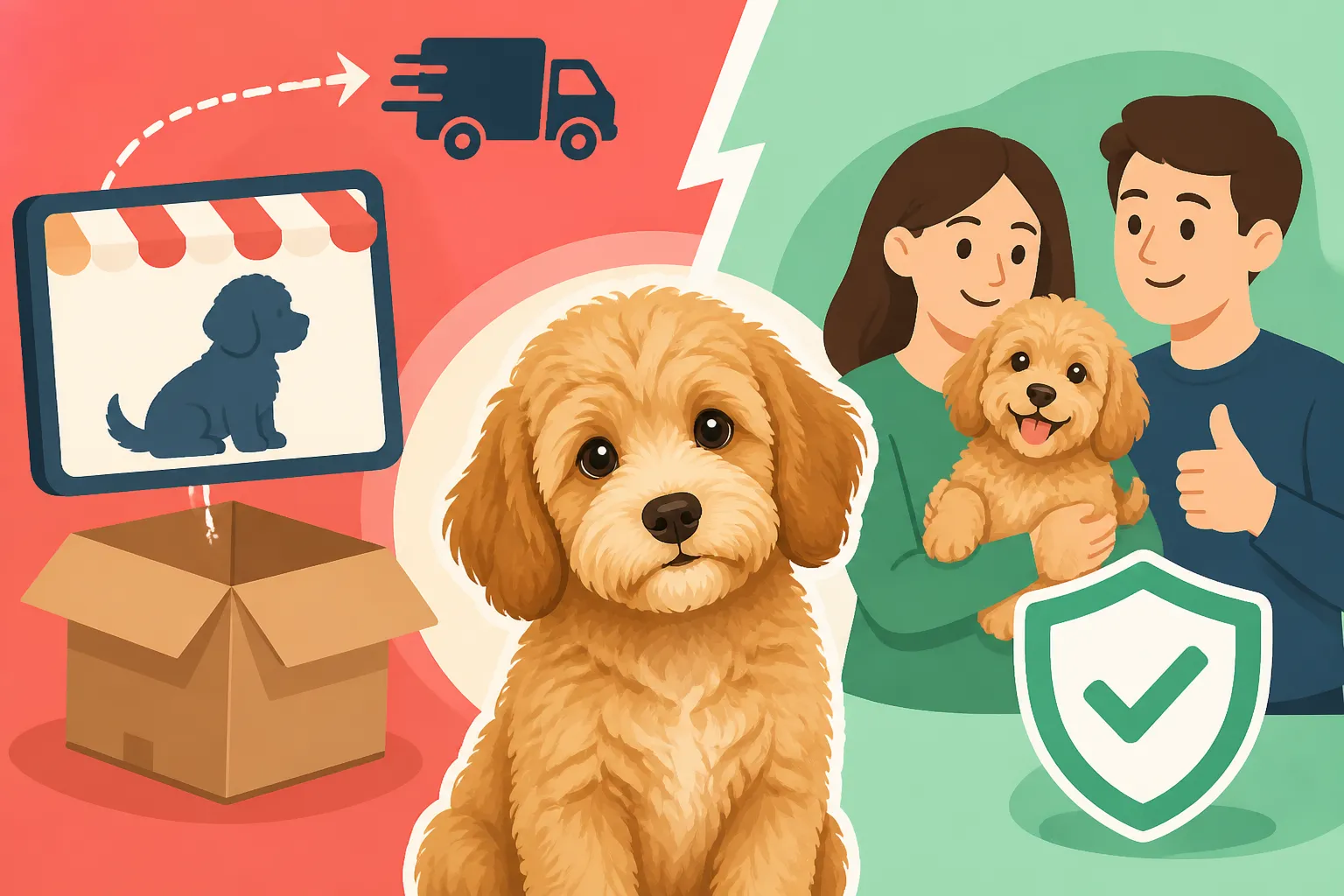
In an age where we buy almost everything online, it’s tempting to think a puppy is just another commodity that can be shipped to your door. You might spot a listing for a Cockapoo that melts your heart, or perhaps a breeder advertises a rare color or size that seems impossible to find locally. The digital storefront makes everything seem legitimate, and the distance might even feel like a minor inconvenience. But for something as vital as a living, breathing family member, bypassing the physical visit is a gamble with incredibly high stakes for both you and the puppy.
The Convenience Factor and the "Perfect Puppy" Illusion
It's easy to get swept up in the excitement when you see an adorable photo or a charming video. Maybe you live in a rural area with few local breeders, or you’re looking for a specific Cockapoo trait that seems to be advertised only across state lines. The internet makes the world feel smaller, bringing these "perfect" puppies right to your screen. Breeders might offer to send additional photos, video calls, or even arrange for transport, making the process seem seamless and low-effort. This convenience is incredibly appealing, especially if you have a busy schedule or geographical limitations.
However, this digital presentation can create a powerful illusion. High-quality photos can mask underlying health issues, temperament quirks, or poor living conditions. A short, curated video might show a playful puppy for a few seconds, but it won't reveal how it behaves consistently, how it interacts with its environment, or if it seems fearful or overly submissive. Scammers and irresponsible breeders are masters at crafting this "perfect puppy" image online to bypass your critical assessment. They know that once you're emotionally invested in an image, you're more likely to overlook red flags. This ease of transaction is precisely what makes such a purchase a trap, often leading buyers down a path of regret and unexpected challenges. Many of the issues we discuss, like finding yourself with The Cockapoo Sold Out of a Mill, stem directly from these remote, unchecked transactions.
The Psychological Pressure and Scammer Tactics
Beyond the illusion of convenience, there's often a significant psychological element at play. Many online sellers, particularly those operating unethically, are adept at creating a sense of urgency and emotional pressure. They might claim the puppy is "the last one left," or that another buyer is "very interested," pushing you to make a quick decision without proper due diligence. They might offer a "discount" if you commit quickly or pay upfront, making it seem like you're getting an exclusive deal.
These tactics are designed to rush you past the crucial step of critical evaluation. Scammers often use sob stories about why they need to rehome puppies quickly or tales of struggling to keep up with the litter, playing on your empathy. They might even try to bypass traditional payment methods, asking for wire transfers or gift cards, which are untraceable and non-refundable. When you cannot physically meet the puppy, the mother, or the breeder, you lose all real-world indicators of legitimacy. You can't observe the breeder's behavior, their home, or how they interact with their animals. This lack of personal interaction is a huge vulnerability that unethical sellers exploit, turning a heartfelt desire for a puppy into a high-risk transaction where you might be asking Whether a Cockapoo Sold Online Is a Scam.
Health Risks You Can't Assess Remotely
The most immediate and heartbreaking danger of buying a Cockapoo sight unseen is the inability to assess its health properly. A puppy is not a product; it’s a living being whose well-being is directly tied to its genetics, early care, and environment. Without a physical visit, you're essentially buying a pig in a poke, risking significant emotional distress and potentially huge veterinary bills down the line.
Missing Critical Health Red Flags
When you meet a puppy in person, you engage all your senses. You can observe its physical condition: Is its coat clean and free of parasites? Are its eyes bright and clear, or are there signs of discharge or redness? Are its ears clean, or do they smell yeasty or have debris? You can watch it move – does it walk with a limp? Does it seem energetic and playful, or lethargic and withdrawn? You can see if its belly is distended (a potential sign of worms) or if its breathing is labored.
These are all critical red flags that are nearly impossible to catch from photos or even video calls. A puppy might have a slight limp, a cough, or an unusual discharge that simply won't translate clearly through a screen. You can't physically check for an umbilical hernia, palpate its joints, or look at its bite. Moreover, you can't observe its behavior over time. A puppy might be perky for a five-minute video call but spend the rest of its day listless or in pain. Issues like The Red Eye That Means a Cockapoo Needs a Vet Tonight or other serious eye conditions, for example, require a veterinarian's trained eye, but often present with subtle signs that a buyer should be able to spot during a visit. Trusting an unseen puppy's health is a leap of faith that often leads to devastating consequences, as many unexpected vet visits reveal issues that were present from the beginning but hidden.
The Importance of Parent Health and Environment
A truly responsible breeder will insist you visit their premises. This isn't just for you to meet your potential puppy; it's so you can observe the puppy’s mother (and often the father, if he lives on-site). Meeting the mother provides invaluable insight into the likely temperament of her offspring. Is she friendly and confident? Or is she timid, anxious, or aggressive? Puppies often inherit behavioral traits from their parents, and observing the mother can give you a strong indication of what to expect as your Cockapoo grows.
More critically, visiting allows you to assess the overall environment where the puppies are being raised. Is it clean, warm, and stimulating? Are the puppies well-socialized and accustomed to household noises? Do they have access to fresh water and appropriate food? Are they confined to small, unsanitary cages, or do they have space to play and explore? A reputable breeder will also be transparent about the health testing of their breeding dogs. They should readily provide proof of genetic health clearances for conditions common in Cockapoos, such as progressive retinal atrophy (PRA) and familial nephropathy (FN), which can come from either the Cocker Spaniel or Poodle side. Asking a breeder for specific documentation, such as The Five Certificates a Cockapoo Breeder Should Show, or specifically Asking a Cockapoo Breeder for the FN Certificate, is crucial. Without a physical visit, any "certificates" sent electronically could be faked, and you have no way to verify the conditions the puppy grew up in. If you do end up with a puppy whose health history is a mystery, a good pet insurance policy, like those offered by Healthy Paws, becomes less of a luxury and more of an absolute necessity to help cover unexpected vet bills.
Temperament, Socialization, and Future Behavior
Beyond physical health, a puppy’s early experiences heavily influence its temperament and future behavior. When you buy a Cockapoo sight unseen, you're not just risking a sick puppy; you're risking a puppy with significant behavioral challenges that can be incredibly difficult, time-consuming, and expensive to address.
Understanding the Puppy's Early Socialization
The first eight to sixteen weeks of a puppy's life are a critical socialization window. During this time, they learn about the world, how to interact with other dogs and humans, and how to cope with new sights, sounds, and experiences. A responsible breeder will ensure their puppies are raised in a rich, stimulating home environment, exposed to everyday household noises like vacuum cleaners, children playing, and general commotion. They will handle the puppies gently, introduce them to different textures and toys, and begin foundational training. This early exposure helps the puppies develop into well-adjusted, confident adult dogs.
When you purchase sight unseen, you have no way to verify these crucial early experiences. Puppies raised in isolation, in unsanitary conditions, or without proper human interaction are much more likely to develop behavioral problems such as fear, aggression, excessive barking, separation anxiety, or difficulty with house-training. They may be fearful of strangers, other dogs, or new environments. Such issues can make integrating the dog into your family incredibly challenging and heartbreaking. It's a stark contrast to a puppy raised with the deliberate care outlined in resources like Raising a Cockapoo Puppy, where early socialization is a cornerstone of their development.
Assessing In-Person for a Good Match
Every puppy in a litter, even from the same parents, has a unique personality. Some are bold and adventurous, others are more reserved and cuddly, and some are full of mischievous energy. Meeting a puppy in person allows you to observe these individual traits. You can see how it reacts to new people, how it plays with its littermates, and whether it seems to bond with you. Do you want a confident explorer or a quiet lap dog? Does the puppy show signs of being A Cockapoo That Cannot Be Left alone for long stretches, or does it seem more independent? These are nuances that simply cannot be conveyed through pictures or brief videos.
A good breeder will also help you choose a puppy that’s a good match for your lifestyle and family dynamics. They will ask questions about your home environment, your experience with dogs, and what you’re looking for in a companion. This matching process is nearly impossible when the interaction is entirely remote. You might end up with a high-energy puppy that overwhelms your quiet household, or a shy puppy that struggles in a bustling family with young children. Understanding a puppy's initial reaction to things, like its comfort level with children, which is explored in A Cockapoo With Children, is far more effective when observed directly rather than guessed from a distance.
Financial and Ethical Implications of Remote Purchases
Beyond the health and temperament risks, buying a Cockapoo sight unseen carries significant financial and ethical implications that buyers often overlook until it’s too late. What seems like a convenient or even cost-saving option can quickly become a financial burden and an ethical compromise.
The True Cost of a "Bargain" Puppy
It's tempting to seek out the cheapest available option, especially when Cockapoo prices can vary widely. However, a low upfront price for a puppy purchased sight unseen is often a massive red flag. These "bargains" frequently come from puppy mills or backyard breeders who cut corners on veterinary care, nutrition, and proper socialization to maximize profit. This neglect almost always translates into significant, unforeseen costs for the new owner.
Imagine bringing home a puppy only to discover it has a severe parasitic infection, a congenital heart defect, or a chronic ear infection that requires ongoing treatment. You could be facing thousands of dollars in vet bills for conditions that were preventable or diagnosable by a responsible breeder. Furthermore, a poorly socialized puppy often requires extensive, and expensive, behavioral training to correct issues that stem from its early environment. This means enrolling in puppy classes, hiring a professional trainer, or even seeking a veterinary behaviorist. The initial "savings" quickly evaporate, and you're left with a financial drain and a heart full of worry. Many owners who thought they got a deal quickly learn What a Mill Bred Cockapoo Costs You Later. When you finally get your puppy home, you'll need all the essentials from a reliable source like Chewy, from quality food to a comfortable bed, but these purchases should come after you've thoroughly vetted your pup. Should your pup arrive with digestive sensitivities due to poor early nutrition, you might find yourself exploring specialized diets, perhaps even fresh food options from services like Ollie, to get their system back on track.
Supporting Ethical Breeding Practices
Every time a puppy is purchased sight unseen from an unknown source, there's a high probability that it directly supports unethical breeding practices. Puppy mills, notorious for breeding dogs in inhumane conditions solely for profit, thrive on anonymous online sales. These operations often keep parent dogs in deplorable conditions, with little to no veterinary care, poor nutrition, and no mental stimulation. The puppies born in these environments are often sickly, malnourished, and lack proper socialization.
By buying a puppy without seeing its origins, you are unwittingly contributing to this cruel cycle. Responsible, ethical breeders operate with transparency and pride. They welcome visitors, allow you to meet the parent dogs, and are happy to answer any questions about their breeding philosophy, health testing, and puppy-raising practices. They prioritize the health, temperament, and welfare of their dogs above all else. Understanding Why Cockapoos Fill Puppy Mills can highlight the importance of conscious purchasing decisions. Choosing to visit a breeder and conduct thorough due diligence is not just about protecting yourself; it's about supporting ethical practices and working towards a future where all dogs are bred and raised humanely.
Here's a quick comparison to help solidify the dangers and benefits:
| Feature/Consideration | Buying Sight Unseen | Buying In-Person from a Reputable Breeder |
|---|---|---|
| Health Assessment | Highly unreliable; risks missed red flags. | Direct observation of puppy's physical health, gait, and demeanor. |
| Parent & Environment Check | Impossible to verify; relies on seller's word/photos. | Meet the mother (and sometimes father); observe living conditions. |
| Temperament Prediction | Pure guesswork; no insight into individual personality. | Observe puppy's interaction with littermates/humans; breeder guidance. |
| Genetic Health Guarantees | Easily faked documents; no verification. | Verify health certificates in person; discuss genetic testing details. |
| Socialization Quality | Unknown; high risk of inadequate early experiences. | Observe puppy's comfort level, exposure to household stimuli. |
| Scam Risk | Very high; vulnerability to fraud and misrepresentation. | Significantly lower; direct interaction builds trust and accountability. |
| Long-term Costs | Potentially very high vet bills and behavioral training. | Generally lower; healthier, better-adjusted puppy from the start. |
| Ethical Impact | Risks supporting puppy mills/irresponsible breeders. | Supports ethical breeding and animal welfare. |
In conclusion, while the allure of a convenient, sight-unseen Cockapoo purchase can be strong, the risks far outweigh any perceived benefits. Protecting yourself, your family, and most importantly, the puppy itself, requires patience, research, and an unwavering commitment to seeing the puppy, its parents, and its environment in person. Make the responsible choice, and your future Cockapoo will thank you for it with years of healthy, happy companionship.
Disclaimer
This article is for general informational purposes only and does not constitute professional advice. Laws, prices and regulations vary by location and change over time. Consult a qualified professional for guidance on your specific situation.