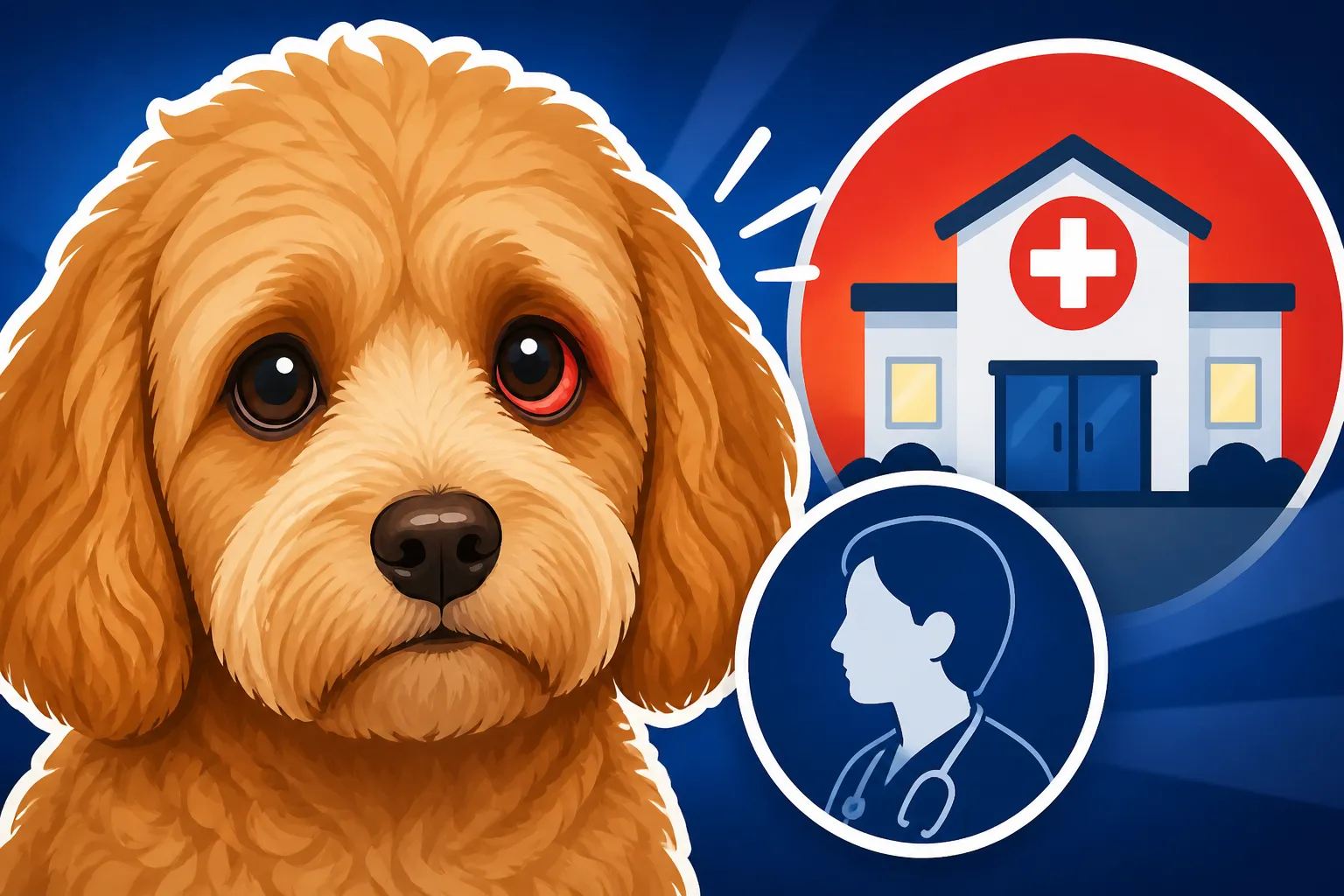
The Red Eye That Means a Cockapoo Needs a Vet Tonight
Seeing your beloved Cockapoo's eye suddenly turn red can send a wave of panic through any pet parent. It's not just a little irritation; a truly red eye is often a blaring siren indicating an urgent problem that needs immediate veterinary attention. This guide will help you understand what might be behind that alarming red color, what steps you need to take right away, and how to prepare for your vet visit, ensuring your furry friend gets the prompt care they deserve.
The Alarming Truth Behind Your Cockapoo's Red Eye
A red eye in your Cockapoo isn't merely a cosmetic issue; it's a critical symptom that demands your immediate attention. Many underlying conditions can manifest as redness, and some of them progress incredibly quickly, leading to severe pain or even irreversible vision loss if not addressed swiftly. The delicate structures of a Cockapoo's eye, inherited from both their Cocker Spaniel and Poodle lineage, are susceptible to a range of issues that can turn serious in a matter of hours.
Why Red Eyes Demand Immediate Attention
When you notice your Cockapoo's eye looking bloodshot, inflamed, or simply "off," it’s your cue to spring into action. Think of the eye as a complex, miniature organ, and redness as a sign of distress within it. This distress could be due to anything from an external irritant to a severe internal disease. Unlike a minor skin scratch that might heal on its own, eye issues often don't resolve without intervention. In fact, delaying treatment for even a few hours can be the difference between a full recovery and permanent damage. For instance, conditions like acute glaucoma can lead to blindness extremely rapidly, and the pain associated with it is immense. The speed at which some of these conditions can escalate is why "wait and see" is never the right approach when it comes to your Cockapoo's eyes.
Differentiating Minor Irritation from an Emergency
It's natural to wonder if your Cockapoo just got a bit of dust in their eye or if something truly serious is happening. While a mild, temporary redness might stem from something innocuous, there are clear indicators that signal an emergency. If the redness is accompanied by any of the following, it’s time to call your vet without hesitation:
- Squinting or holding the eye shut: This is a strong sign of pain or discomfort.
- Excessive tearing or discharge: Clear, watery discharge is common with irritation, but thick, pus-like, or bloody discharge is a red flag.
- PawAt the eye or rubbing their face: Your Cockapoo is trying to alleviate pain or remove something irritating.
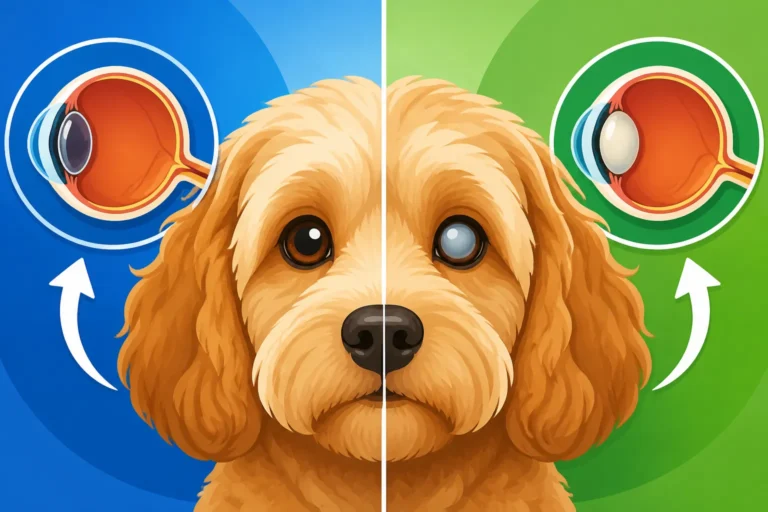
- Cloudiness or a bluish haze to the cornea: This can indicate swelling within the cornea itself, often seen with glaucoma or deep ulcers.
- Changes in pupil size or shape: An unusually dilated or constricted pupil, especially if only in one eye, can point to significant internal eye problems like glaucoma or uveitis.
- Visible injury or foreign object: If you can see a scratch, a foreign body, or obvious swelling around the eye.
- Sensitivity to light: Your dog might shy away from bright areas or squint even more in light.
- Lethargy or loss of appetite: These general signs of illness can accompany severe eye pain.
If only one eye is affected, it often points to a localized problem, which can sometimes be more urgent than bilateral redness. However, bilateral redness (both eyes affected) can also be serious, indicating systemic illness or widespread irritation. When in doubt, always err on the side of caution and consult a veterinary professional.
Understanding the Urgent Causes of a Red Eye in Cockapoos
Knowing the specific conditions that can cause a red eye in your Cockapoo can help you communicate more effectively with your vet and understand the gravity of the situation. Some conditions are incredibly painful and can lead to rapid vision loss, making timely intervention crucial.
Glaucoma: The Silent Blinder
Glaucoma is one of the most devastating eye conditions your Cockapoo can face, and it often presents as a red, painful eye. This condition, where the pressure inside the eye (intraocular pressure) rises to dangerous levels, is unfortunately a significant concern for Cockapoos due to their Cocker Spaniel heritage. The Cocker Spaniel breed is predisposed to primary glaucoma, a hereditary condition. When the normal fluid drainage within the eye is disrupted, pressure builds, damaging the optic nerve and retinal cells, leading to severe pain and rapid vision loss. This rise in pressure can happen incredibly quickly, sometimes within hours, transforming a perfectly healthy eye into a distressed, swollen, and potentially blind one.
If your Cockapoo develops glaucoma, you might notice the eye appearing cloudy or bluish, the pupil becoming dilated and unresponsive to light, and the entire eyeball feeling firm to the touch. Your dog will likely be in extreme pain, squinting, pawing at their face, and withdrawing. It's truly an emergency. Understanding The Glaucoma a Cockapoo Inherits From the Cocker can help you be more vigilant. For cases where glaucoma is severe and vision cannot be saved, a vet might discuss options like enucleation, which is why considering Whether a Glaucomatous Cockapoo Loses the Eye is a painful, but sometimes necessary, conversation for owners.
Corneal Ulcers and Foreign Objects
The cornea, the clear outer layer of the eye, is quite vulnerable to injury. A corneal ulcer is essentially an open sore on this surface, and it is incredibly painful. Cockapoos, with their active, curious natures, can easily get foreign objects lodged in their eyes during play or walks. Grass seeds, grit, dust, or even a scratch from a branch or another animal can abrade the cornea, leading to an ulcer. Even seemingly minor irritations can cause enough trauma to the delicate surface for an ulcer to form.
Symptoms of a corneal ulcer include intense redness, excessive tearing (epiphora), squinting, and your dog constantly pawing at their eye. You might even see a visible defect on the cornea if the ulcer is large enough, though smaller ones are usually invisible to the naked eye. Sometimes, Whether Hair in a Cockapoo's Eyes Scratches the Cornea can contribute to these painful ulcers, especially if the hair isn't trimmed regularly. Similarly, a condition like Whether a Cockapoo's Eyelids Roll Inward, known as entropion, can cause eyelashes to constantly rub against the cornea, leading to chronic irritation and ulceration. These ulcers, if left untreated, can become infected, deepen, and in severe cases, even perforate the eyeball, leading to irreversible damage or loss of the eye.
Uveitis: Internal Eye Inflammation
Uveitis is the inflammation of the uvea, the middle layer of the eye that includes the iris, ciliary body, and choroid. Unlike glaucoma or ulcers which are often localized, uveitis can be a sign of a systemic illness affecting the entire body, or it can be caused by trauma, infections, or even certain autoimmune diseases. For instance, if your Cockapoo has an underlying condition related to The Autoimmune Diseases a Cockapoo Can Inherit, uveitis could be a secondary manifestation.
When a Cockapoo has uveitis, their eye will typically appear very red, often with a constricted pupil (miosis). They might also exhibit photophobia (sensitivity to light), excessive tearing, and a cloudy appearance to the cornea. The inflammation can lead to the breakdown of the blood-ocular barrier, causing proteins and inflammatory cells to leak into the eye's chambers, which can appear as cloudiness or even blood in the front of the eye. Uveitis is serious because it can lead to secondary glaucoma, cataracts, or retinal detachment if not managed aggressively, making early diagnosis and treatment critical.
Trauma and Injury
Sometimes, the cause of a red eye is more obvious: direct trauma. This could be anything from running into furniture, getting hit by a toy, a scratch during play with another dog, or even a fall. Even seemingly minor impacts can cause significant damage to the delicate structures of the eye, leading to redness, swelling, and internal bleeding.
Signs of eye trauma can vary widely depending on the severity and nature of the injury. You might see obvious cuts or punctures, bruising around the eye, swelling of the eyelids, or blood within the eye (hyphema). The eye might be sunken or bulging, and your Cockapoo will likely be in considerable pain, hesitant to open the eye. Even if the visible injury seems minor, never assume it’s not serious. Internal damage can be hidden from plain sight, and conditions like detached retinas or optic nerve damage can occur without external signs beyond redness and pain. Any suspected trauma to the eye warrants an immediate veterinary evaluation.
Your Action Plan: What to Do When Red Eye Strikes
Discovering your Cockapoo with a red, painful eye can be scary, but knowing exactly what to do can make all the difference in the outcome. Quick, decisive action is paramount to preserving your dog's vision and comfort.
Prioritizing Your Vet Visit
When you see a truly red eye, your first and most important step is to contact your veterinarian immediately. Do not wait for normal business hours if it's evenings or weekends; call your emergency veterinary clinic. Clearly explain the symptoms you’re seeing: how red the eye is, if your Cockapoo is squinting, pawing at it, or if there's any discharge or cloudiness. The vet or technician on the phone will advise you on the urgency, but in most cases of acute red eye, they will want to see your dog as soon as possible.
Before you head to the clinic, gather any relevant information you can provide:
- When did you first notice the redness?
- Are there any other symptoms (pain, discharge, behavioral changes)?
- Has your Cockapoo had any recent injuries or been exposed to anything unusual?
- Has your dog had any eye issues in the past, or do they have any other health conditions?
- What medications, if any, is your Cockapoo currently on?
This information will be incredibly helpful to the veterinary team as they begin their assessment. If you have pet insurance, like a plan from Healthy Paws, make sure you have your policy details handy. While the priority is getting care, knowing your coverage can help manage stress about unexpected costs later.
Safe At-Home Management Before the Vet
While you should always prioritize getting to the vet, there are a few things you can do to help your Cockapoo on the way, but it's crucial to exercise extreme caution and never self-medicate.
- Do NOT administer human eye drops: Many human eye drops contain ingredients that can be harmful or even toxic to dogs, especially if a corneal ulcer is present. Never use drops that weren't specifically prescribed for your dog by a vet.
- Prevent pawing or rubbing: If your Cockapoo is trying to rub their eye, gently place an Elizabethan collar (e-collar or "cone of shame") on them if you have one at home. This prevents further self-trauma, which can worsen ulcers or introduce infection.
- Keep them calm and comfortable: Try to keep your dog in a quiet, dimly lit area to minimize stress and sensitivity to light.
- Gentle cleaning (with caution): If you suspect a foreign body and it's visible and loose, you could try a very gentle flush with sterile saline solution (the kind used for contact lenses, not saline nasal spray), but only if your dog tolerates it without struggling. Do NOT rub the eye, or use tap water, which isn't sterile. If your dog resists, stop immediately to avoid causing more injury.
- Avoid any pressure: Do not attempt to squeeze or manipulate the eye.
Remember, these are temporary measures to provide some relief until you reach the professional care your Cockapoo needs. The most important "at-home management" is getting them to the vet.
Diagnosis, Treatment, and Long-Term Eye Health
Once you've arrived at the veterinary clinic, the dedicated team will work quickly to diagnose the cause of your Cockapoo's red eye and start appropriate treatment. Understanding their process can help ease your mind during what can be a stressful time.
What the Vet Will Do
The veterinary examination for a red eye is thorough and precise. Your vet will first take a detailed history, asking about the onset of symptoms, any known trauma, and your dog's general health. Then, they will perform a comprehensive eye exam, which typically includes:
- Schirmer Tear Test: This measures tear production to check for conditions like Whether a Cockapoo Gets Dry Eye, which can cause chronic redness and irritation.
- Fluorescein Stain: A special dye is applied to the eye. This dye adheres to any areas where the outermost corneal layer is damaged (like an ulcer), glowing bright green under a blue light. This test is crucial for diagnosing corneal ulcers.
- Tonometry: This involves using a specialized instrument to measure the pressure inside the eye. This is a critical test for diagnosing or ruling out glaucoma.
- Ophthalmoscopy: Your vet will use an ophthalmoscope to examine the internal structures of the eye, including the retina and optic nerve, looking for signs of inflammation (uveitis), bleeding, or other abnormalities.
- External Examination: They'll carefully inspect the eyelids, lashes, and surrounding tissues for swelling, foreign bodies, or anatomical issues. They might check if Whether a Cockapoo's Eyelids Roll Inward is causing issues.
- Blood Tests: If systemic illness or autoimmune disease is suspected (especially with uveitis), blood work might be recommended to identify underlying causes. This might involve looking into possible links with The Autoimmune Diseases a Cockapoo Can Inherit.
Based on these tests, your vet will be able to make a diagnosis and discuss the best course of action.
Treatment Options and Prognosis
Treatment for a red eye in your Cockapoo is entirely dependent on the underlying diagnosis. It’s rarely a one-size-fits-all solution.
- For Glaucoma: Immediate treatment is vital to reduce intraocular pressure. This typically involves a combination of eye drops that decrease fluid production or increase drainage, and sometimes oral medications. In severe cases, or if medication isn't enough, surgical interventions such as laser cyclophotocoagulation or shunt placement might be considered. The prognosis depends heavily on how quickly treatment is initiated and the severity of the pressure spike. Regular follow-up and lifelong management are often necessary.
- For Corneal Ulcers: Treatment focuses on promoting healing and preventing infection. This often includes topical antibiotic eye drops or ointments, pain medication, and sometimes atropine drops to dilate the pupil and relieve spasm. An e-collar is almost always necessary to prevent self-trauma. Deeper or non-healing ulcers may require surgical debridement or even a conjunctival flap procedure.
- For Uveitis: Anti-inflammatory eye drops (steroids or non-steroidal anti-inflammatories) are the mainstay of treatment, often combined with atropine to prevent painful spasms and secondary glaucoma. If an underlying cause like an infection is identified, systemic antibiotics or antifungals will also be prescribed. The prognosis varies based on the cause and how well the inflammation is controlled.
- For Trauma: Treatment will address the specific injury. This could range from removing a foreign object and treating a resulting ulcer, to administering pain relief, antibiotics, and in severe cases, surgical repair for lacerations or internal damage.
Regardless of the diagnosis, adherence to the prescribed medication schedule is absolutely critical. Missing doses or stopping treatment prematurely can lead to recurrence or worsening of the condition. These emergency visits and treatments can be costly, and this is where having pet insurance, such as a comprehensive plan from Healthy Paws, can really make a difference, covering a significant portion of unexpected veterinary bills. It’s a worthwhile investment for any Cockapoo owner.
Preventing Future Eye Emergencies
While not all eye problems are preventable, there are several steps you can take to minimize the risk of future emergencies and maintain your Cockapoo's ocular health:
- Regular Veterinary Check-ups: Ensure your Cockapoo has routine veterinary examinations, which should always include an eye check. Discuss any concerns you have, even minor ones, with your vet. Consider asking your vet about The Kidney and Eye Checks a Cockapoo Needs Yearly.
- Yearly Ophthalmic Exams: For breeds predisposed to eye conditions, like Cockapoos with their Cocker Spaniel lineage, a yearly certification exam with a veterinary ophthalmologist (CAER exam) can be highly beneficial to screen for inherited eye diseases. This is why many breeders will provide Asking for a Cockapoo's Eye Certificates, and you should ask for proof that Whether a Cockapoo Needs a Yearly CAER Exam is performed.
- Proper Grooming: Keep the hair around your Cockapoo's eyes trimmed short to prevent irritation from long strands poking the eye. This also helps keep the area clean and free of debris. If you're concerned about trimming close to the eyes, a professional groomer can help.
- Protective Eyewear (Doggles): If your Cockapoo is highly active in environments with tall grasses, brush, or strong winds, "doggles" (dog goggles) can offer protection against foreign objects and irritants.
- Avoid Irritants: Be mindful of household chemicals, sprays, or even strong outdoor winds that could irritate your dog's eyes.
- Daily Eye Checks: Get into the habit of quickly looking at your Cockapoo's eyes daily. Look for clarity, brightness, and ensure there's no excessive discharge or redness. Early detection of changes can lead to quicker treatment and better outcomes.
By being proactive and vigilant, you can significantly contribute to your Cockapoo's long-term eye health and hopefully prevent future red eye scares.
| Symptom Cluster | Possible Urgent Cause | Urgency Level | Potential Outcome (Untreated) |
|---|---|---|---|
| Redness, Cloudiness, Dilated Pupil, Pain | Glaucoma | IMMEDIATE | Permanent Blindness, Eye Removal |
| Redness, Squinting, Tearing, Pawing, Visible Injury | Corneal Ulcer/Foreign Body | HIGH | Infection, Vision Loss, Eye Perforation |
| Redness, Constricted Pupil, Light Sensitivity | Uveitis | HIGH | Glaucoma, Cataracts, Retinal Detachment |
| Redness, Swelling, Bleeding, Visible Trauma | Eye Trauma | IMMEDIATE | Vision Loss, Eye Removal, Secondary Infection |
| Chronic Redness, Thick Discharge, Dryness | Keratoconjunctivitis Sicca (Dry Eye) | MODERATE | Chronic Pain, Vision Impairment |
Disclaimer
The information provided in this guide is for informational purposes only and does not constitute veterinary medical advice. Always consult with a qualified veterinarian for any health concerns or before making any decisions about your pet's health or treatment.