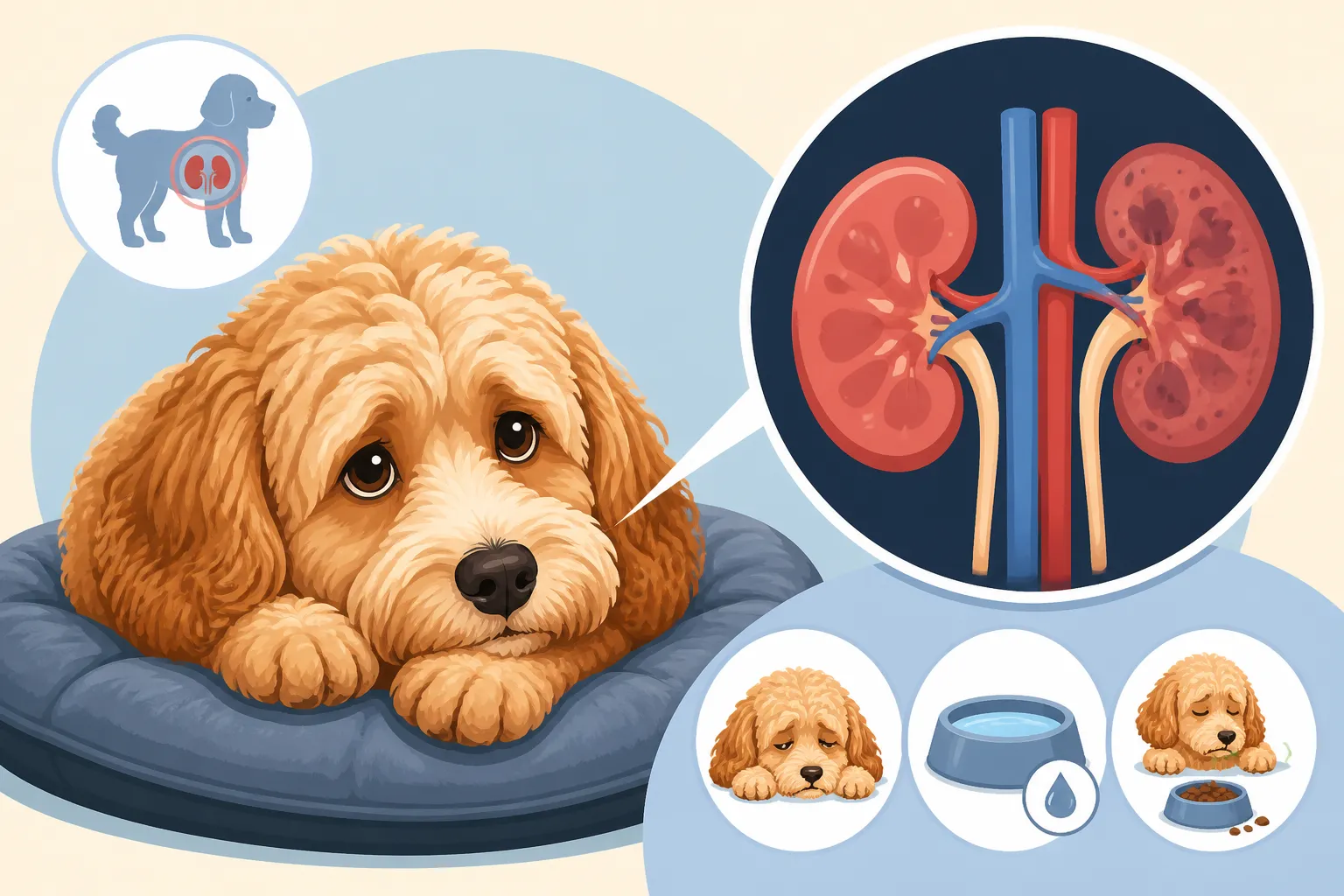
The First Signs of Kidney Failure in a Cockapoo
It’s truly heartbreaking when you notice subtle changes in your beloved Cockapoo, those little quirks that might hint at something more serious brewing beneath the surface. Among the most concerning health issues a dog can face is kidney disease, and for us Cockapoo parents, the worry can be even more acute due to certain predispositions. This comprehensive guide is here to walk you through the often-missed initial signs of kidney failure in Cockapoos, helping you understand what to look for, why it happens, and what steps to take.
Understanding Kidney Function in Cockapoos (and Why it Matters So Much)
The kidneys are powerhouse organs, doing so much more than just filtering waste from the blood. They play a critical role in maintaining overall health, and when they start to falter, it has a ripple effect throughout your Cockapoo's entire system. Knowing what these vital organs do can help you better appreciate the severity of any changes you observe.
The Kidneys' Vital Role
Think of your Cockapoo's kidneys as sophisticated purification plants. Their primary job is to filter waste products, toxins, and excess minerals from the bloodstream, producing urine in the process. But that's just the start! They also regulate blood pressure, produce hormones essential for red blood cell production, and maintain a delicate balance of electrolytes like sodium, potassium, and calcium. They even help control hydration levels. When the kidneys are healthy, they work tirelessly and efficiently, ensuring everything else runs smoothly. However, they're incredibly resilient, which, paradoxically, can be a problem—your Cockapoo can lose a significant portion of kidney function (sometimes up to 75%) before showing outward signs of illness. This makes early detection so incredibly challenging and why understanding even the most subtle changes is paramount.
Why Cockapoos Are at Risk
While any dog can develop kidney issues, Cockapoos, being a crossbreed, can inherit genetic predispositions from both their Cocker Spaniel and Poodle lineage. One of the most significant concerns for Cockapoo owners, particularly those with American Cocker Spaniel heritage, is a condition called Familial Nephropathy (FN). This is a hereditary form of kidney disease that can lead to early-onset kidney failure. It’s an autosomal recessive condition, meaning a puppy must inherit a copy of the defective gene from both parents to be affected. If a breeder hasn't diligently screened their breeding dogs, affected puppies can, unfortunately, be born.
It's truly devastating to think that a young, seemingly healthy puppy could be carrying such a serious genetic time bomb. Beyond FN, other factors can also contribute to kidney problems in Cockapoos, just like any other breed. These can include urinary tract infections that travel up to the kidneys, blockages, certain medications, exposure to toxins, or age-related degeneration. If you're considering a puppy, it's absolutely vital to discuss any specific health concerns with your breeder, including asking about Familial Nephropathy and the Kidneys a Cockapoo Can Inherit.
Subtle Early Warning Signs of Kidney Trouble
Recognizing the very first, often vague, signs of kidney failure is incredibly important because it allows for earlier intervention, which can significantly impact your Cockapoo's prognosis and quality of life. These aren't always dramatic symptoms, but rather slight shifts in your dog's daily habits that, when put together, can paint a concerning picture.
Changes in Thirst and Urination Habits
This is, hands down, one of the most common and earliest indicators that something might be amiss with your Cockapoo's kidneys. You might start noticing your dog making more frequent trips to the water bowl, seeming unquenchably thirsty. They might even begin drinking from unusual sources like the toilet, shower puddles, or outdoor bird baths, things they never paid attention to before. This increased thirst (polydipsia) naturally leads to increased urination (polyuria).
You might find yourself letting your Cockapoo out more often, or discovering accidents in the house overnight, even if they've been perfectly house-trained for years. The urine itself might appear less concentrated, almost watery, because the damaged kidneys are no longer able to effectively reabsorb water back into the body. This is a critical symptom, and if you find yourself asking Whether a Cockapoo Drinking Constantly Should Be Tested, the answer is almost always yes. Don't dismiss it as just a phase or a change in routine; it warrants a call to your vet. Keeping track of how much water your Cockapoo drinks in a day and how often they need to go outside can be very helpful information for your veterinarian.
Appetite and Weight Changes
Another subtle, yet significant, sign to watch for is a change in your Cockapoo's eating habits and body condition. Has your usually food-motivated Cockapoo suddenly become picky, turning up their nose at their favorite kibble or treats? A decreased appetite (anorexia) is common as toxins build up in the blood, making your dog feel nauseous. They might eat a little, then walk away, or refuse to eat at all.
Along with a reduced appetite, you might start to notice your Cockapoo losing weight. This isn't just about fitting into their harness differently; it's a visible reduction in muscle mass and overall body condition. This weight loss can be gradual, making it easy to miss until it becomes quite pronounced. You might feel their ribs more easily, or their hips might become more prominent. It's a particularly worrying sign if your Cockapoo is still young, and you find yourself wondering Whether Weight Loss in a Young Cockapoo Means Kidneys. If they're not eating well and dropping pounds, especially without any other obvious cause like a change in diet or increased exercise, it's definitely time for a veterinary check-up.
Energy Levels and General Demeanor
Our Cockapoos are typically bundles of joyous energy, always ready for a walk, a game of fetch, or a cuddle. So, when that boundless enthusiasm starts to wane, it's a huge red flag. An early sign of kidney trouble can be a noticeable decrease in energy levels and a general shift in their demeanor. They might be less keen on their usual walks, preferring to nap more often throughout the day. Playtime might become shorter, or they might not initiate games as frequently.
You might observe them being unusually quiet, perhaps not greeting you with the same exuberance as before. They might appear withdrawn or just generally "off." This lethargy is often due to the accumulation of toxins in their system, making them feel unwell and tired. It's not just about them being older either; these changes can appear in younger Cockapoos affected by conditions like Familial Nephropathy. Many owners who have dealt with this will tell you that their dog just didn't seem like themselves. This kind of vague symptom is tough because it could point to many things, but when combined with increased thirst or reduced appetite, it strengthens the case for kidney investigation.
More Overt Symptoms That Demand Immediate Attention
As kidney disease progresses, the symptoms tend to become more pronounced and alarming. These signs usually indicate that the kidneys have lost a significant amount of their function, and the build-up of toxins is severely impacting your Cockapoo's health. When you see these, don't delay – get to the vet right away.
Nausea, Vomiting, and Diarrhea
When the kidneys aren't effectively filtering waste, toxins like urea and creatinine build up in the bloodstream, a condition known as uremia. This can wreak havoc on the gastrointestinal system, leading to uncomfortable and often distressing symptoms. You might notice your Cockapoo experiencing bouts of nausea, which can manifest as excessive drooling, lip-licking, or reluctance to eat.
Vomiting is a very common sign of advanced kidney disease. It can be occasional or frequent, and the vomit might be bile-stained or contain undigested food. Sometimes, owners report their dog throwing up foamy white liquid. Diarrhea, too, can be a symptom, often occurring alongside vomiting. The digestive upset isn't just unpleasant; it further contributes to dehydration and nutrient loss, exacerbating the decline in your Cockapoo's health. These symptoms, especially if they are persistent or severe, are a clear indicator that your dog needs urgent veterinary care.
Bad Breath and Oral Issues
This might seem like a strange symptom for kidney failure, but it’s a very real and distinct indicator of uremia. As those waste products build up in the blood, they can actually be excreted through the breath, causing a distinct, unpleasant odor often described as ammonia-like or metallic. This is known as uremic breath, and it's quite different from typical "dog breath."
Beyond the smell, the elevated toxin levels can also cause painful oral lesions. You might notice ulcers or sores developing on your Cockapoo's gums, tongue, or inside their cheeks. These ulcers can make eating even more uncomfortable for an already nauseous dog, further contributing to a loss of appetite and weight. Always check your dog's mouth if you notice unusual breath or a reluctance to eat, as these oral issues are a clear sign of systemic distress from kidney dysfunction.
Weakness, Coordination Problems, and Seizures
In the more advanced stages of kidney failure, the impact on your Cockapoo's central nervous system can become apparent. The severe imbalance of electrolytes and the high levels of toxins can lead to neurological symptoms that are incredibly frightening to witness. Your Cockapoo might exhibit general weakness, struggling to stand or walk, or appear unsteady on their feet. Their gait might become wobbly or uncoordinated.
Muscle tremors can also occur, and in the most severe cases, kidney failure can even trigger seizures. These seizures can range from mild twitching to full-body convulsions. Seeing your beloved Cockapoo experiencing such distress is incredibly upsetting, and these types of symptoms demand immediate, emergency veterinary attention. At this point, the disease is quite advanced, and rapid intervention is crucial to stabilize your dog. This is why it’s so important to be aware of the earlier, more subtle signs, to hopefully prevent progression to such a critical stage.
Here's a quick summary of what to look for:
| Symptom Category | Early/Subtle Signs | More Overt/Advanced Signs |
|---|---|---|
| Thirst & Urination | Increased drinking (polydipsia), increased urination (polyuria), nighttime accidents, less concentrated urine | Severe dehydration, complete inability to urinate (anuria) |
| Appetite & Weight | Pickiness, reduced interest in food, gradual weight loss | Complete refusal to eat, rapid and significant weight loss, muscle wasting |
| Energy & Demeanor | Lethargy, increased sleeping, less enthusiasm for play, quietness | Extreme weakness, collapse, unresponsiveness |
| Digestive System | Occasional mild nausea (lip licking, drooling) | Frequent vomiting, diarrhea, loss of fluids, stomach ulcers |
| Oral Health | Foul, ammonia-like breath (uremic breath), mouth ulcers | |
| Neurological | Muscle tremors, uncoordinated gait, disorientation, seizures |
What to Do If You Spot These Signs
Finding any of these signs in your Cockapoo can be terrifying, especially knowing the potential seriousness of kidney disease. But the absolute best thing you can do is act quickly. Don't wait to see if things improve; time is truly of the essence when it comes to kidney health.
The Importance of Early Veterinary Intervention
If you notice any of the subtle or overt symptoms discussed, especially a combination of them, your very first step should be to call your veterinarian. Describe everything you've observed, no matter how minor it seems. Your vet will likely want to see your Cockapoo for an examination and some diagnostic tests. These tests are crucial for getting a clear picture of what's happening internally.
Typically, this will involve blood work, specifically looking at kidney values like Blood Urea Nitrogen (BUN) and creatinine, as well as phosphorus levels. They'll also perform a urinalysis to check the urine's concentration, presence of protein, and other indicators. An ultrasound might also be recommended to visualize the kidneys and check for any structural abnormalities. It's incredibly important to remember that The Bloodwork That Catches a Cockapoo's Kidney Disease can provide invaluable information, but changes in these values often only become apparent after a significant amount of kidney function has already been lost. This emphasizes why your observations at home are so vital. Early diagnosis might allow for management strategies that slow the progression of the disease. This is where pet insurance, like a plan from Healthy Paws, can really come in handy, covering a portion of these diagnostic costs and ongoing treatments, giving you one less thing to worry about during a stressful time.
Supporting Your Cockapoo Through Diagnosis and Management
Receiving a diagnosis of kidney disease is devastating, but it's not always an immediate death sentence. Depending on the stage and cause of the disease, there are often ways to manage it and improve your Cockapoo's quality of life. Your vet will work with you to create a tailored treatment plan, which often includes a special kidney-friendly diet. These diets are typically lower in protein, phosphorus, and sodium, designed to reduce the workload on the kidneys and slow the accumulation of toxins. Knowing What a Kidney Diet Costs a Cockapoo Owner might be a shock, but it's often a cornerstone of management.
Hydration is also key; ensuring your Cockapoo always has access to fresh water is paramount. Your vet might also prescribe medications to control symptoms like nausea, reduce blood pressure, or manage phosphorus levels. Regular monitoring through follow-up blood and urine tests will be necessary to track the disease's progression and adjust treatment as needed. It's a journey, not a sprint, and requires dedication and patience. Pet parents often find solace in connecting with others going through similar experiences, realizing they're not alone. When you consider The Kidney and Eye Checks a Cockapoo Needs Yearly, remember that these preventative and monitoring steps are essential throughout your dog's life, especially if kidney issues are a concern. Having a reliable pet insurance provider like Healthy Paws can truly alleviate the financial burden of these ongoing check-ups and treatments, allowing you to focus on your Cockapoo's comfort and care.
Disclaimer
This article is intended for informational purposes only and does not constitute veterinary advice. Always consult with a qualified veterinarian for any health concerns or before making any decisions about your Cockapoo's care.