Whether a Cockapoo Drinking Constantly Should Be Tested
It’s incredibly unsettling when your beloved Cockapoo, usually so full of energy and playful curiosity, suddenly starts drinking water like there's no tomorrow. You might find yourself constantly refilling their bowl, noticing more frequent potty breaks, and a gnawing worry starts to set in – is this normal, or is something serious going on? This guide is here to walk you through understanding your Cockapoo's thirst, helping you distinguish between typical behavior and potential warning signs that warrant a trip to the vet.
Understanding Your Cockapoo's Thirst: What's Normal, What's Not?
As a Cockapoo parent, you're constantly tuned into your furry friend's habits. So when you notice a change in something as fundamental as their water intake, it's natural to feel a bit concerned. The key is to first understand what constitutes "normal" hydration for a dog of their size and activity level, and then consider environmental and behavioral factors that might influence it before jumping to conclusions.
Daily Water Intake for Cockapoos
Generally speaking, dogs need about one ounce of water per pound of body weight per day. So, if you have a 15-pound Miniature Cockapoo, they should ideally be consuming around 15 ounces of water daily. This isn't a hard and fast rule, of course; individual needs can vary widely. A tiny Toy Cockapoo might need less, while a larger Maxi Cockapoo will naturally require more. It's about being observant of what's normal for your dog.
Think about your Cockapoo's diet too. If they primarily eat dry kibble, they're going to get most of their hydration from their water bowl. Dogs on a diet of wet food, or those who get a lot of fresh fruits and vegetables as treats, might naturally drink less from their bowl because they're taking in moisture through their food. It’s a delicate balance, and any drastic shift in their established routine should catch your attention.
Common Reasons for Increased Thirst Non-Medical
Sometimes, increased thirst isn't a sign of illness, but rather a reflection of daily life. Has the weather suddenly gotten warmer? A hot summer day or even just a warm afternoon spent lounging in a sunny spot can significantly increase your Cockapoo's need for water. Just like us, dogs need more hydration when they're overheating.
Similarly, if your Cockapoo has been particularly active – perhaps an extra-long walk in the park, a vigorous game of fetch, or even an exciting training session where they’ve been working hard – they’ll be more thirsty. Exercise depletes their body's water reserves, and they'll naturally seek to replenish them. Even something as simple as a new, higher-sodium dog food or a recent diet change could make them feel parched. Keep an eye on these everyday factors before reaching for the panic button.
Pregnancy or lactation in female Cockapoos will also dramatically increase their water consumption. If you've got a new mama dog or one expecting, her body is working overtime, and staying hydrated is crucial for her health and the well-being of her pups. Even stress or anxiety can sometimes manifest as increased drinking in some dogs, though this is usually less pronounced than with serious medical issues.
When Constant Drinking Signals a Deeper Issue
While many reasons for increased thirst are benign, there are indeed serious health conditions where excessive drinking, medically known as polydipsia, is a primary symptom. It's crucial not to dismiss persistent or extreme changes in water intake, especially when coupled with other unusual behaviors. Ignoring these signs can delay critical diagnoses and treatment, impacting your Cockapoo's long-term health.
Kidney Concerns and the Cockapoo Connection
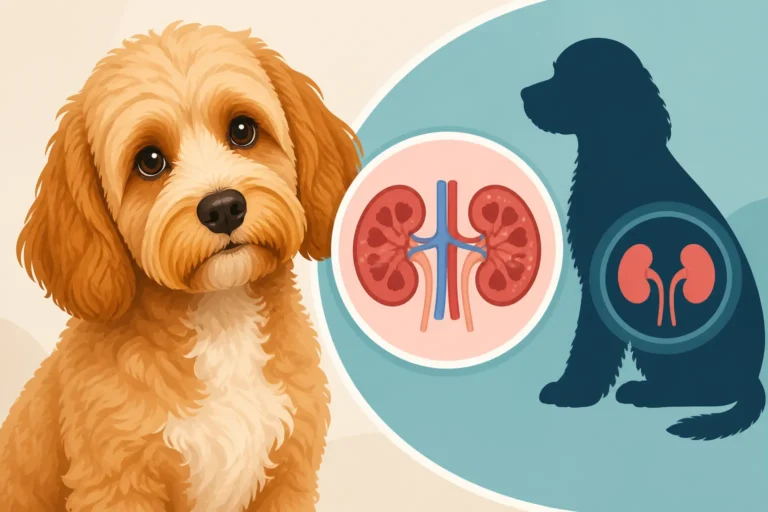
One of the most alarming causes of increased thirst is kidney disease. Your Cockapoo's kidneys are vital for filtering waste products from their blood and maintaining proper fluid balance. When the kidneys aren't functioning correctly, they can't concentrate urine effectively, leading to excessive urination (polyuria), which in turn causes the dog to drink more to compensate for the fluid loss. This cycle can spiral, and it’s a serious concern, especially since some Cockapoos can inherit conditions like Familial Nephropathy and the Kidneys a Cockapoo Can Inherit.
Familial Nephropathy (FN) is a genetic kidney disease that can affect certain lines of Cockapoos, primarily stemming from the Cocker Spaniel side. Dogs with FN typically start showing signs of kidney failure at a young age, often before two years old. The initial symptoms often include increased thirst and urination, along with weight loss and a poor coat. If your young Cockapoo is constantly drinking and seems generally unwell, especially if you're noticing changes like a dull coat or lack of appetite, it's absolutely vital to discuss the possibility of kidney disease with your vet. Early diagnosis is key, even though treatment options are often focused on managing symptoms and improving quality of life, as discussed in Whether an Affected Cockapoo Can Be Treated.
Even if your Cockapoo is older and doesn't have a known genetic predisposition to FN, kidney disease can develop with age, a condition known as chronic kidney disease. This is a progressive illness that can manifest with increased thirst and urination as the kidneys gradually lose their ability to filter toxins. Observing The First Signs of Kidney Failure in a Cockapoo is paramount, as early intervention can slow progression and extend their quality of life.
Diabetes Mellitus in Cockapoos
Another significant health concern linked to excessive thirst and urination is diabetes mellitus. This endocrine disorder occurs when your Cockapoo's body either doesn't produce enough insulin or can't properly use the insulin it produces. Insulin is necessary to transport glucose (sugar) from the bloodstream into the cells for energy. Without it, glucose builds up in the blood, and the body tries to flush it out through the kidneys.
The excess glucose in the urine draws more water with it, leading to increased urination and, consequently, increased thirst. Along with constant drinking, you might notice your Cockapoo losing weight despite having a healthy or even increased appetite. They may also seem lethargic or develop recurring infections, particularly urinary tract infections. While diabetes can affect any dog, some breeds and mixes, including Cockapoos, can be susceptible, especially as they age.
Managing diabetes involves diet changes, often a specialized diet to help regulate blood sugar, and daily insulin injections. This can feel daunting at first, but with proper veterinary guidance and consistent care, many diabetic Cockapoos can live long, happy lives. Regular monitoring and communication with your vet are essential to keep their blood sugar levels stable and prevent complications.
Other Medical Conditions to Consider
Beyond kidney disease and diabetes, several other medical conditions can cause a Cockapoo to drink excessively. Cushing's disease, for example, is a hormonal disorder where the body produces too much cortisol. Symptoms can include increased thirst and urination, a pot-bellied appearance, hair loss, and thinning skin. This condition often affects middle-aged to older dogs and requires specific diagnostic tests and long-term management.
Liver disease can also lead to increased thirst, as the liver plays a critical role in metabolism and detoxification. Dogs with liver issues might also exhibit symptoms like vomiting, diarrhea, loss of appetite, and jaundice (yellowing of the skin or eyes). Additionally, urinary tract infections (UTIs) can sometimes cause frequent urination and increased thirst, although other symptoms like straining to urinate, bloody urine, or discomfort are usually more prominent. Even certain medications, like corticosteroids, can cause increased thirst as a side effect. It’s a wide array of possibilities, which is why a professional diagnosis is so important.
The Importance of Veterinary Consultation and Diagnostic Testing
When you're faced with a Cockapoo that just can't seem to get enough water, guessing isn't an option. The only way to get to the bottom of it is to involve your veterinarian. They have the expertise and the diagnostic tools to pinpoint the exact cause of your Cockapoo's excessive thirst and recommend the most appropriate course of action. Delaying a visit could allow a serious condition to worsen, making treatment more challenging and potentially impacting your dog's long-term prognosis.
What to Expect at the Vet
When you bring your Cockapoo in, your vet will start with a thorough physical examination. They’ll ask you a lot of questions about your dog's history:
- How long has the increased drinking been going on?
- Have you noticed any other changes in appetite, weight, energy levels, or urination habits?
- What kind of food do they eat?
- Are they on any medications?
- Have there been any recent changes in their environment or routine?
Be prepared to provide as much detail as possible, as these seemingly small observations can give your vet crucial clues. They might even ask you to bring a fresh urine sample with you, so be ready for that if possible. It’s all part of piecing together the puzzle to find out what's truly going on with your furry family member.
Common Tests and What They Reveal
To get a clear picture, your vet will likely recommend a series of diagnostic tests. These usually include bloodwork and a urinalysis.
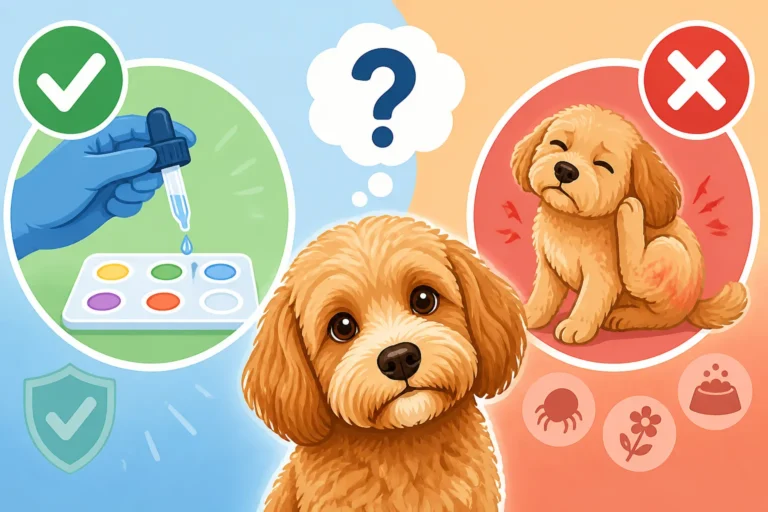
- Urinalysis: This simple test can reveal a lot. It checks the concentration of your dog's urine (specific gravity), which is a key indicator of kidney function. Very dilute urine, especially in a dehydrated dog, can point to kidney disease. It also checks for the presence of glucose (sugar), which is a hallmark of diabetes, as well as protein, blood, or signs of infection.
- Bloodwork (Complete Blood Count and Chemistry Panel): A complete blood count (CBC) assesses red and white blood cells, which can indicate anemia or infection. The chemistry panel provides insights into organ function, including kidney values (BUN, creatinine, phosphorus) and liver enzymes. It also measures blood glucose levels, confirming or ruling out diabetes. Elevated calcium levels can also sometimes be a cause of excessive thirst, pointing to other underlying issues.
Depending on the initial findings, your vet might suggest additional tests, such as specialized urine tests, hormone tests for conditions like Cushing's, or even imaging like X-rays or ultrasound to examine the kidneys, bladder, or other abdominal organs. For specific concerns like Familial Nephropathy, there are also DNA tests available, which can be useful for diagnosis, especially in younger dogs or if a family history is suspected, like The FN DNA Test a Cockapoo Breeder Runs. Companies like Paw Print Genetics offer comprehensive panels for inherited diseases.
Early Detection and Prognosis
The sooner a cause for excessive drinking is identified, the better the prognosis for your Cockapoo. Early detection of conditions like kidney disease or diabetes allows for prompt intervention, which can significantly slow disease progression and improve quality of life. For instance, with kidney disease, dietary changes and medications can help manage symptoms and support kidney function for longer. Timely diagnosis also helps you understand what to expect and how to best care for your Cockapoo moving forward.
For conditions like diabetes, once diagnosed, daily management becomes a part of your routine. However, with consistent insulin administration, a proper diet, and regular veterinary check-ups, many diabetic Cockapoos can live full and happy lives. Pet insurance providers like Healthy Paws often offer coverage for chronic conditions like diabetes and kidney disease once diagnosed, which can be a huge relief for managing ongoing costs, provided the condition isn't preexisting before coverage begins. Remember, your vet is your best partner in navigating these health challenges.
Managing Excessive Thirst and Supporting Your Cockapoo's Health
Once you've had your Cockapoo thoroughly checked out by the vet and received a diagnosis, or even if the excessive thirst is determined to be non-medical, there are proactive steps you can take to manage their hydration and support their overall well-being. It’s about creating a sustainable routine that caters to their specific needs.
At-Home Monitoring and Care
Even after a diagnosis, continuous at-home monitoring is incredibly important. Keep a journal of your Cockapoo's water intake, urination frequency, and any other symptoms you observe. This data can be invaluable for your vet to track the effectiveness of treatments or notice any new developments. Pay attention to how much water they're actually consuming – sometimes an overflowing bowl can mask how little or how much they're truly drinking.
Beyond just the water bowl, observe their energy levels, appetite, and general demeanor. Are they still eager for their walks? Are they interacting with the family as usual? Any subtle changes can be significant. If you’re managing a condition like diabetes, regularly checking their glucose levels at home with a handheld meter, as instructed by your vet, can be a game-changer for maintaining stable health. This diligent observation empowers you to be an active participant in your Cockapoo's health management, allowing for quicker adjustments to care plans.
Dietary Considerations and Hydration Strategies
Diet plays a massive role in managing a Cockapoo's hydration and overall health. If your vet diagnoses kidney disease, they will likely recommend a prescription renal diet. These diets are specifically formulated with controlled levels of protein, phosphorus, and sodium to reduce the workload on the kidneys and slow disease progression. For diabetic Cockapoos, a diet high in fiber and complex carbohydrates can help stabilize blood sugar levels. Always follow your vet's specific dietary recommendations, as they are tailored to your dog's unique medical needs.
To encourage healthy hydration, always ensure fresh, clean water is available. Consider having multiple water bowls around the house, especially if your Cockapoo roams. Some dogs prefer filtered water, while others might enjoy a pet fountain, which can entice them to drink more due to the circulating water. If your Cockapoo is still drinking excessively despite a clear bill of health, increasing the amount of wet food in their diet can help them take in more moisture through their meals, reducing their reliance on the water bowl. This can be a simple, effective strategy.
Proactive Health Management
Beyond immediate concerns, thinking proactively about your Cockapoo's health can prevent many issues down the line. Regular veterinary check-ups are paramount, especially as your Cockapoo ages. These routine visits allow your vet to catch subtle changes early, often before they become major problems. Yearly bloodwork and urinalysis are excellent screening tools, particularly for monitoring kidney and liver function, and can detect issues like Kidney Failure in an Old Cockapoo before they become critical.
Consider a robust pet insurance policy, like those offered by Healthy Paws. While it won't cover pre-existing conditions, a good policy can provide peace of mind for future unexpected illnesses or accidents. Knowing you have financial support for expensive treatments or ongoing care allows you to make decisions based on your Cockapoo's health, not just your wallet. Consistent grooming, dental care, and appropriate exercise also contribute significantly to your Cockapoo's overall vitality and can indirectly support their hydration levels by maintaining a healthy metabolic state. Always remember, a well-cared-for Cockapoo is a happy Cockapoo!
| Sign of Thirst | Normal Thirst | Concerning Thirst (Polydipsia) |
|---|---|---|
| Volume | Drinks typical amount for size/activity | Drinks significantly more than usual, constantly refilling bowl |
| Frequency | Drinks after exercise, meals, or upon waking | Drinks almost constantly throughout the day and night |
| Urination | Normal frequency and volume | Frequent urination, large puddles, accidents indoors |
| Accompanying Symptoms | No other symptoms | Weight loss/gain, lethargy, changes in appetite, vomiting, diarrhea, pot-bellied appearance, dull coat |
| Trigger | Hot weather, recent exercise, dry food diet | No apparent external trigger, persistent even in cool, inactive conditions |
Disclaimer
The information provided in this article is for general informational purposes only and is not intended as a substitute for professional veterinary advice, diagnosis, or treatment. Always seek the advice of your veterinarian or other qualified animal health provider with any questions you may have regarding a medical condition or the health and welfare of your pet.