Whether Glaucoma in a Cockapoo Is an Emergency
It's terrifying to wake up and see your beloved Cockapoo's eye looking red, cloudy, or swollen. That sudden change can send any pet parent into a panic, wondering if it's just an irritation or something far more serious that needs immediate attention. This guide will walk you through understanding why glaucoma in a Cockapoo is indeed an urgent veterinary emergency and what steps you need to take right away.
Understanding Glaucoma and Its Emergency Nature
When we talk about glaucoma, we're discussing a condition that's much more than just an eye ache; it's a critical situation that demands immediate veterinary intervention. For a Cockapoo, whose eyes are already a blend of predispositions from their Cocker Spaniel and Poodle heritage, understanding the urgency is paramount. This isn't a "wait and see" kind of problem.
What Happens Inside a Cockapoo's Eye with Glaucoma
Imagine your Cockapoo's eye as a tiny, perfectly pressurized balloon. Inside this balloon, a fluid called aqueous humor is constantly produced and drained, maintaining a healthy internal pressure. Glaucoma occurs when this drainage system goes awry. The fluid continues to be produced, but it can't drain properly, causing pressure to build up rapidly inside the eye. This increased intraocular pressure (IOP) is incredibly painful and, more critically, starts to damage the delicate optic nerve and retina. The optic nerve is essentially the cable that connects the eye to the brain, carrying all the visual information. Once it's damaged, the vision loss is permanent. This is why when you notice something is off, every minute truly counts.
The speed at which this damage occurs is what makes glaucoma such an emergency. Unlike a slow-developing cataract, which might gradually cloud a Cockapoo's lenses before ten years old, glaucoma can steal sight within hours to a day or two if not addressed immediately. It's a race against time to relieve that pressure and preserve as much vision as possible. Many Cockapoo owners don't realize how quickly this can escalate, often mistaking initial symptoms for a minor irritation. However, the internal pressure is mercilessly crushing the very structures responsible for sight.
Primary vs. Secondary Glaucoma in Cockapoos
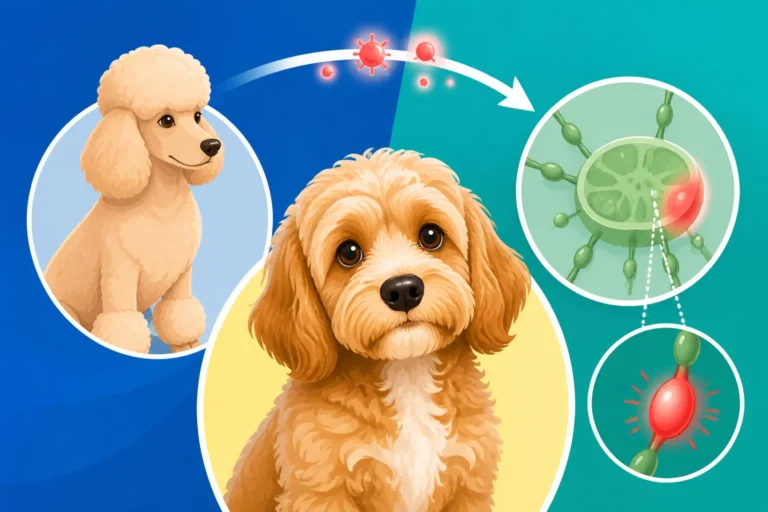
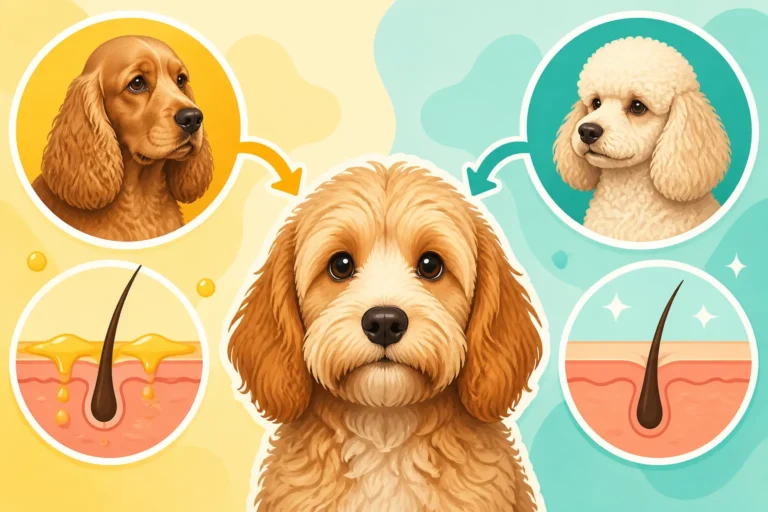
Glaucoma in Cockapoos can manifest in a couple of ways: primary or secondary. Primary glaucoma is hereditary, meaning your Cockapoo might simply be predisposed to it due to genetics inherited from its parent breeds. Both Cocker Spaniels and Poodles can carry genes that make them susceptible to this condition. This form often affects both eyes, though one eye might show symptoms much earlier than the other. It's a heartbreaking reality for many breeds, including our beloved doodles. If you're looking into getting a Cockapoo puppy, it's always wise to ask for Asking a Cockapoo's Eye Certificates to understand their lineage's predispositions.
Secondary glaucoma, on the other hand, develops as a result of another underlying eye condition. This could be anything from inflammation within the eye (uveitis), trauma, a tumor, or even advanced cataracts that dislocate the lens and block drainage. Sometimes, an infection can also lead to secondary glaucoma. While the cause differs, the outcome – increased eye pressure and potential blindness – is the same, and the emergency nature of the situation remains. It's crucial for your vet to not only treat the glaucoma but also try to identify and address the root cause, especially if it's secondary, to prevent recurrence or manage other health issues.
Recognizing the Urgent Signs of Glaucoma in Your Cockapoo
Spotting glaucoma early is absolutely vital for your Cockapoo's vision. These aren't subtle hints; glaucoma symptoms are often dramatic and painful, demanding immediate attention. Don't ever hesitate if you see these signs.
Key Visual and Physical Symptoms
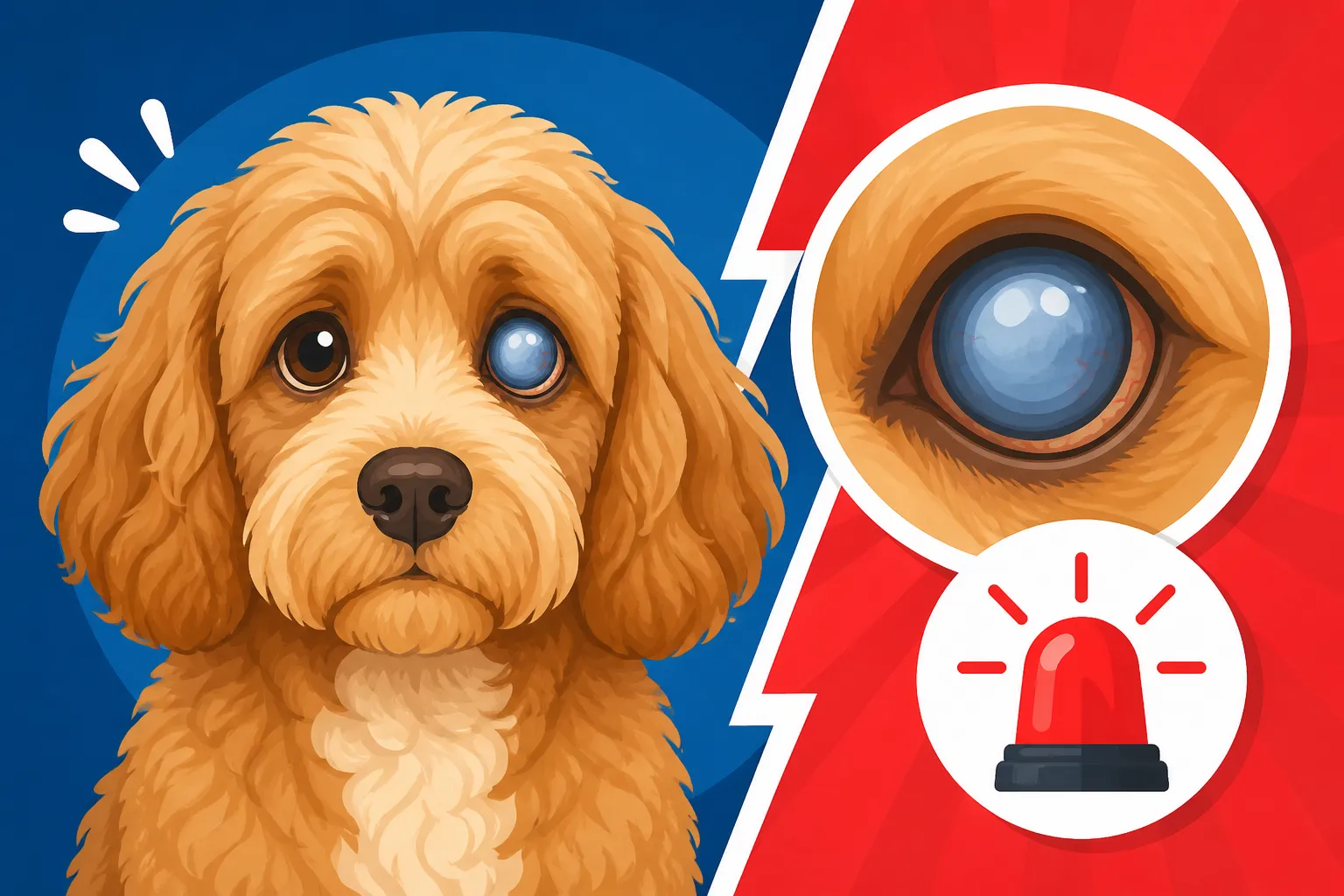
One of the most noticeable and alarming signs is the "red eye." If you see The Red Eye That Means a Cockapoo Needs a Vet Tonight, it’s a huge red flag for a variety of serious eye conditions, including glaucoma. This isn't just a mild pinkness; it's often an intense redness due to blood vessels becoming engorged. The eye might also appear cloudy or bluish, which is often a sign of corneal edema (swelling of the cornea), another indicator of high intraocular pressure. This cloudiness can sometimes be confused with nuclear sclerosis, which is a normal age-related change in older dogs, but with glaucoma, the onset is rapid and painful.
Beyond redness and cloudiness, pay close attention to the overall appearance of the eyeball. An affected eye might seem larger or bulging compared to the other eye, a condition known as buphthalmia. This happens when the sustained high pressure physically stretches the globe of the eye. You might also notice the pupil is dilated and unresponsive to light, or it might look asymmetric compared to the other eye. If the glaucoma is severe or has been present for some time, the cornea might even show visible stretch marks or lines, indicating just how much pressure it's been under. Never dismiss these changes; they are your Cockapoo crying out for help.
Behavioral Cues and Pain Indicators
Your Cockapoo's behavior can tell you a lot about their discomfort. Since glaucoma is incredibly painful, your dog might start to show signs of intense pain. They might be rubbing or pawing at their affected eye constantly, or blinking excessively, even trying to keep the eye shut. You might notice them acting withdrawn, less playful, or more irritable than usual. Some dogs will squint or hold their head in an unusual position, trying to alleviate the discomfort. This pain can also lead to a general lethargy, loss of appetite, and a reluctance to engage in their usual activities.
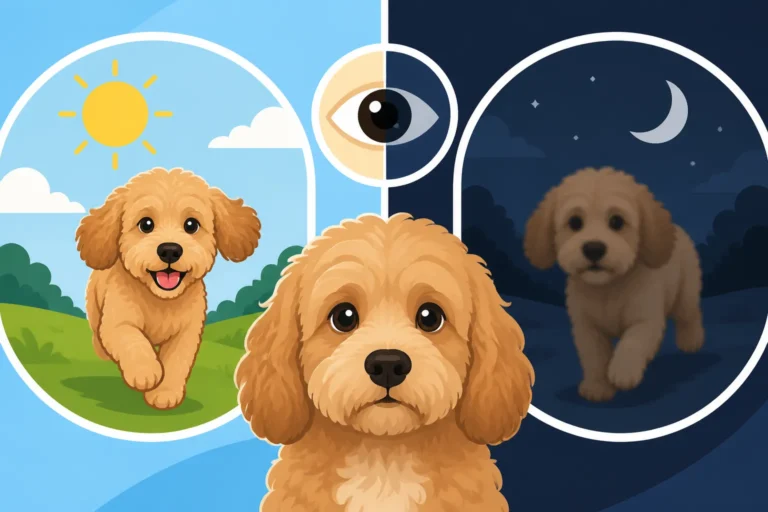
Remember, Cockapoos are often very resilient and might try to hide their pain, especially initially. However, the pain from glaucoma is usually too intense to fully conceal. You might also observe changes in their vision, even if it's just in one eye. They might bump into furniture on one side, be hesitant to go up or down stairs, or seem startled by objects approaching from a particular direction. This is especially true if Whether a Cockapoo Goes Blind Slowly due to progressive retinal atrophy. If you notice any combination of these visual and behavioral changes, it’s imperative to contact your veterinarian or an emergency animal hospital immediately. Waiting even a few hours can mean the difference between saving some vision and permanent blindness.
| Symptom | Description | Urgency Level |
|---|---|---|
| Red Eye | Intense redness of the whites of the eye (sclera) and sometimes the eyelids. | IMMEDIATE |
| Cloudy/Bluish Cornea | Haziness or blue tint over the clear front surface of the eye, indicating corneal edema. | IMMEDIATE |
| Dilated Pupil | Pupil appears larger than normal and unresponsive to light. | IMMEDIATE |
| Enlarged/Bulging Eye | Affected eye appears noticeably larger or protrudes more than the unaffected eye. | IMMEDIATE |
| Squinting/Excessive Blinking | Signs of discomfort, trying to relieve pain. | IMMEDIATE |
| Paw rubbing/Head Shaking | Attempts to relieve intense pain in the eye. | IMMEDIATE |
| Withdrawal/Lethargy | Behavioral changes indicating severe pain and general unwellness. | IMMEDIATE |
| Vision Loss | Bumping into objects, hesitant movements, disorientation, especially unilateral. | IMMEDIATE |
Immediate Actions When You Suspect Glaucoma
When you suspect glaucoma, your first and only priority should be getting your Cockapoo to an emergency vet. This is not a situation for home remedies or waiting until morning.
Contacting Your Veterinarian or Emergency Clinic
The moment you notice any of the urgent signs we've discussed, pick up the phone and call your regular veterinarian. Explain the symptoms clearly and emphasize the sudden onset and the severe pain your Cockapoo seems to be in. Be prepared to go immediately. If it's after hours or your vet isn't equipped for emergency eye care, they will direct you to the nearest veterinary emergency hospital. Don't waste time trying to figure out which specialist to call; any emergency vet can perform initial diagnostic tests and begin critical stabilizing treatment.
When you arrive, the veterinary team will perform a thorough ophthalmic exam. This includes measuring the intraocular pressure (IOP) using a tonometry device. This quick, painless test is crucial for confirming glaucoma. They'll also check your Cockapoo's vision, pupil responses, and examine the internal structures of the eye. They're looking for signs of optic nerve damage and any underlying causes if it appears to be secondary glaucoma. The goal is to quickly lower that dangerously high eye pressure. This might involve administering eye drops, oral medications, or even intravenous medications, depending on the severity. It's a critical step in preventing further damage and hopefully preserving your Cockapoo's precious sight.
Diagnostic Procedures and Initial Treatment
Once at the vet, expect a swift and focused approach. The veterinarian will typically use a tonometer – a special instrument that gently touches the surface of the eye – to measure the intraocular pressure. This is the definitive diagnostic test for glaucoma. Normal pressure ranges from about 10-25 mmHg in dogs, and readings significantly higher than that confirm glaucoma. They will also likely perform a full eye exam, looking for corneal edema, redness, pupil dilation, and assessing the retina and optic nerve. These initial findings will guide their emergency treatment plan.
Initial treatment for acute glaucoma is all about rapid pressure reduction. This often starts with topical eye drops, which can include medications like dorzolamide or timolol that decrease fluid production, or latanoprost, which increases fluid drainage. Oral medications, such as methazolamide, might also be prescribed to further reduce fluid production. In severe cases, particularly if the pressure is extremely high, your vet might administer intravenous mannitol, a powerful osmotic diuretic, to rapidly pull fluid out of the eye. This multi-pronged approach aims to bring the IOP down quickly to a safe level, alleviating pain and buying time to develop a more long-term strategy. This swift response is often the only chance to save the eye or at least some functional vision.
Understanding Treatment Options and Prognosis
After the immediate crisis is managed, the journey to long-term care for a Cockapoo with glaucoma truly begins. It's a commitment that requires diligence, but one that can significantly improve your dog's quality of life.
Long-Term Medical Management and Surgical Interventions
If your Cockapoo's glaucoma is caught early and responds well to initial treatment, long-term management often involves a strict regimen of eye drops and oral medications. These medications work by either reducing the production of aqueous humor or increasing its drainage, aiming to keep the intraocular pressure within a healthy range. It's a daily commitment, sometimes involving drops multiple times a day, for the rest of your Cockapoo's life. Regular follow-up appointments with your vet or a veterinary ophthalmologist will be crucial to monitor pressure and adjust medication as needed. This proactive management helps to slow the progression of the disease and maintain any remaining vision.
However, medical management isn't always enough, especially with primary glaucoma, which can be notoriously difficult to control. In these cases, surgical interventions may become necessary. Procedures like cyclocryosurgery or laser cyclophotocoagulation aim to destroy some of the cells that produce aqueous humor, thereby reducing pressure. For advanced cases where vision is already lost and the eye remains painful, options include evisceration with an intraocular prosthesis (removing the internal contents of the eye and replacing them with an implant for cosmetic appearance) or enucleation (surgical removal of the eye). While removing the eye might sound drastic, it's often the kindest solution for a dog in chronic, intractable pain, and dogs adapt remarkably well to living with one eye or even being completely blind. This is a tough decision for any owner, and your vet will discuss all possibilities thoroughly. You might wonder about costs, and it's true that What Glaucoma Costs a Cockapoo Owner can be substantial, which is where considering pet insurance like Healthy Paws can truly help offset the financial burden of such intensive long-term care or surgery.
Adapting to Vision Loss and Quality of Life
The reality is that even with prompt treatment, glaucoma can lead to partial or complete vision loss in one or both eyes. This can be devastating for owners, but dogs are incredibly adaptable. A blind Cockapoo can still lead a full and happy life with a few adjustments around the house. Keeping furniture in consistent places, using scent markers for important areas like food bowls or exits, and establishing clear verbal cues can all help your Cockapoo navigate their environment confidently. They rely heavily on their other senses – hearing and smell – which often become heightened. You might be surprised at how well they adjust.
For dogs experiencing pain, the primary goal of treatment is to alleviate that suffering and preserve a good quality of life. Whether that's through ongoing medication, surgery to remove a painful eye, or simply creating a safe and predictable home environment, every decision should be made with your Cockapoo's comfort and happiness in mind. Regular vet visits, at least The Kidney and Eye Checks a Cockapoo Needs Yearly, become even more important to monitor for signs of pain, further deterioration, or the development of glaucoma in the second eye. This long-term commitment is a testament to the bond you share with your Cockapoo, ensuring they can continue to thrive, even if their world looks a little different. If your Cockapoo needs special procedures, having a comprehensive pet insurance plan from providers like Healthy Paws can significantly ease the financial stress, allowing you to focus on your dog's recovery and well-being. Even if your initial policy may not cover pre-existing conditions, future issues or coverage for the other eye might still be applicable, so it's worth checking with your provider on what What Insuring a Cockapoo Runs Monthly covers. Don't let the potential cost deter you from seeking the best possible outcome for your furry friend.
Disclaimer
This article is intended for informational purposes only and does not constitute veterinary advice. Always consult with a qualified veterinarian for any health concerns or before making any decisions about your pet's medical care.