Whether a Cockapoo’s Coat Sits Greasy or Dry
One common concern I hear from Cockapoo parents is about the texture and condition of their beloved pup's coat. It’s a real head-scratcher sometimes, isn't it? One day it feels perfectly soft, the next it's either surprisingly greasy, leaving little oily marks, or it's so dry and flaky you worry about skin irritation. Understanding whether your Cockapoo's coat tends to be greasy or dry, and more importantly, why, is key to providing the best care and keeping them comfortable and looking their best. This guide will dive deep into the fascinating genetics and practical care that determine your Cockapoo’s unique coat condition.
Understanding the Genetic Tapestry of Your Cockapoo's Coat
It's easy to look at our Cockapoos and just see one fluffy, adorable package, but underneath all that charming personality and curl lies a complex genetic inheritance from two very distinct parent breeds: the Cocker Spaniel and the Poodle. These genetic contributions play a huge role in determining not just the look and texture of your Cockapoo's coat, but also its inherent oiliness or dryness. It's truly a lottery in some ways, and understanding the odds can help you prepare.
The Cocker Spaniel Influence: Prone to Oiliness
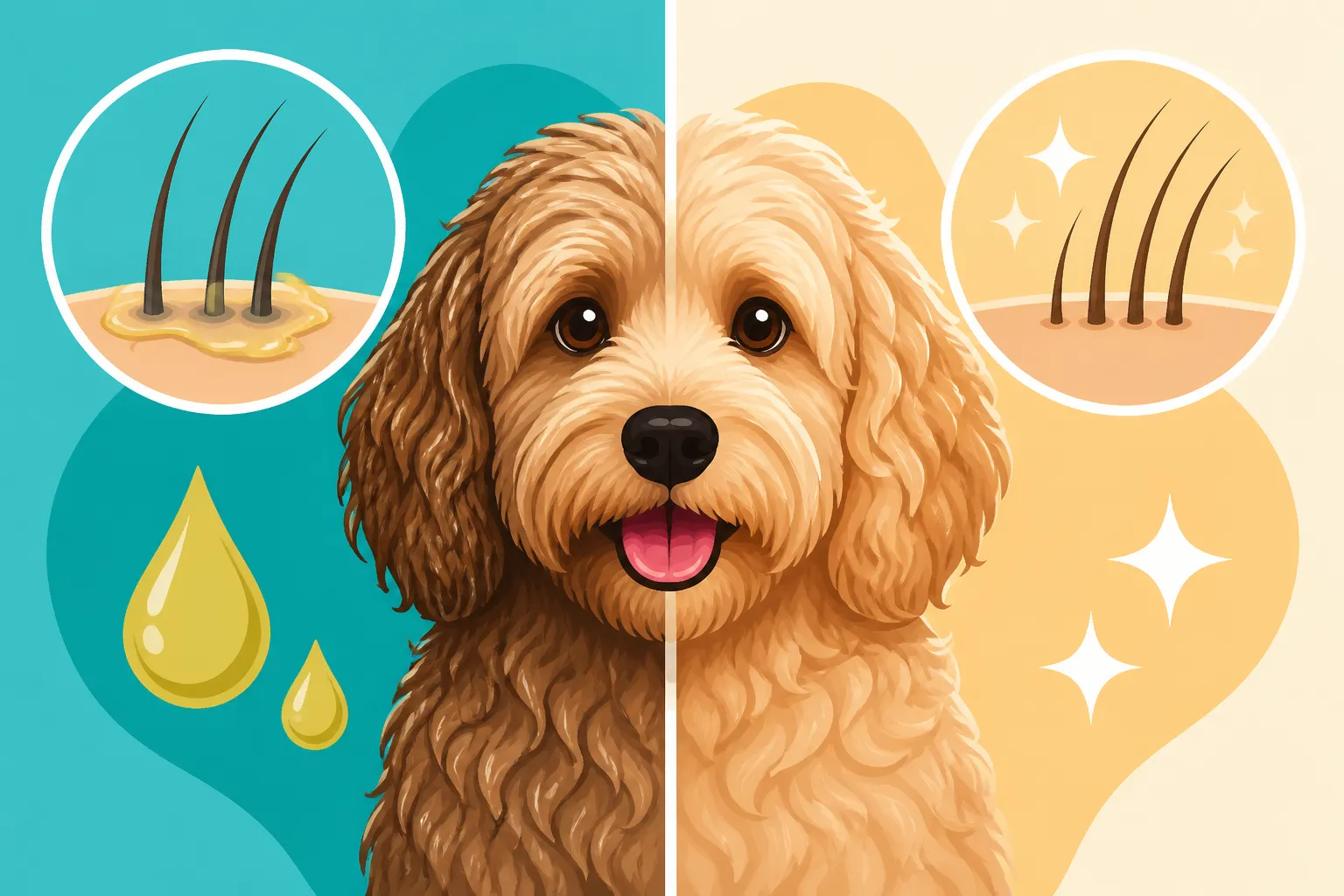
Let’s talk about the Cocker Spaniel side of the family first. Cocker Spaniels, whether American or English, are known for their beautiful, silky, often long coats. While stunning, these coats are also famous for being on the oilier side. This isn't a flaw; it's a natural protective mechanism. Their skin and coats produce more natural oils, or sebum, to help repel water and protect them during their original work in the field, flushing game from dense cover. This natural oiliness can unfortunately lead to a distinct "doggy odor" if not managed with regular grooming and bathing.
So, if your Cockapoo leans more towards its Cocker heritage in terms of coat texture – perhaps a straighter, silkier, or even slightly wavy coat that feels incredibly soft – you might find that their skin and fur produce more oil. This can result in a coat that feels greasy to the touch, especially around the ears, neck, and tail, areas where Cocker Spaniels often have denser feathering. It's not uncommon for these Cockapoos to develop skin issues if the oil isn't regularly washed away, potentially leading to yeast or bacterial overgrowth. This means you might find yourself bathing them a bit more frequently to keep that greasiness at bay, which brings its own set of challenges, like trying to figure out Whether a Cockapoo's Skin Dries Out From Washing.
The Poodle Influence: Often on the Drier Side
Now, let's look at the Poodle's contribution. Poodles are renowned for their dense, curly, non-shedding coats. Unlike the Cocker's oil-producing skin, the Poodle's skin and coat tend to be much drier. Their coat acts more like human hair, constantly growing and trapping shed hair within its curls, which is why they are often touted as being "hypoallergenic" and low-shedding. This dryness, while reducing oiliness, also means their skin can be more prone to becoming dry and flaky if not properly cared for.
If your Cockapoo has inherited a more Poodle-like coat – tightly curled, dense, and perhaps a bit springy – you might find their coat is generally drier. This dryness can sometimes lead to issues like itchiness, dandruff, or even static electricity, especially in dry environments or during winter months. While less prone to that distinct greasy smell, a dry Poodle-dominant coat requires different care, focusing on hydration and preventing matting, which can hide dry skin underneath. You might notice your Cockapoo scratching more, and when you part their fur, you might see tiny white flakes on their skin.
How the Mix Manifests: A Spectrum of Coat Types
The beauty, and sometimes the challenge, of the Cockapoo lies in the unpredictable blend of these two parent breeds. You could have a Cockapoo with a coat that is a perfect 50/50 blend, or one that heavily favors one parent over the other. This results in a spectrum of coat types, each with its own characteristics regarding oil production. Some Cockapoos might have a "combination skin" effect, with greasier areas around their ears and a drier body coat.
This genetic lottery means that even within the same litter, you can see significant differences. One puppy might have a silkier, more Cocker-like coat that leans greasy, while another could have a tight, Poodle-like curl that's inherently dry. It’s all about the interplay of genes like the furnishings gene (responsible for the beard and eyebrows) and the curl gene. For a deeper dive into predicting these traits, you might find Reading a Cockapoo Coat Report Before You Choose incredibly helpful. Ultimately, regardless of the initial predisposition, proper grooming and nutrition are paramount to managing whatever nature has given your furry friend.
Identifying Your Cockapoo's Coat Type and Texture
Knowing which end of the greasy-to-dry spectrum your Cockapoo falls on begins with understanding their specific coat type. While there's a huge variety, most Cockapoo coats can be broadly categorized into three main types, each with typical characteristics that influence its oiliness or dryness, and thus, its care requirements.
The Straight Coat: More Spaniel, More Potential for Oil
If your Cockapoo has a straight, flat coat, often described as "improper" in doodle circles because it lacks the signature furnishings (the beard and eyebrows), they have likely inherited more of the Cocker Spaniel's coat characteristics. This type of coat feels silky and soft, often with longer feathering on the legs, ears, and tail. While beautiful, this coat type is generally the most prone to oiliness.
The skin beneath a straight coat often produces more sebum, mimicking the Cocker Spaniel's natural oil production. This can lead to a coat that feels greasy quickly after a bath, and you might even notice a faint oily residue on your hands after petting them. This natural oiliness, while protective in the field, can make them prone to that "doggy smell" and, if not managed, can contribute to blocked pores or skin irritations. Owners of straight-coated Cockapoos often find they need to bathe their dogs more frequently and pay close attention to the products they use to keep the greasiness under control without stripping the skin too much. This coat type is also more likely to shed, bringing up another set of grooming considerations. What an Improper Coated Cockapoo Looks Like offers more detail on this specific coat type.
The Wavy Coat: A Balanced Blend of Textures
The wavy coat is perhaps the most common and often desired Cockapoo coat type. It's a lovely compromise between the straightness of the Cocker and the tight curl of the Poodle. These coats have a soft, flowing wave, often described as a "shaggy" or "teddy bear" look. This coat type can fall anywhere on the greasy-to-dry spectrum, but it generally strikes a more balanced middle ground.
A wavy coat typically has enough curl to reduce significant shedding and can sometimes be less oily than a straight coat. However, it still retains some of the Cocker's softer texture, which can mean moderate oil production. Owners of wavy-coated Cockapoos might find their dog's coat is neither excessively greasy nor overly dry. The biggest challenge with wavy coats tends to be matting, as the waves can easily tangle, especially in friction areas like behind the ears, armpits, and groin. While the oil production might be less noticeable than in straight coats, maintaining a healthy moisture balance is crucial to prevent both dryness-induced itchiness and matting that can trap moisture and lead to skin issues. The Wavy Coated Cockapoo provides an in-depth look at managing this popular coat.
The Curly Coat: Often Drier and More Prone to Matting
Finally, we have the curly coat, which strongly favors the Poodle's genetic contribution. These coats are dense, springy, and tightly curled, making them the least likely to shed and often the preferred choice for allergy sufferers. The Poodle's influence means that these coats are generally on the drier side.
The skin of a curly-coated Cockapoo typically produces less oil. While this is great for reducing that greasy feeling and smell, it also means the skin can be more susceptible to dryness, flakiness, and itchiness. The dense curl can also make it difficult for natural oils to distribute evenly down the hair shaft, contributing to a drier feel. However, the biggest grooming challenge with curly coats is their incredible propensity for matting. Those tight curls grab onto everything – dirt, shed hairs, environmental debris – and quickly form painful mats if not brushed daily. Mats can then trap moisture against the skin, leading to yeast infections, hot spots, or other irritations, even on an otherwise dry coat. Therefore, while not typically greasy, preventing skin problems under a curly coat requires diligent, consistent grooming and attention to hydration. The Tight Curled Cockapoo covers the unique needs of this coat type in detail.
To summarize the general tendencies:
| Coat Type | Parent Influence | Typical Oiliness | Common Challenges |
|---|---|---|---|
| Straight | More Cocker Spaniel | High | Greasiness, Odor, Shedding |
| Wavy | Balanced Blend | Moderate | Matting, Moderate Greasiness |
| Curly | More Poodle | Low | Dryness, Flakiness, Matting |
Factors Contributing to a Greasy Coat
If you’ve noticed your Cockapoo’s coat feeling a bit more 'slick' than 'fluffy,' or perhaps they're developing a distinct scent that just won't quit, you’re not alone. A greasy coat isn't just about appearance; it can be a sign that something is slightly off with their skin health. There are several contributing factors beyond just genetics that can push a Cockapoo's coat towards the greasier side.
Diet and Nutrition: Fueling Skin Health
What goes into your Cockapoo's bowl has a profound impact on what comes out in their coat. A diet that's lacking in essential fatty acids, or conversely, one that's too high in certain types of fats or fillers, can throw their skin's oil production out of whack. Just like with humans, a dog's skin needs the right building blocks to stay healthy and balanced. If their diet isn't providing these, their skin might overproduce sebum in an attempt to compensate, leading to a greasy coat.
Look for high-quality dog foods with a good balance of omega-3 and omega-6 fatty acids. These healthy fats are crucial for skin barrier function and coat luster. Sometimes, adding a fish oil supplement to their diet can make a noticeable difference. You want to avoid foods with a lot of artificial ingredients, excessive grains, or low-quality protein sources, as these can sometimes trigger skin sensitivities or lead to poor coat condition. Brands like Ollie and other fresh food options often prioritize high-quality ingredients, which can be beneficial for skin and coat health, but always check with your vet before making significant dietary changes, especially if skin issues persist. Whether Diet Changes a Cockapoo's Coat Condition explores this topic further.
Bathing Frequency and Product Choices
It might sound counterintuitive, but bathing your greasy Cockapoo too often or with the wrong products can actually make the problem worse. When you wash a dog, especially with harsh shampoos, you strip away the natural oils from their skin. The body then reacts by trying to replenish these oils, often in overdrive, leading to even greasier skin and coat. It's a frustrating cycle!
The key is finding the right balance. For a greasy coat, you generally want to use a mild, pH-balanced dog shampoo that is specifically designed for oily or sensitive skin. Avoid human shampoos, which are too harsh for a dog's skin. Look for products that contain ingredients like colloidal oatmeal, aloe vera, or tea tree oil (in dog-safe concentrations) that can help soothe and balance the skin without stripping it. After shampooing, always use a good conditioner to help restore moisture and prevent overproduction of oil. If your Cockapoo has a particularly oily coat, you might consider a degreasing shampoo, but these should be used sparingly and always followed by a conditioning treatment. Regular brushing between baths also helps distribute natural oils and remove dirt, reducing the need for frequent washing. Finding quality grooming products is easy, you can often browse a wide selection on platforms like Chewy or Amazon.
Environmental Influences and Activity Levels
Believe it or not, your Cockapoo's environment and how active they are can also play a role in how greasy their coat feels. Dogs that spend a lot of time outdoors, especially in humid climates, might naturally have a greasier coat as their skin works to protect itself from moisture and environmental irritants. Rolling in grass, dirt, or even just regular outdoor play can also contribute to a dirty, greasy feeling.
Similarly, highly active Cockapoos might sweat more, and the combination of sweat and natural oils can lead to a greasier feel. Consider the type of bedding they sleep on too; some synthetic materials might not be as breathable and could contribute to oiliness. Regularly washing their bedding can help remove accumulated oils and dander that can transfer back to their coat. If your Cockapoo loves to scavenge or roll in things they shouldn't (and let's be honest, many Cockapoos have a knack for it!), that's another common source of a greasy, smelly coat! Understanding Why a Cockapoo Can Smell Days After a Bath often comes back to these combined factors.
Addressing a Dry, Flaky, or Itchy Coat
On the flip side of the coin, many Cockapoo owners find themselves dealing with a dry, flaky, or itchy coat. This can be just as uncomfortable for your dog as an overly greasy one, and it certainly isn't pleasant for you to find flakes on your furniture or constantly see your pup scratching. A dry coat often indicates that the skin isn't producing enough moisture or that it's losing moisture too quickly, and it requires a different approach to care.
Hydration and Supplementation Strategies
Just like with a greasy coat, diet is a huge player here. A dry, flaky coat often benefits immensely from increased hydration and specific nutritional supplements. Ensure your Cockapoo has constant access to fresh, clean water. Dogs that are even slightly dehydrated can exhibit drier skin. Beyond that, incorporating good quality fatty acids into their diet is paramount. Omega-3 and omega-6 fatty acids, often found in fish oil (like salmon or sardine oil), flaxseed oil, or even certain dog foods fortified with these ingredients, can work wonders for skin hydration and reducing inflammation that causes itchiness.
Many owners see improvement by adding a daily supplement. You can find a variety of reputable supplements on sites like Chewy or Amazon. Look for products specifically formulated for skin and coat health. Some dogs also benefit from a diet that is higher in moisture, such as wet food or freshly prepared meals, which can contribute to overall hydration. Always introduce new supplements or foods gradually and observe for any changes, and it's always wise to consult your veterinarian before starting any new supplementation regimen to ensure it's appropriate for your individual dog.
Grooming Routines for Dry Coats
Grooming a dry-coated Cockapoo means focusing on gentle care that replenishes moisture rather than stripping it away. While bathing too frequently can exacerbate greasiness, not bathing a dry, flaky dog often enough can also be detrimental, as accumulated flakes and environmental allergens can irritate the skin further. The key is using the right products and techniques.
Opt for moisturizing, hypoallergenic dog shampoos and conditioners. Look for ingredients like oatmeal, shea butter, coconut oil, or aloe vera, which are known for their soothing and hydrating properties. Always follow shampooing with a rich conditioner, leaving it on for a few minutes to allow it to penetrate. Towel dry gently, and if you use a blow dryer, ensure it's on a low, cool setting to avoid further drying out the skin. Regular brushing with a soft slicker brush or a pin brush helps stimulate blood flow to the skin and distributes natural oils, but be gentle so as not to irritate already dry skin. If your Cockapoo has a curly or wavy coat, daily line brushing is vital to prevent matting, which can hide dry, irritated skin underneath. The Comb That Finds Mats a Slicker Misses might be a useful read for managing these coat types.
When to Seek Veterinary Advice for Skin Issues
While many cases of dry or flaky skin can be managed at home with dietary changes and improved grooming, there are times when it’s crucial to involve your veterinarian. If your Cockapoo's dry skin is accompanied by intense itching, redness, inflammation, hair loss, scabs, or a foul odor, these could be signs of an underlying medical condition that requires professional diagnosis and treatment.
Conditions such as allergies (environmental, food, or flea), bacterial skin infections, fungal infections (like ringworm), parasites (mites), or even endocrine disorders (like hypothyroidism) can all manifest as dry, itchy, or flaky skin. Your vet can perform tests, such as skin scrapings, blood work, or allergy testing, to pinpoint the exact cause. They might recommend medicated shampoos, oral medications, or specific dietary changes beyond basic supplementation. Ignoring persistent skin issues can lead to more severe problems and significant discomfort for your Cockapoo, so don’t hesitate to reach out to your vet if home remedies aren’t providing relief. Whether Allergy Testing a Cockapoo Is Worth It delves into one of the common reasons for chronic skin issues.
The Impact of Coat Health on Overall Well-being
It’s easy to think of a dog's coat as purely aesthetic, something we brush and admire. But the truth is, a healthy coat is a direct reflection of a healthy dog, and its condition profoundly impacts their overall well-being. Whether your Cockapoo's coat is greasy or dry, neglecting its care can lead to discomfort, pain, and even more serious health issues.
Preventing Skin Infections and Discomfort
Both overly greasy and excessively dry coats create environments ripe for skin problems. A greasy coat, with its excess sebum, can become a breeding ground for bacteria and yeast. This often leads to conditions like seborrhea, which manifests as oily, scaly patches, a distinct odor, and intense itching. If left untreated, these can progress to painful skin infections, requiring veterinary intervention. Think of it like clogged pores in humans – it's uncomfortable and can lead to breakouts.
Conversely, a dry, flaky coat can also lead to issues. Dry skin is often itchy skin, and constant scratching can break the skin barrier, creating tiny wounds where bacteria and yeast can enter. This can result in secondary infections, hot spots, or worsening allergies. Furthermore, if the dryness leads to matting (especially in curly-coated Cockapoos), these mats can pull on the skin, causing pain, restricting movement, and hiding infections beneath. Addressing the root cause of greasiness or dryness isn't just about a pretty coat; it's about preventing painful skin conditions and keeping your Cockapoo comfortable.
The Link Between Coat Condition and Grooming Challenges
The condition of your Cockapoo’s coat directly influences how easy or difficult grooming will be. A healthy coat, regardless of its specific type (straight, wavy, or curly), is generally easier to brush, less prone to matting, and more receptive to bathing. However, when the coat is either too greasy or too dry, grooming becomes a significant challenge for both you and your dog.
Greasy coats can feel heavy, attract more dirt, and can be difficult to get truly clean. The oil can make the hair slick, causing brushes to glide over mats rather than penetrating them. On the other hand, very dry coats can be brittle, prone to breakage, and may mat more easily as the dry hairs cling together. Dryness also means static electricity, making brushing a frustrating and even painful experience for your pup. Extreme matting, often exacerbated by poor coat condition, can lead to the necessity of a full shave-down by a professional groomer, which is stressful for the dog and disheartening for the owner. Understanding that a matted Cockapoo may have to be shaved is a reality many face. A well-maintained, healthy coat makes the grooming process a positive bonding experience, rather than a wrestling match.
Long-Term Care for a Healthy, Balanced Coat
Maintaining a healthy, balanced coat for your Cockapoo is truly a long-term commitment that integrates diet, regular grooming, and attentive observation. It’s not a one-time fix but an ongoing partnership between you and your vet and groomer. Establishing a consistent routine from puppyhood, even for seemingly minor issues, can prevent major problems down the line.
This means consistently feeding a high-quality diet, ensuring proper hydration, and supplementing when necessary. It involves a regular grooming schedule, whether that's daily brushing for curly coats or ensuring appropriate bathing frequency with the right products for their specific skin and coat type. It also means paying close attention to any changes in their skin or coat – increased scratching, redness, hair loss, or changes in odor can all be early warning signs that something needs attention. Don’t be afraid to experiment with different products or consult a professional groomer or vet for advice. They can help you tailor a routine that specifically addresses your Cockapoo’s unique needs, ensuring their coat remains a source of comfort and beauty throughout their life.
Disclaimer
This article is for general informational purposes only and does not constitute professional advice. Laws, prices and regulations vary by location and change over time. Consult a qualified professional for guidance on your specific situation.