Whether a Cockapoo Without a Beard Sheds More
It’s a common scenario: you fall in love with the adorable, teddy-bear face of a Cockapoo, those soulful eyes peeking out from a mop of soft, curly fur. But then you encounter a Cockapoo that looks… different. Perhaps its face is smoother, without that signature shaggy beard and mustache, and you start to wonder if this variation means a big difference in shedding. This can lead to a lot of confusion and even disappointment if you're hoping for a low-shedding companion. Let's unpack the reality of Cockapoo coats, particularly focusing on those without the prominent facial furnishings, and what that truly means for shedding in your home.
Understanding the "Beard" on a Cockapoo's Face
When we talk about a Cockapoo's "beard" or "mustache," we're actually referring to something called furnishings. This isn't just about aesthetics; it's a specific genetic trait that has a huge impact on the overall texture and shedding properties of your dog's coat. Many people get a Cockapoo hoping for that Poodle-like, low-shedding coat, and the presence of furnishings is a key indicator of whether that desire will be met. Without this understanding, it's easy to be surprised by what you bring home.
The Genetics Behind the Muzzle Hair
The presence or absence of furnishings is determined by a single gene, known as the RSPO2 gene. Dogs can carry two copies of this gene (F/F), one copy (F/IC), or no copies (IC/IC).
- F/F (Furnished/Furnished): A dog with two copies of the furnishing gene will have those lovely long facial hairs, including the beard, mustache, and eyebrows. These dogs are typically low-shedding.
- F/IC (Furnished/Improper Coat): This dog carries one copy of the furnishing gene and one copy of the "improper coat" gene. They will still have furnishings, but they are carriers of the improper coat trait. This means if they breed with another F/IC dog, there's a chance they could produce puppies without furnishings.
- IC/IC (Improper Coat/Improper Coat): This is where our "beard-less" Cockapoo comes in. Dogs with two copies of the improper coat gene will lack furnishings. Their muzzle and legs will have short, smooth hair, much like a Cocker Spaniel or Poodle without furnishings would. These dogs are often referred to as "improper coated" because they don't conform to the widely desired low-shedding, furnished look that many associate with Doodles. This genetic detail is precisely what What RSPO2 Testing Tells a Cockapoo Breeder can reveal, helping breeders make informed decisions about pairings.
Visual Cues of a Furnished Versus an Unfurnished Cockapoo
It can be a little tricky to tell the difference in a tiny puppy, as their coat is still developing. However, by around 6-8 weeks, certain visual cues start to become apparent.
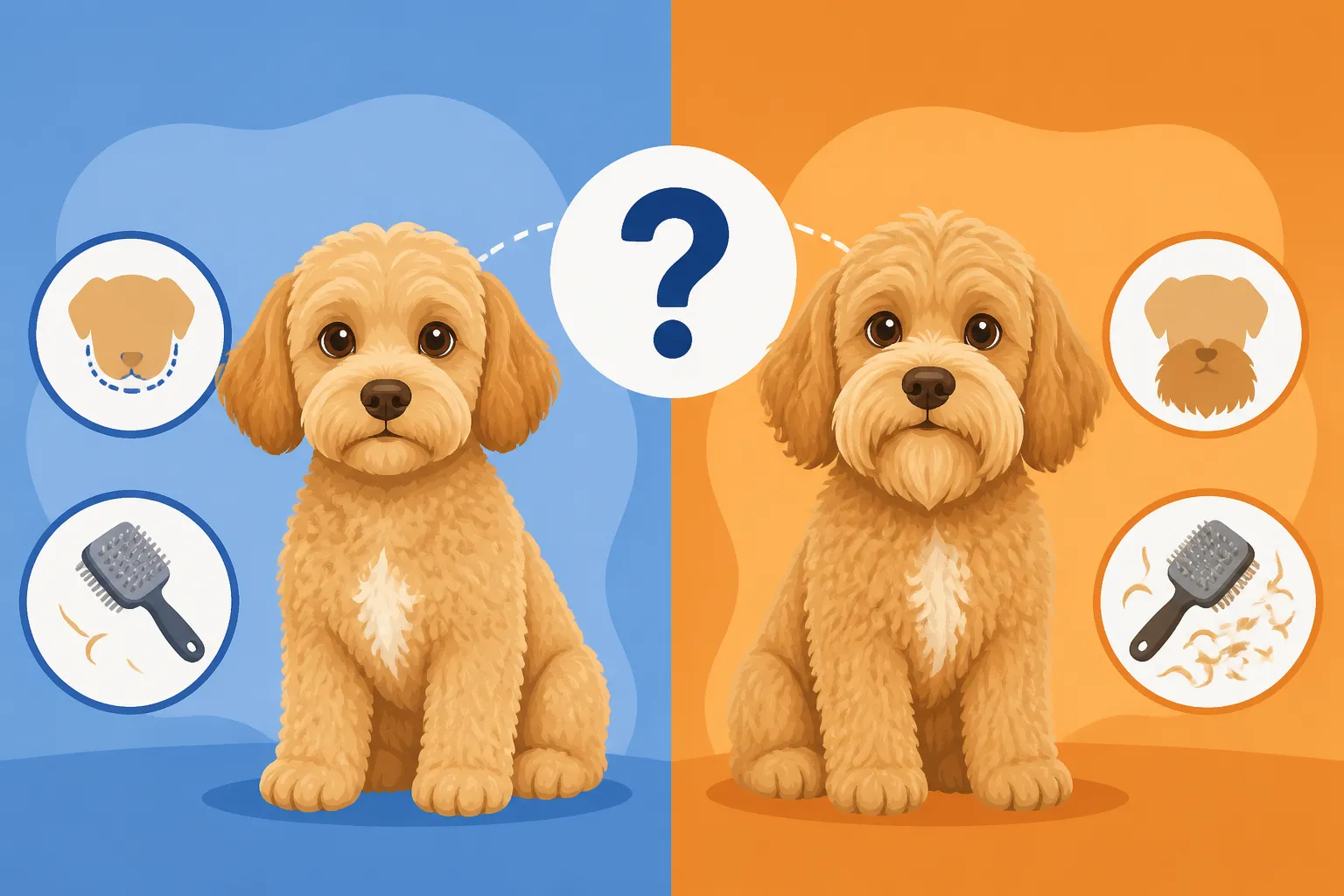
A furnished Cockapoo puppy will usually have longer hair around its muzzle, eyebrows, and sometimes on its legs. The hair on its face might appear slightly scruffier or shaggier. As they grow, this hair continues to lengthen, forming the characteristic beard and 'teddy bear' look. This is the look most people envision when they think of a Cockapoo.
An unfurnished Cockapoo puppy, on the other hand, will have a smooth, shorter coat on its muzzle and legs, much like a typical Cocker Spaniel puppy. There won't be distinct eyebrows or a noticeable beard developing. Their face will look much cleaner, almost like they've had a professional groom, even when they haven't. As they mature, this facial hair will remain short, giving them a more "spaniel-like" or "retriever-like" facial appearance. If you're wondering What an Improper Coated Cockapoo Looks Like, this smooth face is the most definitive sign.
It's important to remember that coat type isn't just about the face. Furnishings affect the entire coat texture, contributing to the low-shedding, often curly or wavy qualities that make Cockapoos so popular.
The Truth About Shedding and the Unfurnished Cockapoo
This is often where the rubber meets the road for prospective owners. The promise of a low-shedding dog is a huge draw for many, especially those with allergies or who simply want less dog hair around the house. When a Cockapoo lacks furnishings, it fundamentally changes the shedding dynamic.
Why an Unfurnished Cockapoo Sheds More Like a Cocker
The Cocker Spaniel, one of the parent breeds of the Cockapoo, is a shedding breed. While their shedding isn't usually as profuse as a double-coated breed like a Labrador, they do shed year-round, with heavier periods seasonally. The Poodle, the other parent, is famously low-shedding precisely because of its furnished coat (among other coat traits).
An unfurnished Cockapoo, having inherited two copies of the improper coat (IC) gene, doesn't get the low-shedding benefit that the furnishing gene provides. Instead, their coat more closely resembles that of a Cocker Spaniel in terms of shedding. This means you will see dog hair on your furniture, clothes, and floors. It might not be tumbleweeds, but it will be noticeable. This shedding occurs because the hair follicles on an unfurnished dog have a shorter growth cycle and shed old hairs more frequently, much like a typical shedding dog. This is precisely Why an Improper Coated Cockapoo Sheds, and it's a critical piece of information for anyone considering this type of Cockapoo.
For families with allergies, this is a significant point. The common misconception is that all Cockapoos are hypoallergenic because of the Poodle influence. However, this isn't true, and an unfurnished Cockapoo is even less likely to be suitable for someone with severe dog allergies. While no dog is truly 100% hypoallergenic, furnished dogs tend to produce less dander and shed less hair, which are major triggers for allergies. For more on this, you might want to read Whether a Furnished Cockapoo Suits an Allergic Home.
Managing Shedding in an Unfurnished Cockapoo
If you find yourself with an unfurnished Cockapoo, or are considering one, managing their shedding becomes a part of your routine, just like with any shedding breed.
- Regular Brushing: This is your first line of defense. Daily or every-other-day brushing with a good quality slicker brush and metal comb can remove a lot of the loose hair before it ends up on your sofa. Focus on getting down to the skin to catch undercoat hairs that might be stuck. A sturdy brush from Amazon can make a big difference here.
- Bathing: Regular baths (every 2-4 weeks, or as needed) can help to loosen and remove dead hair. Use a good deshedding shampoo and conditioner designed to release undercoat. Make sure to brush thoroughly before and after bathing.
- Vacuuming and Cleaning: You'll want to invest in a good vacuum cleaner, possibly one designed for pet hair, and keep up with regular cleaning of floors, furniture, and pet beds. Lint rollers will become your best friend, a staple in many households with shedding dogs.
- Protective Covers: Consider washable covers for your furniture or designated blankets where your dog is allowed to lie. This can help contain some of the hair.
- Diet and Skin Health: A healthy coat starts from within. Ensure your Cockapoo is on a high-quality diet. Sometimes, adding an Omega-3 supplement can help improve skin and coat health, potentially reducing excessive shedding. Brands like Ollie offer fresh food options that prioritize high-quality ingredients, which can contribute to a healthier coat. Always consult with your vet before making significant changes to your dog's diet or adding supplements.
Grooming Differences: Furnished Versus Unfurnished Cockapoo
While an unfurnished Cockapoo might shed more, they actually have some advantages when it comes to grooming, particularly for those who find the intense grooming needs of a furnished coat daunting. Conversely, furnished Cockapoos require a significant time commitment to prevent painful matting.
The Unique Grooming Needs of a Furnished Cockapoo
A furnished Cockapoo's coat is often described as feeling more like hair than fur. It grows continuously and tends to be curly or wavy, leading to a much higher propensity for matting.
- Daily Brushing is Key: To prevent mats from forming, a furnished Cockapoo often needs daily line brushing, especially during the coat change phase, which can happen between 6 and 18 months of age. Without this, mats can quickly form, pulling at their skin and causing discomfort.
- Professional Grooming: Most furnished Cockapoos require professional grooming every 6-8 weeks. This includes bathing, drying, trimming, and dematting if necessary. These appointments are crucial for maintaining coat health and comfort. You can explore a variety of grooming tools on Chewy to help with at-home maintenance between professional visits. For a deeper dive into the demands of different coats, check out The Three Cockapoo Coat Types and Their Upkeep.
- Ear and Eye Care: The long hair on a furnished Cockapoo's face means more attention is needed around their eyes to prevent irritation and staining, and in their ears, which can grow hair deep inside, increasing the risk of ear infections.
Grooming an Unfurnished Cockapoo
An unfurnished Cockapoo's coat, while shedding, is generally much lower maintenance in terms of matting.
- Simpler Brushing: While regular brushing is still important to manage shedding, an unfurnished Cockapoo is far less prone to matting because their hair has a defined growth cycle and sheds out. You might find you can get by with brushing a few times a week rather than daily, depending on the length you keep their coat.
- Less Professional Trimming: An unfurnished Cockapoo typically doesn't need the frequent, intricate trims that a furnished one does. Their facial hair remains short naturally, so you won't need to worry about trimming a beard or keeping eyebrows tidy. They might benefit from occasional tidy-ups around their paws or sanitary areas, but full body clips for mat prevention are rarely necessary.
- Reduced Ear and Eye Maintenance: With shorter facial hair, there's less chance of hair irritating their eyes or getting food stuck in a beard. Their ear hair might still need attention, but often less intensely than a heavily furnished Poodle-cross.
Here's a quick comparison of the two coat types:
| Feature | Furnished Cockapoo (with beard) | Unfurnished Cockapoo (without beard) |
|---|---|---|
| Appearance | Shaggy, teddy bear face, distinct beard/mustache, long eyebrows. | Smooth face, shorter hair around muzzle/legs, more spaniel-like. |
| Shedding Level | Low to non-shedding (but not truly "hypoallergenic") | Moderate to regular shedding, similar to a Cocker Spaniel. |
| Matting Risk | High, requires diligent daily brushing | Low, generally less prone to matting |
| Grooming Needs | Frequent professional grooming (6-8 weeks), daily at-home brushing. | Less frequent professional trimming, regular brushing for shedding management. |
| Allergy Impact | Potentially better for mild allergy sufferers | Less suitable for allergy sufferers |
Living with an Unfurnished Cockapoo: Expectations and Reality
It's clear that an unfurnished Cockapoo deviates from the "classic" Cockapoo look and shedding profile. For owners who were sold on the low-shedding promise, discovering they have an unfurnished dog can be a shock. However, it's crucial to remember that a dog's worth goes far beyond its coat.
The Allergy Question Revisited
If you or a family member have allergies, and you discover your Cockapoo is unfurnished, it's wise to reassess the situation. As mentioned, the low-shedding quality of a furnished coat helps to reduce dander and hair in the environment, which are common allergy triggers. An unfurnished coat, shedding more, will likely distribute more dander and hair. This might mean increased allergy symptoms for sensitive individuals.
It’s important to have realistic expectations and to understand that even with a furnished coat, no dog is truly 100% hypoallergenic. However, the difference between a furnished and unfurnished Cockapoo can be significant for allergy sufferers. If you're currently researching puppies, asking a breeder about coat genetics and seeing the puppy's parents can give you a better idea of what to expect. Whether a Breeder Can Guarantee a Cockapoo's Coat delves into how breeders address these concerns.
Embracing Your Unique Cockapoo
Ultimately, a Cockapoo is a beloved companion, and while coat type is a practical consideration, it's not the defining feature of your dog. An unfurnished Cockapoo will still have the charming, intelligent, and affectionate personality that makes the breed so popular. They are often just as playful, eager to please, and social as their furnished counterparts.
Their temperament, health, and overall joy they bring to your life are what truly matter. If you have an unfurnished Cockapoo, embrace their unique look! They might not fit the "teddy bear" stereotype, but they have a distinct charm that is all their own. Focus on their health and happiness, ensure they get plenty of exercise, good nutrition, and lots of love. The Kit Needed to Groom a Cockapoo at Home will be helpful for managing their coat, regardless of whether it’s furnished or unfurnished.
When considering a Cockapoo, whether it's an F1 (first generation) or a multigen, it's crucial to understand that coat genetics can be complex. While many breeders strive for furnished, low-shedding coats, sometimes an unfurnished puppy pops up in a litter, even if parents are believed to carry the furnishing gene. This is why looking at parent testing, asking for guarantees, and understanding Whether an F1 Cockapoo Can Be Affected by FN (focusing on health aspects) are important steps in your journey to find the right companion. Ultimately, every dog is an individual, and the love and care you provide will define your relationship more than any particular coat type.
Disclaimer
This article is for general informational purposes only and does not constitute professional advice. Laws, prices and regulations vary by location and change over time. Consult a qualified professional for guidance on your specific situation.