Trimming a Cockapoo’s Face Without Cutting an Eye
That moment when you're admiring your Cockapoo's adorable face, but then you notice the hair around their eyes is getting a little too long, starting to poke, or even collecting unsightly tear stains. It's a common dilemma for us Cockapoo parents: you know it needs trimming for their comfort and hygiene, but the thought of wielding sharp scissors so close to those precious eyes can send a shiver down your spine. This guide is all about tackling that fear, giving you the confidence and practical steps to trim your Cockapoo's face safely and effectively, keeping their vision clear and their face charmingly neat.
Why Face Trimming is Such a Big Deal for Cockapoo Owners
Let's be real, the Cockapoo's face is a huge part of their charm. Those expressive eyes, that sweet, often bearded muzzle—it's what draws us in! But that beautiful, often curly or wavy coat that we love so much can become a real challenge when it comes to facial grooming. It's not just about looking good; it's deeply tied to their comfort, health, and overall well-being. Many of us have experienced the struggle, battling matts around the eyes or a constantly wet, smelly muzzle.
The Cockapoo's Unique Facial Hair Challenges
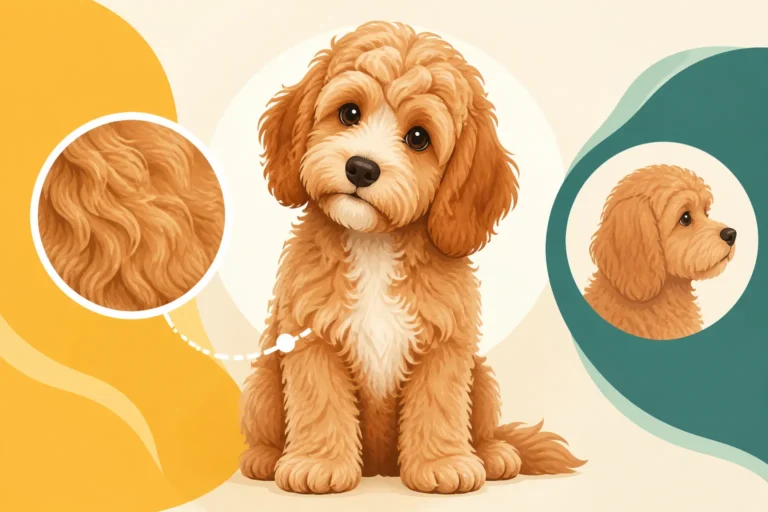
Our Cockapoos inherit a mix of coat characteristics from their Cocker Spaniel and Poodle parents, and this blend often results in a face full of fast-growing, sometimes dense, and often curly or wavy hair. Unlike many breeds with shorter facial hair, a Cockapoo's "furnishings" – the longer hair on their muzzle, eyebrows, and ears – are constantly growing. This is generally great for reduced shedding, but it means a commitment to regular grooming.
Think about it: that lovely curl around their eyes? It can quickly grow long enough to poke into their delicate eyes, causing irritation, discomfort, and even corneal abrasions if left untended. Then there's the muzzle hair, which can become a magnet for food and moisture, leading to matting, bacterial growth, and that distinctive "wet dog" smell, even right after a bath. And those tear stains that seem to appear out of nowhere? They're often exacerbated by long hairs wicking moisture and becoming a breeding ground for yeast. We talk a lot about The Three Cockapoo Coat Types and Their Upkeep, and the face is no exception – each type presents its own unique challenge.
The Fear Factor: Addressing the Anxiety of Cutting Near the Eyes
I've been there, clippers in one hand, tiny scissors in the other, heart pounding, trying to get my Cockapoo, Daisy, to hold still for just one second. The fear of accidentally nicking an ear, or worse, poking an eye, is very real. It’s natural to feel anxious when you’re dealing with sharp tools so close to such a sensitive area. This isn't just a casual trim like shaping a bush in the garden; it's about a living, breathing, sometimes squirming, furry family member.
This anxiety often leads owners to either avoid the task altogether, letting the hair get too long, or to rush through it, which ironically increases the risk of accidents. It's a vicious cycle. You want what's best for your dog, but the perceived risk can feel overwhelming. Many professional groomers will tell you that the face is the most challenging part of any dog's groom, primarily because of this very valid fear of injury.
Health and Hygiene Benefits of Regular Trimming
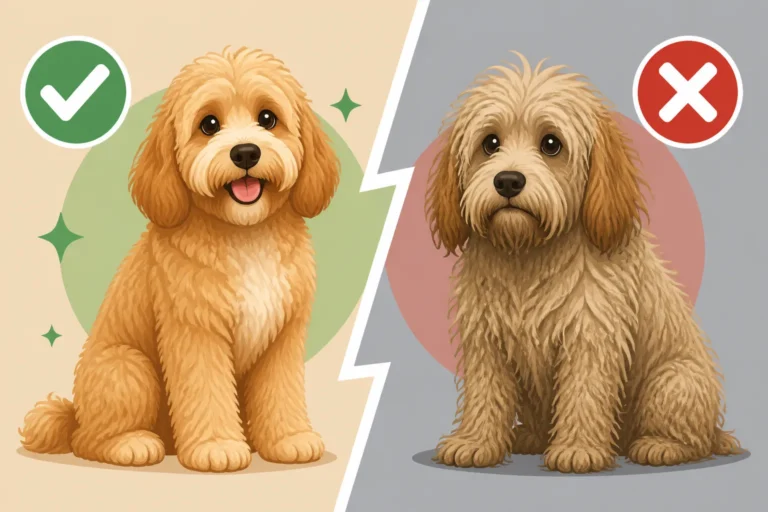
Beyond aesthetics, regular face trimming is a critical part of your Cockapoo's health and hygiene routine. Clear vision is paramount. When hair obstructs their sight, it’s not just annoying; it can impact their navigation, play, and overall quality of life. Imagine constantly having bangs in your eyes – it would be incredibly irritating!
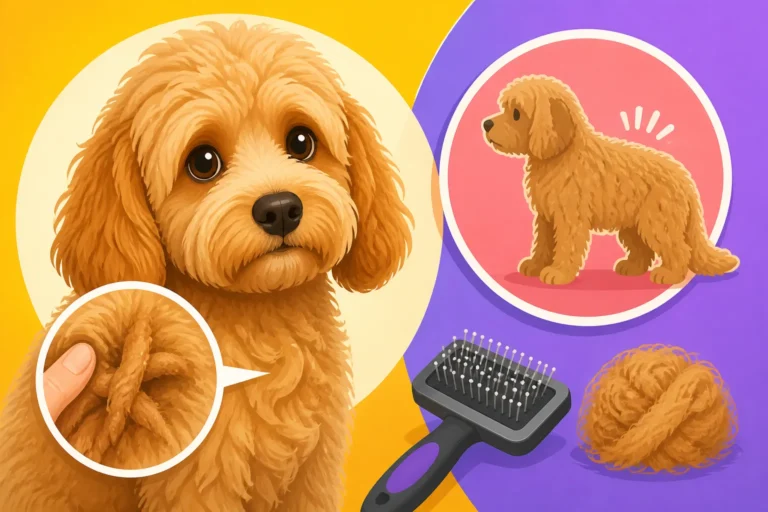
Proper trimming also significantly reduces the risk of painful matting around the eyes and muzzle. Mats are not just ugly; they pull on the skin, causing pain and can lead to skin infections. Around the mouth, food and saliva can get trapped, leading to bacterial growth and a foul odor. Regularly cleaning and trimming this area helps prevent these issues. It also allows for better air circulation, which can be particularly important for preventing skin irritation under the beard or around the eyes. We often focus on the body, but neglecting the face can lead to significant discomfort for your pup.
Essential Tools and Preparation for Safe Face Trimming
Before you even think about bringing a pair of scissors near your Cockapoo's face, preparation is key. Having the right tools, setting up a calm environment, and ensuring your dog is comfortable can make all the difference between a stressful wrestling match and a relatively peaceful grooming session.
Gathering Your Grooming Arsenal
You don't need a professional grooming salon's worth of equipment, but a few key items will make the job safer and more effective.
- Blunt-nosed Scissors: These are your best friends for trimming around the eyes. The rounded tips drastically reduce the risk of accidental pokes, even if your dog makes a sudden movement. Look for a small, sharp pair designed for pet grooming. Investing in good quality scissors means they'll stay sharp, making cleaner cuts and reducing pulling.
- Small Straight Scissors: For tidying up the muzzle and beard, a sharp, straight pair of grooming scissors can offer more precision. Just be extra cautious with these.
- Grooming Comb/Fine-toothed Comb: Essential for brushing out the hair before trimming. A comb like those available on Chewy can help you part the hair and lift it away from the skin, revealing any hidden tangles or mats. The Comb That Finds Mats a Slicker Misses is crucial for facial hair.
- Small Clippers/Trimmers (Optional): If you're comfortable, a small, quiet set of clippers can be great for the muzzle, cheeks, and between the eyes. Some come with very narrow blades perfect for delicate areas. Ensure they are clean and well-oiled to prevent pulling.
- Dematting Spray (Optional): If you encounter small tangles, a spritz of dematting spray can help you comb them out gently before resorting to cutting.
- Treats: Lots of high-value treats! These are indispensable for positive reinforcement.
- Non-slip Surface: A rubber mat or bathmat on your grooming table or counter provides stability and confidence for your dog.
Setting the Scene for a Stress-Free Session
The environment you choose and the timing of your grooming session are just as important as the tools.
- Choose a Quiet Time: Avoid peak household activity. A calm, quiet room with good lighting is ideal. Turn off the TV, silence your phone, and minimize distractions.
- Ensure Your Dog is Relaxed: Don't try to groom your Cockapoo right after a high-energy play session or when they're particularly restless. A short walk or a potty break beforehand can help them settle down. Some owners find a grooming session after a meal or a long nap works best.
- Practice Short Sessions: Especially when starting, aim for very short, positive sessions. Just a few seconds of holding still, a snip or two, and then a reward. You can build up the duration over time. This helps your Cockapoo associate grooming with pleasant experiences. If you're starting with a puppy, consider How Early a Cockapoo Should Meet a Groomer to build a positive foundation. This early exposure to handling and the sounds of tools can really help down the line.
- Desensitization: Gradually introduce the tools. Let your Cockapoo sniff the scissors, hear the clippers (even if they're not on). Touch their face, ears, and muzzle frequently outside of grooming time so they get used to being handled. This really helps Teaching a Cockapoo to Accept the Groomer, whether it's you or a professional.
Restraint and Positioning: How to Keep Your Cockapoo Still and Safe
Getting your Cockapoo to stay still is half the battle. Never use force that causes fear or pain. The goal is calm cooperation.
- Table or Lap: For smaller Cockapoos, your lap can be a comforting place to groom. For larger ones, a sturdy table with a non-slip mat is often better, bringing them up to eye level.
- Support and Cuddle: Use one arm to gently hold your Cockapoo close to your body, offering comfort and preventing sudden movements. Your hand can support their chin or head.
- Chin Rest: Gently cup their chin in your hand, lifting their head slightly. This helps stabilize their head and gives you a better view of the hair around their eyes and muzzle.
- Hold the Muzzle: For trimming around the mouth, gently hold their muzzle with one hand, keeping their mouth closed and preventing them from trying to lick the scissors.
- Ear Control: Cockapoo ears are prone to swinging! If you're trimming near the ears, gently hold the ear leather back and out of the way with your non-dominant hand. Remember, their ears are often Where a Curly Cockapoo Mats First so be gentle.
Step-by-Step Guide to Trimming Around the Eyes and Muzzle
Now that you're prepared, let's get into the actual trimming. Remember, patience is paramount. If either of you gets stressed, take a break.
Mastering the Muzzle Trim: Keeping It Neat and Functional
The muzzle is a high-traffic area. It gets wet, it gets food in it, and it can matt quickly. Regular trimming keeps it clean and hygienic.
- Brush Thoroughly: Before any cutting, use your fine-toothed comb to brush out all the hair on the muzzle and beard. Make sure there are no tangles or food particles. If you find small mats, try to gently work them out with a dematting spray and comb.
- Comb Down and Out: Comb the hair downwards, away from the eyes and mouth, so you can see its natural length.
- Define the Muzzle Line: Using your blunt-nosed scissors (or small clippers if you're confident), start by trimming the hair on the top of the muzzle, above the nose. You want to create a neat, slightly rounded line, following the natural shape of your dog's face. Always point the scissor tips away from the face.
- Trim the Beard: Next, tackle the beard under their chin. Comb it down and trim it to a length that prevents it from dipping into their water bowl or dragging on the ground when they eat. A good guideline is to trim it so it's a couple of inches shorter than what would typically reach the floor when they stand. You can use your straight scissors for this, being mindful of your fingers and their skin.
- Shape the Cheeks: Finally, blend the hair on the cheeks into the muzzle and the rest of the face. Comb it forward and then down, trimming any stray hairs that stick out or look scraggly. The goal is a clean, rounded appearance.
Navigating the Delicate Eye Area: Specific Techniques to Prevent Accidents
This is the part that makes most owners nervous, and for good reason. The eyes are incredibly delicate. Always use blunt-nosed scissors here.
- Clean the Area: Before you begin, gently wipe away any crust or discharge around the eyes with a damp cloth or a pet-safe eye wipe. This gives you a clear view and prevents hair from being pulled.
- Comb Hair Up and Away: Use your fine-toothed comb to gently comb the hair directly above the eyes upwards and away from the eye itself. This allows you to see exactly how much hair is hanging over the eye.
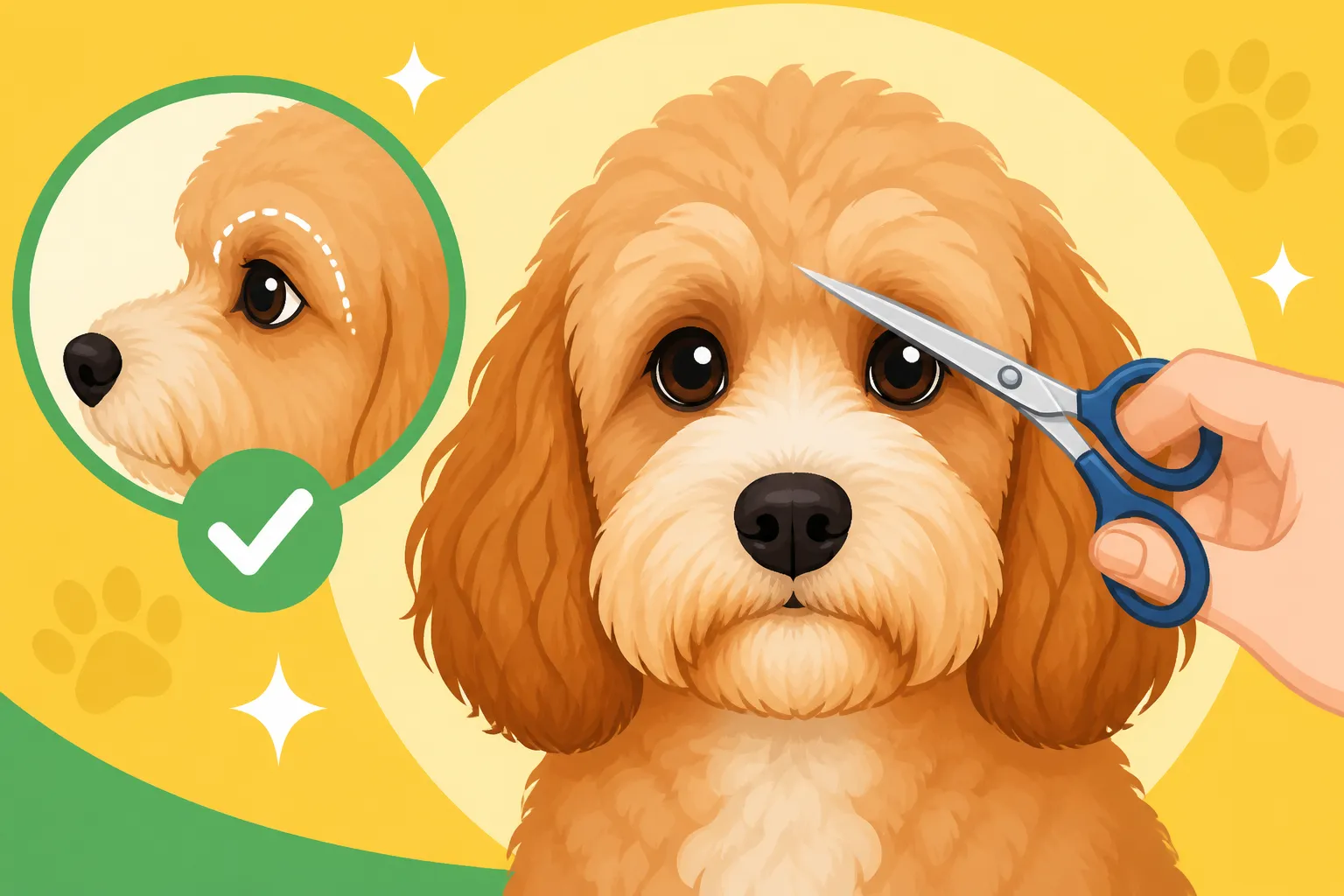
- Isolate the Hair to Be Cut: Using your non-dominant hand, gently hold the hair above the eye upwards, away from the eyeball. With your blunt-nosed scissors, carefully snip just the tips of the hair that are obscuring their vision.
- Angle the Scissors Safely: Always point the blunt tips of your scissors upwards, away from the eye. Never point them directly towards the eye. Make small, controlled snips. Think of it like a meticulous gardener pruning a bonsai tree, not hacking away at a hedge.
- Between the Eyes: For the hair between their eyes (the "bridge" of the nose), comb it forward and up. Trim carefully, again pointing the scissors upwards and away from the eyes. This prevents hair from growing into their line of sight from the center.
- Outer Corners: For the hair at the outer corners of the eyes, comb it gently downwards and away from the eye. Trim any excess length that might irritate the eye or collect tear stains.
Pro Tip: For a Cockapoo that absolutely won't hold still, try having a second person gently hold them and offer treats. You can also try small "snipping" sounds with the scissors away from them, followed by a treat, to desensitize them to the noise before you even approach their face.
Taming the Tear Stains: How to Clean and Trim This Often-Matted Area
Tear stains are a common bugbear for Cockapoo owners, and the hair around the eyes plays a big role. Whether a Cockapoo Gets Tear Stains is often a matter of genetics, diet, and grooming consistency.
- Gentle Cleaning: The first step to managing tear stains is regular cleaning. Use a pet-safe tear stain remover or just a damp cloth with warm water to gently wipe the area beneath their eyes daily. Be consistent, and don't rub too hard.
- Comb Out Crusts: If there are dried crusts, moisten them thoroughly with warm water and gently comb them out with your fine-toothed comb. Never pull on dry, matted hair, as this is painful.
- Trimming Stained Hair: Once clean, you'll often see the reddish-brown stained hair. Carefully comb this hair downwards, away from the eye. Using your blunt-nosed scissors, very gently trim the stained hair as short as you feel comfortable, being extra mindful of the skin underneath. You're not cutting into the skin, just removing the discolored hair.
- Preventative Measures: Keeping the hair in this area short helps prevent moisture from wicking onto the hair, which is a major contributor to tear stains. Ensuring good hygiene, a balanced diet (some owners find certain foods or supplements help, like those from Ollie or Amazon's pet supplies section), and addressing any underlying health issues (like allergies, which might cause excessive tearing) are all part of the solution. If Whether a Cockapoo's Eyes Run All Year it might be worth a vet check.
Common Mistakes to Avoid and Troubleshooting Tips
Even with the best intentions, mistakes can happen. Knowing what to watch out for and how to react can save you a lot of grief.
Avoiding the "Oops" Moments: What Not to Do with Scissors or Clippers
It’s easy to get focused and forget some basic safety rules. Here are the cardinal sins to avoid:
- Never Use Household Scissors: Kitchen or craft scissors are not sharp enough for dog hair and are too blunt for delicate work. They will pull and tear, making the experience painful and dangerous. Always use professional pet grooming scissors.
- Never Cut Dry Mats: Trying to cut through a tight, dry mat near the skin with scissors is a recipe for disaster. You can easily cut the skin underneath. Always try to separate and comb out mats first. If a mat is too tight, it’s safer to take your dog to a professional groomer who has specialized tools and expertise.
- Don't Rush: This isn't a race. Rushing significantly increases the chance of an accident. Take your time, breathe, and if you feel yourself getting impatient, take a break.
- Don't Point Scissors Towards the Eye: This is perhaps the most important rule. Always angle your scissors upwards and away from the eyes, even the blunt-nosed ones.
- Avoid Using Clippers on Wet Hair: Clippers don't work effectively on wet hair and can pull painfully. Always make sure your Cockapoo is clean and thoroughly dry before using clippers.
- Don't Forget to Check Blade Temperature: If you're using electric clippers, always check the blade temperature frequently by touching it to your inner wrist. Blades can heat up quickly and burn your dog's skin.
Dealing with a Wriggly or Fearful Cockapoo: Strategies for Cooperation
Not all Cockapoos are naturally angels on the grooming table. Some are just wiggly, others are genuinely fearful.
- Positive Reinforcement is Key: This means lots and lots of treats, praise, and gentle reassurance. Associate every snip and every moment of stillness with something good. "Good boy/girl! Treat!"
- Start Small and Build Up: If your Cockapoo is highly resistant, don't try to do the entire face at once. Start with just a few seconds, one tiny snip, then release them and give them a huge reward. Over days or weeks, gradually increase the duration and the number of snips.
- Deep Breath Technique: If your dog gets particularly anxious, try a calm, firm hold, and then exhale slowly as you make a snip. Your calm energy can sometimes transfer to them.
- Distraction: For some dogs, a lick mat smeared with peanut butter (xylitol-free, please!) or a dental chew from Chewy can provide enough distraction to get a few minutes of calm grooming.
- Know When to Stop: If your Cockapoo is truly distressed, growling, snapping, or trying to bite, it’s time to stop. Pushing through will only make future grooming sessions harder. Re-evaluate your approach, seek guidance from a professional trainer, or consider professional grooming. Whether a Sharp Word Shuts a Cockapoo Down highlights their sensitive nature, so keep your tone gentle.
When to Call in the Professionals: Recognizing Your Limits
There's absolutely no shame in admitting that some grooming tasks are best left to the experts. Professional groomers have specialized training, tools, and experience.
- Severe Matting: If the hair around your Cockapoo's eyes or muzzle is severely matted and you can't gently comb it out, a professional groomer is your safest bet. They can remove mats without injuring the skin, which is a common occurrence with severe matting.
- Extreme Fear or Aggression: If your Cockapoo becomes aggressive or extremely fearful during face trimming, it's not safe for either of you to continue. A professional groomer might have techniques or tools (like a grooming sling or specialized muzzles) that can help, or they can advise you on behavioral training.
- Lack of Confidence: If you simply don't feel confident and you're constantly worried about hurting your dog, it's okay to delegate. Your peace of mind, and your dog's safety, are more important than doing it yourself.
- Special Needs: If your Cockapoo has any eye conditions, skin sensitivities, or other health issues that make grooming challenging, a professional groomer can often work more carefully around these concerns. This is also important if you suspect Whether a Cockapoo's Eyelids Roll Inward or other eye issues.
Remember, a good groomer can also give you tips and tricks for at-home maintenance between their professional appointments, empowering you to keep your Cockapoo looking and feeling great.
Facial Grooming Tool Comparison
Choosing the right tool for the job can significantly impact your confidence and your Cockapoo's safety. Here's a quick comparison of the primary tools for facial trimming:
| Feature | Blunt-Nosed Scissors | Small Straight Scissors | Small Electric Trimmers/Clippers |
|---|---|---|---|
| Best For | Delicate areas around eyes, light tidying. | Precise shaping of muzzle, beard, blending. | Efficient removal of bulk on muzzle/cheeks, between eyes (if dog tolerates). |
| Safety Factor | High – rounded tips minimize risk of accidental pokes. | Medium – sharp tips require extreme caution near eyes and skin. | High (with proper blade choice/temperature check) – no sharp points near skin. |
| Ease of Use | Moderate – requires patience for small snips. | Moderate – requires steady hand and precision. | Easy (once dog is acclimated) – can be faster for larger areas. |
| Noise Level | Silent. | Silent. | Low to moderate hum – can be intimidating for some dogs. |
| Cost | Generally affordable. | Generally affordable. | More of an initial investment, but durable. |
| Maintenance | Keep clean and sharp. | Keep clean and sharp. | Regular cleaning, oiling, blade replacement/sharpening. |
Ultimately, many experienced home groomers use a combination of these tools, choosing the right one for each specific area and for their individual dog's temperament. What works perfectly for one Cockapoo might not be the best choice for another.
Taking the time to properly groom your Cockapoo's face is a labor of love, and it’s a commitment to their health and comfort. It might feel intimidating at first, but with the right tools, plenty of patience, and a positive attitude, you'll be confidently trimming that adorable face in no time, ensuring your Cockapoo sees the world clearly and happily.
Disclaimer
This article is for general informational purposes only and does not constitute professional advice. Laws, prices and regulations vary by location and change over time. Consult a qualified professional for guidance on your specific situation.