Whether a Cockapoo’s Coat Is Final at Three
One of the most common questions I hear from Cockapoo owners, especially those navigating that tricky adolescent phase, is "When will my dog's coat finally settle down?" It's a valid frustration, because just when you think you've got a handle on the fluff and the tangles, things seem to shift again. Many believe that by two or three years old, the Cockapoo's coat is completely "final," but the truth is, while a significant maturation happens around that age, a Cockapoo's coat can actually continue to evolve and surprise you even beyond their third birthday. This guide will walk you through the fascinating journey of a Cockapoo's coat, explaining what truly happens in those early years and what you can still expect as they mature.
The Ever-Evolving Cockapoo Coat Journey
It's easy to assume that once a puppy reaches adulthood, their physical traits, including their coat, are set in stone. With Cockapoos, however, it's a bit more of a dynamic process. Their unique genetic blend from the Cocker Spaniel and Poodle parents means their coat often has a mind of its own, transforming quite dramatically from fluffy puppy to dense adult. Understanding these stages can help manage expectations and, more importantly, your grooming routine.
Puppy Fluff to Adolescent Fuzz
When you first bring home a Cockapoo puppy, you're usually greeted by a soft, often wavy, and relatively easy-to-manage coat. This "puppy coat" is truly delightful, requiring less intensive grooming than what's to come. You might remember the soft feel of A Cockapoo's Coat at Eight Weeks – it’s often light and doesn't mat easily. As they grow a bit, say around A Cockapoo's Coat at Six Months, you might notice it getting a little thicker, but still manageable.
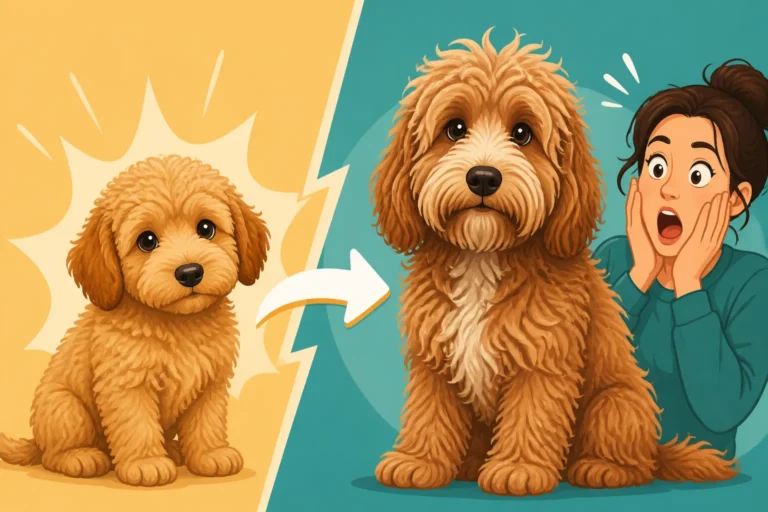
However, the real test often begins around six to ten months of age. This period, affectionately (or sometimes exasperatedly) known as the "coat change" or "puppy uglies," is when the soft puppy fluff starts to shed out and the more dense, adult coat begins to push through. It’s a bit like a human teenager’s growth spurt, but for their hair! This transition can be incredibly challenging for owners. The combination of old puppy hair and new adult hair creates a perfect storm for matting. Suddenly, your once easy-going grooming routine feels like an uphill battle. If you've ever dealt with A Cockapoo's Coat Through the Ten Month Change, you know exactly what I mean – brushing becomes a daily necessity, and even then, knots seem to appear out of nowhere.
The Maturing Adult Coat (1-2 Years)
After the intense coat change period, typically by around 12 to 18 months, many owners feel a sense of relief as the coat seems to "settle." It becomes more consistent in texture and density, and the frantic matting might ease slightly. This is often the point where the true A Cockapoo's Coat at Eighteen Months starts to emerge – whether it's more straight, wavy, or curly. You can usually get a good idea of what type of adult coat you're dealing with, and you start to refine your regular grooming schedule around it.
It's during this time that the coat often reaches its full length and initial density. However, "settling" doesn't always mean "finalized." While the most dramatic transformations are likely behind you, the coat is still in a developmental stage. It might continue to fill out, gain a bit more coarseness, or even develop a slightly tighter curl pattern in the months that follow. The idea that Whether a Cockapoo's Coat Settles After Two is a common misconception; while it largely stabilizes, subtle changes can still occur.
Why "Three" Isn't Necessarily the Finish Line
So, if the coat largely settles by two years, why do some owners still notice shifts around age three, or even later? It comes down to a combination of genetic programming, hormonal shifts, and environmental factors that continue to play a role long after puppyhood.
Genetic Influences and Their Timeline
A Cockapoo's coat is a direct result of the complex interplay of genes inherited from both the Cocker Spaniel and Poodle parents. Key genes, like those for furnishings (the facial hair, beard, and eyebrows) and curl, dictate the potential and type of coat your dog will have. The Furnishings Gene That Decides a Cockapoo's Face, for instance, is crucial for that classic Cockapoo look and low-shedding quality. Similarly, The Curl Gene and Where a Cockapoo's Coat Lands determines whether your Cockapoo will have a straight, wavy, or tightly curled coat.
While these genes are present from birth, their full expression can take time. Some coat types, particularly very dense or tightly curled ones, might take longer to achieve their full thickness and texture. A wavy coat might appear fairly stable by two, but a very curly coat might continue to develop a tighter spring, feeling denser and requiring more frequent brushing, right up to three years of age. This delayed full expression can be perplexing, making owners wonder if their dog’s coat will ever truly stop changing. It's also why understanding What an Improper Coated Cockapoo Looks Like is important, as these coats might behave differently from the expected low-shedding type and appear "final" sooner, simply because they lack the continuous growth pattern.
Environmental and Hormonal Factors
Even if genetically predisposed to a certain coat type, external and internal factors can subtly, or sometimes dramatically, influence its appearance and manageability over time.
- Spaying/Neutering: This is a huge one. Hormonal changes after spaying or neutering can often lead to a significant increase in coat density and a tendency for the hair to become softer and more cotton-like. While this can happen at any age post-surgery, if your Cockapoo was spayed or neutered close to or around their second birthday, you might see these changes developing and peaking closer to the three-year mark. This increased density can make grooming much harder, feeling almost like another "coat change."
- Diet and Nutrition: What your Cockapoo eats plays a vital role in the health and quality of their coat. A sudden change in diet, or a deficiency in essential fatty acids, can impact coat luster and texture. For example, if you switch to a new food or introduce supplements, it might take a few months for the coat to reflect those changes. Brands like Ollie, which offers fresh, human-grade food, often highlight the benefits for skin and coat health, and switching to such a diet could certainly influence coat quality over time.
- Health and Medications: Underlying health issues, such as allergies, thyroid problems, or even certain medications, can affect a Cockapoo's coat. Thinning, excessive shedding, dryness, or oiliness can all be symptoms of an internal imbalance. If a health issue emerges or is treated around the two to three-year mark, you might notice subsequent coat changes as their body adjusts.
- Climate and Seasons: While not as dramatic as genetic factors, seasonal changes can subtly impact coat density and shedding patterns, even in a low-shedding breed like the Cockapoo. Some dogs might grow a slightly thicker coat in winter or shed a bit more in spring, leading to ongoing, minor variations.
Recognizing and Managing the Maturing Cockapoo Coat
By the time your Cockapoo is around three years old, you should have a good sense of their general coat type and its primary characteristics. However, "final" doesn't mean "maintenance-free." If anything, a mature coat often requires consistent, diligent care.
Characteristics of a Fully Developed Coat
A truly mature Cockapoo coat typically exhibits a consistent texture and density throughout. It should have a healthy shine (assuming good nutrition and care) and feel robust, not overly cottony or fragile, unless that's its natural genetic predisposition. You'll notice a more predictable growth pattern, meaning you can anticipate how quickly it will get shaggy between grooms. The shedding, while generally low for furnished Cockapoos, should be minimal and consistent, rather than sporadic bursts of fluff.
For a straight or wavy coated Cockapoo, the coat might feel silky or soft, but with enough body not to lie completely flat. For a curly coat, the curls will be distinct and resilient, bouncing back rather than feeling brittle. If you're still seeing patchiness, extreme matting despite diligent care, or a coat that doesn't seem to hold a consistent shape, it might indicate ongoing maturation or an underlying issue.
Ongoing Grooming Needs for a Stable Coat
Regardless of when your Cockapoo's coat "finalizes," the commitment to grooming is lifelong. The specific needs will largely depend on their coat type. The Three Cockapoo Coat Types and Their Upkeep all require different approaches.
| Coat Type | Characteristics (Adult) | Grooming Frequency (Brushing) | Grooming Frequency (Professional) |
|---|---|---|---|
| Straight | Silky, finer hair, less curl | 2-3 times per week | Every 8-12 weeks |
| Wavy | Soft waves, moderate density | Every other day | Every 6-8 weeks |
| Curly | Tight curls, dense, often coarse | Daily | Every 4-6 weeks |
Even if your dog has a "stable" coat, it's crucial to maintain a regular grooming schedule. This means not just brushing the top layer but engaging in proper Line Brushing a Cockapoo and Why the Top Coat Lies to reach down to the skin, preventing mats from forming deep within the coat. A good slicker brush and a metal comb (especially The Comb That Finds Mats a Slicker Misses) are indispensable tools. You can find a wide array of these grooming essentials on platforms like Chewy or Amazon, making it easy to keep your grooming kit stocked. Regular professional grooming is also key to maintaining coat health, especially for wavy and curly types, to ensure proper trimming and de-shedding.
The Role of Nutrition and Health
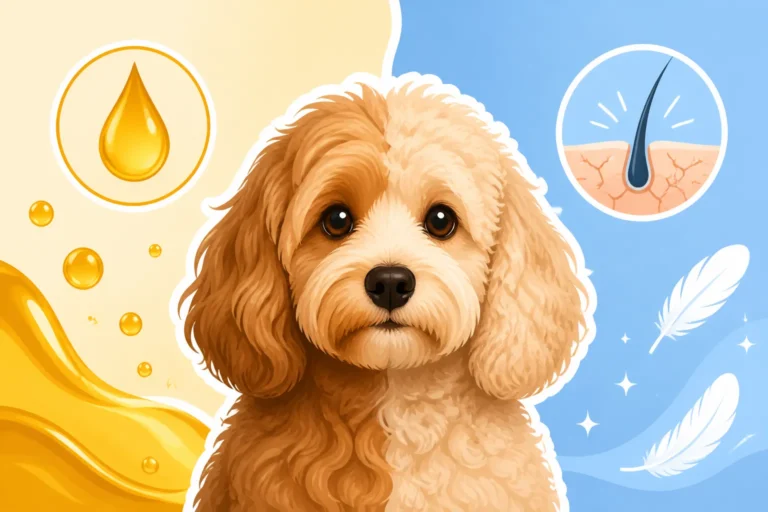
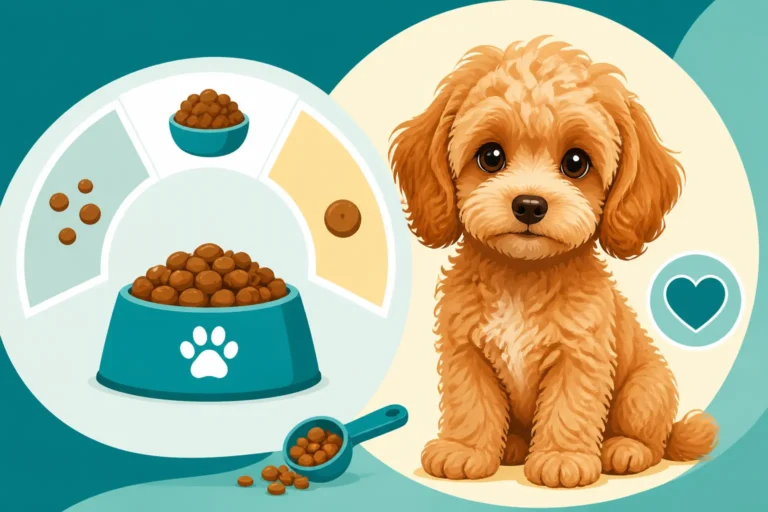
A beautiful, healthy coat truly starts from within. Even after the coat has reached its mature state, diet remains paramount. High-quality dog food, rich in protein and healthy fats (like omega-3 and omega-6 fatty acids), provides the building blocks for strong, shiny hair. Many owners choose to supplement their Cockapoo's diet with fish oil or specialized skin and coat supplements, which can help maintain luster and prevent dryness. Brands that focus on high-quality ingredients, like Ollie, can be a great option for supporting overall health, including coat condition.
Beyond diet, regular veterinary check-ups are essential. Your vet can identify any underlying health issues that might be subtly impacting your Cockapoo's coat. Conditions like allergies, thyroid imbalances, or even parasites can manifest as changes in coat quality, texture, or shedding patterns. Addressing these promptly will not only improve their coat but, more importantly, their overall well-being.
When "Final" Isn't Final: Unexpected Changes
While the most significant transformations typically occur by age three, it's important to remember that a Cockapoo's coat isn't entirely static for the rest of their lives. Just like us, dogs experience age-related changes, and sometimes, unforeseen health issues can cause surprising shifts in their fur.
Age-Related Coat Changes
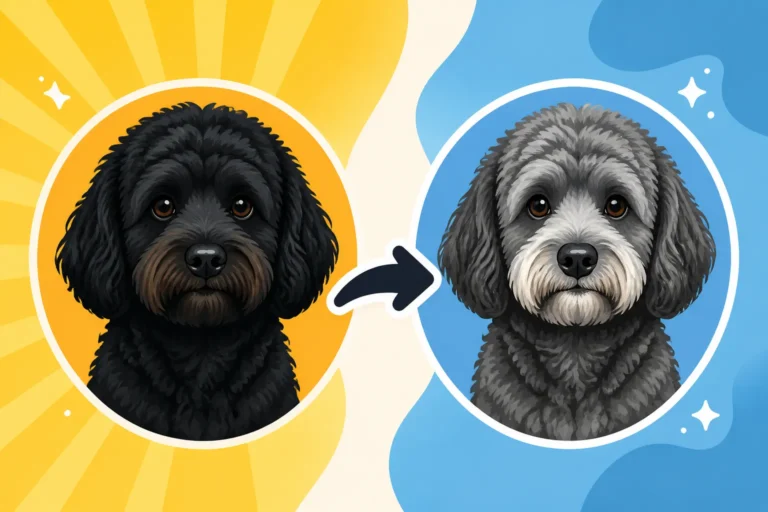
As your Cockapoo moves into their senior years, typically starting around seven or eight, you might notice new subtle shifts in their coat. One of the most common is greying, particularly around the muzzle and eyes, which gives them a distinguished, wise look. Their coat might also start to thin slightly in some areas, or become a little softer and less dense than it was in its prime. This is a natural part of the aging process and is usually nothing to worry about. For some older Cockapoos, their curl might even loosen a bit, making their coat seem less voluminous.
Maintaining grooming during these later years is still important, though you might need to adjust your approach. An older dog might be less tolerant of long grooming sessions, so splitting up brushing into shorter, more frequent sessions can be helpful.
Health Issues and Coat Quality
Beyond the natural progression of age, various health problems can cause significant changes to a Cockapoo's coat, regardless of their age. Conditions like Cushing's disease, diabetes, or even chronic stress can lead to hair loss, dullness, or a brittle texture. Allergies, whether environmental or food-related, often manifest as itchy skin, hot spots, and a poor coat condition. You might notice excessive paw licking or scratching, leading to staining and fur damage.
Medications, especially long-term steroids, can also affect coat quality, sometimes causing thinning or changes in texture. If you notice any sudden or drastic changes in your Cockapoo's coat – new patches of hair loss, excessive dryness or oiliness, or a sudden increase in matting that isn't due to neglect – it's always best to consult your veterinarian. These can be important indicators of underlying health concerns that need to be addressed. Remember, Whether Shaving Ruins a Cockapoo's Coat is a concern for some, but if mats become severe due to health issues, sometimes a professional shave is the kindest option for their comfort and skin health.
In conclusion, while your Cockapoo's coat will undergo its most significant changes in the first two years of life, reaching a state of relative stability around two to three years of age, it's not truly "final." Subtle shifts due to genetics, hormones, diet, health, and aging can continue to influence its appearance throughout their lifetime. The key is consistent, attentive care and a proactive approach to their overall health.
Disclaimer
This article is for general informational purposes only and does not constitute professional advice. Laws, prices and regulations vary by location and change over time. Consult a qualified professional for guidance on your specific situation.