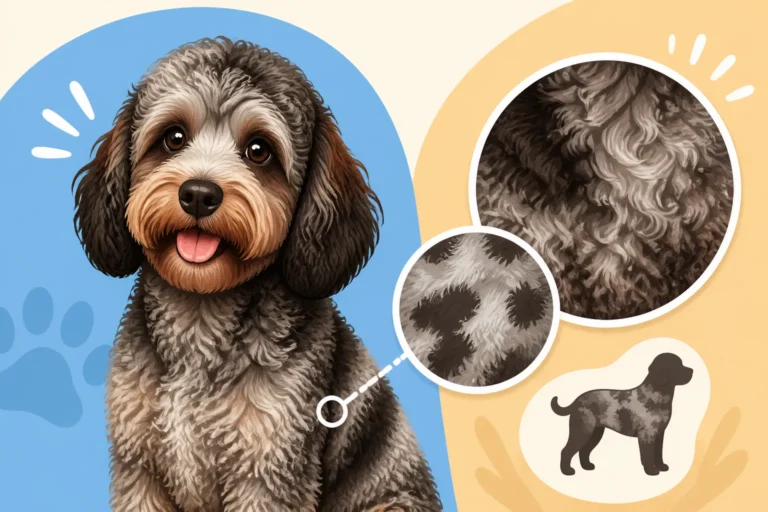
Whether a Cockapoo Needs Furnishings to Be Low Shedding
It's a common dream, isn't it? Bringing home a Cockapoo with that adorable teddy bear face, picturing a life free from tumbleweeds of dog hair. Many of us specifically seek out Cockapoos because we’ve heard they’re "hypoallergenic" or "non-shedding." But the reality of a dog's coat, especially in a hybrid like the Cockapoo, is a bit more nuanced than that. The truth is, whether your Cockapoo sheds minimally often comes down to a single genetic trait: furnishings. This guide will walk you through what furnishings are, why they matter so much for shedding, and what to expect from your Cockapoo's coat.
What Exactly are Furnishings in a Cockapoo?
When we talk about "furnishings" in a Cockapoo, we're not just referring to a cute beard. This term points to a specific genetic trait that profoundly influences a dog's coat texture, growth, and, critically, its shedding habits. It's one of the most defining characteristics that sets a Cockapoo apart visually from a smooth-faced Cocker Spaniel, and it's something every potential owner should understand.
The Genetic Basis of Furnishings
At the heart of furnishings is a gene called RSPO2. Dogs carry two copies of every gene, one from each parent. For furnishings, we're looking at alleles (versions of the gene) often represented as 'F' for furnished and 'f' for unfurnished.
- FF (Homozygous Furnished): If your Cockapoo inherited two copies of the furnished gene, one from each parent, it is guaranteed to have furnishings. This is often seen in later-generation Cockapoos or those bred from two furnished Poodle parents.
- Ff (Heterozygous Furnished): If your Cockapoo inherited one furnished gene (F) and one unfurnished gene (f), it will still display furnishings because 'F' is a dominant trait. These dogs are carriers of the unfurnished gene and could pass it on to their offspring if bred.
- ff (Homozygous Unfurnished, or "Improper Coat"): If your Cockapoo inherited two copies of the unfurnished gene, one from each parent, it will not have furnishings. This is often referred to as an "improper coat" in the doodle world, though it's perfectly natural and healthy – it just means the dog will look more like its Cocker Spaniel ancestor with a smooth face and a coat that sheds.
Understanding these genetic combinations, sometimes referred to by breeders as What an FF Result Means on a Cockapoo or even What an IC Result Means on a Cockapoo, is the first step in unraveling the mystery of your Cockapoo's coat. It’s all about predicting what that adorable puppy will look like and how much grooming effort it will require down the line.
Visual Cues: How to Spot Furnishings
When you look at a classic Cockapoo, you immediately notice that charming, scruffy face. That's furnishings at work! Dogs with furnishings have longer hair on their muzzle, creating what we lovingly call a beard, mustache, and distinct eyebrows. Their coat tends to grow continuously, which is why it needs regular trimming to keep it from becoming too long or matted. This is the Poodle's influence shining through.
On the other hand, a Cockapoo without furnishings, often called an "improper coat" or sometimes a "flat-coated" Cockapoo, will have a smoother face. Their facial hair will be short, resembling that of a Cocker Spaniel. They won't have that characteristic shaggy beard or prominent eyebrows. If you're picking a puppy, especially a young one, looking closely at the muzzle can give you a clue, though a DNA test is the most accurate way. The presence of furnishings is tied to The Furnishings Gene That Decides a Cockapoo's Face.
The Crucial Link Between Furnishings and Shedding
The connection between furnishings and shedding is pretty straightforward: dogs with furnishings tend to shed significantly less, if at all, compared to those without. This is why it’s such a hot topic for people seeking a low-allergy companion. It’s not magic; it’s genetics influencing hair growth cycles.
How Furnishings Minimize Shedding
The 'F' gene, responsible for furnishings, dictates a continuous hair growth cycle. Unlike dogs with traditional double coats or short, smooth coats that have distinct shedding seasons where old hair falls out to make way for new, furnished dogs' hair just keeps growing. Think of human hair – it grows continuously, and while we lose individual strands daily, we don't "shed" our entire coat seasonally. It's similar for a furnished Cockapoo. The hair that does naturally detach gets caught within the existing curly or wavy coat rather than falling out onto your furniture or floor.
This continuous growth is what makes furnished Cockapoos fantastic choices for many families, especially those who prioritize minimal shedding. It means less sweeping, less vacuuming, and generally less hair clinging to your clothes. This trait is a direct inheritance from the Poodle side of the family, which is renowned for its continuously growing, low-shedding coat.
The "Hypoallergenic" Misconception
It's tempting to use the term "hypoallergenic" when discussing low-shedding dogs like furnished Cockapoos, but it's important to clarify what that truly means. No dog is 100% hypoallergenic. Allergies are typically triggered by dander (microscopic flakes of skin), saliva, and urine, not just the hair itself. However, because furnished dogs shed so little, they release less dander into the environment. The hair that does detach, along with any accompanying dander, tends to get trapped in their dense, often curly or wavy coat.
This trapping mechanism is what makes furnished Cockapoos more suitable for many people with allergies, as the allergens are less likely to become airborne and cause a reaction. It doesn't eliminate allergens entirely, but it significantly reduces exposure. So, while "hypoallergenic" is technically a misnomer, a furnished Cockapoo will certainly be a much better fit for an allergy sufferer than a high-shedding breed. Whether any Cockapoo is Truly Non Shedding provides more context on this often-misunderstood claim.
Understanding the "Improper Coat" or Unfurnished Cockapoo
Sometimes, despite a breeder's best intentions or an owner's hopes, a Cockapoo puppy will be born without furnishings. This is not a defect or a health issue; it's simply a natural genetic variation. In the world of designer dogs like the Cockapoo, this is often referred to as an "improper coat." But what does that really mean for the dog and its owner?
What an Unfurnished Cockapoo Looks Like
An unfurnished Cockapoo will have a smooth, shorter coat on its face, much like a Cocker Spaniel. You won't see the characteristic beard, mustache, or prominent eyebrows that are synonymous with the "teddy bear" look. Their body coat can still be wavy or even slightly curly, but it will often be less dense and more prone to shedding. The most noticeable difference is always on the face. What an Improper Coated Cockapoo Looks Like delves deeper into the visual aspects of this coat type.
Imagine a beautiful Cocker Spaniel. Now imagine that dog with a slightly wavier body coat from the Poodle influence. That's often what an unfurnished Cockapoo resembles. They are still charming, affectionate, and full of life, but their grooming needs and shedding reality will be different from their furnished counterparts. For those expecting the typical Cockapoo appearance, an unfurnished coat can sometimes come as a surprise.
The Shedding Reality of an Unfurnished Cockapoo
The primary difference with an unfurnished Cockapoo lies in its shedding pattern. Without the continuous growth cycle imparted by the furnishings gene, these dogs will shed more noticeably. Their shedding will likely be comparable to that of a Cocker Spaniel, which is a moderate shedder, especially seasonally. This means you will find hair on your furniture, floors, and clothes.
For families with severe allergies, an unfurnished Cockapoo might not be the best choice. While they still carry Poodle genetics, the absence of furnishings allows more hair and dander to be released into the environment. This isn't to say they shed like a German Shepherd, but the difference between a furnished and unfurnished Cockapoo in terms of shedding is significant. If low shedding is a top priority for you, it's crucial to understand the genetic likelihood of furnishings in a puppy before bringing them home.
Genetic Testing: Unlocking Coat Secrets
In today's world of responsible breeding, genetic testing has become an invaluable tool, especially for hybrid breeds like the Cockapoo. For prospective owners, understanding these tests can provide peace of mind and help manage expectations about a puppy's future coat.
Why Breeders Test for Furnishings
Responsible Cockapoo breeders use DNA testing to confirm the genetic makeup of their breeding dogs for various traits, including furnishings. This isn't just about appearance; it's about being able to confidently predict the coat type of a litter and ensure they are meeting the expectations of buyers, especially those looking for low-shedding dogs.
- Predicting Litter Outcomes: By testing both parent dogs, a breeder can determine the probability of their puppies inheriting furnishings. For example, if both parents are Ff (heterozygous furnished), there's a 75% chance a puppy will be furnished (25% FF, 50% Ff) and a 25% chance it will be unfurnished (ff). If one parent is FF and the other is Ff, all puppies will be furnished (50% FF, 50% Ff). If one parent is FF and the other is ff, all puppies will be Ff.
- Meeting Buyer Expectations: Many people choose Cockapoos specifically for their low-shedding qualities. Breeders who test can provide transparency and guarantee that their puppies will have furnishings, which is a huge reassurance for allergy sufferers.
- Improving Breed Standards (informally): While Cockapoos are not a recognized breed by major kennel clubs, dedicated breeders strive to produce healthy, consistent puppies. Genetic testing helps them understand and refine their lines. You can learn more about this specific test by looking up What RSPO2 Testing Tells a Cockapoo Breeder.
What a Coat Panel Report Tells You
A comprehensive coat panel report from a reputable genetic testing lab can tell a breeder (and by extension, a prospective owner) a lot more than just furnishings. While furnishings (RSPO2) are key for shedding, other genes influence curl, coat length, and even color.
Here's a simplified look at what a coat panel might reveal for your Cockapoo:
| Genetic Marker | Trait Influenced | Interpretation (Simplified) | Impact on Shedding |
|---|---|---|---|
| RSPO2 (F/f) | Furnishings | FF: Furnished, no facial shedding. Ff: Furnished, no facial shedding. ff: Unfurnished, sheds on face. | FF/Ff: Very Low Shedding. ff: Moderate Shedding. |
| KRT71 (Cu/Cuc/cur1) | Coat Curl | Cu/Cu: Very curly. Cu/Cuc: Wavy. Cuc/Cuc: Straight/wavy. | Affects how loose hairs are trapped; curlier generally means less visible shedding. |
| FGF5 (L/l) | Coat Length | L/L: Short coat. L/l: Carrier for long. l/l: Long coat. | Most Cockapoos are l/l (long coat), contributing to low shedding if furnished. |
This table shows how different genes contribute to the overall coat type. For example, a Cockapoo that is Ff and Cu/Cu will likely have a wavy to curly, furnished coat that sheds minimally. Conversely, an ff dog, even with a curly body coat, will still show more shedding. Understanding The Curl Gene and Where a Cockapoo's Coat Lands further enhances this picture. These reports offer incredible insight, helping breeders make informed decisions and giving buyers confidence in their choice. Many breeders will share these results with you, sometimes even posting them on their online profiles or offering them when you purchase supplies through platforms like Chewy or Amazon.
Managing Your Cockapoo's Coat, Furnished or Not
Regardless of whether your Cockapoo has furnishings, proper coat care is paramount. However, the specific techniques and frequency of grooming will definitely shift depending on its genetic makeup. Embracing the right routine can make all the difference in keeping your pup comfortable and your home cleaner.
Grooming a Furnished, Low-Shedding Coat
For the majority of Cockapoos, which proudly sport their furnishings, the grooming routine is all about preventing mats and tangles. Because their hair grows continuously and doesn't fall out, it has a tendency to knot up, especially in areas of friction like behind the ears, under the armpits, and on the tail.
- Daily Brushing: This is non-negotiable for a furnished Cockapoo, especially if they have a wavy or curly coat. A slicker brush followed by a metal comb is your best friend. You need to get all the way down to the skin to prevent mats from forming at the roots. Learn about techniques like Line Brushing a Cockapoo and Why the Top Coat Lies to ensure you're doing it effectively.
- Regular Professional Grooming: These dogs need professional trims every 6-10 weeks. Your groomer will clip the body coat, tidy the face, and maintain those adorable furnishings. Neglecting professional grooming can quickly lead to painful, dense mats that can only be resolved by shaving the dog down, which is not fun for anyone involved. How Many Minutes a Curly Cockapoo Takes to groom often surprises new owners.
- Bathing: Bathe your Cockapoo as needed, typically every 2-4 weeks. Always brush thoroughly before bathing, as water can tighten mats, making them impossible to remove. Use a good quality dog shampoo and conditioner, many of which are readily available on platforms like Amazon or Chewy.
- Ear and Eye Care: The continuous hair growth extends to their ears (requiring plucking or trimming to prevent infections) and around their eyes, which needs regular trimming to keep their vision clear and prevent irritation.
Grooming an Unfurnished, Higher-Shedding Coat
While an unfurnished Cockapoo may not have the same matting issues as a furnished one, they will have different grooming requirements, primarily focused on managing shedding. Their coat will typically be shorter on the face and often flatter or less dense on the body, similar to a Cocker Spaniel.
- Regular Brushing: Even if they shed, regular brushing is crucial. This helps to remove loose hair before it ends up on your sofa, stimulates skin health, and distributes natural oils. A de-shedding tool can be very effective for these coat types, helping to pull out dead undercoat.
- Seasonal Management: Be prepared for heavier shedding during seasonal changes. During these times, daily brushing might be necessary to keep hair under control.
- Bathing: Regular bathing can also help release loose hair. Use a good de-shedding shampoo and conditioner, ensuring you rinse thoroughly to avoid skin irritation.
- Professional Grooming: While they might not need clipping as frequently as furnished Cockapoos, professional grooming can still be beneficial for maintaining coat health, trimming paw pads, and managing any feathering they may have. They won't need a "teddy bear cut" but might benefit from tidying trims.
Ultimately, understanding The Three Cockapoo Coat Types and Their Upkeep is fundamental to keeping your Cockapoo looking and feeling its best, regardless of its genetic lottery.
Beyond Genetics: Other Factors Influencing Shedding
While furnishings are the biggest player in a Cockapoo's shedding profile, it's not the only factor. A dog's overall health, nutrition, and even natural life cycles can influence how much hair they drop. It's important to consider these elements for a holistic approach to coat health and shedding management.
Health and Nutritional Impact
A healthy coat starts from within. What your Cockapoo eats and its general health status can significantly impact the quality of its coat and, consequently, its shedding.
- Dietary Quality: A high-quality diet rich in essential nutrients, particularly Omega-3 and Omega-6 fatty acids, is crucial for a healthy skin and coat. Poor nutrition can lead to a dull, brittle coat and excessive shedding. Look for reputable brands or consider fresh food options like Ollie, which often boast beneficial supplements for skin and coat health. Many excellent kibble options are also available on Chewy that focus on skin and coat support.
- Supplements: If your Cockapoo's coat seems dry or they are shedding more than expected, supplements like fish oil (Omega-3s) can often make a noticeable difference. Consult your vet before adding any new supplements to ensure they're appropriate for your dog's specific needs. This ties into the discussion around Whether Omega Oils Help a Cockapoo's Coat.
- Underlying Health Conditions: Various medical issues can manifest as excessive shedding or poor coat quality. Skin allergies, parasitic infections (like fleas or mites), fungal infections, hormonal imbalances (e.g., hypothyroidism), or even stress can all lead to increased hair loss. If you notice sudden, significant shedding, bald patches, or skin irritation, a vet visit is in order to rule out any health problems.
Seasonal Shedding and Coat Blows
Even a genetically low-shedding, furnished Cockapoo isn't entirely immune to losing some hair, especially during certain phases of life or seasons.
- Puppy Coat Change: One of the most common times for a Cockapoo to "shed" more is during its puppy coat change. This usually happens between 6 to 12 months of age, when the soft puppy fluff is replaced by the denser, adult coat. This period can be surprisingly intense for shedding and matting, even in furnished puppies. New owners often find themselves ambushed by The Coat Change That Ambushes a Cockapoo Owner at Ten Months. Regular, diligent brushing is key to getting through this phase without a matted mess.
- Seasonal Changes: While not as dramatic as double-coated breeds, even furnished Cockapoos can experience a slight increase in shedding during spring and fall as their bodies adjust to temperature changes. This is typically minimal and easily managed with consistent brushing.
- Age and Hormonal Changes: As dogs age, their coat texture and shedding patterns can sometimes change. Hormonal fluctuations, especially after spaying or neutering, can also sometimes lead to slight changes in coat density or shedding, though this is less common and usually subtle in a furnished Cockapoo.
Understanding these additional factors helps you provide the best care for your Cockapoo, ensuring their coat remains healthy and manageable throughout their life.
Disclaimer
This article is for general informational purposes only and does not constitute professional advice. Laws, prices and regulations vary by location and change over time. Consult a qualified professional for guidance on your specific situation.